












 The 100 Most Common Chinese Words
Each word with a picture, native audio and an example sentence with its English translation. Tap a speaker to hear the word or the sentence.

Learn all 100 words in the app
Pictures, native audio, and each word comes back right before you’d forget it. Free on iPhone & Android.

 Scan with your phone camera
 Your PDF is downloading
Printing is step one. Flashcardly makes the words stick: it brings each one back right before you’d forget it, with native audio.
How this list is ranked
This is the Flashcardly Chinese course in order: by frequency and everyday usefulness, with input from language teachers. It is not a raw corpus count, which is why words like “the” and “of” are not padding the top of the list, while “man” comes in at #13.
The list
Tap a picture to hear it.
-
 你好 nǐ hǎo Hello
你好,你好吗? Nǐ hǎo, nǐ hǎo ma? Hello, how are you?
-
 欢迎 huānyíng Welcome
欢迎来到我们家。 Huānyíng lái dào wǒmen jiā. Welcome to our home.
-
 早上好 zǎoshang hǎo Good morning
早上好! Zǎoshang hǎo! Good morning!
-
 是的 shì de yes
是的,我明白了。 Shì de,wǒ míngbai le。 Yes, I understand.
-
 晚上好 wǎnshang hǎo Good evening
晚上好! Wǎnshang hǎo! Good evening!
-
 不 bù no
她说不。 Tā shuō bù。 She said no.
-
 再见 zàijiàn Goodbye
再见,安娜! Zàijiàn,Ānnà! Goodbye, Anna!
-
 下午好 xiàwǔ hǎo Good afternoon
下午好! Xiàwǔ hǎo! Good afternoon!
-
 一会儿见 yīhuìr jiàn See you soon
一会儿见,米娅! Yīhuìr jiàn, Mǐyà! See you soon, Mia!
-
 明天见 míngtiān jiàn See you tomorrow
明天见! Míngtiān jiàn! See you tomorrow!
-
 很高兴认识你 Hěn gāoxìng rènshi nǐ Nice to meet you
我也很高兴认识你! Wǒ yě hěn gāoxìng rènshi nǐ! Nice to meet you too!
-
 你好吗 nǐ hǎo ma How are you?
今天你好吗? Jīntiān nǐ hǎo ma? How are you today?
-
 男人 nánrén man
那个男人看那本书。 Nà ge nánrén kàn nà běn shū。 The man reads the book.
-
 女人 nǚrén woman
那个女人戴着一顶帽子。 Nà ge nǚrén dài zhe yī dǐng màozi。 The woman wears a hat.
-
 男孩 nánhái boy
这个男孩在玩玩具。 Zhè ge nánhái zài wán wánjù。 The boy plays with toys.
-
 女孩 nǚhái girl
这个女孩有一个球。 Zhège nǚhái yǒu yī ge qiú。 The girl has a ball.
-
 人 rén person
他是一个好人。 Tā shì yī ge hǎo rén。 He is a nice person.
-
 人们 rénmen people
人们很高兴。 Rénmen hěn gāoxìng. The people are very happy.
-
 成年人 chéngniánrén adult
我是一个成年人。 Wǒ shì yī ge chéngniánrén。 I am an adult.
-
 宝宝 bǎobao baby
宝宝需要牛奶。 Bǎobao xūyào niúnǎi。 The baby needs milk.
-
 先生 xiānsheng Mr
史密斯先生喜欢看书。 Shǐmìsī xiānsheng xǐhuan kàn shū. Mr. Smith likes to read books.
-
 太太 tàitai Mrs
史密斯太太是老师。 Shǐmìsī tàitai shì lǎoshī. Mrs. Smith is a teacher.
-
 邻居 línjū neighbor
我的邻居很友好。 Wǒ de línjū hěn yǒuhǎo. My neighbor is very friendly.
-
 朋友 péngyou friend
我的朋友喜欢看书。 Wǒ de péngyou xǐhuan kàn shū。 My friend likes to read books.
-
 今天 jīntiān today
今天是一个好日子。 Jīntiān shì yī ge hǎo rìzi。 Today is a good day.
-
 明天 míngtiān tomorrow
明天是新的一天。 Míngtiān shì xīn de yī tiān。 Tomorrow is a new day.
-
 昨天 zuótiān yesterday
我昨天看见她了。 Wǒ zuótiān kànjiàn tā le。 I saw her yesterday.
-
 现在 xiànzài now
他现在就要。 Tā xiànzài jiù yào。 He wants it now.
-
 下午 xiàwǔ afternoon
我喜欢下午。 Wǒ xǐhuan xiàwǔ。 I like the afternoon.
-
 晚上 wǎnshang evening
晚上很安静。 Wǎnshang hěn ānjìng。 The evening is quiet.
-
 分钟 fēnzhōng minute
我们需要五分钟。 Wǒmen xūyào wǔ fēnzhōng。 We need five minutes.
-
 早上 zǎoshang morning
我早上吃早饭。 Wǒ zǎoshang chī zǎofàn. I eat breakfast in the morning.
-
 以后 yǐhòu later
我以后再做。 Wǒ yǐhòu zài zuò. I will do it later.
-
 早 zǎo early
她起得很早。 Tā qǐ de hěn zǎo。 She wakes up early.
-
 迟到 chídào late
他经常迟到。 Tā jīngcháng chídào。 He is often late.
-
 小时 xiǎoshí hour
这节课要一个小时。 Zhè jié kè yào yī ge xiǎoshí. The class lasts one hour.
-
 你叫什么名字? Nǐ jiào shénme míngzi? What's your name?
你叫什么名字? Nǐ jiào shénme míngzi? What's your name?
-
 我叫 wǒ jiào My name is
我叫艾米丽。 Wǒ jiào Àimǐlì。 My name is Emily.
-
 你是哪里人? Nǐ shì nǎlǐ rén? Where are you from?
你是哪里人? Nǐ shì nǎlǐ rén? Where are you from?
-
 我来自 wǒ láizì I'm from
我来自德国。 Wǒ láizì Déguó。 I'm from Germany.
-
 你住在哪儿? Nǐ zhù zài nǎr? Where do you live?
你住在哪儿? Nǐ zhù zài nǎr? Where do you live?
-
 我住在 wǒ zhù zài I live in
我住在日本。 Wǒ zhù zài Rìběn。 I live in Japan.
-
 你会说什么语言? Nǐ huì shuō shénme yǔyán? What languages do you speak?
你会说什么语言? Nǐ huì shuō shénme yǔyán? What languages do you speak?
-
 我说 wǒ shuō I speak
我说英语说得很好。 Wǒ shuō yīngyǔ shuō de hěn hǎo。 I speak English well.
-
 我会说一点 wǒ huì shuō yīdiǎn I speak a little
我会说一点法语。 Wǒ huì shuō yīdiǎn Fǎyǔ. I speak a little French.
-
 你在哪里出生 nǐ zài nǎlǐ chūshēng Where were you born
你在哪里出生? Nǐ zài nǎlǐ chūshēng? Where were you born?
-
 你姓什么? Nǐ xìng shénme? What's your surname?
你姓什么? Nǐ xìng shénme? What's your surname?
-
 这是我的朋友 zhè shì wǒ de péngyou This is my friend
这是我的朋友丽莎。 Zhè shì wǒ de péngyou Lìshā。 This is my friend Lisa.
-
 做 zuò make
我做的咖啡很好喝。 Wǒ zuò de kāfēi hěn hǎohē. I make good coffee.
-
 得到 dédào get
他得到了一个礼物。 Tā dédào le yī ge lǐwù。 He got a present.
-
 有 yǒu have
艾玛有一辆车。 Àimǎ yǒu yī liàng chē。 Emma has a car.
-
 吃 chī eat
他们在吃苹果。 Tāmen zài chī píngguǒ。 They are eating apples.
-
 喝 hē drink
你喝咖啡吗? Nǐ hē kāfēi ma? Do you drink coffee?
-
 睡觉 shuìjiào sleep
我现在想睡觉。 Wǒ xiànzài xiǎng shuìjiào。 I want to sleep now.
-
 看见 kànjiàn see
你能看见那个房子吗? Nǐ néng kànjiàn nàge fángzi ma? Can you see the house?
-
 看 kàn look at
亚当喜欢看照片。 Yàdāng xǐhuan kàn zhàopiàn。 Adam likes to look at pictures.
-
 看 kàn read
学生看书。 Xuéshēng kàn shū。 The student reads books.
-
 打开 dǎkāi open
她打开窗户。 Tā dǎkāi chuānghu。 She opens the window.
-
 关 guān close
我关门。 Wǒ guān mén. I close the door.
-
 来 lái come
你每天都来这里。 Nǐ měitiān dōu lái zhèlǐ。 You come here every day.
-
 请 qǐng Please.
请开门。 Qǐng kāi mén. Please open the door.
-
 谢谢 xièxie Thank you.
谢谢你的帮助。 Xièxie nǐ de bāngzhù。 Thank you for your help.
-
 不客气 bùkèqi You're welcome.
不客气。 Bùkèqi。 You're welcome.
-
 不好意思 bùhǎoyìsi Excuse me.
不好意思,我需要帮助。 Bùhǎoyìsi, wǒ xūyào bāngzhù. Excuse me, I need help.
-
 对不起 duìbuqǐ Sorry.
对不起。 Duìbuqǐ。 I am sorry.
-
 你能帮我吗 Nǐ néng bāng wǒ ma Could you help me?
你能帮我吗? Nǐ néng bāng wǒ ma? Could you help me?
-
 请再说一遍 Qǐng zài shuō yī biàn Could you please repeat?
请再说一遍好吗? Qǐng zài shuō yī biàn hǎo ma? Could you please repeat that?
-
 您能说得慢一点吗 Nín néng shuō de màn yīdiǎn ma Could you speak more slowly?
您能说得慢一点吗? Nín néng shuō de màn yīdiǎn ma? Could you speak more slowly?
-
 请给我 qǐng gěi wǒ Could I have ... please?
请给我水。 Qǐng gěi wǒ shuǐ。 Could I have water please?
-
 我想 wǒ xiǎng I'd like
我想再来点茶。 Wǒ xiǎng zài lái diǎn chá。 I'd like some more tea.
-
 我可以 wǒ kěyǐ May I...?
我可以喝点水吗? Wǒ kěyǐ hē diǎn shuǐ ma? May I have some water?
-
 可以吗 kěyǐ ma Is it okay if...?
我坐下可以吗? Wǒ zuòxià kěyǐ ma? Is it okay if I sit?
-
 零 líng zero
零比一小。 Líng bǐ yī xiǎo。 Zero is less than one.
-
 一 yī one
我有一个苹果。 Wǒ yǒu yī ge píngguǒ。 I have one apple.
-
 两 liǎng two
有两只猫。 Yǒu liǎng zhī māo. There are two cats.
-
 三 sān three
不,三个太多了。 Bù,sān ge tài duō le。 No, three is too much.
-
 四 sì four
请给我四个。 Qǐng gěi wǒ sì ge。 Give me four, please.
-
 五 wǔ five
我有五只狗。 Wǒ yǒu wǔ zhī gǒu。 I have five dogs.
-
 六 liù six
他和六个朋友一起来了。 Tā hé liù gè péngyou yīqǐ lái le. He came with six friends.
-
 七 qī seven
我在跑七公里。 Wǒ zài pǎo qī gōnglǐ。 I am running seven kilometers.
-
 八 bā eight
蜘蛛有八条腿。 Zhīzhū yǒu bā tiáo tuǐ。 A spider has eight legs.
-
 九 jiǔ nine
九是我的幸运数字。 Jiǔ shì wǒ de xìngyùn shùzì。 Nine is my lucky number.
-
 十 shí ten
我们有十个手指。 Wǒmen yǒu shí ge shǒuzhǐ. We have ten fingers.
-
 加 jiā plus
二加二等于四。 Èr jiā èr děngyú sì。 Two plus two is four.
-
 我不懂 Wǒ bù dǒng I don't understand.
我不懂。 Wǒ bù dǒng。 I don't understand.
-
 请再说一遍好吗? Qǐng zài shuō yī biàn hǎo ma? Could you repeat that please?
请再说一遍好吗? Qǐng zài shuō yī biàn hǎo ma? Could you repeat that please?
-
 请慢一点儿 Qǐng màn yīdiǎnr More slowly please.
请慢一点儿。 Qǐng màn yīdiǎnr。 More slowly please.
-
 那是什么意思 nà shì shénme yìsi What does that mean?
那是什么意思? Nà shì shénme yìsi? What does that mean?
-
 那个用......怎么说? Nà ge yòng …… zěnme shuō? How do you say that in ...?
那个用西班牙语怎么说? Nà ge yòng Xībānyáyǔ zěnme shuō? How do you say that in Spanish?
-
 那个怎么拼? Nà ge zěnme pīn? How do you spell that?
那个怎么拼? Nà ge zěnme pīn? How do you spell that?
-
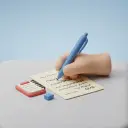 你可以把它写下来吗? Nǐ kěyǐ bǎ tā xiě xiàlái ma? Can you write it down?
请问,你可以把它写下来吗? Qǐngwèn,nǐ kěyǐ bǎ tā xiě xiàlái ma? Can you write it down, please?
-
 你可以给我看吗? Nǐ kěyǐ gěi wǒ kàn ma? Can you show me?
你可以给我看那张照片吗? Nǐ kěyǐ gěi wǒ kàn nà zhāng zhàopiàn ma? Can you show me the photo?
-
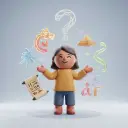 你会说 nǐ huì shuō Do you speak ...?
你会说英语吗? Nǐ huì shuō yīngyǔ ma? Do you speak English?
-
 请等一下 qǐng děng yī xià Just a moment please.
请等一下。 Qǐng děng yī xià。 Just a moment please.
-
 我觉得是这样 Wǒ juéde shì zhèyàng I think so.
我也觉得是这样。 Wǒ yě juéde shì zhèyàng。 I think so too.
-
 我不知道 wǒ bù zhīdào I don't know.
我不知道。 Wǒ bù zhīdào。 I don't know.
-
 这 zhè this
这是我的红色的车。 Zhè shì wǒ de hóngsè de chē。 This is my red car.
-
 那 nà that
那只狗很友好。 Nà zhī gǒu hěn yǒuhǎo。 That dog is very friendly.
-
 这里 zhèlǐ here
我喜欢在这里。 Wǒ xǐhuan zài zhèlǐ。 I like being here.
-
 那里 nàlǐ there
我们下班后在那里见面。 Wǒmen xiàbān hòu zài nàlǐ jiànmiàn. We meet there after work.
Free for personal and classroom use.
Quick quiz
Five questions from the first 100 words.
Make these words stick
The app brings each word back right before you’d forget it. Free on iPhone and Android.
More Chinese
Chinese words by topic
- Numbers1–100
- Ordinal Numbers12
- Days of the week12
- Months12
- Colors19
- Family members36
- Body parts24
- Food44
- Animals36
- Clothes41
- Jewelry and Accessories12
- Weather24
- Greetings12
- Fruits16
- Vegetables12
- Kitchen36
- Restaurant & ordering food48
- Money25
- Rooms in the house48
- Jobs & professions36
- Emotions & feelings36
- School supplies & classroom48
- Transportation48
- Travel60
- Directions48
- Prepositions18
- Places in town48
- At the doctor36
- Sports & games60
- Hobbies36
- Musical instruments12
- Nature & plants36
- Planets & space24
- Time36
- Holidays & celebrations12
- Shapes12
- Please & thank you24
- Small talk36
Word lists
Learn these 100 Chinese words in order.
The app teaches them 12 at a time, with pictures and audio, and brings each one back before you forget it. Free on iPhone and Android.
Scan with your phone's camera to get the app.
