












 The 500 Most Common Chinese Words
Each word with a picture, native audio and an example sentence with its English translation. Tap a speaker to hear the word or the sentence.

Learn all 500 words in the app
Pictures, native audio, and each word comes back right before you’d forget it. Free on iPhone & Android.

 Scan with your phone camera
 Your PDF is downloading
Printing is step one. Flashcardly makes the words stick: it brings each one back right before you’d forget it, with native audio.
How this list is ranked
This is the Flashcardly Chinese course in order: by frequency and everyday usefulness, with input from language teachers. It is not a raw corpus count, which is why words like “the” and “of” are not padding the top of the list, while “man” comes in at #13.
The list
Tap a picture to hear it.
Words 1–100
-
 你好 nǐ hǎo Hello
你好,你好吗? Nǐ hǎo, nǐ hǎo ma? Hello, how are you?
-
 欢迎 huānyíng Welcome
欢迎来到我们家。 Huānyíng lái dào wǒmen jiā. Welcome to our home.
-
 早上好 zǎoshang hǎo Good morning
早上好! Zǎoshang hǎo! Good morning!
-
 是的 shì de yes
是的,我明白了。 Shì de,wǒ míngbai le。 Yes, I understand.
-
 晚上好 wǎnshang hǎo Good evening
晚上好! Wǎnshang hǎo! Good evening!
-
 不 bù no
她说不。 Tā shuō bù。 She said no.
-
 再见 zàijiàn Goodbye
再见,安娜! Zàijiàn,Ānnà! Goodbye, Anna!
-
 下午好 xiàwǔ hǎo Good afternoon
下午好! Xiàwǔ hǎo! Good afternoon!
-
 一会儿见 yīhuìr jiàn See you soon
一会儿见,米娅! Yīhuìr jiàn, Mǐyà! See you soon, Mia!
-
 明天见 míngtiān jiàn See you tomorrow
明天见! Míngtiān jiàn! See you tomorrow!
-
 很高兴认识你 Hěn gāoxìng rènshi nǐ Nice to meet you
我也很高兴认识你! Wǒ yě hěn gāoxìng rènshi nǐ! Nice to meet you too!
-
 你好吗 nǐ hǎo ma How are you?
今天你好吗? Jīntiān nǐ hǎo ma? How are you today?
-
 男人 nánrén man
那个男人看那本书。 Nà ge nánrén kàn nà běn shū。 The man reads the book.
-
 女人 nǚrén woman
那个女人戴着一顶帽子。 Nà ge nǚrén dài zhe yī dǐng màozi。 The woman wears a hat.
-
 男孩 nánhái boy
这个男孩在玩玩具。 Zhè ge nánhái zài wán wánjù。 The boy plays with toys.
-
 女孩 nǚhái girl
这个女孩有一个球。 Zhège nǚhái yǒu yī ge qiú。 The girl has a ball.
-
 人 rén person
他是一个好人。 Tā shì yī ge hǎo rén。 He is a nice person.
-
 人们 rénmen people
人们很高兴。 Rénmen hěn gāoxìng. The people are very happy.
-
 成年人 chéngniánrén adult
我是一个成年人。 Wǒ shì yī ge chéngniánrén。 I am an adult.
-
 宝宝 bǎobao baby
宝宝需要牛奶。 Bǎobao xūyào niúnǎi。 The baby needs milk.
-
 先生 xiānsheng Mr
史密斯先生喜欢看书。 Shǐmìsī xiānsheng xǐhuan kàn shū. Mr. Smith likes to read books.
-
 太太 tàitai Mrs
史密斯太太是老师。 Shǐmìsī tàitai shì lǎoshī. Mrs. Smith is a teacher.
-
 邻居 línjū neighbor
我的邻居很友好。 Wǒ de línjū hěn yǒuhǎo. My neighbor is very friendly.
-
 朋友 péngyou friend
我的朋友喜欢看书。 Wǒ de péngyou xǐhuan kàn shū。 My friend likes to read books.
-
 今天 jīntiān today
今天是一个好日子。 Jīntiān shì yī ge hǎo rìzi。 Today is a good day.
-
 明天 míngtiān tomorrow
明天是新的一天。 Míngtiān shì xīn de yī tiān。 Tomorrow is a new day.
-
 昨天 zuótiān yesterday
我昨天看见她了。 Wǒ zuótiān kànjiàn tā le。 I saw her yesterday.
-
 现在 xiànzài now
他现在就要。 Tā xiànzài jiù yào。 He wants it now.
-
 下午 xiàwǔ afternoon
我喜欢下午。 Wǒ xǐhuan xiàwǔ。 I like the afternoon.
-
 晚上 wǎnshang evening
晚上很安静。 Wǎnshang hěn ānjìng。 The evening is quiet.
-
 分钟 fēnzhōng minute
我们需要五分钟。 Wǒmen xūyào wǔ fēnzhōng。 We need five minutes.
-
 早上 zǎoshang morning
我早上吃早饭。 Wǒ zǎoshang chī zǎofàn. I eat breakfast in the morning.
-
 以后 yǐhòu later
我以后再做。 Wǒ yǐhòu zài zuò. I will do it later.
-
 早 zǎo early
她起得很早。 Tā qǐ de hěn zǎo。 She wakes up early.
-
 迟到 chídào late
他经常迟到。 Tā jīngcháng chídào。 He is often late.
-
 小时 xiǎoshí hour
这节课要一个小时。 Zhè jié kè yào yī ge xiǎoshí. The class lasts one hour.
-
 你叫什么名字? Nǐ jiào shénme míngzi? What's your name?
你叫什么名字? Nǐ jiào shénme míngzi? What's your name?
-
 我叫 wǒ jiào My name is
我叫艾米丽。 Wǒ jiào Àimǐlì。 My name is Emily.
-
 你是哪里人? Nǐ shì nǎlǐ rén? Where are you from?
你是哪里人? Nǐ shì nǎlǐ rén? Where are you from?
-
 我来自 wǒ láizì I'm from
我来自德国。 Wǒ láizì Déguó。 I'm from Germany.
-
 你住在哪儿? Nǐ zhù zài nǎr? Where do you live?
你住在哪儿? Nǐ zhù zài nǎr? Where do you live?
-
 我住在 wǒ zhù zài I live in
我住在日本。 Wǒ zhù zài Rìběn。 I live in Japan.
-
 你会说什么语言? Nǐ huì shuō shénme yǔyán? What languages do you speak?
你会说什么语言? Nǐ huì shuō shénme yǔyán? What languages do you speak?
-
 我说 wǒ shuō I speak
我说英语说得很好。 Wǒ shuō yīngyǔ shuō de hěn hǎo。 I speak English well.
-
 我会说一点 wǒ huì shuō yīdiǎn I speak a little
我会说一点法语。 Wǒ huì shuō yīdiǎn Fǎyǔ. I speak a little French.
-
 你在哪里出生 nǐ zài nǎlǐ chūshēng Where were you born
你在哪里出生? Nǐ zài nǎlǐ chūshēng? Where were you born?
-
 你姓什么? Nǐ xìng shénme? What's your surname?
你姓什么? Nǐ xìng shénme? What's your surname?
-
 这是我的朋友 zhè shì wǒ de péngyou This is my friend
这是我的朋友丽莎。 Zhè shì wǒ de péngyou Lìshā。 This is my friend Lisa.
-
 做 zuò make
我做的咖啡很好喝。 Wǒ zuò de kāfēi hěn hǎohē. I make good coffee.
-
 得到 dédào get
他得到了一个礼物。 Tā dédào le yī ge lǐwù。 He got a present.
-
 有 yǒu have
艾玛有一辆车。 Àimǎ yǒu yī liàng chē。 Emma has a car.
-
 吃 chī eat
他们在吃苹果。 Tāmen zài chī píngguǒ。 They are eating apples.
-
 喝 hē drink
你喝咖啡吗? Nǐ hē kāfēi ma? Do you drink coffee?
-
 睡觉 shuìjiào sleep
我现在想睡觉。 Wǒ xiànzài xiǎng shuìjiào。 I want to sleep now.
-
 看见 kànjiàn see
你能看见那个房子吗? Nǐ néng kànjiàn nàge fángzi ma? Can you see the house?
-
 看 kàn look at
亚当喜欢看照片。 Yàdāng xǐhuan kàn zhàopiàn。 Adam likes to look at pictures.
-
 看 kàn read
学生看书。 Xuéshēng kàn shū。 The student reads books.
-
 打开 dǎkāi open
她打开窗户。 Tā dǎkāi chuānghu。 She opens the window.
-
 关 guān close
我关门。 Wǒ guān mén. I close the door.
-
 来 lái come
你每天都来这里。 Nǐ měitiān dōu lái zhèlǐ。 You come here every day.
-
 请 qǐng Please.
请开门。 Qǐng kāi mén. Please open the door.
-
 谢谢 xièxie Thank you.
谢谢你的帮助。 Xièxie nǐ de bāngzhù。 Thank you for your help.
-
 不客气 bùkèqi You're welcome.
不客气。 Bùkèqi。 You're welcome.
-
 不好意思 bùhǎoyìsi Excuse me.
不好意思,我需要帮助。 Bùhǎoyìsi, wǒ xūyào bāngzhù. Excuse me, I need help.
-
 对不起 duìbuqǐ Sorry.
对不起。 Duìbuqǐ。 I am sorry.
-
 你能帮我吗 Nǐ néng bāng wǒ ma Could you help me?
你能帮我吗? Nǐ néng bāng wǒ ma? Could you help me?
-
 请再说一遍 Qǐng zài shuō yī biàn Could you please repeat?
请再说一遍好吗? Qǐng zài shuō yī biàn hǎo ma? Could you please repeat that?
-
 您能说得慢一点吗 Nín néng shuō de màn yīdiǎn ma Could you speak more slowly?
您能说得慢一点吗? Nín néng shuō de màn yīdiǎn ma? Could you speak more slowly?
-
 请给我 qǐng gěi wǒ Could I have ... please?
请给我水。 Qǐng gěi wǒ shuǐ。 Could I have water please?
-
 我想 wǒ xiǎng I'd like
我想再来点茶。 Wǒ xiǎng zài lái diǎn chá。 I'd like some more tea.
-
 我可以 wǒ kěyǐ May I...?
我可以喝点水吗? Wǒ kěyǐ hē diǎn shuǐ ma? May I have some water?
-
 可以吗 kěyǐ ma Is it okay if...?
我坐下可以吗? Wǒ zuòxià kěyǐ ma? Is it okay if I sit?
-
 零 líng zero
零比一小。 Líng bǐ yī xiǎo。 Zero is less than one.
-
 一 yī one
我有一个苹果。 Wǒ yǒu yī ge píngguǒ。 I have one apple.
-
 两 liǎng two
有两只猫。 Yǒu liǎng zhī māo. There are two cats.
-
 三 sān three
不,三个太多了。 Bù,sān ge tài duō le。 No, three is too much.
-
 四 sì four
请给我四个。 Qǐng gěi wǒ sì ge。 Give me four, please.
-
 五 wǔ five
我有五只狗。 Wǒ yǒu wǔ zhī gǒu。 I have five dogs.
-
 六 liù six
他和六个朋友一起来了。 Tā hé liù gè péngyou yīqǐ lái le. He came with six friends.
-
 七 qī seven
我在跑七公里。 Wǒ zài pǎo qī gōnglǐ。 I am running seven kilometers.
-
 八 bā eight
蜘蛛有八条腿。 Zhīzhū yǒu bā tiáo tuǐ。 A spider has eight legs.
-
 九 jiǔ nine
九是我的幸运数字。 Jiǔ shì wǒ de xìngyùn shùzì。 Nine is my lucky number.
-
 十 shí ten
我们有十个手指。 Wǒmen yǒu shí ge shǒuzhǐ. We have ten fingers.
-
 加 jiā plus
二加二等于四。 Èr jiā èr děngyú sì。 Two plus two is four.
-
 我不懂 Wǒ bù dǒng I don't understand.
我不懂。 Wǒ bù dǒng。 I don't understand.
-
 请再说一遍好吗? Qǐng zài shuō yī biàn hǎo ma? Could you repeat that please?
请再说一遍好吗? Qǐng zài shuō yī biàn hǎo ma? Could you repeat that please?
-
 请慢一点儿 Qǐng màn yīdiǎnr More slowly please.
请慢一点儿。 Qǐng màn yīdiǎnr。 More slowly please.
-
 那是什么意思 nà shì shénme yìsi What does that mean?
那是什么意思? Nà shì shénme yìsi? What does that mean?
-
 那个用......怎么说? Nà ge yòng …… zěnme shuō? How do you say that in ...?
那个用西班牙语怎么说? Nà ge yòng Xībānyáyǔ zěnme shuō? How do you say that in Spanish?
-
 那个怎么拼? Nà ge zěnme pīn? How do you spell that?
那个怎么拼? Nà ge zěnme pīn? How do you spell that?
-
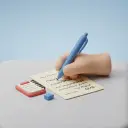 你可以把它写下来吗? Nǐ kěyǐ bǎ tā xiě xiàlái ma? Can you write it down?
请问,你可以把它写下来吗? Qǐngwèn,nǐ kěyǐ bǎ tā xiě xiàlái ma? Can you write it down, please?
-
 你可以给我看吗? Nǐ kěyǐ gěi wǒ kàn ma? Can you show me?
你可以给我看那张照片吗? Nǐ kěyǐ gěi wǒ kàn nà zhāng zhàopiàn ma? Can you show me the photo?
-
 你会说 nǐ huì shuō Do you speak ...?
你会说英语吗? Nǐ huì shuō yīngyǔ ma? Do you speak English?
-
 请等一下 qǐng děng yī xià Just a moment please.
请等一下。 Qǐng děng yī xià。 Just a moment please.
-
 我觉得是这样 Wǒ juéde shì zhèyàng I think so.
我也觉得是这样。 Wǒ yě juéde shì zhèyàng。 I think so too.
-
 我不知道 wǒ bù zhīdào I don't know.
我不知道。 Wǒ bù zhīdào。 I don't know.
-
 这 zhè this
这是我的红色的车。 Zhè shì wǒ de hóngsè de chē。 This is my red car.
-
 那 nà that
那只狗很友好。 Nà zhī gǒu hěn yǒuhǎo。 That dog is very friendly.
-
 这里 zhèlǐ here
我喜欢在这里。 Wǒ xǐhuan zài zhèlǐ。 I like being here.
-
 那里 nàlǐ there
我们下班后在那里见面。 Wǒmen xiàbān hòu zài nàlǐ jiànmiàn. We meet there after work.
Words 101–200
-
 另一个 lìng yī ge another
他想要另一块蛋糕。 Tā xiǎngyào lìng yī kuài dàngāo。 He wants another piece of cake.
-
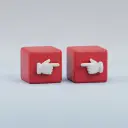 一样 yīyàng same
我们穿一样的蓝色衬衫。 Wǒmen chuān yīyàng de lánsè chènshān。 We wear the same blue shirt.
-
 这些 zhèxiē these
这些苹果可以吃了。 Zhèxiē píngguǒ kěyǐ chī le。 These apples are ready to eat.
-
 那些 nàxiē those
那些饼干看起来很好。 Nàxiē bǐnggān kàn qǐlai hěn hǎo。 Those cookies look very good.
-
 就在这里 jiù zài zhèlǐ right here
钥匙就在这里。 Yàoshi jiù zài zhèlǐ。 The keys are right here.
-
 那里 nàli over there
我的鞋子在那里。 Wǒ de xiézi zài nàli。 My shoes are over there.
-
 上面 shàngmiàn on top of
猫在桌子上面。 Māo zài zhuōzi shàngmiàn。 The cat is on top of the table.
-
 下面 xiàmiàn underneath
狗在桌子下面。 Gǒu zài zhuōzi xiàmiàn。 The dog is underneath the table.
-
 最近怎么样 zuìjìn zěnmeyàng How's it going?
最近怎么样? Zuìjìn zěnmeyàng? How's it going?
-
 好久不见 hǎojiǔ bù jiàn Long time no see.
好久不见! Hǎojiǔ bù jiàn! Long time no see.
-
 你喜欢什么? Nǐ xǐhuan shénme? What do you enjoy?
你喜欢什么? Nǐ xǐhuan shénme? What do you enjoy?
-
 你在做什么 nǐ zài zuò shénme What are you up to?
现在你在做什么? Xiànzài nǐ zài zuò shénme? What are you up to now?
-
 祝你今天愉快 Zhù nǐ jīntiān yúkuài Have a nice day.
祝你今天愉快,约翰! Zhù nǐ jīntiān yúkuài, Yuēhàn! Have a nice day, John!
-
 保重 bǎozhòng Take care.
保重。明天见。 Bǎozhòng. Míngtiān jiàn. Take care. See you tomorrow.
-
 祝你好运 zhù nǐ hǎoyùn Good luck!
祝你好运!我相信你! Zhù nǐ hǎoyùn! Wǒ xiāngxìn nǐ! Good luck! I believe in you!
-
 恭喜 gōngxǐ Congratulations!
恭喜!你完成了辛苦的工作。 Gōngxǐ! Nǐ wánchéng le xīnkǔ de gōngzuò。 Congratulations! You finished the hard work.
-
 干杯 gānbēi Cheers!
干杯! Gānbēi! Cheers!
-
 没问题 méi wèntí No problem.
没问题,我可以帮你。 Méi wèntí,wǒ kěyǐ bāng nǐ。 No problem, I can help you.
-
 别担心 bié dānxīn Don't worry.
别担心,会没事的。 Bié dānxīn,huì méishì de。 Don't worry, it will be okay.
-
 听起来不错 tīng qǐlái bùcuò Sounds good.
听起来不错,谢谢! Tīng qǐlái bùcuò,xièxie! Sounds good to me, thanks!
-
 知道 zhīdào know
你现在知道答案了。 Nǐ xiànzài zhīdào dá'àn le。 You know the answer now.
-
 问 wèn ask
你可以问你哥哥。 Nǐ kěyǐ wèn nǐ gēge. You can ask your brother.
-
 听见 tīngjiàn hear
你能听见那个声音吗? Nǐ néng tīngjiàn nàge shēngyīn ma? Can you hear that sound?
-
 学 xué learn
你每天都能学到新东西。 Nǐ měitiān dōu néng xuédào xīn dōngxi. You learn something new everyday.
-
 聊天 liáotiān talk with
你喜欢和你的朋友聊天吗? Nǐ xǐhuan hé nǐ de péngyou liáotiān ma? Do you like talking with your friends?
-
 说 shuō say
我想说点什么。 Wǒ xiǎng shuō diǎn shénme。 I want to say something.
-
 选择 xuǎnzé choose
你选择你最喜欢的颜色。 Nǐ xuǎnzé nǐ zuì xǐhuan de yánsè。 You choose your favorite color.
-
 写 xiě write
学生们写一个故事。 Xuéshēngmen xiě yī ge gùshi. The students write a story.
-
 打电话 dǎ diànhuà call
我会给你打电话。 Wǒ huì gěi nǐ dǎ diànhuà。 I am going to call you.
-
 听 tīng listen to
我听收音机。 Wǒ tīng shōuyīnjī。 I listen to the radio.
-
 学习 xuéxí study
我为每一次考试都努力学习。 Wǒ wèi měi yī cì kǎoshì dōu nǔlì xuéxí。 I study hard for every test.
-
 告诉 gàosu tell
他告诉我他的名字。 Tā gàosu wǒ tā de míngzi。 He tells me his name.
-
 见面 jiànmiàn meet
我明天会和你见面。 Wǒ míngtiān huì hé nǐ jiànmiàn。 I will meet you tomorrow.
-
 加入 jiārù join
她将加入我们的团队。 Tā jiāng jiārù wǒmen de tuánduì。 She will join our group.
-
 享受 xiǎngshòu enjoy
我们很享受这段音乐。 Wǒmen hěn xiǎngshòu zhè duàn yīnyuè. We enjoy the music.
-
 描述 miáoshù describe
那个男孩描述了那只动物。 Nà ge nánhái miáoshù le nà zhī dòngwù。 The boy described the animal.
-
 解释 jiěshì explain
她会解释这个问题的。 Tā huì jiěshì zhè ge wèntí de. She will explain the problem.
-
 教 jiāo teach
我教这些新学生。 Wǒ jiāo zhèxiē xīn xuésheng。 I teach the new students.
-
 介绍 jièshào introduce
我会介绍我的朋友。 Wǒ huì jièshào wǒ de péngyou。 I will introduce my friend.
-
 接受 jiēshòu accept
她接受了这份礼物。 Tā jiēshòu le zhè fèn lǐwù。 She accepts the gift.
-
 拒绝 jùjué refuse
那个孩子拒绝吃这些食物。 Nàge háizi jùjué chī zhèxiē shíwù。 The child refuses the food.
-
 答应 dāying promise
我答应会帮你。 Wǒ dāying huì bāng nǐ。 I promise to help you.
-
 讨论 tǎolùn discuss
他们正在讨论新计划。 Tāmen zhèngzài tǎolùn xīn jìhuà. They discuss the new plan.
-
 联系 liánxì contact
我会联系医生的。 Wǒ huì liánxì yīshēng de。 I will contact the doctor.
-
 笑 xiào laugh
孩子们大声地笑了起来。 Háizimen dàshēng de xiào le qǐlái。 The children laugh loudly.
-
 大声呼喊 dàshēng hūhǎn shout
那个男孩大声呼喊求救。 Nà ge nánhái dàshēng hūhǎn qiújiù. The boy shouts for help.
-
 耳语 ěryǔ whisper
他在我耳边耳语。 Tā zài wǒ ěrbiān ěryǔ。 He whispers in my ear.
-
 挥手 huīshǒu wave
她挥手告别。 Tā huīshǒu gàobié. She waves goodbye.
-
 点头 diǎntóu nod
那个女人点了点头。 Nà ge nǚrén diǎn le diǎn tóu。 The woman nods her head.
-
 拥抱 yōngbào hug
母亲拥抱着她的孩子。 Mǔqīn yōngbào zhe tā de háizi。 The mother hugs her child.
-
 亲吻 qīnwěn kiss
母亲亲吻她的孩子。 Mǔqīn qīnwěn tā de háizi。 The mother kisses her child.
-
 指 zhǐ point
那个孩子指着那条狗。 Nà ge háizi zhǐ zhe nà tiáo gǒu. The child points at the dog.
-
 眨 zhǎ blink
他飞快地眨了眨眼。 Tā fēikuài de zhǎ le zhǎ yǎn。 He blinks his eyes quickly.
-
 皱眉 zhòuméi frown
父亲对着儿子皱着眉头。 Fùqīn duì zhe érzi zhòu zhe méitóu。 The father frowns at his son.
-
 打哈欠 dǎhāqian yawn
那个疲倦的男人在打哈欠。 Nà ge píjuàn de nánrén zài dǎhāqian。 The tired man yawns.
-
 闻 wén sniff
那只狗闻了闻食物。 Nà zhī gǒu wén le wén shíwù。 The dog sniffs the food.
-
 好 hǎo good
她是一个好人。 Tā shì yī ge hǎorén。 She is a good person.
-
 坏 huài bad
那瓶牛奶闻起来坏了。 Nà píng niúnǎi wénqǐlái huài le. That milk smells bad.
-
 大 dà big
那只大狗会跳。 Nà zhī dà gǒu huì tiào. The big dog can jump.
-
 小 xiǎo small
这个宝宝有一双小手。 Zhège bǎobao yǒu yī shuāng xiǎo shǒu. The baby has small hands.
-
 错 cuò wrong
你的答案是错的。 Nǐ de dá'àn shì cuò de. Your answer is wrong.
-
 容易 róngyì easy
这道数学题很容易。 Zhè dào shùxuétí hěn róngyì。 This math problem is easy.
-
 难 nán difficult
那个考试很难。 Nàge kǎoshì hěn nán。 That test was difficult.
-
 快 kuài fast
汽车跑得很快。 Qìchē pǎo de hěn kuài。 Cars go very fast.
-
 慢 màn slow
这只乌龟很慢。 Zhè zhī wūguī hěn màn. The turtle is very slow.
-
 新 xīn new
这是一辆新车。 Zhè shì yī liàng xīn chē。 This is a new car.
-
 真的 zhēn de true
这个故事是真的吗? Zhè ge gùshi shì zhēn de ma? Is this story true?
-
 错 cuò false
这个答案是错的。 Zhège dá'àn shì cuò de。 The answer is false.
-
 我想 wǒ xiǎng I want to
我想吃比萨。 Wǒ xiǎng chī bǐsà。 I want to eat pizza.
-
 我需要 wǒ xūyào I need to
我需要给她打电话。 Wǒ xūyào gěi tā dǎ diànhuà. I need to call her.
-
 我要 wǒ yào I'm going to
我要吃饭了。 Wǒ yào chīfàn le. I'm going to eat soon.
-
 我想要 wǒ xiǎng yào I'd like to
我想要打网球。 Wǒ xiǎng yào dǎ wǎngqiú. I'd like to play tennis.
-
 我得 wǒ děi I have to
现在我得走了。 Xiànzài wǒ děi zǒu le。 I have to go now.
-
 我可以 wǒ kěyǐ May I ...?
我可以喝水吗? Wǒ kěyǐ hē shuǐ ma? May I have water, please?
-
 帮我 bāng wǒ Help me with
请帮我拿一下这个包。 Qǐng bāng wǒ ná yí xià zhège bāo. Please help me with this bag.
-
 教我怎么 Jiāo wǒ zěnme Show me how to
教我怎么做这个。 Jiāo wǒ zěnme zuò zhège. Show me how to do this.
-
 我现在不能 wǒ xiànzài bù néng I can't ... right now.
我现在不能帮忙。 Wǒ xiànzài bù néng bāngmáng. I can't help right now.
-
 我正在努力 Wǒ zhèngzài nǔlì I’m trying to
我正在努力睡觉。 Wǒ zhèngzài nǔlì shuìjiào. I’m trying to sleep now.
-
 可以 kěyǐ Is it possible to ...?
这里可以游泳吗? Zhèlǐ kěyǐ yóuyǒng ma? Is it possible to swim here?
-
 我可以在哪里 wǒ kěyǐ zài nǎlǐ Where can I ...?
我可以在哪里吃午饭? Wǒ kěyǐ zài nǎlǐ chī wǔfàn? Where can I eat lunch?
-
 星期一 xīngqīyī Monday
星期一是一周的第一天。 Xīngqīyī shì yī zhōu de dìyī tiān。 Monday is the first day.
-
 星期二 xīngqīèr Tuesday
星期二总是很有趣。 Xīngqīèr zǒngshì hěn yǒuqù。 Tuesday is always fun.
-
 星期三 xīngqīsān Wednesday
她星期三回家。 Tā xīngqīsān huí jiā。 She goes home Wednesday.
-
 星期四 xīngqīsì Thursday
他星期四来。 Tā xīngqīsì lái。 He comes on Thursday.
-
 星期五 xīngqīwǔ Friday
星期五是最好的一天。 Xīngqīwǔ shì zuì hǎo de yī tiān. Friday is the best day.
-
 星期六 xīngqīliù Saturday
我星期六走。 Wǒ xīngqīliù zǒu。 I leave on Saturday.
-
 星期日 xīngqīrì Sunday
我星期日休息。 Wǒ xīngqīrì xiūxi。 I will rest on Sunday.
-
 工作日 gōngzuòrì weekday
她每个工作日早上都工作。 Tā měi ge gōngzuòrì zǎoshang dōu gōngzuò。 She works every weekday morning.
-
 周末 zhōumò weekend
谁不喜欢周末? Shéi bù xǐhuan zhōumò? Who does not like the weekend?
-
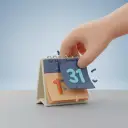 每天 měitiān daily
我们每天看报纸。 Wǒmen měitiān kàn bàozhǐ。 We read the newspaper daily .
-
 每周 měizhōu weekly
我通常每周看新闻。 Wǒ tōngcháng měizhōu kàn xīnwén。 I usually watch the news weekly.
-
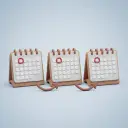 每月 měiyuè monthly
他们支付每月的价格。 Tāmen zhīfù měiyuè de jiàgé. They pay the monthly price.
-
 天 tiān day
我们等了一天。 Wǒmen děng le yī tiān。 We waited for one day.
-
 晚上 wǎnshang night
我们晚上睡觉。 Wǒmen wǎnshang shuìjiào. We sleep at night.
-
 星期 xīngqī week
我们待了一个星期。 Wǒmen dāi le yī ge xīngqī。 We stayed for one week.
-
 月 yuè month
他工作了一个月。 Tā gōngzuò le yī ge yuè. He worked for one month.
-
 年 nián year
我们等了一年。 Wǒmen děng le yī nián. We waited for one year.
-
 时间 shíjiān time
我们需要更多的时间。 Wǒmen xūyào gèng duō de shíjiān。 We need more time.
-
 片刻 piànkè moment
他等了片刻。 Tā děng le piànkè。 He waited for a moment.
-
 未来 wèilái future
我会思考未来。 Wǒ huì sīkǎo wèilái。 I think about the future.
Words 201–300
-
 点 diǎn o'clock
我早上七点起床。 Wǒ zǎoshang qī diǎn qǐchuáng。 I wake up at seven o'clock.
-
 午夜 wǔyè midnight
我们将会在午夜出发。 Wǒmen jiāng huì zài wǔyè chūfā。 We will leave at midnight.
-
 正午 zhèngwǔ midday
正午的太阳很晒。 Zhèngwǔ de tàiyáng hěn shài. The sun is hot at midday.
-
 今晚 jīnwǎn tonight
客人们今晚会到。 Kèrénmen jīnwǎn huì dào。 The guests will arrive tonight.
-
 救命 jiùmìng help
救命!我遇到麻烦了。 Jiùmìng! Wǒ yùdào máfan le. Help! I am in trouble.
-
 危险 wēixiǎn danger
我们有危险! Wǒmen yǒu wēixiǎn! We are in danger!
-
 警察 jǐngchá police
快叫警察! Kuài jiào jǐngchá! Call the police!
-
 医生 yīshēng doctor
我需要医生! Wǒ xūyào yīshēng! I need a doctor!
-
 救护车 jiùhùchē ambulance
叫救护车! Jiào jiùhùchē! Call an ambulance!
-
 消防员 xiāofángyuán firefighter
消防员是英雄。 Xiāofángyuán shì yīngxióng。 The firefighters are heroes.
-
 事故 shìgù accident
我出事故了。 Wǒ chū shìgù le。 I had an accident.
-
 保护 bǎohù protect
警察保护我们。 Jǐngchá bǎohù wǒmen。 The police protect us.
-
 警告 jǐnggào warn
我需要警告他们! Wǒ xūyào jǐnggào tāmen! I need to warn them!
-
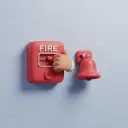 警报 jǐngbào alarm
警报响了! Jǐngbào xiǎng le! The alarm went off!
-
 火 huǒ fire
着火了! Zháo huǒ le! There is a fire!
-
 烟 yān smoke
烟从大楼里冒出来了! Yān cóng dàlóu lǐ mào chūlái le! Smoke is coming out of the building!
-
 当 dāng work as
他们在医院当护士。 Tāmen zài yīyuàn dāng hùshi。 They work as hospital nurses.
-
 买 mǎi buy
你可以在这里买水果。 Nǐ kěyǐ zài zhèlǐ mǎi shuǐguǒ。 You can buy fruit here.
-
 付钱 fùqián pay
你必须为这个付钱。 Nǐ bìxū wèi zhège fùqián。 You must pay for this.
-
 卖 mài sell
他们在这里卖新鲜的水果。 Tāmen zài zhèlǐ mài xīnxiān de shuǐguǒ。 They sell fresh fruit here.
-
 放 fàng put
他把书放在桌子上。 Tā bǎ shū fàng zài zhuōzi shang。 He puts the book on table.
-
 坐 zuò sit
艾玛坐在那把椅子上。 Àimǎ zuò zài nà bǎ yǐzi shàng。 Emma sits in that chair.
-
 站 zhàn stand
我站在门口。 Wǒ zhàn zài ménkǒu。 I stand by the door.
-
 游泳 yóuyǒng swim
他们游泳游得很快。 Tāmen yóuyǒng yóu de hěn kuài。 They can swim fast.
-
 开车 kāichē drive
你需要小心地开车。 Nǐ xūyào xiǎoxīn de kāichē。 You need to drive carefully.
-
 打算 dǎsuàn plan
他们打算很快来看。 Tāmen dǎsuàn hěn kuài lái kàn. They plan to visit soon.
-
 完成 wánchéng finish
他可以晚一点完成作业。 Tā kěyǐ wǎn yīdiǎn wánchéng zuòyè。 He can finish homework later.
-
 给 gěi give
我给朋友们礼物。 Wǒ gěi péngyoumen lǐwù。 I give presents to friends.
-
 十一 shíyī eleven
我总是拿十一个。 Wǒ zǒngshì ná shíyī ge。 I always get eleven pieces.
-
 十二 shí'èr twelve
盒子里有十二个鸡蛋。 Hézi lǐ yǒu shí'èr ge jīdàn. There are twelve eggs in a carton.
-
 十三 shísān thirteen
数字十三不吉利。 Shùzì shísān bù jílì. The number thirteen is unlucky.
-
 十四 shísì fourteen
这栋公寓有十四层。 Zhè dòng gōngyù yǒu shísì céng。 The apartment has fourteen floors.
-
 十五 shíwǔ fifteen
我把书打开到第十五页。 Wǒ bǎ shū dǎkāi dào dì-shíwǔ yè. I open the book at page fifteen.
-
 十六 shíliù sixteen
那是十六倍! Nà shì shíliù bèi! That is sixteen times more!
-
 十七 shíqī seventeen
我们有十七支铅笔。 Wǒmen yǒu shíqī zhī qiānbǐ。 We have seventeen pencils.
-
 十八 shíbā eighteen
它有十八米高。 Tā yǒu shíbā mǐ gāo。 It is eighteen meters high.
-
 十九 shíjiǔ nineteen
十九是我最喜欢的数字。 Shíjiǔ shì wǒ zuì xǐhuan de shùzì。 Nineteen is my favourite number.
-
 二十 èrshí twenty
她需要二十个小苹果。 Tā xūyào èrshí ge xiǎo píngguǒ。 She needs twenty small apples.
-
 三十 sānshí thirty
他三十岁。 Tā sānshí suì. He is thirty years old.
-
 百 bǎi hundred
他数到了一百。 Tā shǔ dào le yībǎi。 He counted to one hundred.
-
 四十 sìshí forty
她一共有四十支铅笔。 Tā yīgòng yǒu sìshí zhī qiānbǐ。 She has forty pencils in total.
-
 五十 wǔshí fifty
他有五十块钱。 Tā yǒu wǔshí kuài qián。 He has fifty dollars.
-
 六十 liùshí sixty
约翰六十岁了。 Yuēhàn liùshí suì le。 John is sixty years old.
-
 七十 qīshí seventy
我爷爷七十岁了。 Wǒ yéye qīshí suì le。 My grandpa is seventy years old.
-
 八十 bāshí eighty
我有八十克糖。 Wǒ yǒu bāshí kè táng。 I have eighty grams of sugar.
-
 九十 jiǔshí ninety
他有九十本书要读。 Tā yǒu jiǔshí běn shū yào dú。 He has ninety books to read.
-
 千 qiān thousand
一千是一个很大的数字。 Yīqiān shì yī ge hěn dà de shùzì. A thousand is a big number.
-
 百万 bǎiwàn million
那辆车要一百万美元。 Nà liàng chē yào yībǎi wàn měiyuán。 That car costs a million dollars.
-
 一半 yībàn half
他吃了一半的比萨。 Tā chī le yībàn de bǐsà。 He ate half the pizza.
-
 四分之一 sì fēn zhī yī quarter
它们只剩下四分之一了。 Tāmen zhǐ shèngxià sì fēn zhī yī le. There is only a quarter of them left.
-
 一打 yī dá dozen
我在商店买了一打鸡蛋。 Wǒ zài shāngdiàn mǎi le yī dá jīdàn。 I buy a dozen eggs at the store.
-
 双 shuāng pair
那双鞋很干净。 Nà shuāng xié hěn gānjìng。 That pair of shoes is clean.
-
 第一 dìyī first
他很容易地赢了第一名。 Tā hěn róngyì de yíng le dìyī míng。 He won first place easily.
-
 第二 dì'èr second
这是我第二次来这里。 Zhè shì wǒ dì'èr cì lái zhèlǐ。 This is my second time here.
-
 第三 dìsān third
他们得了第三名。 Tāmen dé le dìsān míng。 They finished in third place.
-
 第四 dìsì fourth
我排在第四个。 Wǒ pái zài dìsì ge。 I am fourth in line.
-
 第五 dìwǔ fifth
她在第五排。 Tā zài dìwǔ pái。 She is in the fifth row.
-
 第六 dìliù sixth
他是第六个人。 Tā shì dìliù ge rén。 He is the sixth person.
-
 第七 dìqī seventh
他们住在第七层。 Tāmen zhù zài dìqī céng。 They live on the seventh floor.
-
 第八 dìbā eighth
这是第八个苹果。 Zhè shì dìbā gè píngguǒ。 This is the eighth apple.
-
 第九 dìjiǔ ninth
第九天是节日。 Dìjiǔ tiān shì jiérì。 The ninth day is a holiday.
-
 第十 dìshí tenth
她是第十名。 Tā shì dìshí míng。 She is the tenth place.
-
 第十一 dìshíyī eleventh
他们庆祝他们的第十一周年。 Tāmen qìngzhù tāmen de dìshíyī zhōunián。 They celebrate their eleventh anniversary.
-
 第十二 dìshí'èr twelfth
那是第十二个月。 Nà shì dìshí'èr gè yuè。 That is the twelfth month.
-
 总是 zǒngshì always
我早上总是喝咖啡。 Wǒ zǎoshang zǒngshì hē kāfēi. I always drink coffee in the morning.
-
 通常 tōngcháng usually
他通常中午吃午饭。 Tā tōngcháng zhōngwǔ chī wǔfàn。 He usually eats lunch at noon.
-
 经常 jīngcháng often
人们经常在这里吃披萨。 Rénmen jīngcháng zài zhèlǐ chī pīsà. People often eat pizza here.
-
 有时候 yǒushíhou sometimes
她有时候去图书馆。 Tā yǒushíhou qù túshūguǎn. She sometimes goes to the library.
-
 很少 hěn shǎo rarely
我很少吃快餐。 Wǒ hěn shǎo chī kuàicān. I rarely eat fast food.
-
 从来不 cónglái bù never
他们从来不去那个商店。 Tāmen cónglái bù qù nà ge shāngdiàn. They never go to that store.
-
 每天 měitiān every day
我们每天吃巧克力。 Wǒmen měitiān chī qiǎokèlì。 We eat chocolate every day.
-
 每周 měizhōu every week
她每周都游泳。 Tā měizhōu dōu yóuyǒng。 She swims every week.
-
 周末 zhōumò on weekends
我周末在家休息。 Wǒ zhōumò zài jiā xiūxi。 I relax on weekends at home.
-
 早上 zǎoshang in the morning
人们早上吃早饭。 Rénmen zǎoshang chī zǎofàn。 People eat breakfast in the morning.
-
 晚上 wǎnshang at night
他们晚上在床上睡觉。 Tāmen wǎnshang zài chuáng shàng shuìjiào。 They sleep at night in their beds.
-
 下班以后 xiàbān yǐhòu after work
他每天下班以后都放松。 Tā měitiān xiàbān yǐhòu dōu fàngsōng。 He relaxes after work every day.
-
 一次 yī cì once a
我每周去一次。 Wǒ měi zhōu qù yī cì。 I go once a week.
-
 两次 liǎng cì twice a
我爸爸一星期来两次。 Wǒ bàba yī xīngqī lái liǎng cì. My dad visits twice a week.
-
 每两 měi liǎng every other
他们每两周来一次。 Tāmen měi liǎng zhōu lái yī cì。 They visit every other week.
-
 至少 zhìshǎo at least
他每天至少吃一个苹果。 Tā měitiān zhìshǎo chī yī ge píngguǒ。 He eats at least one apple daily.
-
 最多 zuìduō at most
我最多买两个。 Wǒ zuìduō mǎi liǎng gè。 I will buy two at most.
-
 多于 duōyú more than
这些食物多于足够的量。 Zhèxiē shíwù duōyú zúgòu de liàng。 This is more than enough food.
-
 少于 shǎoyú less than
你得到的少于上次。 Nǐ dédào de shǎoyú shàngcì。 You got less than last time.
-
 一点 yīdiǎn a little
他需要一点帮助。 Tā xūyào yīdiǎn bāngzhù。 He needs a little help.
-
 一点儿 yīdiǎnr a bit
她吃了一点儿蛋糕。 Tā chī le yīdiǎnr dàngāo。 She ate a bit of cake.
-
 很多 hěnduō a lot
我学习得很多。 Wǒ xuéxí de hěnduō。 I study a lot.
-
 太多 tài duō too much
他们吃了太多蛋糕。 Tāmen chī le tài duō dàngāo. They ate too much cake.
-
 不够 bùgòu not enough
这个数量不够。 Zhège shùliàng bùgòu。 This amount is not enough.
-
 以前 yǐqián ago
我是两天以前到达的。 Wǒ shì liǎng tiān yǐqián dàodá de。 I arrived two days ago.
-
 很快 hěn kuài soon
我的朋友很快就会到了。 Wǒ de péngyou hěn kuài jiù huì dào le。 My friend will arrive soon.
-
 还 hái still
我还饿着呢。 Wǒ hái è zhe ne。 I am still hungry.
-
 曾经 céngjīng ever
你曾经见过大海吗? Nǐ céngjīng jiàn guò dàhǎi ma? Have you ever seen the ocean?
-
 还 hái yet
我的朋友还没到。 Wǒ de péngyou hái méi dào。 My friend has not arrived yet.
-
 立即 lìjí immediately
我需要立即得到帮助。 Wǒ xūyào lìjí dédào bāngzhù。 I need help immediately.
-
 也许 yěxǔ maybe
也许她晚点会来。 Yěxǔ tā wǎndiǎn huì lái。 Maybe she will come later.
-
 找个时间 zhǎo ge shíjiān sometime
我们找个时间见一面吧。 Wǒmen zhǎo ge shíjiān jiàn yī miàn ba。 We will meet sometime.
-
 随时 suíshí anytime
你随时都可以来找我们。 Nǐ suíshí dōu kěyǐ lái zhǎo wǒmen。 You can visit us anytime.
-
 在......之前 zài …… zhīqián before
我们在暴风雨之前离开了。 Wǒmen zài bàofēngyǔ zhīqián líkāi le. We left before the storm.
-
 在......之后 zài…… zhīhòu after
我们吃完饭后就走。 Wǒmen chīwán fàn hòu jiù zǒu。 We will leave after the meal.
-
 现如今 xiànrújīn nowadays
现如今人们旅游得更多了。 Xiànrújīn rénmen lǚyóu de gèng duō le。 People travel more nowadays.
Words 301–400
-
 一月 yīyuè January
一月是第一个月。 Yīyuè shì dì yī ge yuè. January is the first month.
-
 二月 èryuè February
二月通常是一个很短的月份。 Èryuè tōngcháng shì yī ge hěn duǎn de yuèfèn。 February is usually a short month.
-
 三月 sān yuè March
我通常在三月去看他们。 Wǒ tōngcháng zài sān yuè qù kàn tāmen。 I usually visit them in March.
-
 四月 sìyuè April
篮球比赛在四月。 Lánqiú bǐsài zài sìyuè。 The basketball game is in April.
-
 五月 wǔyuè May
我的期末考试在五月。 Wǒ de qīmò kǎoshì zài wǔyuè。 My final exam is in May.
-
 六月 liùyuè June
我六月之前会知道答案。 Wǒ liùyuè zhīqián huì zhīdào dá'àn。 I will know the answer by June.
-
 七月 qīyuè July
七月通常是一个非常暖和的月份。 Qīyuè tōngcháng shì yī ge fēicháng nuǎnhuo de yuèfèn。 July is usually a very warm month.
-
 八月 bāyuè August
我们能在八月再见面吗? Wǒmen néng zài bāyuè zài jiànmiàn ma? Can we meet again in August?
-
 九月 jiǔyuè September
我的假期在九月。 Wǒ de jiàqī zài jiǔyuè。 My vacation is in September.
-
 十月 shíyuè October
你的生日在十月吗? Nǐ de shēngrì zài shíyuè ma? Is your birthday in October?
-
 十一月 shíyīyuè November
为什么十一月会下雨? Wèishénme shíyīyuè huì xiàyǔ? Why does it rain in November?
-
 十二月 shí'èryuè December
十二月是最后一个月。 Shí'èryuè shì zuìhòu yī ge yuè。 December is the last month.
-
 过 guò over
那只猫跳过了盒子。 Nà zhī māo tiàoguò le hézi。 The cat jumps over the box.
-
 下面 xiàmiàn under
他们住在一棵大树下面。 Tāmen zhù zài yī kē dà shù xiàmiàn. They live under a big tree.
-
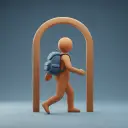 穿过 chuānguò through
他穿过那扇门。 Tā chuānguò nà shàn mén。 He walks through the door.
-
 沿着 yánzhe along
我们沿着海滩走。 Wǒmen yánzhe hǎitān zǒu。 We walk along the beach.
-
 周围 zhōuwéi around
人们在公园周围走。 Rénmen zài gōngyuán zhōuwéi zǒu. People walk around the park.
-
 穿过 chuānguò across
我穿过马路。 Wǒ chuānguò mǎlù。 I go across the street.
-
 进 jìn into
他慢慢地走进房间。 Tā mànmàn de zǒu jìn fángjiān。 He walks slowly into the room.
-
 出 chū out of
那个孩子跑出了学校。 Nà ge háizi pǎo chū le xuéxiào. The kid runs out of the school.
-
 向上 xiàngshàng up
她向上看着云。 Tā xiàngshàng kàn zhe yún。 She looks up at the clouds.
-
 下 xià down
狗把球放下了。 Gǒu bǎ qiú fàngxià le. The dog put the ball down.
-
 楼上 lóushàng upstairs
我去楼上睡觉。 Wǒ qù lóushàng shuìjiào. I go upstairs to bed.
-
 楼下 lóuxià downstairs
我听到楼下有声音。 Wǒ tīngdào lóuxià yǒu shēngyīn。 I hear noises downstairs.
-
 带 dài bring
他们带食物来聚会。 Tāmen dài shíwù lái jùhuì。 They bring food to the party.
-
 拿 ná take
你总是拿我的笔。 Nǐ zǒngshì ná wǒ de bǐ. You always take my pen.
-
 搬 bān carry
他能搬那个盒子。 Tā néng bān nà ge hézi。 He can carry the box.
-
 取 qǔ pick up
你能去取包裹吗? Nǐ néng qù qǔ bāoguǒ ma? Can you pick up the package?
-
 掉 diào drop
如果我把手机掉在地上,它会坏的。 Rúguǒ wǒ bǎ shǒujī diào zài dìshang,tā huì huài de。 If I drop the phone, it will break.
-
 递 dì pass
你能把盐递给我吗? Nǐ néng bǎ yán dì gěi wǒ ma? Can you pass me the salt?
-
 放下 fàngxià put down
我们放下了我们的背包。 Wǒmen fàngxià le wǒmen de bēibāo。 We put down our backpacks.
-
 收起来 shōu qǐlái put away
我把我的玩具收起来了。 Wǒ bǎ wǒ de wánjù shōu qǐlái le. I put away my toys.
-
 拿出去 náchūqù take out
她会把垃圾拿出去。 Tā huì bǎ lājī náchūqù。 She will take out the trash.
-
 挂 guà hang up
他们把外套挂起来。 Tāmen bǎ wàitào guà qǐlai。 They hang up their coats.
-
 打开 dǎkāi turn on
你打开灯。 Nǐ dǎkāi dēng。 You turn on the light.
-
 关掉 guāndiào turn off
有人能关掉收音机吗? Yǒu rén néng guāndiào shōuyīnjī ma? Can someone turn off the radio?
-
 跳 tiào jump
那只猫跳过了墙。 Nà zhī māo tiào guò le qiáng。 The cat jumps over the wall.
-
 扔 rēng throw
那个男孩在扔石头。 Nà ge nánhái zài rēng shítou。 The boy throws the stone.
-
 接住 jiēzhù catch
他接住了球。 Tā jiēzhù le qiú。 He catches the ball.
-
 骑 qí ride
那个男孩在骑马。 Nà ge nánhái zài qímǎ. The boy rides a horse.
-
 飞 fēi fly
鸟儿在天空中飞。 Niǎor zài tiānkōng zhōng fēi。 The birds fly in the sky.
-
 爬 pá crawl
宝宝在地上爬。 Bǎobao zài dìshang pá。 The baby crawls on the floor.
-
 跳过 tiàoguò skip
她跳过了第一页。 Tā tiàoguò le dìyī yè。 She skipped the first page.
-
 踢 tī kick
那个孩子在踢球。 Nà ge háizi zài tī qiú。 The child kicks the ball.
-
 弹 tán bounce
球在地上弹了起来。 Qiú zài dìshang tán le qǐlai。 The ball bounces on the ground.
-
 爬 pá climb
猫在爬树。 Māo zài pá shù。 The cat climbs the tree.
-
 跳水 tiàoshuǐ dive
那个男孩跳进了水里。 Nà ge nánhái tiào jìn le shuǐ lǐ。 The boy dives into the water.
-
 滑动 huádòng slide
箱子在地面上滑动。 Xiāngzi zài dìmiàn shàng huádòng。 The box slides on the floor.
-
 捏 niē pinch
他捏了我的胳膊。 Tā niē le wǒ de gēbo。 He pinched my arm.
-
 握紧 wòjǐn squeeze
她握紧了我的手。 Tā wòjǐn le wǒ de shǒu。 She squeezes my hand.
-
 戳 chuō poke
那个孩子戳了戳我的胳膊。 Nàge háizi chuō le chuō wǒ de gēbo。 The child poked my arm.
-
 抚摸 fǔmō stroke
小男孩抚摸着那只狗。 Xiǎo nánhái fǔmō zhe nà zhī gǒu。 The boy strokes the dog.
-
 揉 róu rub
我揉了揉疲倦的双眼。 Wǒ róu le róu píjuàn de shuāngyǎn。 I rub my tired eyes.
-
 拧 níng twist
那个男人在拧绳子。 Nà ge nánrén zài níng shéngzi。 The man twists the rope.
-
 摇晃 yáohuàng shake
宝宝在摇晃玩具。 Bǎobao zài yáohuàng wánjù。 The baby shakes the toy.
-
 折叠 zhédié fold
我把纸折叠起来。 Wǒ bǎ zhǐ zhédié qǐlai。 I fold the paper.
-
 按 àn press
她按下了红色按钮。 Tā àn xià le hóngsè ànniǔ. She presses the red button.
-
 系 jì attach
他会把绳子系好。 Tā huì bǎ shéngzi jì hǎo。 He will attach the rope.
-
 拉 lā pull
那个男人拉着沉重的绳子。 Nà ge nánrén lā zhe chénzhòng de shéngzi. The man pulls the heavy rope.
-
 收拾 shōushi pack
我正在收拾行李箱。 Wǒ zhèngzài shōushi xínglǐxiāng。 I pack my bag.
-
 在哪里 zài nǎlǐ Where is the ...?
酒店在哪里? Jiǔdiàn zài nǎlǐ? Where is the hotel?
-
 附近有...吗? Fùjìn yǒu... ma? Is there a ... nearby?
附近有银行吗? Fùjìn yǒu yínháng ma? Is there a bank nearby?
-
 我怎么去 Wǒ zěnme qù How do I get to ...?
我怎么去学校? Wǒ zěnme qù xuéxiào? How do I get to school?
-
 哪路车去 nǎ lù chē qù Which bus goes to ...?
哪路车去市中心? Nǎ lù chē qù shìzhōngxīn? Which bus goes to town?
-
 哪条线去...? Nǎ tiáo xiàn qù...? Which line goes to ...?
哪条线去博物馆? Nǎ tiáo xiàn qù bówùguǎn? Which line goes to the museum?
-
 要多长时间 yào duō cháng shíjiān How long does it take?
我想知道要多长时间。 Wǒ xiǎng zhīdào yào duō cháng shíjiān. I wonder how long does it take.
-
 有多远 yǒu duō yuǎn How far is it?
有多远? Yǒu duō yuǎn? How far is it?
-
 你能在地图上指给我看吗 nǐ néng zài dìtú shàng zhǐ gěi wǒ kàn ma Can you show me on the map?
你能在地图上指给我看吗? Nǐ néng zài dìtú shàng zhǐ gěi wǒ kàn ma? Can you show me on the map?
-
 我在找 wǒ zài zhǎo I'm looking for
他们在找洗手间。 Tāmen zài zhǎo xǐshǒujiān. They are looking for a restroom.
-
 最近的 zuìjìn de The nearest
最近的商店就在下面。 Zuìjìn de shāngdiàn jiù zài xiàmiàn。 The nearest store is down there.
-
 这个去...吗 zhège qù ... ma Does this go to ...?
这个去餐厅吗? Zhège qù cāntīng ma? Does this go to the restaurant?
-
 哪个站下 nǎge zhàn xià Which stop for ...?
去市中心在哪个站下? Qù shìzhōngxīn zài nǎge zhàn xià? Which stop for downtown?
-
 车站 chēzhàn station
他们在火车站等。 Tāmen zài huǒchēzhàn děng。 They wait at the train station.
-
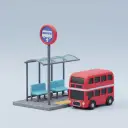 公交车站 gōngjiāochēzhàn bus stop
公交车站在附近。 Gōngjiāochēzhàn zài fùjìn。 The bus stop is nearby.
-
 地铁站 dìtiězhàn subway station
这个地铁站很拥挤。 Zhège dìtiězhàn hěn yōngjǐ。 This subway station is very crowded.
-
 酒店 jiǔdiàn hotel
你可以在网上预订酒店。 Nǐ kěyǐ zài wǎngshàng yùdìng jiǔdiàn。 You can book a hotel online.
-
 药店 yàodiàn pharmacy
马克在药店工作。 Mǎkè zài yàodiàn gōngzuò。 Mark works at the pharmacy.
-
 银行 yínháng bank
他去银行。 Tā qù yínháng。 He goes to the bank.
-
 洗手间 xǐshǒujiān restroom
这是一个干净的洗手间。 Zhè shì yī ge gānjìng de xǐshǒujiān. This is a clean restroom.
-
 超市 chāoshì supermarket
我们在超市买食物。 Wǒmen zài chāoshì mǎi shíwù。 We buy food at the supermarket.
-
 饭馆 fànguǎn restaurant
他们很喜欢那家饭馆。 Tāmen hěn xǐhuan nà jiā fànguǎn。 They like that restaurant a lot.
-
 咖啡馆 kāfēiguǎn café
简在咖啡馆工作。 Jiǎn zài kāfēiguǎn gōngzuò。 Jane works at the café.
-
 公园 gōngyuán park
她喜欢那个绿色的公园。 Tā xǐhuan nà ge lǜsè de gōngyuán。 She likes the green park.
-
 医院 yīyuàn hospital
医院帮助生病的人。 Yīyuàn bāngzhù shēngbìng de rén。 A hospital helps sick people.
-
 机场 jīchǎng airport
我们到达了机场。 Wǒmen dàodá le jīchǎng。 We arrived at the airport.
-
 体育场 tǐyùchǎng stadium
我们去了体育场。 Wǒmen qù le tǐyùchǎng。 We went to the stadium.
-
 工厂 gōngchǎng factory
这家工厂生产衣服。 Zhè jiā gōngchǎng shēngchǎn yīfu。 This factory makes clothes.
-
 大学 dàxué university
她在大学里读书。 Tā zài dàxué lǐ dúshū。 She studies at the university.
-
 大学 dàxué college
她在大学里读书。 Tā zài dàxué lǐ dúshū。 She studies at the college.
-
 俱乐部 jùlèbù club
我们加入了那个体育俱乐部。 Wǒmen jiārù le nà ge tǐyù jùlèbù。 We joined the sports club.
-
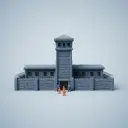 监狱 jiānyù prison
那个罪犯从监狱里逃跑了。 Nà ge zuìfàn cóng jiānyù lǐ táopǎo le. The criminal escaped from prison.
-
 塔 tǎ tower
我看到那座高塔。 Wǒ kàndào nà zuò gāotǎ。 I see the tall tower.
-
 商场 shāngchǎng mall
我在商场买了鞋子。 Wǒ zài shāngchǎng mǎi le xiézi。 I bought shoes at the mall.
-
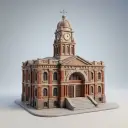 市政厅 shìzhèngtīng town hall
我们在市政厅见面了。 Wǒmen zài shìzhèngtīng jiànmiàn le. We met at the town hall.
-
 警察局 jǐngchájú police station
我看到了警察局。 Wǒ kàndào le jǐngchájú。 I see the police station.
-
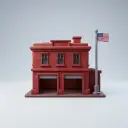 消防站 xiāofángzhàn fire station
我住在消防站附近。 Wǒ zhù zài xiāofángzhàn fùjìn。 I live near the fire station.
-
 左转 zuǒzhuǎn Turn left.
在这里左转。 Zài zhèlǐ zuǒzhuǎn。 Turn left here.
-
 右转 yòuzhuǎn Turn right.
在路口右转。 Zài lùkǒu yòuzhuǎn。 Turn right at the intersection.
-
 一直往前走 yīzhí wǎng qián zǒu Go straight ahead.
一直往前走到学校。 Yīzhí wǎng qián zǒu dào xuéxiào。 Go straight ahead to school.
-
 很近 hěn jìn It's near.
很近。 Hěn jìn. It's near.
Words 401–500
-
 很远 hěn yuǎn It's far.
很远。 Hěn yuǎn。 It's far.
-
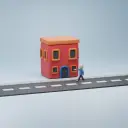 在马路对面 zài mǎlù duìmiàn Across the street.
他住在马路对面。 Tā zhù zài mǎlù duìmiàn。 He lives across the street.
-
 在路口 zài lùkǒu At the corner.
她在路口等。 Tā zài lùkǒu děng. She is waiting at the corner.
-
 在红绿灯 zài hónglǜdēng At the traffic light.
我们在红绿灯停下了。 Wǒmen zài hónglǜdēng tíngxià le。 We stopped at the traffic light.
-
 在路口 zài lùkǒu At the intersection.
酒吧在路口。 Jiǔbā zài lùkǒu。 The bar is at the intersection.
-
 人行横道 rénxínghéngdào Crosswalk.
那条人行横道很安全。 Nà tiáo rénxínghéngdào hěn ānquán. That crosswalk is very safe.
-
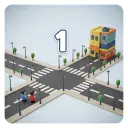 一个街区 yī ge jiēqū One block away.
博物馆离这里有一个街区。 Bówùguǎn lí zhèlǐ yǒu yī ge jiēqū. The museum is one block away.
-
 跟着指示牌 gēn zhe zhǐshìpái Follow the signs.
跟着指示牌走到安全的地方。 Gēn zhe zhǐshìpái zǒu dào ānquán de dìfang. Follow the signs to safety.
-
 行李箱 xínglǐxiāng suitcase
你已经收拾好行李箱了吗? Nǐ yǐjīng shōushi hǎo xínglǐxiāng le ma? Did you pack your suitcase already?
-
 磁铁 cítiě magnet
这个小磁铁是一个礼物。 Zhè ge xiǎo cítiě shì yī ge lǐwù。 The small magnet is a present.
-
 梳子 shūzi hairbrush
她找不到她的梳子。 Tā zhǎo bù dào tā de shūzi。 She can’t find her hairbrush.
-
 枕头 zhěntou pillow
这个枕头又软又暖和。 Zhè ge zhěntou yòu ruǎn yòu nuǎnhuo. This pillow is soft and warm.
-
 毯子 tǎnzi blanket
如果你冷,就拿一条毯子。 Rúguǒ nǐ lěng, jiù ná yī tiáo tǎnzi. Take a blanket if you are cold.
-
 床垫 chuángdiàn mattress
我们的新床垫真的很舒服。 Wǒmen de xīn chuángdiàn zhēn de hěn shūfu. Our new mattress is really comfortable.
-
 窗帘 chuānglián curtain
请打开窗帘,太暗了。 Qǐng dǎkāi chuānglián, tài àn le. Please open the curtain, it's dark.
-
 百叶窗 bǎiyèchuāng blinds
我通常在晚上关上百叶窗。 Wǒ tōngcháng zài wǎnshang guānshàng bǎiyèchuāng。 I usually close the blinds at night.
-
 地毯 dìtǎn carpet
地毯下面有灰尘。 Dìtǎn xiàmiàn yǒu huīchén。 There is dust under the carpet.
-
 花瓶 huāpíng vase
这个花瓶看起来很贵。 Zhè ge huāpíng kàn qǐlái hěn guì。 This vase looks expensive.
-
 扫帚 sǎozhou broom
这个公寓有扫帚吗? Zhè ge gōngyù yǒu sǎozhou ma? Does this apartment have a broom?
-
 卫生纸 wèishēngzhǐ toilet paper
糟糕,卫生纸没了! Zāogāo,wèishēngzhǐ méi le! Oh no, the toilet paper’s gone!
-
 羊毛 yángmáo wool
这只羊长着厚厚的羊毛。 Zhè zhī yáng zhǎng zhe hòuhòu de yángmáo。 The sheep has thick wool.
-
 金属 jīnshǔ metal
我们需要木材和金属。 Wǒmen xūyào mùcái hé jīnshǔ。 We need wood and metal.
-
 塑料 sùliào plastic
她洗了那个塑料碗。 Tā xǐ le nà ge sùliào wǎn。 She washes the plastic bowl.
-
 皮革 pígé leather
我买了一个新的皮革包。 Wǒ mǎi le yī ge xīn de pígé bāo。 I bought a new leather bag.
-
 棉花 miánhua cotton
那个农民种植棉花。 Nà ge nóngmín zhòngzhí miánhua. The farmer grows cotton.
-
 丝绸 sīchóu silk
这种丝绸非常柔软。 Zhè zhǒng sīchóu fēicháng róuruǎn。 This silk is very soft.
-
 橡胶 xiàngjiāo rubber
这个球是橡胶做的。 Zhège qiú shì xiàngjiāo zuò de。 The ball is made of rubber.
-
 牛仔布 niúzǎibù denim
他买了厚实的牛仔布面料。 Tā mǎi le hòushí de niúzǎibù miànliào。 He bought thick denim fabric.
-
 陶瓷 táocí ceramic
她洗了那个陶瓷碗。 Tā xǐ le nà ge táocí wǎn。 She washed the ceramic bowl.
-
 大理石 dàlǐshí marble
他们切割了那块白色的大理石。 Tāmen qiēgē le nà kuài báisè de dàlǐshí。 They cut the white marble.
-
 砖 zhuān brick
他拿着一块红砖。 Tā ná zhe yī kuài hóngzhuān。 He holds a red brick.
-
 钢 gāng steel
他们用钢制造这些工具。 Tāmen yòng gāng zhìzào zhèxiē gōngjù。 They make the tools from steel.
-
 后面 hòumiàn behind
它在那座大楼后面。 Tā zài nà zuò dàlóu hòumiàn。 It is behind that building.
-
 前面 qiánmiàn in front of
她在我的前面。 Tā zài wǒ de qiánmiàn。 She is in front of me.
-
 中间 zhōngjiān between
公园在两座房子中间。 Gōngyuán zài liǎng zuò fángzi zhōngjiān. The park is between two houses.
-
 旁边 pángbiān next to
那家商店在我家旁边。 Nà jiā shāngdiàn zài wǒ jiā pángbiān. That store is next to my house.
-
 相反 xiāngfǎn opposite
我们走相反的方向。 Wǒmen zǒu xiāngfǎn de fāngxiàng。 We go the opposite direction.
-
 对面 duìmiàn across from
我们住在商店对面。 Wǒmen zhù zài shāngdiàn duìmiàn. We live across from the store.
-
 在拐角处 zài guǎijiǎochù around the corner
她现在住在拐角处。 Tā xiànzài zhù zài guǎijiǎochù。 She lives around the corner now.
-
 向 xiàng towards
孩子们向那棵大树走去。 Háizimen xiàng nà kē dà shù zǒu qù。 The kids walk towards the big tree.
-
 经过 jīngguò past
你需要经过那座桥。 Nǐ xūyào jīngguò nà zuò qiáo. You need to go past the bridge.
-
 在街道的尽头 zài jiēdào de jìntóu at the end of the street
我住在街道的尽头。 Wǒ zhù zài jiēdào de jìntóu。 I live at the end of the street.
-
 在左边 zài zuǒbiān on the left
她停在左边。 Tā tíng zài zuǒbiān。 She parks on the left side.
-
 在右边 zài yòubiān on the right
他们在右边。 Tāmen zài yòubiān。 They are on the right.
-
 在...之上 zài ... zhīshàng above
太阳在山顶之上。 Tàiyáng zài shāndǐng zhīshàng。 The sun is above the mountain.
-
 在...下面 zài... xiàmiàn below
那个村庄就在山脚下。 Nàge cūnzhuāng jiù zài shānjiǎo xià。 The village is below the mountain.
-
 在最上面 zài zuì shàngmian on top
盒子在最上面。 Hézi zài zuì shàngmian. The box is on top.
-
 在...附近 zài... fùjìn near
我住在河附近。 Wǒ zhù zài hé fùjìn。 I live near the river.
-
 在中间 zài zhōngjiān in the middle
他站在中间。 Tā zhàn zài zhōngjiān. He stands in the middle.
-
 在...里面 zài... lǐmiàn inside
小狗在房子里。 Xiǎogǒu zài fángzi lǐ. The dog is inside the house.
-
 地方 dìfang place
我们找到了一个安全的地方。 Wǒmen zhǎodào le yī ge ānquán de dìfang。 We found a safe place.
-
 商店 shāngdiàn store
我们在商店买食物。 Wǒmen zài shāngdiàn mǎi shíwù. We buy food at the store.
-
 房子 fángzi house
那家人住在那座房子里。 Nà jiā rén zhù zài nà zuò fángzi lǐ。 The family lives in that house.
-
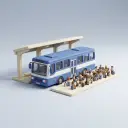 公交站 gōngjiāozhàn bus station
我在公交站等车。 Wǒ zài gōngjiāozhàn děng chē。 I wait at the bus station.
-
 市中心 shìzhōngxīn city center
我住在市中心附近。 Wǒ zhù zài shìzhōngxīn fùjìn。 I live near the city center.
-
 购物中心 gòuwùzhōngxīn shopping mall
这家购物中心非常大。 Zhè jiā gòuwùzhōngxīn fēicháng dà。 The shopping mall is very big.
-
 喷泉 pēnquán fountain
那个喷泉的水很清。 Nàge pēnquán de shuǐ hěn qīng. That fountain has very clear water.
-
 环岛 huándǎo roundabout
这个环岛对交通有帮助。 Zhè ge huándǎo duì jiāotōng yǒu bāngzhù。 This roundabout helps the traffic.
-
 十字路口 shízìlùkǒu crossroads
我们在十字路口停了下来。 Wǒmen zài shízìlùkǒu tíng le xiàlái。 We stopped at the crossroads.
-
 桥 qiáo bridge
人们走过这座桥。 Rénmen zǒu guò zhè zuò qiáo。 People walk across the bridge.
-
 隧道 suìdào tunnel
汽车开过了一个隧道。 Qìchē kāi guò le yī ge suìdào。 The car drives through a tunnel.
-
 停车标志 tíngchē biāozhì stop sign
你需要遵守停车标志。 Nǐ xūyào zūnshǒu tíngchē biāozhì。 You need to respect the stop sign.
-
 天桥 tiānqiáo overpass
他们在家附近修了一座天桥。 Tāmen zài jiā fùjìn xiū le yī zuò tiānqiáo. They built an overpass near home.
-
 地下通道 dìxià tōngdào underpass
我们会走过地下通道。 Wǒmen huì zǒuguò dìxià tōngdào. We will walk through the underpass.
-
 地标 dìbiāo landmark
这个地标在河附近。 Zhè ge dìbiāo zài hé fùjìn. The landmark is near the river.
-
 交通标志 jiāotōng biāozhì traffic sign
这个交通标志表示停止。 Zhège jiāotōng biāozhì biǎoshì tíngzhǐ。 This traffic sign means stop.
-
 雕像 diāoxiàng statue
他看到了那座美丽的雕像。 Tā kàndào le nà zuò měilì de diāoxiàng。 He saw the beautiful statue.
-
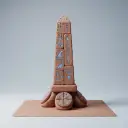 纪念碑 jìniànbēi monument
他们参观了那座高大的纪念碑。 Tāmen cānguān le nà zuò gāodà de jìniànbēi. They visited the tall monument.
-
 北边 běibian north
这个城市的北边很有意思。 Zhè ge chéngshì de běibian hěn yǒuyìsi。 The north of this city is interesting.
-
 南 nán south
风从南方吹来。 Fēng cóng nánfāng chuī lái. The wind comes from the south.
-
 东 dōng east
风从东方吹来。 Fēng cóng dōngfāng chuī lái. The wind comes from the east.
-
 西边 xībian west
太阳在西边落下。 Tàiyáng zài xībian luòxià。 The sun sets in the west.
-
 东北 dōngběi northeast
本住在东北地区。 Běn zhù zài Dōngběi dìqū。 Ben lives in the northeast area.
-
 西北 xīběi northwest
那个州在西北。 Nà ge zhōu zài xīběi。 That state is in the northwest.
-
 东南 dōngnán southeast
他住在东南地区。 Tā zhù zài dōngnán dìqū。 He lives in the southeast region.
-
 西南 xīnán southwest
他们往西南方向开了。 Tāmen wǎng xīnán fāngxiàng kāi le。 They drove to the southwest.
-
 掉头 diàotóu U-turn
这是一个掉头。 Zhè shì yī ge diàotóu。 This is a U-turn.
-
 死胡同 sǐhútòng dead end
那条街是个死胡同。 Nà tiáo jiē shì ge sǐhútòng. That street is a dead end.
-
 扶梯 fútī escalator
扶梯带你到顶楼。 Fútī dài nǐ dào dǐnglóu. The escalator takes you to the top floor.
-
 坡道 pōdào ramp
轮椅需要坡道。 Lúnyǐ xūyào pōdào。 Wheelchairs require ramps.
-
 天气 tiānqì weather
今天天气很好。 Jīntiān tiānqì hěn hǎo. This is nice weather today.
-
 晴 qíng sunny
他喜欢晴天。 Tā xǐhuan qíngtiān。 He likes a sunny day.
-
 多云 duōyún cloudy
他们预计下午会多云。 Tāmen yùjì xiàwǔ huì duōyún. They expect a cloudy afternoon.
-
 下雨 xiàyǔ rainy
下雨天可以很舒服。 Xiàyǔtiān kěyǐ hěn shūfu。 A rainy day can be cozy.
-
 刮风 guāfēng windy
外面刮风。 Wàimiàn guāfēng。 It is windy outside.
-
 热 rè hot
这杯茶很热。 Zhè bēi chá hěn rè。 This tea is very hot.
-
 冷 lěng cold
冬天刮着冷风。 Dōngtiān guā zhe lěngfēng。 The cold wind blows in winter.
-
 暖和 nuǎnhuo warm
今天海滩很暖和。 Jīntiān hǎitān hěn nuǎnhuo。 It was warm at the beach today.
-
 春天 chūntiān spring
花喜欢春天。 Huā xǐhuan chūntiān。 The flowers love the spring.
-
 夏天 xiàtiān summer
夏天是一个非常热的季节。 Xiàtiān shì yī ge fēicháng rè de jìjié。 Summer is a very hot season.
-
 秋天 qiūtiān autumn
秋天是我最喜欢的季节。 Qiūtiān shì wǒ zuì xǐhuan de jìjié。 Autumn is my favorite season.
-
 冬天 dōngtiān winter
这里冬天会很冷。 Zhèlǐ dōngtiān huì hěn lěng. Winter can be very cold here.
-
 太阳 tàiyáng sun
太阳在天空中照耀着。 Tàiyáng zài tiānkōng zhōng zhàoyào zhe。 The sun shines in the sky.
-
 月亮 yuèliang Moon
我看到了明亮的月亮。 Wǒ kàndào le míngliàng de yuèliang. I see the bright moon.
-
 星星 xīngxing star
我看到一颗明亮的星星。 Wǒ kàndào yī kē míngliàng de xīngxing。 I see a bright star.
-
 天空 tiānkōng sky
鸟儿在天空中飞翔。 Niǎor zài tiānkōng zhōng fēixiáng. Birds fly in the sky.
-
 云 yún cloud
一朵乌云遮住了太阳。 Yī duǒ wūyún zhēzhù le tàiyáng。 A dark cloud hides the sun.
-
 雨 yǔ rain
雨从天空中落下来。 Yǔ cóng tiānkōng zhōng luò xiàlái。 The rain falls from the sky.
-
 风 fēng wind
我们感受到了阵阵寒风。 Wǒmen gǎnshòu dào le zhènzhèn hánfēng。 We feel the cold wind.
-
 暴风雨 bàofēngyǔ storm
强烈的暴风雨折断了树木。 Qiángliè de bàofēngyǔ zhéduàn le shùmù。 The strong storm broke the trees.
Free for personal and classroom use.
Quick quiz
Five questions from the first 100 words.
Make these words stick
The app brings each word back right before you’d forget it. Free on iPhone and Android.
More Chinese
Chinese words by topic
- Numbers1–100
- Ordinal Numbers12
- Days of the week12
- Months12
- Colors19
- Family members36
- Body parts24
- Food44
- Animals36
- Clothes41
- Jewelry and Accessories12
- Weather24
- Greetings12
- Fruits16
- Vegetables12
- Kitchen36
- Restaurant & ordering food48
- Money25
- Rooms in the house48
- Jobs & professions36
- Emotions & feelings36
- School supplies & classroom48
- Transportation48
- Travel60
- Directions48
- Prepositions18
- Places in town48
- At the doctor36
- Sports & games60
- Hobbies36
- Musical instruments12
- Nature & plants36
- Planets & space24
- Time36
- Holidays & celebrations12
- Shapes12
- Please & thank you24
- Small talk36
Word lists
Learn these 500 Chinese words in order.
The app teaches them 12 at a time, with pictures and audio, and brings each one back before you forget it. Free on iPhone and Android.
Scan with your phone's camera to get the app.
