











 The 100 Most Common French Words
Each word with a picture, native audio and an example sentence with its English translation. Tap a speaker to hear the word or the sentence.

Learn all 100 words in the app
Pictures, native audio, and each word comes back right before you’d forget it. Free on iPhone & Android.

 Scan with your phone camera
 Your PDF is downloading
Printing is step one. Flashcardly makes the words stick: it brings each one back right before you’d forget it, with native audio.
How this list is ranked
This is the Flashcardly French course in order: by frequency and everyday usefulness, with input from language teachers. It is not a raw corpus count, which is why words like “the” and “of” are not padding the top of the list, while “man” comes in at #13.
The list
Tap a picture to hear it.
-
 Salut Hello
Salut, comment ça va ? Hello, how are you?
-
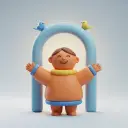 bienvenue Welcome
Bienvenue chez nous. Welcome to our home.
-
 Bonjour Good morning
Bonjour ! Good morning!
-
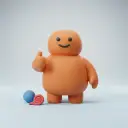 oui yes
Oui, je comprends. Yes, I understand.
-
 Bonsoir Good evening
Bonsoir ! Good evening!
-
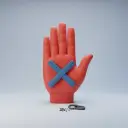 non no
Elle a dit non. She said no.
-
 Au revoir Goodbye
Au revoir, Anna ! Goodbye, Anna!
-
 Bon après-midi Good afternoon
Bon après-midi ! Good afternoon!
-
 À bientôt See you soon
À bientôt, Mia ! See you soon, Mia!
-
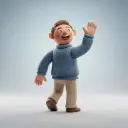 À demain See you tomorrow
À demain ! See you tomorrow!
-
 Enchanté Nice to meet you
Moi aussi, enchanté ! Nice to meet you too!
-
 Comment vas-tu ? How are you?
Comment vas-tu aujourd'hui ? How are you today?
-
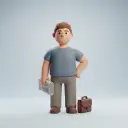 un homme man
L'homme lit le livre. The man reads the book.
-
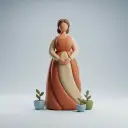 une femme woman
La femme porte un chapeau. The woman wears a hat.
-
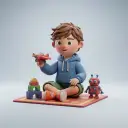 un garçon boy
Le garçon joue avec des jouets. The boy plays with toys.
-
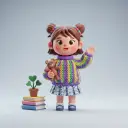 une fille girl
La fille a un ballon. The girl has a ball.
-
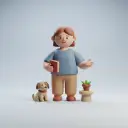 une personne person
C'est une personne gentille. He is a nice person.
-
 les gens people
Les gens sont très heureux. The people are very happy.
-
 un adulte adult
Je suis un adulte. I am an adult.
-
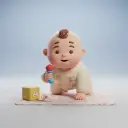 un bébé baby
Le bébé a besoin de lait. The baby needs milk.
-
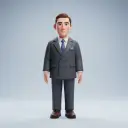 Monsieur Mr
Monsieur Smith aime lire des livres. Mr. Smith likes to read books.
-
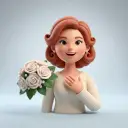 Madame Mrs
Madame Smith est professeur. Mrs. Smith is a teacher.
-
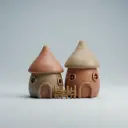 un voisin neighbor
Mon voisin est très sympathique. My neighbor is very friendly.
-
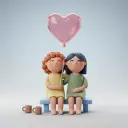 un ami friend
Mon ami aime lire des livres. My friend likes to read books.
-
 aujourd'hui today
Aujourd'hui est un bon jour. Today is a good day.
-
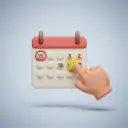 demain tomorrow
Demain est un nouveau jour. Tomorrow is a new day.
-
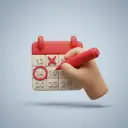 hier yesterday
Je l'ai vue hier. I saw her yesterday.
-
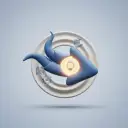 maintenant now
Il le veut maintenant. He wants it now.
-
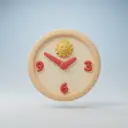 un après-midi afternoon
J'aime l'après-midi. I like the afternoon.
-
 un soir evening
Le soir est calme. The evening is quiet.
-
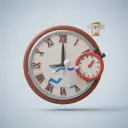 une minute minute
Il nous faut cinq minutes. We need five minutes.
-
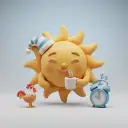 un matin morning
Je prends le petit déjeuner le matin. I eat breakfast in the morning.
-
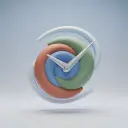 plus tard later
Je le ferai plus tard. I will do it later.
-
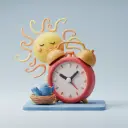 tôt early
Elle se réveille tôt. She wakes up early.
-
 en retard late
Il est souvent en retard. He is often late.
-
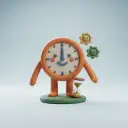 une heure hour
Le cours dure une heure. The class lasts one hour.
-
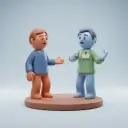 Comment tu t'appelles ? What's your name?
Comment tu t'appelles ? What's your name?
-
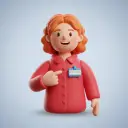 Je m'appelle My name is
Je m'appelle Emily. My name is Emily.
-
 D'où viens-tu ? Where are you from?
D'où viens-tu ? Where are you from?
-
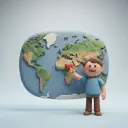 Je suis de I'm from
Je suis d'Allemagne. I'm from Germany.
-
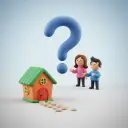 Où habites-tu ? Where do you live?
Où habites-tu ? Where do you live?
-
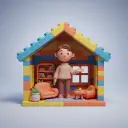 J'habite au I live in
J'habite au Japon. I live in Japan.
-
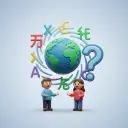 Quelles langues parles-tu ? What languages do you speak?
Quelles langues parles-tu ? What languages do you speak?
-
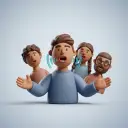 je parle I speak
Je parle bien anglais. I speak English well.
-
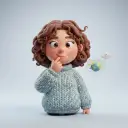 Je parle un peu I speak a little
Je parle un peu français. I speak a little French.
-
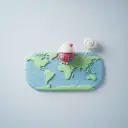 Où es-tu né ? Where were you born
Où es-tu né ? Where were you born?
-
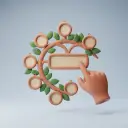 Quel est ton nom de famille ? What's your surname?
Quel est ton nom de famille ? What's your surname?
-
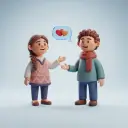 C'est mon amie This is my friend
C'est mon amie Lisa. This is my friend Lisa.
-
 faire make
Je fais du bon café. I make good coffee.
-
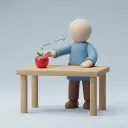 recevoir get
Il a reçu un cadeau. He got a present.
-
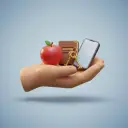 avoir have
Emma a une voiture. Emma has a car.
-
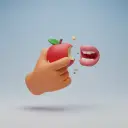 manger eat
Ils mangent des pommes. They are eating apples.
-
 boire drink
Tu bois du café ? Do you drink coffee?
-
 dormir sleep
Je veux dormir maintenant. I want to sleep now.
-
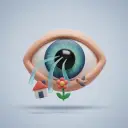 voir see
Peux-tu voir la maison ? Can you see the house?
-
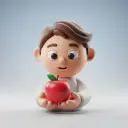 regarder look at
Adam aime regarder des photos. Adam likes to look at pictures.
-
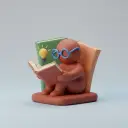 lire read
L'élève lit des livres. The student reads books.
-
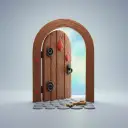 ouvrir open
Elle ouvre la fenêtre. She opens the window.
-
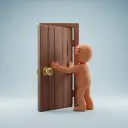 fermer close
Je ferme la porte. I close the door.
-
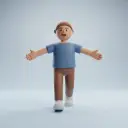 venir come
Tu viens ici tous les jours. You come here every day.
-
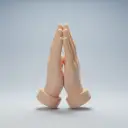 S'il vous plaît Please.
Ouvrez la porte, s'il vous plaît. Please open the door.
-
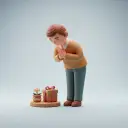 Merci Thank you.
Merci de votre aide. Thank you for your help.
-
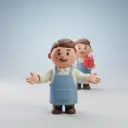 De rien You're welcome.
De rien. You're welcome.
-
 Excusez-moi Excuse me.
Excusez-moi, j'ai besoin d'aide. Excuse me, I need help.
-
 désolé Sorry.
Je suis désolé. I am sorry.
-
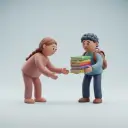 Pourrais-tu m'aider Could you help me?
Pourrais-tu m'aider ? Could you help me?
-
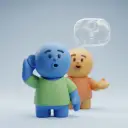 Pourriez-vous répéter s'il vous plaît Could you please repeat?
Pourriez-vous répéter s'il vous plaît ? Could you please repeat that?
-
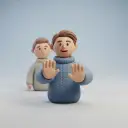 Pourrais-tu parler plus lentement ? Could you speak more slowly?
Pourrais-tu parler plus lentement ? Could you speak more slowly?
-
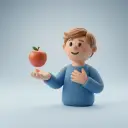 Pourrais-je avoir... s'il vous plaît ? Could I have ... please?
Pourrais-je avoir de l'eau, s'il vous plaît ? Could I have water please?
-
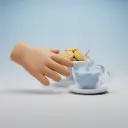 Je voudrais I'd like
Je voudrais encore du thé. I'd like some more tea.
-
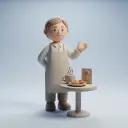 Puis-je ? May I...?
Puis-je avoir de l'eau ? May I have some water?
-
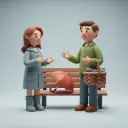 Est-ce que je peux...? Is it okay if...?
Est-ce que je peux m'asseoir ? Is it okay if I sit?
-
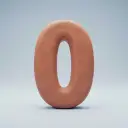 un zéro zero
Zéro est inférieur à un. Zero is less than one.
-
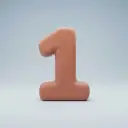 un one
J'ai une pomme. I have one apple.
-
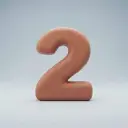 deux two
Il y a deux chats. There are two cats.
-
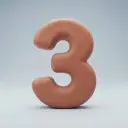 trois three
Non, trois, c'est trop. No, three is too much.
-
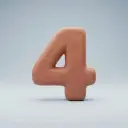 quatre four
Donne-moi quatre, s'il te plaît. Give me four, please.
-
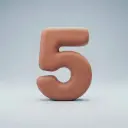 cinq five
J'ai cinq chiens. I have five dogs.
-
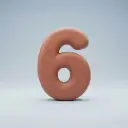 six six
Il est venu avec six amis. He came with six friends.
-
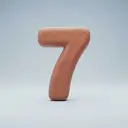 sept seven
Je cours sept kilomètres. I am running seven kilometers.
-
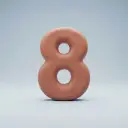 huit eight
Une araignée a huit pattes. A spider has eight legs.
-
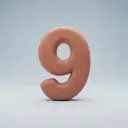 neuf nine
Neuf est mon chiffre porte-bonheur. Nine is my lucky number.
-
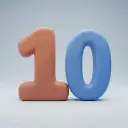 dix ten
On a dix doigts. We have ten fingers.
-
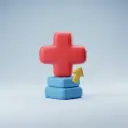 plus plus
Deux plus deux font quatre. Two plus two is four.
-
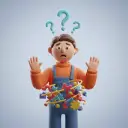 Je ne comprends pas I don't understand.
Je ne comprends pas. I don't understand.
-
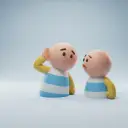 Pouvez-vous répéter, s'il vous plaît Could you repeat that please?
Pouvez-vous répéter, s'il vous plaît ? Could you repeat that please?
-
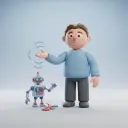 plus lentement s'il te plaît More slowly please.
Plus lentement s'il te plaît. More slowly please.
-
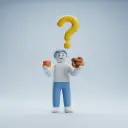 Qu'est-ce que ça veut dire ? What does that mean?
Qu'est-ce que ça veut dire ? What does that mean?
-
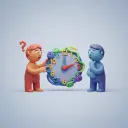 Comment dit-on ça en...? How do you say that in ...?
Comment dit-on ça en espagnol ? How do you say that in Spanish?
-
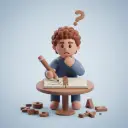 Comment ça s'écrit ? How do you spell that?
Comment ça s'écrit ? How do you spell that?
-
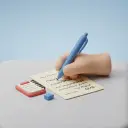 Tu peux l'écrire ? Can you write it down?
Tu peux l'écrire, s'il te plaît ? Can you write it down, please?
-
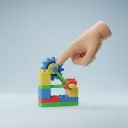 Peux-tu me montrer ? Can you show me?
Peux-tu me montrer la photo ? Can you show me the photo?
-
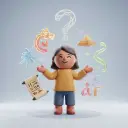 Parlez-vous... ? Do you speak ...?
Parlez-vous anglais ? Do you speak English?
-
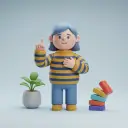 Un instant s'il vous plaît Just a moment please.
Un instant, s'il vous plaît. Just a moment please.
-
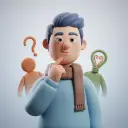 Je pense que oui I think so.
Moi aussi, je pense que oui. I think so too.
-
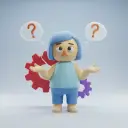 Je ne sais pas I don't know.
Je ne sais pas. I don't know.
-
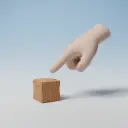 ce ...-ci this
Cette voiture-ci est ma voiture rouge. This is my red car.
-
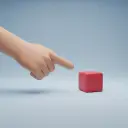 ce ...-là that
Ce chien-là est très amical. That dog is very friendly.
-
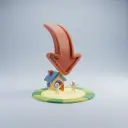 ici here
J'aime être ici. I like being here.
-
 là there
On se retrouve là après le travail. We meet there after work.
Free for personal and classroom use.
Quick quiz
Five questions from the first 100 words.
Make these words stick
The app brings each word back right before you’d forget it. Free on iPhone and Android.
More French
French words by topic
- Numbers1–100
- Ordinal Numbers12
- Days of the week12
- Months12
- Colors19
- Family members36
- Body parts24
- Food44
- Animals36
- Clothes41
- Jewelry and Accessories12
- Weather24
- Greetings12
- Fruits16
- Vegetables12
- Kitchen36
- Restaurant & ordering food48
- Money25
- Rooms in the house48
- Jobs & professions36
- Emotions & feelings36
- School supplies & classroom48
- Transportation48
- Travel60
- Directions48
- Prepositions18
- Places in town48
- At the doctor36
- Sports & games60
- Hobbies36
- Musical instruments12
- Nature & plants36
- Planets & space24
- Time36
- Holidays & celebrations12
- Shapes12
- Please & thank you24
- Small talk36
Word lists
Alphabet
Learn these 100 French words in order.
The app teaches them 12 at a time, with pictures and audio, and brings each one back before you forget it. Free on iPhone and Android.
Scan with your phone's camera to get the app.
