











 The 500 Most Common Italian Words
Each word with a picture, native audio and an example sentence with its English translation. Tap a speaker to hear the word or the sentence.

Learn all 500 words in the app
Pictures, native audio, and each word comes back right before you’d forget it. Free on iPhone & Android.

 Scan with your phone camera
 Your PDF is downloading
Printing is step one. Flashcardly makes the words stick: it brings each one back right before you’d forget it, with native audio.
How this list is ranked
This is the Flashcardly Italian course in order: by frequency and everyday usefulness, with input from language teachers. It is not a raw corpus count, which is why words like “the” and “of” are not padding the top of the list, while “man” comes in at #13.
The list
Tap a picture to hear it.
Words 1–100
-
 Ciao Hello
Ciao, come stai? Hello, how are you?
-
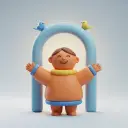 benvenuto Welcome
Benvenuti a casa nostra. Welcome to our home.
-
 Buongiorno Good morning
Buongiorno! Good morning!
-
 sì yes
Sì, capisco. Yes, I understand.
-
 Buonasera Good evening
Buonasera! Good evening!
-
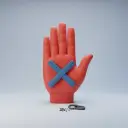 no no
no noHa detto di no. She said no.
-
 Arrivederci Goodbye
Arrivederci, Anna! Goodbye, Anna!
-
 Buon pomeriggio Good afternoon
Buon pomeriggio! Good afternoon!
-
 A presto See you soon
A presto, Mia! See you soon, Mia!
-
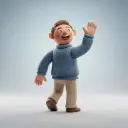 Ci vediamo domani See you tomorrow
Ci vediamo domani! See you tomorrow!
-
 Piacere Nice to meet you
Piacere, anche a te! Nice to meet you too!
-
 Come stai? How are you?
Come stai oggi? How are you today?
-
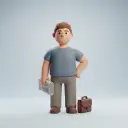 un uomo man
L'uomo legge il libro. The man reads the book.
-
 una donna woman
La donna indossa un cappello. The woman wears a hat.
-
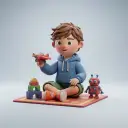 un ragazzo boy
Il ragazzo gioca con i giocattoli. The boy plays with toys.
-
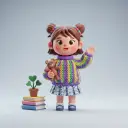 una ragazza girl
La ragazza ha una palla. The girl has a ball.
-
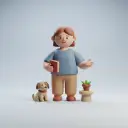 una persona person
È una persona brava. He is a nice person.
-
 la gente people
La gente è molto felice. The people are very happy.
-
 un adulto adult
Sono un adulto. I am an adult.
-
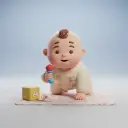 un bambino baby
Il bambino ha bisogno di latte. The baby needs milk.
-
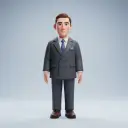 signore Mr
Al signor Smith piace leggere libri. Mr. Smith likes to read books.
-
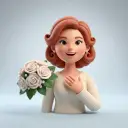 Signora Mrs
La signora Smith è un'insegnante. Mrs. Smith is a teacher.
-
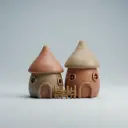 un vicino neighbor
Il mio vicino è molto amichevole. My neighbor is very friendly.
-
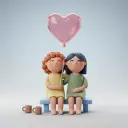 un amico friend
Al mio amico piace leggere libri. My friend likes to read books.
-
 oggi today
Oggi è una bella giornata. Today is a good day.
-
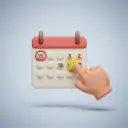 domani tomorrow
Domani è un nuovo giorno. Tomorrow is a new day.
-
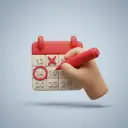 ieri yesterday
L'ho vista ieri. I saw her yesterday.
-
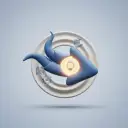 adesso now
Lo vuole adesso. He wants it now.
-
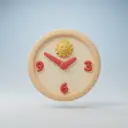 un pomeriggio afternoon
Mi piace il pomeriggio. I like the afternoon.
-
 una sera evening
La sera è tranquilla. The evening is quiet.
-
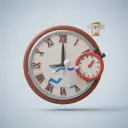 un minuto minute
Ci servono cinque minuti. We need five minutes.
-
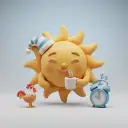 una mattina morning
Faccio colazione la mattina. I eat breakfast in the morning.
-
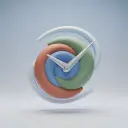 più tardi later
Lo farò più tardi. I will do it later.
-
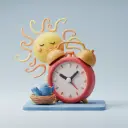 presto early
Si sveglia presto. She wakes up early.
-
 in ritardo late
È spesso in ritardo. He is often late.
-
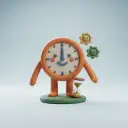 un'ora hour
La lezione dura un'ora. The class lasts one hour.
-
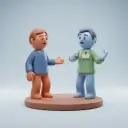 Come ti chiami? What's your name?
Come ti chiami? What's your name?
-
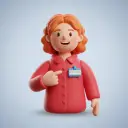 Mi chiamo My name is
Mi chiamo Emily. My name is Emily.
-
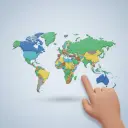 Di dove sei? Where are you from?
Di dove sei? Where are you from?
-
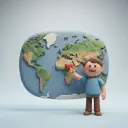 Sono di I'm from
Sono della Germania. I'm from Germany.
-
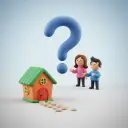 Dove abiti? Where do you live?
Dove abiti? Where do you live?
-
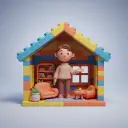 Vivo in I live in
Vivo in Giappone. I live in Japan.
-
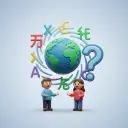 Che lingue parli? What languages do you speak?
Che lingue parli? What languages do you speak?
-
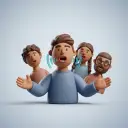 parlo I speak
Parlo inglese bene. I speak English well.
-
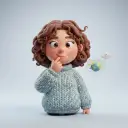 parlo un po' I speak a little
Parlo un po' di francese. I speak a little French.
-
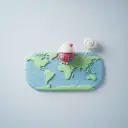 Dove sei nato Where were you born
Dove sei nato? Where were you born?
-
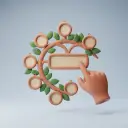 Qual è il tuo cognome? What's your surname?
Qual è il tuo cognome? What's your surname?
-
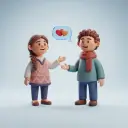 Questa è la mia amica This is my friend
Questa è la mia amica Lisa. This is my friend Lisa.
-
 fare make
Faccio un buon caffè. I make good coffee.
-
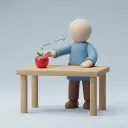 ricevere get
Lui ha ricevuto un regalo. He got a present.
-
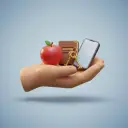 avere have
Emma ha una macchina. Emma has a car.
-
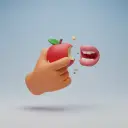 mangiare eat
Stanno mangiando le mele. They are eating apples.
-
 bere drink
Bevi caffè? Do you drink coffee?
-
 dormire sleep
Voglio dormire adesso. I want to sleep now.
-
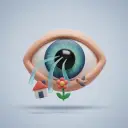 vedere see
Vedi la casa? Can you see the house?
-
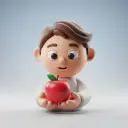 guardare look at
A Adamo piace guardare le foto. Adam likes to look at pictures.
-
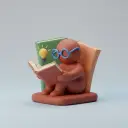 leggere read
Lo studente legge libri. The student reads books.
-
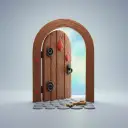 aprire open
Lei apre la finestra. She opens the window.
-
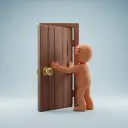 chiudere close
Chiudo la porta. I close the door.
-
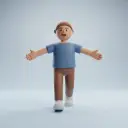 venire come
Vieni qui ogni giorno. You come here every day.
-
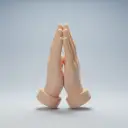 Per favore Please.
Per favore, apri la porta. Please open the door.
-
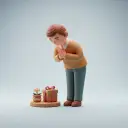 Grazie Thank you.
Grazie per il tuo aiuto. Thank you for your help.
-
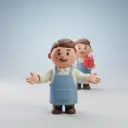 Prego You're welcome.
Prego. You're welcome.
-
 Scusi Excuse me.
Scusi, ho bisogno di aiuto. Excuse me, I need help.
-
 Mi dispiace Sorry.
Mi dispiace. I am sorry.
-
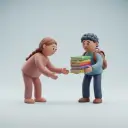 Potresti aiutarmi? Could you help me?
Potresti aiutarmi? Could you help me?
-
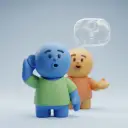 Potresti ripetere, per favore? Could you please repeat?
Potresti ripetere quello, per favore? Could you please repeat that?
-
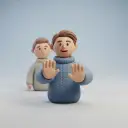 Potresti parlare più lentamente? Could you speak more slowly?
Potresti parlare più lentamente? Could you speak more slowly?
-
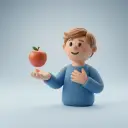 Potrei avere... per favore? Could I have ... please?
Potrei avere dell'acqua, per favore? Could I have water please?
-
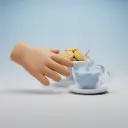 vorrei I'd like
Vorrei ancora un po' di tè. I'd like some more tea.
-
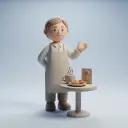 Posso...? May I...?
Posso avere dell'acqua? May I have some water?
-
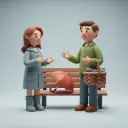 Va bene se...? Is it okay if...?
Va bene se mi siedo? Is it okay if I sit?
-
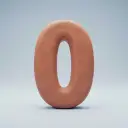 zero zero
Zero è meno di uno. Zero is less than one.
-
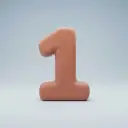 uno one
Ho una mela. I have one apple.
-
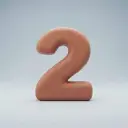 due two
Ci sono due gatti. There are two cats.
-
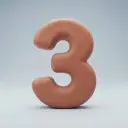 tre three
No, tre è troppo. No, three is too much.
-
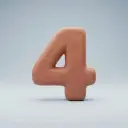 quattro four
Dammi quattro, per favore. Give me four, please.
-
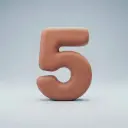 cinque five
Ho cinque cani. I have five dogs.
-
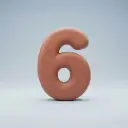 sei six
È venuto con sei amici. He came with six friends.
-
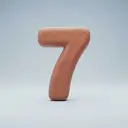 sette seven
Corro sette chilometri. I am running seven kilometers.
-
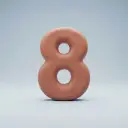 otto eight
Un ragno ha otto zampe. A spider has eight legs.
-
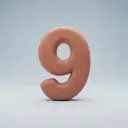 nove nine
Nove è il mio numero fortunato. Nine is my lucky number.
-
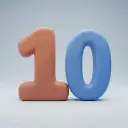 dieci ten
Abbiamo dieci dita. We have ten fingers.
-
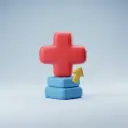 più plus
Due più due fa quattro. Two plus two is four.
-
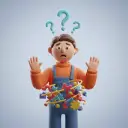 Non capisco I don't understand.
Non capisco. I don't understand.
-
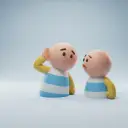 Potresti ripetere, per favore? Could you repeat that please?
Potresti ripetere, per favore? Could you repeat that please?
-
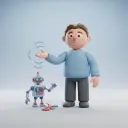 Più lentamente per favore More slowly please.
Più lentamente per favore. More slowly please.
-
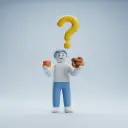 Cosa significa? What does that mean?
Cosa significa? What does that mean?
-
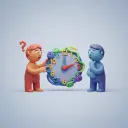 Come si dice... in How do you say that in ...?
Come si dice questo in spagnolo? How do you say that in Spanish?
-
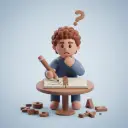 Come si scrive? How do you spell that?
Come si scrive? How do you spell that?
-
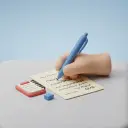 Puoi scriverlo? Can you write it down?
Puoi scriverlo, per favore? Can you write it down, please?
-
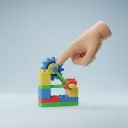 Puoi mostrarmi? Can you show me?
Puoi mostrarmi la foto? Can you show me the photo?
-
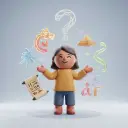 parli...? Do you speak ...?
Parli inglese? Do you speak English?
-
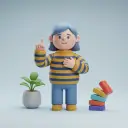 Un attimo, per favore. Just a moment please.
Un attimo, per favore. Just a moment please.
-
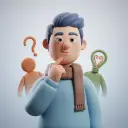 Credo di sì I think so.
Credo di sì anch'io. I think so too.
-
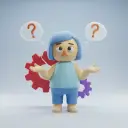 Non lo so I don't know.
Non lo so. I don't know.
-
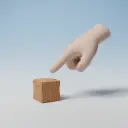 questo this
Questa è la mia macchina rossa. This is my red car.
-
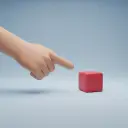 quello that
Quel cane è molto amichevole. That dog is very friendly.
-
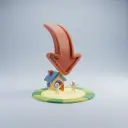 qui here
Mi piace stare qui. I like being here.
-
 lì there
Ci incontriamo lì dopo il lavoro. We meet there after work.
Words 101–200
-
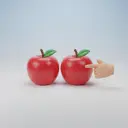 altro another
Vuole un altro pezzo di torta. He wants another piece of cake.
-
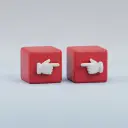 stesso same
Indossiamo la stessa camicia blu. We wear the same blue shirt.
-
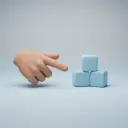 questi these
Queste mele sono pronte da mangiare. These apples are ready to eat.
-
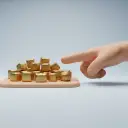 quello those
Quei biscotti sembrano molto buoni. Those cookies look very good.
-
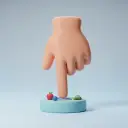 proprio qui right here
Le chiavi sono proprio qui. The keys are right here.
-
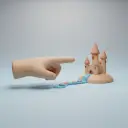 lì over there
Le mie scarpe sono lì. My shoes are over there.
-
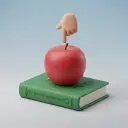 sopra on top of
Il gatto è sopra il tavolo. The cat is on top of the table.
-
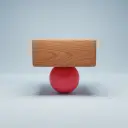 sotto underneath
Il cane è sotto il tavolo. The dog is underneath the table.
-
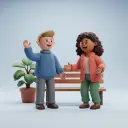 Come va? How's it going?
Come va? How's it going?
-
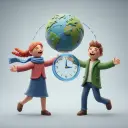 Quanto tempo! Long time no see.
Quanto tempo! Long time no see.
-
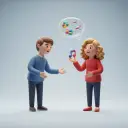 Cosa ti piace? What do you enjoy?
Cosa ti piace? What do you enjoy?
-
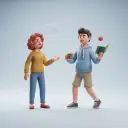 Cosa fai? What are you up to?
Cosa fai adesso? What are you up to now?
-
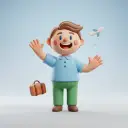 Buona giornata Have a nice day.
Buona giornata, John! Have a nice day, John!
-
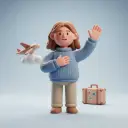 Stai bene Take care.
Stai bene. Ci vediamo domani. Take care. See you tomorrow.
-
 Buona fortuna! Good luck!
Buona fortuna! Credo in te! Good luck! I believe in you!
-
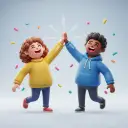 Congratulazioni! Congratulations!
Congratulazioni! Hai finito il duro lavoro. Congratulations! You finished the hard work.
-
 Cin cin! Cheers!
Cin cin! Cheers!
-
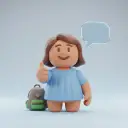 Nessun problema No problem.
Nessun problema, posso aiutarti. No problem, I can help you.
-
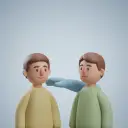 Non preoccuparti Don't worry.
Non preoccuparti, andrà tutto bene. Don't worry, it will be okay.
-
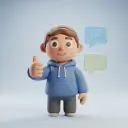 Va bene Sounds good.
Va bene per me, grazie! Sounds good to me, thanks!
-
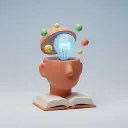 sapere know
Sai la risposta adesso. You know the answer now.
-
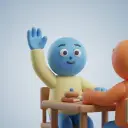 chiedere ask
Puoi chiedere a tuo fratello. You can ask your brother.
-
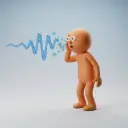 sentire hear
Senti quel suono? Can you hear that sound?
-
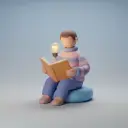 imparare learn
Impari qualcosa di nuovo ogni giorno. You learn something new everyday.
-
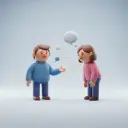 parlare con talk with
Ti piace parlare con i tuoi amici? Do you like talking with your friends?
-
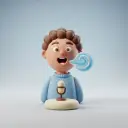 dire say
Voglio dire qualcosa. I want to say something.
-
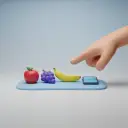 scegliere choose
Tu scegli il tuo colore preferito. You choose your favorite color.
-
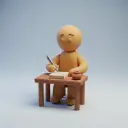 scrivere write
Gli studenti scrivono una storia. The students write a story.
-
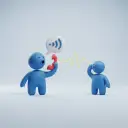 chiamare call
Ti chiamerò. I am going to call you.
-
 ascoltare listen to
Ascolto la radio. I listen to the radio.
-
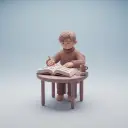 studiare study
Studio tanto per ogni esame. I study hard for every test.
-
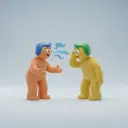 raccontare tell
Mi racconta il suo nome. He tells me his name.
-
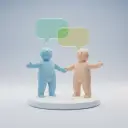 incontrare meet
Ti incontro domani. I will meet you tomorrow.
-
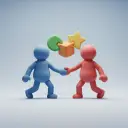 unirsi join
Lei si unirà al nostro gruppo. She will join our group.
-
 godersi enjoy
Ci godiamo la musica. We enjoy the music.
-
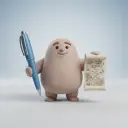 descrivere describe
Il ragazzo descrisse l'animale. The boy described the animal.
-
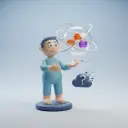 spiegare explain
Lei spiegherà il problema. She will explain the problem.
-
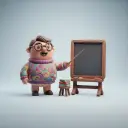 insegnare teach
Insegno ai nuovi studenti. I teach the new students.
-
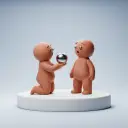 presentare introduce
Ti presenterò il mio amico. I will introduce my friend.
-
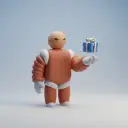 accettare accept
Lei accetta il regalo. She accepts the gift.
-
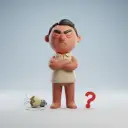 rifiutare refuse
Il bambino rifiuta il cibo. The child refuses the food.
-
 promettere promise
Ti prometto di aiutarti. I promise to help you.
-
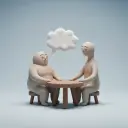 discutere discuss
Loro discutono il nuovo piano. They discuss the new plan.
-
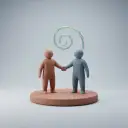 contattare contact
Contatterò il medico. I will contact the doctor.
-
 ridere laugh
I bambini ridono forte. The children laugh loudly.
-
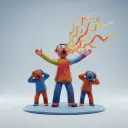 gridare shout
Il ragazzo grida aiuto. The boy shouts for help.
-
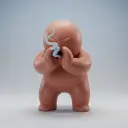 sussurrare whisper
Lui mi sussurra all'orecchio. He whispers in my ear.
-
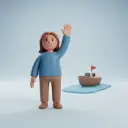 salutare wave
Lei saluta con la mano per dire addio. She waves goodbye.
-
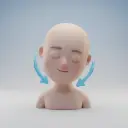 fare un cenno con la testa nod
La donna fa un cenno con la testa. The woman nods her head.
-
 abbracciare hug
La madre abbraccia il suo bambino. The mother hugs her child.
-
 baciare kiss
La madre bacia il suo bambino. The mother kisses her child.
-
 indicare point
Il bambino indica il cane. The child points at the dog.
-
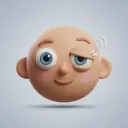 sbattere blink
Lui sbatte le palpebre velocemente. He blinks his eyes quickly.
-
 accigliare frown
Il padre si acciglia guardando suo figlio. The father frowns at his son.
-
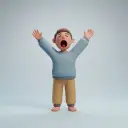 sbadigliare yawn
L'uomo stanco sbadiglia. The tired man yawns.
-
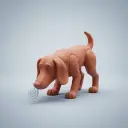 annusare sniff
Il cane annusa il cibo. The dog sniffs the food.
-
 buono good
È una brava persona. She is a good person.
-
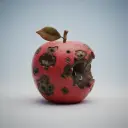 cattivo bad
Quel latte ha un cattivo odore. That milk smells bad.
-
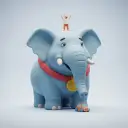 grande big
Il cane grande può saltare. The big dog can jump.
-
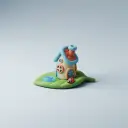 piccolo small
Il bambino ha le mani piccole. The baby has small hands.
-
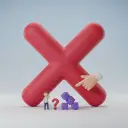 sbagliato wrong
La tua risposta è sbagliata. Your answer is wrong.
-
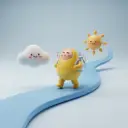 facile easy
Questo problema di matematica è facile. This math problem is easy.
-
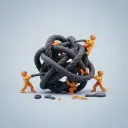 difficile difficult
Quel test era difficile. That test was difficult.
-
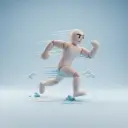 veloce fast
Le macchine vanno molto veloce. Cars go very fast.
-
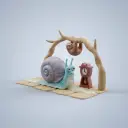 lento slow
La tartaruga è molto lenta. The turtle is very slow.
-
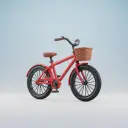 nuovo new
Questa è una macchina nuova. This is a new car.
-
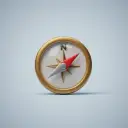 vero true
Questa storia è vera? Is this story true?
-
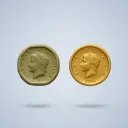 falso false
La risposta è falsa. The answer is false.
-
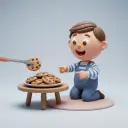 volere I want to
Voglio mangiare la pizza. I want to eat pizza.
-
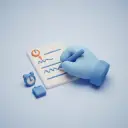 Devo I need to
Devo chiamarla. I need to call her.
-
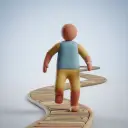 stare per I'm going to
Sto per mangiare tra poco. I'm going to eat soon.
-
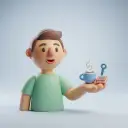 Vorrei I'd like to
Vorrei giocare a tennis. I'd like to play tennis.
-
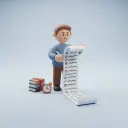 dovere I have to
Devo andare adesso. I have to go now.
-
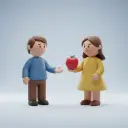 Posso...? May I ...?
Posso avere un po' d'acqua, per favore? May I have water, please?
-
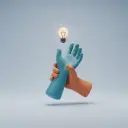 aiutami con Help me with
Per favore, aiutami con questa borsa. Please help me with this bag.
-
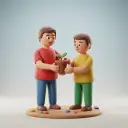 fammi vedere come Show me how to
Fammi vedere come si fa. Show me how to do this.
-
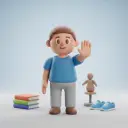 non posso ... adesso I can't ... right now.
Non posso aiutare adesso. I can't help right now.
-
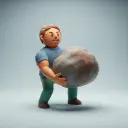 Cercare di I’m trying to
Sto cercando di dormire ora. I’m trying to sleep now.
-
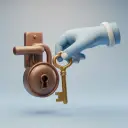 È possibile...? Is it possible to ...?
È possibile nuotare qui? Is it possible to swim here?
-
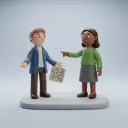 Dove posso...? Where can I ...?
Dove posso pranzare? Where can I eat lunch?
-
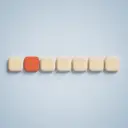
 lunedì Monday
Lunedì è il primo giorno. Monday is the first day.
-
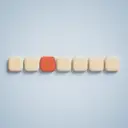
 martedì Tuesday
Martedì è sempre divertente. Tuesday is always fun.
-
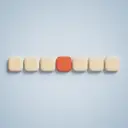
 mercoledì Wednesday
Torna a casa mercoledì. She goes home Wednesday.
-
 giovedì Thursday
Viene giovedì. He comes on Thursday.
-
 venerdì Friday
Venerdì è il giorno migliore. Friday is the best day.
-
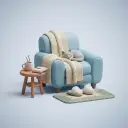 sabato Saturday
Parto sabato. I leave on Saturday.
-
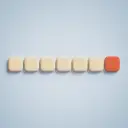 domenica Sunday
Mi riposerò domenica. I will rest on Sunday.
-
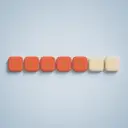 un giorno feriale weekday
Lei lavora ogni mattina nei giorni feriali. She works every weekday morning.
-
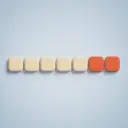 un weekend weekend
A chi non piace il weekend? Who does not like the weekend?
-
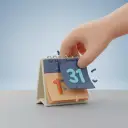 ogni giorno daily
Leggiamo il giornale ogni giorno. We read the newspaper daily .
-
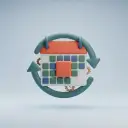 settimanalmente weekly
Di solito guardo il notiziario settimanalmente. I usually watch the news weekly.
-
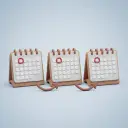 mensile monthly
Pagano il prezzo mensile. They pay the monthly price.
-
 un giorno day
Abbiamo aspettato per un giorno. We waited for one day.
-
 una notte night
Noi dormiamo di notte. We sleep at night.
-
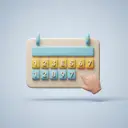 una settimana week
Siamo rimasti per una settimana. We stayed for one week.
-
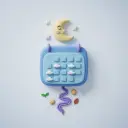 un mese month
Ha lavorato per un mese. He worked for one month.
-
 un anno year
Abbiamo aspettato per un anno. We waited for one year.
-
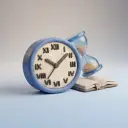 un tempo time
Abbiamo bisogno di più tempo. We need more time.
-
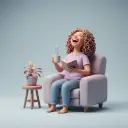 un momento moment
Ha aspettato per un momento. He waited for a moment.
-
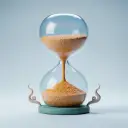 un futuro future
Penso al futuro. I think about the future.
Words 201–300
-
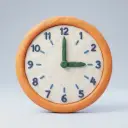 in punto o'clock
Mi sveglio alle sette in punto. I wake up at seven o'clock.
-
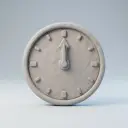 una mezzanotte midnight
Partiremo a mezzanotte. We will leave at midnight.
-
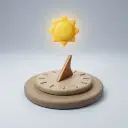 un mezzogiorno midday
Il sole è caldo a mezzogiorno. The sun is hot at midday.
-
 stasera tonight
Gli ospiti arriveranno stasera. The guests will arrive tonight.
-
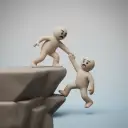 un aiuto help
Aiuto! Sono nei guai. Help! I am in trouble.
-
 un pericolo danger
Siamo in pericolo! We are in danger!
-
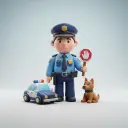 una polizia police
Chiama la polizia! Call the police!
-
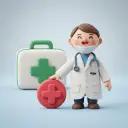 un dottore doctor
Ho bisogno di un dottore! I need a doctor!
-
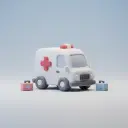 un'ambulanza ambulance
Chiama un'ambulanza! Call an ambulance!
-
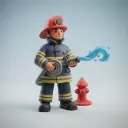 un pompiere firefighter
I pompieri sono eroi. The firefighters are heroes.
-
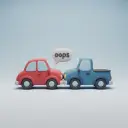 un incidente accident
Ho avuto un incidente. I had an accident.
-
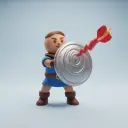 proteggere protect
La polizia ci protegge. The police protect us.
-
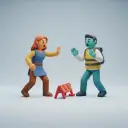 avvertire warn
Devo avvertirli! I need to warn them!
-
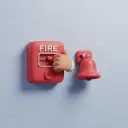 un allarme alarm
L'allarme è suonato! The alarm went off!
-
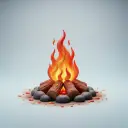 un incendio fire
C'è un incendio! There is a fire!
-
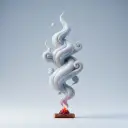 un fumo smoke
Il fumo sta uscendo dall'edificio! Smoke is coming out of the building!
-
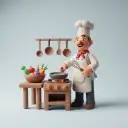 lavorare come work as
Lavorano come infermiere in ospedale. They work as hospital nurses.
-
 comprare buy
Qui puoi comprare frutta. You can buy fruit here.
-
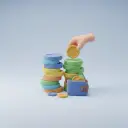 pagare pay
Devi pagare questo. You must pay for this.
-
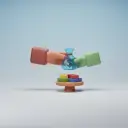 vendere sell
Qui vendono frutta fresca. They sell fresh fruit here.
-
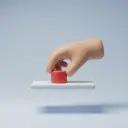 mettere put
Lui mette il libro sul tavolo. He puts the book on table.
-
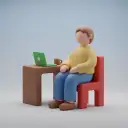 sedere sit
Emma si siede su quella sedia. Emma sits in that chair.
-
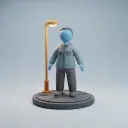 stare stand
Sto in piedi vicino alla porta. I stand by the door.
-
 nuotare swim
Possono nuotare velocemente. They can swim fast.
-
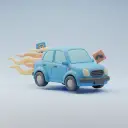 guidare drive
Devi guidare con attenzione. You need to drive carefully.
-
 pianificare plan
Loro pianificano di visitare presto. They plan to visit soon.
-
 finire finish
Può finire i compiti più tardi. He can finish homework later.
-
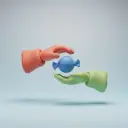 dare give
Do regali agli amici. I give presents to friends.
-
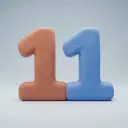 undici eleven
Prendo sempre undici pezzi. I always get eleven pieces.
-
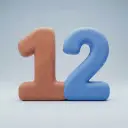 dodici twelve
Ci sono dodici uova in un cartone. There are twelve eggs in a carton.
-
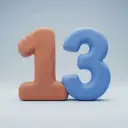 tredici thirteen
Il numero tredici è sfortunato. The number thirteen is unlucky.
-
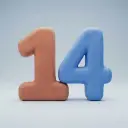 quattordici fourteen
L'appartamento ha quattordici piani. The apartment has fourteen floors.
-
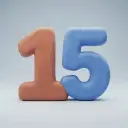 quindici fifteen
Apro il libro a pagina quindici. I open the book at page fifteen.
-
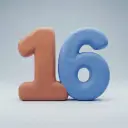 sedici sixteen
È sedici volte di più! That is sixteen times more!
-
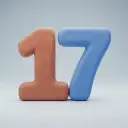 diciassette seventeen
Abbiamo diciassette matite. We have seventeen pencils.
-
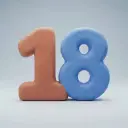 diciotto eighteen
È alto diciotto metri. It is eighteen meters high.
-
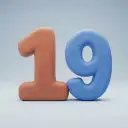 diciannove nineteen
Diciannove è il mio numero preferito. Nineteen is my favourite number.
-
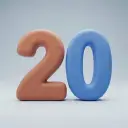 venti twenty
Le servono venti piccole mele. She needs twenty small apples.
-
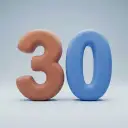 trenta thirty
Ha trent'anni. He is thirty years old.
-
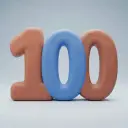 cento hundred
Ha contato fino a cento. He counted to one hundred.
-
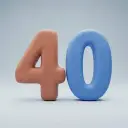 quaranta forty
Lei ha quaranta matite in totale. She has forty pencils in total.
-
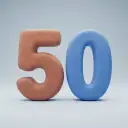 cinquanta fifty
Ha cinquanta dollari. He has fifty dollars.
-
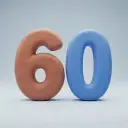 sessanta sixty
John ha sessanta anni. John is sixty years old.
-
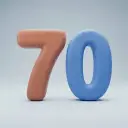 settanta seventy
Mio nonno ha settanta anni. My grandpa is seventy years old.
-
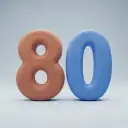 ottanta eighty
Ho ottanta grammi di zucchero. I have eighty grams of sugar.
-
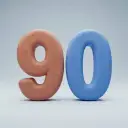 novanta ninety
Ha novanta libri da leggere. He has ninety books to read.
-
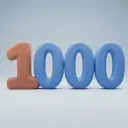 mille thousand
Mille è un numero grande. A thousand is a big number.
-
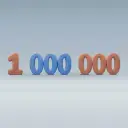 un milione million
Quell'auto costa un milione di dollari. That car costs a million dollars.
-
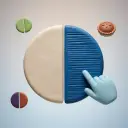 una metà half
Ha mangiato metà della pizza. He ate half the pizza.
-
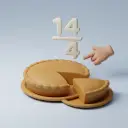 un quarto quarter
Ne rimane solo un quarto. There is only a quarter of them left.
-
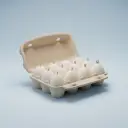 una dozzina dozen
Compro una dozzina di uova al negozio. I buy a dozen eggs at the store.
-
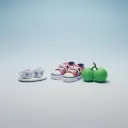 un paio pair
Quel paio di scarpe è pulito. That pair of shoes is clean.
-
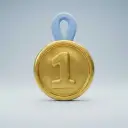 primo first
Ha vinto il primo posto facilmente. He won first place easily.
-
 secondo second
Questa è la mia seconda volta qui. This is my second time here.
-
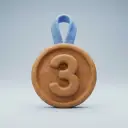 terzo third
Sono arrivati al terzo posto. They finished in third place.
-
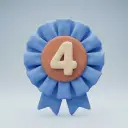 quarto fourth
Sono il quarto in fila. I am fourth in line.
-
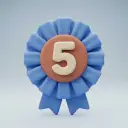 quinto fifth
Lei è nella quinta fila. She is in the fifth row.
-
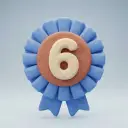 sesto sixth
Lui è la sesta persona. He is the sixth person.
-
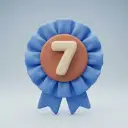 settimo seventh
Vivono al settimo piano. They live on the seventh floor.
-
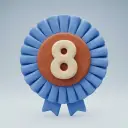 ottavo eighth
Questa è l'ottava mela. This is the eighth apple.
-
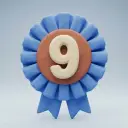 nono ninth
Il nono giorno è una festa. The ninth day is a holiday.
-
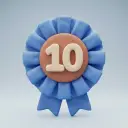 decimo tenth
Lei è il decimo posto. She is the tenth place.
-
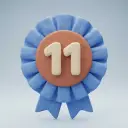 undicesimo eleventh
Festeggiano il loro undicesimo anniversario. They celebrate their eleventh anniversary.
-
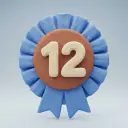 dodicesimo twelfth
Quello è il dodicesimo mese. That is the twelfth month.
-
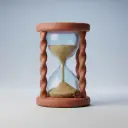 sempre always
Bevo sempre caffè la mattina. I always drink coffee in the morning.
-
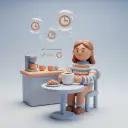 di solito usually
Di solito mangia il pranzo a mezzogiorno. He usually eats lunch at noon.
-
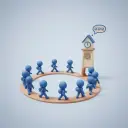 spesso often
La gente spesso mangia la pizza qui. People often eat pizza here.
-
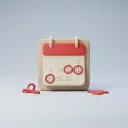 a volte sometimes
Lei a volte va in biblioteca. She sometimes goes to the library.
-
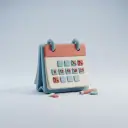 raramente rarely
Mangio raramente cibo spazzatura. I rarely eat fast food.
-
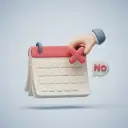 mai never
Non vanno mai in quel negozio. They never go to that store.
-
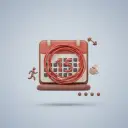 ogni giorno every day
Mangiamo cioccolato ogni giorno. We eat chocolate every day.
-
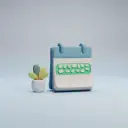 ogni settimana every week
Lei nuota ogni settimana. She swims every week.
-
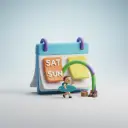 nei fine settimana on weekends
Mi rilasso nei fine settimana a casa. I relax on weekends at home.
-
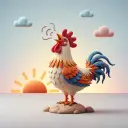 di mattina in the morning
La gente fa colazione di mattina. People eat breakfast in the morning.
-
 di notte at night
Dormono di notte nei loro letti. They sleep at night in their beds.
-
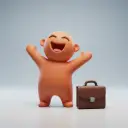 dopo il lavoro after work
Si rilassa dopo il lavoro ogni giorno. He relaxes after work every day.
-
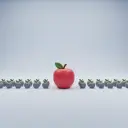 una volta a once a
Vado una volta alla settimana. I go once a week.
-
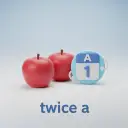 due volte alla twice a
Mio padre visita due volte alla settimana. My dad visits twice a week.
-
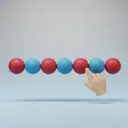 ogni due every other
Visitano ogni due settimane. They visit every other week.
-
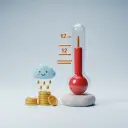 almeno at least
Mangia almeno una mela ogni giorno. He eats at least one apple daily.
-
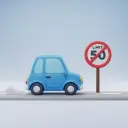 al massimo at most
Comprerò due al massimo. I will buy two at most.
-
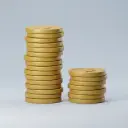 più che more than
Questo cibo è più che sufficiente. This is more than enough food.
-
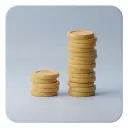 meno di less than
Hai fatto meno dell'ultima volta. You got less than last time.
-
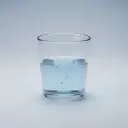 un po' a little
Ha bisogno di un po' di aiuto. He needs a little help.
-
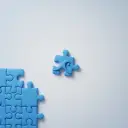 un po' a bit
Ha mangiato un po' di torta. She ate a bit of cake.
-
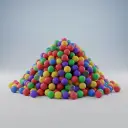 molto a lot
Studio molto. I study a lot.
-
 troppo too much
Hanno mangiato troppa torta. They ate too much cake.
-
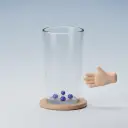 non abbastanza not enough
Questa quantità non è abbastanza. This amount is not enough.
-
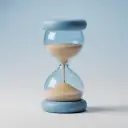 fa ago
Sono arrivato due giorni fa. I arrived two days ago.
-
 presto soon
Il mio amico arriverà presto. My friend will arrive soon.
-
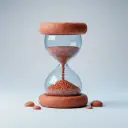 ancora still
Ho ancora fame. I am still hungry.
-
 mai ever
Hai mai visto l'oceano? Have you ever seen the ocean?
-
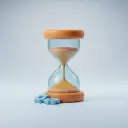 ancora yet
Il mio amico non è ancora arrivato. My friend has not arrived yet.
-
 immediatamente immediately
Ho bisogno di aiuto immediatamente. I need help immediately.
-
 forse maybe
Forse lei verrà più tardi. Maybe she will come later.
-
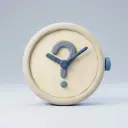 prima o poi sometime
Ci incontreremo prima o poi. We will meet sometime.
-
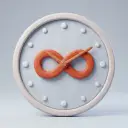 in qualsiasi momento anytime
Puoi venirci a trovare in qualsiasi momento. You can visit us anytime.
-
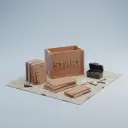 prima di before
Siamo partiti prima della tempesta. We left before the storm.
-
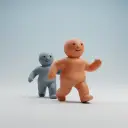 dopo after
Partiremo dopo il pasto. We will leave after the meal.
-
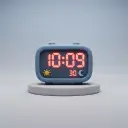 oggigiorno nowadays
La gente viaggia di più oggigiorno. People travel more nowadays.
Words 301–400
-
 gennaio January
Gennaio è il primo mese. January is the first month.
-
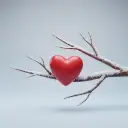 febbraio February
Febbraio di solito è un mese breve. February is usually a short month.
-
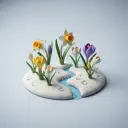 marzo March
Di solito vado a trovarli a marzo. I usually visit them in March.
-
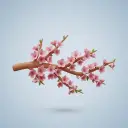 aprile April
La partita di basket è ad aprile. The basketball game is in April.
-
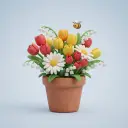 maggio May
Il mio esame finale è a maggio. My final exam is in May.
-
 giugno June
Saprò la risposta entro giugno. I will know the answer by June.
-
 luglio July
Luglio è di solito un mese molto caldo. July is usually a very warm month.
-
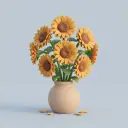 agosto August
Ci vediamo di nuovo ad agosto? Can we meet again in August?
-
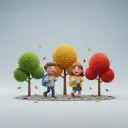 settembre September
La mia vacanza è a settembre. My vacation is in September.
-
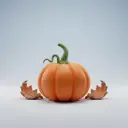 ottobre October
Il tuo compleanno è a ottobre? Is your birthday in October?
-
 novembre November
Perché piove a novembre? Why does it rain in November?
-
 dicembre December
Dicembre è l'ultimo mese. December is the last month.
-
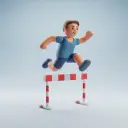 sopra over
Il gatto salta sopra la scatola. The cat jumps over the box.
-
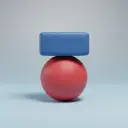 sotto under
Vivono sotto un grande albero. They live under a big tree.
-
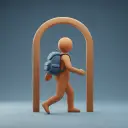 attraverso through
Cammina attraverso la porta. He walks through the door.
-
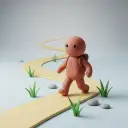 lungo along
Camminiamo lungo la spiaggia. We walk along the beach.
-
 attorno a around
Le persone camminano attorno al parco. People walk around the park.
-
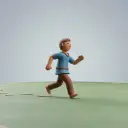 dall'altra parte across
Vado dall'altra parte della strada. I go across the street.
-
 in into
Cammina lentamente nella stanza. He walks slowly into the room.
-
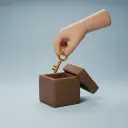 fuori da out of
Il bambino corre fuori dalla scuola. The kid runs out of the school.
-
 su up
su upLei guarda su verso le nuvole. She looks up at the clouds.
-
 giù down
Il cane ha messo giù la palla. The dog put the ball down.
-
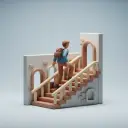 di sopra upstairs
Vado di sopra a letto. I go upstairs to bed.
-
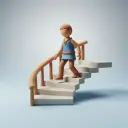 di sotto downstairs
Sento dei rumori di sotto. I hear noises downstairs.
-
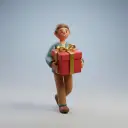 portare bring
Portano cibo alla festa. They bring food to the party.
-
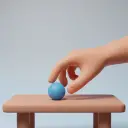 prendere take
Prendi sempre la mia penna. You always take my pen.
-
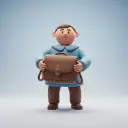 trasportare carry
Lui può trasportare la scatola. He can carry the box.
-
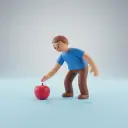 ritirare pick up
Puoi ritirare il pacco? Can you pick up the package?
-
 lasciare cadere drop
Se lascio cadere il telefono, si romperà. If I drop the phone, it will break.
-
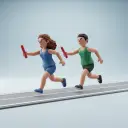 passare pass
Mi passi il sale? Can you pass me the salt?
-
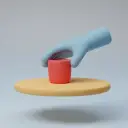 mettere giù put down
Abbiamo messo giù i nostri zaini. We put down our backpacks.
-
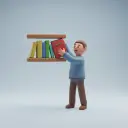 mettere via put away
Metto via i miei giocattoli. I put away my toys.
-
 portare fuori take out
Porterà fuori la spazzatura. She will take out the trash.
-
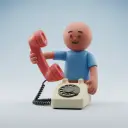 appendere hang up
Appendono i loro cappotti. They hang up their coats.
-
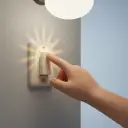 accendere turn on
Tu accendi la luce. You turn on the light.
-
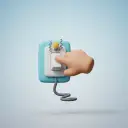 spegnere turn off
Qualcuno potrebbe spegnere la radio? Can someone turn off the radio?
-
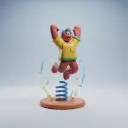 saltare jump
Il gatto salta oltre il muro. The cat jumps over the wall.
-
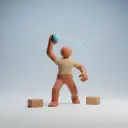 lanciare throw
Il ragazzo lancia il sasso. The boy throws the stone.
-
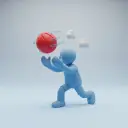 prendere catch
Lui prende la palla. He catches the ball.
-
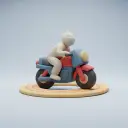 cavalcare ride
Il ragazzo cavalca un cavallo. The boy rides a horse.
-
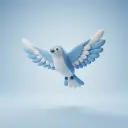 volare fly
Gli uccelli volano nel cielo. The birds fly in the sky.
-
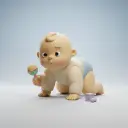 gattonare crawl
Il bambino gattona sul pavimento. The baby crawls on the floor.
-
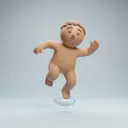 saltare skip
Lei ha saltato la prima pagina. She skipped the first page.
-
 calciare kick
Il bambino calcia la palla. The child kicks the ball.
-
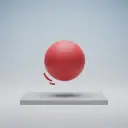 rimbalzare bounce
La palla rimbalza per terra. The ball bounces on the ground.
-
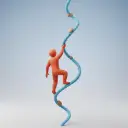 arrampicarsi climb
Il gatto si arrampica sull'albero. The cat climbs the tree.
-
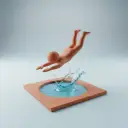 tuffarsi dive
Il ragazzo si tuffa in acqua. The boy dives into the water.
-
 scivolare slide
La scatola scivola sul pavimento. The box slides on the floor.
-
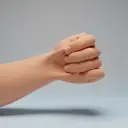 pizzicare pinch
Mi ha pizzicato il braccio. He pinched my arm.
-
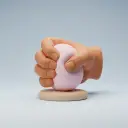 stringere squeeze
Lei mi stringe la mano. She squeezes my hand.
-
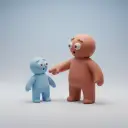 stuzzicare poke
Il bambino mi ha stuzzicato il braccio. The child poked my arm.
-
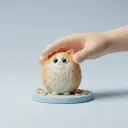 accarezzare stroke
Il bambino accarezza il cane. The boy strokes the dog.
-
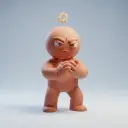 strofinare rub
Mi strofino gli occhi stanchi. I rub my tired eyes.
-
 attorcigliare twist
L'uomo attorciglia la corda. The man twists the rope.
-
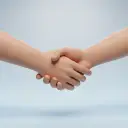 scuotere shake
Il bambino scuote il giocattolo. The baby shakes the toy.
-
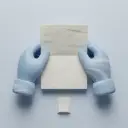 piegare fold
Piego il foglio. I fold the paper.
-
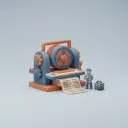 premere press
Lei preme il pulsante rosso. She presses the red button.
-
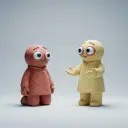 attaccare attach
Lui attaccherà la corda. He will attach the rope.
-
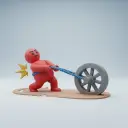 tirare pull
L'uomo tira la corda pesante. The man pulls the heavy rope.
-
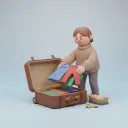 fare pack
Faccio la valigia. I pack my bag.
-
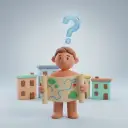 Dov'è il...? Where is the ...?
Dov'è l'hotel? Where is the hotel?
-
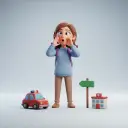 C'è... qui vicino? Is there a ... nearby?
C'è una banca qui vicino? Is there a bank nearby?
-
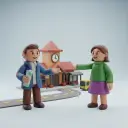 Come faccio ad arrivare a...? How do I get to ...?
Come faccio ad arrivare a scuola? How do I get to school?
-
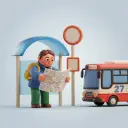 Quale autobus va a...? Which bus goes to ...?
Quale autobus va al centro? Which bus goes to town?
-
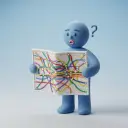 Quale linea va a...? Which line goes to ...?
Quale linea va al museo? Which line goes to the museum?
-
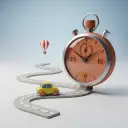 Quanto tempo ci vuole? How long does it take?
Mi chiedo quanto tempo ci vuole. I wonder how long does it take.
-
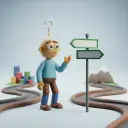 Quanto dista? How far is it?
Quanto dista? How far is it?
-
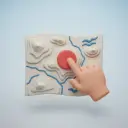 Puoi mostrarmi sulla mappa? Can you show me on the map?
Puoi mostrarmi sulla mappa? Can you show me on the map?
-
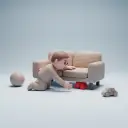 cercare I'm looking for
Cercano un bagno. They are looking for a restroom.
-
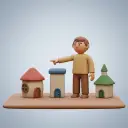 il più vicino The nearest
Il negozio più vicino è laggiù. The nearest store is down there.
-
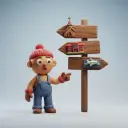 Questo va a...? Does this go to ...?
Questo va al ristorante? Does this go to the restaurant?
-
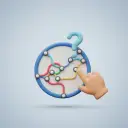 Quale fermata per...? Which stop for ...?
Quale fermata per il centro? Which stop for downtown?
-
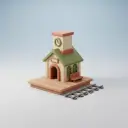 una stazione station
Aspettano in stazione. They wait at the train station.
-
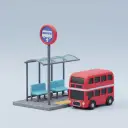 una fermata bus stop
La fermata è qui vicino. The bus stop is nearby.
-
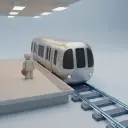 una stazione della metropolitana subway station
Questa stazione della metropolitana è molto affollata. This subway station is very crowded.
-
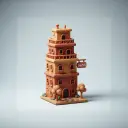 un hotel hotel
Puoi prenotare un hotel online. You can book a hotel online.
-
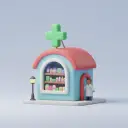 una farmacia pharmacy
Mark lavora in farmacia. Mark works at the pharmacy.
-
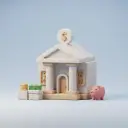 una banca bank
Lui va alla banca. He goes to the bank.
-
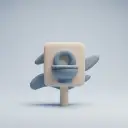 un bagno restroom
Questo è un bagno pulito. This is a clean restroom.
-
 un supermercato supermarket
Compriamo cibo al supermercato. We buy food at the supermarket.
-
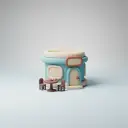 un ristorante restaurant
Gli piace molto quel ristorante. They like that restaurant a lot.
-
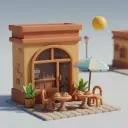 un bar café
Jane lavora al bar. Jane works at the café.
-
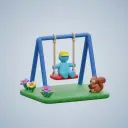 un parco park
Le piace il parco verde. She likes the green park.
-
 un ospedale hospital
Un ospedale aiuta i malati. A hospital helps sick people.
-
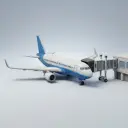 un aeroporto airport
Siamo arrivati all'aeroporto. We arrived at the airport.
-
 uno stadio stadium
Siamo andati allo stadio. We went to the stadium.
-
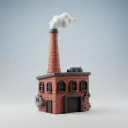 una fabbrica factory
Questa fabbrica produce vestiti. This factory makes clothes.
-
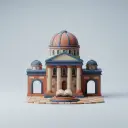 un'università university
Lei studia all'università. She studies at the university.
-
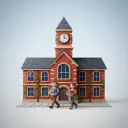 un'università college
Lei studia all'università. She studies at the college.
-
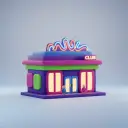 un club club
Ci siamo iscritti al club sportivo. We joined the sports club.
-
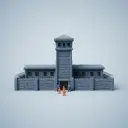 una prigione prison
Il criminale è evaso dalla prigione. The criminal escaped from prison.
-
 una torre tower
Vedo l'alta torre. I see the tall tower.
-
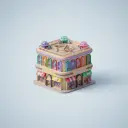 un centro commerciale mall
Ho comprato le scarpe al centro commerciale. I bought shoes at the mall.
-
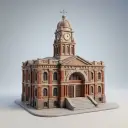 un municipio town hall
Ci siamo incontrati al municipio. We met at the town hall.
-
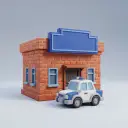 un commissariato police station
Vedo il commissariato. I see the police station.
-
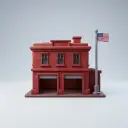 una caserma dei vigili del fuoco fire station
Abito vicino alla caserma dei vigili del fuoco. I live near the fire station.
-
 girare a sinistra Turn left.
Gira a sinistra qui. Turn left here.
-
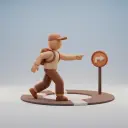 girare a destra Turn right.
Gira a destra all'incrocio. Turn right at the intersection.
-
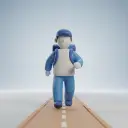 Andare dritto Go straight ahead.
Vai dritto a scuola. Go straight ahead to school.
-
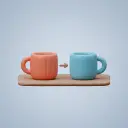 È vicino It's near.
È vicino. It's near.
Words 401–500
-
 È lontano. It's far.
È lontano. It's far.
-
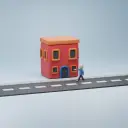 dall'altra parte della strada Across the street.
Lui vive dall'altra parte della strada. He lives across the street.
-
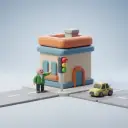 all'angolo At the corner.
Sta aspettando all'angolo. She is waiting at the corner.
-
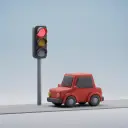 Al semaforo At the traffic light.
Ci siamo fermati al semaforo. We stopped at the traffic light.
-
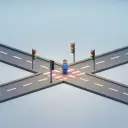 all'incrocio At the intersection.
Il bar è all'incrocio. The bar is at the intersection.
-
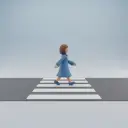 un attraversamento pedonale Crosswalk.
Quell'attraversamento pedonale è molto sicuro. That crosswalk is very safe.
-
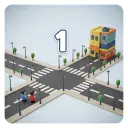 a un isolato One block away.
Il museo è a un isolato. The museum is one block away.
-
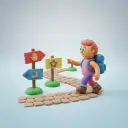 seguire i segnali Follow the signs.
Segui i segnali verso la sicurezza. Follow the signs to safety.
-
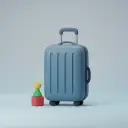 una valigia suitcase
Hai già fatto la tua valigia? Did you pack your suitcase already?
-
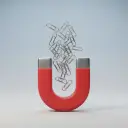 un magnete magnet
Il piccolo magnete è un regalo. The small magnet is a present.
-
 una spazzola hairbrush
Non trova la sua spazzola. She can’t find her hairbrush.
-
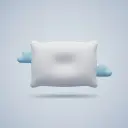 un cuscino pillow
Questo cuscino è morbido e caldo. This pillow is soft and warm.
-
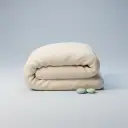 una coperta blanket
Prendi una coperta se hai freddo. Take a blanket if you are cold.
-
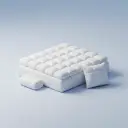 un materasso mattress
Il nostro nuovo materasso è davvero comodo. Our new mattress is really comfortable.
-
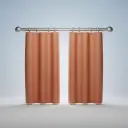 una tenda curtain
Per favore apri la tenda, è buio. Please open the curtain, it's dark.
-
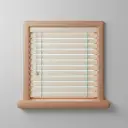 una tapparella blinds
Di solito chiudo le tapparelle di notte. I usually close the blinds at night.
-
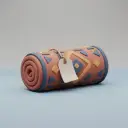 un tappeto carpet
C'è polvere sotto il tappeto. There is dust under the carpet.
-
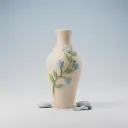 un vaso vase
Questo vaso sembra costoso. This vase looks expensive.
-
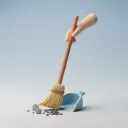 una scopa broom
C'è una scopa in questo appartamento? Does this apartment have a broom?
-
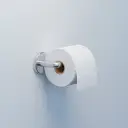 una carta igienica toilet paper
Oh no, la carta igienica è finita! Oh no, the toilet paper’s gone!
-
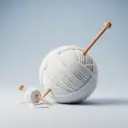 una lana wool
La pecora ha una lana folta. The sheep has thick wool.
-
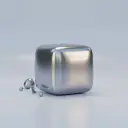 un metallo metal
Abbiamo bisogno di legno e metallo. We need wood and metal.
-
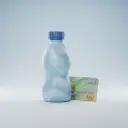 plastica plastic
Lei lava la ciotola di plastica. She washes the plastic bowl.
-
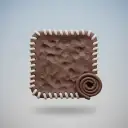 una pelle leather
Ho comprato una borsa di pelle nuova. I bought a new leather bag.
-
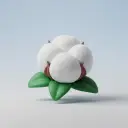 un cotone cotton
L'agricoltore coltiva il cotone. The farmer grows cotton.
-
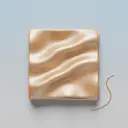 una seta silk
Questa seta è molto morbida. This silk is very soft.
-
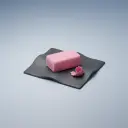 una gomma rubber
La palla è fatta di gomma. The ball is made of rubber.
-
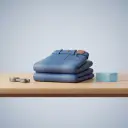 un denim denim
Lui ha comprato un tessuto denim molto spesso. He bought thick denim fabric.
-
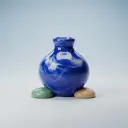 ceramica ceramic
Ha lavato la ciotola di ceramica. She washed the ceramic bowl.
-
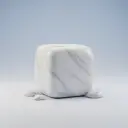 un marmo marble
Hanno tagliato il marmo bianco. They cut the white marble.
-
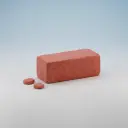 un mattone brick
Lui tiene in mano un mattone rosso. He holds a red brick.
-
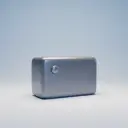 un acciaio steel
Producono gli attrezzi in acciaio. They make the tools from steel.
-
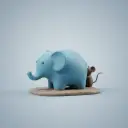 dietro behind
È dietro quel palazzo. It is behind that building.
-
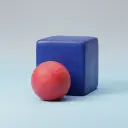 davanti a in front of
Lei è davanti a me. She is in front of me.
-
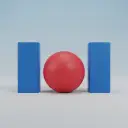 tra between
Il parco è tra due case. The park is between two houses.
-
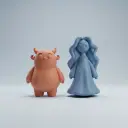 accanto a next to
Quel negozio è accanto a casa mia. That store is next to my house.
-
 opposto opposite
Andiamo nella direzione opposta. We go the opposite direction.
-
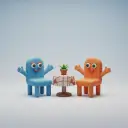 di fronte a across from
Viviamo di fronte al negozio. We live across from the store.
-
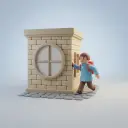 dietro l'angolo around the corner
Ora abita dietro l'angolo. She lives around the corner now.
-
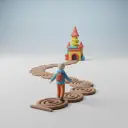 verso towards
I bambini camminano verso il grande albero. The kids walk towards the big tree.
-
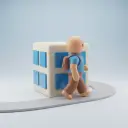 oltre past
Devi andare oltre il ponte. You need to go past the bridge.
-
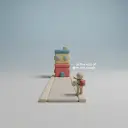 in fondo alla strada at the end of the street
Abito in fondo alla strada. I live at the end of the street.
-
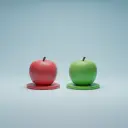 a sinistra on the left
Lei parcheggia a sinistra. She parks on the left side.
-
 a destra on the right
Sono a destra. They are on the right.
-
 sopra above
Il sole è sopra la montagna. The sun is above the mountain.
-
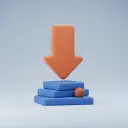 sotto below
Il villaggio si trova sotto la montagna. The village is below the mountain.
-
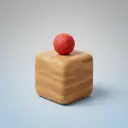 in cima on top
La scatola è in cima. The box is on top.
-
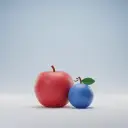 vicino a near
Abito vicino al fiume. I live near the river.
-
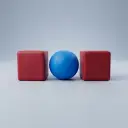 nel mezzo in the middle
Lui sta in piedi nel mezzo. He stands in the middle.
-
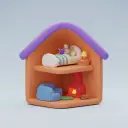 dentro inside
Il cane è dentro casa. The dog is inside the house.
-
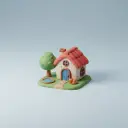 un posto place
Abbiamo trovato un posto sicuro. We found a safe place.
-
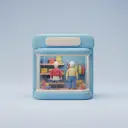 un negozio store
Compriamo il cibo al negozio. We buy food at the store.
-
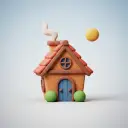 una casa house
La famiglia vive in quella casa. The family lives in that house.
-
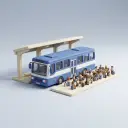 una stazione degli autobus bus station
Aspetto alla stazione degli autobus. I wait at the bus station.
-
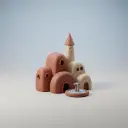 un centro città city center
Vivo vicino al centro città. I live near the city center.
-
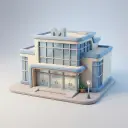 un centro commerciale shopping mall
Il centro commerciale è molto grande. The shopping mall is very big.
-
 una fontana fountain
Quella fontana ha acqua molto limpida. That fountain has very clear water.
-
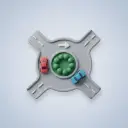 una rotonda roundabout
Questa rotonda aiuta il traffico. This roundabout helps the traffic.
-
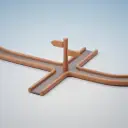 un incrocio crossroads
Ci siamo fermati all'incrocio. We stopped at the crossroads.
-
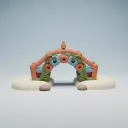 un ponte bridge
La gente cammina sul ponte. People walk across the bridge.
-
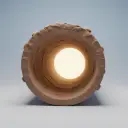 un tunnel tunnel
L'auto attraversa un tunnel. The car drives through a tunnel.
-
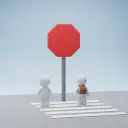 un segnale di stop stop sign
Devi rispettare il segnale di stop. You need to respect the stop sign.
-
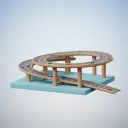 un cavalcavia overpass
Hanno costruito un cavalcavia vicino a casa. They built an overpass near home.
-
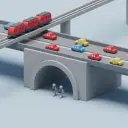 un sottopassaggio underpass
Cammineremo attraverso il sottopassaggio. We will walk through the underpass.
-
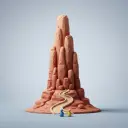 un punto di riferimento landmark
Il punto di riferimento è vicino al fiume. The landmark is near the river.
-
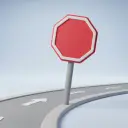 un segnale stradale traffic sign
Questo segnale stradale significa stop. This traffic sign means stop.
-
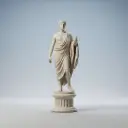 una statua statue
Ha visto la bella statua. He saw the beautiful statue.
-
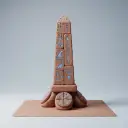 un monumento monument
Hanno visitato il monumento alto. They visited the tall monument.
-
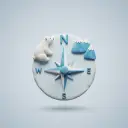 nord north
Il nord di questa città è interessante. The north of this city is interesting.
-
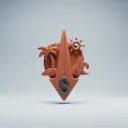 sud south
Il vento viene da sud. The wind comes from the south.
-
 est east
Il vento viene da est. The wind comes from the east.
-
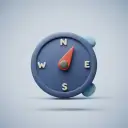 ovest west
Il sole tramonta a ovest. The sun sets in the west.
-
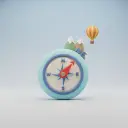 nord-est northeast
Ben vive nella zona nord-est. Ben lives in the northeast area.
-
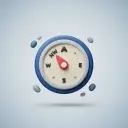 nord-ovest northwest
Quello stato è nel nord-ovest. That state is in the northwest.
-
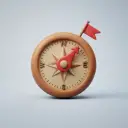 sud-orientale southeast
Lui vive nella regione sud-orientale. He lives in the southeast region.
-
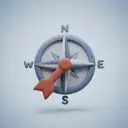 sud-ovest southwest
Sono andati verso sud-ovest. They drove to the southwest.
-
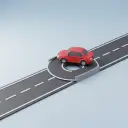 un'inversione a U U-turn
Questa è un'inversione a U. This is a U-turn.
-
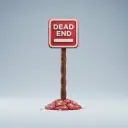 una strada senza uscita dead end
Quella strada è una strada senza uscita. That street is a dead end.
-
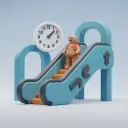 una scala mobile escalator
La scala mobile ti porta all'ultimo piano. The escalator takes you to the top floor.
-
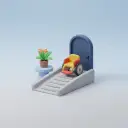 una rampa ramp
Le sedie a rotelle richiedono rampe. Wheelchairs require ramps.
-
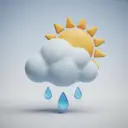 un tempo weather
Oggi fa bel tempo. This is nice weather today.
-
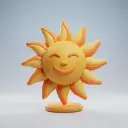 soleggiato sunny
Gli piace una giornata soleggiata. He likes a sunny day.
-
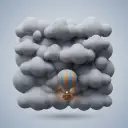 nuvoloso cloudy
Prevedono un pomeriggio nuvoloso. They expect a cloudy afternoon.
-
 piovoso rainy
Una giornata piovosa può essere accogliente. A rainy day can be cozy.
-
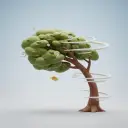 ventoso windy
È ventoso fuori. It is windy outside.
-
 caldo hot
Questo tè è molto caldo. This tea is very hot.
-
 freddo cold
Il vento freddo soffia in inverno. The cold wind blows in winter.
-
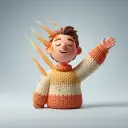 tiepido warm
Oggi il clima era tiepido in spiaggia. It was warm at the beach today.
-
 una primavera spring
I fiori amano la primavera. The flowers love the spring.
-
 un'estate summer
L'estate è una stagione molto calda. Summer is a very hot season.
-
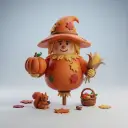 un autunno autumn
L'autunno è la mia stagione preferita. Autumn is my favorite season.
-
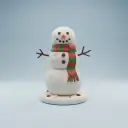 un inverno winter
L'inverno qui può essere molto freddo. Winter can be very cold here.
-
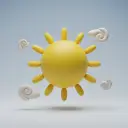 un sole sun
Il sole splende nel cielo. The sun shines in the sky.
-
 una luna Moon
Vedo la luna luminosa. I see the bright moon.
-
 una stella star
Vedo una stella luminosa. I see a bright star.
-
 un cielo sky
Gli uccelli volano nel cielo. Birds fly in the sky.
-
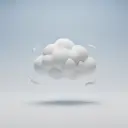 una nuvola cloud
Una nuvola scura nasconde il sole. A dark cloud hides the sun.
-
 una pioggia rain
La pioggia cade dal cielo. The rain falls from the sky.
-
 un vento wind
Sentiamo il vento freddo. We feel the cold wind.
-
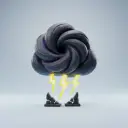 una tempesta storm
La forte tempesta ha spezzato gli alberi. The strong storm broke the trees.
Free for personal and classroom use.
Quick quiz
Five questions from the first 100 words.
Make these words stick
The app brings each word back right before you’d forget it. Free on iPhone and Android.
More Italian
Italian words by topic
- Numbers1–100
- Ordinal Numbers12
- Days of the week12
- Months12
- Colors19
- Family members36
- Body parts24
- Food44
- Animals36
- Clothes41
- Jewelry and Accessories12
- Weather24
- Greetings12
- Fruits16
- Vegetables12
- Kitchen36
- Restaurant & ordering food48
- Money25
- Rooms in the house48
- Jobs & professions36
- Emotions & feelings36
- School supplies & classroom48
- Transportation48
- Travel60
- Directions48
- Prepositions18
- Places in town48
- At the doctor36
- Sports & games60
- Hobbies36
- Musical instruments12
- Nature & plants36
- Planets & space24
- Time36
- Holidays & celebrations12
- Shapes12
- Please & thank you24
- Small talk36
Word lists
Alphabet
Learn these 500 Italian words in order.
The app teaches them 12 at a time, with pictures and audio, and brings each one back before you forget it. Free on iPhone and Android.
Scan with your phone's camera to get the app.
