











 The 100 Most Common Japanese Words
Each word with a picture, native audio and an example sentence with its English translation. Tap a speaker to hear the word or the sentence.

Learn all 100 words in the app
Pictures, native audio, and each word comes back right before you’d forget it. Free on iPhone & Android.

 Scan with your phone camera
 Your PDF is downloading
Printing is step one. Flashcardly makes the words stick: it brings each one back right before you’d forget it, with native audio.
How this list is ranked
This is the Flashcardly Japanese course in order: by frequency and everyday usefulness, with input from language teachers. It is not a raw corpus count, which is why words like “the” and “of” are not padding the top of the list, while “man” comes in at #13.
The list
Tap a picture to hear it.
-
 こんにちは konnichiwa Hello
こんにちは、お元気ですか? Konnichiwa, o genki desu ka? Hello, how are you?
-
 ようこそ yōkoso Welcome
わが家へようこそ。 Wagaya e yōkoso. Welcome to our home.
-
 おはようございます ohayō gozaimasu Good morning
おはようございます。 ohayō gozaimasu. Good morning!
-
 はい hai yes
はい、分かります。 hai wakarimasu Yes, I understand.
-
 こんばんは konbanwa Good evening
こんばんは。 Konbanwa. Good evening!
-
 いいえ iie no
彼女はいいえと言いました。 kanojo wa iie to iimashita She said no.
-
 さようなら sayounara Goodbye
さようなら、アンナさん。 sayounara, Anna san. Goodbye, Anna!
-
 こんにちは konnichiwa Good afternoon
こんにちは! konnichiwa! Good afternoon!
-
 また会いましょう mata aimashō See you soon
ミアさん、また会いましょう。 Mia-san, mata aimashō. See you soon, Mia!
-
 また明日 mata ashita See you tomorrow
また明日。 mata ashita. See you tomorrow!
-
 はじめまして hajimemashite Nice to meet you
こちらこそ、はじめまして。 Kochira koso, hajimemashite. Nice to meet you too!
-
 お元気ですか o genki desu ka How are you?
今日はお元気ですか? Kyō wa o genki desu ka? How are you today?
-
 男の人 otoko no hito man
その男の人は本を読みます。 sono otoko no hito wa hon o yomimasu. The man reads the book.
-
 女性 josei woman
その女性は帽子をかぶっています。 sono josei wa bōshi o kabutte imasu. The woman wears a hat.
-
 男の子 otokonoko boy
男の子はおもちゃで遊びます。 Otokonoko wa omocha de asobimasu. The boy plays with toys.
-
 女の子 onnanoko girl
その女の子はボールを持っています。 Sono onnanoko wa bōru o motte imasu. The girl has a ball.
-
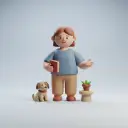 人 hito person
彼は優しい人です。 Kare wa yasashii hito desu. He is a nice person.
-
 人々 hitobito people
人々はとても幸せです。 Hitobito wa totemo shiawase desu. The people are very happy.
-
 大人 otona adult
私は大人です。 watashi wa otona desu I am an adult.
-
 赤ちゃん akachan baby
赤ちゃんはミルクが必要です。 Akachan wa miruku ga hitsuyō desu. The baby needs milk.
-
 さん san Mr
スミスさんは本を読むのが好きです。 Sumisu-san wa hon o yomu no ga suki desu. Mr. Smith likes to read books.
-
 夫人 fujin Mrs
スミス夫人は先生です。 Sumisu fujin wa sensei desu. Mrs. Smith is a teacher.
-
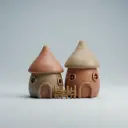 隣人 rinjin neighbor
私の隣人はとても親切です。 Watashi no rinjin wa totemo shinsetsu desu. My neighbor is very friendly.
-
 友達 tomodachi friend
私の友達は本を読むのが好きです。 watashi no tomodachi wa hon o yomu no ga suki desu. My friend likes to read books.
-
 今日 kyō today
今日はいい日です。 Kyō wa ii hi desu. Today is a good day.
-
 明日 ashita tomorrow
明日は新しい日です。 Ashita wa atarashii hi desu. Tomorrow is a new day.
-
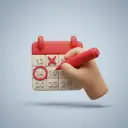 昨日 kinou yesterday
私は昨日彼女に会いました。 watashi wa kinou kanojo ni aimashita I saw her yesterday.
-
 今 ima now
彼は今、それを欲しがっています。 Kare wa ima sore o hoshigatte imasu. He wants it now.
-
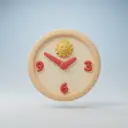 午後 gogo afternoon
私は午後が好きです。 watashi wa gogo ga suki desu I like the afternoon.
-
 晩 ban evening
晩は静かです。 Ban wa shizuka desu. The evening is quiet.
-
 分 fun minute
私たちは5分必要です。 watashitachi wa go fun hitsuyō desu We need five minutes.
-
 朝 asa morning
私は朝に朝ご飯を食べます。 watashi wa asa ni asagohan o tabemasu. I eat breakfast in the morning.
-
 後で ato de later
私はそれを後でします。 Watashi wa sore o ato de shimasu. I will do it later.
-
 早い hayai early
彼女は早く起きます。 kanojo wa hayaku okimasu She wakes up early.
-
 遅れる okureru late
彼はよく遅れます。 kare wa yoku okuremasu He is often late.
-
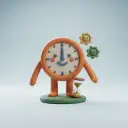 時間 jikan hour
授業は一時間です。 Jugyō wa ichi-jikan desu. The class lasts one hour.
-
 お名前は何ですか? o namae wa nan desu ka? What's your name?
お名前は何ですか? o namae wa nan desu ka? What's your name?
-
 私の名前は watashi no namae wa My name is
私の名前はエミリーです。 Watashi no namae wa Emirī desu. My name is Emily.
-
 出身はどこですか? shusshin wa doko desu ka Where are you from?
出身はどこですか? Shusshin wa doko desu ka Where are you from?
-
 〜出身です shusshin desu I'm from
ドイツ出身です。 Doitsu shusshin desu. I'm from Germany.
-
 どこに住んでいますか doko ni sunde imasu ka Where do you live?
どこに住んでいますか? doko ni sunde imasu ka? Where do you live?
-
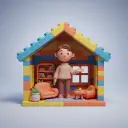 〜に住む ni sumu I live in
私は日本に住んでいます。 Watashi wa Nihon ni sunde imasu. I live in Japan.
-
 何語を話しますか? nanigo o hanashimasu ka? What languages do you speak?
何語を話しますか? nanigo o hanashimasu ka? What languages do you speak?
-
 話す hanasu I speak
私は英語を上手に話します。 watashi wa eigo o jouzu ni hanashimasu I speak English well.
-
 少し話す sukoshi hanasu I speak a little
私はフランス語を少し話します。 Watashi wa Furansugo o sukoshi hanashimasu. I speak a little French.
-
 どこで生まれましたか doko de umaremashita ka Where were you born
どこで生まれましたか? doko de umaremashita ka Where were you born?
-
 名字は何ですか? myōji wa nan desu ka What's your surname?
名字は何ですか? myōji wa nan desu ka What's your surname?
-
 こちらは私の友達の...です kochira wa watashi no tomodachi no ... desu This is my friend
こちらは私の友達のリサです。 kochira wa watashi no tomodachi no Risa desu. This is my friend Lisa.
-
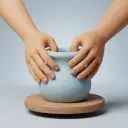 作る tsukuru make
私は美味しいコーヒーを作ります。 Watashi wa oishii kōhī o tsukurimasu. I make good coffee.
-
 もらう morau get
彼はプレゼントをもらいました。 Kare wa purezento o moraimashita. He got a present.
-
 持つ motsu have
エマさんは車を持っています。 Ema-san wa kuruma o motte imasu. Emma has a car.
-
 食べる taberu eat
彼らはりんごを食べています。 karera wa ringo o tabete imasu They are eating apples.
-
 飲む nomu drink
コーヒーを飲みますか? Kōhī o nomimasu ka? Do you drink coffee?
-
 寝る neru sleep
私は今寝たいです。 Watashi wa ima netai desu. I want to sleep now.
-
 見える mieru see
家が見えますか? Ie ga miemasu ka? Can you see the house?
-
 見る miru look at
アダムさんは写真を見るのが好きです。 Adamu-san wa shashin o miru no ga suki desu. Adam likes to look at pictures.
-
 読む yomu read
学生は本を読みます。 Gakusei wa hon o yomimasu. The student reads books.
-
 開ける akeru open
彼女は窓を開けます。 Kanojo wa mado o akemasu. She opens the window.
-
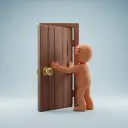 閉める shimeru close
私はドアを閉めます。 Watashi wa doa o shimemasu. I close the door.
-
 来る kuru come
あなたは毎日ここに来ます。 anata wa mainichi koko ni kimasu You come here every day.
-
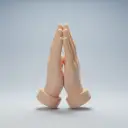 ください kudasai Please.
ドアを開けてください。 doa o akete kudasai Please open the door.
-
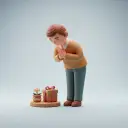 ありがとうございます arigatou gozaimasu Thank you.
手伝ってくれてありがとうございます。 Tetsudatte kurete arigatou gozaimasu. Thank you for your help.
-
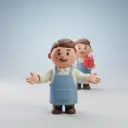 どういたしまして dō itashimashite You're welcome.
どういたしまして。 dō itashimashite You're welcome.
-
 すみません sumimasen Excuse me.
すみません、助けが必要です。 Sumimasen, tasuke ga hitsuyō desu. Excuse me, I need help.
-
 すみません sumimasen Sorry.
すみません。 sumimasen. I am sorry.
-
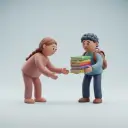 手伝ってもらえますか? tetsudatte moraemasu ka Could you help me?
手伝ってもらえますか? tetsudatte moraemasu ka? Could you help me?
-
 もう一度言ってください mou ichido itte kudasai Could you please repeat?
もう一度言ってください。 mou ichido itte kudasai Could you please repeat that?
-
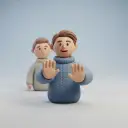 もう少しゆっくり話していただけますか mō sukoshi yukkuri hanashite itadakemasu ka Could you speak more slowly?
もう少しゆっくり話していたいただけけますか? mō sukoshi yukkuri hanashite itadakemasu ka Could you speak more slowly?
-
 〜をいただけますか o itadakemasu ka Could I have ... please?
お水をいただけますか? o mizu o itadakemasu ka Could I have water please?
-
 〜をください ~ o kudasai I'd like
お茶をもう少しください。 Ocha o mō sukoshi kudasai. I'd like some more tea.
-
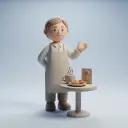 〜てもいいですか te mo ii desu ka May I...?
お水をいただいてもいいですか? o mizu o itadaite mo ii desu ka May I have some water?
-
 ~てもいいですか ~te mo ii desu ka Is it okay if...?
座ってもいいですか? Suwatte mo ii desu ka? Is it okay if I sit?
-
 ゼロ zero zero
ゼロは一より小さいです。 zero wa ichi yori chiisai desu. Zero is less than one.
-
 一 ichi one
私はりんごを一個持っています。 watashi wa ringo o ikko motte imasu. I have one apple.
-
 二 ni two
猫が二匹います。 Neko ga nihiki imasu. There are two cats.
-
 三 san three
いいえ、三個は多すぎます。 iie, sanko wa ōsugimasu. No, three is too much.
-
 四 yon four
四個ください。 yonko kudasai. Give me four, please.
-
 五 go five
私は犬が五匹います。 Watashi wa inu ga gohiki imasu. I have five dogs.
-
 六 roku six
彼は六人の友達と来ました。 Kare wa rokunin no tomodachi to kimashita. He came with six friends.
-
 七 nana seven
私は七キロ走っています。 watashi wa nana kiro hashitte imasu. I am running seven kilometers.
-
 八 hachi eight
クモは足が八本あります。 kumo wa ashi ga happon arimasu A spider has eight legs.
-
 九 kyū nine
九は私のラッキーナンバーです。 Kyū wa watashi no rakkī nanbā desu. Nine is my lucky number.
-
 十 jū ten
私たちには指が十本あります。 Watashitachi ni wa yubi ga juppon arimasu. We have ten fingers.
-
 プラス purasu plus
二プラス二は四です。 Ni purasu ni wa yon desu. Two plus two is four.
-
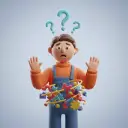 分かりません wakari masen I don't understand.
分かりません。 wakari masen. I don't understand.
-
 もう一度言ってください mou ichido itte kudasai Could you repeat that please?
もう一度言ってください。 mou ichido itte kudasai Could you repeat that please?
-
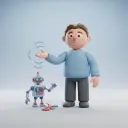 もっとゆっくりお願いします motto yukkuri onegaishimasu More slowly please.
もっとゆっくりお願いします。 motto yukkuri onegaishimasu More slowly please.
-
 どういう意味ですか dou iu imi desu ka What does that mean?
それはどういう意味ですか? sore wa dou iu imi desu ka What does that mean?
-
 〜で何と言いますか ~ de nani to iimasu ka How do you say that in ...?
それはスペイン語で何と言いますか? Sore wa Supeingo de nani to iimasu ka How do you say that in Spanish?
-
 それはどう書きますか sore wa dō kakimasu ka How do you spell that?
それはどう書きますか? sore wa dō kakimasu ka? How do you spell that?
-
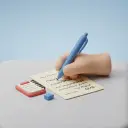 書いてもらえますか kai te morae masu ka Can you write it down?
書いてもらえますか? kai te morae masu ka Can you write it down, please?
-
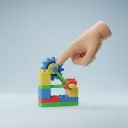 見せてくれますか misete kuremasu ka Can you show me?
写真を見せてくれますか? shashin o misete kuremasu ka Can you show me the photo?
-
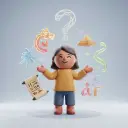 話しますか hanashimasu ka Do you speak ...?
英語を話しますか? Eigo o hanashimasu ka? Do you speak English?
-
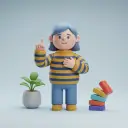 ちょっと待ってください chotto matte kudasai Just a moment please.
ちょっと待ってください。 chotto matte kudasai. Just a moment please.
-
 そう思います sō omoimasu I think so.
私もそう思います。 watashi mo sō omoimasu I think so too.
-
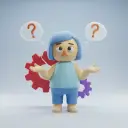 わかりません wakarimasen I don't know.
わかりません。 wakarimasen. I don't know.
-
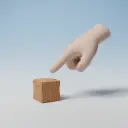 これ kore this
これは私の赤い車です。 Kore wa watashi no akai kuruma desu. This is my red car.
-
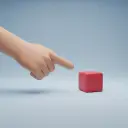 その sono that
その犬はとてもフレンドリーです。 sono inu wa totemo furendorii desu. That dog is very friendly.
-
 ここ koko here
ここにいるのが好きです。 koko ni iru no ga suki desu I like being here.
-
 そこ soko there
仕事の後にそこで会います。 shigoto no ato ni soko de aimasu. We meet there after work.
Free for personal and classroom use.
Quick quiz
Five questions from the first 100 words.
Make these words stick
The app brings each word back right before you’d forget it. Free on iPhone and Android.
More Japanese
Japanese words by topic
- Numbers1–100
- Days of the week12
- Months12
- Colors19
- Family members36
- Body parts24
- Food44
- Animals36
- Clothes41
- Jewelry and Accessories12
- Weather24
- Greetings12
- Fruits16
- Vegetables12
- Kitchen36
- Restaurant & ordering food48
- Money25
- Rooms in the house48
- Jobs & professions36
- Emotions & feelings36
- School supplies & classroom48
- Transportation48
- Travel60
- Directions48
- Places in town48
- At the doctor36
- Sports & games60
- Hobbies36
- Musical instruments12
- Nature & plants36
- Planets & space24
- Time36
- Holidays & celebrations12
- Shapes12
- Please & thank you24
- Small talk36
Word lists
Alphabet
Learn these 100 Japanese words in order.
The app teaches them 12 at a time, with pictures and audio, and brings each one back before you forget it. Free on iPhone and Android.
Scan with your phone's camera to get the app.
