











 The 500 Most Common Japanese Words
Each word with a picture, native audio and an example sentence with its English translation. Tap a speaker to hear the word or the sentence.

Learn all 500 words in the app
Pictures, native audio, and each word comes back right before you’d forget it. Free on iPhone & Android.

 Scan with your phone camera
 Your PDF is downloading
Printing is step one. Flashcardly makes the words stick: it brings each one back right before you’d forget it, with native audio.
How this list is ranked
This is the Flashcardly Japanese course in order: by frequency and everyday usefulness, with input from language teachers. It is not a raw corpus count, which is why words like “the” and “of” are not padding the top of the list, while “man” comes in at #13.
The list
Tap a picture to hear it.
Words 1–100
-
 こんにちは konnichiwa Hello
こんにちは、お元気ですか? Konnichiwa, o genki desu ka? Hello, how are you?
-
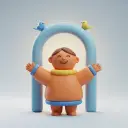 ようこそ yōkoso Welcome
わが家へようこそ。 Wagaya e yōkoso. Welcome to our home.
-
 おはようございます ohayō gozaimasu Good morning
おはようございます。 ohayō gozaimasu. Good morning!
-
 はい hai yes
はい、分かります。 hai wakarimasu Yes, I understand.
-
 こんばんは konbanwa Good evening
こんばんは。 Konbanwa. Good evening!
-
 いいえ iie no
彼女はいいえと言いました。 kanojo wa iie to iimashita She said no.
-
 さようなら sayounara Goodbye
さようなら、アンナさん。 sayounara, Anna san. Goodbye, Anna!
-
 こんにちは konnichiwa Good afternoon
こんにちは! konnichiwa! Good afternoon!
-
 また会いましょう mata aimashō See you soon
ミアさん、また会いましょう。 Mia-san, mata aimashō. See you soon, Mia!
-
 また明日 mata ashita See you tomorrow
また明日。 mata ashita. See you tomorrow!
-
 はじめまして hajimemashite Nice to meet you
こちらこそ、はじめまして。 Kochira koso, hajimemashite. Nice to meet you too!
-
 お元気ですか o genki desu ka How are you?
今日はお元気ですか? Kyō wa o genki desu ka? How are you today?
-
 男の人 otoko no hito man
その男の人は本を読みます。 sono otoko no hito wa hon o yomimasu. The man reads the book.
-
 女性 josei woman
その女性は帽子をかぶっています。 sono josei wa bōshi o kabutte imasu. The woman wears a hat.
-
 男の子 otokonoko boy
男の子はおもちゃで遊びます。 Otokonoko wa omocha de asobimasu. The boy plays with toys.
-
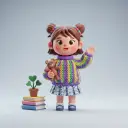 女の子 onnanoko girl
その女の子はボールを持っています。 Sono onnanoko wa bōru o motte imasu. The girl has a ball.
-
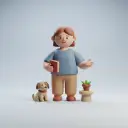 人 hito person
彼は優しい人です。 Kare wa yasashii hito desu. He is a nice person.
-
 人々 hitobito people
人々はとても幸せです。 Hitobito wa totemo shiawase desu. The people are very happy.
-
 大人 otona adult
私は大人です。 watashi wa otona desu I am an adult.
-
 赤ちゃん akachan baby
赤ちゃんはミルクが必要です。 Akachan wa miruku ga hitsuyō desu. The baby needs milk.
-
 さん san Mr
スミスさんは本を読むのが好きです。 Sumisu-san wa hon o yomu no ga suki desu. Mr. Smith likes to read books.
-
 夫人 fujin Mrs
スミス夫人は先生です。 Sumisu fujin wa sensei desu. Mrs. Smith is a teacher.
-
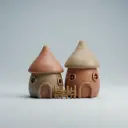 隣人 rinjin neighbor
私の隣人はとても親切です。 Watashi no rinjin wa totemo shinsetsu desu. My neighbor is very friendly.
-
 友達 tomodachi friend
私の友達は本を読むのが好きです。 watashi no tomodachi wa hon o yomu no ga suki desu. My friend likes to read books.
-
 今日 kyō today
今日はいい日です。 Kyō wa ii hi desu. Today is a good day.
-
 明日 ashita tomorrow
明日は新しい日です。 Ashita wa atarashii hi desu. Tomorrow is a new day.
-
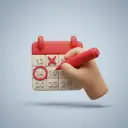 昨日 kinou yesterday
私は昨日彼女に会いました。 watashi wa kinou kanojo ni aimashita I saw her yesterday.
-
 今 ima now
彼は今、それを欲しがっています。 Kare wa ima sore o hoshigatte imasu. He wants it now.
-
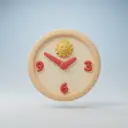 午後 gogo afternoon
私は午後が好きです。 watashi wa gogo ga suki desu I like the afternoon.
-
 晩 ban evening
晩は静かです。 Ban wa shizuka desu. The evening is quiet.
-
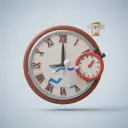 分 fun minute
私たちは5分必要です。 watashitachi wa go fun hitsuyō desu We need five minutes.
-
 朝 asa morning
私は朝に朝ご飯を食べます。 watashi wa asa ni asagohan o tabemasu. I eat breakfast in the morning.
-
 後で ato de later
私はそれを後でします。 Watashi wa sore o ato de shimasu. I will do it later.
-
 早い hayai early
彼女は早く起きます。 kanojo wa hayaku okimasu She wakes up early.
-
 遅れる okureru late
彼はよく遅れます。 kare wa yoku okuremasu He is often late.
-
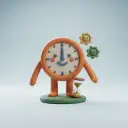 時間 jikan hour
授業は一時間です。 Jugyō wa ichi-jikan desu. The class lasts one hour.
-
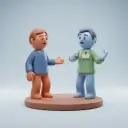 お名前は何ですか? o namae wa nan desu ka? What's your name?
お名前は何ですか? o namae wa nan desu ka? What's your name?
-
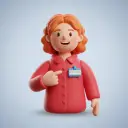 私の名前は watashi no namae wa My name is
私の名前はエミリーです。 Watashi no namae wa Emirī desu. My name is Emily.
-
 出身はどこですか? shusshin wa doko desu ka Where are you from?
出身はどこですか? Shusshin wa doko desu ka Where are you from?
-
 〜出身です shusshin desu I'm from
ドイツ出身です。 Doitsu shusshin desu. I'm from Germany.
-
 どこに住んでいますか doko ni sunde imasu ka Where do you live?
どこに住んでいますか? doko ni sunde imasu ka? Where do you live?
-
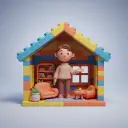 〜に住む ni sumu I live in
私は日本に住んでいます。 Watashi wa Nihon ni sunde imasu. I live in Japan.
-
 何語を話しますか? nanigo o hanashimasu ka? What languages do you speak?
何語を話しますか? nanigo o hanashimasu ka? What languages do you speak?
-
 話す hanasu I speak
私は英語を上手に話します。 watashi wa eigo o jouzu ni hanashimasu I speak English well.
-
 少し話す sukoshi hanasu I speak a little
私はフランス語を少し話します。 Watashi wa Furansugo o sukoshi hanashimasu. I speak a little French.
-
 どこで生まれましたか doko de umaremashita ka Where were you born
どこで生まれましたか? doko de umaremashita ka Where were you born?
-
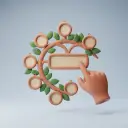 名字は何ですか? myōji wa nan desu ka What's your surname?
名字は何ですか? myōji wa nan desu ka What's your surname?
-
 こちらは私の友達の...です kochira wa watashi no tomodachi no ... desu This is my friend
こちらは私の友達のリサです。 kochira wa watashi no tomodachi no Risa desu. This is my friend Lisa.
-
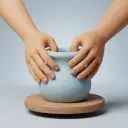 作る tsukuru make
私は美味しいコーヒーを作ります。 Watashi wa oishii kōhī o tsukurimasu. I make good coffee.
-
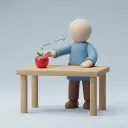 もらう morau get
彼はプレゼントをもらいました。 Kare wa purezento o moraimashita. He got a present.
-
 持つ motsu have
エマさんは車を持っています。 Ema-san wa kuruma o motte imasu. Emma has a car.
-
 食べる taberu eat
彼らはりんごを食べています。 karera wa ringo o tabete imasu They are eating apples.
-
 飲む nomu drink
コーヒーを飲みますか? Kōhī o nomimasu ka? Do you drink coffee?
-
 寝る neru sleep
私は今寝たいです。 Watashi wa ima netai desu. I want to sleep now.
-
 見える mieru see
家が見えますか? Ie ga miemasu ka? Can you see the house?
-
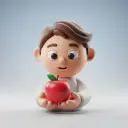 見る miru look at
アダムさんは写真を見るのが好きです。 Adamu-san wa shashin o miru no ga suki desu. Adam likes to look at pictures.
-
 読む yomu read
学生は本を読みます。 Gakusei wa hon o yomimasu. The student reads books.
-
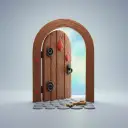 開ける akeru open
彼女は窓を開けます。 Kanojo wa mado o akemasu. She opens the window.
-
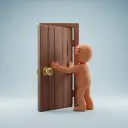 閉める shimeru close
私はドアを閉めます。 Watashi wa doa o shimemasu. I close the door.
-
 来る kuru come
あなたは毎日ここに来ます。 anata wa mainichi koko ni kimasu You come here every day.
-
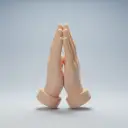 ください kudasai Please.
ドアを開けてください。 doa o akete kudasai Please open the door.
-
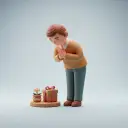 ありがとうございます arigatou gozaimasu Thank you.
手伝ってくれてありがとうございます。 Tetsudatte kurete arigatou gozaimasu. Thank you for your help.
-
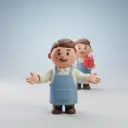 どういたしまして dō itashimashite You're welcome.
どういたしまして。 dō itashimashite You're welcome.
-
 すみません sumimasen Excuse me.
すみません、助けが必要です。 Sumimasen, tasuke ga hitsuyō desu. Excuse me, I need help.
-
 すみません sumimasen Sorry.
すみません。 sumimasen. I am sorry.
-
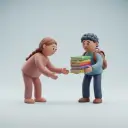 手伝ってもらえますか? tetsudatte moraemasu ka Could you help me?
手伝ってもらえますか? tetsudatte moraemasu ka? Could you help me?
-
 もう一度言ってください mou ichido itte kudasai Could you please repeat?
もう一度言ってください。 mou ichido itte kudasai Could you please repeat that?
-
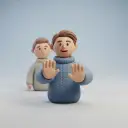 もう少しゆっくり話していただけますか mō sukoshi yukkuri hanashite itadakemasu ka Could you speak more slowly?
もう少しゆっくり話していたいただけけますか? mō sukoshi yukkuri hanashite itadakemasu ka Could you speak more slowly?
-
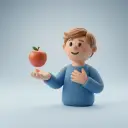 〜をいただけますか o itadakemasu ka Could I have ... please?
お水をいただけますか? o mizu o itadakemasu ka Could I have water please?
-
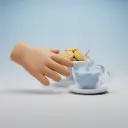 〜をください ~ o kudasai I'd like
お茶をもう少しください。 Ocha o mō sukoshi kudasai. I'd like some more tea.
-
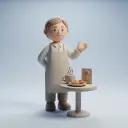 〜てもいいですか te mo ii desu ka May I...?
お水をいただいてもいいですか? o mizu o itadaite mo ii desu ka May I have some water?
-
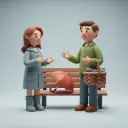 ~てもいいですか ~te mo ii desu ka Is it okay if...?
座ってもいいですか? Suwatte mo ii desu ka? Is it okay if I sit?
-
 ゼロ zero zero
ゼロは一より小さいです。 zero wa ichi yori chiisai desu. Zero is less than one.
-
 一 ichi one
私はりんごを一個持っています。 watashi wa ringo o ikko motte imasu. I have one apple.
-
 二 ni two
猫が二匹います。 Neko ga nihiki imasu. There are two cats.
-
 三 san three
いいえ、三個は多すぎます。 iie, sanko wa ōsugimasu. No, three is too much.
-
 四 yon four
四個ください。 yonko kudasai. Give me four, please.
-
 五 go five
私は犬が五匹います。 Watashi wa inu ga gohiki imasu. I have five dogs.
-
 六 roku six
彼は六人の友達と来ました。 Kare wa rokunin no tomodachi to kimashita. He came with six friends.
-
 七 nana seven
私は七キロ走っています。 watashi wa nana kiro hashitte imasu. I am running seven kilometers.
-
 八 hachi eight
クモは足が八本あります。 kumo wa ashi ga happon arimasu A spider has eight legs.
-
 九 kyū nine
九は私のラッキーナンバーです。 Kyū wa watashi no rakkī nanbā desu. Nine is my lucky number.
-
 十 jū ten
私たちには指が十本あります。 Watashitachi ni wa yubi ga juppon arimasu. We have ten fingers.
-
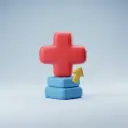 プラス purasu plus
二プラス二は四です。 Ni purasu ni wa yon desu. Two plus two is four.
-
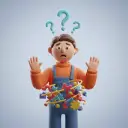 分かりません wakari masen I don't understand.
分かりません。 wakari masen. I don't understand.
-
 もう一度言ってください mou ichido itte kudasai Could you repeat that please?
もう一度言ってください。 mou ichido itte kudasai Could you repeat that please?
-
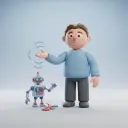 もっとゆっくりお願いします motto yukkuri onegaishimasu More slowly please.
もっとゆっくりお願いします。 motto yukkuri onegaishimasu More slowly please.
-
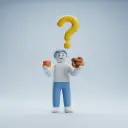 どういう意味ですか dou iu imi desu ka What does that mean?
それはどういう意味ですか? sore wa dou iu imi desu ka What does that mean?
-
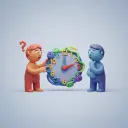 〜で何と言いますか ~ de nani to iimasu ka How do you say that in ...?
それはスペイン語で何と言いますか? Sore wa Supeingo de nani to iimasu ka How do you say that in Spanish?
-
 それはどう書きますか sore wa dō kakimasu ka How do you spell that?
それはどう書きますか? sore wa dō kakimasu ka? How do you spell that?
-
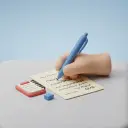 書いてもらえますか kai te morae masu ka Can you write it down?
書いてもらえますか? kai te morae masu ka Can you write it down, please?
-
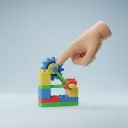 見せてくれますか misete kuremasu ka Can you show me?
写真を見せてくれますか? shashin o misete kuremasu ka Can you show me the photo?
-
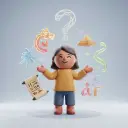 話しますか hanashimasu ka Do you speak ...?
英語を話しますか? Eigo o hanashimasu ka? Do you speak English?
-
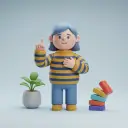 ちょっと待ってください chotto matte kudasai Just a moment please.
ちょっと待ってください。 chotto matte kudasai. Just a moment please.
-
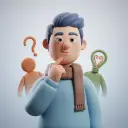 そう思います sō omoimasu I think so.
私もそう思います。 watashi mo sō omoimasu I think so too.
-
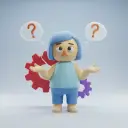 わかりません wakarimasen I don't know.
わかりません。 wakarimasen. I don't know.
-
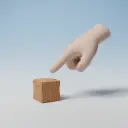 これ kore this
これは私の赤い車です。 Kore wa watashi no akai kuruma desu. This is my red car.
-
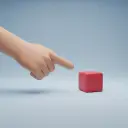 その sono that
その犬はとてもフレンドリーです。 sono inu wa totemo furendorii desu. That dog is very friendly.
-
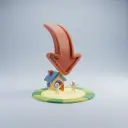 ここ koko here
ここにいるのが好きです。 koko ni iru no ga suki desu I like being here.
-
 そこ soko there
仕事の後にそこで会います。 shigoto no ato ni soko de aimasu. We meet there after work.
Words 101–200
-
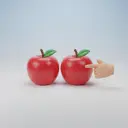 もう一つ mō hitotsu another
彼はケーキをもう一つ欲しがっています。 kare wa kēki o mō hitotsu hoshigatte imasu. He wants another piece of cake.
-
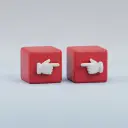 同じ onaji same
私たちは同じ青いシャツを着ます。 Watashitachi wa onaji aoi shatsu o kimasu. We wear the same blue shirt.
-
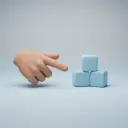 これら kore ra these
これらのりんごは食べ頃です。 kore ra no ringo wa tabegoro desu. These apples are ready to eat.
-
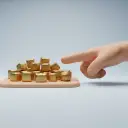 それらの sorera no those
それらのクッキーはとても美味しそうです。 Sorera no kukkī wa totemo oishisō desu. Those cookies look very good.
-
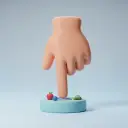 ここ koko right here
鍵はここにあります。 kagi wa koko ni arimasu. The keys are right here.
-
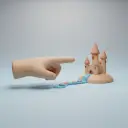 あそこ asoko over there
私の靴はあそこにあります。 Watashi no kutsu wa asoko ni arimasu. My shoes are over there.
-
 上 ue on top of
猫はテーブルの上にいます。 neko wa tēburu no ue ni imasu The cat is on top of the table.
-
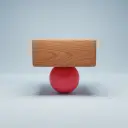 下 shita underneath
犬はテーブルの下にいます。 Inu wa tēburu no shita ni imasu. The dog is underneath the table.
-
 最近どうですか saikin dō desu ka How's it going?
最近どうですか? saikin dō desu ka? How's it going?
-
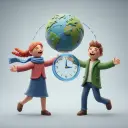 お久しぶりです o hisashiburi desu Long time no see.
お久しぶりです。 o hisashiburi desu Long time no see.
-
 何を楽しんでいますか nani o tanoshinde imasu ka What do you enjoy?
何を楽しんでいますか? nani o tanoshinde imasu ka What do you enjoy?
-
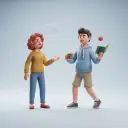 何をしている nani o shite iru What are you up to?
今は何をしていますか? ima wa nani o shite imasu ka What are you up to now?
-
 良い一日を yoi ichinichi o Have a nice day.
ジョンさん、良い一日を過ごしてください。 Jon-san, yoi ichinichi o sugoshite kudasai. Have a nice day, John!
-
 気をつけてください ki o tsukete kudasai Take care.
気をつけてください。また明日。 ki o tsukete kudasai. mata ashita. Take care. See you tomorrow.
-
 頑張ってください ganbatte kudasai Good luck!
頑張ってください!信じています。 ganbatte kudasai! shinjite imasu. Good luck! I believe in you!
-
 おめでとうございます omedetō gozaimasu Congratulations!
おめでとうございます!大変な仕事を終えました。 Omedetō gozaimasu! Taihen na shigoto o oemashita. Congratulations! You finished the hard work.
-
 乾杯 kanpai Cheers!
乾杯! Kanpai! Cheers!
-
 問題ありません mondai arimasen No problem.
問題ありません。お手伝いできます。 mondai arimasen. otetsudai dekimasu. No problem, I can help you.
-
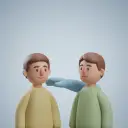 心配しないでください shinpai shinaide kudasai Don't worry.
心配しないでください、大丈夫ですよ。 shinpai shinaide kudasai, daijōbu desu yo. Don't worry, it will be okay.
-
 いいですね ii desu ne Sounds good.
いいですね、ありがとうございます。 ii desu ne arigatou gozaimasu Sounds good to me, thanks!
-
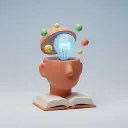 知る shiru know
あなたは今、答えを知っています。 anata wa ima kotae o shitte imasu You know the answer now.
-
 尋ねる tazuneru ask
お兄さんに尋ねてもいいですよ。 Onīsan ni tazunete mo ii desu yo. You can ask your brother.
-
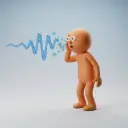 聞こえる kikoeru hear
あの音が聞こえますか? Ano oto ga kikoemasu ka? Can you hear that sound?
-
 学ぶ manabu learn
毎日何か新しいことを学びます。 mainichi nanika atarashii koto o manabimasu You learn something new everyday.
-
 話す hanasu talk with
友達と話すのが好きですか? Tomodachi to hanasu no ga suki desu ka? Do you like talking with your friends?
-
 言う iu say
私は何か言いたいです。 watashi wa nanika iitai desu. I want to say something.
-
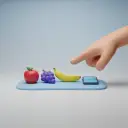 選ぶ erabu choose
好きな色を選びます。 Suki na iro o erabimasu. You choose your favorite color.
-
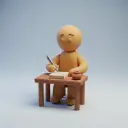 書く kaku write
学生たちは物語を書きます。 Gakusei-tachi wa monogatari o kakimasu. The students write a story.
-
 電話する denwa suru call
私はあなたに電話します。 Watashi wa anata ni denwa shimasu. I am going to call you.
-
 聞く kiku listen to
私はラジオを聞きます。 Watashi wa rajio o kikimasu. I listen to the radio.
-
 勉強する benkyō suru study
私はどのテストも一生懸命勉強します。 watashi wa dono tesuto mo isshōkenmei benkyō shimasu. I study hard for every test.
-
 教える oshieru tell
彼は私に名前を教えます。 Kare wa watashi ni namae o oshiemasu. He tells me his name.
-
 会う au meet
明日あなたに会います。 Ashita anata ni aimasu. I will meet you tomorrow.
-
 加わる kuwawaru join
彼女は私たちのグループに加わります。 kanojo wa watashitachi no gurūpu ni kuwawarimasu. She will join our group.
-
 楽しむ tanoshimu enjoy
私たちは音楽を楽しんでいます。 watashitachi wa ongaku o tanoshinde imasu We enjoy the music.
-
 説明する setsumei suru describe
その男の子はその動物について説明しました。 Sono otokonoko wa sono dōbutsu ni tsuite setsumei shimashita. The boy described the animal.
-
 説明する setsumei suru explain
彼女がその問題を説明します。 kanojo ga sono mondai o setsumei shimasu She will explain the problem.
-
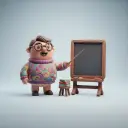 教える oshieru teach
私は新入生に教えます。 watashi wa shinnyūsei ni oshiemasu I teach the new students.
-
 紹介する shōkai suru introduce
友達を紹介します。 tomodachi o shōkai shimasu I will introduce my friend.
-
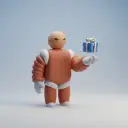 受け取る uketoru accept
彼女はその贈り物を受け取ります。 kanojo wa sono okurimono o uketorimasu. She accepts the gift.
-
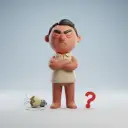 拒む kobamu refuse
その子供は食べ物を拒んでいます。 sono kodomo wa tabemono o kobande imasu The child refuses the food.
-
 約束する yakusoku suru promise
あなたを助けると約束します。 Anata o tasukeru to yakusoku shimasu. I promise to help you.
-
 話し合う hanashiau discuss
彼らは新しい計画について話し合っています。 karera wa atarashii keikaku ni tsuite hanashiatte imasu They discuss the new plan.
-
 連絡する renraku suru contact
医者に連絡します。 isha ni renraku shimasu I will contact the doctor.
-
 笑う warau laugh
子供たちが大きな声で笑っています。 Kodomotachi ga ookina koe de waratte imasu. The children laugh loudly.
-
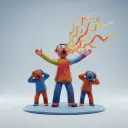 叫ぶ sakebu shout
その男の子は助けを求めて叫びます。 Sono otokonoko wa tasuke o motomete sakebimasu. The boy shouts for help.
-
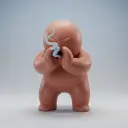 囁く sasayaku whisper
彼は私の耳元で囁きます。 kare wa watashi no mimimoto de sasayakimasu. He whispers in my ear.
-
 手を振る te o furu wave
彼女は別れの手を振る。 Kanojo wa wakare no te o furu. She waves goodbye.
-
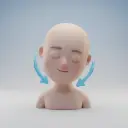 頷く unazuku nod
その女性は頷いています。 sono josei wa unazuite imasu The woman nods her head.
-
 抱きしめる dakishimeru hug
母親が子供を抱きしめています。 Hahaoya ga kodomo o dakishimete imasu. The mother hugs her child.
-
 キスする kisu suru kiss
お母さんは子供にキスします。 okāsan wa kodomo ni kisu shimasu The mother kisses her child.
-
 指さす yubisasu point
子供が犬を指さしています。 Kodomo ga inu o yubisashite imasu. The child points at the dog.
-
 瞬きする mabataki suru blink
彼は素早く瞬きしました。 kare wa subayaku mabataki shimashita He blinks his eyes quickly.
-
 眉をひそめる mayu o hisomeru frown
父親は息子に対して眉をひそめました。 chichioya wa musuko ni taishite mayu o hisomemashita The father frowns at his son.
-
 あくびをする akubi o suru yawn
疲れた男性があくびをしています。 Tsukareta dansei ga akubi o shite imasu. The tired man yawns.
-
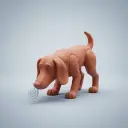 嗅ぐ kagu sniff
犬が食べ物の匂いを嗅いでいます。 Inu ga tabemono no nioi o kaide imasu. The dog sniffs the food.
-
 いい ii good
彼女はいい人です。 kanojo wa ii hito desu She is a good person.
-
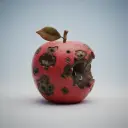 悪い warui bad
その牛乳はにおいが悪いです。 sono gyūnyū wa nioi ga warui desu. That milk smells bad.
-
 大きい ōkii big
その大きい犬はジャンプできます。 sono ōkii inu wa janpu dekimasu The big dog can jump.
-
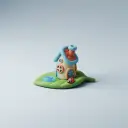 小さい chiisai small
赤ちゃんは手が小さいです。 akachan wa te ga chiisai desu The baby has small hands.
-
 間違い machigai wrong
あなたの答えは間違いです。 anata no kotae wa machigai desu. Your answer is wrong.
-
 易しい yasashii easy
この数学の問題は易しいです。 Kono sūgaku no mondai wa yasashii desu. This math problem is easy.
-
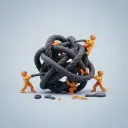 難しい muzukashii difficult
あのテストは難しかったです。 ano tesuto wa muzukashikatta desu That test was difficult.
-
 速い hayai fast
車はとても速く走ります。 Kuruma wa totemo hayaku hashirimasu. Cars go very fast.
-
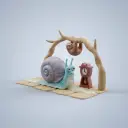 遅い osoi slow
かめはとても遅いです。 kame wa totemo osoi desu The turtle is very slow.
-
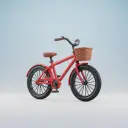 新しい atarashii new
これは新しい車です。 Kore wa atarashii kuruma desu. This is a new car.
-
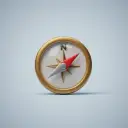 本当 hontō true
この話は本当ですか? Kono hanashi wa hontō desu ka? Is this story true?
-
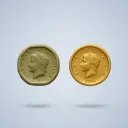 間違い machigai false
その答えは間違いです。 sono kotae wa machigai desu The answer is false.
-
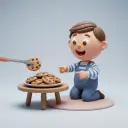 ~たい tai I want to
私はピザを食べたいです。 Watashi wa piza o tabetai desu. I want to eat pizza.
-
 なければならない nakereba naranai I need to
彼女に電話をしなければなりません。 kanojo ni denwa o shinakereba narimasen I need to call her.
-
 つもり tsumori I'm going to
もうすぐ食べるつもりです。 mō sugu taberu tsumori desu I'm going to eat soon.
-
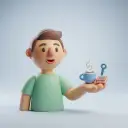 たい tai I'd like to
私はテニスをしたいです。 watashi wa tenisu o shitai desu I'd like to play tennis.
-
 なければならない nakereba naranai I have to
もう行かなければなりません。 mou ikanakereba narimasen I have to go now.
-
 〜てもいいですか ~te mo ii desu ka May I ...?
お水をもらってもいいですか? O mizu o moratte mo ii desu ka? May I have water, please?
-
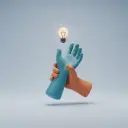 〜を手伝ってください ~ o tetsudatte kudasai Help me with
このカバンを持つのを手伝ってください。 Kono kaban o motsu no o tetsudatte kudasai. Please help me with this bag.
-
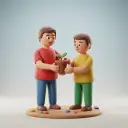 やり方を教えてください yarikata o oshiete kudasai Show me how to
これのやり方を教えてください。 Kore no yarikata o oshiete kudasai. Show me how to do this.
-
 今は~できない ima wa ~ dekinai I can't ... right now.
今は手伝えません。 ima wa tetsudaemasen I can't help right now.
-
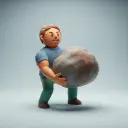 ~ようとする ~yō to suru I’m trying to
今、寝ようとしています。 Ima neyō to shite imasu. I’m trying to sleep now.
-
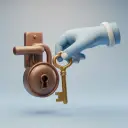 ことができる koto ga dekiru Is it possible to ...?
ここで泳ぐことができますか? koko de oyogu koto ga dekimasu ka Is it possible to swim here?
-
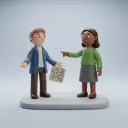 どこで〜られますか doko de ~ rare masu ka Where can I ...?
どこで昼ご飯を食べられますか? doko de hiru gohan o taberaremasu ka Where can I eat lunch?
-
 月曜日 getsuyōbi Monday
月曜日は最初の日です。 Getsuyōbi wa saisho no hi desu. Monday is the first day.
-
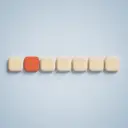 火曜日 kayōbi Tuesday
火曜日はいつも楽しいです。 kayōbi wa itsumo tanoshii desu. Tuesday is always fun.
-
 水曜日 suiyōbi Wednesday
彼女は水曜日に家に帰ります。 Kanojo wa suiyōbi ni ie ni kaerimasu. She goes home Wednesday.
-
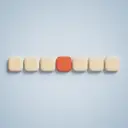 木曜日 mokuyōbi Thursday
彼は木曜日に来ます。 Kare wa mokuyōbi ni kimasu. He comes on Thursday.
-
 金曜日 kin'yōbi Friday
金曜日は最高の日です。 Kin'yōbi wa saikō no hi desu. Friday is the best day.
-
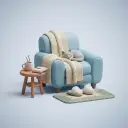 土曜日 doyōbi Saturday
私は土曜日に出発します。 Watashi wa doyōbi ni shuppatsu shimasu. I leave on Saturday.
-
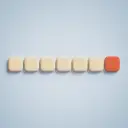 日曜日 nichiyōbi Sunday
私は日曜日に休みます。 Watashi wa nichiyōbi ni yasumimasu. I will rest on Sunday.
-
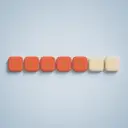 平日 heijitsu weekday
彼女は平日は毎朝働いています。 Kanojo wa heijitsu wa maiasa hataraite imasu. She works every weekday morning.
-
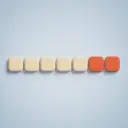 週末 shūmatsu weekend
週末が好きではない人はだれですか? shūmatsu ga suki de wa nai hito wa dare desu ka Who does not like the weekend?
-
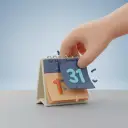 毎日 mainichi daily
私たちは毎日新聞を読みます。 Watashitachi wa mainichi shinbun o yomimasu. We read the newspaper daily .
-
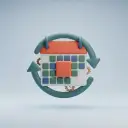 毎週 maishū weekly
私はたいてい毎週ニュースを見ます。 Watashi wa taitei maishū nyūsu o mimasu. I usually watch the news weekly.
-
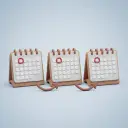 毎月 maitsuki monthly
彼らは毎月の料金を払います。 Karera wa maitsuki no ryōkin o haraimasu. They pay the monthly price.
-
 一日 ichinichi day
私たちは一日待ちました。 watashitachi wa ichinichi machimashita We waited for one day.
-
 夜 yoru night
私たちは夜に眠ります。 watashitachi wa yoru ni nemurimasu We sleep at night.
-
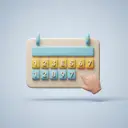 週間 shūkan week
私たちは1週間滞在しました。 watashitachi wa isshūkan taizai shimashita We stayed for one week.
-
 ヶ月 kagetsu month
彼は1ヶ月間働きました。 kare wa ikkagetsukan hatarakimashita He worked for one month.
-
 年 nen year
私たちは一年間待ちました。 watashitachi wa ichinenkan machimashita. We waited for one year.
-
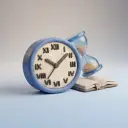 時間 jikan time
もっと時間が必要です。 motto jikan ga hitsuyō desu We need more time.
-
 少しの間 sukoshi no aida moment
彼は少しの間待った。 kare wa sukoshi no aida matta He waited for a moment.
-
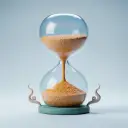 将来 shōrai future
私は将来について考えます。 watashi wa shōrai ni tsuite kangaemasu I think about the future.
Words 201–300
-
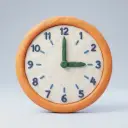 時 ji o'clock
私は7時に起きます。 Watashi wa shichi ji ni okimasu. I wake up at seven o'clock.
-
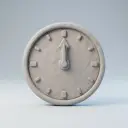 真夜中 mayonaka midnight
私たちは真夜中に出発します。 watashitachi wa mayonaka ni shuppatsu shimasu. We will leave at midnight.
-
 正午 shōgo midday
正午は太陽が熱いです。 shōgo wa taiyō ga atsui desu The sun is hot at midday.
-
 今夜 konya tonight
今夜、お客様が到着します。 konya okyakusama ga tōchaku shimasu The guests will arrive tonight.
-
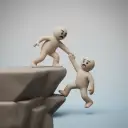 助ける tasukeru help
助けてください!困っています。 Tasukete kudasai! Komatte imasu. Help! I am in trouble.
-
 危険 kiken danger
私たちは危険な状態です。 Watashitachi wa kiken na jōtai desu. We are in danger!
-
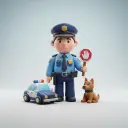 警察 keisatsu police
警察を呼んでください。 keisatsu o yonde kudasai Call the police!
-
 医者 isha doctor
医者が必要です。 isha ga hitsuyō desu I need a doctor!
-
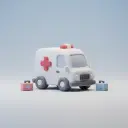 救急車 kyūkyūsha ambulance
救急車を呼んでください。 kyūkyūsha o yonde kudasai Call an ambulance!
-
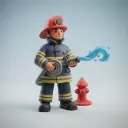 消防士 shōbōshi firefighter
消防士はヒーローです。 Shōbōshi wa hīrō desu. The firefighters are heroes.
-
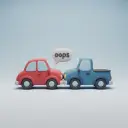 事故 jiko accident
私は事故に遭いました。 watashi wa jiko ni aimashita I had an accident.
-
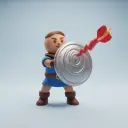 守る mamoru protect
警察は私たちを守ります。 Keisatsu wa watashitachi o mamorimasu. The police protect us.
-
 警告する keikoku suru warn
私は彼らに警告しなければなりません! Watashi wa karera ni keikoku shinakereba narimasen! I need to warn them!
-
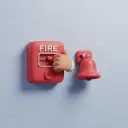 アラーム araamu alarm
アラームが鳴りました! araamu ga narimashita! The alarm went off!
-
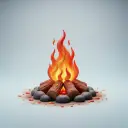 火事 kaji fire
火事です! kaji desu There is a fire!
-
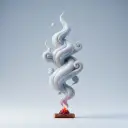 煙 kemuri smoke
建物から煙が出ています! Tatemono kara kemuri ga dete imasu! Smoke is coming out of the building!
-
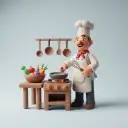 として働く toshite hataraku work as
彼らは病院の看護師として働いています。 Karera wa byōin no kangoshi toshite hataraite imasu. They work as hospital nurses.
-
 買う kau buy
ここで果物が買えます。 Koko de kudamono ga kaemasu. You can buy fruit here.
-
 払う harau pay
これのお金を払わなければなりません。 kore no okane o harawanakereba narimasen. You must pay for this.
-
 売る uru sell
ここでは新鮮な果物を売っています。 koko de wa shinsen na kudamono o utte imasu They sell fresh fruit here.
-
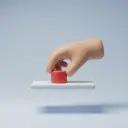 置く oku put
彼はテーブルの上に本を置きます。 Kare wa tēburu no ue ni hon o okimasu. He puts the book on table.
-
 座る suwaru sit
エマさんはその椅子に座ります。 Ema-san wa sono isu ni suwarimasu. Emma sits in that chair.
-
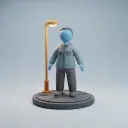 立つ tatsu stand
私はドアのそばに立ちます。 watashi wa doa no soba ni tachimasu I stand by the door.
-
 泳ぐ oyogu swim
彼らは速く泳げます。 Karera wa hayaku oyogemasu. They can swim fast.
-
 運転する unten suru drive
気をつけて運転しなければなりません。 ki o tsukete unten shinakereba narimasen. You need to drive carefully.
-
 予定する yotei suru plan
彼らは近いうちに訪ねることを予定しています。 Karera wa chikai uchi ni tazuneru koto o yotei shite imasu. They plan to visit soon.
-
 終わらせる owaraseru finish
彼は後で宿題を終わらせることができます。 kare wa ato de shukudai o owaraseru koto ga dekimasu He can finish homework later.
-
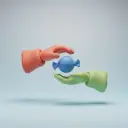 あげる ageru give
私は友達にプレゼントをあげます。 watashi wa tomodachi ni purezento o agemasu. I give presents to friends.
-
 十一 jūichi eleven
私はいつも十一個もらいます。 Watashi wa itsumo jūikko moraimasu. I always get eleven pieces.
-
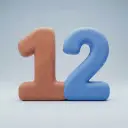 十二 jūni twelve
パックの中に卵が十二個あります。 pakku no naka ni tamago ga jūniko arimasu. There are twelve eggs in a carton.
-
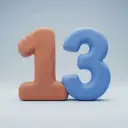 十三 jūsan thirteen
十三という数字は不吉です。 jūsan to iu sūji wa fukitsu desu. The number thirteen is unlucky.
-
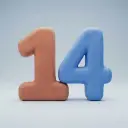 十四 jūyon fourteen
そのアパートは十四階あります。 Sono apāto wa jūyon kai arimasu. The apartment has fourteen floors.
-
 十五 jūgo fifteen
私は本の十五ページを開きます。 Watashi wa hon no jūgo pēji o hirakimasu. I open the book at page fifteen.
-
 十六 jūroku sixteen
それは十六倍も多いです。 Sore wa jūroku bai mo ooi desu. That is sixteen times more!
-
 十七 jūnana seventeen
私たちは鉛筆を十七本持っています。 Watashitachi wa enpitsu o jūnana-hon motteimasu. We have seventeen pencils.
-
 十八 jūhachi eighteen
高さは十八メートルです。 takasa wa jūhachi mētoru desu It is eighteen meters high.
-
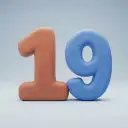 十九 jūkyū nineteen
十九は私の一番好きな数字です。 Jūkyū wa watashi no ichiban suki na sūji desu. Nineteen is my favourite number.
-
 二十 nijū twenty
彼女は小さいりんごが二十個必要です。 Kanojo wa chiisai ringo ga nijukko hitsuyō desu. She needs twenty small apples.
-
 三十 sanjū thirty
彼は三十歳です。 Kare wa sanjussai desu. He is thirty years old.
-
 百 hyaku hundred
彼は百まで数えました。 kare wa hyaku made kazoemashita He counted to one hundred.
-
 四十 yonjū forty
彼女は全部で鉛筆を四十本持っています。 kanojo wa zenbu de enpitsu o yonjū-pon motte imasu. She has forty pencils in total.
-
 五十 gojū fifty
彼は五十ドル持っています。 kare wa gojū doru motte imasu. He has fifty dollars.
-
 六十 rokujū sixty
ジョンさんは六十歳です。 Jon-san wa rokujussai desu. John is sixty years old.
-
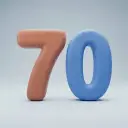 七十 nanajū seventy
私の祖父は七十歳です。 Watashi no sofu wa nanajū-sai desu. My grandpa is seventy years old.
-
 八十 hachijū eighty
私は砂糖を八十グラム持っています。 Watashi wa satō o hachijū guramu motte imasu. I have eighty grams of sugar.
-
 九十 kyūjū ninety
彼は読む本が九十冊あります。 Kare wa yomu hon ga kyūjussatsu arimasu. He has ninety books to read.
-
 千 sen thousand
千は大きな数です。 Sen wa ōkina kazu desu. A thousand is a big number.
-
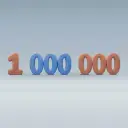 百万 hyakuman million
その車は百万ドルします。 Sono kuruma wa hyakuman doru shimasu. That car costs a million dollars.
-
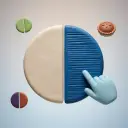 半分 hanbun half
彼はピザを半分食べました。 Kare wa piza o hanbun tabemashita. He ate half the pizza.
-
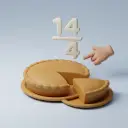 4分の1 yon bun no ichi quarter
4分の1しか残っていません。 yon bun no ichi shika nokotte imasen. There is only a quarter of them left.
-
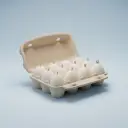 ダース daasu dozen
私はお店で卵を1ダース買います。 watashi wa omise de tamago o ichi daasu kaimasu. I buy a dozen eggs at the store.
-
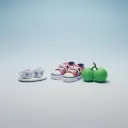 一足 issoku pair
その一足の靴はきれいです。 sono issoku no kutsu wa kirei desu. That pair of shoes is clean.
-
 1位 ichi-i first
彼は簡単に1位を取りました。 Kare wa kantan ni ichi-i o torimashita. He won first place easily.
-
 2回目 nikaime second
ここは2回目です。 Koko wa nikaime desu. This is my second time here.
-
 三位 san'i third
彼らは三位で終わりました。 karera wa san'i de owarimashita. They finished in third place.
-
 4番目 yonbanme fourth
私は列の4番目です。 watashi wa retsu no yonbanme desu. I am fourth in line.
-
 五番目 gobanme fifth
彼女は五番目の列にいます。 kanojo wa gobanme no retsu ni imasu She is in the fifth row.
-
 六番目 rokubanme sixth
彼は六番目の人です。 Kare wa rokubanme no hito desu. He is the sixth person.
-
 七番目 nanabanme seventh
彼らは七番目の階に住んでいます。 karera wa nanabanme no kai ni sunde imasu. They live on the seventh floor.
-
 八番目 hachibanme eighth
これは八番目のりんごです。 Kore wa hachibanme no ringo desu. This is the eighth apple.
-
 九番目 kyūbanme ninth
九番目の日は休みです。 Kyūbanme no hi wa yasumi desu. The ninth day is a holiday.
-
 10番目 jūbanme tenth
彼女は10番目です。 Kanojo wa jūbanme desu. She is the tenth place.
-
 11回目 jūikkaime eleventh
彼らは11回目の記念日を祝います。 karera wa jūikkaime no kinenbi o iwaimasu. They celebrate their eleventh anniversary.
-
 12番目 jūnibanme twelfth
それは12番目の月です。 sore wa jūnibanme no tsuki desu. That is the twelfth month.
-
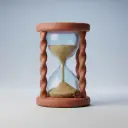 いつも itsumo always
私は朝、いつもコーヒーを飲みます。 Watashi wa asa, itsumo kōhī o nomimasu. I always drink coffee in the morning.
-
 たいてい taitei usually
彼はたいてい正午に昼ご飯を食べます。 Kare wa taitei shōgo ni hirugohan o tabemasu. He usually eats lunch at noon.
-
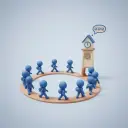 よく yoku often
人々はよくここでピザを食べます。 hitobito wa yoku koko de piza o tabemasu. People often eat pizza here.
-
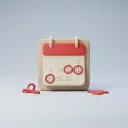 時々 tokidoki sometimes
彼女は時々図書館に行きます。 Kanojo wa tokidoki toshokan ni ikimasu. She sometimes goes to the library.
-
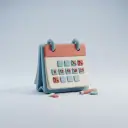 めったに metta ni rarely
私はめったにファストフードを食べません。 watashi wa metta ni fasuto fuudo o tabemasen. I rarely eat fast food.
-
 全然 zenzen never
彼らはあの店に全然行きません。 karera wa ano mise ni zenzen ikimasen They never go to that store.
-
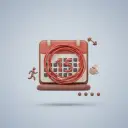 毎日 mainichi every day
わたしたちは毎日チョコレートを食べます。 watashitachi wa mainichi chokoreeto o tabemasu. We eat chocolate every day.
-
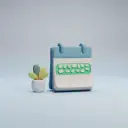 毎週 maishū every week
彼女は毎週泳ぎます。 kanojo wa maishū oyogimasu. She swims every week.
-
 週末 shūmatsu on weekends
私は週末に家でゆっくりします。 Watashi wa shūmatsu ni ie de yukkuri shimasu. I relax on weekends at home.
-
 朝 asa in the morning
人々は朝に朝食を食べます。 hitobito wa asa ni chōshoku o tabemasu. People eat breakfast in the morning.
-
 夜 yoru at night
彼らは夜にベッドで寝ます。 Karera wa yoru ni beddo de nemasu. They sleep at night in their beds.
-
 仕事の後 shigoto no ato after work
彼は毎日仕事の後にリラックスします。 Kare wa mainichi shigoto no ato ni rirakkusu shimasu. He relaxes after work every day.
-
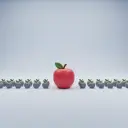 〜に一回 ni ikkai once a
私は週に一回行きます。 watashi wa shū ni ikkai ikimasu. I go once a week.
-
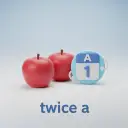 に2回 ni ni kai twice a
父は週に2回、来ます。 Chichi wa shū ni ni kai, kimasu. My dad visits twice a week.
-
 ~おき oki every other
彼らは一週間おきに来ます。 Karera wa isshūkan oki ni kimasu. They visit every other week.
-
 少なくとも sukunakutomo at least
彼は毎日少なくとも一個はりんごを食べます。 kare wa mainichi sukunakutomo ikko wa ringo o tabemasu. He eats at least one apple daily.
-
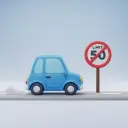 せいぜい seizei at most
私はせいぜい二つ買います。 Watashi wa seizei futatsu kaimasu. I will buy two at most.
-
 以上 ijō more than
これは十分以上の食べ物です。 kore wa jūbun ijō no tabemono desu This is more than enough food.
-
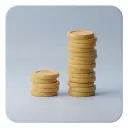 〜より少ない yori sukunai less than
前回より少なかったです。 zenkai yori sukunakatta desu You got less than last time.
-
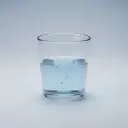 少し sukoshi a little
彼は少し助けが必要です。 Kare wa sukoshi tasuke ga hitsuyou desu. He needs a little help.
-
 少し sukoshi a bit
彼女はケーキを少し食べました。 kanojo wa kēki o sukoshi tabemashita. She ate a bit of cake.
-
 たくさん takusan a lot
私はたくさん勉強します。 watashi wa takusan benkyō shimasu. I study a lot.
-
 過ぎる sugiru too much
彼らはケーキを食べ過ぎました。 Karera wa keeki o tabesugimashita. They ate too much cake.
-
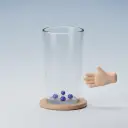 足りない tari nai not enough
この量は足りません。 kono ryou wa tari masen This amount is not enough.
-
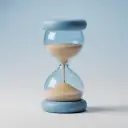 前 mae ago
二日前に到着しました。 futsuka mae ni tōchaku shimashita. I arrived two days ago.
-
 もうすぐ mōsugu soon
友達はもうすぐ着きます。 tomodachi wa mōsugu tsukimasu. My friend will arrive soon.
-
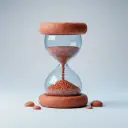 まだ mada still
私はまだお腹が空いています。 watashi wa mada onaka ga suite imasu I am still hungry.
-
 これまでに kore made ni ever
これまでに海を見たことがありますか? kore made ni umi o mita koto ga arimasu ka? Have you ever seen the ocean?
-
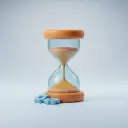 まだ mada yet
友達はまだ到着していません。 tomodachi wa mada tōchaku shite imasen My friend has not arrived yet.
-
 すぐに sugu ni immediately
すぐに助けが必要です。 sugu ni tasuke ga hitsuyō desu. I need help immediately.
-
 たぶん tabun maybe
たぶん彼女は後で来るでしょう。 tabun kanojo wa ato de kuru deshou Maybe she will come later.
-
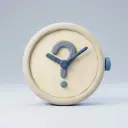 いつか itsuka sometime
いつか会いましょう。 Itsuka aimashō. We will meet sometime.
-
 いつでも itsu demo anytime
いつでも遊びに来てください。 itsu demo asobi ni kite kudasai. You can visit us anytime.
-
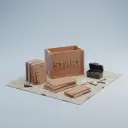 前に mae ni before
嵐が来る前に出発しました。 arashi ga kuru mae ni shuppatsu shimashita We left before the storm.
-
 後 ato after
食事の後に、出発します。 shokuji no ato ni, shuppatsu shimasu. We will leave after the meal.
-
 近頃 chikagoro nowadays
近頃は旅行をする人が増えています。 chikagoro wa ryokō o suru hito ga fuete imasu People travel more nowadays.
Words 301–400
-
 一月 ichigatsu January
一月は最初の月です。 Ichigatsu wa saisho no tsuki desu. January is the first month.
-
 二月 nigatsu February
二月はたいてい短い月です。 Nigatsu wa taitei mijikai tsuki desu. February is usually a short month.
-
 三月 sangatsu March
私はたいてい三月に彼らを訪ねます。 Watashi wa taitei sangatsu ni karera o tazunemasu. I usually visit them in March.
-
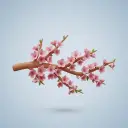 四月 shigatsu April
バスケットボールの試合は四月にあります。 Basukettobōru no shiai wa shigatsu ni arimasu. The basketball game is in April.
-
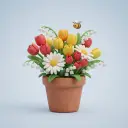 5月 gogatsu May
私の期末試験は5月にあります。 watashi no kimatsu shiken wa gogatsu ni arimasu. My final exam is in May.
-
 六月 rokugatsu June
私は六月までに答えが分かります。 watashi wa rokugatsu made ni kotae ga wakarimasu. I will know the answer by June.
-
 七月 shichigatsu July
七月はたいていとても暖かい月です。 Shichigatsu wa taitei totemo atatakai tsuki desu. July is usually a very warm month.
-
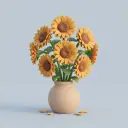 8月 hachigatsu August
8月にまた会えますか? hachigatsu ni mata aemasu ka? Can we meet again in August?
-
 九月 kugatsu September
私の休みは九月です。 watashi no yasumi wa kugatsu desu. My vacation is in September.
-
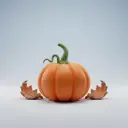 10月 jūgatsu October
あなたの誕生日は10月ですか? Anata no tanjōbi wa jūgatsu desu ka? Is your birthday in October?
-
 十一月 jūichigatsu November
十一月はどうして雨が降るのですか? jūichigatsu wa dōshite ame ga furu no desu ka? Why does it rain in November?
-
 十二月 jūnigatsu December
十二月は最後の月です。 Jūnigatsu wa saigo no tsuki desu. December is the last month.
-
 越える koeru over
猫は箱を越えてジャンプします。 neko wa hako o koete janpu shimasu The cat jumps over the box.
-
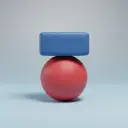 下 shita under
彼らは大きな木の下に住んでいます。 Karera wa ōkina ki no shita ni sunde imasu. They live under a big tree.
-
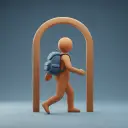 通る tōru through
彼はドアを通って歩きます。 Kare wa doa o tōtte arukimasu. He walks through the door.
-
 沿って sotte along
私たちは海岸に沿って歩きます。 Watashitachi wa kaigan ni sotte arukimasu. We walk along the beach.
-
 周り mawari around
人々は公園の周りを歩きます。 hitobito wa kōen no mawari o arukimasu People walk around the park.
-
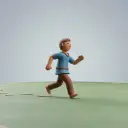 渡る wataru across
私は通りを渡って行きます。 Watashi wa tōri o watatte ikimasu. I go across the street.
-
 〜の中へ no naka e into
彼はゆっくりと部屋の中へ歩きます。 Kare wa yukkuri to heya no naka e arukimasu. He walks slowly into the room.
-
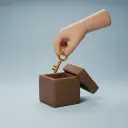 〜の外へ no soto e out of
子供は学校の外へ走っていきます。 kodomo wa gakkō no soto e hashitte ikimasu. The kid runs out of the school.
-
 上 ue up
彼女は上を向いて雲を見ています。 kanojo wa ue o muite kumo o mite imasu. She looks up at the clouds.
-
 下 shita down
犬がボールを下に置きました。 inu ga bōru o shita ni okimashita The dog put the ball down.
-
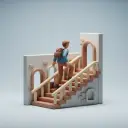 二階 nikai upstairs
私は二階へ寝に行きます。 Watashi wa nikai e ne ni ikimasu. I go upstairs to bed.
-
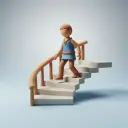 階下 kaika downstairs
階下で音が聞こえます。 Kaika de oto ga kikoemasu. I hear noises downstairs.
-
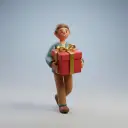 持ってくる motte kuru bring
彼らはパーティーに食べ物を持ってきます。 karera wa pātī ni tabemono o motte kimasu They bring food to the party.
-
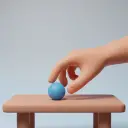 持っていく motte iku take
あなたはいつも私のペンを持っていきます。 anata wa itsumo watashi no pen o motte ikimasu You always take my pen.
-
 運ぶ hakobu carry
彼はその箱を運べます。 Kare wa sono hako o hakobemasu. He can carry the box.
-
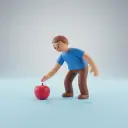 受け取る uketoru pick up
荷物を受け取ってくれますか? nimotsu o uketotte kuremasu ka Can you pick up the package?
-
 落とす otosu drop
私がスマホを落としたら、壊れます。 watashi ga sumaho o otoshitara kowaremasu If I drop the phone, it will break.
-
 取る toru pass
塩を取ってもらえますか? Shio o totte moraemasu ka? Can you pass me the salt?
-
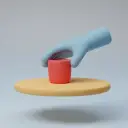 置く oku put down
私たちはリュックを置きました。 watashitachi wa ryukku o okimashita. We put down our backpacks.
-
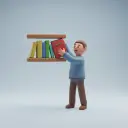 片付ける katadzukeru put away
私はおもちゃを片付けます。 watashi wa omocha o katadzukemasu I put away my toys.
-
 出す dasu take out
彼女はゴミを出します。 Kanojo wa gomi o dashimasu. She will take out the trash.
-
 掛ける kakeru hang up
彼らはコートを掛けます。 Karera wa kōto o kakemasu. They hang up their coats.
-
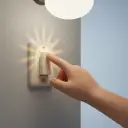 つける tsukeru turn on
電気をつけます。 Denki o tsukemasu. You turn on the light.
-
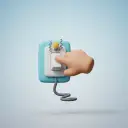 消す kesu turn off
誰かラジオを消してくれますか? Dareka rajio o keshite kuremasu ka? Can someone turn off the radio?
-
 跳ぶ tobu jump
猫が壁を跳び越えます。 neko ga kabe o tobikoemasu The cat jumps over the wall.
-
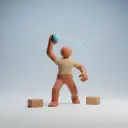 投げる nageru throw
男の子が石を投げます。 Otokonoko ga ishi o nagemasu. The boy throws the stone.
-
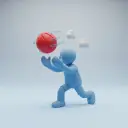 捕る toru catch
彼はボールを捕ります。 kare wa bōru o torimasu He catches the ball.
-
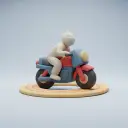 乗る noru ride
男の子が馬に乗っています。 otokonoko ga uma ni notte imasu. The boy rides a horse.
-
 飛ぶ tobu fly
鳥が空を飛んでいます。 tori ga sora o tonde imasu The birds fly in the sky.
-
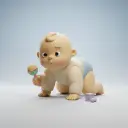 這う hau crawl
赤ちゃんが床を這っています。 akachan ga yuka o hatte imasu The baby crawls on the floor.
-
 飛ばす tobasu skip
彼女は最初のページを飛ばした。 kanojo wa saisho no pēji o tobashita. She skipped the first page.
-
 蹴る keru kick
子供がボールを蹴っています。 Kodomo ga bōru o kette imasu. The child kicks the ball.
-
 弾む hazumu bounce
ボールが地面で弾みます。 bōru ga jimen de hazumimasu. The ball bounces on the ground.
-
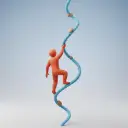 登る noboru climb
猫が木に登ります。 neko ga ki ni noborimasu. The cat climbs the tree.
-
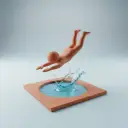 飛び込む tobikomu dive
男の子が水の中に飛び込みます。 Otokonoko ga mizu no naka ni tobikomimasu. The boy dives into the water.
-
 滑る suberu slide
箱が床の上を滑ります。 Hako ga yuka no ue o suberimasu. The box slides on the floor.
-
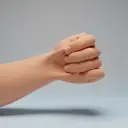 つねる tsuneru pinch
彼は私の腕をつねりました。 kare wa watashi no ude o tsunerimashita He pinched my arm.
-
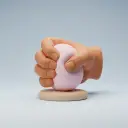 握る nigiru squeeze
彼女は私の手をぎゅっと握りしめた。 kanojo wa watashi no te o gyutto nigirishimeta She squeezes my hand.
-
 突く tsuku poke
子供が私の腕を指で突きました。 Kodomo ga watashi no ude o yubi de tsukimashita. The child poked my arm.
-
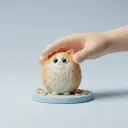 なでる naderu stroke
男の子が犬をなでています。 Otokonoko ga inu o nadete imasu. The boy strokes the dog.
-
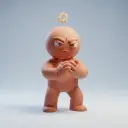 擦る kosuru rub
疲れた目を擦ります。 tsukareta me o kosurimasu I rub my tired eyes.
-
 捻る hineru twist
その男はロープを捻っています。 sono otoko wa rōpu o hinette imasu The man twists the rope.
-
 振る furu shake
赤ちゃんがおもちゃを振っています。 Akachan ga omocha o futte imasu. The baby shakes the toy.
-
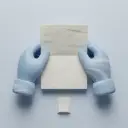 折る oru fold
私は紙を折ります。 watashi wa kami o orimasu I fold the paper.
-
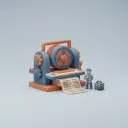 押す osu press
彼女は赤いボタンを押します。 kanojo wa akai botan o oshimasu. She presses the red button.
-
 取り付ける toritsukeru attach
彼はロープを取り付けます。 kare wa rōpu o toritsukemasu. He will attach the rope.
-
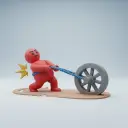 引く hiku pull
その男性は重いロープを引いています。 Sono dansei wa omoi rōpu o hiite imasu. The man pulls the heavy rope.
-
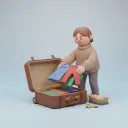 荷造りする nizukuri suru pack
私はカバンに荷造りします。 watashi wa kaban ni nizukuri shimasu I pack my bag.
-
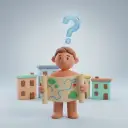 はどこですか wa doko desu ka Where is the ...?
ホテルはどこですか? hoteru wa doko desu ka? Where is the hotel?
-
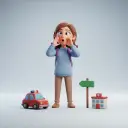 近くに〜はありますか chikaku ni ~ wa arimasu ka Is there a ... nearby?
近くに銀行はありますか? chikaku ni ginkō wa arimasu ka Is there a bank nearby?
-
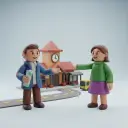 どうやって行きますか dou yatte ikimasu ka How do I get to ...?
学校までどうやって行きますか? gakkou made dou yatte ikimasu ka How do I get to school?
-
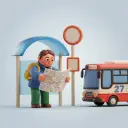 ...に行くバスはどれですか ... ni iku basu wa dore desu ka Which bus goes to ...?
街に行くバスはどれですか? machi ni iku basu wa dore desu ka Which bus goes to town?
-
 どの線が〜に行きますか dono sen ga ~ ni ikimasu ka Which line goes to ...?
どの線が博物館に行きますか? dono sen ga hakubutsukan ni ikimasu ka Which line goes to the museum?
-
 どのくらいかかりますか dono kurai kakarimasu ka How long does it take?
どのくらいかかるでしょうか。 dono kurai kakaru deshou ka I wonder how long does it take.
-
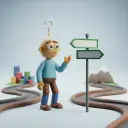 どのくらい遠いですか dono kurai tōi desu ka How far is it?
どのくらい遠いですか? dono kurai tōi desu ka? How far is it?
-
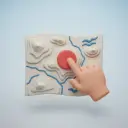 地図で見せてもらえますか? chizu de misete morae masu ka? Can you show me on the map?
地図で見せてもらえますか? chizu de misete morae masu ka? Can you show me on the map?
-
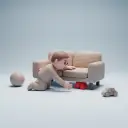 探す sagasu I'm looking for
彼らはトイレを探しています。 Karera wa toire o sagashite imasu. They are looking for a restroom.
-
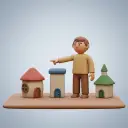 一番近い ichiban chikai The nearest
一番近い店はあそこにあります。 ichiban chikai mise wa asoko ni arimasu. The nearest store is down there.
-
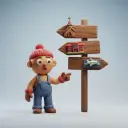 行く iku Does this go to ...?
これはレストランに行きますか? kore wa resutoran ni ikimasu ka Does this go to the restaurant?
-
 どの駅で降りる dono eki de oriru Which stop for ...?
繁華街へは、どの駅で降りますか? hankagai e wa dono eki de orimasu ka Which stop for downtown?
-
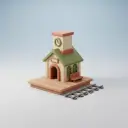 駅 eki station
彼らは駅で待っています。 karera wa eki de matte imasu They wait at the train station.
-
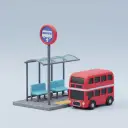 バス停 basutei bus stop
バス停は近くにあります。 basutei wa chikaku ni arimasu. The bus stop is nearby.
-
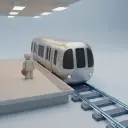 地下鉄の駅 chikatetsu no eki subway station
この地下鉄の駅はとても混んでいます。 Kono chikatetsu no eki wa totemo konde imasu. This subway station is very crowded.
-
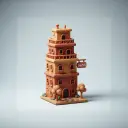 ホテル hoteru hotel
オンラインでホテルを予約できます。 onrain de hoteru o yoyaku dekimasu You can book a hotel online.
-
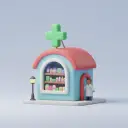 薬局 yakkyoku pharmacy
マークさんは薬局で働いています。 Māku-san wa yakkyoku de hataraite imasu. Mark works at the pharmacy.
-
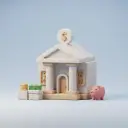 銀行 ginkō bank
彼は銀行に行きます。 Kare wa ginkō ni ikimasu. He goes to the bank.
-
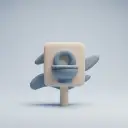 お手洗い o-te-arai restroom
これはきれいなお手洗いです。 Kore wa kirei na o-te-arai desu. This is a clean restroom.
-
 スーパー sūpā supermarket
スーパーで食べ物を買います。 sūpā de tabemono o kaimasu. We buy food at the supermarket.
-
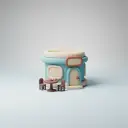 レストラン resutoran restaurant
彼らはあのレストランがとても好きです。 karera wa ano resutoran ga totemo suki desu. They like that restaurant a lot.
-
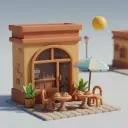 カフェ kafe café
ジェーンさんはカフェで働いています。 Jēn-san wa kafe de hataraite imasu. Jane works at the café.
-
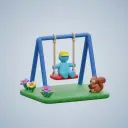 公園 kōen park
彼女は緑の公園が好きです。 kanojo wa midori no kōen ga suki desu. She likes the green park.
-
 病院 byōin hospital
病院は病気の人を助けます。 byōin wa byōki no hito o tasukemasu. A hospital helps sick people.
-
 空港 kūkō airport
私たちは空港に到着しました。 watashitachi wa kūkō ni tōchaku shimashita We arrived at the airport.
-
 スタジアム sutajiamu stadium
私たちはスタジアムに行きました。 watashitachi wa sutajiamu ni ikimashita We went to the stadium.
-
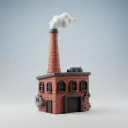 工場 kōjō factory
この工場では服を作っています。 kono kōjō de wa fuku o tsukutte imasu This factory makes clothes.
-
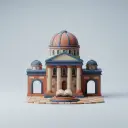 大学 daigaku university
彼女は大学で勉強しています。 kanojo wa daigaku de benkyō shite imasu She studies at the university.
-
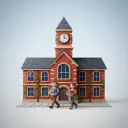 大学 daigaku college
彼女は大学で勉強しています。 kanojo wa daigaku de benkyō shite imasu She studies at the college.
-
 部 bu club
私たちは運動部に入りました。 watashitachi wa undōbu ni hairimashita We joined the sports club.
-
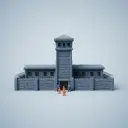 刑務所 keimusho prison
犯人は刑務所から脱走した。 hannin wa keimusho kara dassō shita The criminal escaped from prison.
-
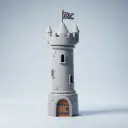 塔 tō tower
高い塔が見えます。 takai tō ga miemasu. I see the tall tower.
-
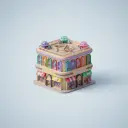 ショッピングモール shoppingu mōru mall
ショッピングモールで靴を買いました。 shoppingu mōru de kutsu o kaimashita. I bought shoes at the mall.
-
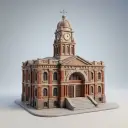 市役所 shiyakusho town hall
私たちは市役所で待ち合わせました。 watashitachi wa shiyakusho de machiawasemashita We met at the town hall.
-
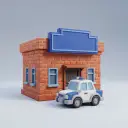 警察署 keisatsusho police station
警察署が見えます。 keisatsusho ga miemasu I see the police station.
-
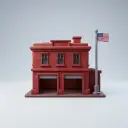 消防署 shōbōsho fire station
私は消防署の近くに住んでいます。 watashi wa shōbōsho no chikaku ni sunde imasu I live near the fire station.
-
 左に曲がる hidari ni magaru Turn left.
ここを左に曲がってください。 koko o hidari ni magatte kudasai Turn left here.
-
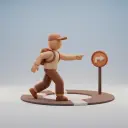 右に曲がる migi ni magaru Turn right.
交差点を右に曲がってください。 kōsaten o migi ni magatte kudasai Turn right at the intersection.
-
 まっすぐ行く massugu iku Go straight ahead.
学校までまっすぐ行きます。 gakkō made massugu ikimasu Go straight ahead to school.
-
 近い chikai It's near.
近いです。 Chikai desu. It's near.
Words 401–500
-
 遠い tōi It's far.
遠いです。 tōi desu It's far.
-
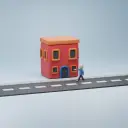 道の向かい側 michi no mukai gawa Across the street.
彼は道の向かい側に住んでいます。 Kare wa michi no mukai gawa ni sunde imasu. He lives across the street.
-
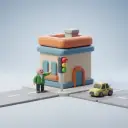 角で kaku de At the corner.
彼女は角で待っています。 Kanojo wa kaku de matte imasu. She is waiting at the corner.
-
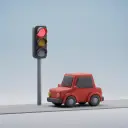 信号で shingō de At the traffic light.
信号で止まりました。 shingō de tomarimashita. We stopped at the traffic light.
-
 交差点に kousaten ni At the intersection.
バーは交差点にあります。 baa wa kousaten ni arimasu The bar is at the intersection.
-
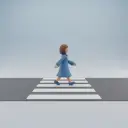 横断歩道 ōdan hodō Crosswalk.
あの横断歩道はとても安全です。 ano ōdan hodō wa totemo anzen desu. That crosswalk is very safe.
-
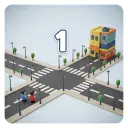 1ブロック先 ichi burokku saki One block away.
美術館は1ブロック先にあります。 Bijutsukan wa ichi burokku saki ni arimasu. The museum is one block away.
-
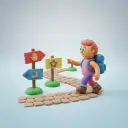 標識に従う hyōshiki ni shitagau Follow the signs.
安全な場所まで、標識に従ってください。 anzen na basho made hyōshiki ni shitagatte kudasai Follow the signs to safety.
-
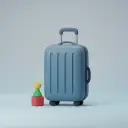 スーツケース sūtsukēsu suitcase
もうスーツケースの荷造りはしましたか? Mō sūtsukēsu no nizukuri wa shimashita ka? Did you pack your suitcase already?
-
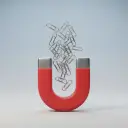 磁石 jishaku magnet
小さい磁石はプレゼントです。 Chiisai jishaku wa purezento desu. The small magnet is a present.
-
 ヘアブラシ hea burashi hairbrush
彼女は自分のヘアブラシを見つけられません。 kanojo wa jibun no hea burashi o mitsukeraremasen She can’t find her hairbrush.
-
 枕 makura pillow
この枕は柔らかくて温かいです。 kono makura wa yawarakakute atakai desu This pillow is soft and warm.
-
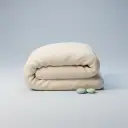 毛布 mōfu blanket
寒かったら、毛布を持って行ってください。 samukattara, mōfu o motte itte kudasai. Take a blanket if you are cold.
-
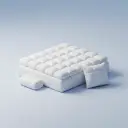 マットレス mattorēsu mattress
私たちの新しいマットレスは、本当に快適です。 Watashitachi no atarashii mattorēsu wa hontō ni kaiteki desu. Our new mattress is really comfortable.
-
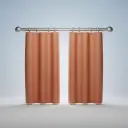 カーテン kaaten curtain
暗いので、カーテンを開けてください。 kurai node, kaaten o akete kudasai. Please open the curtain, it's dark.
-
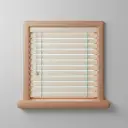 ブラインド buraindo blinds
私はたいてい夜にブラインドを閉めます。 watashi wa taitei yoru ni buraindo o shimemasu. I usually close the blinds at night.
-
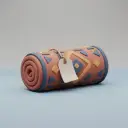 カーペット kāpetto carpet
カーペットの下にほこりがあります。 kāpetto no shita ni hokori ga arimasu. There is dust under the carpet.
-
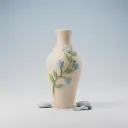 花瓶 kabin vase
この花瓶は高そうです。 Kono kabin wa takasō desu. This vase looks expensive.
-
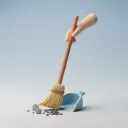 ほうき hōki broom
このアパートにほうきはありますか? Kono apāto ni hōki wa arimasu ka Does this apartment have a broom?
-
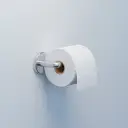 トイレットペーパー toiretto pēpā toilet paper
あ、トイレットペーパーがなくなりました。 a toiretto pēpā ga nakunarimashita Oh no, the toilet paper’s gone!
-
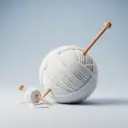 羊毛 yōmō wool
その羊は厚い羊毛に覆われています。 Sono hitsuji wa atsui yōmō ni oowarete imasu. The sheep has thick wool.
-
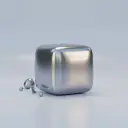 金属 kinzoku metal
木材と金属が必要です。 Mokuzai to kinzoku ga hitsuyō desu. We need wood and metal.
-
 プラスチックの purasuchikku no plastic
彼女はプラスチックのボウルを洗います。 kanojo wa purasuchikku no bouru o araimasu She washes the plastic bowl.
-
 革 kawa leather
新しい革のバッグを買いました。 atarashii kawa no baggu o kaimashita. I bought a new leather bag.
-
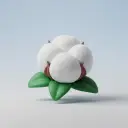 綿 wata cotton
その農家は綿を育てています。 Sono nōka wa wata o sodatete imasu. The farmer grows cotton.
-
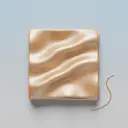 絹 kinu silk
この絹はとても柔らかいです。 kono kinu wa totemo yawarakai desu This silk is very soft.
-
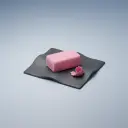 ゴム gomu rubber
そのボールはゴムでできています。 Sono bōru wa gomu de dekite imasu. The ball is made of rubber.
-
 デニム denimu denim
彼は厚手のデニム生地を買った。 kare wa atsude no denimu kiji o katta. He bought thick denim fabric.
-
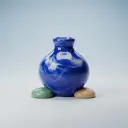 陶器の tōki no ceramic
彼女は陶器のボウルを洗いました。 kanojo wa tōki no bōru o araimashita She washed the ceramic bowl.
-
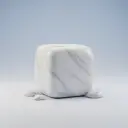 大理石 dairiseki marble
彼らはその白い大理石を切り出した。 karera wa sono shiroi dairiseki o kiridashita. They cut the white marble.
-
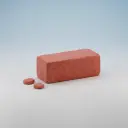 煉瓦 renga brick
彼は赤い煉瓦を持っています。 kare wa akai renga o motte imasu He holds a red brick.
-
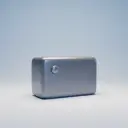 鋼鉄 kōtetsu steel
彼らは鋼鉄で道具を作っています。 Karera wa kōtetsu de dōgu o tsukutte imasu. They make the tools from steel.
-
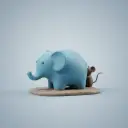 後ろ ushiro behind
あの建物の後ろにあります。 ano tatemono no ushiro ni arimasu It is behind that building.
-
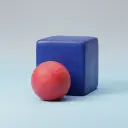 前 mae in front of
彼女は私の前にいます。 kanojo wa watashi no mae ni imasu. She is in front of me.
-
 間 aida between
公園は二つの家の間にあります。 Kōen wa futatsu no ie no aida ni arimasu. The park is between two houses.
-
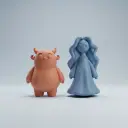 隣 tonari next to
あの店は私の家の隣です。 Ano mise wa watashi no ie no tonari desu. That store is next to my house.
-
 反対 hantai opposite
私たちは反対の方向に行きます。 Watashitachi wa hantai no hōkō ni ikimasu. We go the opposite direction.
-
 向かい mukai across from
私たちは店の向かいに住んでいます。 Watashitachi wa mise no mukai ni sunde imasu. We live across from the store.
-
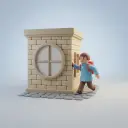 角を曲がったところ kaku o magatta tokoro around the corner
彼女は今、角を曲がったところに住んでいます。 kanojo wa ima kaku o magatta tokoro ni sunde imasu. She lives around the corner now.
-
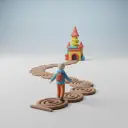 の方へ no hō e towards
子供たちは大きな木の方へ歩きます。 Kodomo tachi wa ōkina ki no hō e arukimasu. The kids walk towards the big tree.
-
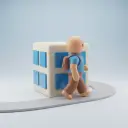 過ぎる sugiru past
橋を過ぎる必要があります。 Hashi o sugiru hitsuyou ga arimasu. You need to go past the bridge.
-
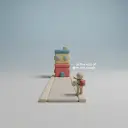 通りの突き当たり tōri no tsukiatari at the end of the street
私は通りの突き当たりに住んでいます。 watashi wa tōri no tsukiatari ni sunde imasu. I live at the end of the street.
-
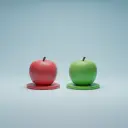 左側 hidarigawa on the left
彼女は左側に車を止めます。 Kanojo wa hidarigawa ni kuruma o tomemasu. She parks on the left side.
-
 右側 migigawa on the right
右側にあります。 migigawa ni arimasu. They are on the right.
-
 上 ue above
太陽が山の上に出ています。 taiyō ga yama no ue ni dete imasu The sun is above the mountain.
-
 下 shita below
村は山の下にあります。 Mura wa yama no shita ni arimasu. The village is below the mountain.
-
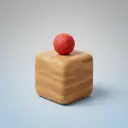 一番上 ichiban ue on top
箱は一番上にあります。 hako wa ichiban ue ni arimasu. The box is on top.
-
 近く chikaku near
私は川の近くに住んでいます。 Watashi wa kawa no chikaku ni sunde imasu. I live near the river.
-
 真ん中 mannaka in the middle
彼は真ん中に立っています。 kare wa mannaka ni tatte imasu He stands in the middle.
-
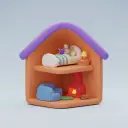 中 naka inside
犬は家の中にいます。 Inu wa ie no naka ni imasu. The dog is inside the house.
-
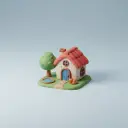 場所 basho place
私たちは安全な場所を見つけました。 watashitachi wa anzen na basho o mitsukemashita We found a safe place.
-
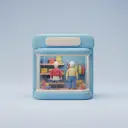 店 mise store
私たちはその店で食べ物を買います。 watashitachi wa sono mise de tabemono o kaimasu We buy food at the store.
-
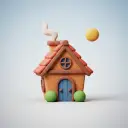 家 ie house
その家族はあの家に住んでいます。 Sono kazoku wa ano ie ni sunde imasu. The family lives in that house.
-
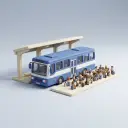 バスターミナル basu tāminaru bus station
私はバスターミナルで待っています。 Watashi wa basu tāminaru de matte imasu. I wait at the bus station.
-
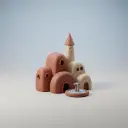 都心 toshin city center
私は都心の近くに住んでいます。 watashi wa toshin no chikaku ni sunde imasu I live near the city center.
-
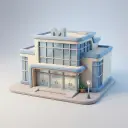 ショッピングモール shoppingu mōru shopping mall
そのショッピングモールはとても大きいです。 Sono shoppingu mōru wa totemo ōkii desu. The shopping mall is very big.
-
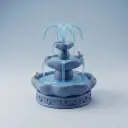 噴水 funsui fountain
あの噴水は水がとてもきれいです。 ano funsui wa mizu ga totemo kirei desu. That fountain has very clear water.
-
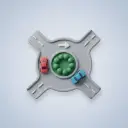 ロータリー rōtarī roundabout
このロータリーは交通に役立ちます。 Kono rōtarī wa kōtsū ni yakudachimasu. This roundabout helps the traffic.
-
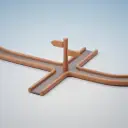 交差点 kousaten crossroads
私たちは交差点で止まりました。 watashitachi wa kousaten de tomarimashita We stopped at the crossroads.
-
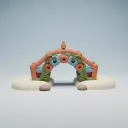 橋 hashi bridge
人々は橋を渡ります。 Hitobito wa hashi o watarimasu. People walk across the bridge.
-
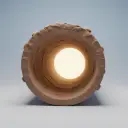 トンネル tonneru tunnel
車がトンネルを通ります。 kuruma ga tonneru o toorimasu. The car drives through a tunnel.
-
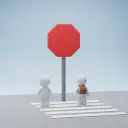 一時停止の標識 ichiji teishi no hyōshiki stop sign
一時停止の標識を守る必要があります。 ichiji teishi no hyōshiki o mamoru hitsuyō ga arimasu. You need to respect the stop sign.
-
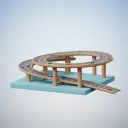 歩道橋 hodōkyō overpass
家の近くに歩道橋を造りました。 ie no chikaku ni hodōkyō o tsukurimashita. They built an overpass near home.
-
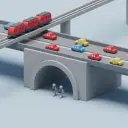 地下道 chika dō underpass
私たちは地下道を歩いて通ります。 watashitachi wa chika dō o aruite tōrimasu We will walk through the underpass.
-
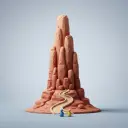 目印 mejirushi landmark
その目印は川の近くにあります。 Sono mejirushi wa kawa no chikaku ni arimasu. The landmark is near the river.
-
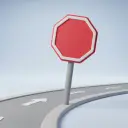 標識 hyōshiki traffic sign
この標識は止まれという意味です。 Kono hyōshiki wa tomare to iu imi desu. This traffic sign means stop.
-
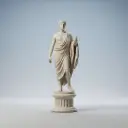 像 zō statue
彼は美しい像を見ました。 kare wa utsukushii zō o mimashita. He saw the beautiful statue.
-
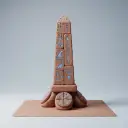 記念碑 kinenhi monument
彼らは高い記念碑を訪れました。 Karera wa takai kinenhi o otozuremashita. They visited the tall monument.
-
 北 kita north
この町の北はおもしろいです。 kono machi no kita wa omoshiroi desu The north of this city is interesting.
-
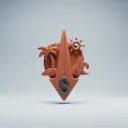 南 minami south
風は南から吹いています。 Kaze wa minami kara fuite imasu. The wind comes from the south.
-
 東 higashi east
風は東から吹いています。 Kaze wa higashi kara fuite imasu. The wind comes from the east.
-
 西 nishi west
太陽は西に沈みます。 Taiyou wa nishi ni shizumimasu. The sun sets in the west.
-
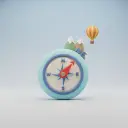 北東 hokutō northeast
ベンさんは北東の地域に住んでいます。 Ben-san wa hokutō no chiiki ni sunde imasu. Ben lives in the northeast area.
-
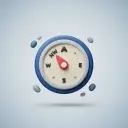 北西 hokusei northwest
その州は北西にあります。 sono shū wa hokusei ni arimasu. That state is in the northwest.
-
 南東 nantō southeast
彼は南東の地域に住んでいます。 Kare wa nantō no chiiki ni sunde imasu. He lives in the southeast region.
-
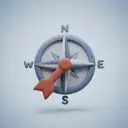 南西 nansei southwest
彼らは南西へ運転しました。 karera wa nansei e unten shimashita. They drove to the southwest.
-
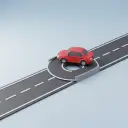 Uターン U-tān U-turn
これはUターンです。 Kore wa U-tān desu. This is a U-turn.
-
 突き当たり tsukiatari dead end
あの道は突き当たりです。 Ano michi wa tsukiatari desu. That street is a dead end.
-
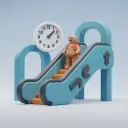 エスカレーター esukarētā escalator
エスカレーターで最上階まで行けます。 esukarētā de saijōkai made ikemasu. The escalator takes you to the top floor.
-
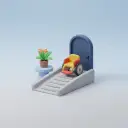 スロープ suroopu ramp
車椅子にはスロープが必要です。 Kurumaisu ni wa suroopu ga hitsuyō desu. Wheelchairs require ramps.
-
 天気 tenki weather
今日はいい天気ですね。 Kyō wa ii tenki desu ne. This is nice weather today.
-
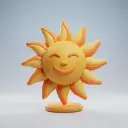 晴れ hare sunny
彼は晴れの日が好きです。 Kare wa hare no hi ga suki desu. He likes a sunny day.
-
 曇り kumori cloudy
午後は曇りになると予想されています。 gogo wa kumori ni naru to yosō sarete imasu. They expect a cloudy afternoon.
-
 雨 ame rainy
雨の日は心地よいです。 Ame no hi wa kokochiyoi desu. A rainy day can be cozy.
-
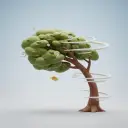 風が強い kaze ga tsuyoi windy
外は風が強いです。 soto wa kaze ga tsuyoi desu It is windy outside.
-
 熱い atsui hot
このお茶はとても熱いです。 kono ocha wa totemo atsui desu This tea is very hot.
-
 寒い samui cold
冬は寒い風が吹きます。 Fuyu wa samui kaze ga fukimasu. The cold wind blows in winter.
-
 暖かい attakai warm
今日はビーチが暖かかったです。 Kyō wa bīchi ga attakakatta desu. It was warm at the beach today.
-
 春 haru spring
花は春が大好きです。 hana wa haru ga daisuki desu The flowers love the spring.
-
 夏 natsu summer
夏はとても暑い季節です。 Natsu wa totemo atsui kisetsu desu. Summer is a very hot season.
-
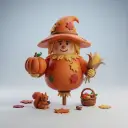 秋 aki autumn
秋は私の一番好きな季節です。 aki wa watashi no ichiban suki na kisetsu desu. Autumn is my favorite season.
-
 冬 fuyu winter
ここは冬はとても寒いです。 Koko wa fuyu wa totemo samui desu. Winter can be very cold here.
-
 太陽 taiyō sun
太陽が空に輝いています。 taiyō ga sora ni kagayaite imasu. The sun shines in the sky.
-
 月 tsuki Moon
明るい月が見えます。 akarui tsuki ga miemasu. I see the bright moon.
-
 星 hoshi star
明るい星が見えます。 akarui hoshi ga miemasu. I see a bright star.
-
 空 sora sky
鳥が空を飛んでいます。 tori ga sora o tonde imasu Birds fly in the sky.
-
 雲 kumo cloud
黒い雲が太陽を隠している。 kuroi kumo ga taiyō o kakushite iru A dark cloud hides the sun.
-
 雨 ame rain
空から雨が降っています。 sora kara ame ga futte imasu The rain falls from the sky.
-
 風 kaze wind
冷たい風を感じます。 tsumetai kaze o kanjimasu. We feel the cold wind.
-
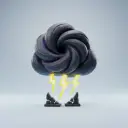 嵐 arashi storm
激しい嵐で木々が折れた。 hageshii arashi de kigi ga oreta. The strong storm broke the trees.
Free for personal and classroom use.
Quick quiz
Five questions from the first 100 words.
Make these words stick
The app brings each word back right before you’d forget it. Free on iPhone and Android.
More Japanese
Japanese words by topic
- Numbers1–100
- Days of the week12
- Months12
- Colors19
- Family members36
- Body parts24
- Food44
- Animals36
- Clothes41
- Jewelry and Accessories12
- Weather24
- Greetings12
- Fruits16
- Vegetables12
- Kitchen36
- Restaurant & ordering food48
- Money25
- Rooms in the house48
- Jobs & professions36
- Emotions & feelings36
- School supplies & classroom48
- Transportation48
- Travel60
- Directions48
- Places in town48
- At the doctor36
- Sports & games60
- Hobbies36
- Musical instruments12
- Nature & plants36
- Planets & space24
- Time36
- Holidays & celebrations12
- Shapes12
- Please & thank you24
- Small talk36
Word lists
Alphabet
Learn these 500 Japanese words in order.
The app teaches them 12 at a time, with pictures and audio, and brings each one back before you forget it. Free on iPhone and Android.
Scan with your phone's camera to get the app.
