











 The 1,000 Most Common Japanese Words
Each word with a picture, native audio and an example sentence with its English translation. Tap a speaker to hear the word or the sentence.

Learn all 1,000 words in the app
Pictures, native audio, and each word comes back right before you’d forget it. Free on iPhone & Android.

 Scan with your phone camera
 Your PDF is downloading
Printing is step one. Flashcardly makes the words stick: it brings each one back right before you’d forget it, with native audio.
How this list is ranked
This is the Flashcardly Japanese course in order: by frequency and everyday usefulness, with input from language teachers. It is not a raw corpus count, which is why words like “the” and “of” are not padding the top of the list, while “man” comes in at #13.
The list
Tap a picture to hear it.
Words 1–100
-
 こんにちは konnichiwa Hello
こんにちは、お元気ですか? Konnichiwa, o genki desu ka? Hello, how are you?
-
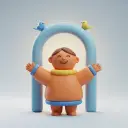 ようこそ yōkoso Welcome
わが家へようこそ。 Wagaya e yōkoso. Welcome to our home.
-
 おはようございます ohayō gozaimasu Good morning
おはようございます。 ohayō gozaimasu. Good morning!
-
 はい hai yes
はい、分かります。 hai wakarimasu Yes, I understand.
-
 こんばんは konbanwa Good evening
こんばんは。 Konbanwa. Good evening!
-
 いいえ iie no
彼女はいいえと言いました。 kanojo wa iie to iimashita She said no.
-
 さようなら sayounara Goodbye
さようなら、アンナさん。 sayounara, Anna san. Goodbye, Anna!
-
 こんにちは konnichiwa Good afternoon
こんにちは! konnichiwa! Good afternoon!
-
 また会いましょう mata aimashō See you soon
ミアさん、また会いましょう。 Mia-san, mata aimashō. See you soon, Mia!
-
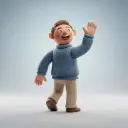 また明日 mata ashita See you tomorrow
また明日。 mata ashita. See you tomorrow!
-
 はじめまして hajimemashite Nice to meet you
こちらこそ、はじめまして。 Kochira koso, hajimemashite. Nice to meet you too!
-
 お元気ですか o genki desu ka How are you?
今日はお元気ですか? Kyō wa o genki desu ka? How are you today?
-
 男の人 otoko no hito man
その男の人は本を読みます。 sono otoko no hito wa hon o yomimasu. The man reads the book.
-
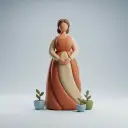 女性 josei woman
その女性は帽子をかぶっています。 sono josei wa bōshi o kabutte imasu. The woman wears a hat.
-
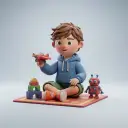 男の子 otokonoko boy
男の子はおもちゃで遊びます。 Otokonoko wa omocha de asobimasu. The boy plays with toys.
-
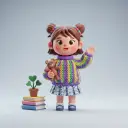 女の子 onnanoko girl
その女の子はボールを持っています。 Sono onnanoko wa bōru o motte imasu. The girl has a ball.
-
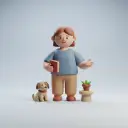 人 hito person
彼は優しい人です。 Kare wa yasashii hito desu. He is a nice person.
-
 人々 hitobito people
人々はとても幸せです。 Hitobito wa totemo shiawase desu. The people are very happy.
-
 大人 otona adult
私は大人です。 watashi wa otona desu I am an adult.
-
 赤ちゃん akachan baby
赤ちゃんはミルクが必要です。 Akachan wa miruku ga hitsuyō desu. The baby needs milk.
-
 さん san Mr
スミスさんは本を読むのが好きです。 Sumisu-san wa hon o yomu no ga suki desu. Mr. Smith likes to read books.
-
 夫人 fujin Mrs
スミス夫人は先生です。 Sumisu fujin wa sensei desu. Mrs. Smith is a teacher.
-
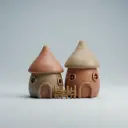 隣人 rinjin neighbor
私の隣人はとても親切です。 Watashi no rinjin wa totemo shinsetsu desu. My neighbor is very friendly.
-
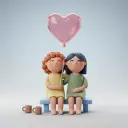 友達 tomodachi friend
私の友達は本を読むのが好きです。 watashi no tomodachi wa hon o yomu no ga suki desu. My friend likes to read books.
-
 今日 kyō today
今日はいい日です。 Kyō wa ii hi desu. Today is a good day.
-
 明日 ashita tomorrow
明日は新しい日です。 Ashita wa atarashii hi desu. Tomorrow is a new day.
-
 昨日 kinou yesterday
私は昨日彼女に会いました。 watashi wa kinou kanojo ni aimashita I saw her yesterday.
-
 今 ima now
彼は今、それを欲しがっています。 Kare wa ima sore o hoshigatte imasu. He wants it now.
-
 午後 gogo afternoon
私は午後が好きです。 watashi wa gogo ga suki desu I like the afternoon.
-
 晩 ban evening
晩は静かです。 Ban wa shizuka desu. The evening is quiet.
-
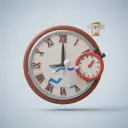 分 fun minute
私たちは5分必要です。 watashitachi wa go fun hitsuyō desu We need five minutes.
-
 朝 asa morning
私は朝に朝ご飯を食べます。 watashi wa asa ni asagohan o tabemasu. I eat breakfast in the morning.
-
 後で ato de later
私はそれを後でします。 Watashi wa sore o ato de shimasu. I will do it later.
-
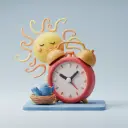 早い hayai early
彼女は早く起きます。 kanojo wa hayaku okimasu She wakes up early.
-
 遅れる okureru late
彼はよく遅れます。 kare wa yoku okuremasu He is often late.
-
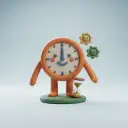 時間 jikan hour
授業は一時間です。 Jugyō wa ichi-jikan desu. The class lasts one hour.
-
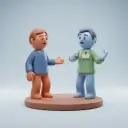 お名前は何ですか? o namae wa nan desu ka? What's your name?
お名前は何ですか? o namae wa nan desu ka? What's your name?
-
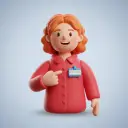 私の名前は watashi no namae wa My name is
私の名前はエミリーです。 Watashi no namae wa Emirī desu. My name is Emily.
-
 出身はどこですか? shusshin wa doko desu ka Where are you from?
出身はどこですか? Shusshin wa doko desu ka Where are you from?
-
 〜出身です shusshin desu I'm from
ドイツ出身です。 Doitsu shusshin desu. I'm from Germany.
-
 どこに住んでいますか doko ni sunde imasu ka Where do you live?
どこに住んでいますか? doko ni sunde imasu ka? Where do you live?
-
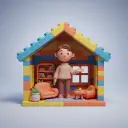 〜に住む ni sumu I live in
私は日本に住んでいます。 Watashi wa Nihon ni sunde imasu. I live in Japan.
-
 何語を話しますか? nanigo o hanashimasu ka? What languages do you speak?
何語を話しますか? nanigo o hanashimasu ka? What languages do you speak?
-
 話す hanasu I speak
私は英語を上手に話します。 watashi wa eigo o jouzu ni hanashimasu I speak English well.
-
 少し話す sukoshi hanasu I speak a little
私はフランス語を少し話します。 Watashi wa Furansugo o sukoshi hanashimasu. I speak a little French.
-
 どこで生まれましたか doko de umaremashita ka Where were you born
どこで生まれましたか? doko de umaremashita ka Where were you born?
-
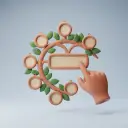 名字は何ですか? myōji wa nan desu ka What's your surname?
名字は何ですか? myōji wa nan desu ka What's your surname?
-
 こちらは私の友達の...です kochira wa watashi no tomodachi no ... desu This is my friend
こちらは私の友達のリサです。 kochira wa watashi no tomodachi no Risa desu. This is my friend Lisa.
-
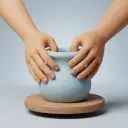 作る tsukuru make
私は美味しいコーヒーを作ります。 Watashi wa oishii kōhī o tsukurimasu. I make good coffee.
-
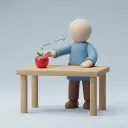 もらう morau get
彼はプレゼントをもらいました。 Kare wa purezento o moraimashita. He got a present.
-
 持つ motsu have
エマさんは車を持っています。 Ema-san wa kuruma o motte imasu. Emma has a car.
-
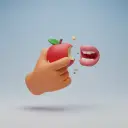 食べる taberu eat
彼らはりんごを食べています。 karera wa ringo o tabete imasu They are eating apples.
-
 飲む nomu drink
コーヒーを飲みますか? Kōhī o nomimasu ka? Do you drink coffee?
-
 寝る neru sleep
私は今寝たいです。 Watashi wa ima netai desu. I want to sleep now.
-
 見える mieru see
家が見えますか? Ie ga miemasu ka? Can you see the house?
-
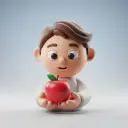 見る miru look at
アダムさんは写真を見るのが好きです。 Adamu-san wa shashin o miru no ga suki desu. Adam likes to look at pictures.
-
 読む yomu read
学生は本を読みます。 Gakusei wa hon o yomimasu. The student reads books.
-
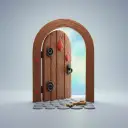 開ける akeru open
彼女は窓を開けます。 Kanojo wa mado o akemasu. She opens the window.
-
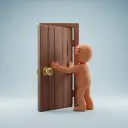 閉める shimeru close
私はドアを閉めます。 Watashi wa doa o shimemasu. I close the door.
-
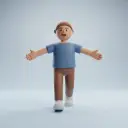 来る kuru come
あなたは毎日ここに来ます。 anata wa mainichi koko ni kimasu You come here every day.
-
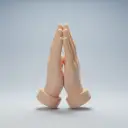 ください kudasai Please.
ドアを開けてください。 doa o akete kudasai Please open the door.
-
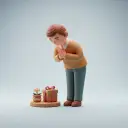 ありがとうございます arigatou gozaimasu Thank you.
手伝ってくれてありがとうございます。 Tetsudatte kurete arigatou gozaimasu. Thank you for your help.
-
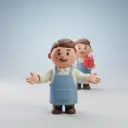 どういたしまして dō itashimashite You're welcome.
どういたしまして。 dō itashimashite You're welcome.
-
 すみません sumimasen Excuse me.
すみません、助けが必要です。 Sumimasen, tasuke ga hitsuyō desu. Excuse me, I need help.
-
 すみません sumimasen Sorry.
すみません。 sumimasen. I am sorry.
-
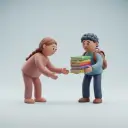 手伝ってもらえますか? tetsudatte moraemasu ka Could you help me?
手伝ってもらえますか? tetsudatte moraemasu ka? Could you help me?
-
 もう一度言ってください mou ichido itte kudasai Could you please repeat?
もう一度言ってください。 mou ichido itte kudasai Could you please repeat that?
-
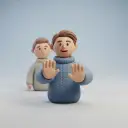 もう少しゆっくり話していただけますか mō sukoshi yukkuri hanashite itadakemasu ka Could you speak more slowly?
もう少しゆっくり話していたいただけけますか? mō sukoshi yukkuri hanashite itadakemasu ka Could you speak more slowly?
-
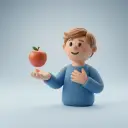 〜をいただけますか o itadakemasu ka Could I have ... please?
お水をいただけますか? o mizu o itadakemasu ka Could I have water please?
-
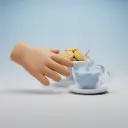 〜をください ~ o kudasai I'd like
お茶をもう少しください。 Ocha o mō sukoshi kudasai. I'd like some more tea.
-
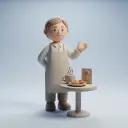 〜てもいいですか te mo ii desu ka May I...?
お水をいただいてもいいですか? o mizu o itadaite mo ii desu ka May I have some water?
-
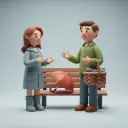 ~てもいいですか ~te mo ii desu ka Is it okay if...?
座ってもいいですか? Suwatte mo ii desu ka? Is it okay if I sit?
-
 ゼロ zero zero
ゼロは一より小さいです。 zero wa ichi yori chiisai desu. Zero is less than one.
-
 一 ichi one
私はりんごを一個持っています。 watashi wa ringo o ikko motte imasu. I have one apple.
-
 二 ni two
猫が二匹います。 Neko ga nihiki imasu. There are two cats.
-
 三 san three
いいえ、三個は多すぎます。 iie, sanko wa ōsugimasu. No, three is too much.
-
 四 yon four
四個ください。 yonko kudasai. Give me four, please.
-
 五 go five
私は犬が五匹います。 Watashi wa inu ga gohiki imasu. I have five dogs.
-
 六 roku six
彼は六人の友達と来ました。 Kare wa rokunin no tomodachi to kimashita. He came with six friends.
-
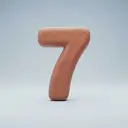 七 nana seven
私は七キロ走っています。 watashi wa nana kiro hashitte imasu. I am running seven kilometers.
-
 八 hachi eight
クモは足が八本あります。 kumo wa ashi ga happon arimasu A spider has eight legs.
-
 九 kyū nine
九は私のラッキーナンバーです。 Kyū wa watashi no rakkī nanbā desu. Nine is my lucky number.
-
 十 jū ten
私たちには指が十本あります。 Watashitachi ni wa yubi ga juppon arimasu. We have ten fingers.
-
 プラス purasu plus
二プラス二は四です。 Ni purasu ni wa yon desu. Two plus two is four.
-
 分かりません wakari masen I don't understand.
分かりません。 wakari masen. I don't understand.
-
 もう一度言ってください mou ichido itte kudasai Could you repeat that please?
もう一度言ってください。 mou ichido itte kudasai Could you repeat that please?
-
 もっとゆっくりお願いします motto yukkuri onegaishimasu More slowly please.
もっとゆっくりお願いします。 motto yukkuri onegaishimasu More slowly please.
-
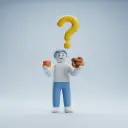 どういう意味ですか dou iu imi desu ka What does that mean?
それはどういう意味ですか? sore wa dou iu imi desu ka What does that mean?
-
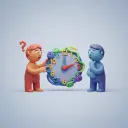 〜で何と言いますか ~ de nani to iimasu ka How do you say that in ...?
それはスペイン語で何と言いますか? Sore wa Supeingo de nani to iimasu ka How do you say that in Spanish?
-
 それはどう書きますか sore wa dō kakimasu ka How do you spell that?
それはどう書きますか? sore wa dō kakimasu ka? How do you spell that?
-
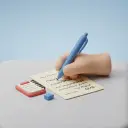 書いてもらえますか kai te morae masu ka Can you write it down?
書いてもらえますか? kai te morae masu ka Can you write it down, please?
-
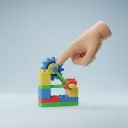 見せてくれますか misete kuremasu ka Can you show me?
写真を見せてくれますか? shashin o misete kuremasu ka Can you show me the photo?
-
 話しますか hanashimasu ka Do you speak ...?
英語を話しますか? Eigo o hanashimasu ka? Do you speak English?
-
 ちょっと待ってください chotto matte kudasai Just a moment please.
ちょっと待ってください。 chotto matte kudasai. Just a moment please.
-
 そう思います sō omoimasu I think so.
私もそう思います。 watashi mo sō omoimasu I think so too.
-
 わかりません wakarimasen I don't know.
わかりません。 wakarimasen. I don't know.
-
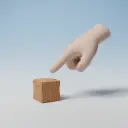 これ kore this
これは私の赤い車です。 Kore wa watashi no akai kuruma desu. This is my red car.
-
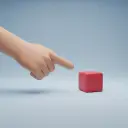 その sono that
その犬はとてもフレンドリーです。 sono inu wa totemo furendorii desu. That dog is very friendly.
-
 ここ koko here
ここにいるのが好きです。 koko ni iru no ga suki desu I like being here.
-
 そこ soko there
仕事の後にそこで会います。 shigoto no ato ni soko de aimasu. We meet there after work.
Words 101–200
-
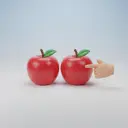 もう一つ mō hitotsu another
彼はケーキをもう一つ欲しがっています。 kare wa kēki o mō hitotsu hoshigatte imasu. He wants another piece of cake.
-
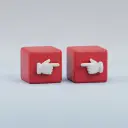 同じ onaji same
私たちは同じ青いシャツを着ます。 Watashitachi wa onaji aoi shatsu o kimasu. We wear the same blue shirt.
-
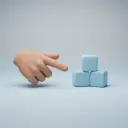 これら kore ra these
これらのりんごは食べ頃です。 kore ra no ringo wa tabegoro desu. These apples are ready to eat.
-
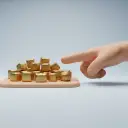 それらの sorera no those
それらのクッキーはとても美味しそうです。 Sorera no kukkī wa totemo oishisō desu. Those cookies look very good.
-
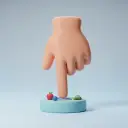 ここ koko right here
鍵はここにあります。 kagi wa koko ni arimasu. The keys are right here.
-
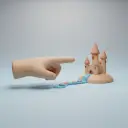 あそこ asoko over there
私の靴はあそこにあります。 Watashi no kutsu wa asoko ni arimasu. My shoes are over there.
-
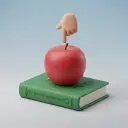 上 ue on top of
猫はテーブルの上にいます。 neko wa tēburu no ue ni imasu The cat is on top of the table.
-
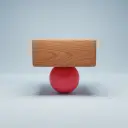 下 shita underneath
犬はテーブルの下にいます。 Inu wa tēburu no shita ni imasu. The dog is underneath the table.
-
 最近どうですか saikin dō desu ka How's it going?
最近どうですか? saikin dō desu ka? How's it going?
-
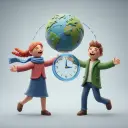 お久しぶりです o hisashiburi desu Long time no see.
お久しぶりです。 o hisashiburi desu Long time no see.
-
 何を楽しんでいますか nani o tanoshinde imasu ka What do you enjoy?
何を楽しんでいますか? nani o tanoshinde imasu ka What do you enjoy?
-
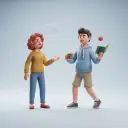 何をしている nani o shite iru What are you up to?
今は何をしていますか? ima wa nani o shite imasu ka What are you up to now?
-
 良い一日を yoi ichinichi o Have a nice day.
ジョンさん、良い一日を過ごしてください。 Jon-san, yoi ichinichi o sugoshite kudasai. Have a nice day, John!
-
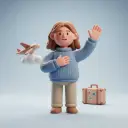 気をつけてください ki o tsukete kudasai Take care.
気をつけてください。また明日。 ki o tsukete kudasai. mata ashita. Take care. See you tomorrow.
-
 頑張ってください ganbatte kudasai Good luck!
頑張ってください!信じています。 ganbatte kudasai! shinjite imasu. Good luck! I believe in you!
-
 おめでとうございます omedetō gozaimasu Congratulations!
おめでとうございます!大変な仕事を終えました。 Omedetō gozaimasu! Taihen na shigoto o oemashita. Congratulations! You finished the hard work.
-
 乾杯 kanpai Cheers!
乾杯! Kanpai! Cheers!
-
 問題ありません mondai arimasen No problem.
問題ありません。お手伝いできます。 mondai arimasen. otetsudai dekimasu. No problem, I can help you.
-
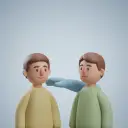 心配しないでください shinpai shinaide kudasai Don't worry.
心配しないでください、大丈夫ですよ。 shinpai shinaide kudasai, daijōbu desu yo. Don't worry, it will be okay.
-
 いいですね ii desu ne Sounds good.
いいですね、ありがとうございます。 ii desu ne arigatou gozaimasu Sounds good to me, thanks!
-
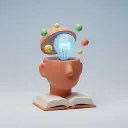 知る shiru know
あなたは今、答えを知っています。 anata wa ima kotae o shitte imasu You know the answer now.
-
 尋ねる tazuneru ask
お兄さんに尋ねてもいいですよ。 Onīsan ni tazunete mo ii desu yo. You can ask your brother.
-
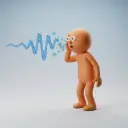 聞こえる kikoeru hear
あの音が聞こえますか? Ano oto ga kikoemasu ka? Can you hear that sound?
-
 学ぶ manabu learn
毎日何か新しいことを学びます。 mainichi nanika atarashii koto o manabimasu You learn something new everyday.
-
 話す hanasu talk with
友達と話すのが好きですか? Tomodachi to hanasu no ga suki desu ka? Do you like talking with your friends?
-
 言う iu say
私は何か言いたいです。 watashi wa nanika iitai desu. I want to say something.
-
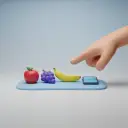 選ぶ erabu choose
好きな色を選びます。 Suki na iro o erabimasu. You choose your favorite color.
-
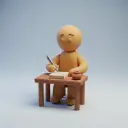 書く kaku write
学生たちは物語を書きます。 Gakusei-tachi wa monogatari o kakimasu. The students write a story.
-
 電話する denwa suru call
私はあなたに電話します。 Watashi wa anata ni denwa shimasu. I am going to call you.
-
 聞く kiku listen to
私はラジオを聞きます。 Watashi wa rajio o kikimasu. I listen to the radio.
-
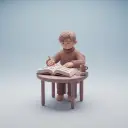 勉強する benkyō suru study
私はどのテストも一生懸命勉強します。 watashi wa dono tesuto mo isshōkenmei benkyō shimasu. I study hard for every test.
-
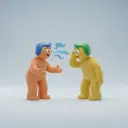 教える oshieru tell
彼は私に名前を教えます。 Kare wa watashi ni namae o oshiemasu. He tells me his name.
-
 会う au meet
明日あなたに会います。 Ashita anata ni aimasu. I will meet you tomorrow.
-
 加わる kuwawaru join
彼女は私たちのグループに加わります。 kanojo wa watashitachi no gurūpu ni kuwawarimasu. She will join our group.
-
 楽しむ tanoshimu enjoy
私たちは音楽を楽しんでいます。 watashitachi wa ongaku o tanoshinde imasu We enjoy the music.
-
 説明する setsumei suru describe
その男の子はその動物について説明しました。 Sono otokonoko wa sono dōbutsu ni tsuite setsumei shimashita. The boy described the animal.
-
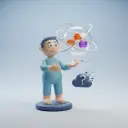 説明する setsumei suru explain
彼女がその問題を説明します。 kanojo ga sono mondai o setsumei shimasu She will explain the problem.
-
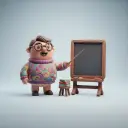 教える oshieru teach
私は新入生に教えます。 watashi wa shinnyūsei ni oshiemasu I teach the new students.
-
 紹介する shōkai suru introduce
友達を紹介します。 tomodachi o shōkai shimasu I will introduce my friend.
-
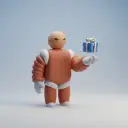 受け取る uketoru accept
彼女はその贈り物を受け取ります。 kanojo wa sono okurimono o uketorimasu. She accepts the gift.
-
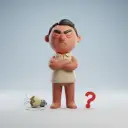 拒む kobamu refuse
その子供は食べ物を拒んでいます。 sono kodomo wa tabemono o kobande imasu The child refuses the food.
-
 約束する yakusoku suru promise
あなたを助けると約束します。 Anata o tasukeru to yakusoku shimasu. I promise to help you.
-
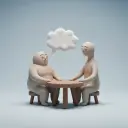 話し合う hanashiau discuss
彼らは新しい計画について話し合っています。 karera wa atarashii keikaku ni tsuite hanashiatte imasu They discuss the new plan.
-
 連絡する renraku suru contact
医者に連絡します。 isha ni renraku shimasu I will contact the doctor.
-
 笑う warau laugh
子供たちが大きな声で笑っています。 Kodomotachi ga ookina koe de waratte imasu. The children laugh loudly.
-
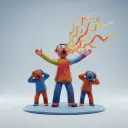 叫ぶ sakebu shout
その男の子は助けを求めて叫びます。 Sono otokonoko wa tasuke o motomete sakebimasu. The boy shouts for help.
-
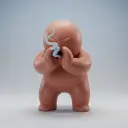 囁く sasayaku whisper
彼は私の耳元で囁きます。 kare wa watashi no mimimoto de sasayakimasu. He whispers in my ear.
-
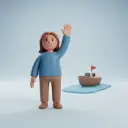 手を振る te o furu wave
彼女は別れの手を振る。 Kanojo wa wakare no te o furu. She waves goodbye.
-
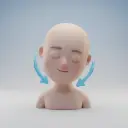 頷く unazuku nod
その女性は頷いています。 sono josei wa unazuite imasu The woman nods her head.
-
 抱きしめる dakishimeru hug
母親が子供を抱きしめています。 Hahaoya ga kodomo o dakishimete imasu. The mother hugs her child.
-
 キスする kisu suru kiss
お母さんは子供にキスします。 okāsan wa kodomo ni kisu shimasu The mother kisses her child.
-
 指さす yubisasu point
子供が犬を指さしています。 Kodomo ga inu o yubisashite imasu. The child points at the dog.
-
 瞬きする mabataki suru blink
彼は素早く瞬きしました。 kare wa subayaku mabataki shimashita He blinks his eyes quickly.
-
 眉をひそめる mayu o hisomeru frown
父親は息子に対して眉をひそめました。 chichioya wa musuko ni taishite mayu o hisomemashita The father frowns at his son.
-
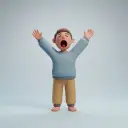 あくびをする akubi o suru yawn
疲れた男性があくびをしています。 Tsukareta dansei ga akubi o shite imasu. The tired man yawns.
-
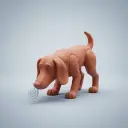 嗅ぐ kagu sniff
犬が食べ物の匂いを嗅いでいます。 Inu ga tabemono no nioi o kaide imasu. The dog sniffs the food.
-
 いい ii good
彼女はいい人です。 kanojo wa ii hito desu She is a good person.
-
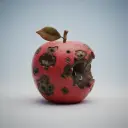 悪い warui bad
その牛乳はにおいが悪いです。 sono gyūnyū wa nioi ga warui desu. That milk smells bad.
-
 大きい ōkii big
その大きい犬はジャンプできます。 sono ōkii inu wa janpu dekimasu The big dog can jump.
-
 小さい chiisai small
赤ちゃんは手が小さいです。 akachan wa te ga chiisai desu The baby has small hands.
-
 間違い machigai wrong
あなたの答えは間違いです。 anata no kotae wa machigai desu. Your answer is wrong.
-
 易しい yasashii easy
この数学の問題は易しいです。 Kono sūgaku no mondai wa yasashii desu. This math problem is easy.
-
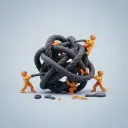 難しい muzukashii difficult
あのテストは難しかったです。 ano tesuto wa muzukashikatta desu That test was difficult.
-
 速い hayai fast
車はとても速く走ります。 Kuruma wa totemo hayaku hashirimasu. Cars go very fast.
-
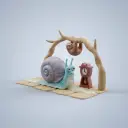 遅い osoi slow
かめはとても遅いです。 kame wa totemo osoi desu The turtle is very slow.
-
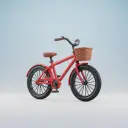 新しい atarashii new
これは新しい車です。 Kore wa atarashii kuruma desu. This is a new car.
-
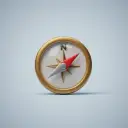 本当 hontō true
この話は本当ですか? Kono hanashi wa hontō desu ka? Is this story true?
-
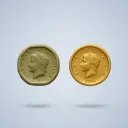 間違い machigai false
その答えは間違いです。 sono kotae wa machigai desu The answer is false.
-
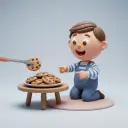 ~たい tai I want to
私はピザを食べたいです。 Watashi wa piza o tabetai desu. I want to eat pizza.
-
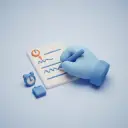 なければならない nakereba naranai I need to
彼女に電話をしなければなりません。 kanojo ni denwa o shinakereba narimasen I need to call her.
-
 つもり tsumori I'm going to
もうすぐ食べるつもりです。 mō sugu taberu tsumori desu I'm going to eat soon.
-
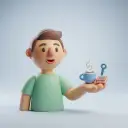 たい tai I'd like to
私はテニスをしたいです。 watashi wa tenisu o shitai desu I'd like to play tennis.
-
 なければならない nakereba naranai I have to
もう行かなければなりません。 mou ikanakereba narimasen I have to go now.
-
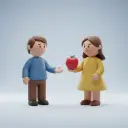 〜てもいいですか ~te mo ii desu ka May I ...?
お水をもらってもいいですか? O mizu o moratte mo ii desu ka? May I have water, please?
-
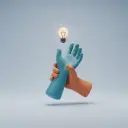 〜を手伝ってください ~ o tetsudatte kudasai Help me with
このカバンを持つのを手伝ってください。 Kono kaban o motsu no o tetsudatte kudasai. Please help me with this bag.
-
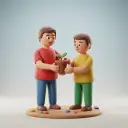 やり方を教えてください yarikata o oshiete kudasai Show me how to
これのやり方を教えてください。 Kore no yarikata o oshiete kudasai. Show me how to do this.
-
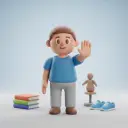 今は~できない ima wa ~ dekinai I can't ... right now.
今は手伝えません。 ima wa tetsudaemasen I can't help right now.
-
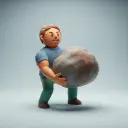 ~ようとする ~yō to suru I’m trying to
今、寝ようとしています。 Ima neyō to shite imasu. I’m trying to sleep now.
-
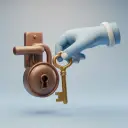 ことができる koto ga dekiru Is it possible to ...?
ここで泳ぐことができますか? koko de oyogu koto ga dekimasu ka Is it possible to swim here?
-
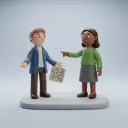 どこで〜られますか doko de ~ rare masu ka Where can I ...?
どこで昼ご飯を食べられますか? doko de hiru gohan o taberaremasu ka Where can I eat lunch?
-
 月曜日 getsuyōbi Monday
月曜日は最初の日です。 Getsuyōbi wa saisho no hi desu. Monday is the first day.
-
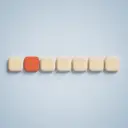 火曜日 kayōbi Tuesday
火曜日はいつも楽しいです。 kayōbi wa itsumo tanoshii desu. Tuesday is always fun.
-
 水曜日 suiyōbi Wednesday
彼女は水曜日に家に帰ります。 Kanojo wa suiyōbi ni ie ni kaerimasu. She goes home Wednesday.
-
 木曜日 mokuyōbi Thursday
彼は木曜日に来ます。 Kare wa mokuyōbi ni kimasu. He comes on Thursday.
-
 金曜日 kin'yōbi Friday
金曜日は最高の日です。 Kin'yōbi wa saikō no hi desu. Friday is the best day.
-
 土曜日 doyōbi Saturday
私は土曜日に出発します。 Watashi wa doyōbi ni shuppatsu shimasu. I leave on Saturday.
-
 日曜日 nichiyōbi Sunday
私は日曜日に休みます。 Watashi wa nichiyōbi ni yasumimasu. I will rest on Sunday.
-
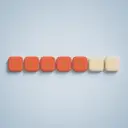 平日 heijitsu weekday
彼女は平日は毎朝働いています。 Kanojo wa heijitsu wa maiasa hataraite imasu. She works every weekday morning.
-
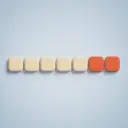 週末 shūmatsu weekend
週末が好きではない人はだれですか? shūmatsu ga suki de wa nai hito wa dare desu ka Who does not like the weekend?
-
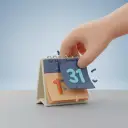 毎日 mainichi daily
私たちは毎日新聞を読みます。 Watashitachi wa mainichi shinbun o yomimasu. We read the newspaper daily .
-
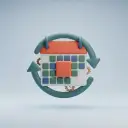 毎週 maishū weekly
私はたいてい毎週ニュースを見ます。 Watashi wa taitei maishū nyūsu o mimasu. I usually watch the news weekly.
-
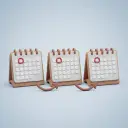 毎月 maitsuki monthly
彼らは毎月の料金を払います。 Karera wa maitsuki no ryōkin o haraimasu. They pay the monthly price.
-
 一日 ichinichi day
私たちは一日待ちました。 watashitachi wa ichinichi machimashita We waited for one day.
-
 夜 yoru night
私たちは夜に眠ります。 watashitachi wa yoru ni nemurimasu We sleep at night.
-
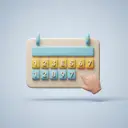 週間 shūkan week
私たちは1週間滞在しました。 watashitachi wa isshūkan taizai shimashita We stayed for one week.
-
 ヶ月 kagetsu month
彼は1ヶ月間働きました。 kare wa ikkagetsukan hatarakimashita He worked for one month.
-
 年 nen year
私たちは一年間待ちました。 watashitachi wa ichinenkan machimashita. We waited for one year.
-
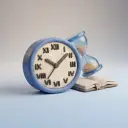 時間 jikan time
もっと時間が必要です。 motto jikan ga hitsuyō desu We need more time.
-
 少しの間 sukoshi no aida moment
彼は少しの間待った。 kare wa sukoshi no aida matta He waited for a moment.
-
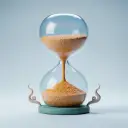 将来 shōrai future
私は将来について考えます。 watashi wa shōrai ni tsuite kangaemasu I think about the future.
Words 201–300
-
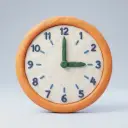 時 ji o'clock
私は7時に起きます。 Watashi wa shichi ji ni okimasu. I wake up at seven o'clock.
-
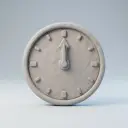 真夜中 mayonaka midnight
私たちは真夜中に出発します。 watashitachi wa mayonaka ni shuppatsu shimasu. We will leave at midnight.
-
 正午 shōgo midday
正午は太陽が熱いです。 shōgo wa taiyō ga atsui desu The sun is hot at midday.
-
 今夜 konya tonight
今夜、お客様が到着します。 konya okyakusama ga tōchaku shimasu The guests will arrive tonight.
-
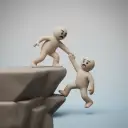 助ける tasukeru help
助けてください!困っています。 Tasukete kudasai! Komatte imasu. Help! I am in trouble.
-
 危険 kiken danger
私たちは危険な状態です。 Watashitachi wa kiken na jōtai desu. We are in danger!
-
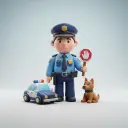 警察 keisatsu police
警察を呼んでください。 keisatsu o yonde kudasai Call the police!
-
 医者 isha doctor
医者が必要です。 isha ga hitsuyō desu I need a doctor!
-
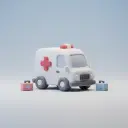 救急車 kyūkyūsha ambulance
救急車を呼んでください。 kyūkyūsha o yonde kudasai Call an ambulance!
-
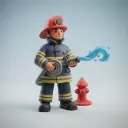 消防士 shōbōshi firefighter
消防士はヒーローです。 Shōbōshi wa hīrō desu. The firefighters are heroes.
-
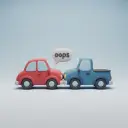 事故 jiko accident
私は事故に遭いました。 watashi wa jiko ni aimashita I had an accident.
-
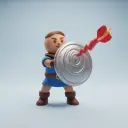 守る mamoru protect
警察は私たちを守ります。 Keisatsu wa watashitachi o mamorimasu. The police protect us.
-
 警告する keikoku suru warn
私は彼らに警告しなければなりません! Watashi wa karera ni keikoku shinakereba narimasen! I need to warn them!
-
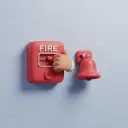 アラーム araamu alarm
アラームが鳴りました! araamu ga narimashita! The alarm went off!
-
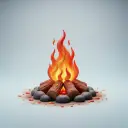 火事 kaji fire
火事です! kaji desu There is a fire!
-
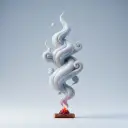 煙 kemuri smoke
建物から煙が出ています! Tatemono kara kemuri ga dete imasu! Smoke is coming out of the building!
-
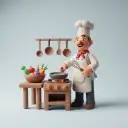 として働く toshite hataraku work as
彼らは病院の看護師として働いています。 Karera wa byōin no kangoshi toshite hataraite imasu. They work as hospital nurses.
-
 買う kau buy
ここで果物が買えます。 Koko de kudamono ga kaemasu. You can buy fruit here.
-
 払う harau pay
これのお金を払わなければなりません。 kore no okane o harawanakereba narimasen. You must pay for this.
-
 売る uru sell
ここでは新鮮な果物を売っています。 koko de wa shinsen na kudamono o utte imasu They sell fresh fruit here.
-
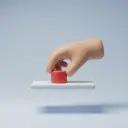 置く oku put
彼はテーブルの上に本を置きます。 Kare wa tēburu no ue ni hon o okimasu. He puts the book on table.
-
 座る suwaru sit
エマさんはその椅子に座ります。 Ema-san wa sono isu ni suwarimasu. Emma sits in that chair.
-
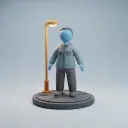 立つ tatsu stand
私はドアのそばに立ちます。 watashi wa doa no soba ni tachimasu I stand by the door.
-
 泳ぐ oyogu swim
彼らは速く泳げます。 Karera wa hayaku oyogemasu. They can swim fast.
-
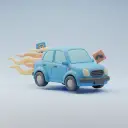 運転する unten suru drive
気をつけて運転しなければなりません。 ki o tsukete unten shinakereba narimasen. You need to drive carefully.
-
 予定する yotei suru plan
彼らは近いうちに訪ねることを予定しています。 Karera wa chikai uchi ni tazuneru koto o yotei shite imasu. They plan to visit soon.
-
 終わらせる owaraseru finish
彼は後で宿題を終わらせることができます。 kare wa ato de shukudai o owaraseru koto ga dekimasu He can finish homework later.
-
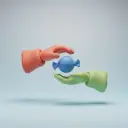 あげる ageru give
私は友達にプレゼントをあげます。 watashi wa tomodachi ni purezento o agemasu. I give presents to friends.
-
 十一 jūichi eleven
私はいつも十一個もらいます。 Watashi wa itsumo jūikko moraimasu. I always get eleven pieces.
-
 十二 jūni twelve
パックの中に卵が十二個あります。 pakku no naka ni tamago ga jūniko arimasu. There are twelve eggs in a carton.
-
 十三 jūsan thirteen
十三という数字は不吉です。 jūsan to iu sūji wa fukitsu desu. The number thirteen is unlucky.
-
 十四 jūyon fourteen
そのアパートは十四階あります。 Sono apāto wa jūyon kai arimasu. The apartment has fourteen floors.
-
 十五 jūgo fifteen
私は本の十五ページを開きます。 Watashi wa hon no jūgo pēji o hirakimasu. I open the book at page fifteen.
-
 十六 jūroku sixteen
それは十六倍も多いです。 Sore wa jūroku bai mo ooi desu. That is sixteen times more!
-
 十七 jūnana seventeen
私たちは鉛筆を十七本持っています。 Watashitachi wa enpitsu o jūnana-hon motteimasu. We have seventeen pencils.
-
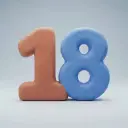 十八 jūhachi eighteen
高さは十八メートルです。 takasa wa jūhachi mētoru desu It is eighteen meters high.
-
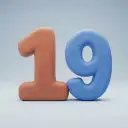 十九 jūkyū nineteen
十九は私の一番好きな数字です。 Jūkyū wa watashi no ichiban suki na sūji desu. Nineteen is my favourite number.
-
 二十 nijū twenty
彼女は小さいりんごが二十個必要です。 Kanojo wa chiisai ringo ga nijukko hitsuyō desu. She needs twenty small apples.
-
 三十 sanjū thirty
彼は三十歳です。 Kare wa sanjussai desu. He is thirty years old.
-
 百 hyaku hundred
彼は百まで数えました。 kare wa hyaku made kazoemashita He counted to one hundred.
-
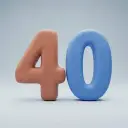 四十 yonjū forty
彼女は全部で鉛筆を四十本持っています。 kanojo wa zenbu de enpitsu o yonjū-pon motte imasu. She has forty pencils in total.
-
 五十 gojū fifty
彼は五十ドル持っています。 kare wa gojū doru motte imasu. He has fifty dollars.
-
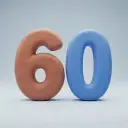 六十 rokujū sixty
ジョンさんは六十歳です。 Jon-san wa rokujussai desu. John is sixty years old.
-
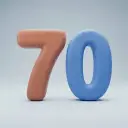 七十 nanajū seventy
私の祖父は七十歳です。 Watashi no sofu wa nanajū-sai desu. My grandpa is seventy years old.
-
 八十 hachijū eighty
私は砂糖を八十グラム持っています。 Watashi wa satō o hachijū guramu motte imasu. I have eighty grams of sugar.
-
 九十 kyūjū ninety
彼は読む本が九十冊あります。 Kare wa yomu hon ga kyūjussatsu arimasu. He has ninety books to read.
-
 千 sen thousand
千は大きな数です。 Sen wa ōkina kazu desu. A thousand is a big number.
-
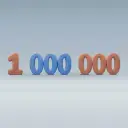 百万 hyakuman million
その車は百万ドルします。 Sono kuruma wa hyakuman doru shimasu. That car costs a million dollars.
-
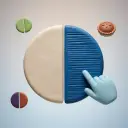 半分 hanbun half
彼はピザを半分食べました。 Kare wa piza o hanbun tabemashita. He ate half the pizza.
-
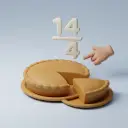 4分の1 yon bun no ichi quarter
4分の1しか残っていません。 yon bun no ichi shika nokotte imasen. There is only a quarter of them left.
-
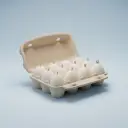 ダース daasu dozen
私はお店で卵を1ダース買います。 watashi wa omise de tamago o ichi daasu kaimasu. I buy a dozen eggs at the store.
-
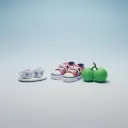 一足 issoku pair
その一足の靴はきれいです。 sono issoku no kutsu wa kirei desu. That pair of shoes is clean.
-
 1位 ichi-i first
彼は簡単に1位を取りました。 Kare wa kantan ni ichi-i o torimashita. He won first place easily.
-
 2回目 nikaime second
ここは2回目です。 Koko wa nikaime desu. This is my second time here.
-
 三位 san'i third
彼らは三位で終わりました。 karera wa san'i de owarimashita. They finished in third place.
-
 4番目 yonbanme fourth
私は列の4番目です。 watashi wa retsu no yonbanme desu. I am fourth in line.
-
 五番目 gobanme fifth
彼女は五番目の列にいます。 kanojo wa gobanme no retsu ni imasu She is in the fifth row.
-
 六番目 rokubanme sixth
彼は六番目の人です。 Kare wa rokubanme no hito desu. He is the sixth person.
-
 七番目 nanabanme seventh
彼らは七番目の階に住んでいます。 karera wa nanabanme no kai ni sunde imasu. They live on the seventh floor.
-
 八番目 hachibanme eighth
これは八番目のりんごです。 Kore wa hachibanme no ringo desu. This is the eighth apple.
-
 九番目 kyūbanme ninth
九番目の日は休みです。 Kyūbanme no hi wa yasumi desu. The ninth day is a holiday.
-
 10番目 jūbanme tenth
彼女は10番目です。 Kanojo wa jūbanme desu. She is the tenth place.
-
 11回目 jūikkaime eleventh
彼らは11回目の記念日を祝います。 karera wa jūikkaime no kinenbi o iwaimasu. They celebrate their eleventh anniversary.
-
 12番目 jūnibanme twelfth
それは12番目の月です。 sore wa jūnibanme no tsuki desu. That is the twelfth month.
-
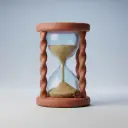 いつも itsumo always
私は朝、いつもコーヒーを飲みます。 Watashi wa asa, itsumo kōhī o nomimasu. I always drink coffee in the morning.
-
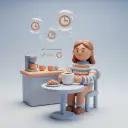 たいてい taitei usually
彼はたいてい正午に昼ご飯を食べます。 Kare wa taitei shōgo ni hirugohan o tabemasu. He usually eats lunch at noon.
-
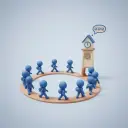 よく yoku often
人々はよくここでピザを食べます。 hitobito wa yoku koko de piza o tabemasu. People often eat pizza here.
-
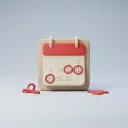 時々 tokidoki sometimes
彼女は時々図書館に行きます。 Kanojo wa tokidoki toshokan ni ikimasu. She sometimes goes to the library.
-
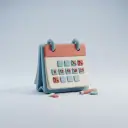 めったに metta ni rarely
私はめったにファストフードを食べません。 watashi wa metta ni fasuto fuudo o tabemasen. I rarely eat fast food.
-
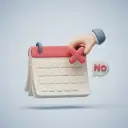 全然 zenzen never
彼らはあの店に全然行きません。 karera wa ano mise ni zenzen ikimasen They never go to that store.
-
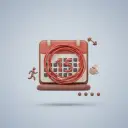 毎日 mainichi every day
わたしたちは毎日チョコレートを食べます。 watashitachi wa mainichi chokoreeto o tabemasu. We eat chocolate every day.
-
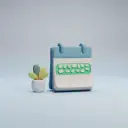 毎週 maishū every week
彼女は毎週泳ぎます。 kanojo wa maishū oyogimasu. She swims every week.
-
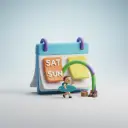 週末 shūmatsu on weekends
私は週末に家でゆっくりします。 Watashi wa shūmatsu ni ie de yukkuri shimasu. I relax on weekends at home.
-
 朝 asa in the morning
人々は朝に朝食を食べます。 hitobito wa asa ni chōshoku o tabemasu. People eat breakfast in the morning.
-
 夜 yoru at night
彼らは夜にベッドで寝ます。 Karera wa yoru ni beddo de nemasu. They sleep at night in their beds.
-
 仕事の後 shigoto no ato after work
彼は毎日仕事の後にリラックスします。 Kare wa mainichi shigoto no ato ni rirakkusu shimasu. He relaxes after work every day.
-
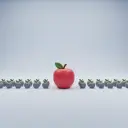 〜に一回 ni ikkai once a
私は週に一回行きます。 watashi wa shū ni ikkai ikimasu. I go once a week.
-
 に2回 ni ni kai twice a
父は週に2回、来ます。 Chichi wa shū ni ni kai, kimasu. My dad visits twice a week.
-
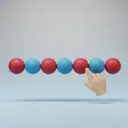 ~おき oki every other
彼らは一週間おきに来ます。 Karera wa isshūkan oki ni kimasu. They visit every other week.
-
 少なくとも sukunakutomo at least
彼は毎日少なくとも一個はりんごを食べます。 kare wa mainichi sukunakutomo ikko wa ringo o tabemasu. He eats at least one apple daily.
-
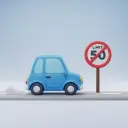 せいぜい seizei at most
私はせいぜい二つ買います。 Watashi wa seizei futatsu kaimasu. I will buy two at most.
-
 以上 ijō more than
これは十分以上の食べ物です。 kore wa jūbun ijō no tabemono desu This is more than enough food.
-
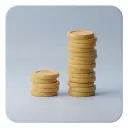 〜より少ない yori sukunai less than
前回より少なかったです。 zenkai yori sukunakatta desu You got less than last time.
-
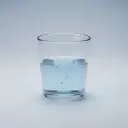 少し sukoshi a little
彼は少し助けが必要です。 Kare wa sukoshi tasuke ga hitsuyou desu. He needs a little help.
-
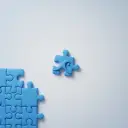 少し sukoshi a bit
彼女はケーキを少し食べました。 kanojo wa kēki o sukoshi tabemashita. She ate a bit of cake.
-
 たくさん takusan a lot
私はたくさん勉強します。 watashi wa takusan benkyō shimasu. I study a lot.
-
 過ぎる sugiru too much
彼らはケーキを食べ過ぎました。 Karera wa keeki o tabesugimashita. They ate too much cake.
-
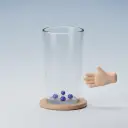 足りない tari nai not enough
この量は足りません。 kono ryou wa tari masen This amount is not enough.
-
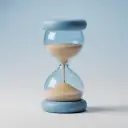 前 mae ago
二日前に到着しました。 futsuka mae ni tōchaku shimashita. I arrived two days ago.
-
 もうすぐ mōsugu soon
友達はもうすぐ着きます。 tomodachi wa mōsugu tsukimasu. My friend will arrive soon.
-
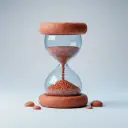 まだ mada still
私はまだお腹が空いています。 watashi wa mada onaka ga suite imasu I am still hungry.
-
 これまでに kore made ni ever
これまでに海を見たことがありますか? kore made ni umi o mita koto ga arimasu ka? Have you ever seen the ocean?
-
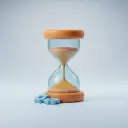 まだ mada yet
友達はまだ到着していません。 tomodachi wa mada tōchaku shite imasen My friend has not arrived yet.
-
 すぐに sugu ni immediately
すぐに助けが必要です。 sugu ni tasuke ga hitsuyō desu. I need help immediately.
-
 たぶん tabun maybe
たぶん彼女は後で来るでしょう。 tabun kanojo wa ato de kuru deshou Maybe she will come later.
-
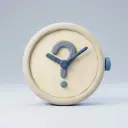 いつか itsuka sometime
いつか会いましょう。 Itsuka aimashō. We will meet sometime.
-
 いつでも itsu demo anytime
いつでも遊びに来てください。 itsu demo asobi ni kite kudasai. You can visit us anytime.
-
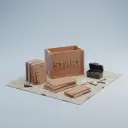 前に mae ni before
嵐が来る前に出発しました。 arashi ga kuru mae ni shuppatsu shimashita We left before the storm.
-
 後 ato after
食事の後に、出発します。 shokuji no ato ni, shuppatsu shimasu. We will leave after the meal.
-
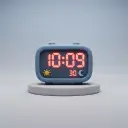 近頃 chikagoro nowadays
近頃は旅行をする人が増えています。 chikagoro wa ryokō o suru hito ga fuete imasu People travel more nowadays.
Words 301–400
-
 一月 ichigatsu January
一月は最初の月です。 Ichigatsu wa saisho no tsuki desu. January is the first month.
-
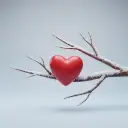 二月 nigatsu February
二月はたいてい短い月です。 Nigatsu wa taitei mijikai tsuki desu. February is usually a short month.
-
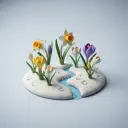 三月 sangatsu March
私はたいてい三月に彼らを訪ねます。 Watashi wa taitei sangatsu ni karera o tazunemasu. I usually visit them in March.
-
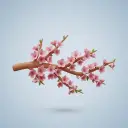 四月 shigatsu April
バスケットボールの試合は四月にあります。 Basukettobōru no shiai wa shigatsu ni arimasu. The basketball game is in April.
-
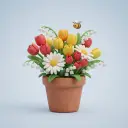 5月 gogatsu May
私の期末試験は5月にあります。 watashi no kimatsu shiken wa gogatsu ni arimasu. My final exam is in May.
-
 六月 rokugatsu June
私は六月までに答えが分かります。 watashi wa rokugatsu made ni kotae ga wakarimasu. I will know the answer by June.
-
 七月 shichigatsu July
七月はたいていとても暖かい月です。 Shichigatsu wa taitei totemo atatakai tsuki desu. July is usually a very warm month.
-
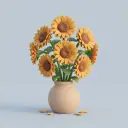 8月 hachigatsu August
8月にまた会えますか? hachigatsu ni mata aemasu ka? Can we meet again in August?
-
 九月 kugatsu September
私の休みは九月です。 watashi no yasumi wa kugatsu desu. My vacation is in September.
-
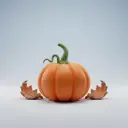 10月 jūgatsu October
あなたの誕生日は10月ですか? Anata no tanjōbi wa jūgatsu desu ka? Is your birthday in October?
-
 十一月 jūichigatsu November
十一月はどうして雨が降るのですか? jūichigatsu wa dōshite ame ga furu no desu ka? Why does it rain in November?
-
 十二月 jūnigatsu December
十二月は最後の月です。 Jūnigatsu wa saigo no tsuki desu. December is the last month.
-
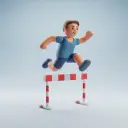 越える koeru over
猫は箱を越えてジャンプします。 neko wa hako o koete janpu shimasu The cat jumps over the box.
-
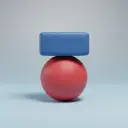 下 shita under
彼らは大きな木の下に住んでいます。 Karera wa ōkina ki no shita ni sunde imasu. They live under a big tree.
-
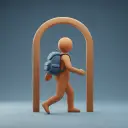 通る tōru through
彼はドアを通って歩きます。 Kare wa doa o tōtte arukimasu. He walks through the door.
-
 沿って sotte along
私たちは海岸に沿って歩きます。 Watashitachi wa kaigan ni sotte arukimasu. We walk along the beach.
-
 周り mawari around
人々は公園の周りを歩きます。 hitobito wa kōen no mawari o arukimasu People walk around the park.
-
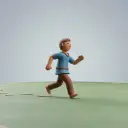 渡る wataru across
私は通りを渡って行きます。 Watashi wa tōri o watatte ikimasu. I go across the street.
-
 〜の中へ no naka e into
彼はゆっくりと部屋の中へ歩きます。 Kare wa yukkuri to heya no naka e arukimasu. He walks slowly into the room.
-
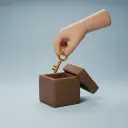 〜の外へ no soto e out of
子供は学校の外へ走っていきます。 kodomo wa gakkō no soto e hashitte ikimasu. The kid runs out of the school.
-
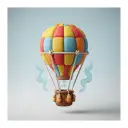 上 ue up
彼女は上を向いて雲を見ています。 kanojo wa ue o muite kumo o mite imasu. She looks up at the clouds.
-
 下 shita down
犬がボールを下に置きました。 inu ga bōru o shita ni okimashita The dog put the ball down.
-
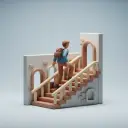 二階 nikai upstairs
私は二階へ寝に行きます。 Watashi wa nikai e ne ni ikimasu. I go upstairs to bed.
-
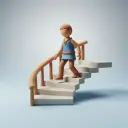 階下 kaika downstairs
階下で音が聞こえます。 Kaika de oto ga kikoemasu. I hear noises downstairs.
-
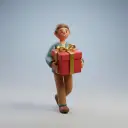 持ってくる motte kuru bring
彼らはパーティーに食べ物を持ってきます。 karera wa pātī ni tabemono o motte kimasu They bring food to the party.
-
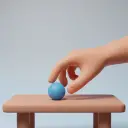 持っていく motte iku take
あなたはいつも私のペンを持っていきます。 anata wa itsumo watashi no pen o motte ikimasu You always take my pen.
-
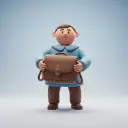 運ぶ hakobu carry
彼はその箱を運べます。 Kare wa sono hako o hakobemasu. He can carry the box.
-
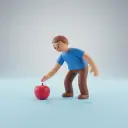 受け取る uketoru pick up
荷物を受け取ってくれますか? nimotsu o uketotte kuremasu ka Can you pick up the package?
-
 落とす otosu drop
私がスマホを落としたら、壊れます。 watashi ga sumaho o otoshitara kowaremasu If I drop the phone, it will break.
-
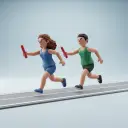 取る toru pass
塩を取ってもらえますか? Shio o totte moraemasu ka? Can you pass me the salt?
-
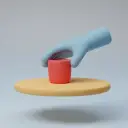 置く oku put down
私たちはリュックを置きました。 watashitachi wa ryukku o okimashita. We put down our backpacks.
-
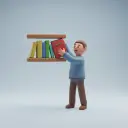 片付ける katadzukeru put away
私はおもちゃを片付けます。 watashi wa omocha o katadzukemasu I put away my toys.
-
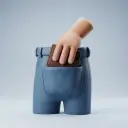 出す dasu take out
彼女はゴミを出します。 Kanojo wa gomi o dashimasu. She will take out the trash.
-
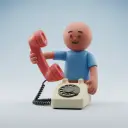 掛ける kakeru hang up
彼らはコートを掛けます。 Karera wa kōto o kakemasu. They hang up their coats.
-
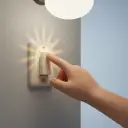 つける tsukeru turn on
電気をつけます。 Denki o tsukemasu. You turn on the light.
-
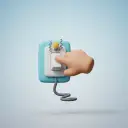 消す kesu turn off
誰かラジオを消してくれますか? Dareka rajio o keshite kuremasu ka? Can someone turn off the radio?
-
 跳ぶ tobu jump
猫が壁を跳び越えます。 neko ga kabe o tobikoemasu The cat jumps over the wall.
-
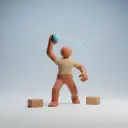 投げる nageru throw
男の子が石を投げます。 Otokonoko ga ishi o nagemasu. The boy throws the stone.
-
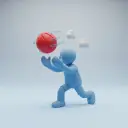 捕る toru catch
彼はボールを捕ります。 kare wa bōru o torimasu He catches the ball.
-
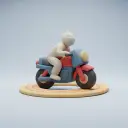 乗る noru ride
男の子が馬に乗っています。 otokonoko ga uma ni notte imasu. The boy rides a horse.
-
 飛ぶ tobu fly
鳥が空を飛んでいます。 tori ga sora o tonde imasu The birds fly in the sky.
-
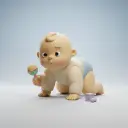 這う hau crawl
赤ちゃんが床を這っています。 akachan ga yuka o hatte imasu The baby crawls on the floor.
-
 飛ばす tobasu skip
彼女は最初のページを飛ばした。 kanojo wa saisho no pēji o tobashita. She skipped the first page.
-
 蹴る keru kick
子供がボールを蹴っています。 Kodomo ga bōru o kette imasu. The child kicks the ball.
-
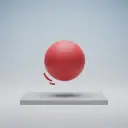 弾む hazumu bounce
ボールが地面で弾みます。 bōru ga jimen de hazumimasu. The ball bounces on the ground.
-
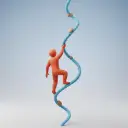 登る noboru climb
猫が木に登ります。 neko ga ki ni noborimasu. The cat climbs the tree.
-
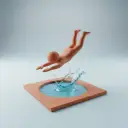 飛び込む tobikomu dive
男の子が水の中に飛び込みます。 Otokonoko ga mizu no naka ni tobikomimasu. The boy dives into the water.
-
 滑る suberu slide
箱が床の上を滑ります。 Hako ga yuka no ue o suberimasu. The box slides on the floor.
-
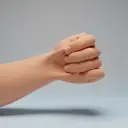 つねる tsuneru pinch
彼は私の腕をつねりました。 kare wa watashi no ude o tsunerimashita He pinched my arm.
-
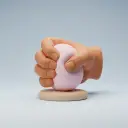 握る nigiru squeeze
彼女は私の手をぎゅっと握りしめた。 kanojo wa watashi no te o gyutto nigirishimeta She squeezes my hand.
-
 突く tsuku poke
子供が私の腕を指で突きました。 Kodomo ga watashi no ude o yubi de tsukimashita. The child poked my arm.
-
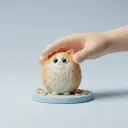 なでる naderu stroke
男の子が犬をなでています。 Otokonoko ga inu o nadete imasu. The boy strokes the dog.
-
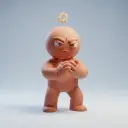 擦る kosuru rub
疲れた目を擦ります。 tsukareta me o kosurimasu I rub my tired eyes.
-
 捻る hineru twist
その男はロープを捻っています。 sono otoko wa rōpu o hinette imasu The man twists the rope.
-
 振る furu shake
赤ちゃんがおもちゃを振っています。 Akachan ga omocha o futte imasu. The baby shakes the toy.
-
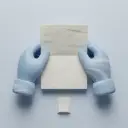 折る oru fold
私は紙を折ります。 watashi wa kami o orimasu I fold the paper.
-
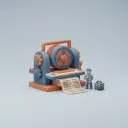 押す osu press
彼女は赤いボタンを押します。 kanojo wa akai botan o oshimasu. She presses the red button.
-
 取り付ける toritsukeru attach
彼はロープを取り付けます。 kare wa rōpu o toritsukemasu. He will attach the rope.
-
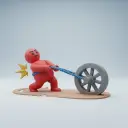 引く hiku pull
その男性は重いロープを引いています。 Sono dansei wa omoi rōpu o hiite imasu. The man pulls the heavy rope.
-
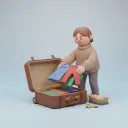 荷造りする nizukuri suru pack
私はカバンに荷造りします。 watashi wa kaban ni nizukuri shimasu I pack my bag.
-
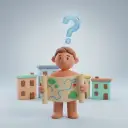 はどこですか wa doko desu ka Where is the ...?
ホテルはどこですか? hoteru wa doko desu ka? Where is the hotel?
-
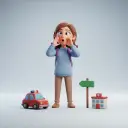 近くに〜はありますか chikaku ni ~ wa arimasu ka Is there a ... nearby?
近くに銀行はありますか? chikaku ni ginkō wa arimasu ka Is there a bank nearby?
-
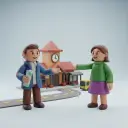 どうやって行きますか dou yatte ikimasu ka How do I get to ...?
学校までどうやって行きますか? gakkou made dou yatte ikimasu ka How do I get to school?
-
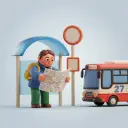 ...に行くバスはどれですか ... ni iku basu wa dore desu ka Which bus goes to ...?
街に行くバスはどれですか? machi ni iku basu wa dore desu ka Which bus goes to town?
-
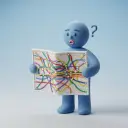 どの線が〜に行きますか dono sen ga ~ ni ikimasu ka Which line goes to ...?
どの線が博物館に行きますか? dono sen ga hakubutsukan ni ikimasu ka Which line goes to the museum?
-
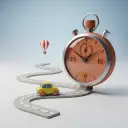 どのくらいかかりますか dono kurai kakarimasu ka How long does it take?
どのくらいかかるでしょうか。 dono kurai kakaru deshou ka I wonder how long does it take.
-
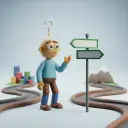 どのくらい遠いですか dono kurai tōi desu ka How far is it?
どのくらい遠いですか? dono kurai tōi desu ka? How far is it?
-
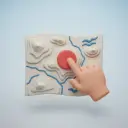 地図で見せてもらえますか? chizu de misete morae masu ka? Can you show me on the map?
地図で見せてもらえますか? chizu de misete morae masu ka? Can you show me on the map?
-
 探す sagasu I'm looking for
彼らはトイレを探しています。 Karera wa toire o sagashite imasu. They are looking for a restroom.
-
 一番近い ichiban chikai The nearest
一番近い店はあそこにあります。 ichiban chikai mise wa asoko ni arimasu. The nearest store is down there.
-
 行く iku Does this go to ...?
これはレストランに行きますか? kore wa resutoran ni ikimasu ka Does this go to the restaurant?
-
 どの駅で降りる dono eki de oriru Which stop for ...?
繁華街へは、どの駅で降りますか? hankagai e wa dono eki de orimasu ka Which stop for downtown?
-
 駅 eki station
彼らは駅で待っています。 karera wa eki de matte imasu They wait at the train station.
-
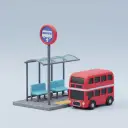 バス停 basutei bus stop
バス停は近くにあります。 basutei wa chikaku ni arimasu. The bus stop is nearby.
-
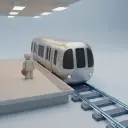 地下鉄の駅 chikatetsu no eki subway station
この地下鉄の駅はとても混んでいます。 Kono chikatetsu no eki wa totemo konde imasu. This subway station is very crowded.
-
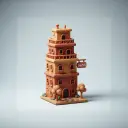 ホテル hoteru hotel
オンラインでホテルを予約できます。 onrain de hoteru o yoyaku dekimasu You can book a hotel online.
-
 薬局 yakkyoku pharmacy
マークさんは薬局で働いています。 Māku-san wa yakkyoku de hataraite imasu. Mark works at the pharmacy.
-
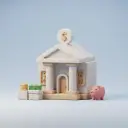 銀行 ginkō bank
彼は銀行に行きます。 Kare wa ginkō ni ikimasu. He goes to the bank.
-
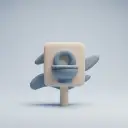 お手洗い o-te-arai restroom
これはきれいなお手洗いです。 Kore wa kirei na o-te-arai desu. This is a clean restroom.
-
 スーパー sūpā supermarket
スーパーで食べ物を買います。 sūpā de tabemono o kaimasu. We buy food at the supermarket.
-
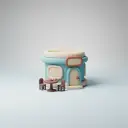 レストラン resutoran restaurant
彼らはあのレストランがとても好きです。 karera wa ano resutoran ga totemo suki desu. They like that restaurant a lot.
-
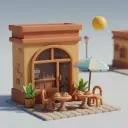 カフェ kafe café
ジェーンさんはカフェで働いています。 Jēn-san wa kafe de hataraite imasu. Jane works at the café.
-
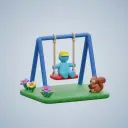 公園 kōen park
彼女は緑の公園が好きです。 kanojo wa midori no kōen ga suki desu. She likes the green park.
-
 病院 byōin hospital
病院は病気の人を助けます。 byōin wa byōki no hito o tasukemasu. A hospital helps sick people.
-
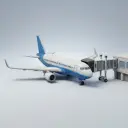 空港 kūkō airport
私たちは空港に到着しました。 watashitachi wa kūkō ni tōchaku shimashita We arrived at the airport.
-
 スタジアム sutajiamu stadium
私たちはスタジアムに行きました。 watashitachi wa sutajiamu ni ikimashita We went to the stadium.
-
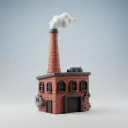 工場 kōjō factory
この工場では服を作っています。 kono kōjō de wa fuku o tsukutte imasu This factory makes clothes.
-
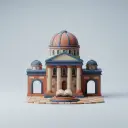 大学 daigaku university
彼女は大学で勉強しています。 kanojo wa daigaku de benkyō shite imasu She studies at the university.
-
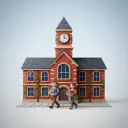 大学 daigaku college
彼女は大学で勉強しています。 kanojo wa daigaku de benkyō shite imasu She studies at the college.
-
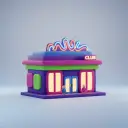 部 bu club
私たちは運動部に入りました。 watashitachi wa undōbu ni hairimashita We joined the sports club.
-
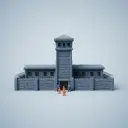 刑務所 keimusho prison
犯人は刑務所から脱走した。 hannin wa keimusho kara dassō shita The criminal escaped from prison.
-
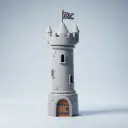 塔 tō tower
高い塔が見えます。 takai tō ga miemasu. I see the tall tower.
-
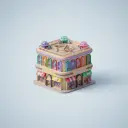 ショッピングモール shoppingu mōru mall
ショッピングモールで靴を買いました。 shoppingu mōru de kutsu o kaimashita. I bought shoes at the mall.
-
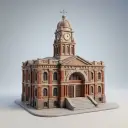 市役所 shiyakusho town hall
私たちは市役所で待ち合わせました。 watashitachi wa shiyakusho de machiawasemashita We met at the town hall.
-
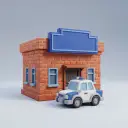 警察署 keisatsusho police station
警察署が見えます。 keisatsusho ga miemasu I see the police station.
-
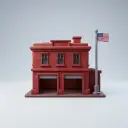 消防署 shōbōsho fire station
私は消防署の近くに住んでいます。 watashi wa shōbōsho no chikaku ni sunde imasu I live near the fire station.
-
 左に曲がる hidari ni magaru Turn left.
ここを左に曲がってください。 koko o hidari ni magatte kudasai Turn left here.
-
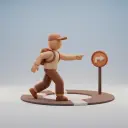 右に曲がる migi ni magaru Turn right.
交差点を右に曲がってください。 kōsaten o migi ni magatte kudasai Turn right at the intersection.
-
 まっすぐ行く massugu iku Go straight ahead.
学校までまっすぐ行きます。 gakkō made massugu ikimasu Go straight ahead to school.
-
 近い chikai It's near.
近いです。 Chikai desu. It's near.
Words 401–500
-
 遠い tōi It's far.
遠いです。 tōi desu It's far.
-
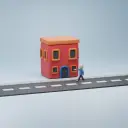 道の向かい側 michi no mukai gawa Across the street.
彼は道の向かい側に住んでいます。 Kare wa michi no mukai gawa ni sunde imasu. He lives across the street.
-
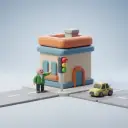 角で kaku de At the corner.
彼女は角で待っています。 Kanojo wa kaku de matte imasu. She is waiting at the corner.
-
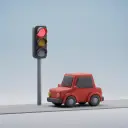 信号で shingō de At the traffic light.
信号で止まりました。 shingō de tomarimashita. We stopped at the traffic light.
-
 交差点に kousaten ni At the intersection.
バーは交差点にあります。 baa wa kousaten ni arimasu The bar is at the intersection.
-
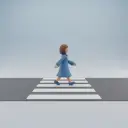 横断歩道 ōdan hodō Crosswalk.
あの横断歩道はとても安全です。 ano ōdan hodō wa totemo anzen desu. That crosswalk is very safe.
-
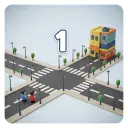 1ブロック先 ichi burokku saki One block away.
美術館は1ブロック先にあります。 Bijutsukan wa ichi burokku saki ni arimasu. The museum is one block away.
-
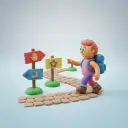 標識に従う hyōshiki ni shitagau Follow the signs.
安全な場所まで、標識に従ってください。 anzen na basho made hyōshiki ni shitagatte kudasai Follow the signs to safety.
-
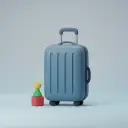 スーツケース sūtsukēsu suitcase
もうスーツケースの荷造りはしましたか? Mō sūtsukēsu no nizukuri wa shimashita ka? Did you pack your suitcase already?
-
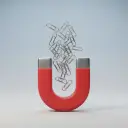 磁石 jishaku magnet
小さい磁石はプレゼントです。 Chiisai jishaku wa purezento desu. The small magnet is a present.
-
 ヘアブラシ hea burashi hairbrush
彼女は自分のヘアブラシを見つけられません。 kanojo wa jibun no hea burashi o mitsukeraremasen She can’t find her hairbrush.
-
 枕 makura pillow
この枕は柔らかくて温かいです。 kono makura wa yawarakakute atakai desu This pillow is soft and warm.
-
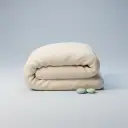 毛布 mōfu blanket
寒かったら、毛布を持って行ってください。 samukattara, mōfu o motte itte kudasai. Take a blanket if you are cold.
-
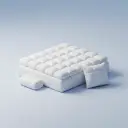 マットレス mattorēsu mattress
私たちの新しいマットレスは、本当に快適です。 Watashitachi no atarashii mattorēsu wa hontō ni kaiteki desu. Our new mattress is really comfortable.
-
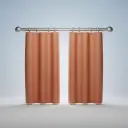 カーテン kaaten curtain
暗いので、カーテンを開けてください。 kurai node, kaaten o akete kudasai. Please open the curtain, it's dark.
-
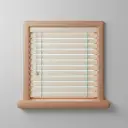 ブラインド buraindo blinds
私はたいてい夜にブラインドを閉めます。 watashi wa taitei yoru ni buraindo o shimemasu. I usually close the blinds at night.
-
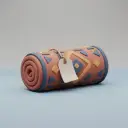 カーペット kāpetto carpet
カーペットの下にほこりがあります。 kāpetto no shita ni hokori ga arimasu. There is dust under the carpet.
-
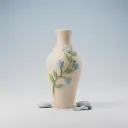 花瓶 kabin vase
この花瓶は高そうです。 Kono kabin wa takasō desu. This vase looks expensive.
-
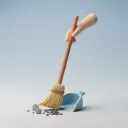 ほうき hōki broom
このアパートにほうきはありますか? Kono apāto ni hōki wa arimasu ka Does this apartment have a broom?
-
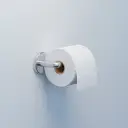 トイレットペーパー toiretto pēpā toilet paper
あ、トイレットペーパーがなくなりました。 a toiretto pēpā ga nakunarimashita Oh no, the toilet paper’s gone!
-
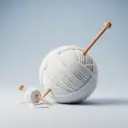 羊毛 yōmō wool
その羊は厚い羊毛に覆われています。 Sono hitsuji wa atsui yōmō ni oowarete imasu. The sheep has thick wool.
-
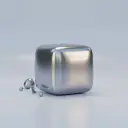 金属 kinzoku metal
木材と金属が必要です。 Mokuzai to kinzoku ga hitsuyō desu. We need wood and metal.
-
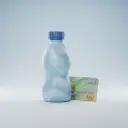 プラスチックの purasuchikku no plastic
彼女はプラスチックのボウルを洗います。 kanojo wa purasuchikku no bouru o araimasu She washes the plastic bowl.
-
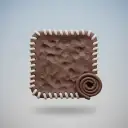 革 kawa leather
新しい革のバッグを買いました。 atarashii kawa no baggu o kaimashita. I bought a new leather bag.
-
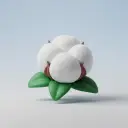 綿 wata cotton
その農家は綿を育てています。 Sono nōka wa wata o sodatete imasu. The farmer grows cotton.
-
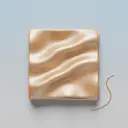 絹 kinu silk
この絹はとても柔らかいです。 kono kinu wa totemo yawarakai desu This silk is very soft.
-
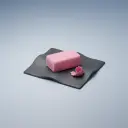 ゴム gomu rubber
そのボールはゴムでできています。 Sono bōru wa gomu de dekite imasu. The ball is made of rubber.
-
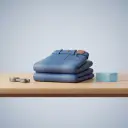 デニム denimu denim
彼は厚手のデニム生地を買った。 kare wa atsude no denimu kiji o katta. He bought thick denim fabric.
-
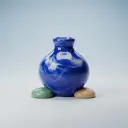 陶器の tōki no ceramic
彼女は陶器のボウルを洗いました。 kanojo wa tōki no bōru o araimashita She washed the ceramic bowl.
-
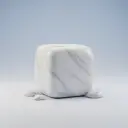 大理石 dairiseki marble
彼らはその白い大理石を切り出した。 karera wa sono shiroi dairiseki o kiridashita. They cut the white marble.
-
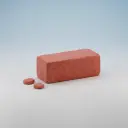 煉瓦 renga brick
彼は赤い煉瓦を持っています。 kare wa akai renga o motte imasu He holds a red brick.
-
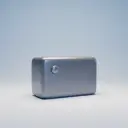 鋼鉄 kōtetsu steel
彼らは鋼鉄で道具を作っています。 Karera wa kōtetsu de dōgu o tsukutte imasu. They make the tools from steel.
-
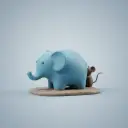 後ろ ushiro behind
あの建物の後ろにあります。 ano tatemono no ushiro ni arimasu It is behind that building.
-
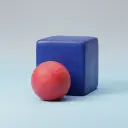 前 mae in front of
彼女は私の前にいます。 kanojo wa watashi no mae ni imasu. She is in front of me.
-
 間 aida between
公園は二つの家の間にあります。 Kōen wa futatsu no ie no aida ni arimasu. The park is between two houses.
-
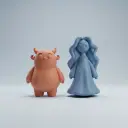 隣 tonari next to
あの店は私の家の隣です。 Ano mise wa watashi no ie no tonari desu. That store is next to my house.
-
 反対 hantai opposite
私たちは反対の方向に行きます。 Watashitachi wa hantai no hōkō ni ikimasu. We go the opposite direction.
-
 向かい mukai across from
私たちは店の向かいに住んでいます。 Watashitachi wa mise no mukai ni sunde imasu. We live across from the store.
-
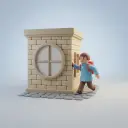 角を曲がったところ kaku o magatta tokoro around the corner
彼女は今、角を曲がったところに住んでいます。 kanojo wa ima kaku o magatta tokoro ni sunde imasu. She lives around the corner now.
-
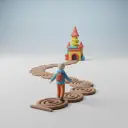 の方へ no hō e towards
子供たちは大きな木の方へ歩きます。 Kodomo tachi wa ōkina ki no hō e arukimasu. The kids walk towards the big tree.
-
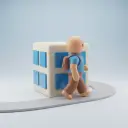 過ぎる sugiru past
橋を過ぎる必要があります。 Hashi o sugiru hitsuyou ga arimasu. You need to go past the bridge.
-
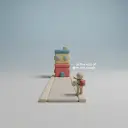 通りの突き当たり tōri no tsukiatari at the end of the street
私は通りの突き当たりに住んでいます。 watashi wa tōri no tsukiatari ni sunde imasu. I live at the end of the street.
-
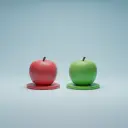 左側 hidarigawa on the left
彼女は左側に車を止めます。 Kanojo wa hidarigawa ni kuruma o tomemasu. She parks on the left side.
-
 右側 migigawa on the right
右側にあります。 migigawa ni arimasu. They are on the right.
-
 上 ue above
太陽が山の上に出ています。 taiyō ga yama no ue ni dete imasu The sun is above the mountain.
-
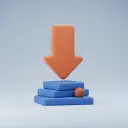 下 shita below
村は山の下にあります。 Mura wa yama no shita ni arimasu. The village is below the mountain.
-
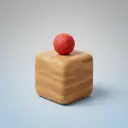 一番上 ichiban ue on top
箱は一番上にあります。 hako wa ichiban ue ni arimasu. The box is on top.
-
 近く chikaku near
私は川の近くに住んでいます。 Watashi wa kawa no chikaku ni sunde imasu. I live near the river.
-
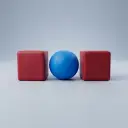 真ん中 mannaka in the middle
彼は真ん中に立っています。 kare wa mannaka ni tatte imasu He stands in the middle.
-
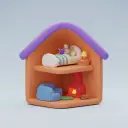 中 naka inside
犬は家の中にいます。 Inu wa ie no naka ni imasu. The dog is inside the house.
-
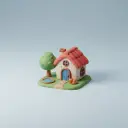 場所 basho place
私たちは安全な場所を見つけました。 watashitachi wa anzen na basho o mitsukemashita We found a safe place.
-
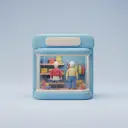 店 mise store
私たちはその店で食べ物を買います。 watashitachi wa sono mise de tabemono o kaimasu We buy food at the store.
-
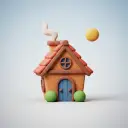 家 ie house
その家族はあの家に住んでいます。 Sono kazoku wa ano ie ni sunde imasu. The family lives in that house.
-
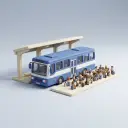 バスターミナル basu tāminaru bus station
私はバスターミナルで待っています。 Watashi wa basu tāminaru de matte imasu. I wait at the bus station.
-
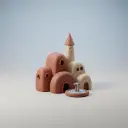 都心 toshin city center
私は都心の近くに住んでいます。 watashi wa toshin no chikaku ni sunde imasu I live near the city center.
-
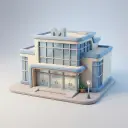 ショッピングモール shoppingu mōru shopping mall
そのショッピングモールはとても大きいです。 Sono shoppingu mōru wa totemo ōkii desu. The shopping mall is very big.
-
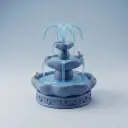 噴水 funsui fountain
あの噴水は水がとてもきれいです。 ano funsui wa mizu ga totemo kirei desu. That fountain has very clear water.
-
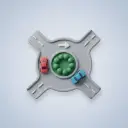 ロータリー rōtarī roundabout
このロータリーは交通に役立ちます。 Kono rōtarī wa kōtsū ni yakudachimasu. This roundabout helps the traffic.
-
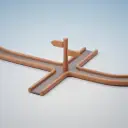 交差点 kousaten crossroads
私たちは交差点で止まりました。 watashitachi wa kousaten de tomarimashita We stopped at the crossroads.
-
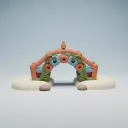 橋 hashi bridge
人々は橋を渡ります。 Hitobito wa hashi o watarimasu. People walk across the bridge.
-
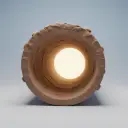 トンネル tonneru tunnel
車がトンネルを通ります。 kuruma ga tonneru o toorimasu. The car drives through a tunnel.
-
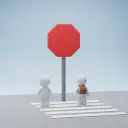 一時停止の標識 ichiji teishi no hyōshiki stop sign
一時停止の標識を守る必要があります。 ichiji teishi no hyōshiki o mamoru hitsuyō ga arimasu. You need to respect the stop sign.
-
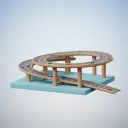 歩道橋 hodōkyō overpass
家の近くに歩道橋を造りました。 ie no chikaku ni hodōkyō o tsukurimashita. They built an overpass near home.
-
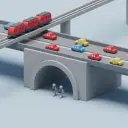 地下道 chika dō underpass
私たちは地下道を歩いて通ります。 watashitachi wa chika dō o aruite tōrimasu We will walk through the underpass.
-
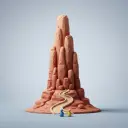 目印 mejirushi landmark
その目印は川の近くにあります。 Sono mejirushi wa kawa no chikaku ni arimasu. The landmark is near the river.
-
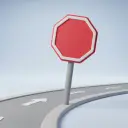 標識 hyōshiki traffic sign
この標識は止まれという意味です。 Kono hyōshiki wa tomare to iu imi desu. This traffic sign means stop.
-
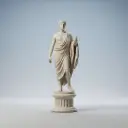 像 zō statue
彼は美しい像を見ました。 kare wa utsukushii zō o mimashita. He saw the beautiful statue.
-
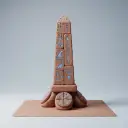 記念碑 kinenhi monument
彼らは高い記念碑を訪れました。 Karera wa takai kinenhi o otozuremashita. They visited the tall monument.
-
 北 kita north
この町の北はおもしろいです。 kono machi no kita wa omoshiroi desu The north of this city is interesting.
-
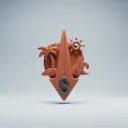 南 minami south
風は南から吹いています。 Kaze wa minami kara fuite imasu. The wind comes from the south.
-
 東 higashi east
風は東から吹いています。 Kaze wa higashi kara fuite imasu. The wind comes from the east.
-
 西 nishi west
太陽は西に沈みます。 Taiyou wa nishi ni shizumimasu. The sun sets in the west.
-
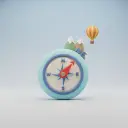 北東 hokutō northeast
ベンさんは北東の地域に住んでいます。 Ben-san wa hokutō no chiiki ni sunde imasu. Ben lives in the northeast area.
-
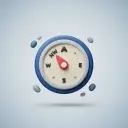 北西 hokusei northwest
その州は北西にあります。 sono shū wa hokusei ni arimasu. That state is in the northwest.
-
 南東 nantō southeast
彼は南東の地域に住んでいます。 Kare wa nantō no chiiki ni sunde imasu. He lives in the southeast region.
-
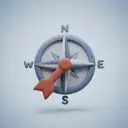 南西 nansei southwest
彼らは南西へ運転しました。 karera wa nansei e unten shimashita. They drove to the southwest.
-
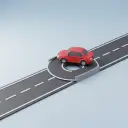 Uターン U-tān U-turn
これはUターンです。 Kore wa U-tān desu. This is a U-turn.
-
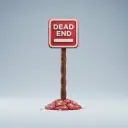 突き当たり tsukiatari dead end
あの道は突き当たりです。 Ano michi wa tsukiatari desu. That street is a dead end.
-
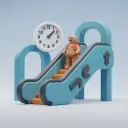 エスカレーター esukarētā escalator
エスカレーターで最上階まで行けます。 esukarētā de saijōkai made ikemasu. The escalator takes you to the top floor.
-
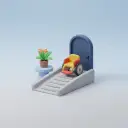 スロープ suroopu ramp
車椅子にはスロープが必要です。 Kurumaisu ni wa suroopu ga hitsuyō desu. Wheelchairs require ramps.
-
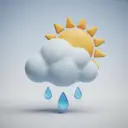 天気 tenki weather
今日はいい天気ですね。 Kyō wa ii tenki desu ne. This is nice weather today.
-
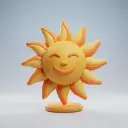 晴れ hare sunny
彼は晴れの日が好きです。 Kare wa hare no hi ga suki desu. He likes a sunny day.
-
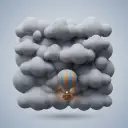 曇り kumori cloudy
午後は曇りになると予想されています。 gogo wa kumori ni naru to yosō sarete imasu. They expect a cloudy afternoon.
-
 雨 ame rainy
雨の日は心地よいです。 Ame no hi wa kokochiyoi desu. A rainy day can be cozy.
-
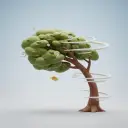 風が強い kaze ga tsuyoi windy
外は風が強いです。 soto wa kaze ga tsuyoi desu It is windy outside.
-
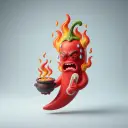 熱い atsui hot
このお茶はとても熱いです。 kono ocha wa totemo atsui desu This tea is very hot.
-
 寒い samui cold
冬は寒い風が吹きます。 Fuyu wa samui kaze ga fukimasu. The cold wind blows in winter.
-
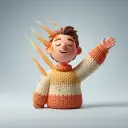 暖かい attakai warm
今日はビーチが暖かかったです。 Kyō wa bīchi ga attakakatta desu. It was warm at the beach today.
-
 春 haru spring
花は春が大好きです。 hana wa haru ga daisuki desu The flowers love the spring.
-
 夏 natsu summer
夏はとても暑い季節です。 Natsu wa totemo atsui kisetsu desu. Summer is a very hot season.
-
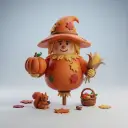 秋 aki autumn
秋は私の一番好きな季節です。 aki wa watashi no ichiban suki na kisetsu desu. Autumn is my favorite season.
-
 冬 fuyu winter
ここは冬はとても寒いです。 Koko wa fuyu wa totemo samui desu. Winter can be very cold here.
-
 太陽 taiyō sun
太陽が空に輝いています。 taiyō ga sora ni kagayaite imasu. The sun shines in the sky.
-
 月 tsuki Moon
明るい月が見えます。 akarui tsuki ga miemasu. I see the bright moon.
-
 星 hoshi star
明るい星が見えます。 akarui hoshi ga miemasu. I see a bright star.
-
 空 sora sky
鳥が空を飛んでいます。 tori ga sora o tonde imasu Birds fly in the sky.
-
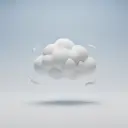 雲 kumo cloud
黒い雲が太陽を隠している。 kuroi kumo ga taiyō o kakushite iru A dark cloud hides the sun.
-
 雨 ame rain
空から雨が降っています。 sora kara ame ga futte imasu The rain falls from the sky.
-
 風 kaze wind
冷たい風を感じます。 tsumetai kaze o kanjimasu. We feel the cold wind.
-
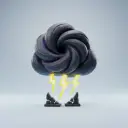 嵐 arashi storm
激しい嵐で木々が折れた。 hageshii arashi de kigi ga oreta. The strong storm broke the trees.
Words 501–600
-
 虹 niji rainbow
空に虹が出ています。 Sora ni niji ga dete imasu. I see a rainbow in the sky.
-
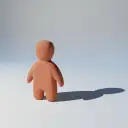 影 kage shadow
暗い影が見えます。 kurai kage ga miemasu. I see a dark shadow.
-
 夕日 yūhi sunset
私たちは美しい夕日を眺めました。 watashitachi wa utsukushii yūhi o nagamemashita. We watched the beautiful sunset.
-
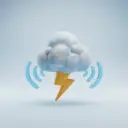 雷 kaminari thunder
大きな雷の音が聞こえました。 ōkina kaminari no oto ga kikoemashita. We heard the loud thunder.
-
 傘 kasa umbrella
彼女は赤い傘を持っています。 Kanojo wa akai kasa o motte imasu. She has a red umbrella.
-
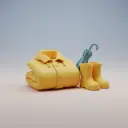 レインコート rein kōto raincoat
このレインコートは暖かいです。 kono rein kōto wa atatakai desu. This raincoat keeps me warm.
-
 予報 yohō forecast
私は毎日、天気予報を見ます。 watashi wa mainichi tenki yohō o mimasu. I watch the weather forecast everyday.
-
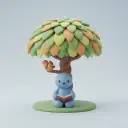 日陰 hikage shade
暑い日は日陰が必要です。 Atsui hi wa hikage ga hitsuyou desu. We need shade on a hot day.
-
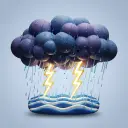 雷雨 raiu thunderstorm
雷雨は激しい雨を降らせます。 raiu wa hageshii ame o furasemasu A thunderstorm brings heavy rain.
-
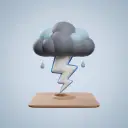 雷 kaminari lightning
彼は昨夜、明るい雷を見ました。 Kare wa sakuya, akarui kaminari o mimashita. He saw bright lightning last night.
-
 霧 kiri fog
彼らは濃い霧の中を運転しました。 karera wa koi kiri no naka o unten shimashita. They drove through thick fog.
-
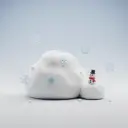 雪 yuki snow
これは新しくて白い雪です。 kore wa atarashikute shiroi yuki desu This is fresh, white snow.
-
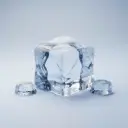 氷 koori ice
私たちは飲み物に氷を入れます。 watashitachi wa nomimono ni koori o iremasu We put ice in our drinks.
-
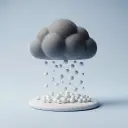 ひょう hyō hail
外はひょうがたくさん降っています。 Soto wa hyō ga takusan futte imasu. That is a lot of hail outside.
-
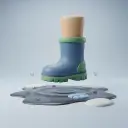 滑りやすい suberiyasui slippery
彼女は滑りやすい氷の上で転びました。 kanojo wa suberiyasui kōri no ue de korobimashita She fell on the slippery ice.
-
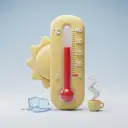 気温 kion temperature
彼らは毎日気温を確認します。 Karera wa mainichi kion o kakunin shimasu. They check the temperature daily.
-
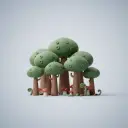 森 mori forest
森は木でいっぱいです。 mori wa ki de ippai desu A forest is full of trees.
-
 川 kawa river
その川は水が冷たくてきれいです。 sono kawa wa mizu ga tsumetakute kirei desu The river has cool, clear water.
-
 湖 mizuumi lake
彼女は深い湖で泳ぎます。 kanojo wa fukai mizuumi de oyogimasu She swims in the deep lake.
-
 山 yama mountain
彼らは高い山に登りました。 Karera wa takai yama ni noborimashita. They climbed the tall mountain.
-
 自然 shizen nature
ピーターさんは自然が大好きです。 Piitaa-san wa shizen ga daisuki desu. Peter loves the nature.
-
 海岸 kaigan coast
これは美しい海岸です。 Kore wa utsukushii kaigan desu. This is a beautiful coast.
-
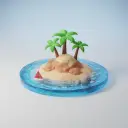 島 shima island
彼は小さな島に住んでいます。 kare wa chiisana shima ni sunde imasu He lives on a small island.
-
 砂漠 sabaku desert
砂漠はとても乾燥している場所です。 Sabaku wa totemo kanshō shite iru basho desu. A desert is a very dry place.
-
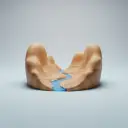 谷 tani valley
その谷は緑で広いです。 sono tani wa midori de hiroi desu The valley is green and wide.
-
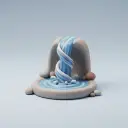 滝 taki waterfall
彼らは美しい滝を見ました。 karera wa utsukushii taki o mimashita They saw a beautiful waterfall.
-
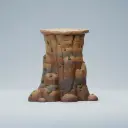 崖 gake cliff
あの崖はとても高いです。 ano gake wa totemo takai desu That cliff is very high.
-
 草原 sōgen meadow
彼女は草原を歩くのが好きです。 Kanojo wa sōgen o aruku no ga suki desu. She likes to walk in meadows.
-
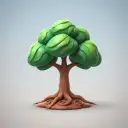 木 ki tree
犬が木の下で眠っています。 inu ga ki no shita de nemutte imasu The dog sleeps under the tree.
-
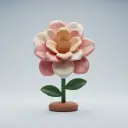 花 hana flower
その赤い花は美しいです。 sono akai hana wa utsukushii desu. The red flower is beautiful.
-
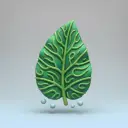 葉 ha leaf
木から葉が落ちた。 ki kara ha ga ochita. A leaf fell from the tree.
-
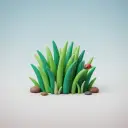 草 kusa grass
牛が草を食べています。 ushi ga kusa o tabete imasu. The cow eats the grass.
-
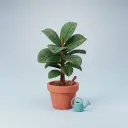 植物 shokubutsu plant
その植物は緑の葉をしています。 sono shokubutsu wa midori no ha o shite imasu The plant has green leaves.
-
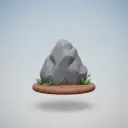 岩 iwa rock
その男は重い岩を持ち上げた。 sono otoko wa omoi iwa o mochiageta. The man lifted the heavy rock.
-
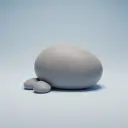 石 ishi stone
重い石を見つけました。 Omoi ishi o mitsukemashita. I found a heavy stone.
-
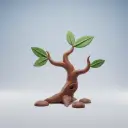 枝 eda branch
鳥が枝にとまっています。 tori ga eda ni tomatte imasu The bird sits on the branch.
-
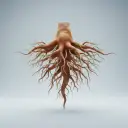 根 ne root
この植物には長い根があります。 kono shokubutsu ni wa nagai ne ga arimasu. This plant has a long root.
-
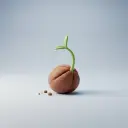 種 tane seed
農家が種をまきます。 Nōka ga tane o makimasu. The farmer plants the seed.
-
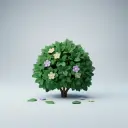 茂み shigemi bush
鳥が茂みの中に隠れています。 tori ga shigemi no naka ni kakurete imasu The bird hides in the bush.
-
 薪 maki wood
焚き火のために薪が必要です。 takibi no tame ni maki ga hitsuyō desu. I need wood for the fire.
-
 世界 sekai world
世界はとても広いです。 sekai wa totemo hiroi desu. The world is very big.
-
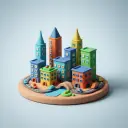 都市 toshi city
多くの人々がその都市に住んでいます。 Ōku no hitobito ga sono toshi ni sunde imasu. Many people live in the city.
-
 国 kuni country
彼は別の国に住んでいます。 kare wa betsu no kuni ni sunde imasu. He lives in another country.
-
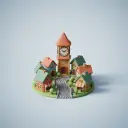 町 machi town
私たちは小さな町に住んでいます。 watashitachi wa chiisana machi ni sunde imasu We live in a small town.
-
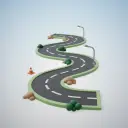 道 michi road
この道はとても長いです。 kono michi wa totemo nagai desu. This road is very long.
-
 丘 oka hill
その家は丘の上にあります。 sono ie wa oka no ue ni arimasu. The house is on the hill.
-
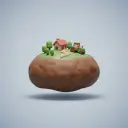 陸 riku land
船乗りたちは陸が見えた。 funanoritachi wa riku ga mieta The sailors saw the land.
-
 空気 kūki air
私はきれいな空気を吸います。 watashi wa kirei na kūki o suimasu I breathe the clean air.
-
 海 umi ocean
魚は海に住んでいます。 sakana wa umi ni sunde imasu Fish live in the ocean.
-
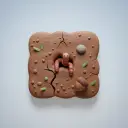 地面 jimen ground
その男の人は地面に座っています。 sono otoko no hito wa jimen ni suwatte imasu The man sits on the ground.
-
 地域 chiiki region
私たちは寒い地域に住んでいます。 watashitachi wa samui chiiki ni sunde imasu. We live in a cold region.
-
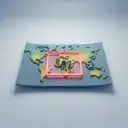 エリア eria area
多くの人がこのエリアに住んでいます。 Ōku no hito ga kono eria ni sunde imasu. Many people live in this area.
-
 ビーチ bīchi beach
私はビーチが好きです。 Watashi wa bīchi ga suki desu. I like the beach.
-
 海 umi sea
海は青いです。 Umi wa aoi desu. The sea is blue.
-
 波 nami waves
彼らは海の波を見ています。 Karera wa umi no nami o mite imasu. They watch the ocean waves.
-
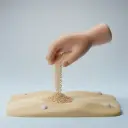 砂 suna sand
彼女は温かくて柔らかい砂が好きです。 kanojo wa atatakakute yawarakai suna ga suki desu. She likes warm, soft sand.
-
 日焼け止め hiyakedome sunscreen
私は晴れた日に日焼け止めを使います。 Watashi wa hareta hi ni hiyakedome o tsukaimasu. I use sunscreen on sunny days.
-
 ビーチパラソル bīchi parasoru beach umbrella
あのビーチパラソルはカラフルです。 ano bīchi parasoru wa karafuru desu That beach umbrella is colorful.
-
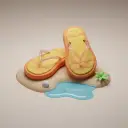 ビーチサンダル bīchi sandaru flip-flops
このビーチサンダルは履き心地がいいです。 kono bīchi sandaru wa hakigokochi ga ī desu. These flip-flops are comfortable.
-
 水着 mizugi swimsuit
彼女は新しい水着を持っています。 kanojo wa atarashii mizugi o motte imasu She has a new swimsuit.
-
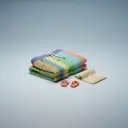 水着 mizugi swim trunks
水着を忘れないでください。 mizugi o wasurenaide kudasai Don't forget your swim trunks.
-
 ライフガード raifugādo lifeguard
ライフガードは泳いでいる人の安全を守ります。 Raifugādo wa oyoide iru hito no anzen o mamorimasu. The lifeguard keeps swimmers safe.
-
 満潮 manchō high tide
満潮はとてもぬれています。 manchō wa totemo nurete imasu. High tide is very wet.
-
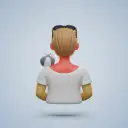 日焼け hiyake sunburn
その日焼けはかなり痛そうです。 sono hiyake wa kanari itasou desu That sunburn looks quite painful.
-
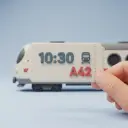 切符 kippu ticket
彼女は電車の切符を持っています。 kanojo wa densha no kippu o motte imasu. She has a train ticket.
-
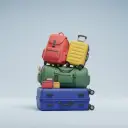 荷物 nimotsu luggage
荷物はどこに置きますか? nimotsu wa doko ni okimasu ka? Where do we put our luggage?
-
 券売機 kenbaiki ticket machine
券売機で買います。 kenbaiki de kaimasu. I will buy it at the ticket machine.
-
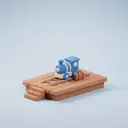 ホーム hōmu platform
あれは電車のホームです。 Are wa densha no hōmu desu. That is the train platform.
-
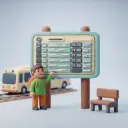 時刻表 jikokuhyō timetable
彼女は時刻表を読みます。 kanojo wa jikokuhyō o yomimasu She reads the timetable.
-
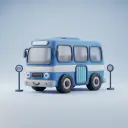 バス basu bus
バスを待っていますか? basu o matte imasu ka? Are we waiting for a bus?
-
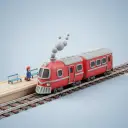 電車 densha train
その電車はとても近代的です。 sono densha wa totemo kindaiteki desu The train is very modern.
-
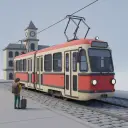 路面電車 romen densha tram
一番速い方法は路面電車です。 Ichiban hayai hōhō wa romen densha desu. The fastest way is with tram.
-
 タクシー takushī taxi
タクシーはいくらかかりますか? takushī wa ikura kakarimasu ka? How much does the taxi cost?
-
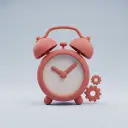 時間通り jikan dōri on time
時間通りに到着することは大切です。 Jikan dōri ni tōchaku suru koto wa taisetsu desu. It is important to arrive on time.
-
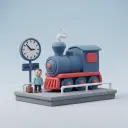 遅れる okureru delayed
その便は遅れました。 Sono bin wa okuremashita. That flight was delayed.
-
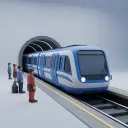 地下鉄 chikatetsu metro
地下鉄は地下を走ります。 chikatetsu wa chika o hashirimasu A metro runs underground.
-
 車 kuruma car
彼は新しい車を買いました。 kare wa atarashii kuruma o kaimashita He bought a new car.
-
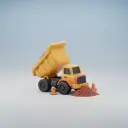 トラック torakku truck
その男性は大きなトラックを運転しています。 sono dansei wa ookina torakku o unten shite imasu The man drives a big truck.
-
 自転車 jitensha bike
私は自転車で学校に通っています。 watashi wa jitensha de gakkō ni kayotte imasu I ride my bike to school.
-
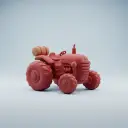 トラクター torakutā tractor
農家が大きなトラクターを運転しています。 Nōka ga ōkina torakutā o unten shite imasu. The farmer drives a large tractor.
-
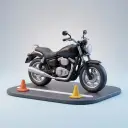 バイク baiku motorcycle
彼は速いバイクに乗っています。 kare wa hayai baiku ni notte imasu He rides a fast motorcycle.
-
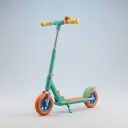 キックスケーター kikkusukētā scooter
その子供はキックスケーターに乗っています。 Sono kodomo wa kikkusukētā ni notte imasu. The child rides a scooter.
-
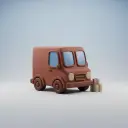 バン ban van
彼は大きなバンを運転しています。 kare wa ookina ban o unten shite imasu. He drives a large van.
-
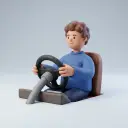 運転手 untenshu driver
運転手は車を止めました。 untenshu wa kuruma o tomemashita The driver stopped the car.
-
 交通 kōtsū traffic
今日は渋滞がひどいです。 Kyō wa jūtai ga hidoi desu. The traffic is very slow today.
-
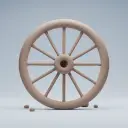 車輪 sharin wheel
彼は壊れた車輪を修理した。 kare wa kowareta sharin o shuuri shita. He fixed the broken wheel.
-
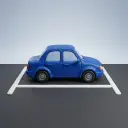 駐車場 chūshajō parking
駐車場が見つかりました。 Chūshajō ga mitsukarimashita. We found a parking space.
-
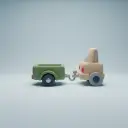 トレーラー torērā trailer
トラックがトレーラーを引いています。 Torakku ga torērā o hiite imasu. The truck pulls the trailer.
-
 飛行機 hikōki plane
飛行機が空港に着陸します。 hikōki ga kūkō ni chakuriku shimasu The plane lands at the airport.
-
 ボート bōto boat
小さなボートが見えます。 chiisana bōto ga miemasu. I see a small boat.
-
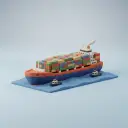 船 fune ship
大きな船が海を渡ります。 ōkina fune ga umi o watarimasu. The large ship crosses the ocean.
-
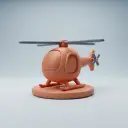 ヘリコプター herikoputā helicopter
ヘリコプターが空を飛んでいます。 herikoputā ga sora o tonde imasu The helicopter flies in the sky.
-
 ロケット roketto rocket
ロケットが空へ飛んでいく。 roketto ga sora e tonde iku The rocket flies into the sky.
-
 宇宙船 uchūsen spaceship
宇宙船が月に着陸しました。 uchūsen ga tsuki ni chakuriku shimashita. The spaceship landed on the moon.
-
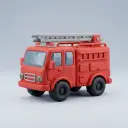 消防車 shōbōsha fire engine
消防車は水を運んでいます。 shōbōsha wa mizu o hakonde imasu The fire engine carries water.
-
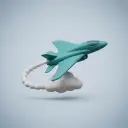 ジェット機 jettoki jet
そのジェット機はとても速く飛びます。 sono jettoki wa totemo hayaku tobimasu The jet flies very fast.
-
 カヤック kayakku kayak
彼女はカヤックに座っています。 kanojo wa kayakku ni suwatte imasu She sits in the kayak.
-
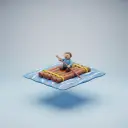 いかだ ikada raft
私たちは木のいかだを作りました。 watashitachi wa ki no ikada o tsukurimashita We built a wooden raft.
-
 カヌー kanū canoe
彼は小さなカヌーを漕いでいる。 kare wa chiisana kanū o koide iru. He paddles the small canoe.
-
 帆船 hansen sailboat
風が帆船を動かします。 kaze ga hansen o ugokashimasu. The wind moves the sailboat.
Words 601–700
-
 値段 nedan price
値段が見えますか? nedan ga miemasu ka Do you see the price?
-
 安い yasui cheap
彼は安い靴を買いました。 Kare wa yasui kutsu o kaimashita. He bought cheap shoes.
-
 高い takai expensive
あの車は高そうです。 Ano kuruma wa takasō desu. That car looks expensive.
-
 現金 genkin cash
彼女は現金が必要だと思います。 kanojo wa genkin ga hitsuyō da to omoimasu. I think she needs some cash.
-
 クレジットカード kurejitto kādo credit card
私はクレジットカードで払えます。 Watashi wa kurejitto kādo de haraemasu. I can pay with my credit card.
-
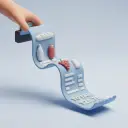 レシート reshiito receipt
レシートをいただけますか? reshiito o itadakemasu ka? Can I get the receipt please?
-
 勘定 kanjō bill
誰がお勘定を払いますか? Dare ga o kanjō o haraimasu ka? Who is going to pay the bill?
-
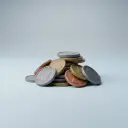 お釣り otsuri change
支払ってお釣りをもらいました。 shiharatte otsuri o moraimashita. I paid and got some change.
-
 硬貨 kōka coin
私は硬貨を数枚持っています。 watashi wa kōka o sūmai motte imasu I have a few coins.
-
 お札 osatsu banknote
それはどんなお札ですか? Sore wa donna osatsu desu ka? What kind of banknote is that?
-
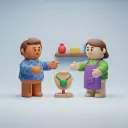 これはいくらですか kore wa ikura desu ka How much is this?
これはいくらですか? Kore wa ikura desu ka How much is this?
-
 カードで払えますか? kaado de haraemasu ka? Can I pay by card?
カードで払えますか? kaado de haraemasu ka? Can I pay by card?
-
 通貨 tsūka currency
その通貨はとても強いです。 sono tsūka wa totemo tsuyoi desu That currency is very strong.
-
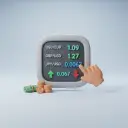 為替レート kawase rēto exchange rate
この為替レートは最悪です。 Kono kawase rēto wa saiaku desu. This exchange rate is horrible.
-
 両替所 ryōgaesho exchange office
両替所が必要です。 Ryōgaesho ga hitsuyō desu. We need an exchange office.
-
 手数料 tesūryō commission
手数料を払わなければなりませんか? Tesūryō o harawanakereba narimasen ka? Do you have to pay a commission?
-
 外貨 gaika foreign currency
それは外貨です。 Sore wa gaika desu. That is foreign currency.
-
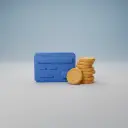 カード決済 kaado kessai card payment
カード決済が通りました。 kaado kessai ga toorimashita. The card payment went through.
-
 コンタクトレス kontakutoresu contactless
これはコンタクトレス決済です。 Kore wa kontakutoresu kessai desu. This is a contactless payment.
-
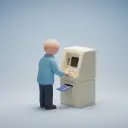 暗証番号 anshō bangō PIN code
私は暗証番号を忘れました。 watashi wa anshō bangō o wasuremashita. I forgot my PIN code.
-
 引き出し手数料 hikidashi tesūryō withdrawal fee
彼らは引き出し手数料を払いました。 Karera wa hikidashi tesūryō o haraimashita. They paid the withdrawal fee.
-
 1日の限度額 ichi nichi no gendo gaku daily limit
彼女は1日の限度額に達しました。 kanojo wa ichi nichi no gendo gaku ni tasshimashita She reached the daily limit.
-
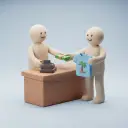 払い戻し harai modoshi refund
払い戻しを受け取ります。 harai modoshi o uketorimasu You will receive a refund.
-
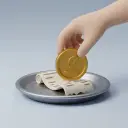 サービス料 saabisu ryō service charge
サービス料が含まれています。 saabisu ryō ga fukumarete imasu. A service charge is included.
-
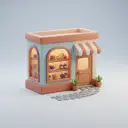 店 mise shop
これは私の一番好きな店です。 Kore wa watashi no ichiban suki na mise desu. This is my favourite shop.
-
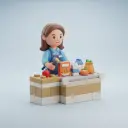 レジ係 reji gakari cashier
彼女は新しいレジ係です。 kanojo wa atarashii reji gakari desu She is the new cashier.
-
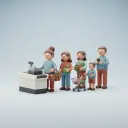 列 retsu queue
この列はとても長いです。 Kono retsu wa totemo nagai desu. This queue is very long.
-
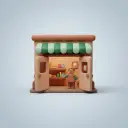 開く hiraku open
その店は今日、開いています。 Sono mise wa kyō, aite imasu. The shop is open today.
-
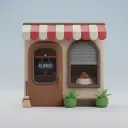 閉まる shimaru closed
残念ながら、薬局は閉まっています。 Zannen nagara, yakkyoku wa shimatte imasu. Sadly, the pharmacy is closed.
-
 値札 nefuda price tag
彼らは値札を見ました。 Karera wa nefuda o mimashita. They saw the price tag.
-
 割引 waribiki discount
私はそこの割引が大好きです。 watashi wa soko no waribiki ga daisuki desu. I love their discounts.
-
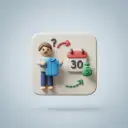 返品ポリシー henpin porishī return policy
この返品ポリシーは公平なようです。 kono henpin porishī wa kōhei na yō desu. This return policy seems fair.
-
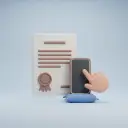 保証 hoshō warranty
保証は買ったものを守ります。 Hoshō wa katta mono o mamorimasu. A warranty protects your purchase.
-
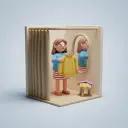 試着室 shichakushitsu fitting room
彼らは試着室を使いました。 Karera wa shichakushitsu o tsukaimashita. They used the fitting room.
-
 ショッピングカート shoppingu kāto shopping cart
ショッピングカートが必要です。 shoppingu kāto ga hitsuyō desu. We need a shopping cart.
-
 お客様 okyakusama customer
お客様はいつも正しいです。 Okyakusama wa itsumo tadashii desu. The customer is always right.
-
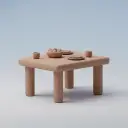 テーブル teeburu table
このサラダをテーブルに置いてもらえますか? kono sarada o teeburu ni oite moraemasu ka? Can you put this salad on the table?
-
 メニュー menyuu menu
メニューが豊富です。 menyuu ga houfu desu. They have a large menu.
-
 予約 yoyaku reservation
予約をしています。 yoyaku o shiteimasu. We have a reservation.
-
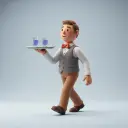 店員 ten'in server
店員たちは一生懸命働いています。 ten'in tachi wa isshoukenmei hataraite imasu. The servers are working hard.
-
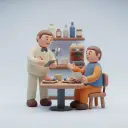 注文 chūmon order
私たちは今、注文します。 Watashitachi wa ima, chūmon shimasu. We place our order now.
-
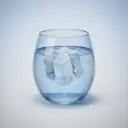 水 mizu water
彼女は冷たい水を飲みます。 Kanojo wa tsumetai mizu o nomimasu. She drinks cold water.
-
 コーヒー kōhī coffee
彼らは濃いコーヒーを飲みます。 karera wa koi kōhī o nomimasu. They drink strong coffee.
-
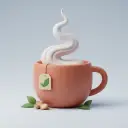 お茶 ocha tea
冬の温かいお茶は最高です。 fuyu no atakai ocha wa saikō desu. Hot tea in the winter is the best.
-
 ビール bīru beer
ビールをもう一杯ください。 bīru o mō ippai kudasai I'd like another beer, please.
-
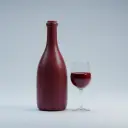 ワイン wain wine
このワインをいただけますか? kono wain o itadakemasu ka? Can we have this wine, please?
-
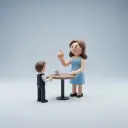 お会計をお願いします o kaikei o onegai shimasu The bill, please.
お会計をお願いします。 o kaikei o onegai shimasu. The bill, please.
-
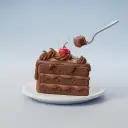 おいしい oishii delicious
そのパイはおいしいです! Sono pai wa oishii desu! That pie is delicious!
-
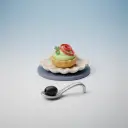 前菜 zensai starter
まずは前菜を注文します。 Mazu wa zensai o chūmon shimasu. We will order a starter first.
-
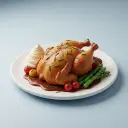 メインコース mein koosu main course
私はメインコースが大好きです。 Watashi wa mein koosu ga daisuki desu. I love the main course.
-
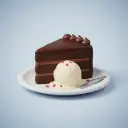 デザート dezāto dessert
彼女はデザートが好きです。 kanojo wa dezāto ga suki desu She likes the dessert.
-
 今日のおすすめ kyō no osusume today's special
それは今日のおすすめです。 Sore wa kyō no osusume desu. That is today's special.
-
 日替わりメニュー higawari menyuu menu of the day
日替わりメニューがあります。 higawari menyuu ga arimasu They have the menu of the day.
-
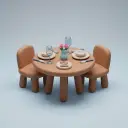 二人用のテーブル futari-yō no tēburu table for two
二人用のテーブルが必要です。 futari-yō no tēburu ga hitsuyō desu. We need a table for two.
-
 ~という名前の予約 to iu namae no yoyaku reservation under
彼女はスミスという名前で予約しています。 kanojo wa sumisu to iu namae de yoyaku shite imasu She has reservation under Smith.
-
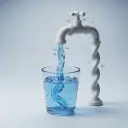 水道水 suidousui tap water
私はたいてい水道水を飲みます。 watashi wa taitei suidousui o nomimasu. I usually drink tap water.
-
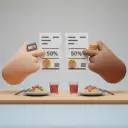 割り勘にする warikan ni suru split the bill
割り勘にできます。 warikan ni dekimasu. We can split the bill.
-
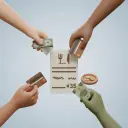 一緒に払う issho ni harau pay together
私たちは一緒に払います。 watashitachi wa issho ni haraimasu We will pay together.
-
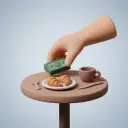 チップ chippu tip
私はいつもチップをたくさん渡します。 watashi wa itsumo chippu o takusan watashimasu I always give big tips.
-
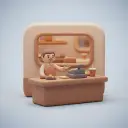 レジで払う reji de harau pay at the counter
レジで払えますか? reji de haraemasu ka? Can we pay at the counter?
-
 サイズ saizu size
このサイズは小さすぎます。 kono saizu wa chiisasugimasu This size is too small.
-
 入る hairu fits
彼女はまだ古いジーンズが入ります。 kanojo wa mada furui jiinzu ga hairimasu She still fits her old jeans.
-
 大きすぎる ōki sugiru too big
このシャツは大きすぎると思います。 kono shatsu wa ōki sugiru to omoimasu I think this shirt is too big.
-
 小さすぎる chiisasugiru too small
残念ですが、この靴は小さすぎます。 zannen desu ga, kono kutsu wa chiisasugimasu. Unfortunately, this shoe is too small.
-
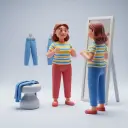 試着する shichaku suru try on
私たちは新しい帽子を試着します。 Watashitachi wa atarashii bōshi o shichaku shimasu. We try on new hats.
-
 黒い kuroi black
ベンさんは黒いシャツを着ています。 Ben-san wa kuroi shatsu o kite imasu. Ben wears a black shirt.
-
 白い shiroi white
彼女は白いズボンを履いています。 Kanojo wa shiroi zubon o haite imasu. She wears white pants.
-
 赤い akai red
赤いバラは最高ではありませんか? Akai bara wa saikō de wa arimasen ka? Aren't red roses the best?
-
 青 ao blue
青は一番好きな色ですか? Ao wa ichiban suki na iro desu ka? Is blue your favourite color?
-
 緑 midori green
緑のドレスにしますか? Midori no doresu ni shimasu ka? Would you take the green dress?
-
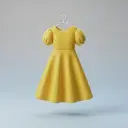 黄色い kiiroi yellow
彼女は黄色いシャツが好きです。 kanojo wa kiiroi shatsu ga suki desu. She likes yellow shirts.
-
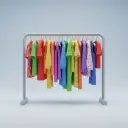 色 iro color
何色が好きですか? Nani iro ga suki desu ka? What color do you like?
-
 ピンク pinku pink
ピンクの花が見えます。 pinku no hana ga miemasu. I see a pink flower.
-
 紫 murasaki purple
紫の花が見えます。 murasaki no hana ga miemasu. I see a purple flower.
-
 茶色い chairoi brown
茶色い犬が見えます。 chairoi inu ga miemasu. I see a brown dog.
-
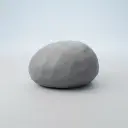 灰色 haiiro gray
その猫は灰色です。 Sono neko wa haiiro desu. The cat is gray.
-
 金色の kin golden
指輪は金色です。 Yubiwa wa kin'iro desu. The ring is golden.
-
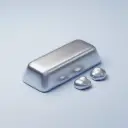 銀色 gin'iro silver
車は銀色です。 Kuruma wa gin'iro desu. The car is silver.
-
 ベージュ bēju beige
彼女はベージュのシャツを着ています。 kanojo wa bēju no shatsu o kite imasu She wears a beige shirt.
-
 濃紺の kaigun navy
彼のジャケットは濃紺です。 Kare no jaketto wa nōkon desu. His jacket is navy.
-
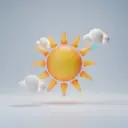 眩しい mabushii bright
太陽がとても眩しいです。 taiyō ga totemo mabushii desu. The sun is very bright.
-
 青白い aojiroi pale
病気の子どもは顔色が青白い。 Byōki no kodomo wa kaoiro ga aojiroi. The sick child is pale.
-
 暗い kurai dark
その部屋はとても暗いです。 sono heya wa totemo kurai desu. The room is very dark.
-
 しま模様の shimamoyō no striped
彼はしま模様のシャツを着ています。 kare wa shimamoyō no shatsu o kite imasu. He wears a striped shirt.
-
 部屋 heya room
部屋は気に入っていますか? heya wa ki ni itte imasu ka? Are you happy with your room?
-
 ドア doa door
このドアは交換する必要があります。 kono doa wa kōkan suru hitsuyō ga arimasu. This door needs to be replaced.
-
 鍵 kagi key
私は鍵をなくしたと思います。 watashi wa kagi o nakushita to omoimasu. I think I lost my key.
-
 窓 mado window
窓はとてもきれいです。 mado wa totemo kirei desu. The window is very clean.
-
 光 hikari light
この部屋は光がたくさん入ります。 Kono heya wa hikari ga takusan hairimasu. This room gets a lot of light.
-
 スイッチ suicchi switch
電気のスイッチは壁にあります。 Denki no suicchi wa kabe ni arimasu. The switch for the light is on the wall.
-
 ベッド beddo bed
私はまだベッドを買う必要があります。 watashi wa mada beddo o kau hitsuyō ga arimasu I still need to buy a bed.
-
 台所 daidokoro kitchen
この台所はとてもきれいです。 kono daidokoro wa totemo kirei desu. This kitchen is very clean.
-
 トイレ toire bathroom
彼女はよくトイレを使います。 kanojo wa yoku toire o tsukaimasu She uses the bathroom often.
-
 シャワー shawā shower
彼らは毎日シャワーを浴びます。 karera wa mainichi shawā o abimasu They take a shower daily.
-
 ワイファイ waifai Wi-Fi
このバーにワイファイはありますか? Kono bā ni waifai wa arimasu ka? Does this bar have Wi-Fi?
-
 住所 jūsho address
住所は何ですか? jūsho wa nan desu ka? What is your address?
-
 頭痛 zutsuu headache
頭痛は決して楽しくありません。 zutsuu wa kesshite tanoshiku arimasen. A headache is never fun.
-
 熱 netsu fever
彼はひどい熱があります。 Kare wa hidoi netsu ga arimasu. He has a bad fever.
-
 咳 seki cough
私の咳がなかなか治りません。 watashi no seki ga nakanaka naorimasen My cough is not going away.
-
 のどが痛い nodo ga itai sore throat
メアリーさんはのどが痛いです。 Mearī-san wa nodo ga itai desu. Marry has a sore throat.
Words 701–800
-
 鼻水 hanamizu runny nose
それは鼻水です。 Sore wa hanamizu desu. That is a runny nose.
-
 めまいがする memai ga suru dizzy
私は回った後でめまいがします。 watashi wa mawatta ato de memai ga shimasu I feel dizzy after spinning.
-
 具合が悪い guai ga warui sick
彼女は今日、とても具合が悪いです。 kanojo wa kyō, totemo guai ga warui desu. She feels very sick today.
-
 薬 kusuri medicine
薬を飲むのを忘れないでください。 kusuri o nomu no wasurenaide kudasai Do not forget to take your medicine.
-
 処方せん shohōsen prescription
こちらはお客様の処方せんですか? Kochira wa okyakusama no shohōsen desu ka? Is this your prescription, sir?
-
 医者 isha doctor
医者はたくさんの人を助けます。 Isha wa takusan no hito o tasukemasu. A doctor helps a lot of people.
-
 薬局 yakkyoku pharmacy
私たちは時々、薬局に行きます。 watashitachi wa tokidoki yakkyoku ni ikimasu We visit the pharmacy sometimes.
-
 クリニック kurinikku clinic
おじいさんは今、クリニックにいます。 Ojiisan wa ima, kurinikku ni imasu. Grandpa is currently at the clinic.
-
 観光案内 kankō annai tourist information
その看板には観光案内が載っています。 sono kanban ni wa kankō annai ga notte imasu. The sign provides tourist information.
-
 図書館 toshokan library
図書館は人でいっぱいです。 Toshokan wa hito de ippai desu. The library is full of people.
-
 銀行 ginkō bank
お父さんはまだ銀行に行く必要があります。 otōsan wa mada ginkō ni iku hitsuyō ga arimasu. Dad still needs to go to the bank.
-
 美容師 biyoushi hairdresser
彼女はその美容師が好きです。 Kanojo wa sono biyoushi ga suki desu. She likes the hairdresser.
-
 床屋 tokoya barber
あの床屋さんは毎日髪を切ります。 Ano tokoya-san wa mainichi kami o kirimasu. That barber cuts hair everyday.
-
 クリーニング屋 kuriiningu ya dry cleaner
このスーツはクリーニング屋が必要です。 Kono suutsu wa kuriiningu ya ga hitsuyou desu. This suit requires a dry cleaner.
-
 修理屋 shūriya repair shop
修理屋は今日、開いていますか? Shūriya wa kyō aite imasu ka? Is the repair shop open today?
-
 携帯電話ショップ keitai denwa shoppu mobile phone shop
彼女は携帯電話ショップで働いています。 kanojo wa keitai denwa shoppu de hataraite imasu She works at the mobile phone shop.
-
 宅配便 takuhaibin courier service
私たちは小包を宅配便で送りました。 watashitachi wa kozutsumi o takuhaibin de okurimashita. We sent the parcel by courier service.
-
 レンタカー rentakaa car rental
私たちは週末のレンタカーを予約しました。 watashitachi wa shuumatsu no rentakaa o yoyaku shimashita. We booked a car rental for the weekend.
-
 レンタサイクル rentasaikuru bike rental
このレンタサイクルは新しそうです。 Kono rentasaikuru wa atarashisō desu. This bike rental looks new.
-
 獣医 jūi vet
獣医さんは毎月私たちの犬を診ます。 Jūi-san wa maitsuki watashitachi no inu o mimasu. The vet checks our dog every month.
-
 なくす nakusu lost
公園で鍵をなくしました。 Kooen de kagi o nakushimashita. I lost my keys at the park.
-
 財布 saifu wallet
彼はバスで財布をなくしました。 kare wa basu de saifu o nakushimashita. He lost his wallet on the bus.
-
 電話 denwa phone
授業中は電話の電源を切ってください。 jugyōchū wa denwa no dengen o kitte kudasai. Please turn off your phone during class.
-
 身分証明書 mibun shōmeisho ID card
身分証明書は見つかりましたか? mibun shōmeisho wa mitsukarimashita ka? Did you find your ID card?
-
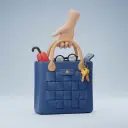 カバン kaban bag
彼女のカバンはいつもいっぱいです。 kanojo no kaban wa itsumo ippai desu. Her bag is always full.
-
 報告書 hōkokusho report
彼女は会議についての報告書を書きました。 kanojo wa kaigi ni tsuite no hōkokusho o kakimashita She wrote a report about the meeting.
-
 説明 setsumei description
これは素晴らしい説明です。 Kore wa subarashii setsumei desu. This is an amazing description.
-
 連絡先 renrakusaki contact number
連絡先が必要です。 Renrakusaki ga hitsuyō desu. I need your contact number.
-
 忘れ物センター wasuremono sentaa lost and found
彼女はそれを忘れ物センターで見つけました。 kanojo wa sore o wasuremono sentaa de mitsukemashita. She found it in lost and found.
-
 鍵 kagi keys
昨日、鍵をなくしました。 Kinō, kagi o nakushimashita. I lost my keys yesterday.
-
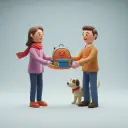 返す kaesu return
彼女は明日の朝、本を返します。 Kanojo wa ashita no asa, hon o kaeshimasu. She will return the book tomorrow morning.
-
 持ち主 mochinushi owner
持ち主を知っていますか? mochinushi o shitte imasu ka? Do you know the owner?
-
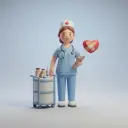 看護師 kangoshi nurse
看護師が患者を助けました。 kangoshi ga kanja o tasukemashita The nurse helped the patient.
-
 歯医者 haisha dentist
歯医者さんが歯を治してくれました。 haisha san ga ha o naoshite kuremashita The dentist fixed my tooth.
-
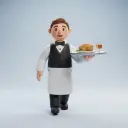 ウェイター ueitā waiter
ウェイターが料理を運んできてくれました。 ueitā ga ryōri o hakonde kite kuremashita. The waiter brought our food.
-
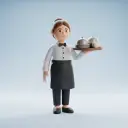 ウェイトレス ueitoresu waitress
ウェイトレスが料理を運んできてくれました。 ueitoresu ga ryōri o hakonde kite kuremashita. The waitress brought our food.
-
 シェフ shefu chef
シェフが料理を作ります。 shefu ga ryouri o tsukurimasu The chef cooks the meal.
-
 整備士 seibishi mechanic
整備士が私の車を直してくれました。 seibishi ga watashi no kuruma o naoshite kuremashita. The mechanic fixed my car.
-
 郵便配達員 yūbin haitatsu-in postman
郵便配達員が手紙を届けてくれました。 yūbin haitatsu-in ga tegami o todokete kuremashita. The postman brought a letter.
-
 清掃員 seisōin cleaner
清掃員が床を磨きました。 seisōin ga yuka o migakimashita. The cleaner washed the floor.
-
 庭師 niwashi gardener
庭師が植物に水をやっています。 niwashi ga shokubutsu ni mizu o yatte imasu The gardener waters the plants.
-
 画家 gaka painter
その画家は美しい絵を描きます。 Sono gaka wa utsukushii e o kakimasu. The painter paints a beautiful picture.
-
 仕立屋 shitateya tailor
その仕立屋は美しい服を作ります。 sono shitateya wa utsukushii fuku o tsukurimasu The tailor makes beautiful clothes.
-
 司書 shisho librarian
司書が本を整理しています。 shisho ga hon o seiri shite imasu The librarian organizes the books.
-
 俳優 haiyū actor
私はその有名な俳優を見ました。 watashi wa sono yūmei na haiyū o mimashita I saw the famous actor.
-
 女優 joyū actress
有名な女優を見ました。 yūmei na joyū o mimashita. I saw the famous actress.
-
 芸術家 geijutsuka artist
その芸術家は絵を描いています。 Sono geijutsuka wa e o kaite imasu. The artist paints a picture.
-
 カメラマン kameraman photographer
カメラマンが私の写真を撮ってくれました。 Kameraman ga watashi no shashin o totte kuremashita. The photographer took my picture.
-
 作家 sakka writer
その作家は本を書き終えた。 Sono sakka wa hon o kakioeta. The writer finished the book.
-
 マネージャー manējā manager
私たちは新しいマネージャーに会いました。 watashitachi wa atarashii manējā ni aimashita We met the new manager.
-
 弁護士 bengoshi lawyer
腕の良い弁護士が必要です。 ude no yoi bengoshi ga hitsuyō desu. I need a good lawyer.
-
 秘書 hisho secretary
秘書はオフィスで働いています。 hisho wa ofisu de hataraite imasu. The secretary works in the office.
-
 ジャーナリスト jānaristo journalist
そのジャーナリストはニュースを書いています。 sono jānaristo wa nyūsu o kaite imasu. The journalist writes the news.
-
 助手 joshu assistant
私の助手があなたをお手伝いします。 watashi no joshu ga anata o otetsudai shimasu My assistant will help you.
-
 記者 kisha reporter
記者はニュースを書きます。 Kisha wa nyūsu o kakimasu. The reporter writes the news.
-
 デザイナー dezainā designer
そのデザイナーは美しい服を作ります。 sono dezainā wa utsukushii fuku o tsukurimasu The designer makes beautiful clothes.
-
 エンジニア enjinia engineer
そのエンジニアが機械を修理しました。 sono enjinia ga kikai o shuuri shimashita The engineer fixed the machine.
-
 パイロット pairotto pilot
パイロットが飛行機を操縦します。 pairotto ga hikōki o sōjū shimasu. The pilot flies the plane.
-
 農家 nōka farmer
その農家は畑で働いています。 sono nōka wa hatake de hataraite imasu. The farmer works in the field.
-
 漁師 ryōshi fisherman
漁師が大きな魚を釣りました。 ryōshi ga ōkina sakana o tsurimashita The fisherman caught a big fish.
-
 科学者 kagakusha scientist
その科学者は新しい薬を発見しました。 Sono kagakusha wa atarashii kusuri o hakken shimashita. The scientist discovered a new medicine.
-
 プログラマー puroguramā programmer
プログラマーがソフトウェアを書きます。 puroguramā ga sofutowea o kakimasu The programmer writes the software.
-
 警察官 keisatsukan police officer
警察官が泥棒を捕まえました。 keisatsukan ga dorobō o tsukamaemashita The police officer caught the thief.
-
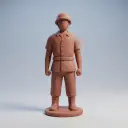 軍人 gunjin soldier
その軍人は街を守っています。 sono gunjin wa machi o mamotte imasu. The soldier protects the city.
-
 教授 kyōju professor
教授が学生たちに教えています。 kyōju ga gakusei tachi ni oshiete imasu. The professor teaches the students.
-
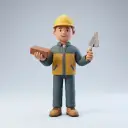 大工 daiku builder
大工が新しい家を建てています。 Daiku ga atarashii ie o tatete imasu. The builder constructs the new house.
-
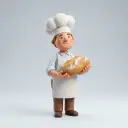 パン職人 pan shokunin baker
そのパン職人は焼きたてのパンを作ります。 Sono pan shokunin wa yakitate no pan o tsukurimasu. The baker makes fresh bread.
-
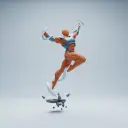 アスリート asurīto athlete
そのアスリートは走るのがとても速いです。 sono asurīto wa hashiru no ga totemo hayai desu The athlete runs very fast.
-
 出口 deguchi Exit
すみません、出口はどこですか? Sumimasen, deguchi wa doko desu ka? Excuse me, where is the exit?
-
 入口 iriguchi Entrance
ここが入口のはずです。 Koko ga iriguchi no hazu desu. This should be the entrance.
-
 押す osu Push
彼らは赤いドアを押します。 Karera wa akai doa o oshimasu. They push the red door.
-
 引く hiku Pull
ドアを引く必要があります。 doa o hiku hitsuyō ga arimasu. You need to pull the door.
-
 禁煙 kin'en No smoking
この標識には禁煙と書いてあります。 Kono hyōshiki ni wa kin'en to kaite arimasu. This sign says no smoking.
-
 駐車禁止 chūsha kinshi No parking
ここは駐車禁止です、すみません。 koko wa chūsha kinshi desu, sumimasen. No parking here, sorry.
-
 故障 koshō Out of order
あのエレベーターは故障しています。 ano erebētā wa koshō shite imasu That elevator is out of order.
-
 関係者専用 kankeisha sen'yō Staff only
あのスペースは関係者専用です。 Ano supēsu wa kankeisha sen'yō desu. That space is for staff only.
-
 非常口 hijōguchi Emergency exit
どの建物にも非常口があります。 Dono tatemono nimo hijōguchi ga arimasu. Every building has an emergency exit.
-
 情報 jōhō Information
私たちはもっと情報が必要です。 Watashitachi wa motto jōhō ga hitsuyō desu. We need more information.
-
 切符売り場 kippu uriba Ticket office
あれは切符売り場です。 Are wa kippu uriba desu. That is the ticket office.
-
 芝生に入らない shibafu ni hairanai Keep off the grass
芝生に入らないでください。 shibafu ni hairanai de kudasai Please keep off the grass.
-
 ATM ē-tī-emu ATM
ATMはどこですか? ē-tī-emu wa doko desu ka? Where is the ATM?
-
 銀行口座 ginkō kōza bank account
彼女は銀行口座を持っています。 Kanojo wa ginkō kōza o motte imasu. She has a bank account.
-
 キャッシュカード kyasshu kādo bank card
私たちはいつもキャッシュカードを使います。 watashitachi wa itsumo kyasshu kādo o tsukaimasu. We always use a bank card.
-
 現金を引き出す genkin o hikidasu withdraw cash
私は毎週現金を引き出します。 watashi wa maishū genkin o hikidashimasu I withdraw cash every week.
-
 現金を預ける genkin o azukeru deposit cash
ATMで現金を預けます。 eetiiemu de genkin o azukemasu. You deposit cash at ATMs.
-
 お金を振り込む okane o furikomu transfer money
彼らは毎日お金を振り込みます。 karera wa mainichi okane o furikomimasu They transfer money every day.
-
 残高 zandaka balance
彼女は口座の残高を確認します。 kanojo wa kōza no zandaka o kakunin shimasu. She checks her account balance.
-
 明細書 meisaisho statement
銀行の明細書はどこですか? Ginkō no meisaisho wa doko desu ka Where is your bank statement?
-
 手数料 tesūryō fee
この取引には手数料がかかりますか? Kono torihiki ni wa tesūryō ga kakarimasu ka? Does this transaction have a fee?
-
 追加料金 tsuikaryōkin surcharge
私はすでに追加料金を支払いました。 Watashi wa sude ni tsuikaryōkin o shiharaimashita. I already paid the surcharge.
-
 預金口座 yokin kōza savings account
私たちは預金口座を作りました。 Watashitachi wa yokin kōza o tsukurimashita. We opened a savings account.
-
 金庫 kinko safe
お金は金庫の中にあります。 okane wa kinko no naka ni arimasu. The money is in the safe.
-
 ソファー sofā sofa
このソファーはとても快適です。 Kono sofā wa totemo kaiteki desu. This sofa is very comfortable.
-
 テーブル teeburu table
これは新しいテーブルですか? Kore wa atarashii teeburu desu ka? Is this a new table?
-
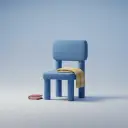 椅子 isu chair
フレッドさんはいつも椅子に座ります。 Fureddo-san wa itsumo isu ni suwarimasu. Fred always sits in the chair.
-
 洋服ダンス yōfuku dansu wardrobe
洋服ダンスは服でいっぱいです。 yōfuku dansu wa fuku de ippai desu. The wardrobe is full of clothes.
-
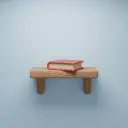 棚 tana shelf
私は棚を掃除する必要があります。 watashi wa tana o sōji suru hitsuyō ga arimasu. I need to clean my shelf.
-
 冷蔵庫 reizouko fridge
冷蔵庫は食べ物を冷たく保ちます。 reizouko wa tabemono o tsumetaku tamochimasu The fridge keeps food cold.
-
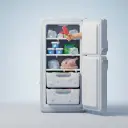 冷凍庫 reitōko freezer
冷凍庫がいっぱいです。 reitōko ga ippai desu The freezer is full.
-
 コンロ konro stove
彼はよくコンロを使います。 kare wa yoku konro o tsukaimasu He uses the stove often.
Words 801–900
-
 オーブン oobun oven
このオーブンはとても熱くなります。 kono oobun wa totemo atsuku narimasu. This oven gets very hot.
-
 流し nagashi sink
流しはお皿でいっぱいです。 nagashi wa osara de ippai desu. The sink is full of plates.
-
 ランプ ranpu lamp
母は読書にランプを使います。 Haha wa dokushō ni ranpu o tsukaimasu. My mom uses a lamp for reading.
-
 ごみ箱 gomi bako trash bin
ダニエルさんはごみ箱を空にしました。 Danieru-san wa gomi bako o kara ni shimashita. Daniel emptied the trash bin.
-
 時計 tokei clock
時計が時間を指しています。 tokei ga jikan o sashite imasu The clock shows the time.
-
 パソコン pasokon computer
仕事でパソコンを使います。 shigoto de pasokon o tsukaimasu I use a computer for work.
-
 額縁 gakubuchi frame
彼は木製の額縁を塗装した。 kare wa mokusei no gakubuchi o tosō shita He painted the wooden frame.
-
 ラジオ rajio radio
私はラジオを聴きます。 watashi wa rajio o kikimasu I listen to the radio.
-
 カメラ kamera camera
新しいカメラを買いました。 atarashii kamera o kaimashita. I bought a new camera.
-
 暖炉 danro fireplace
暖炉で火が燃えています。 Danro de hi ga moete imasu. The fire burns in the fireplace.
-
 肘掛け椅子 hijikake isu armchair
彼は肘掛け椅子で休んでいます。 kare wa hijikake isu de yasunde imasu He rests in the armchair.
-
 食器棚 shokkidana cupboard
お皿は食器棚の中にあります。 osara wa shokkidana no naka ni arimasu. The plates are in the cupboard.
-
 本棚 hondana bookcase
彼は新しい本棚を買いました。 kare wa atarashii hondana o kaimashita He bought a new bookcase.
-
 引き出し hikidashi drawer
鍵は引き出しの中にあります。 kagi wa hikidashi no naka ni arimasu. The keys are in the drawer.
-
 廊下 rōka hall
私たちは廊下で待ちました。 watashitachi wa rōka de machimashita We waited in the hall.
-
 ラグ ragu rug
猫がラグの上で寝ています。 neko ga ragu no ue de nete imasu The cat sleeps on the rug.
-
 居間 ima living room
これは私たちの古い居間です。 Kore wa watashitachi no furui ima desu. This is our old living room.
-
 寝室 shinshitsu bedroom
彼らは寝室を青く塗りました。 karera wa shinshitsu o aoku nurimashita. They painted the bedroom blue.
-
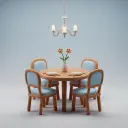 ダイニングルーム dainingu rūmu dining room
私たちはダイニングルームで食べます。 Watashitachi wa dainingu rūmu de tabemasu. We eat in the dining room.
-
 廊下 rōka hallway
あの廊下はとても長いです。 ano rōka wa totemo nagai desu. That hallway is very long.
-
 バルコニー barukonī balcony
バルコニーからは街の景色が見えます。 barukonī kara wa machi no keshiki ga miemasu. A balcony offers city views.
-
 庭園 teien garden
彼の庭園はとても美しいです。 Kare no teien wa totemo utsukushii desu. His garden is very beautiful.
-
 庭 niwa yard
子供たちは庭で遊んでいます。 Kodomo-tachi wa niwa de asonde imasu. The kids are playing in the yard.
-
 ガレージ garēji garage
ガレージのドアは自動で閉まります。 Garēji no doa wa jidō de shimarimasu. The garage door closes automatically.
-
 地下室 chikashitsu basement
この地下室はとてもきれいです。 kono chikashitsu wa totemo kirei desu. This basement is very clean.
-
 天井 tenjou ceiling
私たちは天井を白く塗りました。 watashitachi wa tenjou o shiroku nurimashita We painted the ceiling white.
-
 屋根 yane roof
あの屋根は古そうです。 ano yane wa furusou desu That roof looks old.
-
 壁 kabe wall
彼は壁を青く塗りました。 Kare wa kabe o aoku nurimashita. He painted the wall blue.
-
 きれい kirei clean
彼女はきれいな家を欲しがっています。 kanojo wa kirei na ie o hoshigatte imasu She want a clean home.
-
 洗う arau wash
今、私は皿を洗います。 ima watashi wa sara o araimasu I will wash dishes now.
-
 料理する ryōri suru cook
彼らは毎晩夕食を料理します。 karera wa maiban yūshoku o ryōri shimasu They cook dinner every night.
-
 沸かす wakasu boil
お茶のためにお湯を沸かします。 ocha no tame ni oyu o wakashimasu You boil water for tea.
-
 揚げる ageru fry
よく食べ物を揚げますか? yoku tabemono o agemasu ka Do you fry your food often?
-
 焼く yaku bake
彼女は今日、パンを焼きます。 kanojo wa kyō pan o yakimasu She bakes bread today.
-
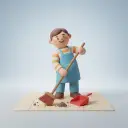 掃く haku sweep
私は床をもっと速く掃きます。 watashi wa yuka o motto hayaku hakimasu. I sweep the floor faster.
-
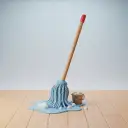 モップ moppu mop
清掃員はモップを使います。 Seisōin wa moppu o tsukaimasu. The cleaner uses the mop.
-
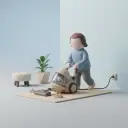 掃除機をかける soujiki o kakeru vacuum
私たちはリビングに掃除機をかけます。 watashitachi wa ribingu ni soujiki o kakemasu We vacuum the living room.
-
 ほこり hokori dust
彼女はほこりを拭き取ります。 Kanojo wa hokori o fukitorimasu. She wipes away the dust.
-
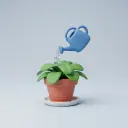 水をやる mizu o yaru to water
彼らは毎週庭に水をやります。 karera wa maishū niwa ni mizu o yarimasu They water the garden weekly.
-
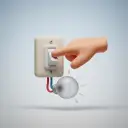 消す kesu switch off
電気を消してくれますか? Denki o keshite kuremasu ka? Can you turn off the lights?
-
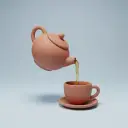 注ぐ sosogu pour
彼女はコップに水を注ぎます。 kanojo wa koppu ni mizu o sosogimasu. She pours water into the cup.
-
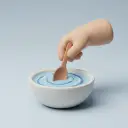 かき混ぜる kakimazeru stir
熱いスープをかき混ぜます。 atsui sūpu o kakimazemasu. I stir the hot soup.
-
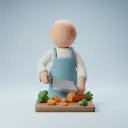 割る waru chop
その男の人は薪を割っています。 Sono otoko no hito wa maki o watteimasu. The man chops the wood.
-
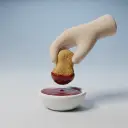 浸す hitasu dip
彼女は布を水に浸します。 kanojo wa nuno o mizu ni hitashimasu She dips the cloth in water.
-
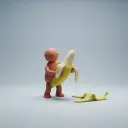 剥く muku peel
彼女はオレンジの皮を剥きます。 kanojo wa orenji no kawa o mukimasu She peels the orange.
-
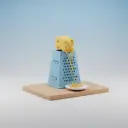 おろす orosu grate
彼女は野菜をおろします。 kanojo wa yasai o oroshimasu She grates the vegetables.
-
 熱 netsu heat
火の熱を感じます。 hi no netsu o kanjimasu I feel the heat from the fire.
-
 混ぜる mazeru mix
塩と水を混ぜます。 shio to mizu o mazemasu. I mix the salt and water.
-
 塗る nuru spread
彼女はパンにバターを塗る。 Kanojo wa pan ni batā o nuru. She spreads butter on the bread.
-
 溶かす tokasu melt
太陽が氷を溶かします。 Taiyō ga kōri o tokashimasu. The sun melts the ice.
-
 測る hakaru measure
私はその長いロープを測ります。 watashi wa sono nagai rōpu o hakarimasu I measure the long rope.
-
 満たす mitasu fill
私はコップを水で満たします。 Watashi wa koppu o mizu de mitashimasu. I fill the cup with water.
-
 洗濯機 sentakuki washing machine
この洗濯機はきれいです。 Kono sentakuki wa kirei desu. This washing machine is clean.
-
 乾燥機 kansōki dryer
乾燥機はとても熱いです。 Kansōki wa totemo atsui desu. The dryer is very hot.
-
 洗剤 senzai detergent
今、もっと洗剤が必要です。 Ima, motto senzai ga hitsuyou desu. We need more detergent now.
-
 柔軟剤 jūnan-zai fabric softener
彼女はいつも柔軟剤を使います。 Kanojo wa itsumo jūnan-zai o tsukaimasu. She uses fabric softener always.
-
 染み shimi stain
この染みはいつつきましたか? Kono shimi wa itsu tsukimashita ka? When did you get this stain?
-
 シミ抜き shimi nuki stain remover
このシミ抜きはよく効きます。 Kono shimi nuki wa yoku kikimasu. This stain remover works well.
-
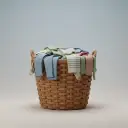 洗濯かご sentaku kago laundry basket
私たちは洗濯かごが必要です。 Watashitachi wa sentaku kago ga hitsuyō desu. We need a laundry basket.
-
 ハンガー hangaa hanger
私はコートのハンガーが見つかりません。 watashi wa kōto no hangaa ga mitsukarimasen. I can not find the coat hanger.
-
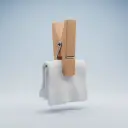 洗濯ばさみ sentaku basami clothespin
洗濯ばさみを使いますか? Sentaku basami o tsukaimasu ka? Do you use clothespins?
-
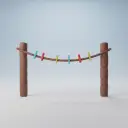 物干し monohoshi clothesline
この物干しには濡れた洗濯物が掛かっています。 kono monohoshi ni wa nureta sentakumono ga kakatte imasu. This clothesline holds wet laundry.
-
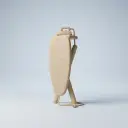 アイロン台 airon dai ironing board
アイロン台が邪魔です。 Airon dai ga jama desu. The ironing board is in the way.
-
 アイロン airon iron
彼女は服に熱いアイロンを使います。 Kanojo wa fuku ni atsui airon o tsukaimasu. She uses a hot iron on her clothes.
-
 壊れる kowareru broken
残念ながら、そのおもちゃは壊れています。 zannen nagara sono omocha wa kowarete imasu Unfortunately, that toy is broken.
-
 直す naosu fix
私たちはここで壊れたものを直します。 Watashitachi wa koko de kowareta mono o naoshimasu. We fix broken things here.
-
 蛇口 jaguchi tap
私たちの蛇口はまだ漏れています。 watashitachi no jaguchi wa mada morete imasu. Our tap is still leaking.
-
 漏れ more leak
ようやく漏れを修理しています。 yōyaku more o shūri shite imasu They are finally fixing the leak.
-
 パイプ paipu pipe
パイプが見えます。 paipu ga miemasu. I can see the pipe.
-
 修理する shūri suru repair
それを修理する方法を知っていますか? Sore o shūri suru hōhō o shitte imasu ka? Do you know how to repair it?
-
 水道屋 suidōya plumber
彼女は今日、水道屋に電話しました。 kanojo wa kyō suidōya ni denwa shimashita. She called the plumber today.
-
 電気工事士 denki kōjishi electrician
彼らは電気工事士を雇いました。 Karera wa denki kōjishi o yatoimashita. They hired an electrician.
-
 ヒューズ hyūzu fuse
このヒューズは回路を保護します。 kono hyūzu wa kairo o hogo shimasu. This fuse protects the circuit.
-
 電球 denkyū light bulb
替えの電球はありますか? Kae no denkyū wa arimasu ka? Do we have another light bulb?
-
 交換する kōkan suru replace
私たちは古いタイヤを交換します。 Watashitachi wa furui taiya o kōkan shimasu. We replace old tires.
-
 メンテナンス mentenansu maintenance
彼らは定期的なメンテナンスをしています。 karera wa teikiteki na mentenansu o shiteimasu They do regular maintenance.
-
 散髪 sanpatsu haircut
そろそろ散髪が必要です。 Sorosoro sanpatsu ga hitsuyō desu. I need a haircut soon.
-
 香水 kōsui perfume
彼女はその香水が好きです。 kanojo wa sono kōsui ga suki desu. She likes that perfume.
-
 シャンプー shanpū shampoo
別のシャンプーはありますか? betsu no shanpū wa arimasu ka Do you have another shampoo?
-
 石けん sekken soap
石けんで洗ったほうがいいですよ。 Sekken de aratta hō ga ii desu yo. You should wash with soap.
-
 歯ブラシ haburashi toothbrush
あなたの歯ブラシは使い始めてからどのくらいですか? Anata no haburashi wa tsukaihajimete kara donokurai desu ka? How old is your toothbrush?
-
 歯磨き粉 ha migaki ko toothpaste
これは一番いい歯磨き粉です。 Kore wa ichiban ii ha migaki ko desu. This is the best toothpaste.
-
 タオル taoru towel
きれいなタオルは棚にあります。 kirei na taoru wa tana ni arimasu Clean towels are on the shelf.
-
 カミソリ kamisori razor
私は毎回新しいカミソリを使います。 Watashi wa maikai atarashii kamisori o tsukaimasu. I use a new razor everytime.
-
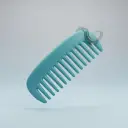 くし kushi comb
彼女は毎日くしを使います。 kanojo wa mainichi kushi o tsukaimasu. She uses a comb daily.
-
 鏡 kagami mirror
昨日、鏡を掃除しましたか? Kinō kagami o sōji shimashita ka? Did you clean the mirror yesterday?
-
 デオドラント deodoranto deodorant
私は毎日デオドラントが必要です。 watashi wa mainichi deodoranto ga hitsuyō desu. I need deodorant every day.
-
 シャワージェル shawā jeru shower gel
このシャワージェルはいい香りがします。 kono shawā jeru wa ii kaori ga shimasu. This shower gel smells nice.
-
 頭 atama head
頭を守ってください。 atama o mamotte kudasai Please protect your head.
-
 顔 kao face
毎朝、顔を洗います。 maiasa kao o araimasu You wash your face every morning.
-
 足 ashi foot
足を触ることができますか? ashi o sawaru koto ga dekimasu ka? Can you touch your foot?
-
 目 me eye
あなたは目がきれいです。 Anata wa me ga kirei desu. You have beautiful eyes.
-
 腕 ude arm
彼は昨日腕を折りました。 kare wa kinō ude o orimashita. He broke his arm yesterday.
-
 鼻 hana nose
どちらの方が鼻が大きいですか? dochira no hō ga hana ga ōkii desu ka Who has the bigger nose?
-
 口 kuchi mouth
彼女は口に飴を入れました。 kanojo wa kuchi ni ame o iremashita. She put the candy in her mouth.
-
 歯 ha teeth
彼らは毎日歯を磨きます。 Karera wa mainichi ha o migakimasu. They brush their teeth daily.
-
 手 te hand
手を洗うことはとても大切です。 te o arau koto wa totemo taisetsu desu. Washing hands is very important.
-
 耳 mimi ear
この動物は耳がありますか? kono dōbutsu wa mimi ga arimasu ka? Does this animal have ears?
-
 脚 ashi leg
脚が痛いですか? Ashi ga itai desu ka? Does you leg hurt?
-
 髪 kami hair
どのくらいの頻度で髪をとかしますか? Dono kurai no hindo de kami o tokashimasu ka? How often do you brush your hair?
Words 901–1000
-
 体 karada body
その男の人は体が丈夫だ。 sono otoko no hito wa karada ga jōbu da. The man has a strong body.
-
 微笑む hohoemu smile
その子供は私に微笑んでいます。 Sono kodomo wa watashi ni hohoende imasu. The child smiles at me.
-
 背中 senaka back
彼は私の背中に触れた。 kare wa watashi no senaka ni fureta. He touched my back.
-
 首 kubi neck
彼女は自分の首に手を当てた。 kanojo wa jibun no kubi ni te o ateta She touched her neck.
-
 肩 kata shoulder
医者は私の肩に触れた。 isha wa watashi no kata ni fureta. The doctor touched my shoulder.
-
 お腹 onaka stomach
お腹が痛いです。 onaka ga itai desu My stomach hurts.
-
 胸 mune chest
彼は胸に痛みを感じた。 kare wa mune ni itami o kanjita He felt pain in his chest.
-
 唇 kuchibiru lip
その男の子は自分の唇に触れた。 Sono otokonoko wa jibun no kuchibiru ni fureta. The boy touched his lip.
-
 舌 shita tongue
熱いスープで舌を火傷した。 atsui sūpu de shita o yakedo shita. The hot soup burned my tongue.
-
 のど nodo throat
のどがとても渇いています。 nodo ga totemo kawaite imasu. My throat is very dry.
-
 口髭 kuchihige mustache
父は口髭を生やしています。 chichi wa kuchihige o hayashite imasu My father has a mustache.
-
 あごひげ agohige beard
その男性は長いあごひげを生やしています。 Sono dansei wa nagai agohige o hayashite imasu. The man has a long beard.
-
 指 yubi finger
赤ちゃんが私の指を握った。 akachan ga watashi no yubi o nigitta. The baby grabbed my finger.
-
 親指 oyayubi thumb
彼は親指で指し示した。 kare wa oyayubi de sashishimeshita He pointed with his thumb.
-
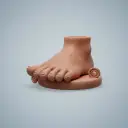 足の指 ashi no yubi toe
足の指を痛めました。 ashi no yubi o itamemashita I hurt my toe.
-
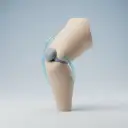 膝 hiza knee
彼は右の膝を曲げた。 kare wa migi no hiza o mageta He bent his right knee.
-
 肘 hiji elbow
医者は私の肘を診察した。 isha wa watashi no hiji o shinsatsu shita The doctor examined my elbow.
-
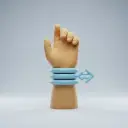 手首 tekubi wrist
手首を痛めました。 tekubi o itamemashita I hurt my wrist.
-
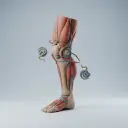 足首 ashikubi ankle
彼女は足首を痛めました。 kanojo wa ashikubi o itamemashita She hurt her ankle.
-
 手のひら te no hira palm
彼女は手のひらを開いた。 kanojo wa te no hira o hiraita She opened her palm.
-
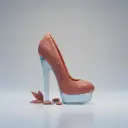 かかと kakato heel
犬が私のかかとを噛みました。 Inu ga watashi no kakato o kamimashita. The dog bit my heel.
-
 股関節 kokansetsu hip
左の股関節が痛いです。 hidari no kokansetsu ga itai desu My left hip hurts.
-
 腰 koshi waist
彼は腰に縄を巻いた。 kare wa koshi ni nawa o maita. He tied a rope around his waist.
-
 筋肉 kinniku muscle
足の筋肉が痛いです。 ashi no kinniku ga itai desu. My leg muscle hurts.
-
 エクササイズ ekusasaizu exercise
これは素晴らしいフィットネスのエクササイズです。 kore wa subarashii fittonesu no ekusasaizu desu This is an amazing fitness exercise.
-
 ジム jimu gym
ジムに行きますか? jimu ni ikimasu ka? Do you go to the gym?
-
 運動 undō workout
定期的な運動は健康を保ちます。 Teikiteki na undō wa kenkō o tamochimasu. Regular workout keeps you healthy.
-
 ウォーミングアップする wōmingu appu suru warm up
これは筋肉をウォーミングアップするのに役立ちます。 kore wa kin'niku o wōmingu appu suru noni yakudachimasu This helps warm up muscles.
-
 ストレッチする sutorecchi suru stretch
私は毎朝ストレッチします。 watashi wa maiasa sutorecchi shimasu I stretch every morning.
-
 走る hashiru run
彼らはとても速く走ります。 karera wa totemo hayaku hashirimasu They run very fast.
-
 歩く aruku walk
彼女は夕方に歩くのが好きです。 kanojo wa yūgata ni aruku no ga suki desu She likes to walk in the evening.
-
 ウエイトを持ち上げる ueito o mochiageru lift weights
ウエイトを持ち上げると筋肉が大きくなります。 ueito o mochiageru to kin'niku ga ōkiku narimasu Lifting weights grows your muscles.
-
 ヨガ yoga yoga
ヨガはとても落ち着きます。 Yoga wa totemo ochitsukimasu. Yoga feels very calming.
-
 呼吸 ko kyū breathing
私たちは深く呼吸する練習をします。 watashi tachi wa fukaku kokyū suru renshū o shimasu We practice breathing deeply.
-
 健康を維持する kenkō o iji suru keep fit
私は走ることで健康を維持しています。 watashi wa hashiru koto de kenkō o iji shite imasu I keep fit by running.
-
 休息日 kyūsokubi rest day
彼女は休息日が必要です。 Kanojo wa kyūsokubi ga hitsuyō desu. She needs a rest day.
-
 出かける dekakeru to go out
私たちはたいてい金曜日に出かけます。 watashitachi wa taitei kin'yōbi ni dekakemasu. We usually go out on Fridays.
-
 ナイトクラブ naito kurabu nightclub
ナイトクラブは夜中を過ぎると満員です。 Naito kurabu wa yonaka o sugiru to man'in desu. The nightclub is full after midnight.
-
 バー bā bar
後でバーで会いましょう。 ato de bā de aimashō. Let’s meet at the bar later.
-
 たばこ tabako cigarette
彼は外で、たばこを吸っています。 Kare wa soto de, tabako o sutte imasu. He is outside, smoking a cigarette.
-
 灰皿 haizara ashtray
灰皿を使ってください。 haizara o tsukatte kudasai Please use the ashtray.
-
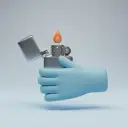 ライター raitā lighter
ライターを持っていますか? Raitā o motte imasu ka? Do you have a lighter?
-
 お酒 osake alcohol
彼女はあまりお酒を飲みません。 Kanojo wa amari osake o nomimasen. She doesn’t drink alcohol very often.
-
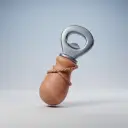 栓抜き sennuki bottle opener
これには栓抜きが必要です。 Kore ni wa sennuki ga hitsuyou desu. We need a bottle opener for this.
-
 踊る odoru dance
私の友達はいつも踊りたがっています。 Watashi no tomodachi wa itsumo odori-tagatte imasu. My friends always want to dance.
-
 酔う you drunk
彼は酔っているので、歩いて家に帰ります。 Kare wa yotte iru node aruite ie ni kaerimasu. He is drunk, so he walks home.
-
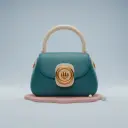 ハンドバッグ handobaggu handbag
彼女の携帯は赤いハンドバッグの中にあります。 kanojo no keitai wa akai handobaggu no naka ni arimasu. Her phone is inside the red handbag.
-
 歌手 kashu singer
今夜の歌手は最高でした。 kon'ya no kashu wa saikō deshita. The singer was awesome tonight.
-
 くしゃみ kushami sneeze
そのくしゃみはとても大きかったです。 sono kushami wa totemo ōkikatta desu That sneeze was very loud.
-
 筋肉痛 kinnikutsū sore muscles
トレーニングで筋肉痛になりました。 Torēningu de kinnikutsū ni narimashita. My training caused sore muscles.
-
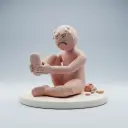 つる tsuru cramp
足がつるのは最悪です。 Ashi ga tsuru no wa saiaku desu. Leg cramps are the worst.
-
 首のこり kubi no kori stiff neck
この首のこりはどうすれば治りますか? Kono kubi no kori wa dō sureba naorimasu ka? How do I fix this stiff neck?
-
 あざ aza bruise
大きなあざがあります。 Ōkina aza ga arimasu. I have a big bruise.
-
 腹痛 fukutsuu stomach ache
昨日は腹痛になりました。 kinou wa fukutsuu ni narimashita I got a stomach ache yesterday.
-
 歯痛 shitsū toothache
それはひどい歯痛ですね。 sore wa hidoi shitsū desu ne. That is a bad toothache.
-
 腰痛 yōtsū back pain
おばあちゃんは今日、腰痛です。 Obaachan wa kyō, yōtsū desu. Grandma has back pain today.
-
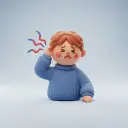 耳の痛み mimi no itami earache
彼は今、耳の痛みがあります。 Kare wa ima, mimi no itami ga arimasu. He has an earache now.
-
 疲労 hirō exhaustion
仕事は疲労の原因になることがあります。 Shigoto wa hirō no gen'in ni naru koto ga arimasu. Your job can cause exhaustion.
-
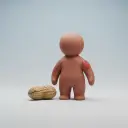 アレルギー arerugī allergy
私のアレルギーは春が一番ひどいです。 Watashi no arerugī wa haru ga ichiban hidoi desu. My allergy is the worst in spring.
-
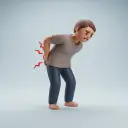 ここが痛いです koko ga itai desu It hurts here.
ここが痛いです。 koko ga itai desu. It hurts here.
-
 泣く naku cry
悲しんでいる子供が泣いています。 kanashinde iru kodomo ga naite imasu. The sad child is crying.
-
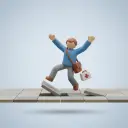 落ちる ochiru fall
果物が木から落ちます。 kudamono ga ki kara ochimasu. The fruit falls from the tree.
-
 具合が悪い guai ga warui ill
その子は具合がとても悪いです。 sono ko wa guai ga totemo warui desu The child is very ill.
-
 元気 genki fine
今日は元気です。 Kyō wa genki desu. I feel fine today.
-
 切る kiru cut
彼女はパンを切ります。 kanojo wa pan o kirimasu. She cuts the bread.
-
 包帯 hōtai bandage
彼は傷口に包帯を巻いた。 kare wa kizuguchi ni hōtai o maita He put a bandage on the wound.
-
 燃える moeru burn
乾いた薪はすぐに燃えます。 kawaita maki wa sugu ni moemasu. The dry wood burns quickly.
-
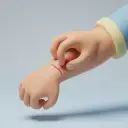 引っ掻く hikkaku scratch
猫が私の腕を引っ掻きました。 Neko ga watashi no ude o hikkakimashita. The cat scratched my arm.
-
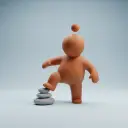 ぶつける butsukeru bump
頭をぶつけました。 atama o butsukemashita I bumped my head.
-
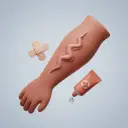 傷跡 kizuato scar
彼は古い傷跡に触れた。 kare wa furui kizuato ni fureta He touched the old scar.
-
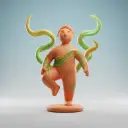 回復する kaifuku suru recover
彼は病気から回復しました。 kare wa byōki kara kaifuku shimashita. He recovered from the illness.
-
 治る naoru heal
その深い傷は治ります。 sono fukai kizu wa naorimasu. The deep wound will heal.
-
 停電 teiden blackout
幸いなことに、停電は短かったです。 Saiwai na koto ni, teiden wa mijikakatta desu. Luckily, the blackout was brief.
-
 プラグ puragu plug
彼はノートパソコンの充電器のプラグを差し込むのを忘れました。 kare wa nōtopasokon no jūdenki no puragu o sashikomu no o wasuremashita. He forgot to plug in the laptop charger.
-
 コンセント konsento socket
彼女はスマホを壁のコンセントに差し込みました。 kanojo wa sumaho o kabe no konsento ni sashikomimashita. She plugged her phone into the wall socket.
-
 延長コード enchou koodo extension cord
この延長コードは長いです。 Kono enchou koodo wa nagai desu. This extension cord is long.
-
 電源タップ dengen tappu power strip
彼女はコンピューターを電源タップに繋ぎました。 kanojo wa konpyūtā o dengen tappu ni tsunagimashita She connected her computer to the power strip.
-
 変換プラグ henkan puragu adapter plug
変換プラグが必要です。 Henkan puragu ga hitsuyō desu. You need an adapter plug.
-
 ヒューズボックス hyūzu bokkusu fuse box
ヒューズボックスが壊れています。 hyūzu bokkusu ga kowarete imasu. The fuse box is broken.
-
 ブレーカー burēkā circuit breaker
嵐の間にブレーカーが落ちました。 Arashi no aida ni burēkā ga ochimashita. The circuit breaker turned off during the storm.
-
 電圧 den'atsu voltage
この電圧はとても低いようです。 kono den'atsu wa totemo hikui yō desu. This voltage seems very low.
-
 電池 denchi battery
電池が懐中電灯を動かします。 denchi ga kaichūdentō o ugokashimasu. A battery powers the flashlight.
-
 バッテリー切れ batterī kire dead battery
バッテリー切れなので、充電する必要があります。 Batterī kire nanode jūden suru hitsuyō ga arimasu. We need to charge the dead battery.
-
 電池を交換する denchi o kōkan suru replace the battery
よく電池を交換します。 yoku denchi o kōkan shimasu. You replace the battery often.
-
 電気 denki electricity
明かりのために電気が必要です。 akari no tame ni denki ga hitsuyō desu. We need electricity for light.
-
 ガス gasu gas
ガスのにおいが台所に広がりました。 gasu no nioi ga daidokoro ni hirogari mashita. The smell of gas filled the kitchen.
-
 支払期限 shiharai kigen due date
請求書の支払期限を確認してください。 Seikyūsho no shiharai kigen o kakunin shite kudasai. Please check the due date on the bill.
-
 暖房 danbō heating
暖房をつけてもらえますか? Danbō o tsukete moraemasu ka? Can you turn the heating on?
-
 インターネット intānetto internet
彼らは毎日インターネットを使います。 Karera wa mainichi intānetto o tsukaimasu. They use the internet daily.
-
 請求書 seikyūsho bill
水道の請求書の支払い期限はいつですか? Suidō no seikyūsho no shiharai kigen wa itsu desu ka? What’s the due date for the water bill?
-
 技術者 gijutsusha technician
技術者が回線の点検に来ました。 Gijutsusha ga kaisen no tenken ni kimashita. A technician came to check the line.
-
 供給会社 kyōkyū gaisha supplier
供給会社が新しい契約書を送りました。 kyōkyū gaisha ga atarashii keiyakusho o okurimashita. The supplier sent a new contract.
-
 契約 keiyaku contract
契約が切れました。 Keiyaku ga kiremashita. The contract has expired.
-
 プロバイダー purobaidā provider
私はインターネットのプロバイダーを変えました。 watashi wa intānetto no purobaidā o kaemashita I changed my internet provider.
-
 口座番号 kouza bangou account number
私の口座番号は何ですか? Watashi no kouza bangou wa nan desu ka? What is my account number?
-
 カスタマーサービス kasutamā sābisu customer service
私たちは素晴らしいカスタマーサービスを提供しています。 Watashitachi wa subarashii kasutamā sābisu o teikyō shite imasu. We offer great customer service.
-
 用紙 yōshi form
彼は印刷された用紙が必要です。 Kare wa insatsu sareta yōshi ga hitsuyō desu. He needs a printed form.
-
 署名 shomei signature
私の署名だけで十分ですか? Watashi no shomei dake de jūbun desu ka? Is my signature going to be enough?
-
 パスポート pasupōto passport
パスポートをなくしましたか? pasupōto o nakushimashita ka Did you lose your passport?
-
 ビザ biza visa
その国はビザが必要です。 sono kuni wa biza ga hitsuyō desu That country requires a visa.
Free for personal and classroom use.
Quick quiz
Five questions from the first 100 words.
Make these words stick
The app brings each word back right before you’d forget it. Free on iPhone and Android.
More Japanese
Japanese words by topic
- Numbers1–100
- Days of the week12
- Months12
- Colors19
- Family members36
- Body parts24
- Food44
- Animals36
- Clothes41
- Jewelry and Accessories12
- Weather24
- Greetings12
- Fruits16
- Vegetables12
- Kitchen36
- Restaurant & ordering food48
- Money25
- Rooms in the house48
- Jobs & professions36
- Emotions & feelings36
- School supplies & classroom48
- Transportation48
- Travel60
- Directions48
- Places in town48
- At the doctor36
- Sports & games60
- Hobbies36
- Musical instruments12
- Nature & plants36
- Planets & space24
- Time36
- Holidays & celebrations12
- Shapes12
- Please & thank you24
- Small talk36
Word lists
Alphabet
Learn these 1,000 Japanese words in order.
The app teaches them 12 at a time, with pictures and audio, and brings each one back before you forget it. Free on iPhone and Android.
Scan with your phone's camera to get the app.
