












 The 500 Most Common Portuguese Words
Each word with a picture, native audio and an example sentence with its English translation. Tap a speaker to hear the word or the sentence.

Learn all 500 words in the app
Pictures, native audio, and each word comes back right before you’d forget it. Free on iPhone & Android.

 Scan with your phone camera
 Your PDF is downloading
Printing is step one. Flashcardly makes the words stick: it brings each one back right before you’d forget it, with native audio.
How this list is ranked
This is the Flashcardly Portuguese course in order: by frequency and everyday usefulness, with input from language teachers. It is not a raw corpus count, which is why words like “the” and “of” are not padding the top of the list, while “man” comes in at #13.
The list
Tap a picture to hear it.
Words 1–100
-
 Olá Hello
Olá, tudo bem? Hello, how are you?
-
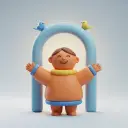 bem-vindo Welcome
Bem-vindos à nossa casa. Welcome to our home.
-
 Bom dia Good morning
Bom dia! Good morning!
-
 sim yes
Sim, eu entendo. Yes, I understand.
-
 Boa noite Good evening
Boa noite! Good evening!
-
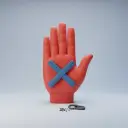 não no
Ela disse não. She said no.
-
 Tchau Goodbye
Tchau, Anna! Goodbye, Anna!
-
 Boa tarde Good afternoon
Boa tarde! Good afternoon!
-
 Até breve See you soon
Até breve, Mia! See you soon, Mia!
-
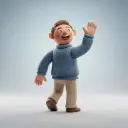 Até amanhã See you tomorrow
Até amanhã! See you tomorrow!
-
 Prazer em conhecer você Nice to meet you
Prazer em conhecer você também! Nice to meet you too!
-
 Como você está? How are you?
Como você está hoje? How are you today?
-
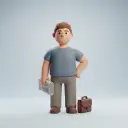 o homem man
O homem lê o livro. The man reads the book.
-
 a mulher woman
A mulher usa um chapéu. The woman wears a hat.
-
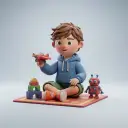 o menino boy
O menino brinca com brinquedos. The boy plays with toys.
-
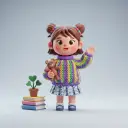 a menina girl
A menina tem uma bola. The girl has a ball.
-
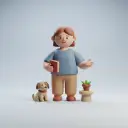 a pessoa person
Ele é uma pessoa legal. He is a nice person.
-
 as pessoas people
As pessoas estão muito felizes. The people are very happy.
-
 o adulto adult
Eu sou um adulto. I am an adult.
-
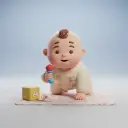 o bebê baby
O bebê precisa de leite. The baby needs milk.
-
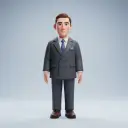 Senhor Mr
O Senhor Smith gosta de ler livros. Mr. Smith likes to read books.
-
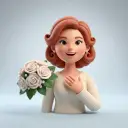 Senhora Mrs
A Senhora Smith é uma professora. Mrs. Smith is a teacher.
-
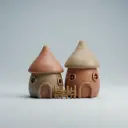 o vizinho neighbor
Meu vizinho é muito simpático. My neighbor is very friendly.
-
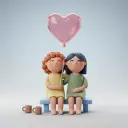 o amigo friend
Meu amigo gosta de ler livros. My friend likes to read books.
-
 hoje today
Hoje é um bom dia. Today is a good day.
-
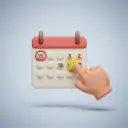 amanhã tomorrow
Amanhã é um novo dia. Tomorrow is a new day.
-
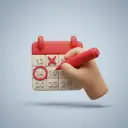 ontem yesterday
Eu a vi ontem. I saw her yesterday.
-
 agora now
Ele quer isso agora. He wants it now.
-
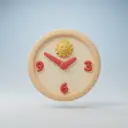 a tarde afternoon
Gosto da tarde. I like the afternoon.
-
 a noite evening
A noite está calma. The evening is quiet.
-
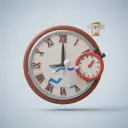 o minuto minute
Precisamos de cinco minutos. We need five minutes.
-
 a manhã morning
Eu tomo café da manhã de manhã. I eat breakfast in the morning.
-
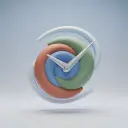 mais tarde later
Vou fazer isso mais tarde. I will do it later.
-
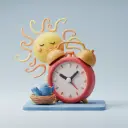 cedo early
Ela acorda cedo. She wakes up early.
-
 atrasado late
Ele costuma estar atrasado. He is often late.
-
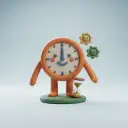 a hora hour
A aula dura uma hora. The class lasts one hour.
-
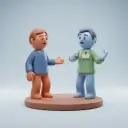 Qual é o seu nome? What's your name?
Qual é o seu nome? What's your name?
-
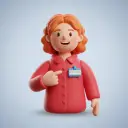 Meu nome é My name is
Meu nome é Emily. My name is Emily.
-
 De onde você é? Where are you from?
De onde você é? Where are you from?
-
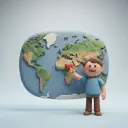 Eu sou de I'm from
Eu sou da Alemanha. I'm from Germany.
-
 Onde você mora? Where do you live?
Onde você mora? Where do you live?
-
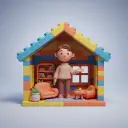 Eu moro no I live in
Eu moro no Japão. I live in Japan.
-
 Quais idiomas você fala? What languages do you speak?
Quais idiomas você fala? What languages do you speak?
-
 eu falo I speak
Eu falo inglês bem. I speak English well.
-
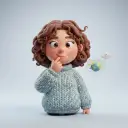 falar um pouco de I speak a little
Eu falo um pouco de francês. I speak a little French.
-
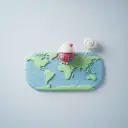 Onde você nasceu Where were you born
Onde você nasceu? Where were you born?
-
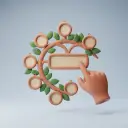 Qual é o seu sobrenome? What's your surname?
Qual é o seu sobrenome? What's your surname?
-
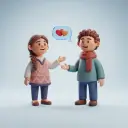 Esta é minha amiga This is my friend
Esta é minha amiga Lisa. This is my friend Lisa.
-
 fazer make
Eu faço um bom café. I make good coffee.
-
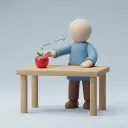 ganhar get
Ele ganhou um presente. He got a present.
-
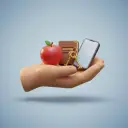 ter have
Emma tem um carro. Emma has a car.
-
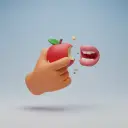 comer eat
Eles estão comendo maçãs. They are eating apples.
-
 beber drink
Você bebe café? Do you drink coffee?
-
 dormir sleep
Eu quero dormir agora. I want to sleep now.
-
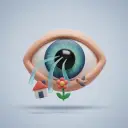 ver see
Você consegue ver a casa? Can you see the house?
-
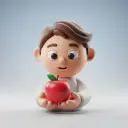 olhar look at
Adam gosta de olhar fotos. Adam likes to look at pictures.
-
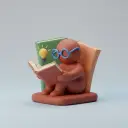 ler read
O estudante lê livros. The student reads books.
-
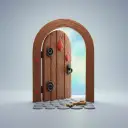 abrir open
Ela abre a janela. She opens the window.
-
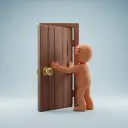 fechar close
Eu fecho a porta. I close the door.
-
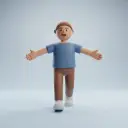 vir come
Você vem aqui todo dia. You come here every day.
-
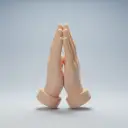 Por favor Please.
Por favor, abra a porta. Please open the door.
-
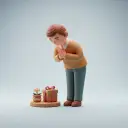 Obrigado Thank you.
Obrigado pela sua ajuda. Thank you for your help.
-
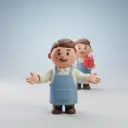 De nada You're welcome.
De nada. You're welcome.
-
 Com licença Excuse me.
Com licença, eu preciso de ajuda. Excuse me, I need help.
-
 Desculpe Sorry.
Me desculpe. I am sorry.
-
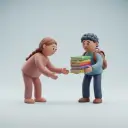 Você poderia me ajudar? Could you help me?
Você poderia me ajudar? Could you help me?
-
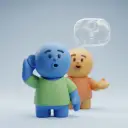 Você poderia repetir, por favor? Could you please repeat?
Você poderia repetir, por favor? Could you please repeat that?
-
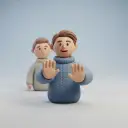 Você poderia falar mais devagar? Could you speak more slowly?
Você poderia falar mais devagar? Could you speak more slowly?
-
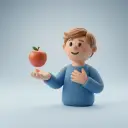 Poderia me dar... por favor? Could I have ... please?
Poderia me dar água, por favor? Could I have water please?
-
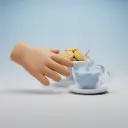 Gostaria de I'd like
Gostaria de mais chá. I'd like some more tea.
-
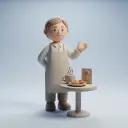 Posso...? May I...?
Posso ter um pouco de água? May I have some water?
-
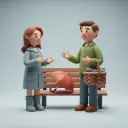 Tudo bem se Is it okay if...?
Tudo bem se eu sentar? Is it okay if I sit?
-
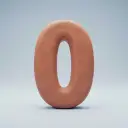 zero zero
Zero é menor que um. Zero is less than one.
-
 um one
Eu tenho uma maçã. I have one apple.
-
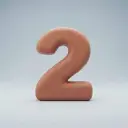 dois two
Tem dois gatos. There are two cats.
-
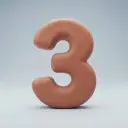 três three
Não, três é demais. No, three is too much.
-
 quatro four
Me dê quatro, por favor. Give me four, please.
-
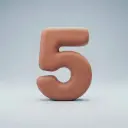 cinco five
Eu tenho cinco cachorros. I have five dogs.
-
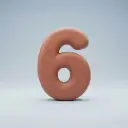 seis six
Ele veio com seis amigos. He came with six friends.
-
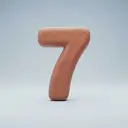 sete seven
Eu estou correndo sete quilômetros. I am running seven kilometers.
-
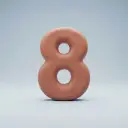 oito eight
Uma aranha tem oito pernas. A spider has eight legs.
-
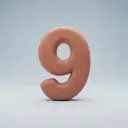 nove nine
Nove é o meu número da sorte. Nine is my lucky number.
-
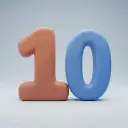 dez ten
Nós temos dez dedos. We have ten fingers.
-
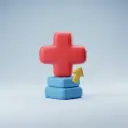 mais plus
Dois mais dois é quatro. Two plus two is four.
-
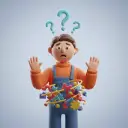 Não entendo. I don't understand.
Não entendo. I don't understand.
-
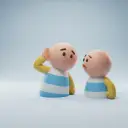 Você poderia repetir, por favor? Could you repeat that please?
Você poderia repetir, por favor? Could you repeat that please?
-
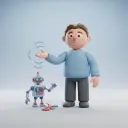 Mais devagar, por favor More slowly please.
Mais devagar, por favor. More slowly please.
-
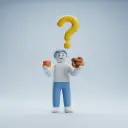 O que isso significa? What does that mean?
O que isso significa? What does that mean?
-
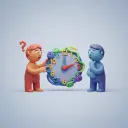 Como se diz isso em ...? How do you say that in ...?
Como se diz isso em espanhol? How do you say that in Spanish?
-
 Como se soletra isso? How do you spell that?
Como se soletra isso? How do you spell that?
-
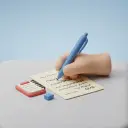 Você pode anotar? Can you write it down?
Você pode anotar, por favor? Can you write it down, please?
-
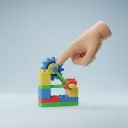 Você pode me mostrar? Can you show me?
Você pode me mostrar a foto? Can you show me the photo?
-
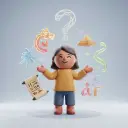 Você fala...? Do you speak ...?
Você fala inglês? Do you speak English?
-
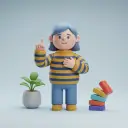 Só um momento, por favor. Just a moment please.
Só um momento, por favor. Just a moment please.
-
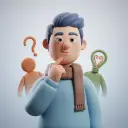 Acho que sim I think so.
Acho que sim também. I think so too.
-
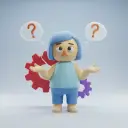 Não sei I don't know.
Não sei. I don't know.
-
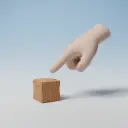 este this
Este é o meu carro vermelho. This is my red car.
-
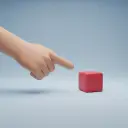 esse that
Esse cachorro é muito amigável. That dog is very friendly.
-
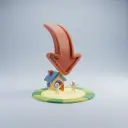 aqui here
Eu gosto de estar aqui. I like being here.
-
 lá there
Nos encontramos lá depois do trabalho. We meet there after work.
Words 101–200
-
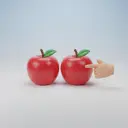 outro another
Ele quer outro pedaço de bolo. He wants another piece of cake.
-
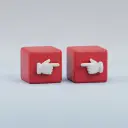 mesmo same
Vestimos a mesma camisa azul. We wear the same blue shirt.
-
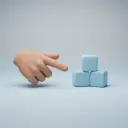 estas these
Estas maçãs estão prontas para comer. These apples are ready to eat.
-
 aqueles those
Aqueles biscoitos parecem muito gostosos. Those cookies look very good.
-
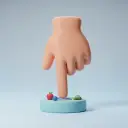 bem aqui right here
As chaves estão bem aqui. The keys are right here.
-
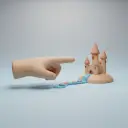 lá over there
Meus sapatos estão lá. My shoes are over there.
-
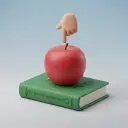 sobre on top of
O gato está sobre a mesa. The cat is on top of the table.
-
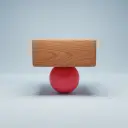 debaixo underneath
O cachorro está debaixo da mesa. The dog is underneath the table.
-
 Como vai? How's it going?
Como vai? How's it going?
-
 Há quanto tempo Long time no see.
Há quanto tempo! Long time no see.
-
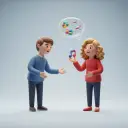 Do que você gosta? What do you enjoy?
Do que você gosta? What do you enjoy?
-
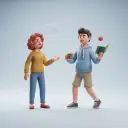 O que você está fazendo? What are you up to?
O que você está fazendo agora? What are you up to now?
-
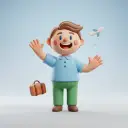 Tenha um bom dia. Have a nice day.
Tenha um bom dia, John! Have a nice day, John!
-
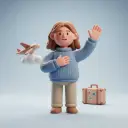 Se cuida Take care.
Se cuida. Até amanhã. Take care. See you tomorrow.
-
 Boa sorte! Good luck!
Boa sorte! Acredito em você! Good luck! I believe in you!
-
 Parabéns! Congratulations!
Parabéns! Você terminou o trabalho duro. Congratulations! You finished the hard work.
-
 Saúde! Cheers!
Saúde! Cheers!
-
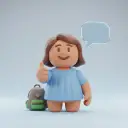 Sem problemas No problem.
Sem problemas, posso te ajudar. No problem, I can help you.
-
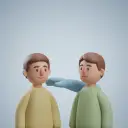 Não se preocupe Don't worry.
Não se preocupe, vai ficar tudo bem. Don't worry, it will be okay.
-
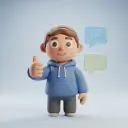 Parece bom Sounds good.
Parece bom para mim, obrigado! Sounds good to me, thanks!
-
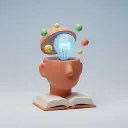 saber know
Você sabe a resposta agora. You know the answer now.
-
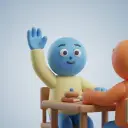 perguntar ask
Você pode perguntar ao seu irmão. You can ask your brother.
-
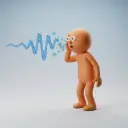 ouvir hear
Você consegue ouvir aquele som? Can you hear that sound?
-
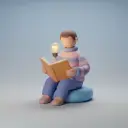 aprender learn
Você aprende algo novo todos os dias. You learn something new everyday.
-
 conversar com talk with
Você gosta de conversar com seus amigos? Do you like talking with your friends?
-
 dizer say
Eu quero dizer alguma coisa. I want to say something.
-
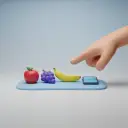 escolher choose
Você escolhe sua cor favorita. You choose your favorite color.
-
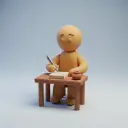 escrever write
Os alunos escrevem uma história. The students write a story.
-
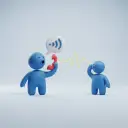 ligar call
Eu vou te ligar. I am going to call you.
-
 escutar listen to
Eu escuto o rádio. I listen to the radio.
-
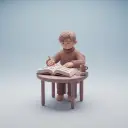 estudar study
Eu estudo muito para toda prova. I study hard for every test.
-
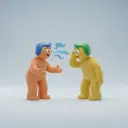 contar tell
Ele me conta o nome dele. He tells me his name.
-
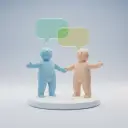 encontrar meet
Eu te encontro amanhã. I will meet you tomorrow.
-
 entrar join
Ela vai entrar para o nosso grupo. She will join our group.
-
 aproveitar enjoy
Nós aproveitamos a música. We enjoy the music.
-
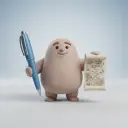 descrever describe
O menino descreveu o animal. The boy described the animal.
-
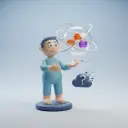 explicar explain
Ela explicará o problema. She will explain the problem.
-
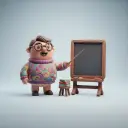 ensinar teach
Eu ensino os novos alunos. I teach the new students.
-
 apresentar introduce
Eu vou apresentar o meu amigo. I will introduce my friend.
-
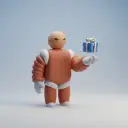 aceitar accept
Ela aceita o presente. She accepts the gift.
-
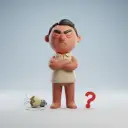 recusar refuse
A criança recusa a comida. The child refuses the food.
-
 prometer promise
Eu prometo te ajudar. I promise to help you.
-
 discutir discuss
Eles discutem o novo plano. They discuss the new plan.
-
 entrar em contato contact
Eu entrarei em contato com o médico. I will contact the doctor.
-
 rir laugh
As crianças riem alto. The children laugh loudly.
-
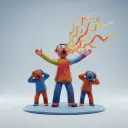 gritar shout
O menino grita por socorro. The boy shouts for help.
-
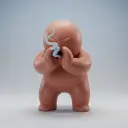 sussurrar whisper
Ele sussurra no meu ouvido. He whispers in my ear.
-
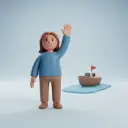 acenar wave
Ela acena para se despedir. She waves goodbye.
-
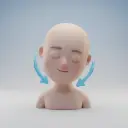 acenar nod
A mulher acena com a cabeça. The woman nods her head.
-
 abraçar hug
A mãe abraça o seu filho. The mother hugs her child.
-
 beijar kiss
A mãe beija o seu filho. The mother kisses her child.
-
 apontar point
A criança aponta para o cachorro. The child points at the dog.
-
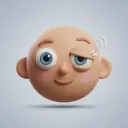 piscar blink
Ele pisca os olhos rapidamente. He blinks his eyes quickly.
-
 franzir a testa frown
O pai franze a testa para o filho. The father frowns at his son.
-
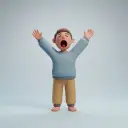 bocejar yawn
O homem cansado boceja. The tired man yawns.
-
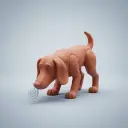 cheirar sniff
O cachorro cheira a comida. The dog sniffs the food.
-
 bom good
Ela é uma boa pessoa. She is a good person.
-
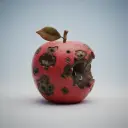 ruim bad
Aquele leite está com cheiro ruim. That milk smells bad.
-
 grande big
O cachorro grande pode pular. The big dog can jump.
-
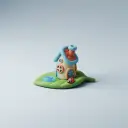 pequeno small
O bebê tem mãos pequenas. The baby has small hands.
-
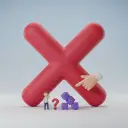 errado wrong
Sua resposta está errada. Your answer is wrong.
-
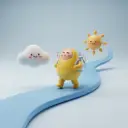 fácil easy
Este problema de matemática é fácil. This math problem is easy.
-
 difícil difficult
Essa prova foi difícil. That test was difficult.
-
 rápido fast
Carros vão muito rápido. Cars go very fast.
-
 lento slow
A tartaruga é muito lenta. The turtle is very slow.
-
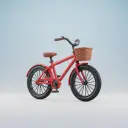 novo new
Este é um carro novo. This is a new car.
-
 verdadeiro true
Esta história é verdadeira? Is this story true?
-
 falso false
A resposta é falsa. The answer is false.
-
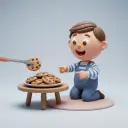 Eu quero I want to
Eu quero comer pizza. I want to eat pizza.
-
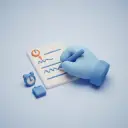 precisar I need to
Preciso ligar para ela. I need to call her.
-
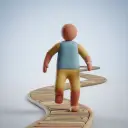 Eu vou I'm going to
Eu vou comer em breve. I'm going to eat soon.
-
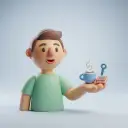 Eu gostaria de I'd like to
Eu gostaria de jogar tênis. I'd like to play tennis.
-
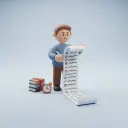 Eu tenho que I have to
Eu tenho que ir agora. I have to go now.
-
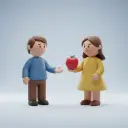 Posso May I ...?
Posso ter água, por favor? May I have water, please?
-
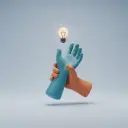 me ajude com Help me with
Por favor, me ajude com esta mala. Please help me with this bag.
-
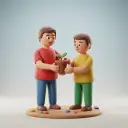 Mostre-me como Show me how to
Mostre-me como fazer isso. Show me how to do this.
-
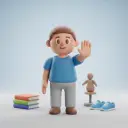 Não posso... agora I can't ... right now.
Não posso ajudar agora. I can't help right now.
-
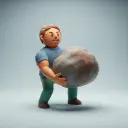 Estou tentando I’m trying to
Estou tentando dormir agora. I’m trying to sleep now.
-
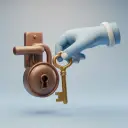 É possível...? Is it possible to ...?
É possível nadar aqui? Is it possible to swim here?
-
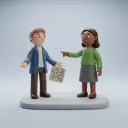 Onde posso...? Where can I ...?
Onde posso almoçar? Where can I eat lunch?
-
 a segunda-feira Monday
Segunda-feira é o primeiro dia. Monday is the first day.
-
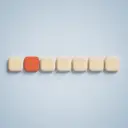 a terça-feira Tuesday
Terça-feira é sempre divertida. Tuesday is always fun.
-
 a quarta-feira Wednesday
Ela vai para casa quarta-feira. She goes home Wednesday.
-
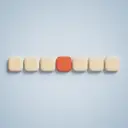 a quinta-feira Thursday
Ele vem na quinta-feira. He comes on Thursday.
-
 a sexta-feira Friday
Sexta-feira é o melhor dia. Friday is the best day.
-
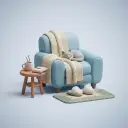 o sábado Saturday
Eu saio no sábado. I leave on Saturday.
-
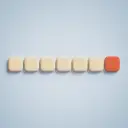 o domingo Sunday
Vou descansar no domingo. I will rest on Sunday.
-
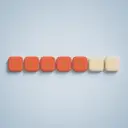 o dia de semana weekday
Ela trabalha toda manhã de dia de semana. She works every weekday morning.
-
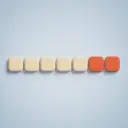 o fim de semana weekend
Quem não gosta do fim de semana? Who does not like the weekend?
-
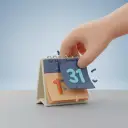 diariamente daily
Lemos o jornal diariamente. We read the newspaper daily .
-
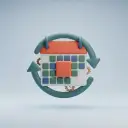 semanalmente weekly
Eu geralmente assisto o noticiário semanalmente. I usually watch the news weekly.
-
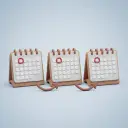 mensal monthly
Eles pagam o preço mensal. They pay the monthly price.
-
 o dia day
Nós esperamos por um dia. We waited for one day.
-
 a noite night
Nós dormimos à noite. We sleep at night.
-
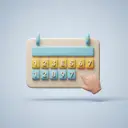 a semana week
Nós ficamos por uma semana. We stayed for one week.
-
 o mês month
Ele trabalhou por um mês. He worked for one month.
-
 o ano year
Nós esperamos por um ano. We waited for one year.
-
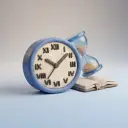 o tempo time
Nós precisamos de mais tempo. We need more time.
-
 o momento moment
Ele esperou por um momento. He waited for a moment.
-
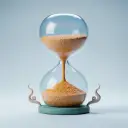 o futuro future
Eu penso no futuro. I think about the future.
Words 201–300
-
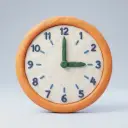 em ponto o'clock
Eu acordo às sete horas em ponto. I wake up at seven o'clock.
-
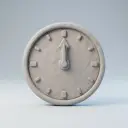 a meia-noite midnight
Nós vamos sair à meia-noite. We will leave at midnight.
-
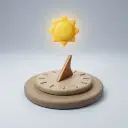 o meio-dia midday
O sol está quente ao meio-dia. The sun is hot at midday.
-
 hoje à noite tonight
Os convidados chegarão hoje à noite. The guests will arrive tonight.
-
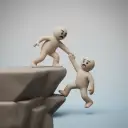 socorro! help
Socorro! Estou em apuros. Help! I am in trouble.
-
 o perigo danger
Estamos em perigo! We are in danger!
-
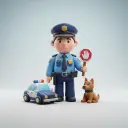 a polícia police
Chame a polícia! Call the police!
-
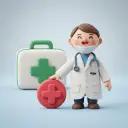 o médico doctor
Preciso de um médico! I need a doctor!
-
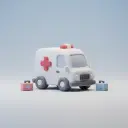 a ambulância ambulance
Ligue para uma ambulância! Call an ambulance!
-
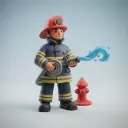 o bombeiro firefighter
Os bombeiros são heróis. The firefighters are heroes.
-
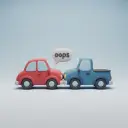 o acidente accident
Eu tive um acidente. I had an accident.
-
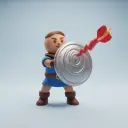 proteger protect
A polícia nos protege. The police protect us.
-
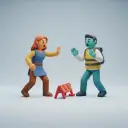 avisar warn
Preciso avisar a eles! I need to warn them!
-
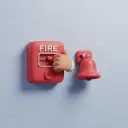 o alarme alarm
O alarme disparou! The alarm went off!
-
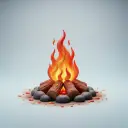 o incêndio fire
Tem um incêndio! There is a fire!
-
 a fumaça smoke
A fumaça está saindo do prédio! Smoke is coming out of the building!
-
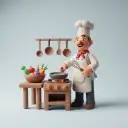 trabalhar como work as
Elas trabalham como enfermeiras de hospital. They work as hospital nurses.
-
 comprar buy
Você pode comprar frutas aqui. You can buy fruit here.
-
 pagar pay
Você precisa pagar por isso. You must pay for this.
-
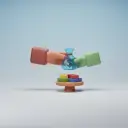 vender sell
Eles vendem frutas frescas aqui. They sell fresh fruit here.
-
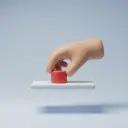 colocar put
Ele coloca o livro na mesa. He puts the book on table.
-
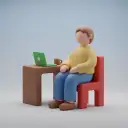 sentar sit
Emma senta naquela cadeira. Emma sits in that chair.
-
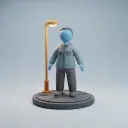 ficar em pé stand
Eu fico em pé perto da porta. I stand by the door.
-
 nadar swim
Eles podem nadar rápido. They can swim fast.
-
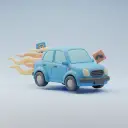 dirigir drive
Você precisa dirigir com cuidado. You need to drive carefully.
-
 planejar plan
Eles planejam visitar em breve. They plan to visit soon.
-
 terminar finish
Ele pode terminar o dever de casa mais tarde. He can finish homework later.
-
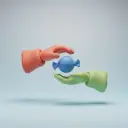 dar give
Eu dou presentes para amigos. I give presents to friends.
-
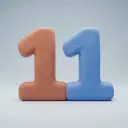 onze eleven
Eu sempre pego onze pedaços. I always get eleven pieces.
-
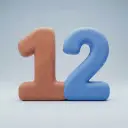 doze twelve
Há doze ovos em uma cartela. There are twelve eggs in a carton.
-
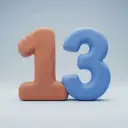 treze thirteen
O número treze é azarado. The number thirteen is unlucky.
-
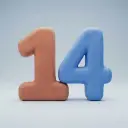 catorze fourteen
O apartamento tem catorze andares. The apartment has fourteen floors.
-
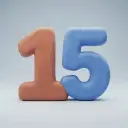 quinze fifteen
Eu abro o livro na página quinze. I open the book at page fifteen.
-
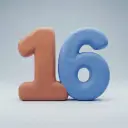 dezesseis sixteen
Isso é dezesseis vezes mais! That is sixteen times more!
-
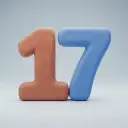 dezessete seventeen
Nós temos dezessete lápis. We have seventeen pencils.
-
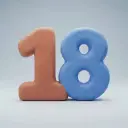 dezoito eighteen
Tem dezoito metros de altura. It is eighteen meters high.
-
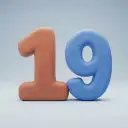 dezenove nineteen
Dezenove é o meu número favorito. Nineteen is my favourite number.
-
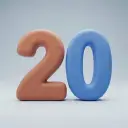 vinte twenty
Ela precisa de vinte maçãs pequenas. She needs twenty small apples.
-
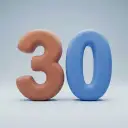 trinta thirty
Ele tem trinta anos. He is thirty years old.
-
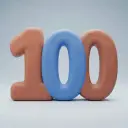 cem hundred
Ele contou até cem. He counted to one hundred.
-
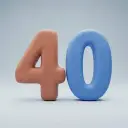 quarenta forty
Ela tem quarenta lápis no total. She has forty pencils in total.
-
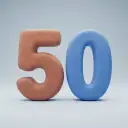 cinquenta fifty
Ele tem cinquenta dólares. He has fifty dollars.
-
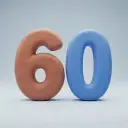 sessenta sixty
John tem sessenta anos. John is sixty years old.
-
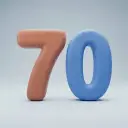 setenta seventy
Meu avô tem setenta anos. My grandpa is seventy years old.
-
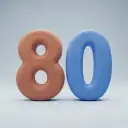 oitenta eighty
Tenho oitenta gramas de açúcar. I have eighty grams of sugar.
-
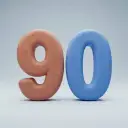 noventa ninety
Ele tem noventa livros para ler. He has ninety books to read.
-
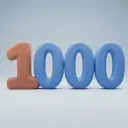 mil thousand
Mil é um número grande. A thousand is a big number.
-
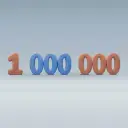 o milhão million
Aquele carro custa um milhão de dólares. That car costs a million dollars.
-
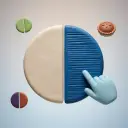 a metade half
Ele comeu metade da pizza. He ate half the pizza.
-
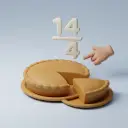 o quarto quarter
Só resta um quarto deles. There is only a quarter of them left.
-
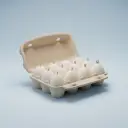 a dúzia dozen
Compro uma dúzia de ovos na loja. I buy a dozen eggs at the store.
-
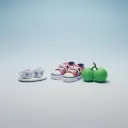 o par pair
Aquele par de sapatos está limpo. That pair of shoes is clean.
-
 primeiro first
Ele ganhou o primeiro lugar facilmente. He won first place easily.
-
 segundo second
Esta é minha segunda vez aqui. This is my second time here.
-
 terceiro third
Eles terminaram em terceiro lugar. They finished in third place.
-
 quarto fourth
Eu sou o quarto na fila. I am fourth in line.
-
 quinto fifth
Ela está na quinta fila. She is in the fifth row.
-
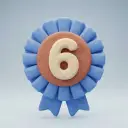 sexto sixth
Ele é a sexta pessoa. He is the sixth person.
-
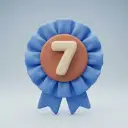 sétimo seventh
Eles moram no sétimo andar. They live on the seventh floor.
-
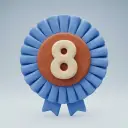 oitavo eighth
Esta é a oitava maçã. This is the eighth apple.
-
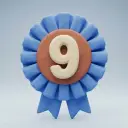 nono ninth
O nono dia é feriado. The ninth day is a holiday.
-
 décimo tenth
Ela é o décimo lugar. She is the tenth place.
-
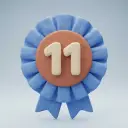 décimo primeiro eleventh
Eles celebram o seu décimo primeiro aniversário. They celebrate their eleventh anniversary.
-
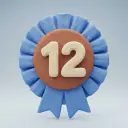 décimo segundo twelfth
Esse é o décimo segundo mês. That is the twelfth month.
-
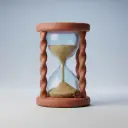 sempre always
Sempre bebo café de manhã. I always drink coffee in the morning.
-
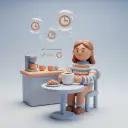 geralmente usually
Ele geralmente almoça ao meio-dia. He usually eats lunch at noon.
-
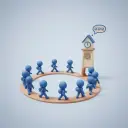 muitas vezes often
As pessoas muitas vezes comem pizza aqui. People often eat pizza here.
-
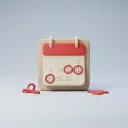 às vezes sometimes
Ela às vezes vai à biblioteca. She sometimes goes to the library.
-
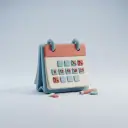 raramente rarely
Eu raramente como fast food. I rarely eat fast food.
-
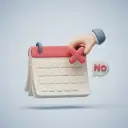 nunca never
Eles nunca vão àquela loja. They never go to that store.
-
 todo dia every day
Comemos chocolate todo dia. We eat chocolate every day.
-
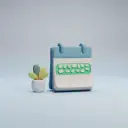 toda semana every week
Ela nada toda semana. She swims every week.
-
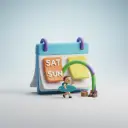 nos fins de semana on weekends
Eu relaxo nos fins de semana em casa. I relax on weekends at home.
-
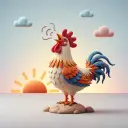 pela manhã in the morning
As pessoas tomam café da manhã pela manhã. People eat breakfast in the morning.
-
 à noite at night
Eles dormem à noite nas suas camas. They sleep at night in their beds.
-
 depois do trabalho after work
Ele relaxa depois do trabalho todo dia. He relaxes after work every day.
-
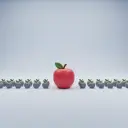 uma vez por once a
Eu vou uma vez por semana. I go once a week.
-
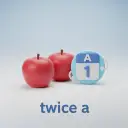 duas vezes por twice a
Meu pai visita duas vezes por semana. My dad visits twice a week.
-
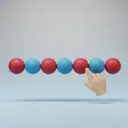 semana sim, semana não every other
Eles visitam semana sim, semana não. They visit every other week.
-
 pelo menos at least
Ele come pelo menos uma maçã todo dia. He eats at least one apple daily.
-
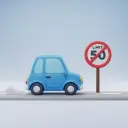 no máximo at most
Vou comprar dois no máximo. I will buy two at most.
-
 mais do que more than
Isso é mais do que comida suficiente. This is more than enough food.
-
 menos que less than
Você pegou menos que da última vez. You got less than last time.
-
 um pouco a little
Ele precisa de um pouco de ajuda. He needs a little help.
-
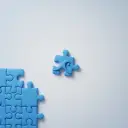 um pouco a bit
Ela comeu um pouco de bolo. She ate a bit of cake.
-
 muito a lot
Eu estudo muito. I study a lot.
-
 demais too much
Eles comeram torta demais. They ate too much cake.
-
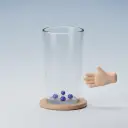 não basta not enough
Essa quantidade não basta. This amount is not enough.
-
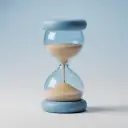 atrás ago
Eu cheguei dois dias atrás. I arrived two days ago.
-
 logo soon
Meu amigo vai chegar logo. My friend will arrive soon.
-
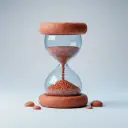 ainda still
Eu ainda estou com fome. I am still hungry.
-
 alguma vez ever
Você já viu o mar alguma vez? Have you ever seen the ocean?
-
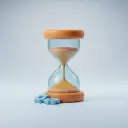 ainda yet
Meu amigo ainda não chegou. My friend has not arrived yet.
-
 imediatamente immediately
Eu preciso de ajuda imediatamente. I need help immediately.
-
 talvez maybe
Talvez ela venha mais tarde. Maybe she will come later.
-
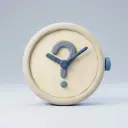 algum dia sometime
Nós vamos nos encontrar algum dia. We will meet sometime.
-
 a qualquer momento anytime
Você pode nos visitar a qualquer momento. You can visit us anytime.
-
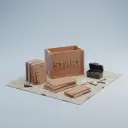 antes de before
Nós saímos antes da tempestade. We left before the storm.
-
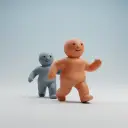 depois de after
Nós vamos embora depois da refeição. We will leave after the meal.
-
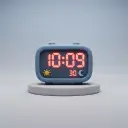 hoje em dia nowadays
As pessoas viajam mais hoje em dia. People travel more nowadays.
Words 301–400
-
 janeiro January
Janeiro é o primeiro mês. January is the first month.
-
 fevereiro February
Fevereiro geralmente é um mês curto. February is usually a short month.
-
 março March
Eu geralmente os visito em março. I usually visit them in March.
-
 abril April
O jogo de basquete é em abril. The basketball game is in April.
-
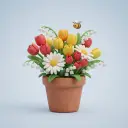 maio May
Meu exame final é em maio. My final exam is in May.
-
 junho June
Eu vou saber a resposta até junho. I will know the answer by June.
-
 julho July
Julho é geralmente um mês muito quente. July is usually a very warm month.
-
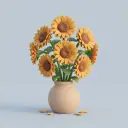 agosto August
Podemos nos encontrar de novo em agosto? Can we meet again in August?
-
 setembro September
Minhas férias são em setembro. My vacation is in September.
-
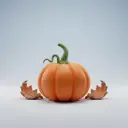 outubro October
Seu aniversário é em Outubro? Is your birthday in October?
-
 novembro November
Por que chove em novembro? Why does it rain in November?
-
 dezembro December
Dezembro é o último mês. December is the last month.
-
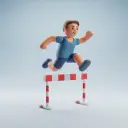 sobre over
O gato pula sobre a caixa. The cat jumps over the box.
-
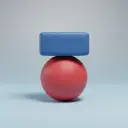 debaixo de under
Eles moram debaixo de uma árvore grande. They live under a big tree.
-
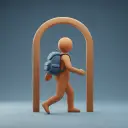 por through
Ele passa pela porta. He walks through the door.
-
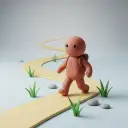 ao longo de along
Nós caminhamos ao longo da praia. We walk along the beach.
-
 pelo around
As pessoas caminham pelo parque. People walk around the park.
-
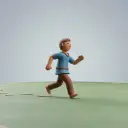 para o outro lado across
Eu vou para o outro lado da rua. I go across the street.
-
 para dentro de into
Ele anda devagar para dentro da sala. He walks slowly into the room.
-
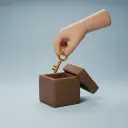 para fora de out of
A criança corre para fora da escola. The kid runs out of the school.
-
 para cima up
Ela olha para cima, para as nuvens. She looks up at the clouds.
-
 no chão down
O cachorro colocou a bola no chão. The dog put the ball down.
-
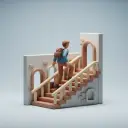 lá em cima upstairs
Eu vou lá em cima para a cama. I go upstairs to bed.
-
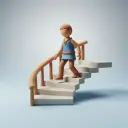 lá embaixo downstairs
Eu escuto barulhos lá embaixo. I hear noises downstairs.
-
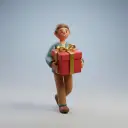 trazer bring
Eles trazem comida para a festa. They bring food to the party.
-
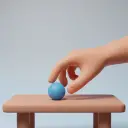 levar take
Você sempre leva minha caneta. You always take my pen.
-
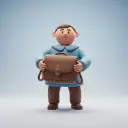 carregar carry
Ele pode carregar a caixa. He can carry the box.
-
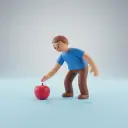 pegar pick up
Você pode pegar o pacote? Can you pick up the package?
-
 derrubar drop
Se eu derrubar o celular, ele vai quebrar. If I drop the phone, it will break.
-
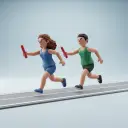 passar pass
Você pode me passar o sal? Can you pass me the salt?
-
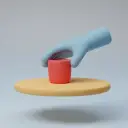 colocar put down
Nós colocamos nossas mochilas. We put down our backpacks.
-
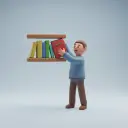 guardar put away
Eu guardei meus brinquedos. I put away my toys.
-
 tirar take out
Ela vai tirar o lixo. She will take out the trash.
-
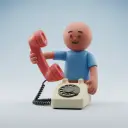 pendurar hang up
Eles penduram os casacos. They hang up their coats.
-
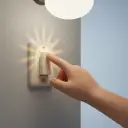 ligar turn on
Você liga a luz. You turn on the light.
-
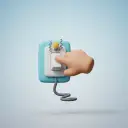 desligar turn off
Alguém pode desligar o rádio? Can someone turn off the radio?
-
 pular jump
O gato pula o muro. The cat jumps over the wall.
-
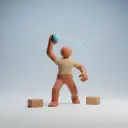 atirar throw
O menino atira a pedra. The boy throws the stone.
-
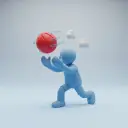 pegar catch
Ele pega a bola. He catches the ball.
-
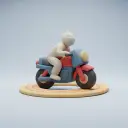 montar ride
O menino monta um cavalo. The boy rides a horse.
-
 voar fly
Os pássaros voam no céu. The birds fly in the sky.
-
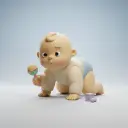 engatinhar crawl
O bebê engatinha pelo chão. The baby crawls on the floor.
-
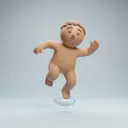 pular skip
Ela pulou a primeira página. She skipped the first page.
-
 chutar kick
A criança chuta a bola. The child kicks the ball.
-
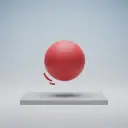 quicar bounce
A bola quica no chão. The ball bounces on the ground.
-
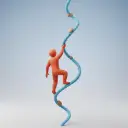 subir climb
O gato sobe na árvore. The cat climbs the tree.
-
 mergulhar dive
O menino mergulha na água. The boy dives into the water.
-
 deslizar slide
A caixa desliza pelo chão. The box slides on the floor.
-
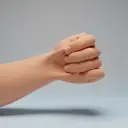 beliscar pinch
Ele beliscou o meu braço. He pinched my arm.
-
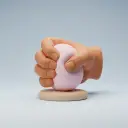 apertar squeeze
Ela aperta a minha mão. She squeezes my hand.
-
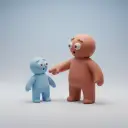 cutucar poke
A criança cutucou o meu braço. The child poked my arm.
-
 acariciar stroke
O menino acaricia o cachorro. The boy strokes the dog.
-
 esfregar rub
Eu esfrego meus olhos cansados. I rub my tired eyes.
-
 torcer twist
O homem torce a corda. The man twists the rope.
-
 sacudir shake
O bebê sacode o brinquedo. The baby shakes the toy.
-
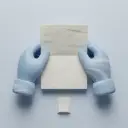 dobrar fold
Eu dobro o papel. I fold the paper.
-
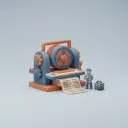 apertar press
Ela aperta o botão vermelho. She presses the red button.
-
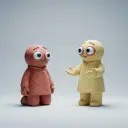 prender attach
Ele prenderá a corda. He will attach the rope.
-
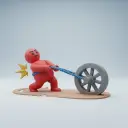 puxar pull
O homem puxa a corda pesada. The man pulls the heavy rope.
-
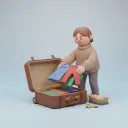 fazer pack
Eu faço a minha mala. I pack my bag.
-
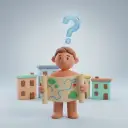 Onde fica o...? Where is the ...?
Onde fica o hotel? Where is the hotel?
-
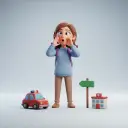 Tem um... aqui perto? Is there a ... nearby?
Tem um banco aqui perto? Is there a bank nearby?
-
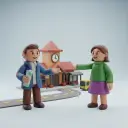 Como eu vou para...? How do I get to ...?
Como eu vou para a escola? How do I get to school?
-
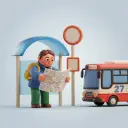 Qual ônibus vai para...? Which bus goes to ...?
Qual ônibus vai para a cidade? Which bus goes to town?
-
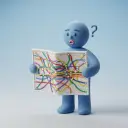 Qual linha vai para...? Which line goes to ...?
Qual linha vai para o museu? Which line goes to the museum?
-
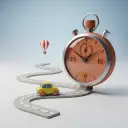 Quanto tempo leva? How long does it take?
Eu me pergunto quanto tempo leva. I wonder how long does it take.
-
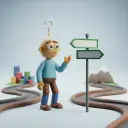 Qual a distância? How far is it?
Qual a distância? How far is it?
-
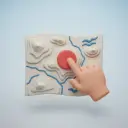 Você pode me mostrar no mapa? Can you show me on the map?
Você pode me mostrar no mapa? Can you show me on the map?
-
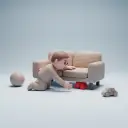 procurar I'm looking for
Eles estão procurando um banheiro. They are looking for a restroom.
-
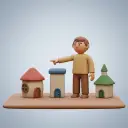 o mais próximo The nearest
A loja mais próxima está lá embaixo. The nearest store is down there.
-
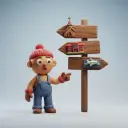 Isso vai para...? Does this go to ...?
Isso vai para o restaurante? Does this go to the restaurant?
-
 Qual ponto para...? Which stop for ...?
Qual ponto para o centro? Which stop for downtown?
-
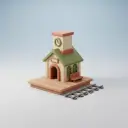 a estação station
Eles esperam na estação de trem. They wait at the train station.
-
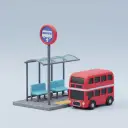 ponto de ônibus bus stop
O ponto de ônibus fica por perto. The bus stop is nearby.
-
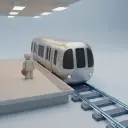 a estação de metrô subway station
Esta estação de metrô está muito cheia. This subway station is very crowded.
-
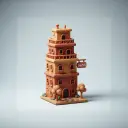 o hotel hotel
Você pode reservar um hotel online. You can book a hotel online.
-
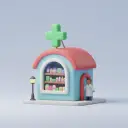 a farmácia pharmacy
Mark trabalha na farmácia. Mark works at the pharmacy.
-
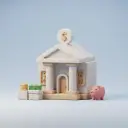 o banco bank
Ele vai ao banco. He goes to the bank.
-
 o banheiro restroom
Este é um banheiro limpo. This is a clean restroom.
-
 o supermercado supermarket
Compramos comida no supermercado. We buy food at the supermarket.
-
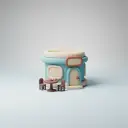 o restaurante restaurant
Eles gostam muito daquele restaurante. They like that restaurant a lot.
-
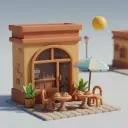 o café café
Jane trabalha no café. Jane works at the café.
-
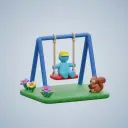 o parque park
Ela gosta do parque verde. She likes the green park.
-
 o hospital hospital
Um hospital ajuda pessoas doentes. A hospital helps sick people.
-
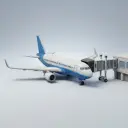 o aeroporto airport
Nós chegamos ao aeroporto. We arrived at the airport.
-
 o estádio stadium
Nós fomos ao estádio. We went to the stadium.
-
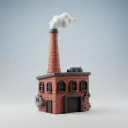 a fábrica factory
Esta fábrica produz roupas. This factory makes clothes.
-
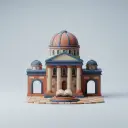 a universidade university
Ela estuda na universidade. She studies at the university.
-
 a faculdade college
Ela estuda na faculdade. She studies at the college.
-
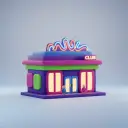 o clube club
Nós entramos para o clube esportivo. We joined the sports club.
-
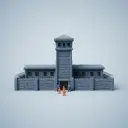 a prisão prison
O criminoso escapou da prisão. The criminal escaped from prison.
-
 a torre tower
Eu vejo a torre alta. I see the tall tower.
-
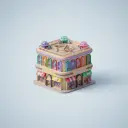 o shopping mall
Eu comprei sapatos no shopping. I bought shoes at the mall.
-
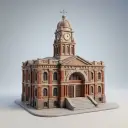 a prefeitura town hall
Nós nos encontramos na prefeitura. We met at the town hall.
-
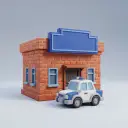 a delegacia police station
Eu vejo a delegacia. I see the police station.
-
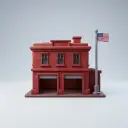 o quartel de bombeiros fire station
Eu moro perto do quartel de bombeiros. I live near the fire station.
-
 Virar à esquerda Turn left.
Vire à esquerda aqui. Turn left here.
-
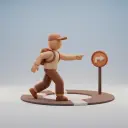 Vire à direita Turn right.
Vire à direita no cruzamento. Turn right at the intersection.
-
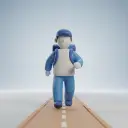 Siga reto Go straight ahead.
Siga reto para a escola. Go straight ahead to school.
-
 Fica perto. It's near.
Fica perto. It's near.
Words 401–500
-
 É longe. It's far.
É longe. It's far.
-
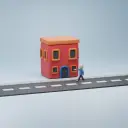 do outro lado da rua Across the street.
Ele mora do outro lado da rua. He lives across the street.
-
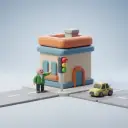 Na esquina At the corner.
Ela está esperando na esquina. She is waiting at the corner.
-
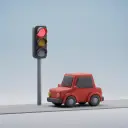 No semáforo At the traffic light.
Paramos no semáforo. We stopped at the traffic light.
-
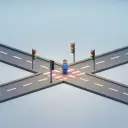 No cruzamento At the intersection.
O bar está no cruzamento. The bar is at the intersection.
-
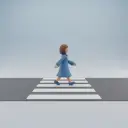 a faixa de pedestres Crosswalk.
Essa faixa de pedestres é muito segura. That crosswalk is very safe.
-
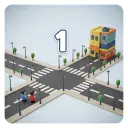 A um quarteirão One block away.
O museu fica a um quarteirão. The museum is one block away.
-
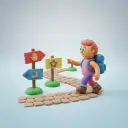 Siga as placas Follow the signs.
Siga as placas para a segurança. Follow the signs to safety.
-
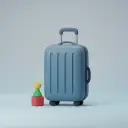 a mala suitcase
Você já arrumou sua mala? Did you pack your suitcase already?
-
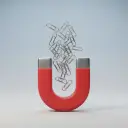 o ímã magnet
O pequeno ímã é um presente. The small magnet is a present.
-
 a escova de cabelo hairbrush
Ela não encontra a escova de cabelo dela. She can’t find her hairbrush.
-
 o travesseiro pillow
Este travesseiro é macio e quente. This pillow is soft and warm.
-
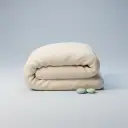 o cobertor blanket
Pegue um cobertor se você estiver com frio. Take a blanket if you are cold.
-
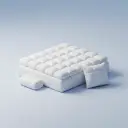 o colchão mattress
Nosso colchão novo é muito confortável. Our new mattress is really comfortable.
-
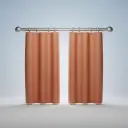 a cortina curtain
Por favor, abra a cortina, está escuro. Please open the curtain, it's dark.
-
 a persiana blinds
Geralmente eu fecho as persianas à noite. I usually close the blinds at night.
-
 o tapete carpet
Tem poeira debaixo do tapete. There is dust under the carpet.
-
 o vaso vase
Este vaso parece caro. This vase looks expensive.
-
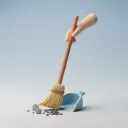 a vassoura broom
Este apartamento tem uma vassoura? Does this apartment have a broom?
-
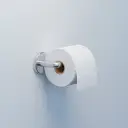 o papel higiênico toilet paper
Ah não, o papel higiênico acabou! Oh no, the toilet paper’s gone!
-
 a lã wool
A ovelha tem uma lã grossa. The sheep has thick wool.
-
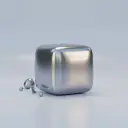 o metal metal
Nós precisamos de madeira e metal. We need wood and metal.
-
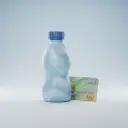 plástico plastic
Ela lava a tigela de plástica. She washes the plastic bowl.
-
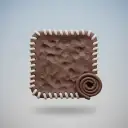 o couro leather
Eu comprei uma bolsa de couro nova. I bought a new leather bag.
-
 o algodão cotton
O fazendeiro cultiva algodão. The farmer grows cotton.
-
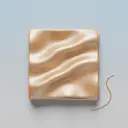 a seda silk
Esta seda é muito macia. This silk is very soft.
-
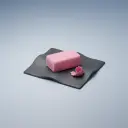 a borracha rubber
A bola é feita de borracha. The ball is made of rubber.
-
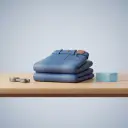 o jeans denim
Ele comprou um tecido jeans grosso. He bought thick denim fabric.
-
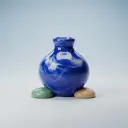 cerâmica ceramic
Ela lavou a tigela de cerâmica. She washed the ceramic bowl.
-
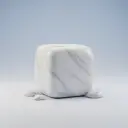 o mármore marble
Eles cortaram o mármore branco. They cut the white marble.
-
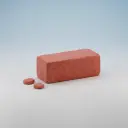 o tijolo brick
Ele segura um tijolo vermelho. He holds a red brick.
-
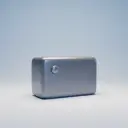 o aço steel
Eles fabricam as ferramentas de aço. They make the tools from steel.
-
 atrás de behind
Está atrás daquele prédio. It is behind that building.
-
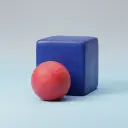 na frente de in front of
Ela está na frente de mim. She is in front of me.
-
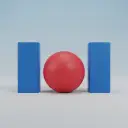 entre between
O parque está entre duas casas. The park is between two houses.
-
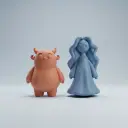 ao lado de next to
Aquela loja está ao lado da minha casa. That store is next to my house.
-
 oposto opposite
Vamos na direção oposta. We go the opposite direction.
-
 em frente a across from
Moramos em frente à loja. We live across from the store.
-
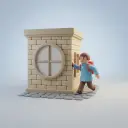 logo ali na esquina around the corner
Ela mora logo ali na esquina agora. She lives around the corner now.
-
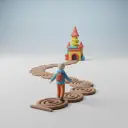 em direção a towards
As crianças andam em direção à árvore grande. The kids walk towards the big tree.
-
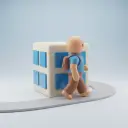 passar por past
Você precisa passar pela ponte. You need to go past the bridge.
-
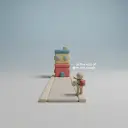 no final da rua at the end of the street
Moro no final da rua. I live at the end of the street.
-
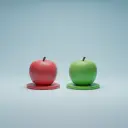 à esquerda on the left
Ela estaciona à esquerda. She parks on the left side.
-
 à direita on the right
Eles estão à direita. They are on the right.
-
 acima de above
O sol está acima da montanha. The sun is above the mountain.
-
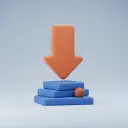 abaixo de below
A aldeia fica abaixo da montanha. The village is below the mountain.
-
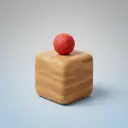 em cima on top
A caixa está em cima. The box is on top.
-
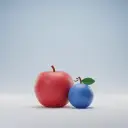 perto de near
Eu moro perto do rio. I live near the river.
-
 no meio in the middle
Ele está parado no meio. He stands in the middle.
-
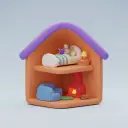 dentro de inside
O cachorro está dentro de casa. The dog is inside the house.
-
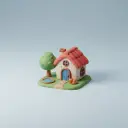 o lugar place
Nós encontramos um lugar seguro. We found a safe place.
-
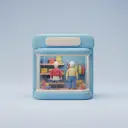 a loja store
Nós compramos comida na loja. We buy food at the store.
-
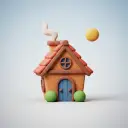 a casa house
A família mora naquela casa. The family lives in that house.
-
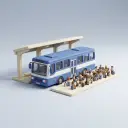 a rodoviária bus station
Eu espero na rodoviária. I wait at the bus station.
-
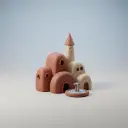 o centro da cidade city center
Eu moro perto do centro da cidade. I live near the city center.
-
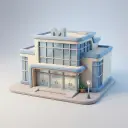 o shopping shopping mall
O shopping é muito grande. The shopping mall is very big.
-
 a fonte fountain
Aquela fonte tem água muito clara. That fountain has very clear water.
-
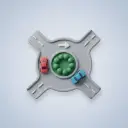 a rotatória roundabout
Esta rotatória ajuda o trânsito. This roundabout helps the traffic.
-
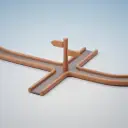 o cruzamento crossroads
Paramos no cruzamento. We stopped at the crossroads.
-
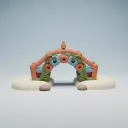 a ponte bridge
As pessoas andam pela ponte. People walk across the bridge.
-
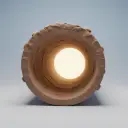 o túnel tunnel
O carro passa por um túnel. The car drives through a tunnel.
-
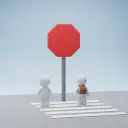 a placa de pare stop sign
Você precisa respeitar a placa de pare. You need to respect the stop sign.
-
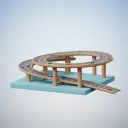 o viaduto overpass
Eles construíram um viaduto perto de casa. They built an overpass near home.
-
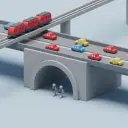 a passagem subterrânea underpass
Nós vamos passar pela passagem subterrânea. We will walk through the underpass.
-
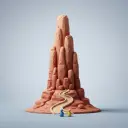 o marco landmark
O marco fica perto do rio. The landmark is near the river.
-
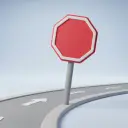 o sinal de trânsito traffic sign
Este sinal de trânsito significa parar. This traffic sign means stop.
-
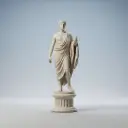 a estátua statue
Ele viu a linda estátua. He saw the beautiful statue.
-
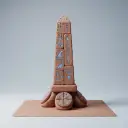 o monumento monument
Eles visitaram o monumento alto. They visited the tall monument.
-
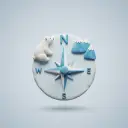 o norte north
O norte desta cidade é interessante. The north of this city is interesting.
-
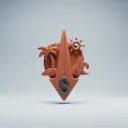 o sul south
O vento vem do sul. The wind comes from the south.
-
 o leste east
O vento vem do leste. The wind comes from the east.
-
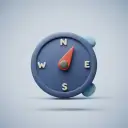 o oeste west
O sol se põe no oeste. The sun sets in the west.
-
 o nordeste northeast
Ben mora na área nordeste. Ben lives in the northeast area.
-
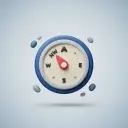 o noroeste northwest
Aquele estado fica no noroeste. That state is in the northwest.
-
 o sudeste southeast
Ele mora na região sudeste. He lives in the southeast region.
-
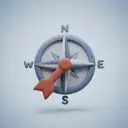 o sudoeste southwest
Eles dirigiram para o sudoeste. They drove to the southwest.
-
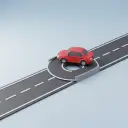 o retorno U-turn
Isto é um retorno. This is a U-turn.
-
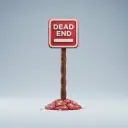 rua sem saída dead end
Aquela rua é uma rua sem saída. That street is a dead end.
-
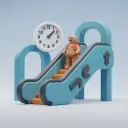 a escada rolante escalator
A escada rolante leva você ao último andar. The escalator takes you to the top floor.
-
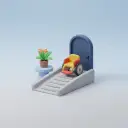 a rampa ramp
Cadeiras de rodas precisam de rampas. Wheelchairs require ramps.
-
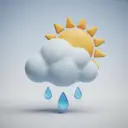 o tempo weather
O tempo está bom hoje. This is nice weather today.
-
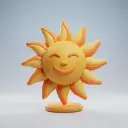 ensolarado sunny
Ele gosta de um dia ensolarado. He likes a sunny day.
-
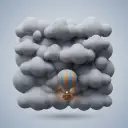 nublado cloudy
Eles esperam uma tarde nublada. They expect a cloudy afternoon.
-
 chuvoso rainy
Um dia chuvoso pode ser aconchegante. A rainy day can be cozy.
-
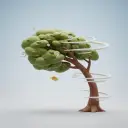 ventoso windy
Está ventoso lá fora. It is windy outside.
-
 quente hot
Este chá está muito quente. This tea is very hot.
-
 frio cold
O vento frio sopra no inverno. The cold wind blows in winter.
-
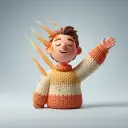 ameno warm
Estava ameno na praia hoje. It was warm at the beach today.
-
 a primavera spring
As flores amam a primavera. The flowers love the spring.
-
 o verão summer
O verão é uma estação muito quente. Summer is a very hot season.
-
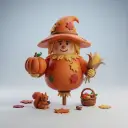 o outono autumn
O outono é minha estação favorita. Autumn is my favorite season.
-
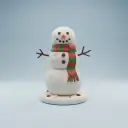 o inverno winter
O inverno pode ser muito frio aqui. Winter can be very cold here.
-
 o sol sun
O sol brilha no céu. The sun shines in the sky.
-
 a lua Moon
Eu vejo a lua brilhante. I see the bright moon.
-
 a estrela star
Eu vejo uma estrela brilhante. I see a bright star.
-
 o céu sky
Os pássaros voam no céu. Birds fly in the sky.
-
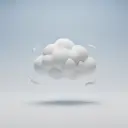 a nuvem cloud
Uma nuvem escura esconde o sol. A dark cloud hides the sun.
-
 a chuva rain
A chuva cai do céu. The rain falls from the sky.
-
 o vento wind
Nós sentimos o vento frio. We feel the cold wind.
-
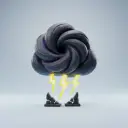 a tempestade storm
A forte tempestade quebrou as árvores. The strong storm broke the trees.
Free for personal and classroom use.
Quick quiz
Five questions from the first 100 words.
Make these words stick
The app brings each word back right before you’d forget it. Free on iPhone and Android.
More Portuguese
Portuguese words by topic
- Numbers1–100
- Ordinal Numbers12
- Days of the week12
- Months12
- Colors19
- Family members36
- Body parts24
- Food44
- Animals36
- Clothes41
- Jewelry and Accessories12
- Weather24
- Greetings12
- Fruits16
- Vegetables12
- Kitchen36
- Restaurant & ordering food48
- Money25
- Rooms in the house48
- Jobs & professions36
- Emotions & feelings36
- School supplies & classroom48
- Transportation48
- Travel60
- Directions48
- Prepositions18
- Places in town48
- At the doctor36
- Sports & games60
- Hobbies36
- Musical instruments12
- Nature & plants36
- Planets & space24
- Time36
- Holidays & celebrations12
- Shapes12
- Please & thank you24
- Small talk36
Word lists
Alphabet
Learn these 500 Portuguese words in order.
The app teaches them 12 at a time, with pictures and audio, and brings each one back before you forget it. Free on iPhone and Android.
Scan with your phone's camera to get the app.
