











 가장 많이 쓰이는 영어 단어 500개
모든 단어에 그림, 원어민 음성, 한국어 번역이 달린 예문이 있어요. 스피커를 누르면 단어나 예문을 들을 수 있어요.

PDF를 다운로드하고 있어요
인쇄는 첫걸음이에요. Flashcardly는 잊기 직전에 단어를 다시 보여 줘서 오래 기억하게 도와줘요. 원어민 음성도 함께요.

순위를 매긴 방법
Flashcardly 영어 코스를 순서 그대로 정리한 목록이에요. 빈도와 일상에서 얼마나 유용한지를 기준으로, 언어 교사의 의견을 반영해 순서를 정했어요. 말뭉치 출현 횟수를 그대로 센 목록이 아니어서 “the”, “of” 같은 기능어가 상위권을 채우지 않아요(참고로 “남자” 단어의 순위는 13위).
단어 목록
그림을 탭하면 발음을 들을 수 있어요.
1–100번째 단어
-
 Hello 안녕하세요
Hello, how are you? 안녕하세요, 어떻게 지내세요?
-
 Welcome 환영합니다
Welcome to our home. 저희 집에 오신 것을 환영합니다.
-
 Good morning 좋은 아침이에요
Good morning! 좋은 아침이에요!
-
 yes 네
yes 네Yes, I understand. 네, 알겠어요.
-
 Good evening 좋은 저녁이에요
Good evening! 좋은 저녁이에요!
-
 no 아니요
She said no. 그녀는 아니요라고 말했어요.
-
 Goodbye 안녕히 가세요
Goodbye, Anna! 안녕히 가세요, 안나 씨!
-
 Good afternoon 안녕하세요
Good afternoon! 안녕하세요!
-
 See you soon 곧 봐요
See you soon, Mia! 미아 씨, 곧 봐요!
-
 See you tomorrow 내일 봐요
See you tomorrow! 내일 봐요!
-
 Nice to meet you 만나서 반가워요
Nice to meet you too! 저도 만나서 반가워요.
-
 How are you? 어떻게 지내세요?
How are you today? 오늘 어떻게 지내세요?
-
 man 남자
The man reads the book. 남자는 책을 읽어요.
-
 woman 여자
The woman wears a hat. 여자가 모자를 써요.
-
 boy 소년
The boy plays with toys. 소년이 장난감을 가지고 놀아요.
-
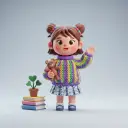 girl 소녀
The girl has a ball. 소녀가 공을 가지고 있어요.
-
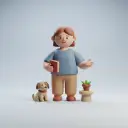 person 사람
He is a nice person. 그는 좋은 사람이에요.
-
 people 사람들
The people are very happy. 사람들이 아주 행복해요.
-
 adult 성인
I am an adult. 저는 성인이에요.
-
 baby 아기
The baby needs milk. 아기가 우유가 필요해요.
-
 Mr 씨
Mr 씨Mr. Smith likes to read books. 스미스 씨는 책 읽는 것을 좋아해요.
-
 Mrs 부인
Mrs. Smith is a teacher. 스미스 부인은 선생님이에요.
-
 neighbor 이웃
My neighbor is very friendly. 제 이웃은 아주 친절해요.
-
 friend 친구
My friend likes to read books. 제 친구는 책 읽는 것을 좋아해요.
-
 today 오늘
Today is a good day. 오늘은 좋은 날이에요.
-
 tomorrow 내일
Tomorrow is a new day. 내일은 새로운 날이에요.
-
 yesterday 어제
I saw her yesterday. 저는 어제 그녀를 봤어요.
-
 now 지금
He wants it now. 그는 지금 그것을 원해요.
-
 afternoon 오후
I like the afternoon. 저는 오후를 좋아해요.
-
 evening 저녁
The evening is quiet. 저녁은 조용해요.
-
 minute 분
We need five minutes. 저희는 오 분이 필요해요.
-
 morning 아침
I eat breakfast in the morning. 저는 아침에 아침을 먹어요.
-
 later 나중에
I will do it later. 나중에 할 거예요.
-
 early 일찍
She wakes up early. 그녀는 일찍 일어나요.
-
 late 늦다
He is often late. 그 사람은 자주 늦어요.
-
 hour 시간
The class lasts one hour. 수업은 한 시간이에요.
-
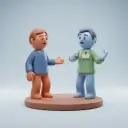 What's your name? 이름이 뭐예요?
What's your name? 이름이 뭐예요?
-
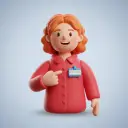 My name is 제 이름은 ...예요
My name is Emily. 제 이름은 에밀리예요.
-
 Where are you from? 어디에서 왔어요?
Where are you from? 어디에서 왔어요?
-
 I'm from 에서 왔어요
I'm from Germany. 저는 독일에서 왔어요.
-
 Where do you live? 어디에 살아요?
Where do you live? 어디에 살아요?
-
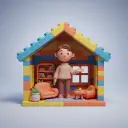 I live in 에 살다
I live in Japan. 저는 일본에 살아요.
-
 What languages do you speak? 어떤 언어를 하세요?
What languages do you speak? 어떤 언어를 하세요?
-
 I speak 말하다
I speak English well. 저는 영어를 잘 말해요.
-
 I speak a little 조금 하다
I speak a little French. 저는 프랑스어를 조금 해요.
-
 Where were you born 어디에서 태어났어요?
Where were you born? 어디에서 태어났어요?
-
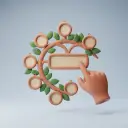 What's your surname? 성이 어떻게 되세요?
What's your surname? 성이 어떻게 되세요?
-
 This is my friend 이쪽은 제 친구예요
This is my friend Lisa. 이쪽은 제 친구 리사예요.
-
 make 만들다
I make good coffee. 저는 맛있는 커피를 만들어요.
-
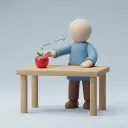 get 받다
He got a present. 그는 선물을 받았어요.
-
 have 있다
Emma has a car. 엠마는 차가 있어요.
-
 eat 먹다
They are eating apples. 그들은 사과를 먹어요.
-
 drink 마시다
Do you drink coffee? 커피를 마셔요?
-
 sleep 자다
I want to sleep now. 저는 지금 자고 싶어요.
-
 see 보다
Can you see the house? 집을 볼 수 있어요?
-
 look at 쳐다보다
Adam likes to look at pictures. 아담은 사진을 쳐다보는 것을 좋아합니다.
-
 read 읽다
The student reads books. 학생은 책을 읽어요.
-
 open 열다
She opens the window. 그녀는 창문을 열어요.
-
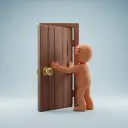 close 닫다
I close the door. 저는 문을 닫아요.
-
 come 오다
You come here every day. 매일 여기에 와요.
-
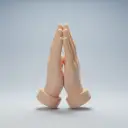 Please. 주세요
Please open the door. 문을 열어 주세요.
-
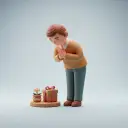 Thank you. 감사합니다
Thank you for your help. 도와주셔서 감사합니다.
-
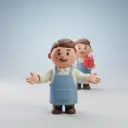 You're welcome. 천만에요
You're welcome. 천만에요.
-
 Excuse me. 실례합니다
Excuse me, I need help. 실례합니다, 도움이 필요해요.
-
 Sorry. 죄송해요
I am sorry. 죄송해요.
-
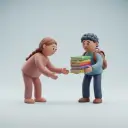 Could you help me? 도와주시겠어요?
Could you help me? 저 좀 도와주시겠어요?
-
 Could you please repeat? 다시 말씀해 주시겠어요?
Could you please repeat that? 그걸 다시 말씀해 주시겠어요?
-
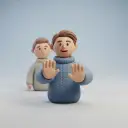 Could you speak more slowly? 조금 더 천천히 말씀해 주시겠어요?
Could you speak more slowly? 조금 더 천천히 말씀해 주시겠어요?
-
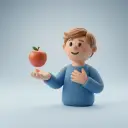 Could I have ... please? 주시겠어요?
Could I have water please? 물 좀 주시겠어요?
-
 I'd like 주세요
I'd like some more tea. 차를 좀 더 주세요.
-
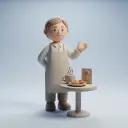 May I...? 해도 돼요?
May I have some water? 물 좀 마셔도 돼요?
-
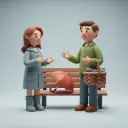 Is it okay if...? 아도 되다
Is it okay if I sit? 앉아도 돼요?
-
 zero 영
Zero is less than one. 영은 일보다 작아요.
-
 one 하나
I have one apple. 저는 사과가 하나 있어요.
-
 two 둘
two 둘There are two cats. 고양이가 두 마리 있어요.
-
 three 셋
No, three is too much. 아니요, 셋은 너무 많아요.
-
 four 넷
Give me four, please. 네 개 주세요.
-
 five 다섯
I have five dogs. 저는 개가 다섯 마리 있어요.
-
 six 여섯
He came with six friends. 그는 친구 여섯 명과 같이 왔어요.
-
 seven 칠
I am running seven kilometers. 저는 칠 킬로미터를 달려요.
-
 eight 여덟
A spider has eight legs. 거미는 다리가 여덟 개 있어요.
-
 nine 구
Nine is my lucky number. 구는 제 행운의 숫자예요.
-
 ten 열
ten 열We have ten fingers. 우리는 손가락이 열 개 있어요.
-
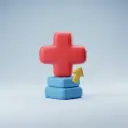 plus 더하기
Two plus two is four. 이 더하기 이는 사예요.
-
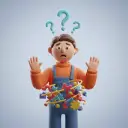 I don't understand. 이해가 안 돼요
I don't understand. 이해가 안 돼요.
-
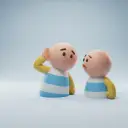 Could you repeat that please? 다시 말씀해 주시겠어요?
Could you repeat that please? 다시 말씀해 주시겠어요?
-
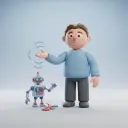 More slowly please. 더 천천히 말해 주세요
More slowly please. 더 천천히 말해 주세요.
-
 What does that mean? 그게 무슨 뜻이에요?
What does that mean? 그게 무슨 뜻이에요?
-
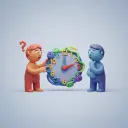 How do you say that in ...? ~로 뭐라고 해요?
How do you say that in Spanish? 스페인어로 뭐라고 해요?
-
 How do you spell that? 철자가 어떻게 돼요?
How do you spell that? 철자가 어떻게 돼요?
-
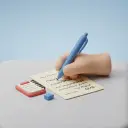 Can you write it down? 적어 주시겠어요?
Can you write it down, please? 좀 적어 주시겠어요?
-
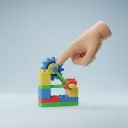 Can you show me? 보여 줄 수 있어요?
Can you show me the photo? 사진을 보여 줄 수 있어요?
-
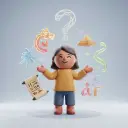 Do you speak ...? ... 할 줄 알아요?
Do you speak English? 영어 할 줄 알아요?
-
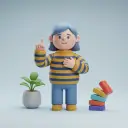 Just a moment please. 잠시만요
Just a moment please. 잠시만요.
-
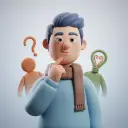 I think so. 그렇게 생각하다
I think so too. 저도 그렇게 생각해요.
-
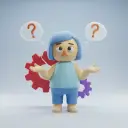 I don't know. 몰라요
I don't know. 몰라요.
-
 this 이것
This is my red car. 이것은 제 빨간 차예요.
-
 that 그
That dog is very friendly. 그 개는 아주 순해요.
-
 here 여기
I like being here. 저는 여기 있는 것을 좋아해요.
-
 there 거기
We meet there after work. 우리는 퇴근 후에 거기에서 만나요.
101–200번째 단어
-
 another 다른
He wants another piece of cake. 그는 다른 케이크 조각을 원해요.
-
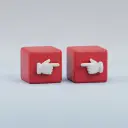 same 같다
We wear the same blue shirt. 우리는 같은 파란색 셔츠를 입어요.
-
 these 이
These apples are ready to eat. 이 사과들은 지금 먹기 좋아요.
-
 those 그
Those cookies look very good. 그 쿠키 정말 맛있어 보여요.
-
 right here 바로 여기
The keys are right here. 열쇠가 바로 여기에 있어요.
-
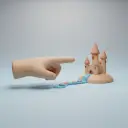 over there 저기
My shoes are over there. 제 신발은 저기에 있어요.
-
 on top of 위에
The cat is on top of the table. 고양이가 테이블 위에 있어요.
-
 underneath 밑
The dog is underneath the table. 강아지가 테이블 밑에 있어요.
-
 How's it going? 어떻게 지내요?
How's it going? 어떻게 지내요?
-
 Long time no see. 오랜만이에요
Long time no see. 오랜만이에요.
-
 What do you enjoy? 무엇을 즐기세요?
What do you enjoy? 무엇을 즐기세요?
-
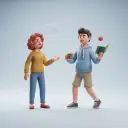 What are you up to? 뭐 해요?
What are you up to now? 지금 뭐 해요?
-
 Have a nice day. 좋은 하루 보내세요
Have a nice day, John! 존 씨, 좋은 하루 보내세요!
-
 Take care. 조심해서 가세요
Take care. See you tomorrow. 조심해서 가세요. 내일 봐요.
-
 Good luck! 행운을 빌어요
Good luck! I believe in you! 행운을 빌어요! 저는 믿어요!
-
 Congratulations! 축하해요
Congratulations! You finished the hard work. 축하해요! 힘든 일을 다 끝냈어요.
-
 Cheers! 건배해요
Cheers! 건배해요!
-
 No problem. 괜찮아요
No problem, I can help you. 괜찮아요, 제가 도와줄 수 있어요.
-
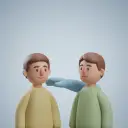 Don't worry. 걱정하지 마세요
Don't worry, it will be okay. 걱정하지 마세요, 다 괜찮을 거예요.
-
 Sounds good. 좋아요
Sounds good to me, thanks! 저는 좋아요, 고마워요!
-
 know 알다
You know the answer now. 이제 정답을 알아요.
-
 ask 물어보다
You can ask your brother. 남동생에게 물어볼 수 있어요.
-
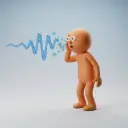 hear 들리다
Can you hear that sound? 저 소리가 들려요?
-
 learn 배우다
You learn something new everyday. 매일 새로운 것을 배워요.
-
 talk with 이야기하다
Do you like talking with your friends? 친구들과 이야기하는 것을 좋아해요?
-
 say 말하다
I want to say something. 저는 무언가를 말하고 싶어요.
-
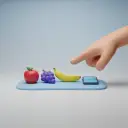 choose 고르다
You choose your favorite color. 가장 좋아하는 색을 골라요.
-
 write 쓰다
The students write a story. 학생들은 이야기를 써요.
-
 call 전화하다
I am going to call you. 제가 전화할 거예요.
-
 listen to 듣다
I listen to the radio. 저는 라디오를 들어요.
-
 study 공부하다
I study hard for every test. 저는 시험마다 열심히 공부해요.
-
 tell 알려주다
He tells me his name. 그는 나에게 그의 이름을 알려줍니다.
-
 meet 만나다
I will meet you tomorrow. 내일 만날게요.
-
 join 가입하다
She will join our group. 그녀는 우리 그룹에 가입할 거예요.
-
 enjoy 즐기다
We enjoy the music. 우리는 음악을 즐겨요.
-
 describe 묘사하다
The boy described the animal. 그 소년은 그 동물을 묘사했습니다.
-
 explain 설명하다
She will explain the problem. 그녀가 그 문제를 설명할 거예요.
-
 teach 가르치다
I teach the new students. 저는 새로운 학생들을 가르쳐요.
-
 introduce 소개하다
I will introduce my friend. 제 친구를 소개할게요.
-
 accept 받다
She accepts the gift. 그녀는 선물을 받아요.
-
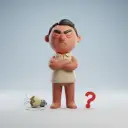 refuse 거부하다
The child refuses the food. 그 아이는 음식을 거부해요.
-
 promise 약속하다
I promise to help you. 제가 도와주기로 약속할게요.
-
 discuss 논의하다
They discuss the new plan. 그들은 새로운 계획을 논의합니다.
-
 contact 연락하다
I will contact the doctor. 의사 선생님께 연락할게요.
-
 laugh 웃다
The children laugh loudly. 아이들이 크게 웃습니다.
-
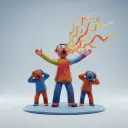 shout 소리치다
The boy shouts for help. 소년이 도와달라고 소리칩니다.
-
 whisper 속삭이다
He whispers in my ear. 그는 내 귀에 대고 속삭여요.
-
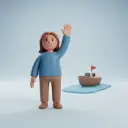 wave 손을 흔들다
She waves goodbye. 그녀는 작별 인사로 손을 흔든다.
-
 nod 끄덕이다
The woman nods her head. 여자가 고개를 끄덕입니다.
-
 hug 껴안다
The mother hugs her child. 어머니가 아이를 껴안습니다.
-
 kiss 뽀뽀하다
The mother kisses her child. 엄마가 아이에게 뽀뽀해요.
-
 point 가리키다
The child points at the dog. 아이가 강아지를 가리킵니다.
-
 blink 깜빡이다
He blinks his eyes quickly. 그는 눈을 빠르게 깜빡입니다.
-
 frown 찌푸리다
The father frowns at his son. 아버지는 아들을 보고 얼굴을 찌푸립니다.
-
 yawn 하품하다
The tired man yawns. 피곤한 남자가 하품합니다.
-
 sniff 냄새를 맡다
The dog sniffs the food. 강아지가 음식의 냄새를 맡아요.
-
 good 좋다
She is a good person. 그녀는 좋은 사람이에요.
-
 bad 나쁘다
That milk smells bad. 그 우유는 냄새가 나빠요.
-
 big 크다
The big dog can jump. 큰 개는 점프할 수 있어요.
-
 small 작다
The baby has small hands. 아기는 손이 작아요.
-
 wrong 틀리다
Your answer is wrong. 대답이 틀렸어요.
-
 easy 쉽다
This math problem is easy. 이 수학 문제는 쉬워요.
-
 difficult 어렵다
That test was difficult. 그 시험은 어려웠어요.
-
 fast 빠르다
Cars go very fast. 차들이 아주 빨리 가요.
-
 slow 느리다
The turtle is very slow. 거북이는 매우 느려요.
-
 new 새롭다
This is a new car. 이것은 새로운 차예요.
-
 true 사실이다
Is this story true? 이 이야기는 사실이에요?
-
 false 틀리다
The answer is false. 그 답은 틀려요.
-
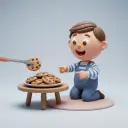 I want to -고 싶다
I want to eat pizza. 피자를 먹고 싶어요.
-
 I need to 해야 하다
I need to call her. 그녀에게 전화해야 해요.
-
 I'm going to ㄹ 거예요
I'm going to eat soon. 곧 먹을 거예요.
-
 I'd like to -기를 원하다
I'd like to play tennis. 저는 테니스 치기를 원합니다.
-
 I have to -아야 하다
I have to go now. 지금 가야 해요.
-
 May I ...? 해도 되다
May I have water, please? 물 좀 마셔도 돼요?
-
 Help me with ... 좀 도와주세요
Please help me with this bag. 이 가방 좀 도와주세요.
-
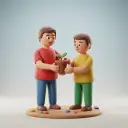 Show me how to ...하는 방법을 알려주세요
Show me how to do this. 이거 하는 방법을 알려주세요.
-
 I can't ... right now. 지금 ...ㄹ 수 없다
I can't help right now. 지금 도와줄 수 없어요.
-
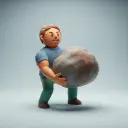 I’m trying to 으려고 노력하다
I’m trying to sleep now. 지금 자려고 노력하고 있어요.
-
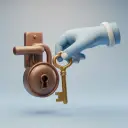 Is it possible to ...? 가능하다
Is it possible to swim here? 여기서 수영이 가능해요?
-
 Where can I ...? 어디에서 ...ㄹ 수 있어요?
Where can I eat lunch? 어디에서 점심을 먹을 수 있어요?
-
 Monday 월요일
Monday is the first day. 월요일은 첫 번째 날이에요.
-
 Tuesday 화요일
Tuesday is always fun. 화요일은 항상 재미있어요.
-
 Wednesday 수요일
She goes home Wednesday. 그녀는 수요일에 집에 가요.
-
 Thursday 목요일
He comes on Thursday. 그는 목요일에 와요.
-
 Friday 금요일
Friday is the best day. 금요일이 가장 좋은 날이에요.
-
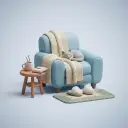 Saturday 토요일
I leave on Saturday. 저는 토요일에 떠나요.
-
 Sunday 일요일
I will rest on Sunday. 저는 일요일에 쉴 거예요.
-
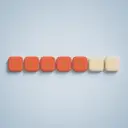 weekday 평일
She works every weekday morning. 그녀는 평일 아침마다 일해요.
-
 weekend 주말
Who does not like the weekend? 누가 주말을 안 좋아해요?
-
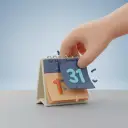 daily 매일
We read the newspaper daily . 우리는 매일 신문을 읽어요.
-
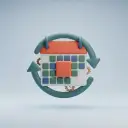 weekly 매주
I usually watch the news weekly. 저는 보통 매주 뉴스를 봐요.
-
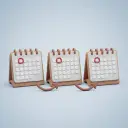 monthly 매달
They pay the monthly price. 그들은 매달 요금을 내요.
-
 day 하루
We waited for one day. 우리는 하루 동안 기다렸어요.
-
 night 밤
We sleep at night. 우리는 밤에 자요.
-
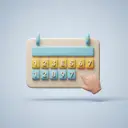 week 주
We stayed for one week. 우리는 일주일 동안 머물렀어요.
-
 month 달
He worked for one month. 그는 한 달 동안 일했습니다.
-
 year 년
We waited for one year. 우리는 일 년 동안 기다렸어요.
-
 time 시간
We need more time. 우리는 시간이 더 필요해요.
-
 moment 잠시
He waited for a moment. 그는 잠시 동안 기다렸습니다.
-
 future 미래
I think about the future. 저는 미래에 대해 생각해요.
201–300번째 단어
-
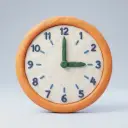 o'clock 시
I wake up at seven o'clock. 저는 일곱 시에 일어납니다.
-
 midnight 자정
We will leave at midnight. 우리는 자정에 출발할 거예요.
-
 midday 한낮
The sun is hot at midday. 한낮에는 태양이 뜨겁습니다.
-
 tonight 오늘 밤
The guests will arrive tonight. 손님들은 오늘 밤에 도착할 거예요.
-
 help 도와주다
Help! I am in trouble. 도와주세요! 제가 곤란해요.
-
 danger 위험
We are in danger! 저희는 위험에 처해 있어요!
-
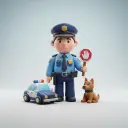 police 경찰
Call the police! 경찰을 불러요!
-
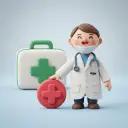 doctor 의사
I need a doctor! 의사가 필요해요!
-
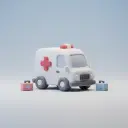 ambulance 구급차
Call an ambulance! 구급차를 부르세요!
-
 firefighter 소방관
The firefighters are heroes. 소방관들은 영웅이에요.
-
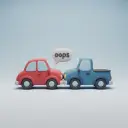 accident 사고
I had an accident. 제가 사고가 났어요.
-
 protect 보호하다
The police protect us. 경찰이 우리를 보호해요.
-
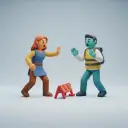 warn 경고하다
I need to warn them! 제가 그들에게 경고해야 해요!
-
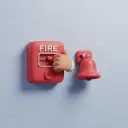 alarm 경보
The alarm went off! 경보가 울렸어요!
-
 fire 불
There is a fire! 불이 났어요!
-
 smoke 연기
Smoke is coming out of the building! 건물에서 연기가 나오고 있어요!
-
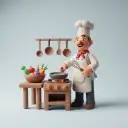 work as 일하다
They work as hospital nurses. 그들은 병원 간호사로 일해요.
-
 buy 사다
You can buy fruit here. 여기서 과일을 살 수 있어요.
-
 pay 내다
You must pay for this. 이것은 돈을 내야 해요.
-
 sell 팔다
They sell fresh fruit here. 여기서 신선한 과일을 팔아요.
-
 put 놓다
He puts the book on table. 그는 책을 테이블 위에 놓아요.
-
 sit 앉다
Emma sits in that chair. 에마는 그 의자에 앉아요.
-
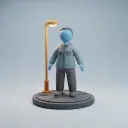 stand 서다
I stand by the door. 저는 문 옆에 서요.
-
 swim 수영하다
They can swim fast. 그들은 빨리 수영할 수 있어요.
-
 drive 운전하다
You need to drive carefully. 조심해서 운전해야 해요.
-
 plan 계획하다
They plan to visit soon. 그들은 곧 방문을 계획해요.
-
 finish 끝내다
He can finish homework later. 그는 나중에 숙제를 끝낼 수 있어요.
-
 give 주다
I give presents to friends. 저는 친구들에게 선물을 줘요.
-
 eleven 열하나
I always get eleven pieces. 저는 항상 열한 개를 받아요.
-
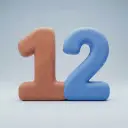 twelve 열둘
There are twelve eggs in a carton. 달걀 한 팩에 열두 개가 있어요.
-
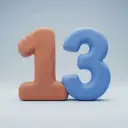 thirteen 십삼
The number thirteen is unlucky. 숫자 십삼은 운이 나빠요.
-
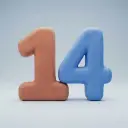 fourteen 십사
The apartment has fourteen floors. 아파트는 십사 층이에요.
-
 fifteen 십오
I open the book at page fifteen. 저는 책의 십오 페이지를 펴요.
-
 sixteen 십육
That is sixteen times more! 그것은 십육 배 더 많아요!
-
 seventeen 열일곱
We have seventeen pencils. 저희는 연필이 열일곱 자루 있어요.
-
 eighteen 십팔
It is eighteen meters high. 그것은 높이가 십팔 미터예요.
-
 nineteen 열아홉
Nineteen is my favourite number. 열아홉은 제가 제일 좋아하는 숫자예요.
-
 twenty 스물
She needs twenty small apples. 그녀는 작은 사과 스무 개가 필요해요.
-
 thirty 서른
He is thirty years old. 그는 서른 살이에요.
-
 hundred 백
He counted to one hundred. 그는 백까지 세었어요.
-
 forty 마흔
She has forty pencils in total. 그녀는 연필을 모두 마흔 자루 가지고 있어요.
-
 fifty 오십
He has fifty dollars. 그는 오십 달러가 있어요.
-
 sixty 육십
John is sixty years old. 존 씨는 육십 살이에요.
-
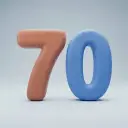 seventy 일흔
My grandpa is seventy years old. 우리 할아버지는 일흔 살이세요.
-
 eighty 팔십
I have eighty grams of sugar. 저는 설탕 팔십 그램이 있어요.
-
 ninety 구십
He has ninety books to read. 그는 읽을 책이 구십 권 있어요.
-
 thousand 천
A thousand is a big number. 천은 큰 숫자예요.
-
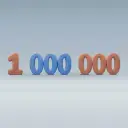 million 백만
That car costs a million dollars. 저 차는 백만 달러예요.
-
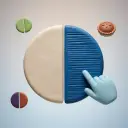 half 반
He ate half the pizza. 그는 피자 반을 먹었어요.
-
 quarter 사분의 일
There is only a quarter of them left. 그것들 중 사분의 일만 남았어요.
-
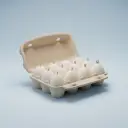 dozen 다스
I buy a dozen eggs at the store. 저는 가게에서 달걀 한 다스를 사요.
-
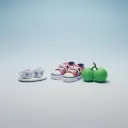 pair 켤레
That pair of shoes is clean. 저 신발 한 켤레는 깨끗해요.
-
 first 첫 번째
He won first place easily. 그는 쉽게 첫 번째 자리를 차지했어요.
-
 second 두 번째
This is my second time here. 여기는 제 두 번째예요.
-
 third 세 번째
They finished in third place. 그들은 세 번째로 들어왔어요.
-
 fourth 네 번째
I am fourth in line. 저는 줄에서 네 번째예요.
-
 fifth 다섯 번째
She is in the fifth row. 그녀는 다섯 번째 줄에 있어요.
-
 sixth 여섯 번째
He is the sixth person. 그는 여섯 번째 사람이에요.
-
 seventh 일곱 번째
They live on the seventh floor. 그들은 일곱 번째 층에 살아요.
-
 eighth 여덟 번째
This is the eighth apple. 이것은 여덟 번째 사과예요.
-
 ninth 아홉째
The ninth day is a holiday. 아홉째 날은 공휴일이에요.
-
 tenth 열 번째
She is the tenth place. 그녀는 열 번째예요.
-
 eleventh 열한 번째
They celebrate their eleventh anniversary. 그들은 열한 번째 기념일을 축하해요.
-
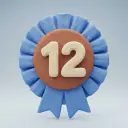 twelfth 열두 번째
That is the twelfth month. 그것은 열두 번째 달이에요.
-
 always 항상
I always drink coffee in the morning. 저는 아침에 항상 커피를 마셔요.
-
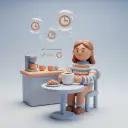 usually 보통
He usually eats lunch at noon. 그는 보통 정오에 점심을 먹어요.
-
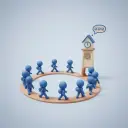 often 자주
People often eat pizza here. 사람들은 여기서 자주 피자를 먹어요.
-
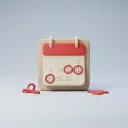 sometimes 가끔
She sometimes goes to the library. 그녀는 가끔 도서관에 가요.
-
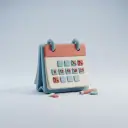 rarely 좀처럼
I rarely eat fast food. 저는 패스트푸드를 좀처럼 안 먹어요.
-
 never 전혀
They never go to that store. 그 사람들은 그 가게에 전혀 가지 않아요.
-
 every day 매일
We eat chocolate every day. 저희는 매일 초콜릿을 먹어요.
-
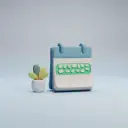 every week 매주
She swims every week. 그녀는 매주 수영해요.
-
 on weekends 주말에
I relax on weekends at home. 저는 주말에 집에서 쉬어요.
-
 in the morning 아침에
People eat breakfast in the morning. 사람들은 아침에 아침을 먹어요.
-
 at night 밤에
They sleep at night in their beds. 그들은 밤에 침대에서 자요.
-
 after work 퇴근 후에
He relaxes after work every day. 그는 매일 퇴근 후에 쉬어요.
-
 once a 에 한 번
I go once a week. 저는 일주일에 한 번 가요.
-
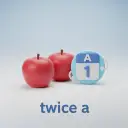 twice a ~에 두 번
My dad visits twice a week. 우리 아빠는 일주일에 두 번 방문해요.
-
 every other 격-
They visit every other week. 그들은 격주로 방문해요.
-
 at least 적어도
He eats at least one apple daily. 그는 매일 사과를 적어도 한 개 먹어요.
-
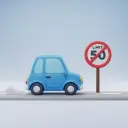 at most 많아야
I will buy two at most. 많아야 두 개 살 거예요.
-
 more than 이상
This is more than enough food. 이것은 충분한 양 이상의 음식이에요.
-
 less than 보다 적다
You got less than last time. 지난번보다 적게 받았어요.
-
 a little 조금
He needs a little help. 그는 도움이 조금 필요해요.
-
 a bit 조금
She ate a bit of cake. 그녀는 케이크를 조금 먹었어요.
-
 a lot 많이
I study a lot. 저는 공부를 많이 해요.
-
 too much 너무 많이
They ate too much cake. 그들은 케이크를 너무 많이 먹었어요.
-
 not enough 부족하다
This amount is not enough. 이 양은 부족해요.
-
 ago 전
ago 전I arrived two days ago. 저는 이틀 전에 도착했어요.
-
 soon 곧
My friend will arrive soon. 제 친구가 곧 도착할 거예요.
-
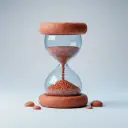 still 여전히
I am still hungry. 저는 여전히 배가 고파요.
-
 ever 적
Have you ever seen the ocean? 바다를 본 적이 있나요?
-
 yet 아직
My friend has not arrived yet. 제 친구가 아직 도착하지 않았어요.
-
 immediately 당장
I need help immediately. 저는 당장 도움이 필요해요.
-
 maybe 아마
Maybe she will come later. 그녀는 아마도 나중에 올 거예요.
-
 sometime 언젠가
We will meet sometime. 우리 언젠가 만나요.
-
 anytime 언제든지
You can visit us anytime. 언제든지 저희를 방문해 주세요.
-
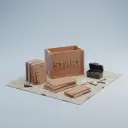 before 전에
We left before the storm. 우리는 폭풍이 오기 전에 떠났습니다.
-
 after 후에
We will leave after the meal. 우리는 식사 후에 출발할 거예요.
-
 nowadays 요즘
People travel more nowadays. 요즘은 사람들이 여행을 더 많이 다녀요.
301–400번째 단어
-
 January 일월
January is the first month. 일월은 첫 번째 달이에요.
-
 February 2월
February is usually a short month. 2월은 보통 짧은 달이에요.
-
 March 삼월
I usually visit them in March. 저는 보통 삼월에 그들을 방문해요.
-
 April 4월
The basketball game is in April. 농구 경기는 4월에 있어요.
-
 May 오월
My final exam is in May. 제 기말고사는 오월에 있어요.
-
 June 유월
I will know the answer by June. 저는 유월까지 답을 알 거예요.
-
 July 칠월
July is usually a very warm month. 칠월은 보통 매우 따뜻한 달이에요.
-
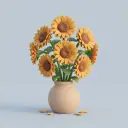 August 팔월
Can we meet again in August? 팔월에 다시 만날 수 있어요?
-
 September 구월
My vacation is in September. 제 휴가는 구월에 있어요.
-
 October 시월
Is your birthday in October? 생일이 시월이에요?
-
 November 11월
Why does it rain in November? 왜 11월에 비가 와요?
-
 December 12월
December is the last month. 12월은 마지막 달이에요.
-
 over 넘다
The cat jumps over the box. 고양이가 상자를 뛰어넘어요.
-
 under 아래
They live under a big tree. 그들은 큰 나무 아래에 살아요.
-
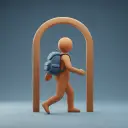 through 통해
He walks through the door. 그는 문을 통해 걸어가요.
-
 along 따라
We walk along the beach. 우리는 해변을 따라 걸어요.
-
 around 주변
People walk around the park. 사람들이 공원 주변을 걸어요.
-
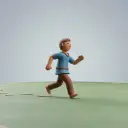 across 건너다
I go across the street. 저는 길을 건너요.
-
 into 안으로
He walks slowly into the room. 그는 방 안으로 천천히 걸어 들어가요.
-
 out of 밖으로
The kid runs out of the school. 아이가 학교 밖으로 뛰어나가요.
-
 up 위
up 위She looks up at the clouds. 그녀는 위를 보며 구름을 봐요.
-
 down 아래
The dog put the ball down. 강아지가 공을 아래로 내려놓았어요.
-
 upstairs 위층
I go upstairs to bed. 저는 자러 위층에 가요.
-
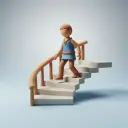 downstairs 아래층
I hear noises downstairs. 아래층에서 소리가 들려요.
-
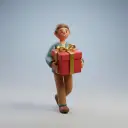 bring 가져오다
They bring food to the party. 그들은 파티에 음식을 가져와요.
-
 take 가져가다
You always take my pen. 항상 제 펜을 가져가요.
-
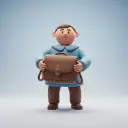 carry 들다
He can carry the box. 그는 상자를 들 수 있어요.
-
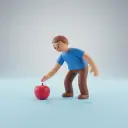 pick up 찾다
Can you pick up the package? 택배를 찾을 수 있어요?
-
 drop 떨어뜨리다
If I drop the phone, it will break. 제가 핸드폰을 떨어뜨리면 깨질 거예요.
-
 pass 건네다
Can you pass me the salt? 소금 좀 건네줄 수 있어요?
-
 put down 내려놓다
We put down our backpacks. 저희는 배낭을 내려놨어요.
-
 put away 치우다
I put away my toys. 저는 제 장난감을 치워요.
-
 take out 내놓다
She will take out the trash. 그녀는 쓰레기를 내놓을 거예요.
-
 hang up 걸다
They hang up their coats. 그들은 코트를 걸어요.
-
 turn on 켜다
You turn on the light. 불을 켜요.
-
 turn off 끄다
Can someone turn off the radio? 누가 라디오를 꺼 줄 수 있어요?
-
 jump 뛰어넘다
The cat jumps over the wall. 고양이가 담장을 뛰어넘어요.
-
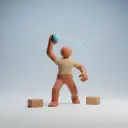 throw 던지다
The boy throws the stone. 소년이 돌을 던집니다.
-
 catch 잡다
He catches the ball. 그는 공을 잡아요.
-
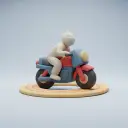 ride 타다
The boy rides a horse. 소년이 말을 탑니다.
-
 fly 날다
The birds fly in the sky. 새들이 하늘을 날아요.
-
 crawl 기다
The baby crawls on the floor. 아기가 바닥에서 기고 있어요.
-
 skip 건너뛰다
She skipped the first page. 그녀는 첫 페이지를 건너뛰었습니다.
-
 kick 차다
The child kicks the ball. 아이가 공을 찹니다.
-
 bounce 튀다
The ball bounces on the ground. 공이 바닥에서 튑니다.
-
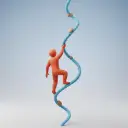 climb 올라가다
The cat climbs the tree. 고양이가 나무에 올라가요.
-
 dive 다이빙하다
The boy dives into the water. 소년이 물속으로 다이빙해요.
-
 slide 미끄러지다
The box slides on the floor. 상자가 바닥에서 미끄러집니다.
-
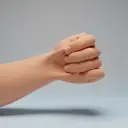 pinch 꼬집다
He pinched my arm. 그가 제 팔을 꼬집었어요.
-
 squeeze 꽉 쥐다
She squeezes my hand. 그녀는 내 손을 꽉 쥐어요.
-
 poke 찌르다
The child poked my arm. 아이가 제 팔을 찔렀어요.
-
 stroke 쓰다듬다
The boy strokes the dog. 소년이 강아지를 쓰다듬어요.
-
 rub 비비다
I rub my tired eyes. 저는 피곤한 눈을 비벼요.
-
 twist 꼬다
The man twists the rope. 그 남자는 밧줄을 꼽니다.
-
 shake 흔들다
The baby shakes the toy. 아기가 장난감을 흔들어요.
-
 fold 접다
I fold the paper. 저는 종이를 접어요.
-
 press 누르다
She presses the red button. 그녀는 빨간 버튼을 누릅니다.
-
 attach 매다
He will attach the rope. 그는 밧줄을 맬 것입니다.
-
 pull 당기다
The man pulls the heavy rope. 그 남자는 무거운 밧줄을 당깁니다.
-
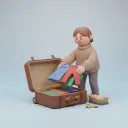 pack 싸다
I pack my bag. 저는 가방을 쌉니다.
-
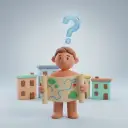 Where is the ...? ... 어디에 있어요?
Where is the hotel? 호텔이 어디에 있어요?
-
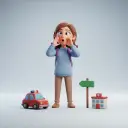 Is there a ... nearby? 근처에 ... 있어요?
Is there a bank nearby? 근처에 은행이 있어요?
-
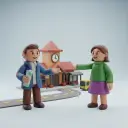 How do I get to ...? 어떻게 가요?
How do I get to school? 학교에 어떻게 가요?
-
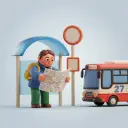 Which bus goes to ...? 어느 버스가 가요?
Which bus goes to town? 시내에 어느 버스가 가요?
-
 Which line goes to ...? 몇 호선이 ...에 가요?
Which line goes to the museum? 박물관에 몇 호선이 가요?
-
 How long does it take? 얼마나 걸려요?
I wonder how long does it take. 얼마나 걸리는지 궁금해요.
-
 How far is it? 얼마나 멀어요?
How far is it? 얼마나 멀어요?
-
 Can you show me on the map? 지도에서 보여줄 수 있어요?
Can you show me on the map? 지도에서 보여줄 수 있어요?
-
 I'm looking for 찾다
They are looking for a restroom. 그들은 화장실을 찾고 있어요.
-
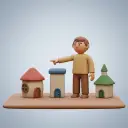 The nearest 가장 가깝다
The nearest store is down there. 가장 가까운 가게는 저 아래에 있어요.
-
 Does this go to ...? 에 가다
Does this go to the restaurant? 이거 식당에 가요?
-
 Which stop for ...? 어디서 내려요?
Which stop for downtown? 시내에 가려면 어디서 내려요?
-
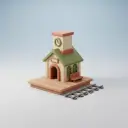 station 역
They wait at the train station. 그들은 기차역에서 기다려요.
-
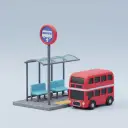 bus stop 버스 정류장
The bus stop is nearby. 버스 정류장이 근처에 있어요.
-
 subway station 지하철역
This subway station is very crowded. 이 지하철역은 아주 붐벼요.
-
 hotel 호텔
You can book a hotel online. 온라인으로 호텔을 예약할 수 있어요.
-
 pharmacy 약국
Mark works at the pharmacy. 마크 씨는 약국에서 일해요.
-
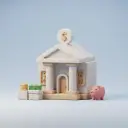 bank 은행
He goes to the bank. 그는 은행에 가요.
-
 restroom 화장실
This is a clean restroom. 여기는 깨끗한 화장실이에요.
-
 supermarket 슈퍼마켓
We buy food at the supermarket. 우리는 슈퍼마켓에서 음식을 사요.
-
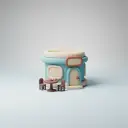 restaurant 식당
They like that restaurant a lot. 그들은 그 식당을 정말 좋아해요.
-
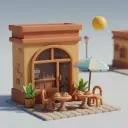 café 카페
Jane works at the café. 제인은 카페에서 일해요.
-
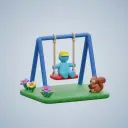 park 공원
She likes the green park. 그녀는 초록색 공원을 좋아해요.
-
 hospital 병원
A hospital helps sick people. 병원은 아픈 사람들을 도와줘요.
-
 airport 공항
We arrived at the airport. 우리는 공항에 도착했습니다.
-
 stadium 경기장
We went to the stadium. 우리는 경기장에 갔어요.
-
 factory 공장
This factory makes clothes. 이 공장은 옷을 만들어요.
-
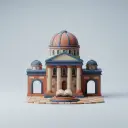 university 대학교
She studies at the university. 그녀는 대학교에서 공부해요.
-
 college 대학교
She studies at the college. 그녀는 대학교에서 공부해요.
-
 club 동아리
We joined the sports club. 우리는 스포츠 동아리에 가입했습니다.
-
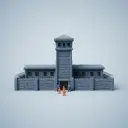 prison 교도소
The criminal escaped from prison. 범죄자가 교도소에서 탈출했습니다.
-
 tower 탑
I see the tall tower. 높은 탑이 보여요.
-
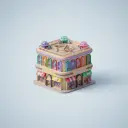 mall 쇼핑몰
I bought shoes at the mall. 저는 쇼핑몰에서 신발을 샀어요.
-
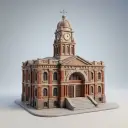 town hall 시청
We met at the town hall. 우리는 시청에서 만났어요.
-
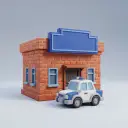 police station 경찰서
I see the police station. 경찰서가 보여요.
-
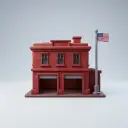 fire station 소방서
I live near the fire station. 저는 소방서 근처에 살아요.
-
 Turn left. 좌회전하다
Turn left here. 여기서 좌회전해요.
-
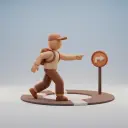 Turn right. 우회전하다
Turn right at the intersection. 교차로에서 우회전하세요.
-
 Go straight ahead. 똑바로 가다
Go straight ahead to school. 학교로 똑바로 가요.
-
 It's near. 가깝다
It's near. 가까워요.
401–500번째 단어
-
 It's far. 멀다
It's far. 멀어요.
-
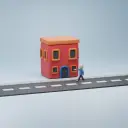 Across the street. 길 건너편
He lives across the street. 그는 길 건너편에 살아요.
-
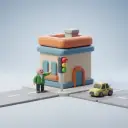 At the corner. 모퉁이에서
She is waiting at the corner. 그녀는 모퉁이에서 기다리고 있어요.
-
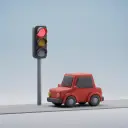 At the traffic light. 신호등에서
We stopped at the traffic light. 우리는 신호등에서 멈췄어요.
-
 At the intersection. 교차로에
The bar is at the intersection. 술집은 교차로에 있어요.
-
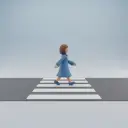 Crosswalk. 횡단보도
That crosswalk is very safe. 저 횡단보도는 아주 안전해요.
-
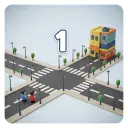 One block away. 한 블록 떨어져
The museum is one block away. 박물관은 한 블록 떨어져 있어요.
-
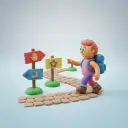 Follow the signs. 표지판을 따라가다
Follow the signs to safety. 안전한 곳으로 표지판을 따라가세요.
-
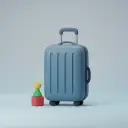 suitcase 여행 가방
Did you pack your suitcase already? 벌써 여행 가방을 다 쌌어요?
-
 magnet 자석
The small magnet is a present. 작은 자석은 선물이에요.
-
 hairbrush 머리빗
She can’t find her hairbrush. 그녀는 머리빗을 못 찾아요.
-
 pillow 베개
This pillow is soft and warm. 이 베개는 부드럽고 따뜻해요.
-
 blanket 담요
Take a blanket if you are cold. 추우면 담요를 가져가세요.
-
 mattress 매트리스
Our new mattress is really comfortable. 우리 새 매트리스는 정말 편해요.
-
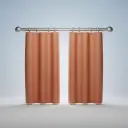 curtain 커튼
Please open the curtain, it's dark. 커튼을 열어 주세요, 어두워요.
-
 blinds 블라인드
I usually close the blinds at night. 저는 보통 밤에 블라인드를 내려요.
-
 carpet 카펫
There is dust under the carpet. 카펫 아래에 먼지가 있어요.
-
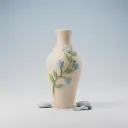 vase 꽃병
This vase looks expensive. 이 꽃병은 비싸 보여요.
-
 broom 빗자루
Does this apartment have a broom? 이 아파트에 빗자루가 있어요?
-
 toilet paper 휴지
Oh no, the toilet paper’s gone! 이런, 휴지가 다 떨어졌어요!
-
 wool 털
The sheep has thick wool. 그 양은 털이 아주 두껍습니다.
-
 metal 금속
We need wood and metal. 우리는 나무와 금속이 필요합니다.
-
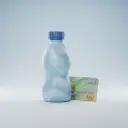 plastic 플라스틱
She washes the plastic bowl. 그녀는 플라스틱 그릇을 씻어요.
-
 leather 가죽
I bought a new leather bag. 저는 새 가죽 가방을 샀어요.
-
 cotton 목화
The farmer grows cotton. 농부는 목화를 재배합니다.
-
 silk 비단
This silk is very soft. 이 비단은 매우 부드러워요.
-
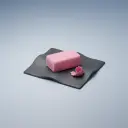 rubber 고무
The ball is made of rubber. 그 공은 고무로 만들어졌습니다.
-
 denim 데님
He bought thick denim fabric. 그는 두꺼운 데님 원단을 샀어요.
-
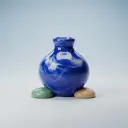 ceramic 도자기
She washed the ceramic bowl. 그녀는 도자기 그릇을 닦았습니다.
-
 marble 대리석
They cut the white marble. 그들은 하얀 대리석을 깎았습니다.
-
 brick 벽돌
He holds a red brick. 그는 빨간 벽돌을 들고 있습니다.
-
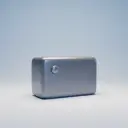 steel 강철
They make the tools from steel. 그들은 그 도구들을 강철로 만듭니다.
-
 behind 뒤
It is behind that building. 저 건물 뒤에 있어요.
-
 in front of 앞
She is in front of me. 그녀는 제 앞에 있어요.
-
 between 사이
The park is between two houses. 공원은 두 집 사이에 있어요.
-
 next to 옆
That store is next to my house. 저 가게는 우리 집 옆에 있어요.
-
 opposite 반대
We go the opposite direction. 우리는 반대 방향으로 가요.
-
 across from 맞은편
We live across from the store. 저희는 가게 맞은편에 살아요.
-
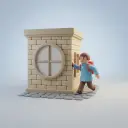 around the corner 모퉁이 근처
She lives around the corner now. 그분은 이제 모퉁이 근처에 살아요.
-
 towards 쪽으로
The kids walk towards the big tree. 아이들이 큰 나무 쪽으로 걸어요.
-
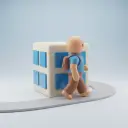 past 지나가다
You need to go past the bridge. 다리를 지나가야 해요.
-
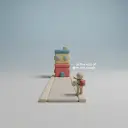 at the end of the street 길 끝
I live at the end of the street. 저는 길 끝에 살아요.
-
 on the left 왼쪽
She parks on the left side. 그녀는 왼쪽에 주차해요.
-
 on the right 오른쪽에
They are on the right. 오른쪽에 있어요.
-
 above 위에
The sun is above the mountain. 해가 산 위에 떠 있습니다.
-
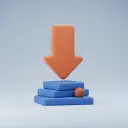 below 아래에
The village is below the mountain. 마을은 산 아래에 있습니다.
-
 on top 맨 위에
The box is on top. 상자가 맨 위에 있어요.
-
 near 근처에
I live near the river. 저는 강 근처에 살아요.
-
 in the middle 한가운데
He stands in the middle. 그는 한가운데에 서 있습니다.
-
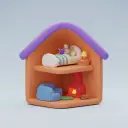 inside 안에
The dog is inside the house. 강아지가 집 안에 있어요.
-
 place 장소
We found a safe place. 우리는 안전한 장소를 찾았습니다.
-
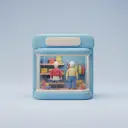 store 가게
We buy food at the store. 우리는 가게에서 음식을 사요.
-
 house 집
The family lives in that house. 그 가족은 저 집에 살아요.
-
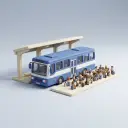 bus station 버스 터미널
I wait at the bus station. 나는 버스 터미널에서 기다려요.
-
 city center 도심
I live near the city center. 저는 도심 근처에 살아요.
-
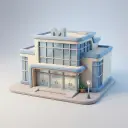 shopping mall 쇼핑몰
The shopping mall is very big. 그 쇼핑몰은 정말 커요.
-
 fountain 분수
That fountain has very clear water. 저 분수는 물이 매우 맑아요.
-
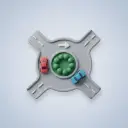 roundabout 회전교차로
This roundabout helps the traffic. 이 회전교차로는 교통에 도움이 돼요.
-
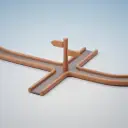 crossroads 교차로
We stopped at the crossroads. 우리는 교차로에서 멈췄어요.
-
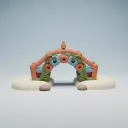 bridge 다리
People walk across the bridge. 사람들이 다리를 걸어서 건너요.
-
 tunnel 터널
The car drives through a tunnel. 차가 터널을 지나가요.
-
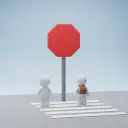 stop sign 정지 표지판
You need to respect the stop sign. 정지 표지판을 지켜야 해요.
-
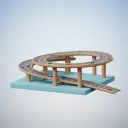 overpass 육교
They built an overpass near home. 집 근처에 육교를 지었어요.
-
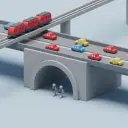 underpass 지하도
We will walk through the underpass. 저희는 지하도로 걸어갈 거예요.
-
 landmark 랜드마크
The landmark is near the river. 랜드마크는 강 근처에 있어요.
-
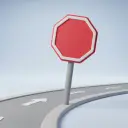 traffic sign 교통 표지판
This traffic sign means stop. 이 교통 표지판은 정지라는 뜻이에요.
-
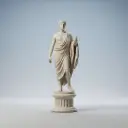 statue 동상
He saw the beautiful statue. 그는 아름다운 동상을 봤어요.
-
 monument 기념비
They visited the tall monument. 그들은 높은 기념비를 방문했어요.
-
 north 북쪽
The north of this city is interesting. 이 도시의 북쪽은 흥미로워요.
-
 south 남쪽
The wind comes from the south. 바람이 남쪽에서 불어옵니다.
-
 east 동쪽
The wind comes from the east. 바람이 동쪽에서 불어옵니다.
-
 west 서쪽
The sun sets in the west. 해는 서쪽으로 져요.
-
 northeast 북동쪽
Ben lives in the northeast area. 벤 씨는 북동쪽 지역에 살아요.
-
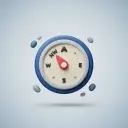 northwest 북서쪽
That state is in the northwest. 그 주는 북서쪽에 있어요.
-
 southeast 남동쪽
He lives in the southeast region. 그는 남동쪽 지역에 살아요.
-
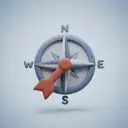 southwest 남서쪽
They drove to the southwest. 그들은 남서쪽으로 운전해서 갔어요.
-
 U-turn 유턴
This is a U-turn. 이것은 유턴이에요.
-
 dead end 막다른 길
That street is a dead end. 저 길은 막다른 길이에요.
-
 escalator 에스컬레이터
The escalator takes you to the top floor. 에스컬레이터가 꼭대기 층까지 올라가요.
-
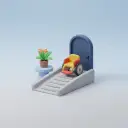 ramp 경사로
Wheelchairs require ramps. 휠체어는 경사로가 필요해요.
-
 weather 날씨
This is nice weather today. 오늘 날씨가 좋아요.
-
 sunny 화창하다
He likes a sunny day. 그는 화창한 날을 좋아해요.
-
 cloudy 흐리다
They expect a cloudy afternoon. 그들은 흐린 오후를 예상해요.
-
 rainy 비가 오다
A rainy day can be cozy. 비가 오는 날은 아늑할 수 있어요.
-
 windy 바람이 불다
It is windy outside. 밖에 바람이 불어요.
-
 hot 뜨겁다
This tea is very hot. 이 차는 아주 뜨거워요.
-
 cold 차다
The cold wind blows in winter. 겨울에는 찬 바람이 불어요.
-
 warm 따뜻하다
It was warm at the beach today. 오늘 해변은 따뜻했어요.
-
 spring 봄
The flowers love the spring. 꽃들은 봄을 좋아해요.
-
 summer 여름
Summer is a very hot season. 여름은 아주 더운 계절이에요.
-
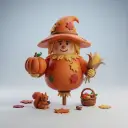 autumn 가을
Autumn is my favorite season. 가을은 제가 제일 좋아하는 계절이에요.
-
 winter 겨울
Winter can be very cold here. 여기는 겨울이 아주 추울 수 있어요.
-
 sun 해
sun 해The sun shines in the sky. 하늘에 해가 떠 있어요.
-
 Moon 달
I see the bright moon. 밝은 달이 보여요.
-
 star 별
I see a bright star. 밝은 별이 보여요.
-
 sky 하늘
Birds fly in the sky. 새들이 하늘을 날아다녀요.
-
 cloud 구름
A dark cloud hides the sun. 먹구름이 해를 가리고 있어요.
-
 rain 비
The rain falls from the sky. 하늘에서 비가 내려요.
-
 wind 바람
We feel the cold wind. 우리는 찬 바람을 느껴요.
-
 storm 폭풍
The strong storm broke the trees. 강한 폭풍이 나무들을 부러뜨렸습니다.
개인 학습과 수업에 무료로 쓸 수 있어요.
미니 퀴즈
처음 100개 단어로 5문제를 풀어 보세요.
배운 단어를 오래 기억하려면
앱이 잊어버리기 직전에 단어를 다시 보여 줘요. iPhone과 Android에서 무료.
영어 더 배우기
주제별 영어 단어
영어 단어 500개를 순서대로 익혀 보세요.
앱이 그림과 음성으로 한 번에 12개씩 가르치고, 잊어버리기 전에 다시 보여 줘요. iPhone과 Android에서 무료.
휴대폰 카메라로 스캔하면 앱을 받을 수 있어요.
