











 The 100 Most Common Korean Words
Each word with a picture, native audio and an example sentence with its English translation. Tap a speaker to hear the word or the sentence.

Learn all 100 words in the app
Pictures, native audio, and each word comes back right before you’d forget it. Free on iPhone & Android.

 Scan with your phone camera
 Your PDF is downloading
Printing is step one. Flashcardly makes the words stick: it brings each one back right before you’d forget it, with native audio.
How this list is ranked
This is the Flashcardly Korean course in order: by frequency and everyday usefulness, with input from language teachers. It is not a raw corpus count, which is why words like “the” and “of” are not padding the top of the list, while “man” comes in at #13.
The list
Tap a picture to hear it.
-
 안녕하세요 annyeonghaseyo Hello
안녕하세요, 어떻게 지내세요? annyeonghaseyo, eotteoke jinaeseyo? Hello, how are you?
-
 환영합니다 hwanyeonghamnida Welcome
저희 집에 오신 것을 환영합니다. jeohui jibe osin geoseul hwanyeonghamnida. Welcome to our home.
-
 좋은 아침이에요 joeun achimieyo Good morning
좋은 아침이에요! joeun achimieyo Good morning!
-
 네 ne yes
네, 알겠어요. ne, algesseoyo. Yes, I understand.
-
 좋은 저녁이에요 joeun jeonyeogieyo Good evening
좋은 저녁이에요! joeun jeonyeogieyo Good evening!
-
 아니요 aniyo no
그녀는 아니요라고 말했어요. Geunyeoneun aniyorago malhaesseoyo. She said no.
-
 안녕히 가세요 annyeonghi gaseyo Goodbye
안녕히 가세요, 안나 씨! annyeonghi gaseyo, anna ssi! Goodbye, Anna!
-
 안녕하세요 annyeonghaseyo Good afternoon
안녕하세요! annyeonghaseyo! Good afternoon!
-
 곧 봐요 got bwayo See you soon
미아 씨, 곧 봐요! Mia ssi, got bwayo! See you soon, Mia!
-
 내일 봐요 naeil bwayo See you tomorrow
내일 봐요! naeil bwayo! See you tomorrow!
-
 만나서 반가워요 mannaseo banggawoyo Nice to meet you
저도 만나서 반가워요. jeodo mannaseo banggawoyo Nice to meet you too!
-
 어떻게 지내세요? eotteoke jinaeseyo? How are you?
오늘 어떻게 지내세요? oneul eotteoke jinaeseyo? How are you today?
-
 남자 namja man
남자는 책을 읽어요. namjaneun chaegeul ilgeoyo. The man reads the book.
-
 여자 yeoja woman
여자가 모자를 써요. yeojaga mojareul sseoyo. The woman wears a hat.
-
 소년 sonyeon boy
소년이 장난감을 가지고 놀아요. sonyeoni jangnangameul gajigo norayo. The boy plays with toys.
-
 소녀 sonyeo girl
소녀가 공을 가지고 있어요. sonyeoga gongeul gajigo isseoyo. The girl has a ball.
-
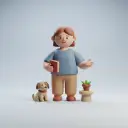 사람 saram person
그는 좋은 사람이에요. geuneun joeun saramieyo. He is a nice person.
-
 사람들 saramdeul people
사람들이 아주 행복해요. saramdeuri aju haengbokhaeyo. The people are very happy.
-
 성인 seongin adult
저는 성인이에요. jeoneun seongin-ieyo. I am an adult.
-
 아기 agi baby
아기가 우유가 필요해요. Agiga uyuga piryohaeyo. The baby needs milk.
-
 씨 ssi Mr
스미스 씨는 책 읽는 것을 좋아해요. seumiseu ssineun chaek ingneun geoseul joahaeyo. Mr. Smith likes to read books.
-
 부인 buin Mrs
스미스 부인은 선생님이에요. Seumiseu buineun seonsaengnimieyo. Mrs. Smith is a teacher.
-
 이웃 iut neighbor
제 이웃은 아주 친절해요. Je iuseun aju chinjeolhaeyo. My neighbor is very friendly.
-
 친구 chingu friend
제 친구는 책 읽는 것을 좋아해요. Je chinguneun chaek ingneun geoseul joahaeyo. My friend likes to read books.
-
 오늘 oneul today
오늘은 좋은 날이에요. oneureun joeun narieyo. Today is a good day.
-
 내일 naeil tomorrow
내일은 새로운 날이에요. Naeireun saeroun narieyo. Tomorrow is a new day.
-
 어제 eoje yesterday
저는 어제 그녀를 봤어요. jeoneun eoje geunyeoreul bwasseoyo. I saw her yesterday.
-
 지금 jigeum now
그는 지금 그것을 원해요. geuneun jigeum geugeoseul wonhaeyo. He wants it now.
-
 오후 ohu afternoon
저는 오후를 좋아해요. jeoneun ohureul joahaeyo. I like the afternoon.
-
 저녁 jeonyeok evening
저녁은 조용해요. jeonyeogeun joyonghaeyo. The evening is quiet.
-
 분 bun minute
저희는 오 분이 필요해요. jeohuineun o buni piryohaeyo. We need five minutes.
-
 아침 achim morning
저는 아침에 아침을 먹어요. Jeoneun achime achimeul meogeoyo. I eat breakfast in the morning.
-
 나중에 najunge later
나중에 할 거예요. najunge hal geoyeyo. I will do it later.
-
 일찍 iljjik early
그녀는 일찍 일어나요. geunyeoneun iljjigireonayo She wakes up early.
-
 늦다 neutta late
그 사람은 자주 늦어요. geu sarameun jaju neujeoyo He is often late.
-
 시간 sigan hour
수업은 한 시간이에요. sueobeun han siganieyo. The class lasts one hour.
-
 이름이 뭐예요? ireumi mwoyeyo? What's your name?
이름이 뭐예요? ireumi mwoyeyo? What's your name?
-
 제 이름은 ...예요 je ireumeun ...yeyo My name is
제 이름은 에밀리예요. je ireumeun emilliyeyo My name is Emily.
-
 어디에서 왔어요? eodieseo wasseoyo? Where are you from?
어디에서 왔어요? eodieseo wasseoyo? Where are you from?
-
 에서 왔어요 eseo wasseoyo I'm from
저는 독일에서 왔어요. jeoneun dogireseo wasseoyo. I'm from Germany.
-
 어디에 살아요? eodie sarayo? Where do you live?
어디에 살아요? eodie sarayo? Where do you live?
-
 에 살다 e salda I live in
저는 일본에 살아요. jeoneun ilbone sarayo I live in Japan.
-
 어떤 언어를 하세요? eotteon eoneoreul haseyo? What languages do you speak?
어떤 언어를 하세요? eotteon eoneoreul haseyo? What languages do you speak?
-
 말하다 marhada I speak
저는 영어를 잘 말해요. jeoneun yeongeoreul jal marhaeyo. I speak English well.
-
 조금 하다 jogeum hada I speak a little
저는 프랑스어를 조금 해요. jeoneun peurangseueoreul jogeum haeyo I speak a little French.
-
 어디에서 태어났어요? eodieseo taeeonasseoyo? Where were you born
어디에서 태어났어요? eodieseo taeeonasseoyo? Where were you born?
-
 성이 어떻게 되세요? seongi eotteoke doeseyo? What's your surname?
성이 어떻게 되세요? seongi eotteoke doeseyo? What's your surname?
-
 이쪽은 제 친구예요 ijjogeun je chinguyeyo This is my friend
이쪽은 제 친구 리사예요. ijjogeun je chingu risayeyo This is my friend Lisa.
-
 만들다 mandeulda make
저는 맛있는 커피를 만들어요. jeoneun masinneun keopireul mandeureoyo. I make good coffee.
-
 받다 batta get
그는 선물을 받았어요. geuneun seonmureul badasseoyo. He got a present.
-
 있다 itta have
엠마는 차가 있어요. emmaneun chaga isseoyo Emma has a car.
-
 먹다 meoktta eat
그들은 사과를 먹어요. geudeureun sagwareul meogeoyo. They are eating apples.
-
 마시다 masida drink
커피를 마셔요? keopireul masyeoyo? Do you drink coffee?
-
 자다 jada sleep
저는 지금 자고 싶어요. jeoneun jigeum jago sipeoyo. I want to sleep now.
-
 보다 boda see
집을 볼 수 있어요? jibeul bol su isseoyo? Can you see the house?
-
 쳐다보다 cheodaboda look at
아담은 사진을 쳐다보는 것을 좋아합니다. adameun sajineul cheodaboneun geoseul joahamnida. Adam likes to look at pictures.
-
 읽다 iktta read
학생은 책을 읽어요. haksaengeun chaegeul ilgeoyo The student reads books.
-
 열다 yeolda open
그녀는 창문을 열어요. geunyeoneun changmuneul yeoreoyo. She opens the window.
-
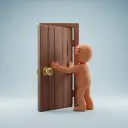 닫다 datta close
저는 문을 닫아요. jeoneun muneul dadayo. I close the door.
-
 오다 oda come
매일 여기에 와요. maeil yeogie wayo You come here every day.
-
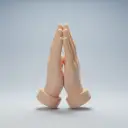 주세요 juseyo Please.
문을 열어 주세요. muneul yeoreo juseyo Please open the door.
-
 감사합니다 gamsahamnida Thank you.
도와주셔서 감사합니다. dowajusyeoseo gamsahamnida Thank you for your help.
-
 천만에요 cheonmaneyo You're welcome.
천만에요. cheonmaneyo. You're welcome.
-
 실례합니다 sillyehamnida Excuse me.
실례합니다, 도움이 필요해요. sillyehamnida, doumi piryohaeyo. Excuse me, I need help.
-
 죄송해요 joesonghaeyo Sorry.
죄송해요. joesonghaeyo I am sorry.
-
 도와주시겠어요? dowajusigesseoyo? Could you help me?
저 좀 도와주시겠어요? jeo jom dowajusigesseoyo? Could you help me?
-
 다시 말씀해 주시겠어요? dasi malsseumhae jusigesseoyo? Could you please repeat?
그걸 다시 말씀해 주시겠어요? Geugeol dasi malsseumhae jusigesseoyo? Could you please repeat that?
-
 조금 더 천천히 말씀해 주시겠어요? Jogeum deo cheoncheonhi malsseumhae jusigesseoyo? Could you speak more slowly?
조금 더 천천히 말씀해 주시겠어요? Jogeum deo cheoncheonhi malsseumhae jusigesseoyo? Could you speak more slowly?
-
 주시겠어요? jusigesseoyo? Could I have ... please?
물 좀 주시겠어요? mul jom jusigesseoyo? Could I have water please?
-
 주세요 juseyo I'd like
차를 좀 더 주세요. Chareul jom deo juseyo. I'd like some more tea.
-
 해도 돼요? haedo dwaeyo? May I...?
물 좀 마셔도 돼요? mul jom masyeodo dwaeyo? May I have some water?
-
 아도 되다 ado doeda Is it okay if...?
앉아도 돼요? anjado dwaeyo? Is it okay if I sit?
-
 영 yeong zero
영은 일보다 작아요. Yeongeun ilboda jagayo. Zero is less than one.
-
 하나 hana one
저는 사과가 하나 있어요. Jeoneun sagwaga hana isseoyo. I have one apple.
-
 둘 dul two
고양이가 두 마리 있어요. goyangiga du mari isseoyo There are two cats.
-
 셋 set three
아니요, 셋은 너무 많아요. aniyo, seoseun neomu manayo. No, three is too much.
-
 넷 net four
네 개 주세요. ne gae juseyo Give me four, please.
-
 다섯 daseot five
저는 개가 다섯 마리 있어요. Jeoneun gaega daseot mari isseoyo. I have five dogs.
-
 여섯 yeoseot six
그는 친구 여섯 명과 같이 왔어요. Geuneun chingu yeoseon myeonggwa gachi wasseoyo. He came with six friends.
-
 칠 chil seven
저는 칠 킬로미터를 달려요. Jeoneun chil killomiteoreul dallyeoyo. I am running seven kilometers.
-
 여덟 yeodeol eight
거미는 다리가 여덟 개 있어요. geomineun dariga yeodeol gae isseoyo. A spider has eight legs.
-
 구 gu nine
구는 제 행운의 숫자예요. guneun je haengune sutjayeyo. Nine is my lucky number.
-
 열 yeol ten
우리는 손가락이 열 개 있어요. urineun son-garagi yeol gae isseoyo We have ten fingers.
-
 더하기 deohagi plus
이 더하기 이는 사예요. i deohagi ineun sayeyo Two plus two is four.
-
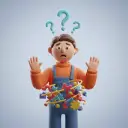 이해가 안 돼요 ihaega an dwaeyo I don't understand.
이해가 안 돼요. ihaega an dwaeyo. I don't understand.
-
 다시 말씀해 주시겠어요? dasi malsseumhae jusigesseoyo? Could you repeat that please?
다시 말씀해 주시겠어요? dasi malsseumhae jusigesseoyo? Could you repeat that please?
-
 더 천천히 말해 주세요 deo cheoncheoni malhae juseyo More slowly please.
더 천천히 말해 주세요. deo cheoncheoni malhae juseyo More slowly please.
-
 그게 무슨 뜻이에요? geuge museun tteusieyo? What does that mean?
그게 무슨 뜻이에요? geuge museun tteusieyo? What does that mean?
-
 ~로 뭐라고 해요? ~ro mworago haeyo? How do you say that in ...?
스페인어로 뭐라고 해요? seupeineoro mworago haeyo? How do you say that in Spanish?
-
 철자가 어떻게 돼요? cheoljaga eotteoke dwaeyo? How do you spell that?
철자가 어떻게 돼요? cheoljaga eotteoke dwaeyo? How do you spell that?
-
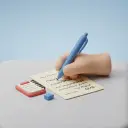 적어 주시겠어요? jeogeo jusigesseoyo? Can you write it down?
좀 적어 주시겠어요? jom jeogeo jusigesseoyo? Can you write it down, please?
-
 보여 줄 수 있어요? boyeo jul su isseoyo? Can you show me?
사진을 보여 줄 수 있어요? sajineul boyeo jul su isseoyo? Can you show me the photo?
-
 ... 할 줄 알아요? hal jul arayo? Do you speak ...?
영어 할 줄 알아요? yeong-eo hal jul arayo? Do you speak English?
-
 잠시만요 jamsimanyo Just a moment please.
잠시만요. jamsimanyo. Just a moment please.
-
 그렇게 생각하다 geureoke saenggakhada I think so.
저도 그렇게 생각해요. jeodo geureoke saenggakhaeyo. I think so too.
-
 몰라요 mollayo I don't know.
몰라요. mollayo. I don't know.
-
 이것 igeot this
이것은 제 빨간 차예요. Igeoseun je ppalgan charyeyo. This is my red car.
-
 그 geu that
그 개는 아주 순해요. geu gaeneun aju sunhaeyo. That dog is very friendly.
-
 여기 yeogi here
저는 여기 있는 것을 좋아해요. Jeoneun yeogi inneun geoseul joahaeyo. I like being here.
-
 거기 geogi there
우리는 퇴근 후에 거기에서 만나요. urineun toeguen hue geogieseo mannayo. We meet there after work.
Free for personal and classroom use.
Quick quiz
Five questions from the first 100 words.
Make these words stick
The app brings each word back right before you’d forget it. Free on iPhone and Android.
More Korean
Korean words by topic
- Numbers1–100
- Ordinal Numbers12
- Days of the week12
- Months12
- Colors19
- Family members36
- Body parts24
- Food44
- Animals36
- Clothes41
- Jewelry and Accessories12
- Weather24
- Greetings12
- Fruits16
- Vegetables12
- Kitchen36
- Restaurant & ordering food48
- Money25
- Rooms in the house48
- Jobs & professions36
- Emotions & feelings36
- School supplies & classroom48
- Transportation48
- Travel60
- Directions48
- Places in town48
- At the doctor36
- Sports & games60
- Hobbies36
- Musical instruments12
- Nature & plants36
- Planets & space24
- Time36
- Holidays & celebrations12
- Shapes12
- Please & thank you24
- Small talk36
Word lists
Alphabet
Learn these 100 Korean words in order.
The app teaches them 12 at a time, with pictures and audio, and brings each one back before you forget it. Free on iPhone and Android.
Scan with your phone's camera to get the app.
