











 The 500 Most Common Korean Words
Each word with a picture, native audio and an example sentence with its English translation. Tap a speaker to hear the word or the sentence.

Learn all 500 words in the app
Pictures, native audio, and each word comes back right before you’d forget it. Free on iPhone & Android.

 Scan with your phone camera
 Your PDF is downloading
Printing is step one. Flashcardly makes the words stick: it brings each one back right before you’d forget it, with native audio.
How this list is ranked
This is the Flashcardly Korean course in order: by frequency and everyday usefulness, with input from language teachers. It is not a raw corpus count, which is why words like “the” and “of” are not padding the top of the list, while “man” comes in at #13.
The list
Tap a picture to hear it.
Words 1–100
-
 안녕하세요 annyeonghaseyo Hello
안녕하세요, 어떻게 지내세요? annyeonghaseyo, eotteoke jinaeseyo? Hello, how are you?
-
 환영합니다 hwanyeonghamnida Welcome
저희 집에 오신 것을 환영합니다. jeohui jibe osin geoseul hwanyeonghamnida. Welcome to our home.
-
 좋은 아침이에요 joeun achimieyo Good morning
좋은 아침이에요! joeun achimieyo Good morning!
-
 네 ne yes
네, 알겠어요. ne, algesseoyo. Yes, I understand.
-
 좋은 저녁이에요 joeun jeonyeogieyo Good evening
좋은 저녁이에요! joeun jeonyeogieyo Good evening!
-
 아니요 aniyo no
그녀는 아니요라고 말했어요. Geunyeoneun aniyorago malhaesseoyo. She said no.
-
 안녕히 가세요 annyeonghi gaseyo Goodbye
안녕히 가세요, 안나 씨! annyeonghi gaseyo, anna ssi! Goodbye, Anna!
-
 안녕하세요 annyeonghaseyo Good afternoon
안녕하세요! annyeonghaseyo! Good afternoon!
-
 곧 봐요 got bwayo See you soon
미아 씨, 곧 봐요! Mia ssi, got bwayo! See you soon, Mia!
-
 내일 봐요 naeil bwayo See you tomorrow
내일 봐요! naeil bwayo! See you tomorrow!
-
 만나서 반가워요 mannaseo banggawoyo Nice to meet you
저도 만나서 반가워요. jeodo mannaseo banggawoyo Nice to meet you too!
-
 어떻게 지내세요? eotteoke jinaeseyo? How are you?
오늘 어떻게 지내세요? oneul eotteoke jinaeseyo? How are you today?
-
 남자 namja man
남자는 책을 읽어요. namjaneun chaegeul ilgeoyo. The man reads the book.
-
 여자 yeoja woman
여자가 모자를 써요. yeojaga mojareul sseoyo. The woman wears a hat.
-
 소년 sonyeon boy
소년이 장난감을 가지고 놀아요. sonyeoni jangnangameul gajigo norayo. The boy plays with toys.
-
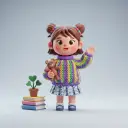 소녀 sonyeo girl
소녀가 공을 가지고 있어요. sonyeoga gongeul gajigo isseoyo. The girl has a ball.
-
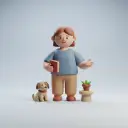 사람 saram person
그는 좋은 사람이에요. geuneun joeun saramieyo. He is a nice person.
-
 사람들 saramdeul people
사람들이 아주 행복해요. saramdeuri aju haengbokhaeyo. The people are very happy.
-
 성인 seongin adult
저는 성인이에요. jeoneun seongin-ieyo. I am an adult.
-
 아기 agi baby
아기가 우유가 필요해요. Agiga uyuga piryohaeyo. The baby needs milk.
-
 씨 ssi Mr
스미스 씨는 책 읽는 것을 좋아해요. seumiseu ssineun chaek ingneun geoseul joahaeyo. Mr. Smith likes to read books.
-
 부인 buin Mrs
스미스 부인은 선생님이에요. Seumiseu buineun seonsaengnimieyo. Mrs. Smith is a teacher.
-
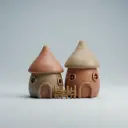 이웃 iut neighbor
제 이웃은 아주 친절해요. Je iuseun aju chinjeolhaeyo. My neighbor is very friendly.
-
 친구 chingu friend
제 친구는 책 읽는 것을 좋아해요. Je chinguneun chaek ingneun geoseul joahaeyo. My friend likes to read books.
-
 오늘 oneul today
오늘은 좋은 날이에요. oneureun joeun narieyo. Today is a good day.
-
 내일 naeil tomorrow
내일은 새로운 날이에요. Naeireun saeroun narieyo. Tomorrow is a new day.
-
 어제 eoje yesterday
저는 어제 그녀를 봤어요. jeoneun eoje geunyeoreul bwasseoyo. I saw her yesterday.
-
 지금 jigeum now
그는 지금 그것을 원해요. geuneun jigeum geugeoseul wonhaeyo. He wants it now.
-
 오후 ohu afternoon
저는 오후를 좋아해요. jeoneun ohureul joahaeyo. I like the afternoon.
-
 저녁 jeonyeok evening
저녁은 조용해요. jeonyeogeun joyonghaeyo. The evening is quiet.
-
 분 bun minute
저희는 오 분이 필요해요. jeohuineun o buni piryohaeyo. We need five minutes.
-
 아침 achim morning
저는 아침에 아침을 먹어요. Jeoneun achime achimeul meogeoyo. I eat breakfast in the morning.
-
 나중에 najunge later
나중에 할 거예요. najunge hal geoyeyo. I will do it later.
-
 일찍 iljjik early
그녀는 일찍 일어나요. geunyeoneun iljjigireonayo She wakes up early.
-
 늦다 neutta late
그 사람은 자주 늦어요. geu sarameun jaju neujeoyo He is often late.
-
 시간 sigan hour
수업은 한 시간이에요. sueobeun han siganieyo. The class lasts one hour.
-
 이름이 뭐예요? ireumi mwoyeyo? What's your name?
이름이 뭐예요? ireumi mwoyeyo? What's your name?
-
 제 이름은 ...예요 je ireumeun ...yeyo My name is
제 이름은 에밀리예요. je ireumeun emilliyeyo My name is Emily.
-
 어디에서 왔어요? eodieseo wasseoyo? Where are you from?
어디에서 왔어요? eodieseo wasseoyo? Where are you from?
-
 에서 왔어요 eseo wasseoyo I'm from
저는 독일에서 왔어요. jeoneun dogireseo wasseoyo. I'm from Germany.
-
 어디에 살아요? eodie sarayo? Where do you live?
어디에 살아요? eodie sarayo? Where do you live?
-
 에 살다 e salda I live in
저는 일본에 살아요. jeoneun ilbone sarayo I live in Japan.
-
 어떤 언어를 하세요? eotteon eoneoreul haseyo? What languages do you speak?
어떤 언어를 하세요? eotteon eoneoreul haseyo? What languages do you speak?
-
 말하다 marhada I speak
저는 영어를 잘 말해요. jeoneun yeongeoreul jal marhaeyo. I speak English well.
-
 조금 하다 jogeum hada I speak a little
저는 프랑스어를 조금 해요. jeoneun peurangseueoreul jogeum haeyo I speak a little French.
-
 어디에서 태어났어요? eodieseo taeeonasseoyo? Where were you born
어디에서 태어났어요? eodieseo taeeonasseoyo? Where were you born?
-
 성이 어떻게 되세요? seongi eotteoke doeseyo? What's your surname?
성이 어떻게 되세요? seongi eotteoke doeseyo? What's your surname?
-
 이쪽은 제 친구예요 ijjogeun je chinguyeyo This is my friend
이쪽은 제 친구 리사예요. ijjogeun je chingu risayeyo This is my friend Lisa.
-
 만들다 mandeulda make
저는 맛있는 커피를 만들어요. jeoneun masinneun keopireul mandeureoyo. I make good coffee.
-
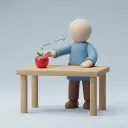 받다 batta get
그는 선물을 받았어요. geuneun seonmureul badasseoyo. He got a present.
-
 있다 itta have
엠마는 차가 있어요. emmaneun chaga isseoyo Emma has a car.
-
 먹다 meoktta eat
그들은 사과를 먹어요. geudeureun sagwareul meogeoyo. They are eating apples.
-
 마시다 masida drink
커피를 마셔요? keopireul masyeoyo? Do you drink coffee?
-
 자다 jada sleep
저는 지금 자고 싶어요. jeoneun jigeum jago sipeoyo. I want to sleep now.
-
 보다 boda see
집을 볼 수 있어요? jibeul bol su isseoyo? Can you see the house?
-
 쳐다보다 cheodaboda look at
아담은 사진을 쳐다보는 것을 좋아합니다. adameun sajineul cheodaboneun geoseul joahamnida. Adam likes to look at pictures.
-
 읽다 iktta read
학생은 책을 읽어요. haksaengeun chaegeul ilgeoyo The student reads books.
-
 열다 yeolda open
그녀는 창문을 열어요. geunyeoneun changmuneul yeoreoyo. She opens the window.
-
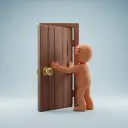 닫다 datta close
저는 문을 닫아요. jeoneun muneul dadayo. I close the door.
-
 오다 oda come
매일 여기에 와요. maeil yeogie wayo You come here every day.
-
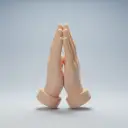 주세요 juseyo Please.
문을 열어 주세요. muneul yeoreo juseyo Please open the door.
-
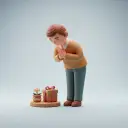 감사합니다 gamsahamnida Thank you.
도와주셔서 감사합니다. dowajusyeoseo gamsahamnida Thank you for your help.
-
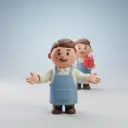 천만에요 cheonmaneyo You're welcome.
천만에요. cheonmaneyo. You're welcome.
-
 실례합니다 sillyehamnida Excuse me.
실례합니다, 도움이 필요해요. sillyehamnida, doumi piryohaeyo. Excuse me, I need help.
-
 죄송해요 joesonghaeyo Sorry.
죄송해요. joesonghaeyo I am sorry.
-
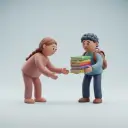 도와주시겠어요? dowajusigesseoyo? Could you help me?
저 좀 도와주시겠어요? jeo jom dowajusigesseoyo? Could you help me?
-
 다시 말씀해 주시겠어요? dasi malsseumhae jusigesseoyo? Could you please repeat?
그걸 다시 말씀해 주시겠어요? Geugeol dasi malsseumhae jusigesseoyo? Could you please repeat that?
-
 조금 더 천천히 말씀해 주시겠어요? Jogeum deo cheoncheonhi malsseumhae jusigesseoyo? Could you speak more slowly?
조금 더 천천히 말씀해 주시겠어요? Jogeum deo cheoncheonhi malsseumhae jusigesseoyo? Could you speak more slowly?
-
 주시겠어요? jusigesseoyo? Could I have ... please?
물 좀 주시겠어요? mul jom jusigesseoyo? Could I have water please?
-
 주세요 juseyo I'd like
차를 좀 더 주세요. Chareul jom deo juseyo. I'd like some more tea.
-
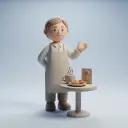 해도 돼요? haedo dwaeyo? May I...?
물 좀 마셔도 돼요? mul jom masyeodo dwaeyo? May I have some water?
-
 아도 되다 ado doeda Is it okay if...?
앉아도 돼요? anjado dwaeyo? Is it okay if I sit?
-
 영 yeong zero
영은 일보다 작아요. Yeongeun ilboda jagayo. Zero is less than one.
-
 하나 hana one
저는 사과가 하나 있어요. Jeoneun sagwaga hana isseoyo. I have one apple.
-
 둘 dul two
고양이가 두 마리 있어요. goyangiga du mari isseoyo There are two cats.
-
 셋 set three
아니요, 셋은 너무 많아요. aniyo, seoseun neomu manayo. No, three is too much.
-
 넷 net four
네 개 주세요. ne gae juseyo Give me four, please.
-
 다섯 daseot five
저는 개가 다섯 마리 있어요. Jeoneun gaega daseot mari isseoyo. I have five dogs.
-
 여섯 yeoseot six
그는 친구 여섯 명과 같이 왔어요. Geuneun chingu yeoseon myeonggwa gachi wasseoyo. He came with six friends.
-
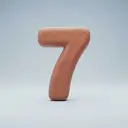 칠 chil seven
저는 칠 킬로미터를 달려요. Jeoneun chil killomiteoreul dallyeoyo. I am running seven kilometers.
-
 여덟 yeodeol eight
거미는 다리가 여덟 개 있어요. geomineun dariga yeodeol gae isseoyo. A spider has eight legs.
-
 구 gu nine
구는 제 행운의 숫자예요. guneun je haengune sutjayeyo. Nine is my lucky number.
-
 열 yeol ten
우리는 손가락이 열 개 있어요. urineun son-garagi yeol gae isseoyo We have ten fingers.
-
 더하기 deohagi plus
이 더하기 이는 사예요. i deohagi ineun sayeyo Two plus two is four.
-
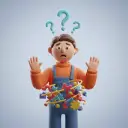 이해가 안 돼요 ihaega an dwaeyo I don't understand.
이해가 안 돼요. ihaega an dwaeyo. I don't understand.
-
 다시 말씀해 주시겠어요? dasi malsseumhae jusigesseoyo? Could you repeat that please?
다시 말씀해 주시겠어요? dasi malsseumhae jusigesseoyo? Could you repeat that please?
-
 더 천천히 말해 주세요 deo cheoncheoni malhae juseyo More slowly please.
더 천천히 말해 주세요. deo cheoncheoni malhae juseyo More slowly please.
-
 그게 무슨 뜻이에요? geuge museun tteusieyo? What does that mean?
그게 무슨 뜻이에요? geuge museun tteusieyo? What does that mean?
-
 ~로 뭐라고 해요? ~ro mworago haeyo? How do you say that in ...?
스페인어로 뭐라고 해요? seupeineoro mworago haeyo? How do you say that in Spanish?
-
 철자가 어떻게 돼요? cheoljaga eotteoke dwaeyo? How do you spell that?
철자가 어떻게 돼요? cheoljaga eotteoke dwaeyo? How do you spell that?
-
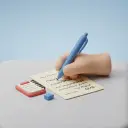 적어 주시겠어요? jeogeo jusigesseoyo? Can you write it down?
좀 적어 주시겠어요? jom jeogeo jusigesseoyo? Can you write it down, please?
-
 보여 줄 수 있어요? boyeo jul su isseoyo? Can you show me?
사진을 보여 줄 수 있어요? sajineul boyeo jul su isseoyo? Can you show me the photo?
-
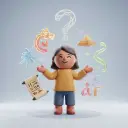 ... 할 줄 알아요? hal jul arayo? Do you speak ...?
영어 할 줄 알아요? yeong-eo hal jul arayo? Do you speak English?
-
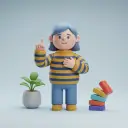 잠시만요 jamsimanyo Just a moment please.
잠시만요. jamsimanyo. Just a moment please.
-
 그렇게 생각하다 geureoke saenggakhada I think so.
저도 그렇게 생각해요. jeodo geureoke saenggakhaeyo. I think so too.
-
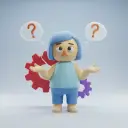 몰라요 mollayo I don't know.
몰라요. mollayo. I don't know.
-
 이것 igeot this
이것은 제 빨간 차예요. Igeoseun je ppalgan charyeyo. This is my red car.
-
 그 geu that
그 개는 아주 순해요. geu gaeneun aju sunhaeyo. That dog is very friendly.
-
 여기 yeogi here
저는 여기 있는 것을 좋아해요. Jeoneun yeogi inneun geoseul joahaeyo. I like being here.
-
 거기 geogi there
우리는 퇴근 후에 거기에서 만나요. urineun toeguen hue geogieseo mannayo. We meet there after work.
Words 101–200
-
 다른 dareun another
그는 다른 케이크 조각을 원해요. Geuneun dareun keikeu jogageul wonhaeyo. He wants another piece of cake.
-
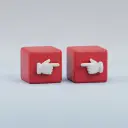 같다 gatda same
우리는 같은 파란색 셔츠를 입어요. urineun gateun paransaek syeocheureul ibeoyo. We wear the same blue shirt.
-
 이 i these
이 사과들은 지금 먹기 좋아요. I sagwadeureun jigeum meokgi joayo. These apples are ready to eat.
-
 그 geu those
그 쿠키 정말 맛있어 보여요. Geu kuki jeongmal masisseo boyeoyo. Those cookies look very good.
-
 바로 여기 baro yeogi right here
열쇠가 바로 여기에 있어요. yeolsoega baro yeogie isseoyo. The keys are right here.
-
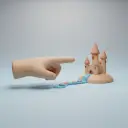 저기 jeogi over there
제 신발은 저기에 있어요. Je sinbareun jeogie isseoyo. My shoes are over there.
-
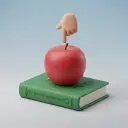 위에 wie on top of
고양이가 테이블 위에 있어요. goyangiga teibeul wie isseoyo. The cat is on top of the table.
-
 밑 mit underneath
강아지가 테이블 밑에 있어요. Gangajiga teibeul mite isseoyo. The dog is underneath the table.
-
 어떻게 지내요? eotteoke jinaeyo? How's it going?
어떻게 지내요? eotteoke jinaeyo? How's it going?
-
 오랜만이에요 oraenmanieyo Long time no see.
오랜만이에요. oraenmanieyo Long time no see.
-
 무엇을 즐기세요? mueoseul jeulgiseyo? What do you enjoy?
무엇을 즐기세요? mueoseul jeulgiseyo? What do you enjoy?
-
 뭐 해요? mwo haeyo? What are you up to?
지금 뭐 해요? jigeum mwo haeyo? What are you up to now?
-
 좋은 하루 보내세요 joeun haru bonaeseyo Have a nice day.
존 씨, 좋은 하루 보내세요! Jon ssi, joeun haru bonaeseyo! Have a nice day, John!
-
 조심해서 가세요 josimhaeseo gaseyo Take care.
조심해서 가세요. 내일 봐요. josimhaeseo gaseyo. naeil bwayo. Take care. See you tomorrow.
-
 행운을 빌어요 haenguneul bireoyo Good luck!
행운을 빌어요! 저는 믿어요! haenguneul bireoyo! jeoneun mideoyo! Good luck! I believe in you!
-
 축하해요 chukahaeyo Congratulations!
축하해요! 힘든 일을 다 끝냈어요. chukahaeyo! himdeun ireul da kkeunnaesseoyo. Congratulations! You finished the hard work.
-
 건배해요 geonbaehayo Cheers!
건배해요! Geonbaehayo! Cheers!
-
 괜찮아요 gwaenchanayo No problem.
괜찮아요, 제가 도와줄 수 있어요. gwaenchanayo, jega dowajul su isseoyo. No problem, I can help you.
-
 걱정하지 마세요 geokjeonghaji maseyo Don't worry.
걱정하지 마세요, 다 괜찮을 거예요. geokjeonghaji maseyo, da gwaenchaneul geoyeoyo. Don't worry, it will be okay.
-
 좋아요 joayo Sounds good.
저는 좋아요, 고마워요! jeoneun joayo, gomawoyo! Sounds good to me, thanks!
-
 알다 alda know
이제 정답을 알아요. ije jeongdabeul arayo. You know the answer now.
-
 물어보다 mureoboda ask
남동생에게 물어볼 수 있어요. namdongsaengege mureobol su isseoyo. You can ask your brother.
-
 들리다 deullida hear
저 소리가 들려요? jeo soriga deullyeoyo? Can you hear that sound?
-
 배우다 baeuda learn
매일 새로운 것을 배워요. maeil saeroun geoseul baewoyo You learn something new everyday.
-
 이야기하다 iyagihada talk with
친구들과 이야기하는 것을 좋아해요? Chingudeulgwa iyagihaneun geoseul joahaeyo? Do you like talking with your friends?
-
 말하다 maltada say
저는 무언가를 말하고 싶어요. Jeoneun mueongareul malkago sipeoyo. I want to say something.
-
 고르다 goreuda choose
가장 좋아하는 색을 골라요. gajang joahaneun saegeul gollayo. You choose your favorite color.
-
 쓰다 sseuda write
학생들은 이야기를 써요. haksaengdeureun iyagireul sseoyo. The students write a story.
-
 전화하다 jeonhwahada call
제가 전화할 거예요. Jega jeonhwahal geoyeyo. I am going to call you.
-
 듣다 deuttta listen to
저는 라디오를 들어요. Jeoneun radio-reul deureoyo. I listen to the radio.
-
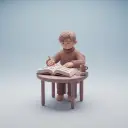 공부하다 gongbuhada study
저는 시험마다 열심히 공부해요. jeoneun siheommada yeolssimhi gongbueyo. I study hard for every test.
-
 알려주다 allyeojuda tell
그는 나에게 그의 이름을 알려줍니다. geuneun naege geuui ireumeul allyeojumnida. He tells me his name.
-
 만나다 mannada meet
내일 만날게요. naeil mannalkkeyo I will meet you tomorrow.
-
 가입하다 gaipada join
그녀는 우리 그룹에 가입할 거예요. geunyeoneun uri geurupe gaipal geoyeyo She will join our group.
-
 즐기다 jeulgida enjoy
우리는 음악을 즐겨요. urineun eumageul jeulgyeoyo We enjoy the music.
-
 묘사하다 myosahada describe
그 소년은 그 동물을 묘사했습니다. geu sonyeoneun geu dongmureul myosa-haetseumnida The boy described the animal.
-
 설명하다 seolmyeonghada explain
그녀가 그 문제를 설명할 거예요. geunyeoga geu munjereul seolmyeonghal geoyeyo She will explain the problem.
-
 가르치다 gareuchida teach
저는 새로운 학생들을 가르쳐요. jeoneun saeroun haksaengdeureul gareuchyeoyo I teach the new students.
-
 소개하다 sogaehada introduce
제 친구를 소개할게요. Je chingureul sogaehalgeyo. I will introduce my friend.
-
 받다 batda accept
그녀는 선물을 받아요. geunyeoneun seonmureul badayo She accepts the gift.
-
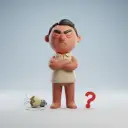 거부하다 geobuhada refuse
그 아이는 음식을 거부해요. geu aineun eumsigeul geobuhayo The child refuses the food.
-
 약속하다 yaksokhada promise
제가 도와주기로 약속할게요. Jega dowajugiro yaksokhalgeyo. I promise to help you.
-
 논의하다 nonuihada discuss
그들은 새로운 계획을 논의합니다. geudeureun saeroun gyehoegeul nonuihamnida They discuss the new plan.
-
 연락하다 yeollakhada contact
의사 선생님께 연락할게요. uisa seonsaengnimkke yeollakhalgeyo I will contact the doctor.
-
 웃다 utda laugh
아이들이 크게 웃습니다. aideuri keuge utseumnida The children laugh loudly.
-
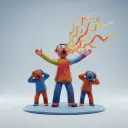 소리치다 sorichida shout
소년이 도와달라고 소리칩니다. sonyeoni dowadallago sorichimnida The boy shouts for help.
-
 속삭이다 soksagida whisper
그는 내 귀에 대고 속삭여요. geuneun nae gwie daego soksageoyo He whispers in my ear.
-
 손을 흔들다 soneul heundeulda wave
그녀는 작별 인사로 손을 흔든다. Geunyeoneun jakbyeol insaro soneul heundeunda. She waves goodbye.
-
 끄덕이다 kkeudeogida nod
여자가 고개를 끄덕입니다. Yeojaga gogaereul kkeudeogimnida. The woman nods her head.
-
 껴안다 kkyeoanda hug
어머니가 아이를 껴안습니다. eomeoniga aireul kkyeoanseumnida The mother hugs her child.
-
 뽀뽀하다 ppoppohada kiss
엄마가 아이에게 뽀뽀해요. eommaga aiege ppoppohaeyo The mother kisses her child.
-
 가리키다 garikida point
아이가 강아지를 가리킵니다. Aiga gangajireul garikimnida. The child points at the dog.
-
 깜빡이다 kkampagida blink
그는 눈을 빠르게 깜빡입니다. geuneun nuneul ppareuge kkampagimnida He blinks his eyes quickly.
-
 찌푸리다 jjipurida frown
아버지는 아들을 보고 얼굴을 찌푸립니다. abeojineun adeureul bogo eolgureul jjipurimnida The father frowns at his son.
-
 하품하다 hapumhada yawn
피곤한 남자가 하품합니다. pigonhan namjaga hapumhamnida The tired man yawns.
-
 냄새를 맡다 naemsaereul matda sniff
강아지가 음식의 냄새를 맡아요. gangajiga eumsigui naemsaereul matayo The dog sniffs the food.
-
 좋다 jota good
그녀는 좋은 사람이에요. geunyeoneun joeun saramieyo. She is a good person.
-
 나쁘다 nappeuda bad
그 우유는 냄새가 나빠요. Geu uyuneun naemsaega nappayo. That milk smells bad.
-
 크다 keuda big
큰 개는 점프할 수 있어요. keun gaeneun jeompeuhal su isseoyo. The big dog can jump.
-
 작다 jakda small
아기는 손이 작아요. agineun soni jagayo The baby has small hands.
-
 틀리다 teullida wrong
대답이 틀렸어요. daedabi teullyeosseoyo. Your answer is wrong.
-
 쉽다 swiptta easy
이 수학 문제는 쉬워요. I suhak munjeneun swiwoyo. This math problem is easy.
-
 어렵다 eoryeoptta difficult
그 시험은 어려웠어요. Geu siheomeun eoryeowosseoyo. That test was difficult.
-
 빠르다 ppareuda fast
차들이 아주 빨리 가요. Chadeuri aju ppalli gayo. Cars go very fast.
-
 느리다 neurida slow
거북이는 매우 느려요. geobugineun maeu neuryeoyo The turtle is very slow.
-
 새롭다 saeropda new
이것은 새로운 차예요. igeoseun saeroun chayeyo This is a new car.
-
 사실이다 sasilida true
이 이야기는 사실이에요? i iyagineun sasilieyo? Is this story true?
-
 틀리다 teullida false
그 답은 틀려요. geu dabeun teullyeoyo. The answer is false.
-
 -고 싶다 go sipda I want to
피자를 먹고 싶어요. pijareul meokgo sipeoyo I want to eat pizza.
-
 해야 하다 haeya hada I need to
그녀에게 전화해야 해요. geunyeoege jeonhwahaeya haeyo. I need to call her.
-
 ㄹ 거예요 l kkeoyeoyo I'm going to
곧 먹을 거예요. got meogeul kkeoyeoyo I'm going to eat soon.
-
 -기를 원하다 -gireul wonhada I'd like to
저는 테니스 치기를 원합니다. jeoneun teniseu chigireul wonhamnida. I'd like to play tennis.
-
 -아야 하다 aya hada I have to
지금 가야 해요. jigeum gaya haeyo I have to go now.
-
 해도 되다 haedo doeda May I ...?
물 좀 마셔도 돼요? mul jom masyeodo dwaeyo? May I have water, please?
-
 ... 좀 도와주세요 ... jom dowajuseyo Help me with
이 가방 좀 도와주세요. i gabang jom dowajuseyo. Please help me with this bag.
-
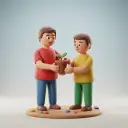 ...하는 방법을 알려주세요 ...haneun bangbeobeul allyeojuseyo Show me how to
이거 하는 방법을 알려주세요. Igeo haneun bangbeobeul allyeojuseyo. Show me how to do this.
-
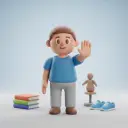 지금 ...ㄹ 수 없다 jigeum ...l su eopda I can't ... right now.
지금 도와줄 수 없어요. jigeum dowajul su eopsseoyo I can't help right now.
-
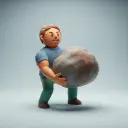 으려고 노력하다 euryeogo noryeokhada I’m trying to
지금 자려고 노력하고 있어요. jigeum jaryeogo noryeokhago isseoyo. I’m trying to sleep now.
-
 가능하다 ganeunghada Is it possible to ...?
여기서 수영이 가능해요? yeogiseo suyeongi ganeunghaeyo? Is it possible to swim here?
-
 어디에서 ...ㄹ 수 있어요? eodieseo ...l su isseoyo? Where can I ...?
어디에서 점심을 먹을 수 있어요? eodieseo jeomsimeul meogeul su isseoyo? Where can I eat lunch?
-
 월요일 woryoil Monday
월요일은 첫 번째 날이에요. woryoileun cheot beonjjae narieyo. Monday is the first day.
-
 화요일 hwayoil Tuesday
화요일은 항상 재미있어요. hwayoireun hangsang jaemiisseoyo. Tuesday is always fun.
-
 수요일 suyoil Wednesday
그녀는 수요일에 집에 가요. geunyeoneun suyoire jibe gayo. She goes home Wednesday.
-
 목요일 mogyoil Thursday
그는 목요일에 와요. geuneun mogyoire wayo He comes on Thursday.
-
 금요일 geumyoil Friday
금요일이 가장 좋은 날이에요. geumyoili gajang joeun narieyo. Friday is the best day.
-
 토요일 toyoil Saturday
저는 토요일에 떠나요. jeoneun toyoire tteonayo. I leave on Saturday.
-
 일요일 iryoil Sunday
저는 일요일에 쉴 거예요. Jeoneun iryoire swil geoyeyo. I will rest on Sunday.
-
 평일 pyeongil weekday
그녀는 평일 아침마다 일해요. geunyeoneun pyeongil achimada ilhaeyo. She works every weekday morning.
-
 주말 jumal weekend
누가 주말을 안 좋아해요? nuga jumareul an joahaeyo? Who does not like the weekend?
-
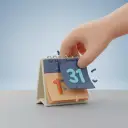 매일 maeil daily
우리는 매일 신문을 읽어요. urineun maeil sinmuneul ilgeoyo. We read the newspaper daily .
-
 매주 maeju weekly
저는 보통 매주 뉴스를 봐요. jeoneun botong maeju nyuseureul bwayo. I usually watch the news weekly.
-
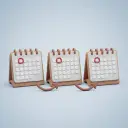 매달 maedal monthly
그들은 매달 요금을 내요. Geudeureun maedal yogemeul naeyo. They pay the monthly price.
-
 하루 haru day
우리는 하루 동안 기다렸어요. urineun haru dongan gidaryeosseoyo We waited for one day.
-
 밤 bam night
우리는 밤에 자요. urineun bame jayo We sleep at night.
-
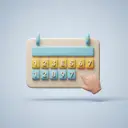 주 ju week
우리는 일주일 동안 머물렀어요. urineun iljuil dongan meomulleosseoyo We stayed for one week.
-
 달 dal month
그는 한 달 동안 일했습니다. geuneun han dal dongan ilhaetseumnida He worked for one month.
-
 년 nyeon year
우리는 일 년 동안 기다렸어요. urineun il nyeon dongan gidaryeosseoyo We waited for one year.
-
 시간 sigan time
우리는 시간이 더 필요해요. urineun sigani deo piryohaeyo We need more time.
-
 잠시 jamsi moment
그는 잠시 동안 기다렸습니다. geuneun jamsi dongan gidaryeotseumnida He waited for a moment.
-
 미래 mirae future
저는 미래에 대해 생각해요. jeoneun miraee daehae saenggakaeyo I think about the future.
Words 201–300
-
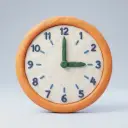 시 si o'clock
저는 일곱 시에 일어납니다. jeoneun ilgop sie ireonamnida I wake up at seven o'clock.
-
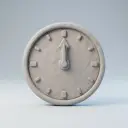 자정 jajeong midnight
우리는 자정에 출발할 거예요. urineun jajeonge chulbalhal geoyeyo We will leave at midnight.
-
 한낮 hannat midday
한낮에는 태양이 뜨겁습니다. hannajeneun taeyangi tteugeopsumnida The sun is hot at midday.
-
 오늘 밤 oneul bam tonight
손님들은 오늘 밤에 도착할 거예요. sonnimdeureun oneul bame dochakal geoyeyo The guests will arrive tonight.
-
 도와주다 dowajuda help
도와주세요! 제가 곤란해요. Dowajuseyo! Jega gonlanhaeyo. Help! I am in trouble.
-
 위험 wiheom danger
저희는 위험에 처해 있어요! jeohineun wiheome cheohae isseoyo! We are in danger!
-
 경찰 gyeongchal police
경찰을 불러요! gyeongchareul bulleoyo! Call the police!
-
 의사 uisa doctor
의사가 필요해요! uisaga piryohaeyo! I need a doctor!
-
 구급차 gugeupcha ambulance
구급차를 부르세요! gugeupchareul bureuseyo! Call an ambulance!
-
 소방관 sobanggwan firefighter
소방관들은 영웅이에요. Sobanggwandeureun yeongungieyo. The firefighters are heroes.
-
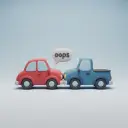 사고 sago accident
제가 사고가 났어요. Jega sagoga nasseoyo. I had an accident.
-
 보호하다 bohohada protect
경찰이 우리를 보호해요. gyeongchari urireul bohohaeyo. The police protect us.
-
 경고하다 gyeonggohada warn
제가 그들에게 경고해야 해요! Jega geudeurege gyeonggohaeya haeyo! I need to warn them!
-
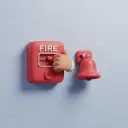 경보 gyeongbo alarm
경보가 울렸어요! gyeongboga ullyeosseoyo! The alarm went off!
-
 불 bul fire
불이 났어요! buri nasseoyo! There is a fire!
-
 연기 yeongi smoke
건물에서 연기가 나오고 있어요! geonmureseo yeongiga naogo isseoyo! Smoke is coming out of the building!
-
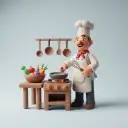 일하다 irada work as
그들은 병원 간호사로 일해요. Geudeureun byeongwon ganhosaro iraeyo. They work as hospital nurses.
-
 사다 sada buy
여기서 과일을 살 수 있어요. yeogiseo gwaireul sal su isseoyo. You can buy fruit here.
-
 내다 naeda pay
이것은 돈을 내야 해요. Igeoseun doneul naeya haeyo. You must pay for this.
-
 팔다 palda sell
여기서 신선한 과일을 팔아요. yeogiseo sinseonhan gwaireul parayo. They sell fresh fruit here.
-
 놓다 nota put
그는 책을 테이블 위에 놓아요. Geuneun chaegeul teibeul wie noayo. He puts the book on table.
-
 앉다 antta sit
에마는 그 의자에 앉아요. emaneun geu uijae anjayo Emma sits in that chair.
-
 서다 seoda stand
저는 문 옆에 서요. jeoneun mun yeope seoyo I stand by the door.
-
 수영하다 suyeonghada swim
그들은 빨리 수영할 수 있어요. Geudeureun ppalli suyeonghal su isseoyo. They can swim fast.
-
 운전하다 unjeonhada drive
조심해서 운전해야 해요. josimhaeseo unjeonhaeya haeyo. You need to drive carefully.
-
 계획하다 gyehoekada plan
그들은 곧 방문을 계획해요. geudeureun got bangmuneul gyehoekaeyo They plan to visit soon.
-
 끝내다 kkeunnaeda finish
그는 나중에 숙제를 끝낼 수 있어요. geuneun najunge sukjereul kkeunnael su isseoyo. He can finish homework later.
-
 주다 juda give
저는 친구들에게 선물을 줘요. Jeoneun chingudeurege seonmureul jwoyo. I give presents to friends.
-
 열하나 yeolhana eleven
저는 항상 열한 개를 받아요. jeoneun hangsang yeolhan gaereul badayo. I always get eleven pieces.
-
 열둘 yeoldul twelve
달걀 한 팩에 열두 개가 있어요. dalgyal han paege yeoldu gaega isseoyo. There are twelve eggs in a carton.
-
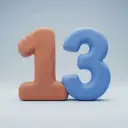 십삼 sipsam thirteen
숫자 십삼은 운이 나빠요. Sutja sipsameun uni nappayo. The number thirteen is unlucky.
-
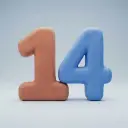 십사 ssipsa fourteen
아파트는 십사 층이에요. apateuneun ssipsa cheung-ieyo. The apartment has fourteen floors.
-
 십오 sibo fifteen
저는 책의 십오 페이지를 펴요. Jeoneun chaegi sibo peijireul pyeoyo. I open the book at page fifteen.
-
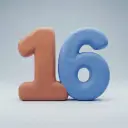 십육 simnyuk sixteen
그것은 십육 배 더 많아요! geugeoseun simnyuk bae deo manayo! That is sixteen times more!
-
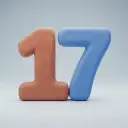 열일곱 yeorilgob seventeen
저희는 연필이 열일곱 자루 있어요. jeohuineun yeonpili yeorilgob jaru isseoyo. We have seventeen pencils.
-
 십팔 sip-pal eighteen
그것은 높이가 십팔 미터예요. Geugeoseun nopiga sip-pal miteoyeyo. It is eighteen meters high.
-
 열아홉 yeorahop nineteen
열아홉은 제가 제일 좋아하는 숫자예요. yeorahobeun jega jeil joaneun sutjayeoyo. Nineteen is my favourite number.
-
 스물 seumul twenty
그녀는 작은 사과 스무 개가 필요해요. geunyeoneun jageun sagwa seumu gaega piryo haeyo. She needs twenty small apples.
-
 서른 seoreun thirty
그는 서른 살이에요. geuneun seoreun sarieyo. He is thirty years old.
-
 백 baek hundred
그는 백까지 세었어요. geuneun baekkaji seoeosseoyo. He counted to one hundred.
-
 마흔 maheun forty
그녀는 연필을 모두 마흔 자루 가지고 있어요. Geunyeoneun yeonpireul modu maheun jaru gajigo isseoyo. She has forty pencils in total.
-
 오십 osip fifty
그는 오십 달러가 있어요. geuneun osipttalleoga isseoyo. He has fifty dollars.
-
 육십 yukssip sixty
존 씨는 육십 살이에요. Jon ssineun yukssip sarieyo. John is sixty years old.
-
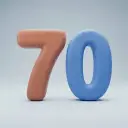 일흔 ilheun seventy
우리 할아버지는 일흔 살이세요. uri harabeojineun ilheun sariseyo. My grandpa is seventy years old.
-
 팔십 palssip eighty
저는 설탕 팔십 그램이 있어요. Jeoneun seoltang palssip geuraemi isseoyo. I have eighty grams of sugar.
-
 구십 gusip ninety
그는 읽을 책이 구십 권 있어요. geuneun ilgeul chaegi gusip gwon isseoyo. He has ninety books to read.
-
 천 cheon thousand
천은 큰 숫자예요. Cheoneun keun sutjaeyo. A thousand is a big number.
-
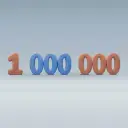 백만 baengman million
저 차는 백만 달러예요. jeo chaneun baengman dalleoyeoyo. That car costs a million dollars.
-
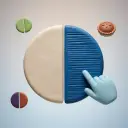 반 ban half
그는 피자 반을 먹었어요. geuneun pija baneul meogeosseoyo. He ate half the pizza.
-
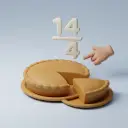 사분의 일 sabune il quarter
그것들 중 사분의 일만 남았어요. Geugeotdeul jung sabune ilman namasseoyo. There is only a quarter of them left.
-
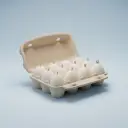 다스 daseu dozen
저는 가게에서 달걀 한 다스를 사요. jeoneun gageeseo dalgyal han daseureul sayo. I buy a dozen eggs at the store.
-
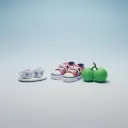 켤레 kyeolle pair
저 신발 한 켤레는 깨끗해요. jeo sinbal han kyeolleneun kkaekkeuthaeyo. That pair of shoes is clean.
-
 첫 번째 cheoppeonjjae first
그는 쉽게 첫 번째 자리를 차지했어요. Geuneun swipkke cheoppeonjjae jarireul chajihaesseoyo. He won first place easily.
-
 두 번째 du beonjjae second
여기는 제 두 번째예요. yeogineun je du beonjjaeyeyo. This is my second time here.
-
 세 번째 se beonjjae third
그들은 세 번째로 들어왔어요. geudeureun se beonjjaero deureowasseoyo. They finished in third place.
-
 네 번째 ne beonjjae fourth
저는 줄에서 네 번째예요. jeoneun jureseo ne beonjjaeyeyo. I am fourth in line.
-
 다섯 번째 daseon ppeonjjae fifth
그녀는 다섯 번째 줄에 있어요. geunyeoneun daseon ppeonjjae jure isseoyo. She is in the fifth row.
-
 여섯 번째 yeoseot ppeonjjae sixth
그는 여섯 번째 사람이에요. geuneun yeoseot ppeonjjae saramieyo. He is the sixth person.
-
 일곱 번째 ilgop ppeonjjae seventh
그들은 일곱 번째 층에 살아요. geudeureun ilgop ppeonjjae cheunge sarayo. They live on the seventh floor.
-
 여덟 번째 yeodeol beonjjae eighth
이것은 여덟 번째 사과예요. igeoseun yeodeol beonjjae sagwayeyo. This is the eighth apple.
-
 아홉째 ahomjae ninth
아홉째 날은 공휴일이에요. Ahomjae nareun gonghyuilieyo. The ninth day is a holiday.
-
 열 번째 yeol ppeonjjae tenth
그녀는 열 번째예요. geunyeoneun yeol ppeonjjaeyeyo She is the tenth place.
-
 열한 번째 yeolham beonjjae eleventh
그들은 열한 번째 기념일을 축하해요. Geudeureun yeolham beonjjae ginyeomireul chukhahaeyo. They celebrate their eleventh anniversary.
-
 열두 번째 yeoldu beonjjae twelfth
그것은 열두 번째 달이에요. geugeoseun yeoldu beonjjae darieyo. That is the twelfth month.
-
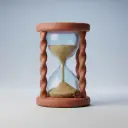 항상 hangsang always
저는 아침에 항상 커피를 마셔요. jeoneun achime hangsang keopireul masyeoyo. I always drink coffee in the morning.
-
 보통 botong usually
그는 보통 정오에 점심을 먹어요. Geuneun botong jeongoe jeomsimeul meogeoyo. He usually eats lunch at noon.
-
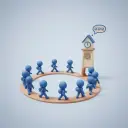 자주 jaju often
사람들은 여기서 자주 피자를 먹어요. Saramdeureun yeogiseo jaju pijareul meogeoyo. People often eat pizza here.
-
 가끔 gakkeum sometimes
그녀는 가끔 도서관에 가요. Geunyeoneun gakkeum doseogwane gayo. She sometimes goes to the library.
-
 좀처럼 jomcheoreom rarely
저는 패스트푸드를 좀처럼 안 먹어요. Jeoneun paeseuteupudeureul jomcheoreom an meogeoyo. I rarely eat fast food.
-
 전혀 jeonyeo never
그 사람들은 그 가게에 전혀 가지 않아요. Geu saramdeureun geu gagee jeonyeo gaji anayo. They never go to that store.
-
 매일 maeil every day
저희는 매일 초콜릿을 먹어요. Jeohuineun maeil chokolliteul meogeoyo. We eat chocolate every day.
-
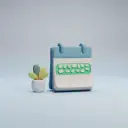 매주 maeju every week
그녀는 매주 수영해요. geunyeoneun maeju suyeonghaeyo. She swims every week.
-
 주말에 jumare on weekends
저는 주말에 집에서 쉬어요. Jeoneun jumare jibeseo swieoyo. I relax on weekends at home.
-
 아침에 achime in the morning
사람들은 아침에 아침을 먹어요. saramdeureun achime achimeul meogeoyo. People eat breakfast in the morning.
-
 밤에 bame at night
그들은 밤에 침대에서 자요. geudeureun bame chimdaeeseo jayo. They sleep at night in their beds.
-
 퇴근 후에 toeguen hue-e after work
그는 매일 퇴근 후에 쉬어요. Geuneun maeil toeguen hue-e swieoyo. He relaxes after work every day.
-
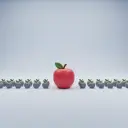 에 한 번 e han beon once a
저는 일주일에 한 번 가요. jeoneun iljuire han beon gayo. I go once a week.
-
 ~에 두 번 e du beon twice a
우리 아빠는 일주일에 두 번 방문해요. uri appaneun iljuire du beon bangmunhaeyo. My dad visits twice a week.
-
 격- gyeok every other
그들은 격주로 방문해요. Geudeureun gyeokjjuro bangmunhaeyo. They visit every other week.
-
 적어도 jeogeodo at least
그는 매일 사과를 적어도 한 개 먹어요. geuneun maeil sagwareul jeogeodo han gae meogeoyo. He eats at least one apple daily.
-
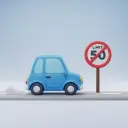 많아야 manaya at most
많아야 두 개 살 거예요. manaya du gae sal geoyeyo I will buy two at most.
-
 이상 isang more than
이것은 충분한 양 이상의 음식이에요. igeoseun chungbunhan yang isange eumsigieyo. This is more than enough food.
-
 보다 적다 boda jeokda less than
지난번보다 적게 받았어요. jinanbeonboda jeokge badaseoyo You got less than last time.
-
 조금 jogeum a little
그는 도움이 조금 필요해요. geuneun doumi jogeum piryohaeyo. He needs a little help.
-
 조금 jogeum a bit
그녀는 케이크를 조금 먹었어요. geunyeoneun keikeureul jogeum meogeosseoyo. She ate a bit of cake.
-
 많이 mani a lot
저는 공부를 많이 해요. jeoneun gongbureul mani haeyo. I study a lot.
-
 너무 많이 neomu mani too much
그들은 케이크를 너무 많이 먹었어요. Geudeureun keikeureul neomu mani meogeosseoyo. They ate too much cake.
-
 부족하다 bujokada not enough
이 양은 부족해요. i yang-eun bujokaeyo. This amount is not enough.
-
 전 jeon ago
저는 이틀 전에 도착했어요. jeoneun iteul jeone dochakaesseoyo I arrived two days ago.
-
 곧 got soon
제 친구가 곧 도착할 거예요. je chinguga got dochakal geoyeyo My friend will arrive soon.
-
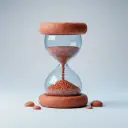 여전히 yeojeonhi still
저는 여전히 배가 고파요. jeoneun yeojeonhi baega gopayo I am still hungry.
-
 적 jeok ever
바다를 본 적이 있나요? Badareul bon jeogi innayo? Have you ever seen the ocean?
-
 아직 ajik yet
제 친구가 아직 도착하지 않았어요. je chinguga ajik dochakhaji anasseoyo My friend has not arrived yet.
-
 당장 dangjang immediately
저는 당장 도움이 필요해요. jeoneun dangjang doumi piryohaeyo I need help immediately.
-
 아마 ama maybe
그녀는 아마도 나중에 올 거예요. geunyeoneun amado najunge ol geoyeyo Maybe she will come later.
-
 언젠가 eonjenga sometime
우리 언젠가 만나요. uri eonjenga mannayo We will meet sometime.
-
 언제든지 eonjedeunji anytime
언제든지 저희를 방문해 주세요. eonjedeunji jeohuireul bangmunhae juseyo You can visit us anytime.
-
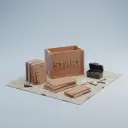 전에 jeone before
우리는 폭풍이 오기 전에 떠났습니다. urineun pokpungi ogi jeone tteonatsseumnida We left before the storm.
-
 후에 hue after
우리는 식사 후에 출발할 거예요. urineun siksa hue chulbalhal geoyeyo We will leave after the meal.
-
 요즘 yojeum nowadays
요즘은 사람들이 여행을 더 많이 다녀요. yojeumeun saramdeuri yeohaengeul deo mani danyeoyo People travel more nowadays.
Words 301–400
-
 일월 ilwol January
일월은 첫 번째 달이에요. ilworeun cheot beonjjae darieyo. January is the first month.
-
 2월 iwol February
2월은 보통 짧은 달이에요. iworeun botong jjalbeun darieyo. February is usually a short month.
-
 삼월 samwol March
저는 보통 삼월에 그들을 방문해요. jeoneun botong samwore geudeureul bangmunhaeyo. I usually visit them in March.
-
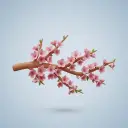 4월 sawol April
농구 경기는 4월에 있어요. nonggu gyeonggineun sawore isseoyo. The basketball game is in April.
-
 오월 owol May
제 기말고사는 오월에 있어요. Je gimalgosaneun owore isseoyo. My final exam is in May.
-
 유월 yuwol June
저는 유월까지 답을 알 거예요. jeoneun yuwolkkaji dabeul al geoyeyo. I will know the answer by June.
-
 칠월 chirwol July
칠월은 보통 매우 따뜻한 달이에요. Chirweoreun botong maeu ttatteutan darieyo. July is usually a very warm month.
-
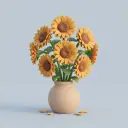 팔월 parwol August
팔월에 다시 만날 수 있어요? Parwore dasi mannal su isseoyo? Can we meet again in August?
-
 구월 guwol September
제 휴가는 구월에 있어요. Je hyuganeun guwore isseoyo. My vacation is in September.
-
 시월 siwol October
생일이 시월이에요? saeng-iri siworieyo? Is your birthday in October?
-
 11월 sibirweol November
왜 11월에 비가 와요? Wae sibirweore biga wayo? Why does it rain in November?
-
 12월 sibiwol December
12월은 마지막 달이에요. sibiworeun majimag darieyo. December is the last month.
-
 넘다 neomtta over
고양이가 상자를 뛰어넘어요. goyangiga sangjareul ttwieoneomeoyo The cat jumps over the box.
-
 아래 arae under
그들은 큰 나무 아래에 살아요. Geudeureun keun namu araee sarayo. They live under a big tree.
-
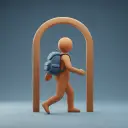 통해 tongae through
그는 문을 통해 걸어가요. Geuneun muneul tongae georeogayo. He walks through the door.
-
 따라 ttara along
우리는 해변을 따라 걸어요. urineun haebyeoneul ttara georeoyo. We walk along the beach.
-
 주변 jubyeon around
사람들이 공원 주변을 걸어요. saramdeuri gongwon jubyeoneul georeoyo People walk around the park.
-
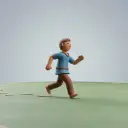 건너다 geonneoda across
저는 길을 건너요. Jeoneun gireul geonneoyo. I go across the street.
-
 안으로 aneuro into
그는 방 안으로 천천히 걸어 들어가요. geuneun bang aneuro cheoncheonhi georeo deureogayo. He walks slowly into the room.
-
 밖으로 bakkeuro out of
아이가 학교 밖으로 뛰어나가요. aiga hakgyo bakkeuro ttwieonagayo. The kid runs out of the school.
-
 위 wi up
그녀는 위를 보며 구름을 봐요. geunyeoneun wireul bomyeo gureumeul bwayo. She looks up at the clouds.
-
 아래 arae down
강아지가 공을 아래로 내려놓았어요. Gangajiga gongeul araero naeryeonoasseoyo. The dog put the ball down.
-
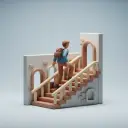 위층 wiching upstairs
저는 자러 위층에 가요. jeoneun jareo wichinge gayo. I go upstairs to bed.
-
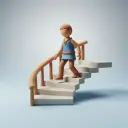 아래층 araecheung downstairs
아래층에서 소리가 들려요. araecheungeseo soriga deullyeoyo. I hear noises downstairs.
-
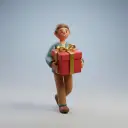 가져오다 gajyeooda bring
그들은 파티에 음식을 가져와요. Geudeureun patie eumsigeul gajyeowayo. They bring food to the party.
-
 가져가다 gajeogada take
항상 제 펜을 가져가요. hangsang je peneul gajeogayo. You always take my pen.
-
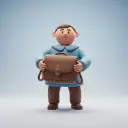 들다 deulda carry
그는 상자를 들 수 있어요. geuneun sangjareul deul su isseoyo. He can carry the box.
-
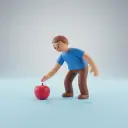 찾다 chattda pick up
택배를 찾을 수 있어요? taekbaereul chajeul su isseoyo? Can you pick up the package?
-
 떨어뜨리다 tteoreotteurida drop
제가 핸드폰을 떨어뜨리면 깨질 거예요. Jega haendeuponeul tteoreotteurimyeon kkaejil geoyeyo. If I drop the phone, it will break.
-
 건네다 geonneda pass
소금 좀 건네줄 수 있어요? Sogeum jom geonnejul su isseoyo? Can you pass me the salt?
-
 내려놓다 naeryeonota put down
저희는 배낭을 내려놨어요. Jeohuineun baenangeul naeryeonwaseoyo. We put down our backpacks.
-
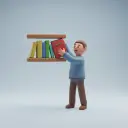 치우다 chiuda put away
저는 제 장난감을 치워요. jeoneun je jangnanggameul chiwoyo I put away my toys.
-
 내놓다 naenota take out
그녀는 쓰레기를 내놓을 거예요. Geunyeoneun sseuregireul naenoeul geoyeoyo. She will take out the trash.
-
 걸다 geolda hang up
그들은 코트를 걸어요. Geudeureun koteureul georeoyo. They hang up their coats.
-
 켜다 kyeoda turn on
불을 켜요. bureul kyeoyo You turn on the light.
-
 끄다 kkeuda turn off
누가 라디오를 꺼 줄 수 있어요? nuga radio-reul kkeo jul su isseoyo? Can someone turn off the radio?
-
 뛰어넘다 ttwieoneomda jump
고양이가 담장을 뛰어넘어요. Goyangiga damjang-eul ttwieoneomeoyo. The cat jumps over the wall.
-
 던지다 deonjida throw
소년이 돌을 던집니다. sonyeoni doreul deonjimnida The boy throws the stone.
-
 잡다 japda catch
그는 공을 잡아요. geuneun gongeul jabayo He catches the ball.
-
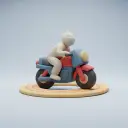 타다 tada ride
소년이 말을 탑니다. sonyeoni mareul tamnida The boy rides a horse.
-
 날다 nalda fly
새들이 하늘을 날아요. saedeuri haneureul narayo The birds fly in the sky.
-
 기다 gida crawl
아기가 바닥에서 기고 있어요. Agiga badageseo gigo isseoyo. The baby crawls on the floor.
-
 건너뛰다 geonneottwida skip
그녀는 첫 페이지를 건너뛰었습니다. geunyeoneun cheot peijireul geonneottwieossseumnida She skipped the first page.
-
 차다 chada kick
아이가 공을 찹니다. Aiga gongeul chamnida. The child kicks the ball.
-
 튀다 twida bounce
공이 바닥에서 튑니다. Gongi badageseo twimnida. The ball bounces on the ground.
-
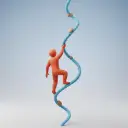 올라가다 ollagada climb
고양이가 나무에 올라가요. goyangiga namue ollagayo The cat climbs the tree.
-
 다이빙하다 daibinghada dive
소년이 물속으로 다이빙해요. sonyeoni mulsogeuro daibinghaeyo The boy dives into the water.
-
 미끄러지다 mikkeureojida slide
상자가 바닥에서 미끄러집니다. Sangjaga badageseo mikkeureojimnida. The box slides on the floor.
-
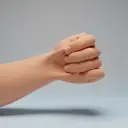 꼬집다 kkojipda pinch
그가 제 팔을 꼬집었어요. geuga je pareul kkojibeosseoyo He pinched my arm.
-
 꽉 쥐다 kkwak jwida squeeze
그녀는 내 손을 꽉 쥐어요. geunyeoneun nae soneul kkwak jwieoyo. She squeezes my hand.
-
 찌르다 jjireuda poke
아이가 제 팔을 찔렀어요. Aiga je pareul jjilleosseoyo. The child poked my arm.
-
 쓰다듬다 sseudadeumda stroke
소년이 강아지를 쓰다듬어요. sonyeoni gangajireul sseudadeumeoyo The boy strokes the dog.
-
 비비다 bibida rub
저는 피곤한 눈을 비벼요. jeoneun pigonhan nuneul bibyeoyo I rub my tired eyes.
-
 꼬다 kkoda twist
그 남자는 밧줄을 꼽니다. geu namjaneun batjureul kkomnida The man twists the rope.
-
 흔들다 heundeulda shake
아기가 장난감을 흔들어요. Agiga jangnangameul heundeureoyo. The baby shakes the toy.
-
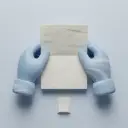 접다 jeopda fold
저는 종이를 접어요. jeoneun jongireul jeobeoyo I fold the paper.
-
 누르다 nureuda press
그녀는 빨간 버튼을 누릅니다. geunyeoneun ppalgan beoteuneul nureumnida She presses the red button.
-
 매다 maeda attach
그는 밧줄을 맬 것입니다. geuneun batjureul mael geosimnida He will attach the rope.
-
 당기다 danggida pull
그 남자는 무거운 밧줄을 당깁니다. geu namjaneun mugeoun batjureul dang-gimnida The man pulls the heavy rope.
-
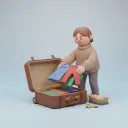 싸다 ssada pack
저는 가방을 쌉니다. jeoneun gabangeul ssamnida I pack my bag.
-
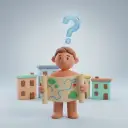 ... 어디에 있어요? eodie isseoyo? Where is the ...?
호텔이 어디에 있어요? hoteri eodie isseoyo? Where is the hotel?
-
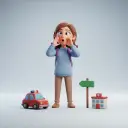 근처에 ... 있어요? geuncheoe ... isseoyo? Is there a ... nearby?
근처에 은행이 있어요? geuncheoe eunhaengi isseoyo? Is there a bank nearby?
-
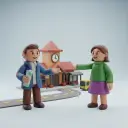 어떻게 가요? eotteoke gayo? How do I get to ...?
학교에 어떻게 가요? hakgyoe eotteoke gayo? How do I get to school?
-
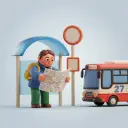 어느 버스가 가요? eoneu beoseuga gayo? Which bus goes to ...?
시내에 어느 버스가 가요? sinaee eoneu beoseuga gayo? Which bus goes to town?
-
 몇 호선이 ...에 가요? myeochoseoni ...e gayo? Which line goes to ...?
박물관에 몇 호선이 가요? Bangmulgwane myeochoseoni gayo? Which line goes to the museum?
-
 얼마나 걸려요? eolmana geollyeoyo? How long does it take?
얼마나 걸리는지 궁금해요. eolmana geollineunji gunggeumhaeyo. I wonder how long does it take.
-
 얼마나 멀어요? eolmana meoreoyo? How far is it?
얼마나 멀어요? eolmana meoreoyo? How far is it?
-
 지도에서 보여줄 수 있어요? jidoeseo boyeojul su isseoyo? Can you show me on the map?
지도에서 보여줄 수 있어요? jidoeseo boyeojul su isseoyo? Can you show me on the map?
-
 찾다 chatta I'm looking for
그들은 화장실을 찾고 있어요. geudeureun hwajangsireul chatkko isseoyo. They are looking for a restroom.
-
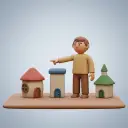 가장 가깝다 gajang gakkaptta The nearest
가장 가까운 가게는 저 아래에 있어요. gajang gakkaun gageneun jeo araee isseoyo. The nearest store is down there.
-
 에 가다 e gada Does this go to ...?
이거 식당에 가요? igeo sikdang-e gayo? Does this go to the restaurant?
-
 어디서 내려요? eodiseo naeryeoyo? Which stop for ...?
시내에 가려면 어디서 내려요? sinaee garyeomyeon eodiseo naeryeoyo? Which stop for downtown?
-
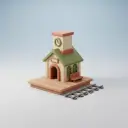 역 yeok station
그들은 기차역에서 기다려요. Geudeureun gichayeogeseo gidaryeoyo. They wait at the train station.
-
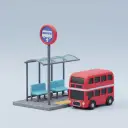 버스 정류장 beoseu jeongnyujang bus stop
버스 정류장이 근처에 있어요. beoseu jeongnyujangi geuncheoe isseoyo. The bus stop is nearby.
-
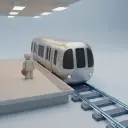 지하철역 jihacheollyeok subway station
이 지하철역은 아주 붐벼요. I jihacheollyeogeun aju bumbyeoyo. This subway station is very crowded.
-
 호텔 hotel hotel
온라인으로 호텔을 예약할 수 있어요. onlain-euro hotel-eul yeyakal su isseoyo. You can book a hotel online.
-
 약국 yak-kkuk pharmacy
마크 씨는 약국에서 일해요. Makeu ssineun yak-kku-geseo ilhaeyo. Mark works at the pharmacy.
-
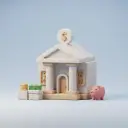 은행 eunaeng bank
그는 은행에 가요. geuneun eunaenge gayo He goes to the bank.
-
 화장실 hwajangsil restroom
여기는 깨끗한 화장실이에요. yeogineun kkaekkeutan hwajangsilieyo. This is a clean restroom.
-
 슈퍼마켓 syupeomaket supermarket
우리는 슈퍼마켓에서 음식을 사요. urineun syupeomakeseo eumsigeul sayo. We buy food at the supermarket.
-
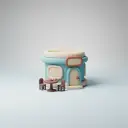 식당 sikdang restaurant
그들은 그 식당을 정말 좋아해요. Geudeureun geu sikdangeul jeongmal joahaeyo. They like that restaurant a lot.
-
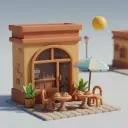 카페 kape café
제인은 카페에서 일해요. Jein-eun kape-eseo ilhaeyo. Jane works at the café.
-
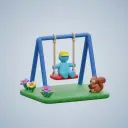 공원 gongwon park
그녀는 초록색 공원을 좋아해요. geunyeoneun chorokssaek gongwoneul joahaeyo. She likes the green park.
-
 병원 byeongwon hospital
병원은 아픈 사람들을 도와줘요. Byeongwoneun apeun saramdeureul dowajwoyo. A hospital helps sick people.
-
 공항 gonghang airport
우리는 공항에 도착했습니다. urineun gonghange dochakaesseumnida We arrived at the airport.
-
 경기장 gyeonggijang stadium
우리는 경기장에 갔어요. urineun gyeonggijange gasseoyo We went to the stadium.
-
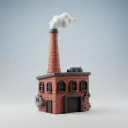 공장 gongjang factory
이 공장은 옷을 만들어요. i gongjang-eun oseul mandeureoyo This factory makes clothes.
-
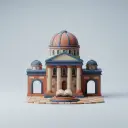 대학교 daehakgyo university
그녀는 대학교에서 공부해요. geunyeoneun daehakgyoeseo gongbuhaeyo She studies at the university.
-
 대학교 daehakgyo college
그녀는 대학교에서 공부해요. geunyeoneun daehakgyoeseo gongbuhaeyo She studies at the college.
-
 동아리 dongari club
우리는 스포츠 동아리에 가입했습니다. urineun seupocheu dongarie gaiphaetsseumnida We joined the sports club.
-
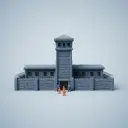 교도소 gyodoso prison
범죄자가 교도소에서 탈출했습니다. beomjuejaga gyodosoeseo talchulhaetsseumnida The criminal escaped from prison.
-
 탑 tap tower
높은 탑이 보여요. nopen tapi boyeoyo I see the tall tower.
-
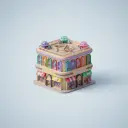 쇼핑몰 syopingmol mall
저는 쇼핑몰에서 신발을 샀어요. jeoneun syopingmoraeseo sinbareul sasseoyo I bought shoes at the mall.
-
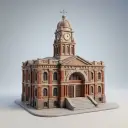 시청 sicheong town hall
우리는 시청에서 만났어요. urineun sicheongeseo mannasseoyo We met at the town hall.
-
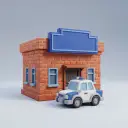 경찰서 gyeongchalseo police station
경찰서가 보여요. gyeongchalseoga boyeoyo I see the police station.
-
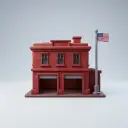 소방서 sobangseo fire station
저는 소방서 근처에 살아요. jeoneun sobangseo geuncheoe sarayo I live near the fire station.
-
 좌회전하다 jwahoejeonhada Turn left.
여기서 좌회전해요. yeogiseo jwahoejeonnaeyo Turn left here.
-
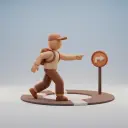 우회전하다 uhoejeonhada Turn right.
교차로에서 우회전하세요. gyocharoeseo uhoejeonhaseyo. Turn right at the intersection.
-
 똑바로 가다 ttokbaro gada Go straight ahead.
학교로 똑바로 가요. hakgyoro ttokbaro gayo. Go straight ahead to school.
-
 가깝다 gakkaptta It's near.
가까워요. gakkawoyo. It's near.
Words 401–500
-
 멀다 meolda It's far.
멀어요. meoreoyo It's far.
-
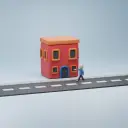 길 건너편 gilkkeonneopyeon Across the street.
그는 길 건너편에 살아요. geuneun gilkkeonneopyeone sarayo. He lives across the street.
-
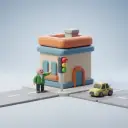 모퉁이에서 motungieseo At the corner.
그녀는 모퉁이에서 기다리고 있어요. Geunyeoneun motungieseo gidarigo isseoyo. She is waiting at the corner.
-
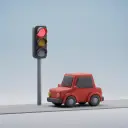 신호등에서 sinhodeungeseo At the traffic light.
우리는 신호등에서 멈췄어요. urineun sinhodeungeseo meomchwosseoyo. We stopped at the traffic light.
-
 교차로에 gyocharoe At the intersection.
술집은 교차로에 있어요. Suljibeun gyocharoe isseoyo. The bar is at the intersection.
-
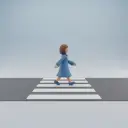 횡단보도 hoengdanbodo Crosswalk.
저 횡단보도는 아주 안전해요. jeo hoengdanbodoneun aju anjeonhaeyo. That crosswalk is very safe.
-
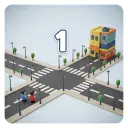 한 블록 떨어져 han beullok tteoreojeo One block away.
박물관은 한 블록 떨어져 있어요. bangmulgwaneun han beullok tteoreojeo isseoyo. The museum is one block away.
-
 표지판을 따라가다 pyojipaneul ttaragada Follow the signs.
안전한 곳으로 표지판을 따라가세요. anjeonhan goseuro pyojipaneul ttaragaseyo. Follow the signs to safety.
-
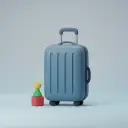 여행 가방 yeohaeng gabang suitcase
벌써 여행 가방을 다 쌌어요? beolsseo yeohaeng gabangeul da ssasseoyo? Did you pack your suitcase already?
-
 자석 jaseok magnet
작은 자석은 선물이에요. jageun jaseogeun seonmurieyo. The small magnet is a present.
-
 머리빗 meoribit hairbrush
그녀는 머리빗을 못 찾아요. Geunyeoneun meoribiseul mot chajayo. She can’t find her hairbrush.
-
 베개 begae pillow
이 베개는 부드럽고 따뜻해요. i begaeneun budeureopgo ttatteuthaeyo. This pillow is soft and warm.
-
 담요 damyo blanket
추우면 담요를 가져가세요. chuumyeon damyoreul gajeogaseyo. Take a blanket if you are cold.
-
 매트리스 maeteuriseu mattress
우리 새 매트리스는 정말 편해요. uri sae maeteuriseuneun jeongmal pyeonhaeyo. Our new mattress is really comfortable.
-
 커튼 keoteun curtain
커튼을 열어 주세요, 어두워요. keoteuneul yeoreo juseyo, eoduwoyo. Please open the curtain, it's dark.
-
 블라인드 beullaindeu blinds
저는 보통 밤에 블라인드를 내려요. Jeoneun botong bame beullaindeureul naeryeoyo. I usually close the blinds at night.
-
 카펫 kapet carpet
카펫 아래에 먼지가 있어요. kapet araee meonjiga isseoyo. There is dust under the carpet.
-
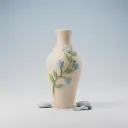 꽃병 kkonmyeong vase
이 꽃병은 비싸 보여요. I kkonmyeongeun bissa boyeoyo. This vase looks expensive.
-
 빗자루 bitjjaru broom
이 아파트에 빗자루가 있어요? i apateue bitjjaruga isseoyo? Does this apartment have a broom?
-
 휴지 hyuji toilet paper
이런, 휴지가 다 떨어졌어요! Ireon, hyujiga da tteoreojyeosseoyo! Oh no, the toilet paper’s gone!
-
 털 teol wool
그 양은 털이 아주 두껍습니다. geu yangeun teori aju dukkeopseumnida The sheep has thick wool.
-
 금속 geumsok metal
우리는 나무와 금속이 필요합니다. urineun namuwa geumsogi piryohamnida We need wood and metal.
-
 플라스틱 peullaseutik plastic
그녀는 플라스틱 그릇을 씻어요. geunyeoneun peullaseutik geureoseul ssiseoyo She washes the plastic bowl.
-
 가죽 gajuk leather
저는 새 가죽 가방을 샀어요. jeoneun sae gajuk gabangeul sasseoyo I bought a new leather bag.
-
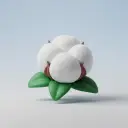 목화 mokhwa cotton
농부는 목화를 재배합니다. nongbuneun mokhwareul jaebaehamnida The farmer grows cotton.
-
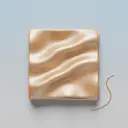 비단 bidan silk
이 비단은 매우 부드러워요. i bidaneun maeu budeureowo-yo This silk is very soft.
-
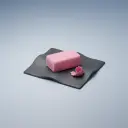 고무 gomu rubber
그 공은 고무로 만들어졌습니다. geu gong-eun gomuro mandeureojyeotseumnida The ball is made of rubber.
-
 데님 denim denim
그는 두꺼운 데님 원단을 샀어요. geuneun duggeoun denim wondaneul sass-eoyo He bought thick denim fabric.
-
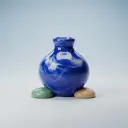 도자기 dojagi ceramic
그녀는 도자기 그릇을 닦았습니다. geunyeoneun dojagi geureoseul dakkasseumnida She washed the ceramic bowl.
-
 대리석 daeriseok marble
그들은 하얀 대리석을 깎았습니다. geudeureun hayan daeriseogeul kkakkasseumnida They cut the white marble.
-
 벽돌 byeokdol brick
그는 빨간 벽돌을 들고 있습니다. geuneun ppalgan byeokdoreul deulgo itseumnida He holds a red brick.
-
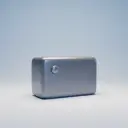 강철 gangcheol steel
그들은 그 도구들을 강철로 만듭니다. geudeureun geu dogudeureul gangcheollo mandeumnida. They make the tools from steel.
-
 뒤 dwi behind
저 건물 뒤에 있어요. jeo geonmul dwie isseoyo. It is behind that building.
-
 앞 ap in front of
그녀는 제 앞에 있어요. Geunyeoneun je ape isseoyo. She is in front of me.
-
 사이 sai between
공원은 두 집 사이에 있어요. Gongwoneun du jip saie isseoyo. The park is between two houses.
-
 옆 yeop next to
저 가게는 우리 집 옆에 있어요. jeo gageneun uri jip yeope isseoyo. That store is next to my house.
-
 반대 bandae opposite
우리는 반대 방향으로 가요. urineun bandae banghyangeuro gayo. We go the opposite direction.
-
 맞은편 majeunpyeon across from
저희는 가게 맞은편에 살아요. jeohwineun gage majeunpyeone sarayo. We live across from the store.
-
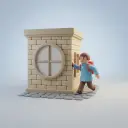 모퉁이 근처 motungi geuncheo around the corner
그분은 이제 모퉁이 근처에 살아요. Geubuneun ije motungi geuncheoe sarayo. She lives around the corner now.
-
 쪽으로 jjogeuro towards
아이들이 큰 나무 쪽으로 걸어요. aideuri keun namu jjogeuro georeoyo. The kids walk towards the big tree.
-
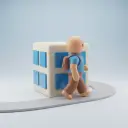 지나가다 jinagada past
다리를 지나가야 해요. darireul jinagaya haeyo. You need to go past the bridge.
-
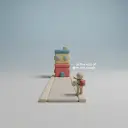 길 끝 gil kkeut at the end of the street
저는 길 끝에 살아요. jeoneun gil kkeute sarayo I live at the end of the street.
-
 왼쪽 oenjjok on the left
그녀는 왼쪽에 주차해요. geunyeoneun oenjjoge juchahaeyo. She parks on the left side.
-
 오른쪽에 oreunjjoge on the right
오른쪽에 있어요. oreunjjoge isseoyo They are on the right.
-
 위에 wie above
해가 산 위에 떠 있습니다. haega san wie tteo itseumnida The sun is above the mountain.
-
 아래에 araee below
마을은 산 아래에 있습니다. maeureun san araee itseumnida The village is below the mountain.
-
 맨 위에 maen wie on top
상자가 맨 위에 있어요. sangjaga maen wie isseoyo The box is on top.
-
 근처에 geuncheoe near
저는 강 근처에 살아요. jeoneun gang geuncheoe sarayo I live near the river.
-
 한가운데 hangaunde in the middle
그는 한가운데에 서 있습니다. geuneun hangaundee seo itseumnida He stands in the middle.
-
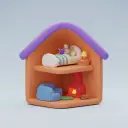 안에 ane inside
강아지가 집 안에 있어요. gangajiga jip ane isseoyo The dog is inside the house.
-
 장소 jangso place
우리는 안전한 장소를 찾았습니다. urineun anjeonhan jangsoreul chajatseumnida We found a safe place.
-
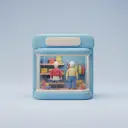 가게 gage store
우리는 가게에서 음식을 사요. urineun gageeseo eumsigeul sayo We buy food at the store.
-
 집 jip house
그 가족은 저 집에 살아요. geu gajogeun jeo jibe sarayo The family lives in that house.
-
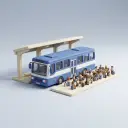 버스 터미널 beoseu teomineol bus station
나는 버스 터미널에서 기다려요. naneun beoseu teomineoreseo gidaryeoyo I wait at the bus station.
-
 도심 dosim city center
저는 도심 근처에 살아요. jeoneun dosim geuncheoe sarayo I live near the city center.
-
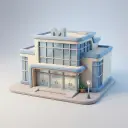 쇼핑몰 syopingmol shopping mall
그 쇼핑몰은 정말 커요. geu syopingmoreun jeongmal keoyo The shopping mall is very big.
-
 분수 bunsu fountain
저 분수는 물이 매우 맑아요. jeo bunsuneun muri maeu malgayo. That fountain has very clear water.
-
 회전교차로 hoejeongyocharo roundabout
이 회전교차로는 교통에 도움이 돼요. i hoejeongyocharoneun gyotonge doumi dwaeyo This roundabout helps the traffic.
-
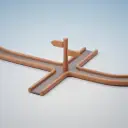 교차로 gyocharo crossroads
우리는 교차로에서 멈췄어요. Urineun gyocharoeseo meomchwosseoyo. We stopped at the crossroads.
-
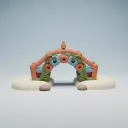 다리 dari bridge
사람들이 다리를 걸어서 건너요. saramdeuri darireul georeoseo geonneoyo. People walk across the bridge.
-
 터널 teoneol tunnel
차가 터널을 지나가요. chaga teoneoreul jinagayo The car drives through a tunnel.
-
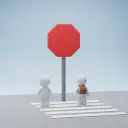 정지 표지판 jeongji pyojipan stop sign
정지 표지판을 지켜야 해요. jeongji pyojipaneul jikyeoya haeyo. You need to respect the stop sign.
-
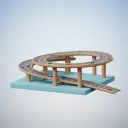 육교 yukkyo overpass
집 근처에 육교를 지었어요. Jip geuncheoe yukkyoreul jieosseoyo. They built an overpass near home.
-
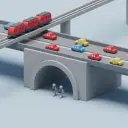 지하도 jihado underpass
저희는 지하도로 걸어갈 거예요. jeohuineun jihadoro georeogal geoyeyo. We will walk through the underpass.
-
 랜드마크 raendeumakeu landmark
랜드마크는 강 근처에 있어요. Raendeumakeuneun gang geuncheoe isseoyo. The landmark is near the river.
-
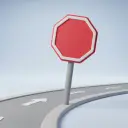 교통 표지판 gyotong pyojipan traffic sign
이 교통 표지판은 정지라는 뜻이에요. i gyotong pyojipaneun jeongjiraneun tteusieyo. This traffic sign means stop.
-
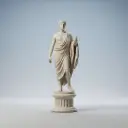 동상 dongsang statue
그는 아름다운 동상을 봤어요. Geuneun areumdaun dongsangeul bwasseoyo. He saw the beautiful statue.
-
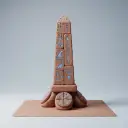 기념비 gimnyeombi monument
그들은 높은 기념비를 방문했어요. geudeureun nopeun gimnyeombireul bangmunhaesseoyo. They visited the tall monument.
-
 북쪽 bukjjok north
이 도시의 북쪽은 흥미로워요. i dosie bukjjogeun heungmirowoyo The north of this city is interesting.
-
 남쪽 namjjok south
바람이 남쪽에서 불어옵니다. Barami namjjogeseo bureoomnida. The wind comes from the south.
-
 동쪽 dongjjok east
바람이 동쪽에서 불어옵니다. Barami dongjjogeseo bureoomnida. The wind comes from the east.
-
 서쪽 seojjok west
해는 서쪽으로 져요. haeneun seojjogeuro jeoyo The sun sets in the west.
-
 북동쪽 bukdongjjok northeast
벤 씨는 북동쪽 지역에 살아요. Ben ssineun bukdongjjok jiyeoge sarayo. Ben lives in the northeast area.
-
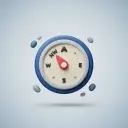 북서쪽 buksseojjok northwest
그 주는 북서쪽에 있어요. Geu juneun buksseojjoge isseoyo. That state is in the northwest.
-
 남동쪽 namdongjjok southeast
그는 남동쪽 지역에 살아요. geuneun namdongjjok jiyeoge sarayo. He lives in the southeast region.
-
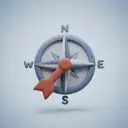 남서쪽 namseojjok southwest
그들은 남서쪽으로 운전해서 갔어요. Geudeureun namseojjogeuro unjeonhaeseo gasseoyo. They drove to the southwest.
-
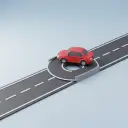 유턴 yuteon U-turn
이것은 유턴이에요. Igeoseun yuteonieyo. This is a U-turn.
-
 막다른 길 makdareun gil dead end
저 길은 막다른 길이에요. jeo gireun makdareun girieyo. That street is a dead end.
-
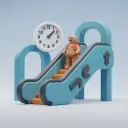 에스컬레이터 eseukeolleiteo escalator
에스컬레이터가 꼭대기 층까지 올라가요. eseukeolleiteoga kkokdaegi cheungkkaji ollagayo The escalator takes you to the top floor.
-
 경사로 gyeongsaro ramp
휠체어는 경사로가 필요해요. Hwilcheoneun gyeongsaroga piryohaeyo. Wheelchairs require ramps.
-
 날씨 nalssi weather
오늘 날씨가 좋아요. oneul nalssiga joayo. This is nice weather today.
-
 화창하다 hwachanghada sunny
그는 화창한 날을 좋아해요. geuneun hwachanghan nareul joayo. He likes a sunny day.
-
 흐리다 heurida cloudy
그들은 흐린 오후를 예상해요. geudeureun heurin ohureul yesanghaeyo. They expect a cloudy afternoon.
-
 비가 오다 biga oda rainy
비가 오는 날은 아늑할 수 있어요. biga oneun nareun aneukalssu isseoyo. A rainy day can be cozy.
-
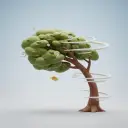 바람이 불다 barami bulda windy
밖에 바람이 불어요. bakke barami bureoyo It is windy outside.
-
 뜨겁다 tteugeopda hot
이 차는 아주 뜨거워요. i chaneun aju tteugeowoyo. This tea is very hot.
-
 차다 chada cold
겨울에는 찬 바람이 불어요. gyeoureneun chan barami bureoyo. The cold wind blows in winter.
-
 따뜻하다 ttatteutada warm
오늘 해변은 따뜻했어요. oneul haebyeoneun ttatteutaesseoyo It was warm at the beach today.
-
 봄 bom spring
꽃들은 봄을 좋아해요. Kkotteureun bomeul joahaeyo. The flowers love the spring.
-
 여름 yeoreum summer
여름은 아주 더운 계절이에요. yeoreumeun aju deoun gyejeorieyo. Summer is a very hot season.
-
 가을 gaeul autumn
가을은 제가 제일 좋아하는 계절이에요. Gaeureun jega jeil joahaneun gyejeorieyo. Autumn is my favorite season.
-
 겨울 gyeoul winter
여기는 겨울이 아주 추울 수 있어요. yeogineun gyeouri aju chuul su isseoyo. Winter can be very cold here.
-
 해 hae sun
하늘에 해가 떠 있어요. haneure haega tteo isseoyo The sun shines in the sky.
-
 달 dal Moon
밝은 달이 보여요. balgeun dari boyeoyo I see the bright moon.
-
 별 byeol star
밝은 별이 보여요. balgeun byeori boyeoyo I see a bright star.
-
 하늘 haneul sky
새들이 하늘을 날아다녀요. saedeuri haneureul naradanyeoyo Birds fly in the sky.
-
 구름 gureum cloud
먹구름이 해를 가리고 있어요. meokgureumi haereul garigo isseoyo A dark cloud hides the sun.
-
 비 bi rain
하늘에서 비가 내려요. haneureseo biga naeryeoyo The rain falls from the sky.
-
 바람 baram wind
우리는 찬 바람을 느껴요. urineun chan barameul neukkyeoyo We feel the cold wind.
-
 폭풍 pokpung storm
강한 폭풍이 나무들을 부러뜨렸습니다. ganghan pokpungi namudeureul bureotteuryeotseumnida The strong storm broke the trees.
Free for personal and classroom use.
Quick quiz
Five questions from the first 100 words.
Make these words stick
The app brings each word back right before you’d forget it. Free on iPhone and Android.
More Korean
Korean words by topic
- Numbers1–100
- Ordinal Numbers12
- Days of the week12
- Months12
- Colors19
- Family members36
- Body parts24
- Food44
- Animals36
- Clothes41
- Jewelry and Accessories12
- Weather24
- Greetings12
- Fruits16
- Vegetables12
- Kitchen36
- Restaurant & ordering food48
- Money25
- Rooms in the house48
- Jobs & professions36
- Emotions & feelings36
- School supplies & classroom48
- Transportation48
- Travel60
- Directions48
- Places in town48
- At the doctor36
- Sports & games60
- Hobbies36
- Musical instruments12
- Nature & plants36
- Planets & space24
- Time36
- Holidays & celebrations12
- Shapes12
- Please & thank you24
- Small talk36
Word lists
Alphabet
Learn these 500 Korean words in order.
The app teaches them 12 at a time, with pictures and audio, and brings each one back before you forget it. Free on iPhone and Android.
Scan with your phone's camera to get the app.
