











 The 1,000 Most Common Korean Words
Each word with a picture, native audio and an example sentence with its English translation. Tap a speaker to hear the word or the sentence.

Learn all 1,000 words in the app
Pictures, native audio, and each word comes back right before you’d forget it. Free on iPhone & Android.

 Scan with your phone camera
 Your PDF is downloading
Printing is step one. Flashcardly makes the words stick: it brings each one back right before you’d forget it, with native audio.
How this list is ranked
This is the Flashcardly Korean course in order: by frequency and everyday usefulness, with input from language teachers. It is not a raw corpus count, which is why words like “the” and “of” are not padding the top of the list, while “man” comes in at #13.
The list
Tap a picture to hear it.
Words 1–100
-
 안녕하세요 annyeonghaseyo Hello
안녕하세요, 어떻게 지내세요? annyeonghaseyo, eotteoke jinaeseyo? Hello, how are you?
-
 환영합니다 hwanyeonghamnida Welcome
저희 집에 오신 것을 환영합니다. jeohui jibe osin geoseul hwanyeonghamnida. Welcome to our home.
-
 좋은 아침이에요 joeun achimieyo Good morning
좋은 아침이에요! joeun achimieyo Good morning!
-
 네 ne yes
네, 알겠어요. ne, algesseoyo. Yes, I understand.
-
 좋은 저녁이에요 joeun jeonyeogieyo Good evening
좋은 저녁이에요! joeun jeonyeogieyo Good evening!
-
 아니요 aniyo no
그녀는 아니요라고 말했어요. Geunyeoneun aniyorago malhaesseoyo. She said no.
-
 안녕히 가세요 annyeonghi gaseyo Goodbye
안녕히 가세요, 안나 씨! annyeonghi gaseyo, anna ssi! Goodbye, Anna!
-
 안녕하세요 annyeonghaseyo Good afternoon
안녕하세요! annyeonghaseyo! Good afternoon!
-
 곧 봐요 got bwayo See you soon
미아 씨, 곧 봐요! Mia ssi, got bwayo! See you soon, Mia!
-
 내일 봐요 naeil bwayo See you tomorrow
내일 봐요! naeil bwayo! See you tomorrow!
-
 만나서 반가워요 mannaseo banggawoyo Nice to meet you
저도 만나서 반가워요. jeodo mannaseo banggawoyo Nice to meet you too!
-
 어떻게 지내세요? eotteoke jinaeseyo? How are you?
오늘 어떻게 지내세요? oneul eotteoke jinaeseyo? How are you today?
-
 남자 namja man
남자는 책을 읽어요. namjaneun chaegeul ilgeoyo. The man reads the book.
-
 여자 yeoja woman
여자가 모자를 써요. yeojaga mojareul sseoyo. The woman wears a hat.
-
 소년 sonyeon boy
소년이 장난감을 가지고 놀아요. sonyeoni jangnangameul gajigo norayo. The boy plays with toys.
-
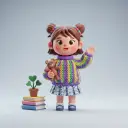 소녀 sonyeo girl
소녀가 공을 가지고 있어요. sonyeoga gongeul gajigo isseoyo. The girl has a ball.
-
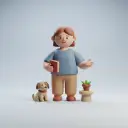 사람 saram person
그는 좋은 사람이에요. geuneun joeun saramieyo. He is a nice person.
-
 사람들 saramdeul people
사람들이 아주 행복해요. saramdeuri aju haengbokhaeyo. The people are very happy.
-
 성인 seongin adult
저는 성인이에요. jeoneun seongin-ieyo. I am an adult.
-
 아기 agi baby
아기가 우유가 필요해요. Agiga uyuga piryohaeyo. The baby needs milk.
-
 씨 ssi Mr
스미스 씨는 책 읽는 것을 좋아해요. seumiseu ssineun chaek ingneun geoseul joahaeyo. Mr. Smith likes to read books.
-
 부인 buin Mrs
스미스 부인은 선생님이에요. Seumiseu buineun seonsaengnimieyo. Mrs. Smith is a teacher.
-
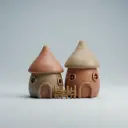 이웃 iut neighbor
제 이웃은 아주 친절해요. Je iuseun aju chinjeolhaeyo. My neighbor is very friendly.
-
 친구 chingu friend
제 친구는 책 읽는 것을 좋아해요. Je chinguneun chaek ingneun geoseul joahaeyo. My friend likes to read books.
-
 오늘 oneul today
오늘은 좋은 날이에요. oneureun joeun narieyo. Today is a good day.
-
 내일 naeil tomorrow
내일은 새로운 날이에요. Naeireun saeroun narieyo. Tomorrow is a new day.
-
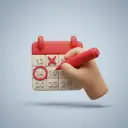 어제 eoje yesterday
저는 어제 그녀를 봤어요. jeoneun eoje geunyeoreul bwasseoyo. I saw her yesterday.
-
 지금 jigeum now
그는 지금 그것을 원해요. geuneun jigeum geugeoseul wonhaeyo. He wants it now.
-
 오후 ohu afternoon
저는 오후를 좋아해요. jeoneun ohureul joahaeyo. I like the afternoon.
-
 저녁 jeonyeok evening
저녁은 조용해요. jeonyeogeun joyonghaeyo. The evening is quiet.
-
 분 bun minute
저희는 오 분이 필요해요. jeohuineun o buni piryohaeyo. We need five minutes.
-
 아침 achim morning
저는 아침에 아침을 먹어요. Jeoneun achime achimeul meogeoyo. I eat breakfast in the morning.
-
 나중에 najunge later
나중에 할 거예요. najunge hal geoyeyo. I will do it later.
-
 일찍 iljjik early
그녀는 일찍 일어나요. geunyeoneun iljjigireonayo She wakes up early.
-
 늦다 neutta late
그 사람은 자주 늦어요. geu sarameun jaju neujeoyo He is often late.
-
 시간 sigan hour
수업은 한 시간이에요. sueobeun han siganieyo. The class lasts one hour.
-
 이름이 뭐예요? ireumi mwoyeyo? What's your name?
이름이 뭐예요? ireumi mwoyeyo? What's your name?
-
 제 이름은 ...예요 je ireumeun ...yeyo My name is
제 이름은 에밀리예요. je ireumeun emilliyeyo My name is Emily.
-
 어디에서 왔어요? eodieseo wasseoyo? Where are you from?
어디에서 왔어요? eodieseo wasseoyo? Where are you from?
-
 에서 왔어요 eseo wasseoyo I'm from
저는 독일에서 왔어요. jeoneun dogireseo wasseoyo. I'm from Germany.
-
 어디에 살아요? eodie sarayo? Where do you live?
어디에 살아요? eodie sarayo? Where do you live?
-
 에 살다 e salda I live in
저는 일본에 살아요. jeoneun ilbone sarayo I live in Japan.
-
 어떤 언어를 하세요? eotteon eoneoreul haseyo? What languages do you speak?
어떤 언어를 하세요? eotteon eoneoreul haseyo? What languages do you speak?
-
 말하다 marhada I speak
저는 영어를 잘 말해요. jeoneun yeongeoreul jal marhaeyo. I speak English well.
-
 조금 하다 jogeum hada I speak a little
저는 프랑스어를 조금 해요. jeoneun peurangseueoreul jogeum haeyo I speak a little French.
-
 어디에서 태어났어요? eodieseo taeeonasseoyo? Where were you born
어디에서 태어났어요? eodieseo taeeonasseoyo? Where were you born?
-
 성이 어떻게 되세요? seongi eotteoke doeseyo? What's your surname?
성이 어떻게 되세요? seongi eotteoke doeseyo? What's your surname?
-
 이쪽은 제 친구예요 ijjogeun je chinguyeyo This is my friend
이쪽은 제 친구 리사예요. ijjogeun je chingu risayeyo This is my friend Lisa.
-
 만들다 mandeulda make
저는 맛있는 커피를 만들어요. jeoneun masinneun keopireul mandeureoyo. I make good coffee.
-
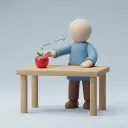 받다 batta get
그는 선물을 받았어요. geuneun seonmureul badasseoyo. He got a present.
-
 있다 itta have
엠마는 차가 있어요. emmaneun chaga isseoyo Emma has a car.
-
 먹다 meoktta eat
그들은 사과를 먹어요. geudeureun sagwareul meogeoyo. They are eating apples.
-
 마시다 masida drink
커피를 마셔요? keopireul masyeoyo? Do you drink coffee?
-
 자다 jada sleep
저는 지금 자고 싶어요. jeoneun jigeum jago sipeoyo. I want to sleep now.
-
 보다 boda see
집을 볼 수 있어요? jibeul bol su isseoyo? Can you see the house?
-
 쳐다보다 cheodaboda look at
아담은 사진을 쳐다보는 것을 좋아합니다. adameun sajineul cheodaboneun geoseul joahamnida. Adam likes to look at pictures.
-
 읽다 iktta read
학생은 책을 읽어요. haksaengeun chaegeul ilgeoyo The student reads books.
-
 열다 yeolda open
그녀는 창문을 열어요. geunyeoneun changmuneul yeoreoyo. She opens the window.
-
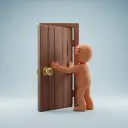 닫다 datta close
저는 문을 닫아요. jeoneun muneul dadayo. I close the door.
-
 오다 oda come
매일 여기에 와요. maeil yeogie wayo You come here every day.
-
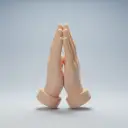 주세요 juseyo Please.
문을 열어 주세요. muneul yeoreo juseyo Please open the door.
-
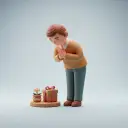 감사합니다 gamsahamnida Thank you.
도와주셔서 감사합니다. dowajusyeoseo gamsahamnida Thank you for your help.
-
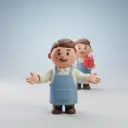 천만에요 cheonmaneyo You're welcome.
천만에요. cheonmaneyo. You're welcome.
-
 실례합니다 sillyehamnida Excuse me.
실례합니다, 도움이 필요해요. sillyehamnida, doumi piryohaeyo. Excuse me, I need help.
-
 죄송해요 joesonghaeyo Sorry.
죄송해요. joesonghaeyo I am sorry.
-
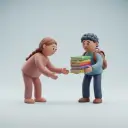 도와주시겠어요? dowajusigesseoyo? Could you help me?
저 좀 도와주시겠어요? jeo jom dowajusigesseoyo? Could you help me?
-
 다시 말씀해 주시겠어요? dasi malsseumhae jusigesseoyo? Could you please repeat?
그걸 다시 말씀해 주시겠어요? Geugeol dasi malsseumhae jusigesseoyo? Could you please repeat that?
-
 조금 더 천천히 말씀해 주시겠어요? Jogeum deo cheoncheonhi malsseumhae jusigesseoyo? Could you speak more slowly?
조금 더 천천히 말씀해 주시겠어요? Jogeum deo cheoncheonhi malsseumhae jusigesseoyo? Could you speak more slowly?
-
 주시겠어요? jusigesseoyo? Could I have ... please?
물 좀 주시겠어요? mul jom jusigesseoyo? Could I have water please?
-
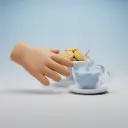 주세요 juseyo I'd like
차를 좀 더 주세요. Chareul jom deo juseyo. I'd like some more tea.
-
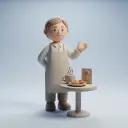 해도 돼요? haedo dwaeyo? May I...?
물 좀 마셔도 돼요? mul jom masyeodo dwaeyo? May I have some water?
-
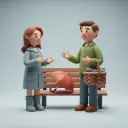 아도 되다 ado doeda Is it okay if...?
앉아도 돼요? anjado dwaeyo? Is it okay if I sit?
-
 영 yeong zero
영은 일보다 작아요. Yeongeun ilboda jagayo. Zero is less than one.
-
 하나 hana one
저는 사과가 하나 있어요. Jeoneun sagwaga hana isseoyo. I have one apple.
-
 둘 dul two
고양이가 두 마리 있어요. goyangiga du mari isseoyo There are two cats.
-
 셋 set three
아니요, 셋은 너무 많아요. aniyo, seoseun neomu manayo. No, three is too much.
-
 넷 net four
네 개 주세요. ne gae juseyo Give me four, please.
-
 다섯 daseot five
저는 개가 다섯 마리 있어요. Jeoneun gaega daseot mari isseoyo. I have five dogs.
-
 여섯 yeoseot six
그는 친구 여섯 명과 같이 왔어요. Geuneun chingu yeoseon myeonggwa gachi wasseoyo. He came with six friends.
-
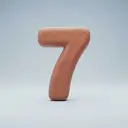 칠 chil seven
저는 칠 킬로미터를 달려요. Jeoneun chil killomiteoreul dallyeoyo. I am running seven kilometers.
-
 여덟 yeodeol eight
거미는 다리가 여덟 개 있어요. geomineun dariga yeodeol gae isseoyo. A spider has eight legs.
-
 구 gu nine
구는 제 행운의 숫자예요. guneun je haengune sutjayeyo. Nine is my lucky number.
-
 열 yeol ten
우리는 손가락이 열 개 있어요. urineun son-garagi yeol gae isseoyo We have ten fingers.
-
 더하기 deohagi plus
이 더하기 이는 사예요. i deohagi ineun sayeyo Two plus two is four.
-
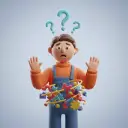 이해가 안 돼요 ihaega an dwaeyo I don't understand.
이해가 안 돼요. ihaega an dwaeyo. I don't understand.
-
 다시 말씀해 주시겠어요? dasi malsseumhae jusigesseoyo? Could you repeat that please?
다시 말씀해 주시겠어요? dasi malsseumhae jusigesseoyo? Could you repeat that please?
-
 더 천천히 말해 주세요 deo cheoncheoni malhae juseyo More slowly please.
더 천천히 말해 주세요. deo cheoncheoni malhae juseyo More slowly please.
-
 그게 무슨 뜻이에요? geuge museun tteusieyo? What does that mean?
그게 무슨 뜻이에요? geuge museun tteusieyo? What does that mean?
-
 ~로 뭐라고 해요? ~ro mworago haeyo? How do you say that in ...?
스페인어로 뭐라고 해요? seupeineoro mworago haeyo? How do you say that in Spanish?
-
 철자가 어떻게 돼요? cheoljaga eotteoke dwaeyo? How do you spell that?
철자가 어떻게 돼요? cheoljaga eotteoke dwaeyo? How do you spell that?
-
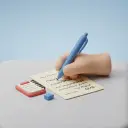 적어 주시겠어요? jeogeo jusigesseoyo? Can you write it down?
좀 적어 주시겠어요? jom jeogeo jusigesseoyo? Can you write it down, please?
-
 보여 줄 수 있어요? boyeo jul su isseoyo? Can you show me?
사진을 보여 줄 수 있어요? sajineul boyeo jul su isseoyo? Can you show me the photo?
-
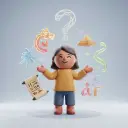 ... 할 줄 알아요? hal jul arayo? Do you speak ...?
영어 할 줄 알아요? yeong-eo hal jul arayo? Do you speak English?
-
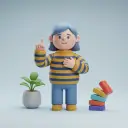 잠시만요 jamsimanyo Just a moment please.
잠시만요. jamsimanyo. Just a moment please.
-
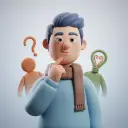 그렇게 생각하다 geureoke saenggakhada I think so.
저도 그렇게 생각해요. jeodo geureoke saenggakhaeyo. I think so too.
-
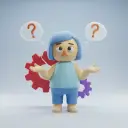 몰라요 mollayo I don't know.
몰라요. mollayo. I don't know.
-
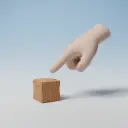 이것 igeot this
이것은 제 빨간 차예요. Igeoseun je ppalgan charyeyo. This is my red car.
-
 그 geu that
그 개는 아주 순해요. geu gaeneun aju sunhaeyo. That dog is very friendly.
-
 여기 yeogi here
저는 여기 있는 것을 좋아해요. Jeoneun yeogi inneun geoseul joahaeyo. I like being here.
-
 거기 geogi there
우리는 퇴근 후에 거기에서 만나요. urineun toeguen hue geogieseo mannayo. We meet there after work.
Words 101–200
-
 다른 dareun another
그는 다른 케이크 조각을 원해요. Geuneun dareun keikeu jogageul wonhaeyo. He wants another piece of cake.
-
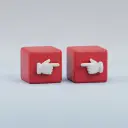 같다 gatda same
우리는 같은 파란색 셔츠를 입어요. urineun gateun paransaek syeocheureul ibeoyo. We wear the same blue shirt.
-
 이 i these
이 사과들은 지금 먹기 좋아요. I sagwadeureun jigeum meokgi joayo. These apples are ready to eat.
-
 그 geu those
그 쿠키 정말 맛있어 보여요. Geu kuki jeongmal masisseo boyeoyo. Those cookies look very good.
-
 바로 여기 baro yeogi right here
열쇠가 바로 여기에 있어요. yeolsoega baro yeogie isseoyo. The keys are right here.
-
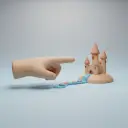 저기 jeogi over there
제 신발은 저기에 있어요. Je sinbareun jeogie isseoyo. My shoes are over there.
-
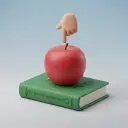 위에 wie on top of
고양이가 테이블 위에 있어요. goyangiga teibeul wie isseoyo. The cat is on top of the table.
-
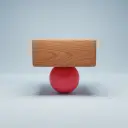 밑 mit underneath
강아지가 테이블 밑에 있어요. Gangajiga teibeul mite isseoyo. The dog is underneath the table.
-
 어떻게 지내요? eotteoke jinaeyo? How's it going?
어떻게 지내요? eotteoke jinaeyo? How's it going?
-
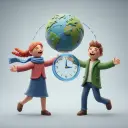 오랜만이에요 oraenmanieyo Long time no see.
오랜만이에요. oraenmanieyo Long time no see.
-
 무엇을 즐기세요? mueoseul jeulgiseyo? What do you enjoy?
무엇을 즐기세요? mueoseul jeulgiseyo? What do you enjoy?
-
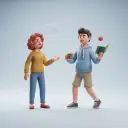 뭐 해요? mwo haeyo? What are you up to?
지금 뭐 해요? jigeum mwo haeyo? What are you up to now?
-
 좋은 하루 보내세요 joeun haru bonaeseyo Have a nice day.
존 씨, 좋은 하루 보내세요! Jon ssi, joeun haru bonaeseyo! Have a nice day, John!
-
 조심해서 가세요 josimhaeseo gaseyo Take care.
조심해서 가세요. 내일 봐요. josimhaeseo gaseyo. naeil bwayo. Take care. See you tomorrow.
-
 행운을 빌어요 haenguneul bireoyo Good luck!
행운을 빌어요! 저는 믿어요! haenguneul bireoyo! jeoneun mideoyo! Good luck! I believe in you!
-
 축하해요 chukahaeyo Congratulations!
축하해요! 힘든 일을 다 끝냈어요. chukahaeyo! himdeun ireul da kkeunnaesseoyo. Congratulations! You finished the hard work.
-
 건배해요 geonbaehayo Cheers!
건배해요! Geonbaehayo! Cheers!
-
 괜찮아요 gwaenchanayo No problem.
괜찮아요, 제가 도와줄 수 있어요. gwaenchanayo, jega dowajul su isseoyo. No problem, I can help you.
-
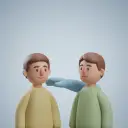 걱정하지 마세요 geokjeonghaji maseyo Don't worry.
걱정하지 마세요, 다 괜찮을 거예요. geokjeonghaji maseyo, da gwaenchaneul geoyeoyo. Don't worry, it will be okay.
-
 좋아요 joayo Sounds good.
저는 좋아요, 고마워요! jeoneun joayo, gomawoyo! Sounds good to me, thanks!
-
 알다 alda know
이제 정답을 알아요. ije jeongdabeul arayo. You know the answer now.
-
 물어보다 mureoboda ask
남동생에게 물어볼 수 있어요. namdongsaengege mureobol su isseoyo. You can ask your brother.
-
 들리다 deullida hear
저 소리가 들려요? jeo soriga deullyeoyo? Can you hear that sound?
-
 배우다 baeuda learn
매일 새로운 것을 배워요. maeil saeroun geoseul baewoyo You learn something new everyday.
-
 이야기하다 iyagihada talk with
친구들과 이야기하는 것을 좋아해요? Chingudeulgwa iyagihaneun geoseul joahaeyo? Do you like talking with your friends?
-
 말하다 maltada say
저는 무언가를 말하고 싶어요. Jeoneun mueongareul malkago sipeoyo. I want to say something.
-
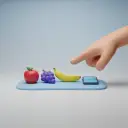 고르다 goreuda choose
가장 좋아하는 색을 골라요. gajang joahaneun saegeul gollayo. You choose your favorite color.
-
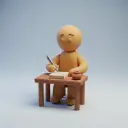 쓰다 sseuda write
학생들은 이야기를 써요. haksaengdeureun iyagireul sseoyo. The students write a story.
-
 전화하다 jeonhwahada call
제가 전화할 거예요. Jega jeonhwahal geoyeyo. I am going to call you.
-
 듣다 deuttta listen to
저는 라디오를 들어요. Jeoneun radio-reul deureoyo. I listen to the radio.
-
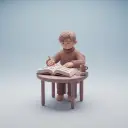 공부하다 gongbuhada study
저는 시험마다 열심히 공부해요. jeoneun siheommada yeolssimhi gongbueyo. I study hard for every test.
-
 알려주다 allyeojuda tell
그는 나에게 그의 이름을 알려줍니다. geuneun naege geuui ireumeul allyeojumnida. He tells me his name.
-
 만나다 mannada meet
내일 만날게요. naeil mannalkkeyo I will meet you tomorrow.
-
 가입하다 gaipada join
그녀는 우리 그룹에 가입할 거예요. geunyeoneun uri geurupe gaipal geoyeyo She will join our group.
-
 즐기다 jeulgida enjoy
우리는 음악을 즐겨요. urineun eumageul jeulgyeoyo We enjoy the music.
-
 묘사하다 myosahada describe
그 소년은 그 동물을 묘사했습니다. geu sonyeoneun geu dongmureul myosa-haetseumnida The boy described the animal.
-
 설명하다 seolmyeonghada explain
그녀가 그 문제를 설명할 거예요. geunyeoga geu munjereul seolmyeonghal geoyeyo She will explain the problem.
-
 가르치다 gareuchida teach
저는 새로운 학생들을 가르쳐요. jeoneun saeroun haksaengdeureul gareuchyeoyo I teach the new students.
-
 소개하다 sogaehada introduce
제 친구를 소개할게요. Je chingureul sogaehalgeyo. I will introduce my friend.
-
 받다 batda accept
그녀는 선물을 받아요. geunyeoneun seonmureul badayo She accepts the gift.
-
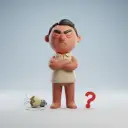 거부하다 geobuhada refuse
그 아이는 음식을 거부해요. geu aineun eumsigeul geobuhayo The child refuses the food.
-
 약속하다 yaksokhada promise
제가 도와주기로 약속할게요. Jega dowajugiro yaksokhalgeyo. I promise to help you.
-
 논의하다 nonuihada discuss
그들은 새로운 계획을 논의합니다. geudeureun saeroun gyehoegeul nonuihamnida They discuss the new plan.
-
 연락하다 yeollakhada contact
의사 선생님께 연락할게요. uisa seonsaengnimkke yeollakhalgeyo I will contact the doctor.
-
 웃다 utda laugh
아이들이 크게 웃습니다. aideuri keuge utseumnida The children laugh loudly.
-
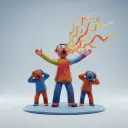 소리치다 sorichida shout
소년이 도와달라고 소리칩니다. sonyeoni dowadallago sorichimnida The boy shouts for help.
-
 속삭이다 soksagida whisper
그는 내 귀에 대고 속삭여요. geuneun nae gwie daego soksageoyo He whispers in my ear.
-
 손을 흔들다 soneul heundeulda wave
그녀는 작별 인사로 손을 흔든다. Geunyeoneun jakbyeol insaro soneul heundeunda. She waves goodbye.
-
 끄덕이다 kkeudeogida nod
여자가 고개를 끄덕입니다. Yeojaga gogaereul kkeudeogimnida. The woman nods her head.
-
 껴안다 kkyeoanda hug
어머니가 아이를 껴안습니다. eomeoniga aireul kkyeoanseumnida The mother hugs her child.
-
 뽀뽀하다 ppoppohada kiss
엄마가 아이에게 뽀뽀해요. eommaga aiege ppoppohaeyo The mother kisses her child.
-
 가리키다 garikida point
아이가 강아지를 가리킵니다. Aiga gangajireul garikimnida. The child points at the dog.
-
 깜빡이다 kkampagida blink
그는 눈을 빠르게 깜빡입니다. geuneun nuneul ppareuge kkampagimnida He blinks his eyes quickly.
-
 찌푸리다 jjipurida frown
아버지는 아들을 보고 얼굴을 찌푸립니다. abeojineun adeureul bogo eolgureul jjipurimnida The father frowns at his son.
-
 하품하다 hapumhada yawn
피곤한 남자가 하품합니다. pigonhan namjaga hapumhamnida The tired man yawns.
-
 냄새를 맡다 naemsaereul matda sniff
강아지가 음식의 냄새를 맡아요. gangajiga eumsigui naemsaereul matayo The dog sniffs the food.
-
 좋다 jota good
그녀는 좋은 사람이에요. geunyeoneun joeun saramieyo. She is a good person.
-
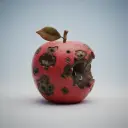 나쁘다 nappeuda bad
그 우유는 냄새가 나빠요. Geu uyuneun naemsaega nappayo. That milk smells bad.
-
 크다 keuda big
큰 개는 점프할 수 있어요. keun gaeneun jeompeuhal su isseoyo. The big dog can jump.
-
 작다 jakda small
아기는 손이 작아요. agineun soni jagayo The baby has small hands.
-
 틀리다 teullida wrong
대답이 틀렸어요. daedabi teullyeosseoyo. Your answer is wrong.
-
 쉽다 swiptta easy
이 수학 문제는 쉬워요. I suhak munjeneun swiwoyo. This math problem is easy.
-
 어렵다 eoryeoptta difficult
그 시험은 어려웠어요. Geu siheomeun eoryeowosseoyo. That test was difficult.
-
 빠르다 ppareuda fast
차들이 아주 빨리 가요. Chadeuri aju ppalli gayo. Cars go very fast.
-
 느리다 neurida slow
거북이는 매우 느려요. geobugineun maeu neuryeoyo The turtle is very slow.
-
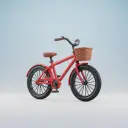 새롭다 saeropda new
이것은 새로운 차예요. igeoseun saeroun chayeyo This is a new car.
-
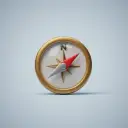 사실이다 sasilida true
이 이야기는 사실이에요? i iyagineun sasilieyo? Is this story true?
-
 틀리다 teullida false
그 답은 틀려요. geu dabeun teullyeoyo. The answer is false.
-
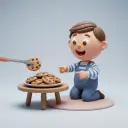 -고 싶다 go sipda I want to
피자를 먹고 싶어요. pijareul meokgo sipeoyo I want to eat pizza.
-
 해야 하다 haeya hada I need to
그녀에게 전화해야 해요. geunyeoege jeonhwahaeya haeyo. I need to call her.
-
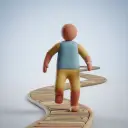 ㄹ 거예요 l kkeoyeoyo I'm going to
곧 먹을 거예요. got meogeul kkeoyeoyo I'm going to eat soon.
-
 -기를 원하다 -gireul wonhada I'd like to
저는 테니스 치기를 원합니다. jeoneun teniseu chigireul wonhamnida. I'd like to play tennis.
-
 -아야 하다 aya hada I have to
지금 가야 해요. jigeum gaya haeyo I have to go now.
-
 해도 되다 haedo doeda May I ...?
물 좀 마셔도 돼요? mul jom masyeodo dwaeyo? May I have water, please?
-
 ... 좀 도와주세요 ... jom dowajuseyo Help me with
이 가방 좀 도와주세요. i gabang jom dowajuseyo. Please help me with this bag.
-
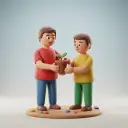 ...하는 방법을 알려주세요 ...haneun bangbeobeul allyeojuseyo Show me how to
이거 하는 방법을 알려주세요. Igeo haneun bangbeobeul allyeojuseyo. Show me how to do this.
-
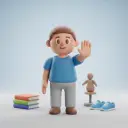 지금 ...ㄹ 수 없다 jigeum ...l su eopda I can't ... right now.
지금 도와줄 수 없어요. jigeum dowajul su eopsseoyo I can't help right now.
-
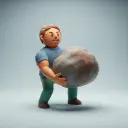 으려고 노력하다 euryeogo noryeokhada I’m trying to
지금 자려고 노력하고 있어요. jigeum jaryeogo noryeokhago isseoyo. I’m trying to sleep now.
-
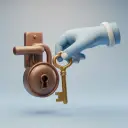 가능하다 ganeunghada Is it possible to ...?
여기서 수영이 가능해요? yeogiseo suyeongi ganeunghaeyo? Is it possible to swim here?
-
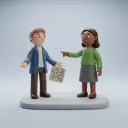 어디에서 ...ㄹ 수 있어요? eodieseo ...l su isseoyo? Where can I ...?
어디에서 점심을 먹을 수 있어요? eodieseo jeomsimeul meogeul su isseoyo? Where can I eat lunch?
-
 월요일 woryoil Monday
월요일은 첫 번째 날이에요. woryoileun cheot beonjjae narieyo. Monday is the first day.
-
 화요일 hwayoil Tuesday
화요일은 항상 재미있어요. hwayoireun hangsang jaemiisseoyo. Tuesday is always fun.
-
 수요일 suyoil Wednesday
그녀는 수요일에 집에 가요. geunyeoneun suyoire jibe gayo. She goes home Wednesday.
-
 목요일 mogyoil Thursday
그는 목요일에 와요. geuneun mogyoire wayo He comes on Thursday.
-
 금요일 geumyoil Friday
금요일이 가장 좋은 날이에요. geumyoili gajang joeun narieyo. Friday is the best day.
-
 토요일 toyoil Saturday
저는 토요일에 떠나요. jeoneun toyoire tteonayo. I leave on Saturday.
-
 일요일 iryoil Sunday
저는 일요일에 쉴 거예요. Jeoneun iryoire swil geoyeyo. I will rest on Sunday.
-
 평일 pyeongil weekday
그녀는 평일 아침마다 일해요. geunyeoneun pyeongil achimada ilhaeyo. She works every weekday morning.
-
 주말 jumal weekend
누가 주말을 안 좋아해요? nuga jumareul an joahaeyo? Who does not like the weekend?
-
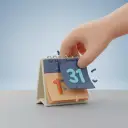 매일 maeil daily
우리는 매일 신문을 읽어요. urineun maeil sinmuneul ilgeoyo. We read the newspaper daily .
-
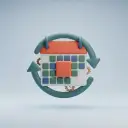 매주 maeju weekly
저는 보통 매주 뉴스를 봐요. jeoneun botong maeju nyuseureul bwayo. I usually watch the news weekly.
-
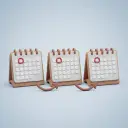 매달 maedal monthly
그들은 매달 요금을 내요. Geudeureun maedal yogemeul naeyo. They pay the monthly price.
-
 하루 haru day
우리는 하루 동안 기다렸어요. urineun haru dongan gidaryeosseoyo We waited for one day.
-
 밤 bam night
우리는 밤에 자요. urineun bame jayo We sleep at night.
-
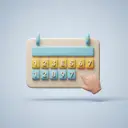 주 ju week
우리는 일주일 동안 머물렀어요. urineun iljuil dongan meomulleosseoyo We stayed for one week.
-
 달 dal month
그는 한 달 동안 일했습니다. geuneun han dal dongan ilhaetseumnida He worked for one month.
-
 년 nyeon year
우리는 일 년 동안 기다렸어요. urineun il nyeon dongan gidaryeosseoyo We waited for one year.
-
 시간 sigan time
우리는 시간이 더 필요해요. urineun sigani deo piryohaeyo We need more time.
-
 잠시 jamsi moment
그는 잠시 동안 기다렸습니다. geuneun jamsi dongan gidaryeotseumnida He waited for a moment.
-
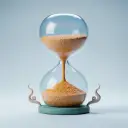 미래 mirae future
저는 미래에 대해 생각해요. jeoneun miraee daehae saenggakaeyo I think about the future.
Words 201–300
-
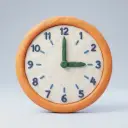 시 si o'clock
저는 일곱 시에 일어납니다. jeoneun ilgop sie ireonamnida I wake up at seven o'clock.
-
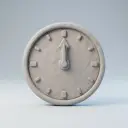 자정 jajeong midnight
우리는 자정에 출발할 거예요. urineun jajeonge chulbalhal geoyeyo We will leave at midnight.
-
 한낮 hannat midday
한낮에는 태양이 뜨겁습니다. hannajeneun taeyangi tteugeopsumnida The sun is hot at midday.
-
 오늘 밤 oneul bam tonight
손님들은 오늘 밤에 도착할 거예요. sonnimdeureun oneul bame dochakal geoyeyo The guests will arrive tonight.
-
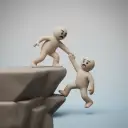 도와주다 dowajuda help
도와주세요! 제가 곤란해요. Dowajuseyo! Jega gonlanhaeyo. Help! I am in trouble.
-
 위험 wiheom danger
저희는 위험에 처해 있어요! jeohineun wiheome cheohae isseoyo! We are in danger!
-
 경찰 gyeongchal police
경찰을 불러요! gyeongchareul bulleoyo! Call the police!
-
 의사 uisa doctor
의사가 필요해요! uisaga piryohaeyo! I need a doctor!
-
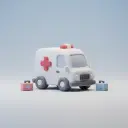 구급차 gugeupcha ambulance
구급차를 부르세요! gugeupchareul bureuseyo! Call an ambulance!
-
 소방관 sobanggwan firefighter
소방관들은 영웅이에요. Sobanggwandeureun yeongungieyo. The firefighters are heroes.
-
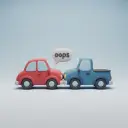 사고 sago accident
제가 사고가 났어요. Jega sagoga nasseoyo. I had an accident.
-
 보호하다 bohohada protect
경찰이 우리를 보호해요. gyeongchari urireul bohohaeyo. The police protect us.
-
 경고하다 gyeonggohada warn
제가 그들에게 경고해야 해요! Jega geudeurege gyeonggohaeya haeyo! I need to warn them!
-
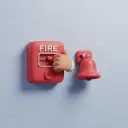 경보 gyeongbo alarm
경보가 울렸어요! gyeongboga ullyeosseoyo! The alarm went off!
-
 불 bul fire
불이 났어요! buri nasseoyo! There is a fire!
-
 연기 yeongi smoke
건물에서 연기가 나오고 있어요! geonmureseo yeongiga naogo isseoyo! Smoke is coming out of the building!
-
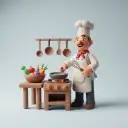 일하다 irada work as
그들은 병원 간호사로 일해요. Geudeureun byeongwon ganhosaro iraeyo. They work as hospital nurses.
-
 사다 sada buy
여기서 과일을 살 수 있어요. yeogiseo gwaireul sal su isseoyo. You can buy fruit here.
-
 내다 naeda pay
이것은 돈을 내야 해요. Igeoseun doneul naeya haeyo. You must pay for this.
-
 팔다 palda sell
여기서 신선한 과일을 팔아요. yeogiseo sinseonhan gwaireul parayo. They sell fresh fruit here.
-
 놓다 nota put
그는 책을 테이블 위에 놓아요. Geuneun chaegeul teibeul wie noayo. He puts the book on table.
-
 앉다 antta sit
에마는 그 의자에 앉아요. emaneun geu uijae anjayo Emma sits in that chair.
-
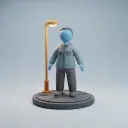 서다 seoda stand
저는 문 옆에 서요. jeoneun mun yeope seoyo I stand by the door.
-
 수영하다 suyeonghada swim
그들은 빨리 수영할 수 있어요. Geudeureun ppalli suyeonghal su isseoyo. They can swim fast.
-
 운전하다 unjeonhada drive
조심해서 운전해야 해요. josimhaeseo unjeonhaeya haeyo. You need to drive carefully.
-
 계획하다 gyehoekada plan
그들은 곧 방문을 계획해요. geudeureun got bangmuneul gyehoekaeyo They plan to visit soon.
-
 끝내다 kkeunnaeda finish
그는 나중에 숙제를 끝낼 수 있어요. geuneun najunge sukjereul kkeunnael su isseoyo. He can finish homework later.
-
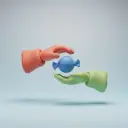 주다 juda give
저는 친구들에게 선물을 줘요. Jeoneun chingudeurege seonmureul jwoyo. I give presents to friends.
-
 열하나 yeolhana eleven
저는 항상 열한 개를 받아요. jeoneun hangsang yeolhan gaereul badayo. I always get eleven pieces.
-
 열둘 yeoldul twelve
달걀 한 팩에 열두 개가 있어요. dalgyal han paege yeoldu gaega isseoyo. There are twelve eggs in a carton.
-
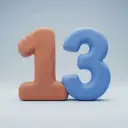 십삼 sipsam thirteen
숫자 십삼은 운이 나빠요. Sutja sipsameun uni nappayo. The number thirteen is unlucky.
-
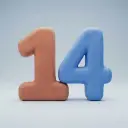 십사 ssipsa fourteen
아파트는 십사 층이에요. apateuneun ssipsa cheung-ieyo. The apartment has fourteen floors.
-
 십오 sibo fifteen
저는 책의 십오 페이지를 펴요. Jeoneun chaegi sibo peijireul pyeoyo. I open the book at page fifteen.
-
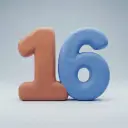 십육 simnyuk sixteen
그것은 십육 배 더 많아요! geugeoseun simnyuk bae deo manayo! That is sixteen times more!
-
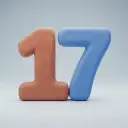 열일곱 yeorilgob seventeen
저희는 연필이 열일곱 자루 있어요. jeohuineun yeonpili yeorilgob jaru isseoyo. We have seventeen pencils.
-
 십팔 sip-pal eighteen
그것은 높이가 십팔 미터예요. Geugeoseun nopiga sip-pal miteoyeyo. It is eighteen meters high.
-
 열아홉 yeorahop nineteen
열아홉은 제가 제일 좋아하는 숫자예요. yeorahobeun jega jeil joaneun sutjayeoyo. Nineteen is my favourite number.
-
 스물 seumul twenty
그녀는 작은 사과 스무 개가 필요해요. geunyeoneun jageun sagwa seumu gaega piryo haeyo. She needs twenty small apples.
-
 서른 seoreun thirty
그는 서른 살이에요. geuneun seoreun sarieyo. He is thirty years old.
-
 백 baek hundred
그는 백까지 세었어요. geuneun baekkaji seoeosseoyo. He counted to one hundred.
-
 마흔 maheun forty
그녀는 연필을 모두 마흔 자루 가지고 있어요. Geunyeoneun yeonpireul modu maheun jaru gajigo isseoyo. She has forty pencils in total.
-
 오십 osip fifty
그는 오십 달러가 있어요. geuneun osipttalleoga isseoyo. He has fifty dollars.
-
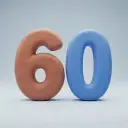 육십 yukssip sixty
존 씨는 육십 살이에요. Jon ssineun yukssip sarieyo. John is sixty years old.
-
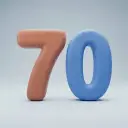 일흔 ilheun seventy
우리 할아버지는 일흔 살이세요. uri harabeojineun ilheun sariseyo. My grandpa is seventy years old.
-
 팔십 palssip eighty
저는 설탕 팔십 그램이 있어요. Jeoneun seoltang palssip geuraemi isseoyo. I have eighty grams of sugar.
-
 구십 gusip ninety
그는 읽을 책이 구십 권 있어요. geuneun ilgeul chaegi gusip gwon isseoyo. He has ninety books to read.
-
 천 cheon thousand
천은 큰 숫자예요. Cheoneun keun sutjaeyo. A thousand is a big number.
-
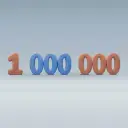 백만 baengman million
저 차는 백만 달러예요. jeo chaneun baengman dalleoyeoyo. That car costs a million dollars.
-
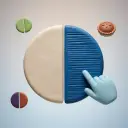 반 ban half
그는 피자 반을 먹었어요. geuneun pija baneul meogeosseoyo. He ate half the pizza.
-
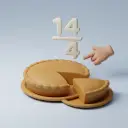 사분의 일 sabune il quarter
그것들 중 사분의 일만 남았어요. Geugeotdeul jung sabune ilman namasseoyo. There is only a quarter of them left.
-
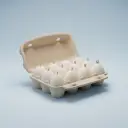 다스 daseu dozen
저는 가게에서 달걀 한 다스를 사요. jeoneun gageeseo dalgyal han daseureul sayo. I buy a dozen eggs at the store.
-
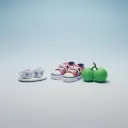 켤레 kyeolle pair
저 신발 한 켤레는 깨끗해요. jeo sinbal han kyeolleneun kkaekkeuthaeyo. That pair of shoes is clean.
-
 첫 번째 cheoppeonjjae first
그는 쉽게 첫 번째 자리를 차지했어요. Geuneun swipkke cheoppeonjjae jarireul chajihaesseoyo. He won first place easily.
-
 두 번째 du beonjjae second
여기는 제 두 번째예요. yeogineun je du beonjjaeyeyo. This is my second time here.
-
 세 번째 se beonjjae third
그들은 세 번째로 들어왔어요. geudeureun se beonjjaero deureowasseoyo. They finished in third place.
-
 네 번째 ne beonjjae fourth
저는 줄에서 네 번째예요. jeoneun jureseo ne beonjjaeyeyo. I am fourth in line.
-
 다섯 번째 daseon ppeonjjae fifth
그녀는 다섯 번째 줄에 있어요. geunyeoneun daseon ppeonjjae jure isseoyo. She is in the fifth row.
-
 여섯 번째 yeoseot ppeonjjae sixth
그는 여섯 번째 사람이에요. geuneun yeoseot ppeonjjae saramieyo. He is the sixth person.
-
 일곱 번째 ilgop ppeonjjae seventh
그들은 일곱 번째 층에 살아요. geudeureun ilgop ppeonjjae cheunge sarayo. They live on the seventh floor.
-
 여덟 번째 yeodeol beonjjae eighth
이것은 여덟 번째 사과예요. igeoseun yeodeol beonjjae sagwayeyo. This is the eighth apple.
-
 아홉째 ahomjae ninth
아홉째 날은 공휴일이에요. Ahomjae nareun gonghyuilieyo. The ninth day is a holiday.
-
 열 번째 yeol ppeonjjae tenth
그녀는 열 번째예요. geunyeoneun yeol ppeonjjaeyeyo She is the tenth place.
-
 열한 번째 yeolham beonjjae eleventh
그들은 열한 번째 기념일을 축하해요. Geudeureun yeolham beonjjae ginyeomireul chukhahaeyo. They celebrate their eleventh anniversary.
-
 열두 번째 yeoldu beonjjae twelfth
그것은 열두 번째 달이에요. geugeoseun yeoldu beonjjae darieyo. That is the twelfth month.
-
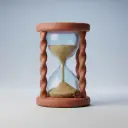 항상 hangsang always
저는 아침에 항상 커피를 마셔요. jeoneun achime hangsang keopireul masyeoyo. I always drink coffee in the morning.
-
 보통 botong usually
그는 보통 정오에 점심을 먹어요. Geuneun botong jeongoe jeomsimeul meogeoyo. He usually eats lunch at noon.
-
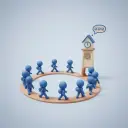 자주 jaju often
사람들은 여기서 자주 피자를 먹어요. Saramdeureun yeogiseo jaju pijareul meogeoyo. People often eat pizza here.
-
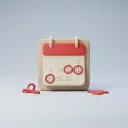 가끔 gakkeum sometimes
그녀는 가끔 도서관에 가요. Geunyeoneun gakkeum doseogwane gayo. She sometimes goes to the library.
-
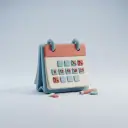 좀처럼 jomcheoreom rarely
저는 패스트푸드를 좀처럼 안 먹어요. Jeoneun paeseuteupudeureul jomcheoreom an meogeoyo. I rarely eat fast food.
-
 전혀 jeonyeo never
그 사람들은 그 가게에 전혀 가지 않아요. Geu saramdeureun geu gagee jeonyeo gaji anayo. They never go to that store.
-
 매일 maeil every day
저희는 매일 초콜릿을 먹어요. Jeohuineun maeil chokolliteul meogeoyo. We eat chocolate every day.
-
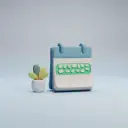 매주 maeju every week
그녀는 매주 수영해요. geunyeoneun maeju suyeonghaeyo. She swims every week.
-
 주말에 jumare on weekends
저는 주말에 집에서 쉬어요. Jeoneun jumare jibeseo swieoyo. I relax on weekends at home.
-
 아침에 achime in the morning
사람들은 아침에 아침을 먹어요. saramdeureun achime achimeul meogeoyo. People eat breakfast in the morning.
-
 밤에 bame at night
그들은 밤에 침대에서 자요. geudeureun bame chimdaeeseo jayo. They sleep at night in their beds.
-
 퇴근 후에 toeguen hue-e after work
그는 매일 퇴근 후에 쉬어요. Geuneun maeil toeguen hue-e swieoyo. He relaxes after work every day.
-
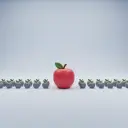 에 한 번 e han beon once a
저는 일주일에 한 번 가요. jeoneun iljuire han beon gayo. I go once a week.
-
 ~에 두 번 e du beon twice a
우리 아빠는 일주일에 두 번 방문해요. uri appaneun iljuire du beon bangmunhaeyo. My dad visits twice a week.
-
 격- gyeok every other
그들은 격주로 방문해요. Geudeureun gyeokjjuro bangmunhaeyo. They visit every other week.
-
 적어도 jeogeodo at least
그는 매일 사과를 적어도 한 개 먹어요. geuneun maeil sagwareul jeogeodo han gae meogeoyo. He eats at least one apple daily.
-
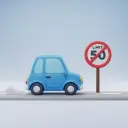 많아야 manaya at most
많아야 두 개 살 거예요. manaya du gae sal geoyeyo I will buy two at most.
-
 이상 isang more than
이것은 충분한 양 이상의 음식이에요. igeoseun chungbunhan yang isange eumsigieyo. This is more than enough food.
-
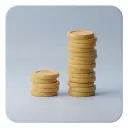 보다 적다 boda jeokda less than
지난번보다 적게 받았어요. jinanbeonboda jeokge badaseoyo You got less than last time.
-
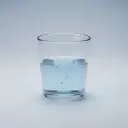 조금 jogeum a little
그는 도움이 조금 필요해요. geuneun doumi jogeum piryohaeyo. He needs a little help.
-
 조금 jogeum a bit
그녀는 케이크를 조금 먹었어요. geunyeoneun keikeureul jogeum meogeosseoyo. She ate a bit of cake.
-
 많이 mani a lot
저는 공부를 많이 해요. jeoneun gongbureul mani haeyo. I study a lot.
-
 너무 많이 neomu mani too much
그들은 케이크를 너무 많이 먹었어요. Geudeureun keikeureul neomu mani meogeosseoyo. They ate too much cake.
-
 부족하다 bujokada not enough
이 양은 부족해요. i yang-eun bujokaeyo. This amount is not enough.
-
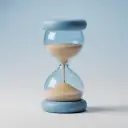 전 jeon ago
저는 이틀 전에 도착했어요. jeoneun iteul jeone dochakaesseoyo I arrived two days ago.
-
 곧 got soon
제 친구가 곧 도착할 거예요. je chinguga got dochakal geoyeyo My friend will arrive soon.
-
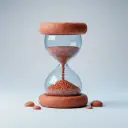 여전히 yeojeonhi still
저는 여전히 배가 고파요. jeoneun yeojeonhi baega gopayo I am still hungry.
-
 적 jeok ever
바다를 본 적이 있나요? Badareul bon jeogi innayo? Have you ever seen the ocean?
-
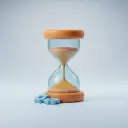 아직 ajik yet
제 친구가 아직 도착하지 않았어요. je chinguga ajik dochakhaji anasseoyo My friend has not arrived yet.
-
 당장 dangjang immediately
저는 당장 도움이 필요해요. jeoneun dangjang doumi piryohaeyo I need help immediately.
-
 아마 ama maybe
그녀는 아마도 나중에 올 거예요. geunyeoneun amado najunge ol geoyeyo Maybe she will come later.
-
 언젠가 eonjenga sometime
우리 언젠가 만나요. uri eonjenga mannayo We will meet sometime.
-
 언제든지 eonjedeunji anytime
언제든지 저희를 방문해 주세요. eonjedeunji jeohuireul bangmunhae juseyo You can visit us anytime.
-
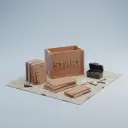 전에 jeone before
우리는 폭풍이 오기 전에 떠났습니다. urineun pokpungi ogi jeone tteonatsseumnida We left before the storm.
-
 후에 hue after
우리는 식사 후에 출발할 거예요. urineun siksa hue chulbalhal geoyeyo We will leave after the meal.
-
 요즘 yojeum nowadays
요즘은 사람들이 여행을 더 많이 다녀요. yojeumeun saramdeuri yeohaengeul deo mani danyeoyo People travel more nowadays.
Words 301–400
-
 일월 ilwol January
일월은 첫 번째 달이에요. ilworeun cheot beonjjae darieyo. January is the first month.
-
 2월 iwol February
2월은 보통 짧은 달이에요. iworeun botong jjalbeun darieyo. February is usually a short month.
-
 삼월 samwol March
저는 보통 삼월에 그들을 방문해요. jeoneun botong samwore geudeureul bangmunhaeyo. I usually visit them in March.
-
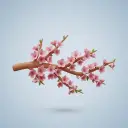 4월 sawol April
농구 경기는 4월에 있어요. nonggu gyeonggineun sawore isseoyo. The basketball game is in April.
-
 오월 owol May
제 기말고사는 오월에 있어요. Je gimalgosaneun owore isseoyo. My final exam is in May.
-
 유월 yuwol June
저는 유월까지 답을 알 거예요. jeoneun yuwolkkaji dabeul al geoyeyo. I will know the answer by June.
-
 칠월 chirwol July
칠월은 보통 매우 따뜻한 달이에요. Chirweoreun botong maeu ttatteutan darieyo. July is usually a very warm month.
-
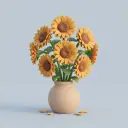 팔월 parwol August
팔월에 다시 만날 수 있어요? Parwore dasi mannal su isseoyo? Can we meet again in August?
-
 구월 guwol September
제 휴가는 구월에 있어요. Je hyuganeun guwore isseoyo. My vacation is in September.
-
 시월 siwol October
생일이 시월이에요? saeng-iri siworieyo? Is your birthday in October?
-
 11월 sibirweol November
왜 11월에 비가 와요? Wae sibirweore biga wayo? Why does it rain in November?
-
 12월 sibiwol December
12월은 마지막 달이에요. sibiworeun majimag darieyo. December is the last month.
-
 넘다 neomtta over
고양이가 상자를 뛰어넘어요. goyangiga sangjareul ttwieoneomeoyo The cat jumps over the box.
-
 아래 arae under
그들은 큰 나무 아래에 살아요. Geudeureun keun namu araee sarayo. They live under a big tree.
-
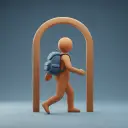 통해 tongae through
그는 문을 통해 걸어가요. Geuneun muneul tongae georeogayo. He walks through the door.
-
 따라 ttara along
우리는 해변을 따라 걸어요. urineun haebyeoneul ttara georeoyo. We walk along the beach.
-
 주변 jubyeon around
사람들이 공원 주변을 걸어요. saramdeuri gongwon jubyeoneul georeoyo People walk around the park.
-
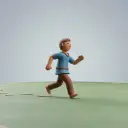 건너다 geonneoda across
저는 길을 건너요. Jeoneun gireul geonneoyo. I go across the street.
-
 안으로 aneuro into
그는 방 안으로 천천히 걸어 들어가요. geuneun bang aneuro cheoncheonhi georeo deureogayo. He walks slowly into the room.
-
 밖으로 bakkeuro out of
아이가 학교 밖으로 뛰어나가요. aiga hakgyo bakkeuro ttwieonagayo. The kid runs out of the school.
-
 위 wi up
그녀는 위를 보며 구름을 봐요. geunyeoneun wireul bomyeo gureumeul bwayo. She looks up at the clouds.
-
 아래 arae down
강아지가 공을 아래로 내려놓았어요. Gangajiga gongeul araero naeryeonoasseoyo. The dog put the ball down.
-
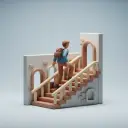 위층 wiching upstairs
저는 자러 위층에 가요. jeoneun jareo wichinge gayo. I go upstairs to bed.
-
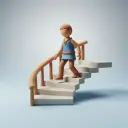 아래층 araecheung downstairs
아래층에서 소리가 들려요. araecheungeseo soriga deullyeoyo. I hear noises downstairs.
-
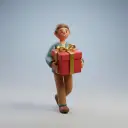 가져오다 gajyeooda bring
그들은 파티에 음식을 가져와요. Geudeureun patie eumsigeul gajyeowayo. They bring food to the party.
-
 가져가다 gajeogada take
항상 제 펜을 가져가요. hangsang je peneul gajeogayo. You always take my pen.
-
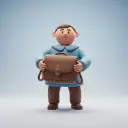 들다 deulda carry
그는 상자를 들 수 있어요. geuneun sangjareul deul su isseoyo. He can carry the box.
-
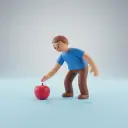 찾다 chattda pick up
택배를 찾을 수 있어요? taekbaereul chajeul su isseoyo? Can you pick up the package?
-
 떨어뜨리다 tteoreotteurida drop
제가 핸드폰을 떨어뜨리면 깨질 거예요. Jega haendeuponeul tteoreotteurimyeon kkaejil geoyeyo. If I drop the phone, it will break.
-
 건네다 geonneda pass
소금 좀 건네줄 수 있어요? Sogeum jom geonnejul su isseoyo? Can you pass me the salt?
-
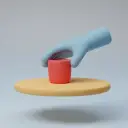 내려놓다 naeryeonota put down
저희는 배낭을 내려놨어요. Jeohuineun baenangeul naeryeonwaseoyo. We put down our backpacks.
-
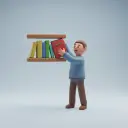 치우다 chiuda put away
저는 제 장난감을 치워요. jeoneun je jangnanggameul chiwoyo I put away my toys.
-
 내놓다 naenota take out
그녀는 쓰레기를 내놓을 거예요. Geunyeoneun sseuregireul naenoeul geoyeoyo. She will take out the trash.
-
 걸다 geolda hang up
그들은 코트를 걸어요. Geudeureun koteureul georeoyo. They hang up their coats.
-
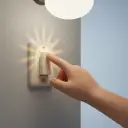 켜다 kyeoda turn on
불을 켜요. bureul kyeoyo You turn on the light.
-
 끄다 kkeuda turn off
누가 라디오를 꺼 줄 수 있어요? nuga radio-reul kkeo jul su isseoyo? Can someone turn off the radio?
-
 뛰어넘다 ttwieoneomda jump
고양이가 담장을 뛰어넘어요. Goyangiga damjang-eul ttwieoneomeoyo. The cat jumps over the wall.
-
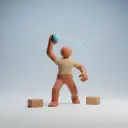 던지다 deonjida throw
소년이 돌을 던집니다. sonyeoni doreul deonjimnida The boy throws the stone.
-
 잡다 japda catch
그는 공을 잡아요. geuneun gongeul jabayo He catches the ball.
-
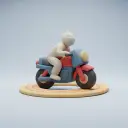 타다 tada ride
소년이 말을 탑니다. sonyeoni mareul tamnida The boy rides a horse.
-
 날다 nalda fly
새들이 하늘을 날아요. saedeuri haneureul narayo The birds fly in the sky.
-
 기다 gida crawl
아기가 바닥에서 기고 있어요. Agiga badageseo gigo isseoyo. The baby crawls on the floor.
-
 건너뛰다 geonneottwida skip
그녀는 첫 페이지를 건너뛰었습니다. geunyeoneun cheot peijireul geonneottwieossseumnida She skipped the first page.
-
 차다 chada kick
아이가 공을 찹니다. Aiga gongeul chamnida. The child kicks the ball.
-
 튀다 twida bounce
공이 바닥에서 튑니다. Gongi badageseo twimnida. The ball bounces on the ground.
-
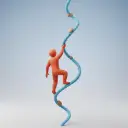 올라가다 ollagada climb
고양이가 나무에 올라가요. goyangiga namue ollagayo The cat climbs the tree.
-
 다이빙하다 daibinghada dive
소년이 물속으로 다이빙해요. sonyeoni mulsogeuro daibinghaeyo The boy dives into the water.
-
 미끄러지다 mikkeureojida slide
상자가 바닥에서 미끄러집니다. Sangjaga badageseo mikkeureojimnida. The box slides on the floor.
-
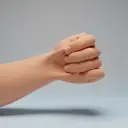 꼬집다 kkojipda pinch
그가 제 팔을 꼬집었어요. geuga je pareul kkojibeosseoyo He pinched my arm.
-
 꽉 쥐다 kkwak jwida squeeze
그녀는 내 손을 꽉 쥐어요. geunyeoneun nae soneul kkwak jwieoyo. She squeezes my hand.
-
 찌르다 jjireuda poke
아이가 제 팔을 찔렀어요. Aiga je pareul jjilleosseoyo. The child poked my arm.
-
 쓰다듬다 sseudadeumda stroke
소년이 강아지를 쓰다듬어요. sonyeoni gangajireul sseudadeumeoyo The boy strokes the dog.
-
 비비다 bibida rub
저는 피곤한 눈을 비벼요. jeoneun pigonhan nuneul bibyeoyo I rub my tired eyes.
-
 꼬다 kkoda twist
그 남자는 밧줄을 꼽니다. geu namjaneun batjureul kkomnida The man twists the rope.
-
 흔들다 heundeulda shake
아기가 장난감을 흔들어요. Agiga jangnangameul heundeureoyo. The baby shakes the toy.
-
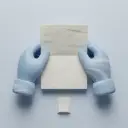 접다 jeopda fold
저는 종이를 접어요. jeoneun jongireul jeobeoyo I fold the paper.
-
 누르다 nureuda press
그녀는 빨간 버튼을 누릅니다. geunyeoneun ppalgan beoteuneul nureumnida She presses the red button.
-
 매다 maeda attach
그는 밧줄을 맬 것입니다. geuneun batjureul mael geosimnida He will attach the rope.
-
 당기다 danggida pull
그 남자는 무거운 밧줄을 당깁니다. geu namjaneun mugeoun batjureul dang-gimnida The man pulls the heavy rope.
-
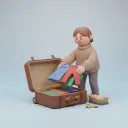 싸다 ssada pack
저는 가방을 쌉니다. jeoneun gabangeul ssamnida I pack my bag.
-
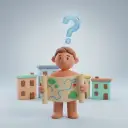 ... 어디에 있어요? eodie isseoyo? Where is the ...?
호텔이 어디에 있어요? hoteri eodie isseoyo? Where is the hotel?
-
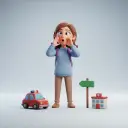 근처에 ... 있어요? geuncheoe ... isseoyo? Is there a ... nearby?
근처에 은행이 있어요? geuncheoe eunhaengi isseoyo? Is there a bank nearby?
-
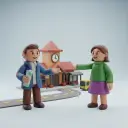 어떻게 가요? eotteoke gayo? How do I get to ...?
학교에 어떻게 가요? hakgyoe eotteoke gayo? How do I get to school?
-
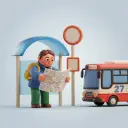 어느 버스가 가요? eoneu beoseuga gayo? Which bus goes to ...?
시내에 어느 버스가 가요? sinaee eoneu beoseuga gayo? Which bus goes to town?
-
 몇 호선이 ...에 가요? myeochoseoni ...e gayo? Which line goes to ...?
박물관에 몇 호선이 가요? Bangmulgwane myeochoseoni gayo? Which line goes to the museum?
-
 얼마나 걸려요? eolmana geollyeoyo? How long does it take?
얼마나 걸리는지 궁금해요. eolmana geollineunji gunggeumhaeyo. I wonder how long does it take.
-
 얼마나 멀어요? eolmana meoreoyo? How far is it?
얼마나 멀어요? eolmana meoreoyo? How far is it?
-
 지도에서 보여줄 수 있어요? jidoeseo boyeojul su isseoyo? Can you show me on the map?
지도에서 보여줄 수 있어요? jidoeseo boyeojul su isseoyo? Can you show me on the map?
-
 찾다 chatta I'm looking for
그들은 화장실을 찾고 있어요. geudeureun hwajangsireul chatkko isseoyo. They are looking for a restroom.
-
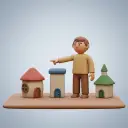 가장 가깝다 gajang gakkaptta The nearest
가장 가까운 가게는 저 아래에 있어요. gajang gakkaun gageneun jeo araee isseoyo. The nearest store is down there.
-
 에 가다 e gada Does this go to ...?
이거 식당에 가요? igeo sikdang-e gayo? Does this go to the restaurant?
-
 어디서 내려요? eodiseo naeryeoyo? Which stop for ...?
시내에 가려면 어디서 내려요? sinaee garyeomyeon eodiseo naeryeoyo? Which stop for downtown?
-
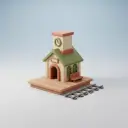 역 yeok station
그들은 기차역에서 기다려요. Geudeureun gichayeogeseo gidaryeoyo. They wait at the train station.
-
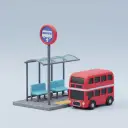 버스 정류장 beoseu jeongnyujang bus stop
버스 정류장이 근처에 있어요. beoseu jeongnyujangi geuncheoe isseoyo. The bus stop is nearby.
-
 지하철역 jihacheollyeok subway station
이 지하철역은 아주 붐벼요. I jihacheollyeogeun aju bumbyeoyo. This subway station is very crowded.
-
 호텔 hotel hotel
온라인으로 호텔을 예약할 수 있어요. onlain-euro hotel-eul yeyakal su isseoyo. You can book a hotel online.
-
 약국 yak-kkuk pharmacy
마크 씨는 약국에서 일해요. Makeu ssineun yak-kku-geseo ilhaeyo. Mark works at the pharmacy.
-
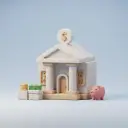 은행 eunaeng bank
그는 은행에 가요. geuneun eunaenge gayo He goes to the bank.
-
 화장실 hwajangsil restroom
여기는 깨끗한 화장실이에요. yeogineun kkaekkeutan hwajangsilieyo. This is a clean restroom.
-
 슈퍼마켓 syupeomaket supermarket
우리는 슈퍼마켓에서 음식을 사요. urineun syupeomakeseo eumsigeul sayo. We buy food at the supermarket.
-
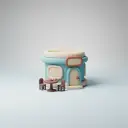 식당 sikdang restaurant
그들은 그 식당을 정말 좋아해요. Geudeureun geu sikdangeul jeongmal joahaeyo. They like that restaurant a lot.
-
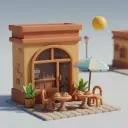 카페 kape café
제인은 카페에서 일해요. Jein-eun kape-eseo ilhaeyo. Jane works at the café.
-
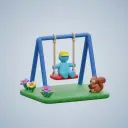 공원 gongwon park
그녀는 초록색 공원을 좋아해요. geunyeoneun chorokssaek gongwoneul joahaeyo. She likes the green park.
-
 병원 byeongwon hospital
병원은 아픈 사람들을 도와줘요. Byeongwoneun apeun saramdeureul dowajwoyo. A hospital helps sick people.
-
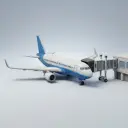 공항 gonghang airport
우리는 공항에 도착했습니다. urineun gonghange dochakaesseumnida We arrived at the airport.
-
 경기장 gyeonggijang stadium
우리는 경기장에 갔어요. urineun gyeonggijange gasseoyo We went to the stadium.
-
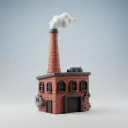 공장 gongjang factory
이 공장은 옷을 만들어요. i gongjang-eun oseul mandeureoyo This factory makes clothes.
-
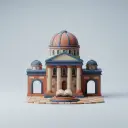 대학교 daehakgyo university
그녀는 대학교에서 공부해요. geunyeoneun daehakgyoeseo gongbuhaeyo She studies at the university.
-
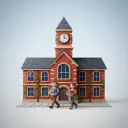 대학교 daehakgyo college
그녀는 대학교에서 공부해요. geunyeoneun daehakgyoeseo gongbuhaeyo She studies at the college.
-
 동아리 dongari club
우리는 스포츠 동아리에 가입했습니다. urineun seupocheu dongarie gaiphaetsseumnida We joined the sports club.
-
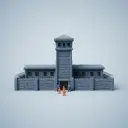 교도소 gyodoso prison
범죄자가 교도소에서 탈출했습니다. beomjuejaga gyodosoeseo talchulhaetsseumnida The criminal escaped from prison.
-
 탑 tap tower
높은 탑이 보여요. nopen tapi boyeoyo I see the tall tower.
-
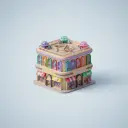 쇼핑몰 syopingmol mall
저는 쇼핑몰에서 신발을 샀어요. jeoneun syopingmoraeseo sinbareul sasseoyo I bought shoes at the mall.
-
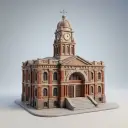 시청 sicheong town hall
우리는 시청에서 만났어요. urineun sicheongeseo mannasseoyo We met at the town hall.
-
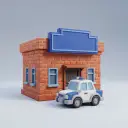 경찰서 gyeongchalseo police station
경찰서가 보여요. gyeongchalseoga boyeoyo I see the police station.
-
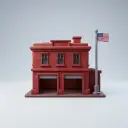 소방서 sobangseo fire station
저는 소방서 근처에 살아요. jeoneun sobangseo geuncheoe sarayo I live near the fire station.
-
 좌회전하다 jwahoejeonhada Turn left.
여기서 좌회전해요. yeogiseo jwahoejeonnaeyo Turn left here.
-
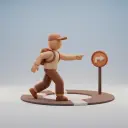 우회전하다 uhoejeonhada Turn right.
교차로에서 우회전하세요. gyocharoeseo uhoejeonhaseyo. Turn right at the intersection.
-
 똑바로 가다 ttokbaro gada Go straight ahead.
학교로 똑바로 가요. hakgyoro ttokbaro gayo. Go straight ahead to school.
-
 가깝다 gakkaptta It's near.
가까워요. gakkawoyo. It's near.
Words 401–500
-
 멀다 meolda It's far.
멀어요. meoreoyo It's far.
-
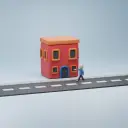 길 건너편 gilkkeonneopyeon Across the street.
그는 길 건너편에 살아요. geuneun gilkkeonneopyeone sarayo. He lives across the street.
-
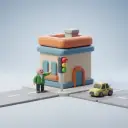 모퉁이에서 motungieseo At the corner.
그녀는 모퉁이에서 기다리고 있어요. Geunyeoneun motungieseo gidarigo isseoyo. She is waiting at the corner.
-
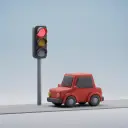 신호등에서 sinhodeungeseo At the traffic light.
우리는 신호등에서 멈췄어요. urineun sinhodeungeseo meomchwosseoyo. We stopped at the traffic light.
-
 교차로에 gyocharoe At the intersection.
술집은 교차로에 있어요. Suljibeun gyocharoe isseoyo. The bar is at the intersection.
-
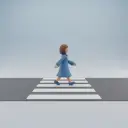 횡단보도 hoengdanbodo Crosswalk.
저 횡단보도는 아주 안전해요. jeo hoengdanbodoneun aju anjeonhaeyo. That crosswalk is very safe.
-
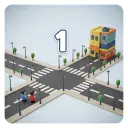 한 블록 떨어져 han beullok tteoreojeo One block away.
박물관은 한 블록 떨어져 있어요. bangmulgwaneun han beullok tteoreojeo isseoyo. The museum is one block away.
-
 표지판을 따라가다 pyojipaneul ttaragada Follow the signs.
안전한 곳으로 표지판을 따라가세요. anjeonhan goseuro pyojipaneul ttaragaseyo. Follow the signs to safety.
-
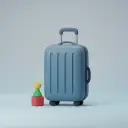 여행 가방 yeohaeng gabang suitcase
벌써 여행 가방을 다 쌌어요? beolsseo yeohaeng gabangeul da ssasseoyo? Did you pack your suitcase already?
-
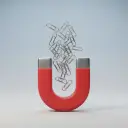 자석 jaseok magnet
작은 자석은 선물이에요. jageun jaseogeun seonmurieyo. The small magnet is a present.
-
 머리빗 meoribit hairbrush
그녀는 머리빗을 못 찾아요. Geunyeoneun meoribiseul mot chajayo. She can’t find her hairbrush.
-
 베개 begae pillow
이 베개는 부드럽고 따뜻해요. i begaeneun budeureopgo ttatteuthaeyo. This pillow is soft and warm.
-
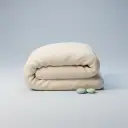 담요 damyo blanket
추우면 담요를 가져가세요. chuumyeon damyoreul gajeogaseyo. Take a blanket if you are cold.
-
 매트리스 maeteuriseu mattress
우리 새 매트리스는 정말 편해요. uri sae maeteuriseuneun jeongmal pyeonhaeyo. Our new mattress is really comfortable.
-
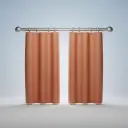 커튼 keoteun curtain
커튼을 열어 주세요, 어두워요. keoteuneul yeoreo juseyo, eoduwoyo. Please open the curtain, it's dark.
-
 블라인드 beullaindeu blinds
저는 보통 밤에 블라인드를 내려요. Jeoneun botong bame beullaindeureul naeryeoyo. I usually close the blinds at night.
-
 카펫 kapet carpet
카펫 아래에 먼지가 있어요. kapet araee meonjiga isseoyo. There is dust under the carpet.
-
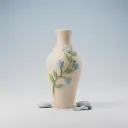 꽃병 kkonmyeong vase
이 꽃병은 비싸 보여요. I kkonmyeongeun bissa boyeoyo. This vase looks expensive.
-
 빗자루 bitjjaru broom
이 아파트에 빗자루가 있어요? i apateue bitjjaruga isseoyo? Does this apartment have a broom?
-
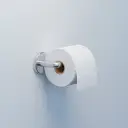 휴지 hyuji toilet paper
이런, 휴지가 다 떨어졌어요! Ireon, hyujiga da tteoreojyeosseoyo! Oh no, the toilet paper’s gone!
-
 털 teol wool
그 양은 털이 아주 두껍습니다. geu yangeun teori aju dukkeopseumnida The sheep has thick wool.
-
 금속 geumsok metal
우리는 나무와 금속이 필요합니다. urineun namuwa geumsogi piryohamnida We need wood and metal.
-
 플라스틱 peullaseutik plastic
그녀는 플라스틱 그릇을 씻어요. geunyeoneun peullaseutik geureoseul ssiseoyo She washes the plastic bowl.
-
 가죽 gajuk leather
저는 새 가죽 가방을 샀어요. jeoneun sae gajuk gabangeul sasseoyo I bought a new leather bag.
-
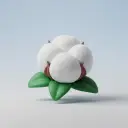 목화 mokhwa cotton
농부는 목화를 재배합니다. nongbuneun mokhwareul jaebaehamnida The farmer grows cotton.
-
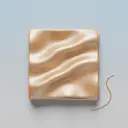 비단 bidan silk
이 비단은 매우 부드러워요. i bidaneun maeu budeureowo-yo This silk is very soft.
-
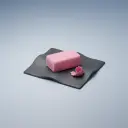 고무 gomu rubber
그 공은 고무로 만들어졌습니다. geu gong-eun gomuro mandeureojyeotseumnida The ball is made of rubber.
-
 데님 denim denim
그는 두꺼운 데님 원단을 샀어요. geuneun duggeoun denim wondaneul sass-eoyo He bought thick denim fabric.
-
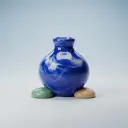 도자기 dojagi ceramic
그녀는 도자기 그릇을 닦았습니다. geunyeoneun dojagi geureoseul dakkasseumnida She washed the ceramic bowl.
-
 대리석 daeriseok marble
그들은 하얀 대리석을 깎았습니다. geudeureun hayan daeriseogeul kkakkasseumnida They cut the white marble.
-
 벽돌 byeokdol brick
그는 빨간 벽돌을 들고 있습니다. geuneun ppalgan byeokdoreul deulgo itseumnida He holds a red brick.
-
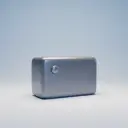 강철 gangcheol steel
그들은 그 도구들을 강철로 만듭니다. geudeureun geu dogudeureul gangcheollo mandeumnida. They make the tools from steel.
-
 뒤 dwi behind
저 건물 뒤에 있어요. jeo geonmul dwie isseoyo. It is behind that building.
-
 앞 ap in front of
그녀는 제 앞에 있어요. Geunyeoneun je ape isseoyo. She is in front of me.
-
 사이 sai between
공원은 두 집 사이에 있어요. Gongwoneun du jip saie isseoyo. The park is between two houses.
-
 옆 yeop next to
저 가게는 우리 집 옆에 있어요. jeo gageneun uri jip yeope isseoyo. That store is next to my house.
-
 반대 bandae opposite
우리는 반대 방향으로 가요. urineun bandae banghyangeuro gayo. We go the opposite direction.
-
 맞은편 majeunpyeon across from
저희는 가게 맞은편에 살아요. jeohwineun gage majeunpyeone sarayo. We live across from the store.
-
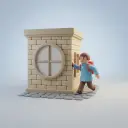 모퉁이 근처 motungi geuncheo around the corner
그분은 이제 모퉁이 근처에 살아요. Geubuneun ije motungi geuncheoe sarayo. She lives around the corner now.
-
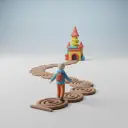 쪽으로 jjogeuro towards
아이들이 큰 나무 쪽으로 걸어요. aideuri keun namu jjogeuro georeoyo. The kids walk towards the big tree.
-
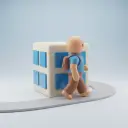 지나가다 jinagada past
다리를 지나가야 해요. darireul jinagaya haeyo. You need to go past the bridge.
-
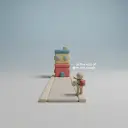 길 끝 gil kkeut at the end of the street
저는 길 끝에 살아요. jeoneun gil kkeute sarayo I live at the end of the street.
-
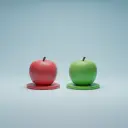 왼쪽 oenjjok on the left
그녀는 왼쪽에 주차해요. geunyeoneun oenjjoge juchahaeyo. She parks on the left side.
-
 오른쪽에 oreunjjoge on the right
오른쪽에 있어요. oreunjjoge isseoyo They are on the right.
-
 위에 wie above
해가 산 위에 떠 있습니다. haega san wie tteo itseumnida The sun is above the mountain.
-
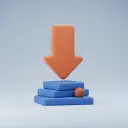 아래에 araee below
마을은 산 아래에 있습니다. maeureun san araee itseumnida The village is below the mountain.
-
 맨 위에 maen wie on top
상자가 맨 위에 있어요. sangjaga maen wie isseoyo The box is on top.
-
 근처에 geuncheoe near
저는 강 근처에 살아요. jeoneun gang geuncheoe sarayo I live near the river.
-
 한가운데 hangaunde in the middle
그는 한가운데에 서 있습니다. geuneun hangaundee seo itseumnida He stands in the middle.
-
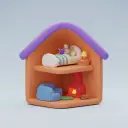 안에 ane inside
강아지가 집 안에 있어요. gangajiga jip ane isseoyo The dog is inside the house.
-
 장소 jangso place
우리는 안전한 장소를 찾았습니다. urineun anjeonhan jangsoreul chajatseumnida We found a safe place.
-
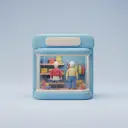 가게 gage store
우리는 가게에서 음식을 사요. urineun gageeseo eumsigeul sayo We buy food at the store.
-
 집 jip house
그 가족은 저 집에 살아요. geu gajogeun jeo jibe sarayo The family lives in that house.
-
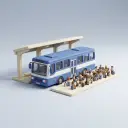 버스 터미널 beoseu teomineol bus station
나는 버스 터미널에서 기다려요. naneun beoseu teomineoreseo gidaryeoyo I wait at the bus station.
-
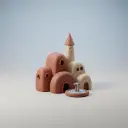 도심 dosim city center
저는 도심 근처에 살아요. jeoneun dosim geuncheoe sarayo I live near the city center.
-
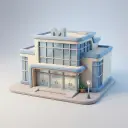 쇼핑몰 syopingmol shopping mall
그 쇼핑몰은 정말 커요. geu syopingmoreun jeongmal keoyo The shopping mall is very big.
-
 분수 bunsu fountain
저 분수는 물이 매우 맑아요. jeo bunsuneun muri maeu malgayo. That fountain has very clear water.
-
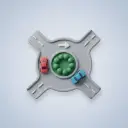 회전교차로 hoejeongyocharo roundabout
이 회전교차로는 교통에 도움이 돼요. i hoejeongyocharoneun gyotonge doumi dwaeyo This roundabout helps the traffic.
-
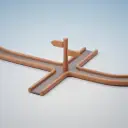 교차로 gyocharo crossroads
우리는 교차로에서 멈췄어요. Urineun gyocharoeseo meomchwosseoyo. We stopped at the crossroads.
-
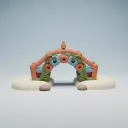 다리 dari bridge
사람들이 다리를 걸어서 건너요. saramdeuri darireul georeoseo geonneoyo. People walk across the bridge.
-
 터널 teoneol tunnel
차가 터널을 지나가요. chaga teoneoreul jinagayo The car drives through a tunnel.
-
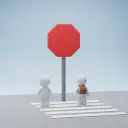 정지 표지판 jeongji pyojipan stop sign
정지 표지판을 지켜야 해요. jeongji pyojipaneul jikyeoya haeyo. You need to respect the stop sign.
-
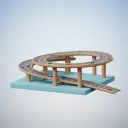 육교 yukkyo overpass
집 근처에 육교를 지었어요. Jip geuncheoe yukkyoreul jieosseoyo. They built an overpass near home.
-
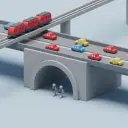 지하도 jihado underpass
저희는 지하도로 걸어갈 거예요. jeohuineun jihadoro georeogal geoyeyo. We will walk through the underpass.
-
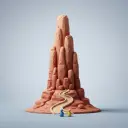 랜드마크 raendeumakeu landmark
랜드마크는 강 근처에 있어요. Raendeumakeuneun gang geuncheoe isseoyo. The landmark is near the river.
-
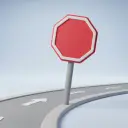 교통 표지판 gyotong pyojipan traffic sign
이 교통 표지판은 정지라는 뜻이에요. i gyotong pyojipaneun jeongjiraneun tteusieyo. This traffic sign means stop.
-
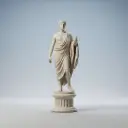 동상 dongsang statue
그는 아름다운 동상을 봤어요. Geuneun areumdaun dongsangeul bwasseoyo. He saw the beautiful statue.
-
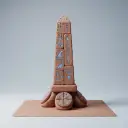 기념비 gimnyeombi monument
그들은 높은 기념비를 방문했어요. geudeureun nopeun gimnyeombireul bangmunhaesseoyo. They visited the tall monument.
-
 북쪽 bukjjok north
이 도시의 북쪽은 흥미로워요. i dosie bukjjogeun heungmirowoyo The north of this city is interesting.
-
 남쪽 namjjok south
바람이 남쪽에서 불어옵니다. Barami namjjogeseo bureoomnida. The wind comes from the south.
-
 동쪽 dongjjok east
바람이 동쪽에서 불어옵니다. Barami dongjjogeseo bureoomnida. The wind comes from the east.
-
 서쪽 seojjok west
해는 서쪽으로 져요. haeneun seojjogeuro jeoyo The sun sets in the west.
-
 북동쪽 bukdongjjok northeast
벤 씨는 북동쪽 지역에 살아요. Ben ssineun bukdongjjok jiyeoge sarayo. Ben lives in the northeast area.
-
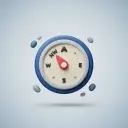 북서쪽 buksseojjok northwest
그 주는 북서쪽에 있어요. Geu juneun buksseojjoge isseoyo. That state is in the northwest.
-
 남동쪽 namdongjjok southeast
그는 남동쪽 지역에 살아요. geuneun namdongjjok jiyeoge sarayo. He lives in the southeast region.
-
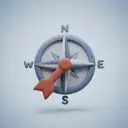 남서쪽 namseojjok southwest
그들은 남서쪽으로 운전해서 갔어요. Geudeureun namseojjogeuro unjeonhaeseo gasseoyo. They drove to the southwest.
-
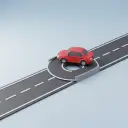 유턴 yuteon U-turn
이것은 유턴이에요. Igeoseun yuteonieyo. This is a U-turn.
-
 막다른 길 makdareun gil dead end
저 길은 막다른 길이에요. jeo gireun makdareun girieyo. That street is a dead end.
-
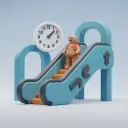 에스컬레이터 eseukeolleiteo escalator
에스컬레이터가 꼭대기 층까지 올라가요. eseukeolleiteoga kkokdaegi cheungkkaji ollagayo The escalator takes you to the top floor.
-
 경사로 gyeongsaro ramp
휠체어는 경사로가 필요해요. Hwilcheoneun gyeongsaroga piryohaeyo. Wheelchairs require ramps.
-
 날씨 nalssi weather
오늘 날씨가 좋아요. oneul nalssiga joayo. This is nice weather today.
-
 화창하다 hwachanghada sunny
그는 화창한 날을 좋아해요. geuneun hwachanghan nareul joayo. He likes a sunny day.
-
 흐리다 heurida cloudy
그들은 흐린 오후를 예상해요. geudeureun heurin ohureul yesanghaeyo. They expect a cloudy afternoon.
-
 비가 오다 biga oda rainy
비가 오는 날은 아늑할 수 있어요. biga oneun nareun aneukalssu isseoyo. A rainy day can be cozy.
-
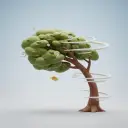 바람이 불다 barami bulda windy
밖에 바람이 불어요. bakke barami bureoyo It is windy outside.
-
 뜨겁다 tteugeopda hot
이 차는 아주 뜨거워요. i chaneun aju tteugeowoyo. This tea is very hot.
-
 차다 chada cold
겨울에는 찬 바람이 불어요. gyeoureneun chan barami bureoyo. The cold wind blows in winter.
-
 따뜻하다 ttatteutada warm
오늘 해변은 따뜻했어요. oneul haebyeoneun ttatteutaesseoyo It was warm at the beach today.
-
 봄 bom spring
꽃들은 봄을 좋아해요. Kkotteureun bomeul joahaeyo. The flowers love the spring.
-
 여름 yeoreum summer
여름은 아주 더운 계절이에요. yeoreumeun aju deoun gyejeorieyo. Summer is a very hot season.
-
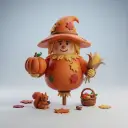 가을 gaeul autumn
가을은 제가 제일 좋아하는 계절이에요. Gaeureun jega jeil joahaneun gyejeorieyo. Autumn is my favorite season.
-
 겨울 gyeoul winter
여기는 겨울이 아주 추울 수 있어요. yeogineun gyeouri aju chuul su isseoyo. Winter can be very cold here.
-
 해 hae sun
하늘에 해가 떠 있어요. haneure haega tteo isseoyo The sun shines in the sky.
-
 달 dal Moon
밝은 달이 보여요. balgeun dari boyeoyo I see the bright moon.
-
 별 byeol star
밝은 별이 보여요. balgeun byeori boyeoyo I see a bright star.
-
 하늘 haneul sky
새들이 하늘을 날아다녀요. saedeuri haneureul naradanyeoyo Birds fly in the sky.
-
 구름 gureum cloud
먹구름이 해를 가리고 있어요. meokgureumi haereul garigo isseoyo A dark cloud hides the sun.
-
 비 bi rain
하늘에서 비가 내려요. haneureseo biga naeryeoyo The rain falls from the sky.
-
 바람 baram wind
우리는 찬 바람을 느껴요. urineun chan barameul neukkyeoyo We feel the cold wind.
-
 폭풍 pokpung storm
강한 폭풍이 나무들을 부러뜨렸습니다. ganghan pokpungi namudeureul bureotteuryeotseumnida The strong storm broke the trees.
Words 501–600
-
 무지개 mujigae rainbow
하늘에 무지개가 떴어요. haneure mujigaega tteosseoyo I see a rainbow in the sky.
-
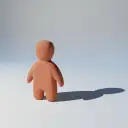 그림자 geurimja shadow
어두운 그림자가 보여요. eoduun geurimjaga boyeoyo I see a dark shadow.
-
 노을 noeul sunset
우리는 아름다운 노을을 구경했어요. urineun areumdaun noeureul gugyeonghaesseoyo We watched the beautiful sunset.
-
 천둥 cheondung thunder
우리는 커다란 천둥소리를 들었습니다. urineun keodaran cheondungsorireul deureotsseumnida We heard the loud thunder.
-
 우산 usan umbrella
그녀는 빨간 우산을 가지고 있어요. geunyeoneun ppalgan usaneul gajigo isseoyo She has a red umbrella.
-
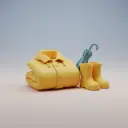 우비 ubi raincoat
이 우비는 저를 따뜻하게 해줘요. i ubineun jeoreul ttatteuthage haejwoyo. This raincoat keeps me warm.
-
 예보 yebo forecast
저는 매일 일기 예보를 봐요. jeoneun maeil ilgi yeboreul bwayo. I watch the weather forecast everyday.
-
 그늘 geuneul shade
더운 날에는 그늘이 필요해요. Deoun nareneun geuneuri piryohaeyo. We need shade on a hot day.
-
 뇌우 noeu thunderstorm
뇌우는 많은 비를 동반해요. noeuneun maneun bireul dongbanhaeyo. A thunderstorm brings heavy rain.
-
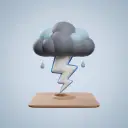 번개 beongae lightning
그는 어젯밤에 밝은 번개를 봤어요. Geuneun eojembame balgeun beongaereul bwass-eoyo. He saw bright lightning last night.
-
 안개 angae fog
그들은 짙은 안개 속을 운전했어요. geudeureun jiteun angae sogeul unjeonhaesseoyo. They drove through thick fog.
-
 눈 nun snow
이것은 깨끗하고 하얀 눈이에요. igeoseun kkaekkeuthago hayan nunieyo. This is fresh, white snow.
-
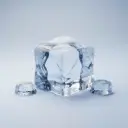 얼음 eoreum ice
우리는 음료수에 얼음을 넣어요. urineun eumnyosue eoreumeul neoeoyo. We put ice in our drinks.
-
 우박 ubak hail
밖에 우박이 정말 많이 내려요. bakke ubagi jeongmal mani naeryeoyo That is a lot of hail outside.
-
 미끄럽다 mikkeureopda slippery
그녀는 미끄러운 얼음 위에서 넘어졌어요. Geunyeoneun mikkeureoun eoreum wieseo neomeojeosseoyo. She fell on the slippery ice.
-
 기온 gion temperature
그들은 매일 기온을 확인해요. geudeureun maeil gioneul hwaginhaeyo They check the temperature daily.
-
 숲 sup forest
숲은 나무로 가득해요. sumeun namuro gadeukaeyo A forest is full of trees.
-
 강 gang river
강은 시원하고 맑은 물이 있어요. gangeun siwonhago malgeun muri isseoyo. The river has cool, clear water.
-
 호수 hosu lake
그녀는 깊은 호수에서 수영해요. Geunyeoneun gipeun hosueseo suyeonghaeyo. She swims in the deep lake.
-
 산 san mountain
그들은 높은 산을 올랐어요. geudeureun nobeun saneul ollasseoyo. They climbed the tall mountain.
-
 자연 jayeon nature
피터 씨는 자연을 사랑해요. piteo ssineun jayeoneul saranghaeyo. Peter loves the nature.
-
 해안 haean coast
이곳은 아름다운 해안이에요. igoseun areumdaun haeanieyo. This is a beautiful coast.
-
 섬 seom island
그는 작은 섬에 살아요. geuneun jageun seome sarayo. He lives on a small island.
-
 사막 samak desert
사막은 매우 건조한 곳이에요. samageun maeu geonjohan gosieyo. A desert is a very dry place.
-
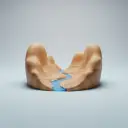 계곡 gyegok valley
계곡이 푸르고 넓어요. gyegogi pureugo neolbeoyo The valley is green and wide.
-
 폭포 pokpo waterfall
그들은 아름다운 폭포를 봤어요. geudeureun areumdaun pokporeul bwasseoyo. They saw a beautiful waterfall.
-
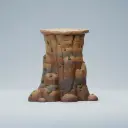 절벽 jeolbyeok cliff
저 절벽은 아주 높아요. Jeo jeolbyeogeun aju nopayo. That cliff is very high.
-
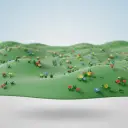 초원 chowon meadow
그녀는 초원에서 걷는 것을 좋아해요. geunyeoneun chowoneoseo geonneun geoseul joahaeyo. She likes to walk in meadows.
-
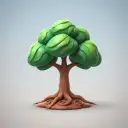 나무 namu tree
강아지가 나무 아래에서 자고 있어요. gangajiga namu araeeseo jago isseoyo The dog sleeps under the tree.
-
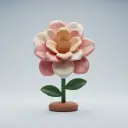 꽃 kkot flower
빨간 꽃이 아름다워요. ppalgan kkoti areumdawoyo The red flower is beautiful.
-
 나뭇잎 namunnip leaf
나무에서 나뭇잎이 떨어졌어요. namueseo namunnipi tteoreojyeosseoyo A leaf fell from the tree.
-
 풀 pul grass
소가 풀을 먹습니다. soga pureul meokseumnida The cow eats the grass.
-
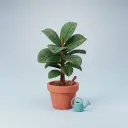 식물 singmul plant
그 식물은 초록색 잎을 가지고 있습니다. geu singmureun choroksaek ipeul gajigo itseumnida The plant has green leaves.
-
 바위 bawi rock
그 남자는 무거운 바위를 들어 올렸습니다. geu namjaneun mugeoun bawireul deureo ollyeotseumnida The man lifted the heavy rock.
-
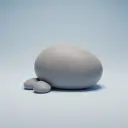 돌 dol stone
저는 무거운 돌을 발견했어요. jeoneun mugeoun doreul balgyeonhaesseoyo I found a heavy stone.
-
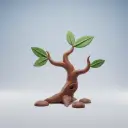 나뭇가지 namutgaji branch
새가 나뭇가지에 앉아 있어요. saega namutgajie anja isseoyo The bird sits on the branch.
-
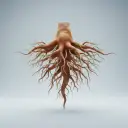 뿌리 ppuri root
이 식물은 뿌리가 길어요. i singmureun ppuriga gireoyo This plant has a long root.
-
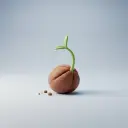 씨앗 ssiat seed
농부가 씨앗을 심습니다. nongbuga ssiaseul simseumnida The farmer plants the seed.
-
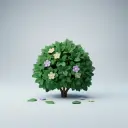 덤불 deombul bush
새가 덤불 속에 숨어 있어요. saega deombul soge sumeo isseoyo The bird hides in the bush.
-
 나무 namu wood
불을 피우려면 나무가 필요해요. bureul piuryeomyeon namuga piryohaeyo I need wood for the fire.
-
 세상 sesang world
세상은 정말 넓어요. sesangeun jeongmal neolbeoyo The world is very big.
-
 도시 dosi city
많은 사람들이 도시에 살아요. maneun saramdeuri dosie sarayo Many people live in the city.
-
 나라 nara country
그는 다른 나라에 살고 있어요. geuneun dareun narae salgo isseoyo He lives in another country.
-
 마을 maeul town
우리는 작은 마을에 살아요. urineun jageun maeure sarayo We live in a small town.
-
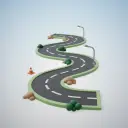 도로 doro road
이 도로는 매우 깁니다. i doroneun maeu gimnida This road is very long.
-
 언덕 eondeok hill
그 집은 언덕 위에 있어요. geu jibeun eondeok wie isseoyo The house is on the hill.
-
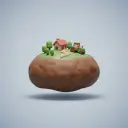 육지 yukji land
선원들은 육지를 보았습니다. seonwondeureun yukjireul boatseumnida The sailors saw the land.
-
 공기 gonggi air
나는 깨끗한 공기를 마셔요. naneun kkaekkeuthan gonggireul masyeoyo I breathe the clean air.
-
 바다 bada ocean
물고기는 바다에 삽니다. mulgogineun badae samnida Fish live in the ocean.
-
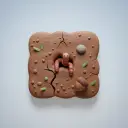 땅 ttang ground
그 남자는 땅에 앉아 있습니다. geu namjaneun ttange anja itseumnida The man sits on the ground.
-
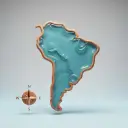 지역 jiyeok region
우리는 추운 지역에 살아요. urineun chuun jiyeoge sarayo We live in a cold region.
-
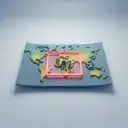 구역 guyeok area
많은 사람들이 이 구역에 삽니다. maneun saramdeuri i guyeoge samnida. Many people live in this area.
-
 해변 haebyeon beach
저는 해변을 좋아해요. Jeoneun haebyeoneul joahaeyo. I like the beach.
-
 바다 bada sea
바다가 파래요. badaga paraeyo. The sea is blue.
-
 파도 pado waves
그들은 바다 파도를 봐요. Geudeureun bada padoreul bwayo. They watch the ocean waves.
-
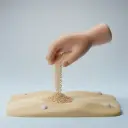 모래 morae sand
그녀는 따뜻하고 부드러운 모래를 좋아해요. geunyeoneun ttatteuthago budeureoun moraereul joahaeyo. She likes warm, soft sand.
-
 선크림 seonkeurim sunscreen
저는 맑은 날에 선크림을 발라요. jeoneun malgeun nare seonkeurimeul ballayo I use sunscreen on sunny days.
-
 파라솔 parasol beach umbrella
저 파라솔은 알록달록해요. jeo parasoreun allokdallokhaeyo. That beach umbrella is colorful.
-
 조리 jori flip-flops
이 조리는 편해요. i jorineun pyeonhaeyo. These flip-flops are comfortable.
-
 수영복 suyeongbok swimsuit
그녀는 새 수영복이 있어요. geunyeoneun sae suyeongbogi isseoyo She has a new swimsuit.
-
 수영복 suyeongbok swim trunks
수영복을 잊지 마세요. suyeongbogeul itji maseyo. Don't forget your swim trunks.
-
 인명 구조원 inmyeong gujowon lifeguard
인명 구조원은 수영하는 사람들을 안전하게 지켜요. inmyeong gujowoneun suyeonghaneun saramdeureul anjeonhage jikyeoyo. The lifeguard keeps swimmers safe.
-
 만조 manjo high tide
만조는 아주 축축해요. manjoneun aju chukchukaeyo. High tide is very wet.
-
 일광 화상 ilgwang hwasang sunburn
그 일광 화상이 꽤 아파 보여요. geu ilgwang hwasang-i kkwae apa boyeoyo. That sunburn looks quite painful.
-
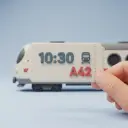 표 pyo ticket
그녀는 기차표가 있어요. geunyeoneun gichapyoga isseoyo. She has a train ticket.
-
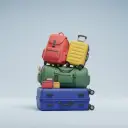 짐 jim luggage
짐을 어디에 둬요? Jimeul eodie dwoyo? Where do we put our luggage?
-
 티켓 판매기 tiket panmaegi ticket machine
티켓 판매기에서 살 거예요. tiket panmaegieseo sal geoyeyo. I will buy it at the ticket machine.
-
 승강장 seunggangjang platform
저기는 기차 승강장이에요. Jeogineun gicha seunggangjangieyo. That is the train platform.
-
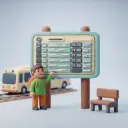 시간표 siganpyo timetable
그녀는 시간표를 읽어요. Geunyeoneun siganpyoreul ilgeoyo. She reads the timetable.
-
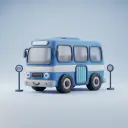 버스 beoseu bus
우리 버스를 기다리고 있어요? uri beoseureul gidarigo isseoyo? Are we waiting for a bus?
-
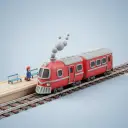 기차 gicha train
기차가 아주 현대적이에요. gichaga aju hyeondaejeogieyo The train is very modern.
-
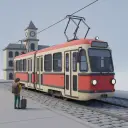 트램 teuraem tram
가장 빠른 방법은 트램이에요. Gajang ppareun bangbeobeun teuraemieyo. The fastest way is with tram.
-
 택시 taeksi taxi
택시 요금이 얼마예요? taeksi yog금이 eolmayeyo? How much does the taxi cost?
-
 제시간에 jesigane on time
제시간에 도착하는 것이 중요해요. jesigane dochakhaneun geosi jungyohaeyo. It is important to arrive on time.
-
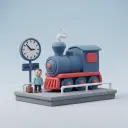 지연되다 jiyeondoeda delayed
그 비행기는 지연됐어요. geu bihaenggineun jiyeondwaesseoyo. That flight was delayed.
-
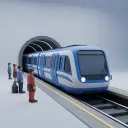 지하철 jihacheol metro
지하철은 지하로 다녀요. Jihacheoreun jiharo danyeoyo. A metro runs underground.
-
 차 cha car
그는 새 차를 샀어요. geuneun sae chareul sasseoyo He bought a new car.
-
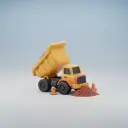 트럭 teureok truck
그 남자는 큰 트럭을 운전합니다. geu namjaneun keun teureogeul unjeonhamnida The man drives a big truck.
-
 자전거 jajeon-geo bike
나는 학교에 자전거를 타고 가요. naneun hakgyoe jajeon-georeul tago gayo I ride my bike to school.
-
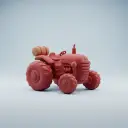 트랙터 teuraekteo tractor
농부는 커다란 트랙터를 운전합니다. nongbuneun keodaran teuraekteoreul unjeonhamnida The farmer drives a large tractor.
-
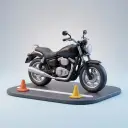 오토바이 otobai motorcycle
그는 빠른 오토바이를 탑니다. geuneun ppareun otobaireul tamnida He rides a fast motorcycle.
-
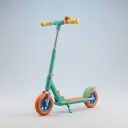 스쿠터 sukuteo scooter
아이가 스쿠터를 타요. aiga sukuteoreul tayo The child rides a scooter.
-
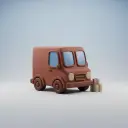 승합차 seunghapcha van
그는 커다란 승합차를 운전합니다. geuneun keodaran seunghapchareul unjeonhamnida He drives a large van.
-
 운전사 unjeonsa driver
운전사가 차를 세웠습니다. unjeonsaga chareul sewotseumnida The driver stopped the car.
-
 교통 gyotong traffic
오늘은 교통 흐름이 매우 느려요. oneureun gyotong heureumi maeu neuryeoyo The traffic is very slow today.
-
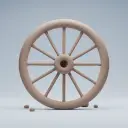 바퀴 bakwi wheel
그는 고장 난 바퀴를 고쳤습니다. geuneun gojang nan bakwireul gochyeotseumnida He fixed the broken wheel.
-
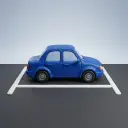 주차 jucha parking
우리는 주차 공간을 찾았어요. urineun jucha gongganeul chajasseoyo We found a parking space.
-
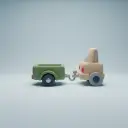 트레일러 teureilleo trailer
트럭이 트레일러를 끌고 갑니다. teureogi teureilleoreul kkeulgo gamnida The truck pulls the trailer.
-
 비행기 bihaenggi plane
비행기가 공항에 착륙합니다. bihaenggiga gonghange changnyukhamnida The plane lands at the airport.
-
 보트 boteu boat
작은 보트가 보입니다. jageun boteuga boimnida. I see a small boat.
-
 배 bae ship
큰 배가 대양을 건너갑니다. keun baega daeyangeul geonneogamnida The large ship crosses the ocean.
-
 헬리콥터 hellikopteo helicopter
헬리콥터가 하늘을 날아요. hellikopteoga haneureul narayo The helicopter flies in the sky.
-
 로켓 roket rocket
로켓이 하늘로 날아갑니다. rokesi haneullo naragamnida The rocket flies into the sky.
-
 우주선 ujuseon spaceship
우주선이 달에 착륙했습니다. ujuseoni dare changnyukhaetsseumnida The spaceship landed on the moon.
-
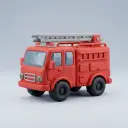 소방차 sobangcha fire engine
소방차는 물을 싣고 다닙니다. sobangchaneun mureul sitgo danimnida The fire engine carries water.
-
 제트기 jeteugi jet
제트기는 매우 빠르게 납니다. jeteugineun maeu ppareuge namnida The jet flies very fast.
-
 카약 kayak kayak
그녀는 카약에 앉아 있습니다. geunyeoneun kayage anja itseumnida She sits in the kayak.
-
 뗏목 ttemmok raft
우리는 나무 뗏목을 만들었습니다. urineun namu ttemmogeul mandeureotseumnida We built a wooden raft.
-
 카누 kanu canoe
그는 작은 카누를 젓고 있습니다. geuneun jageun kanureul jeotgo itseumnida He paddles the small canoe.
-
 범선 beomseon sailboat
바람이 범선을 움직입니다. barami beomseoneul umjigimnida The wind moves the sailboat.
Words 601–700
-
 가격 gagyeok price
가격이 보여요? gagyeogi boyeoyo? Do you see the price?
-
 싸다 ssada cheap
그는 싼 신발을 샀어요. geuneun ssan sinbareul sasseoyo. He bought cheap shoes.
-
 비싸다 bissada expensive
저 차는 비싸 보여요. jeo chaneun bissa boyeoyo. That car looks expensive.
-
 현금 hyeongeum cash
그녀는 현금이 좀 필요한 것 같아요. Geunyeoneun hyeongeumi jom piryohan geotkkattayo. I think she needs some cash.
-
 신용카드 sinyongkadeu credit card
신용카드로 결제할 수 있어요. sinyongkadeuro gyeoljehal su isseoyo. I can pay with my credit card.
-
 영수증 yeongsujeung receipt
영수증 좀 주시겠어요? yeongsujeung jom jusigesseoyo? Can I get the receipt please?
-
 계산서 gyesanseo bill
누가 계산서를 낼 거예요? Nuga gyesanseoreul nael kkeoyeyo? Who is going to pay the bill?
-
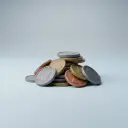 거스름돈 geoseureumdon change
저는 돈을 내고 거스름돈을 받았어요. Jeoneun doneul naego geoseureumdoneul badaseoyo. I paid and got some change.
-
 동전 dongjeon coin
저는 동전이 몇 개 있어요. jeoneun dongjeoni myeot kkae isseoyo. I have a few coins.
-
 지폐 jipye banknote
저것은 무슨 지폐예요? Jeogeoseun museun jipye yeyo? What kind of banknote is that?
-
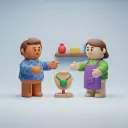 이게 얼마예요? ige eolmayeyo? How much is this?
이게 얼마예요? ige eolmayeyo? How much is this?
-
 카드로 결제할 수 있어요? kadeuro gyeoljehal su isseoyo? Can I pay by card?
카드로 결제할 수 있어요? kadeuro gyeoljehal su isseoyo? Can I pay by card?
-
 통화 tonghwa currency
그 통화는 매우 강해요. Geu tonghwaneun maeu ganghaeyo. That currency is very strong.
-
 환율 hwallyul exchange rate
이 환율은 정말 안 좋아요. i hwallyureun jeongmal an joayo. This exchange rate is horrible.
-
 환전소 hwanjeonso exchange office
환전소가 필요해요. hwanjeonsoga piryohaeyo We need an exchange office.
-
 수수료 susuryo commission
수수료를 내야 해요? susuryoreul naeya haeyo? Do you have to pay a commission?
-
 외화 oehwa foreign currency
저것은 외화예요. jeogeoseun oehwayeyo. That is foreign currency.
-
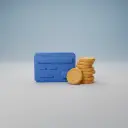 카드 결제 kadeu gyeolje card payment
카드 결제가 되었어요. kadeu gyeoljega doeosseoyo. The card payment went through.
-
 비접촉식 bijeopchokssik contactless
이것은 비접촉식 결제예요. igeoseun bijeopchokssik gyeoljaeyeyo. This is a contactless payment.
-
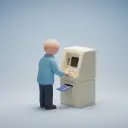 비밀번호 bimilbeonho PIN code
저는 비밀번호를 잊어버렸어요. Jeoneun bimilbeonhoreul ijeobeoryeosseoyo. I forgot my PIN code.
-
 출금 수수료 chulgeum susuryo withdrawal fee
그들은 출금 수수료를 냈어요. geudeureun chulgeum susuryoreul naesseoyo. They paid the withdrawal fee.
-
 일일 한도 ilil hando daily limit
그녀는 일일 한도에 도달했어요. geunyeoneun ilil handoe dodaraesseoyo. She reached the daily limit.
-
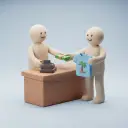 환불 hwanbul refund
환불을 받으실 거예요. hwanbureul badeusil geoyeyo. You will receive a refund.
-
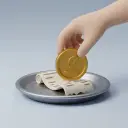 봉사료 bongsa-ryo service charge
봉사료가 포함되어 있어요. Bongsa-ryo ga pohamdoeeo isseoyo. A service charge is included.
-
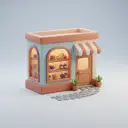 가게 gage shop
여기는 제가 가장 좋아하는 가게예요. yeogineun jega gajang joahaneun gageyeyo. This is my favourite shop.
-
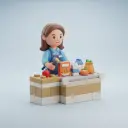 계산원 gyesanwon cashier
그분은 새로운 계산원이에요. Geubuneun saeroun gyesanwonieyo. She is the new cashier.
-
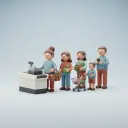 줄 jul queue
이 줄이 아주 길어요. i juri aju gireoyo. This queue is very long.
-
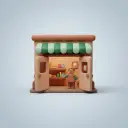 열다 yeolda open
가게가 오늘 문을 열어요. gagega oneul muneul yeoreoyo The shop is open today.
-
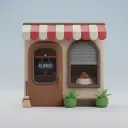 닫다 datta closed
아쉽게도 약국이 문을 닫았어요. a-swip-kke-do yak-gu-gi mu-neul da-da-sseo-yo Sadly, the pharmacy is closed.
-
 가격표 gagyepyo price tag
그들은 가격표를 봤어요. geudeureun gagyepyo-reul bwasseoyo. They saw the price tag.
-
 할인 harin discount
저는 여기 할인을 정말 좋아해요. Jeoneun yeogi harineul jeongmal joahaeyo. I love their discounts.
-
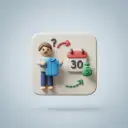 반품 규정 banpum gyujeong return policy
이 반품 규정은 공정한 것 같아요. i banpum gyujeongeun gongjeonghan geot gatayo. This return policy seems fair.
-
 보증 bojeung warranty
보증이 구매를 보호해요. bojeungi gumaereul bohohaeyo A warranty protects your purchase.
-
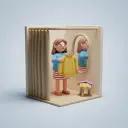 탈의실 tarisil fitting room
그들은 탈의실을 이용했어요. geudeureun tarisireul iyeonghaesseoyo. They used the fitting room.
-
 쇼핑 카트 syoping kateu shopping cart
쇼핑 카트가 필요해요. syoping kateuga piryohaeyo. We need a shopping cart.
-
 손님 sonnim customer
손님은 항상 옳아요. sonnimeun hangsang orayo The customer is always right.
-
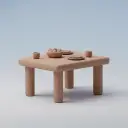 테이블 teibeul table
이 샐러드를 테이블 위에 놓아 줄 수 있어요? i saelleodeureul teibeul wie noa jul su isseoyo? Can you put this salad on the table?
-
 메뉴 menyu menu
그곳은 메뉴가 아주 많아요. Geugoseun menyuga aju manayo. They have a large menu.
-
 예약 yeyak reservation
저희 예약이 있어요. jeoi yeyagi isseoyo We have a reservation.
-
 종업원 jongeomwon server
종업원들이 열심히 일해요. jongeomwondeuri yeolsimhi ilhaeyo. The servers are working hard.
-
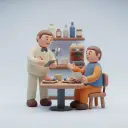 주문 jumun order
저희는 지금 주문을 해요. jeohineun jigeum jumuneul haeyo We place our order now.
-
 물 mul water
그녀는 차가운 물을 마셔요. Geunyeoneun chagaun mureul masyeoyo. She drinks cold water.
-
 커피 keopi coffee
그들은 진한 커피를 마셔요. geudeureun jinhan keopireul masyeoyo. They drink strong coffee.
-
 차 cha tea
겨울에 따뜻한 차가 최고예요. gyeoure ttatteuthan chaga choegoyeyo Hot tea in the winter is the best.
-
 맥주 maekju beer
맥주 하나 더 주세요. Maekju hana deo juseyo. I'd like another beer, please.
-
 와인 wain wine
이 와인으로 주시겠어요? i wain euro jusigesseoyo? Can we have this wine, please?
-
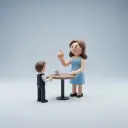 계산서 주세요 gyesanseo juseyo The bill, please.
계산서 주세요. gyesanseo juseyo The bill, please.
-
 맛있다 masitta delicious
그 파이는 맛있어요! geu paineun masisseoyo! That pie is delicious!
-
 에피타이저 epitaijeo starter
먼저 에피타이저를 주문할게요. meonjeo epitaijeoreul jumunhalgeyo. We will order a starter first.
-
 메인 요리 mein yori main course
저는 메인 요리를 정말 좋아해요. Jeoneun mein yorireul jeongmal joahaeyo. I love the main course.
-
 디저트 dijeoteu dessert
그녀는 디저트를 좋아해요. geunyeoneun dijeoteureul joaeyo She likes the dessert.
-
 오늘의 특선 oneuri teukseon today's special
저것은 오늘의 특선이에요. jeogeoseun oneuri teukseonieyo. That is today's special.
-
 오늘의 메뉴 oneure menyu menu of the day
오늘의 메뉴가 있어요. oneure menyuga isseoyo They have the menu of the day.
-
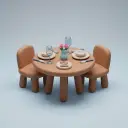 두 명 자리 du myeong jari table for two
두 명 자리가 필요해요. du myeong jariga piryo haeyo We need a table for two.
-
 ~ 이름으로 예약하다 ireumeuro yeyakada reservation under
스미스 씨 이름으로 예약했어요. Seumiseu ssi ireumeuro yeyakaesseoyo. She has reservation under Smith.
-
 수돗물 sudonmul tap water
저는 보통 수돗물을 마셔요. Jeoneun botong sudonmureul masyeoyo. I usually drink tap water.
-
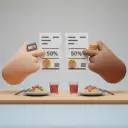 나누어 내다 nanueo naeda split the bill
우리는 나누어 낼 수 있어요. urineun nanueo nael su isseoyo. We can split the bill.
-
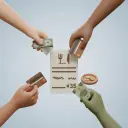 같이 계산하다 gachi gyesanhada pay together
저희가 같이 계산할 거예요. Jeohuiga gachi gyesanhal geoyeyo. We will pay together.
-
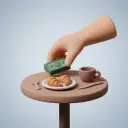 팁 tip tip
저는 항상 팁을 많이 줘요. jeoneun hangsang tibeul mani jwoyo. I always give big tips.
-
 카운터에서 계산하다 kaunteoeseo gyesanhada pay at the counter
카운터에서 계산할 수 있어요? kaunteoeseo gyesanhal su isseoyo? Can we pay at the counter?
-
 사이즈 saijeu size
이 사이즈는 너무 작아요. I saijeuneun neomu jagayo. This size is too small.
-
 맞다 matta fits
그녀는 아직도 예전 청바지가 맞아요. geunyeoneun ajikdo yejeon cheongbajiga majayo. She still fits her old jeans.
-
 너무 크다 neomu keuda too big
이 셔츠는 너무 큰 것 같아요. i syeocheuneun neomu keun geot kkattayo I think this shirt is too big.
-
 너무 작다 neomu jakda too small
아쉽게도 이 신발은 너무 작아요. aswipkkedo i sinbareun neomu jagayo. Unfortunately, this shoe is too small.
-
 써 보다 sseo boda try on
저희는 새 모자를 써 봐요. jeohineun sae mojareul sseo bwayo. We try on new hats.
-
 검은색 geomeunsaek black
벤 씨는 검은색 셔츠를 입어요. Ben ssineun geomeunsaek sheocheureul ibeoyo. Ben wears a black shirt.
-
 하얗다 hayata white
그녀는 하얀 바지를 입어요. geunyeoneun hayan bajireul ibeoyo She wears white pants.
-
 빨갛다 ppalgata red
빨간 장미가 최고이지 않나요? ppalgan jangmiga choegoiji annayo? Aren't red roses the best?
-
 파란색 paransaek blue
파란색이 가장 좋아하는 색이에요? paransaegi gajang joaneun saegieyo? Is blue your favourite color?
-
 초록색 chorokssaek green
초록색 드레스로 하실래요? chorokssaek deureseuro hasillaeyo? Would you take the green dress?
-
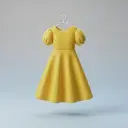 노랗다 norata yellow
그녀는 노란 셔츠를 좋아해요. geunyeoneun noran syeocheureul joahaeyo. She likes yellow shirts.
-
 색깔 saekkkal color
무슨 색깔을 좋아해요? museun saekkkareul joahaeyo? What color do you like?
-
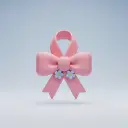 분홍색 bunhongsaek pink
분홍색 꽃이 보여요. bunhongsaek kkochi boyeoyo I see a pink flower.
-
 보라색 borasaek purple
보라색 꽃이 보여요. borasaek kkochi boyeoyo I see a purple flower.
-
 갈색 galsaek brown
저는 갈색 개를 보고 있어요. jeoneun galsaek gaereul bogo isseoyo I see a brown dog.
-
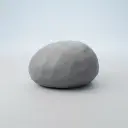 회색 hoesaek gray
그 고양이는 회색이에요. geu goyangineun hoesaegieyo The cat is gray.
-
 금색 geum golden
반지는 금색이에요. Banjineun geumsaegieyo. The ring is golden.
-
 은색 eunsaek silver
자동차는 은색이에요. Jadongchaneun eunsaegieyo. The car is silver.
-
 베이지색 beijisaek beige
그녀는 베이지색 셔츠를 입고 있어요. geunyeoneun beijisaek syeocheureul ipgo isseoyo She wears a beige shirt.
-
 남색 haegun navy
그의 재킷은 남색이에요. Geuui jaekiseun namsaegieyo. His jacket is navy.
-
 밝다 bakda bright
햇빛이 정말 밝아요. haetbichi jeongmal balgayo The sun is very bright.
-
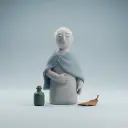 창백하다 changbaekhada pale
아픈 아이가 창백합니다. Apeun aiga changbaekhamnida. The sick child is pale.
-
 어둡다 eodupda dark
방이 아주 어두워요. Bangi aju eoduwoyo. The room is very dark.
-
 줄무늬의 julmunuiui striped
그는 줄무늬 셔츠를 입고 있어요. geuneun julmunui syeocheureul ipgo isseoyo He wears a striped shirt.
-
 방 bang room
방이 마음에 들어요? bangi maeume deureoyo? Are you happy with your room?
-
 문 mun door
이 문은 교체해야 해요. i muneun gyochehaeya haeyo. This door needs to be replaced.
-
 열쇠 yeolsoe key
열쇠를 잃어버린 것 같아요. yeolsoereul ireobeorin geot gatayo. I think I lost my key.
-
 창문 changmun window
창문이 아주 깨끗해요. Changmuni aju kkaekkeutaeyo. The window is very clean.
-
 빛 bit light
이 방은 빛이 많이 들어와요. i bangeun bichi mani deureowayo. This room gets a lot of light.
-
 스위치 seuwichi switch
전등 스위치는 벽에 있어요. Jeondeung seuwichineun byeoge isseoyo. The switch for the light is on the wall.
-
 침대 chimdae bed
저는 아직 침대를 사야 해요. jeoneun ajik chimdaereul saya haeyo. I still need to buy a bed.
-
 부엌 bueok kitchen
이 부엌은 아주 깨끗해요. i bueokeun aju kkaekkeutaeyo. This kitchen is very clean.
-
 화장실 hwajangsil bathroom
그녀는 화장실을 자주 사용해요. Geunyeoneun hwajangsireul jaju sayonghaeyo. She uses the bathroom often.
-
 샤워 syawo shower
그들은 매일 샤워를 해요. Geudeureun maeil syaworeul haeyo. They take a shower daily.
-
 와이파이 waipai Wi-Fi
이 바에 와이파이 있어요? I bae waipai isseoyo? Does this bar have Wi-Fi?
-
 주소 juso address
주소가 뭐예요? jusoga mwoyeyo? What is your address?
-
 두통 dutong headache
두통은 절대 즐겁지 않아요. Dutongeun jeoldae jeulgeopjji anayo. A headache is never fun.
-
 열 yeol fever
그는 열이 심해요. geuneun yeori simaeyo He has a bad fever.
-
 기침 gichim cough
제 기침이 안 멈춰요. Je gichimi an meomchwoyo. My cough is not going away.
-
 목이 아프다 mogi apeuda sore throat
메리 씨는 목이 아파요. Meri ssineun mogi apayo. Marry has a sore throat.
Words 701–800
-
 콧물 konmul runny nose
저건 콧물이에요. jeogeon konmurieyo. That is a runny nose.
-
 어지럽다 eojireoptta dizzy
빙글빙글 돌고 나서 어지러워요. binggeulbinggeul dolgo naseo eojireowoyo I feel dizzy after spinning.
-
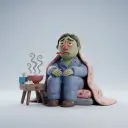 아프다 apeuda sick
그녀는 오늘 아주 아파요. geunyeoneun oneul aju apayo. She feels very sick today.
-
 약 yak medicine
약을 먹는 것을 잊지 마세요. Yageul meongneun geoseul itji maseyo. Do not forget to take your medicine.
-
 처방전 cheobangjeon prescription
손님, 이게 처방전이에요? Sonnim, ige cheobangjeonieyo? Is this your prescription, sir?
-
 의사 uisa doctor
의사는 많은 사람들을 도와요. uisaneun maneun saramdeureul dowayo. A doctor helps a lot of people.
-
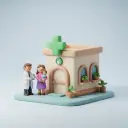 약국 yakguk pharmacy
우리는 가끔 약국에 가요. urineun gakkeum yakguge gayo. We visit the pharmacy sometimes.
-
 의원 uiwon clinic
할아버지는 지금 의원에 계세요. Harabeojineun jigeum uiwone gyeseyo. Grandpa is currently at the clinic.
-
 관광 정보 gwangwang jeongbo tourist information
표지판은 관광 정보를 제공해요. pyojipaneun gwangwang jeongboreul jegonghaeyo. The sign provides tourist information.
-
 도서관 doseogwan library
도서관은 사람들로 가득해요. Doseogwaneun saramdeullo gadeukaeyo. The library is full of people.
-
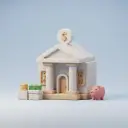 은행 eunhaeng bank
아빠는 아직 은행에 가야 해요. appaneun ajik eunhaenge gaya haeyo. Dad still needs to go to the bank.
-
 미용사 miyongsa hairdresser
그녀는 미용사를 좋아해요. geunyeoneun miyongsareul joahaeyo. She likes the hairdresser.
-
 이발사 ibalsa barber
저 이발사는 매일 머리를 잘라요. jeo ibalsaneun maeil meorireul jallayo. That barber cuts hair everyday.
-
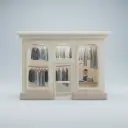 세탁소 setakso dry cleaner
이 정장은 세탁소에 맡겨야 해요. I jeongjang-eun setakso-e matkkyeoya haeyo. This suit requires a dry cleaner.
-
 수리점 surijeom repair shop
오늘 수리점이 문을 열어요? oneul surijeomi muneul yeoreoyo? Is the repair shop open today?
-
 휴대폰 매장 hyudaepon maejang mobile phone shop
그녀는 휴대폰 매장에서 일해요. geunyeoneun hyudaepon maejangeseo ilhaeyo She works at the mobile phone shop.
-
 택배 taekbae courier service
저희는 택배로 소포를 보냈어요. jeohineun taekbaero soporeul bonaesseoyo. We sent the parcel by courier service.
-
 렌터카 renteoka car rental
우리는 주말에 렌터카를 예약했어요. urineun jumare renteokareul yeyakaesseoyo We booked a car rental for the weekend.
-
 자전거 대여소 jajeongeo daeyeoso bike rental
이 자전거 대여소는 새것 같아요. i jajeongeo daeyeosoneun saegeot kkatayo This bike rental looks new.
-
 수의사 suisa vet
수의사가 매달 우리 개를 진찰해요. suisaga maedal uri gaereul jinchalhaeyo. The vet checks our dog every month.
-
 잃어버리다 ireobeorida lost
공원에서 열쇠를 잃어버렸어요. Gongwoneseo yeolsoereul ireobeoryeosseoyo. I lost my keys at the park.
-
 지갑 jigap wallet
그는 버스에서 지갑을 잃어버렸어요. geuneun beoseueseo jigabeul ireobeoryeosseoyo. He lost his wallet on the bus.
-
 휴대폰 hyudaepon phone
수업 시간에는 휴대폰을 꺼 주세요. sueop siganeneun hyudaeponeul kkeo juseyo. Please turn off your phone during class.
-
 신분증 sinbunjeung ID card
신분증을 찾았어요? sinbunjeungeul chajasseoyo? Did you find your ID card?
-
 가방 gabang bag
그녀의 가방은 항상 가득해요. geunyeo-e gabangeun hangsang gadeukaeyo. Her bag is always full.
-
 보고서 bogoseo report
그녀는 회의에 대한 보고서를 썼어요. geunyeoneun hoeui-e daehan bogoseoreul sseosseoyo. She wrote a report about the meeting.
-
 설명 seolmyeong description
이것은 정말 놀라운 설명이에요. igeoseun jeongmal nollaun seolmyeongieyo. This is an amazing description.
-
 연락처 yeollakcheo contact number
연락처가 필요해요. yeollakcheoga piryohaeyo I need your contact number.
-
 분실물 센터 bunsilmul senteo lost and found
그녀는 그것을 분실물 센터에서 찾았어요. geunyeoneun geugeoseul bunsilmul senteoeseo chajasseoyo. She found it in lost and found.
-
 열쇠 yeolsoe keys
어제 열쇠를 잃어버렸어요. Eoje yeolsoereul ileobeoryeosseoyo. I lost my keys yesterday.
-
 돌려주다 dollyeojuda return
그녀는 내일 아침에 그 책을 돌려줄 거예요. geunyeoneun naeil achime geu chaegeul dollyeojul geoyeoyo. She will return the book tomorrow morning.
-
 주인 juin owner
주인을 알아요? juineul arayo? Do you know the owner?
-
 간호사 ganhosa nurse
간호사가 환자를 도왔습니다. ganhosaga hwanjareul dowatseumnida The nurse helped the patient.
-
 치과의사 chigwauisa dentist
치과의사가 제 치아를 고쳐주었어요. chigwauisaga je chiarul gochyeojueosseoyo The dentist fixed my tooth.
-
 웨이터 weiter waiter
웨이터가 음식을 가져다주었습니다. weiterga eumsigeul gajyeodajueotsseumnida The waiter brought our food.
-
 웨이트리스 weitrisu waitress
웨이트리스가 우리 음식을 가져다주었습니다. weitrisuga uri eumsigeul gajyeodajueotsseumnida The waitress brought our food.
-
 요리사 yorisa chef
요리사가 음식을 요리합니다. yorisaga eumsigeul yorihamnida The chef cooks the meal.
-
 정비사 jeongbisa mechanic
정비사가 제 차를 고쳤어요. jeongbisaga je chareul gochyeosseoyo The mechanic fixed my car.
-
 우체부 uchebu postman
우체부님이 편지를 가져다주셨어요. uchebunimi pyeonjireul gajyeodajusyeosseoyo The postman brought a letter.
-
 청소부 cheongsobu cleaner
청소부가 바닥을 닦았습니다. cheongsobuga badageul dakkasseumnida The cleaner washed the floor.
-
 정원사 jeongwonsa gardener
정원사가 식물에 물을 줍니다. jeongwonsaga singmure mureul jumnida The gardener waters the plants.
-
 화가 hwaga painter
화가는 아름다운 그림을 그립니다. hwaganeun areumdaun geurimeul geurimnida The painter paints a beautiful picture.
-
 재단사 jaedansa tailor
재단사는 아름다운 옷을 만듭니다. jaedansaneun areumdaun oseul mandeumnida The tailor makes beautiful clothes.
-
 사서 saseo librarian
사서가 책들을 정리합니다. saseoga chaekdeureul jeongnihamnida The librarian organizes the books.
-
 배우 baeu actor
저는 그 유명한 배우를 봤어요. jeoneun geu yumyeonghan baeureul bwasseoyo I saw the famous actor.
-
 여배우 yeobaeu actress
저는 그 유명한 여배우를 봤어요. jeoneun geu yumyeonghan yeobaeureul bwasseoyo I saw the famous actress.
-
 화가 hwaga artist
화가는 그림을 그립니다. hwaganeun geurimeul geurimnida The artist paints a picture.
-
 사진작가 sajinjjakka photographer
사진작가가 제 사진을 찍어 주었어요. sajinjjakka-ga je sajin-eul jjigeo jueosseoyo The photographer took my picture.
-
 작가 jakga writer
작가는 책을 다 썼습니다. jakganeun chaegul da sseotseumnida The writer finished the book.
-
 매니저 maenijeo manager
우리는 새로운 매니저를 만났습니다. urineun saeroun maenijeoreul mannassumnida We met the new manager.
-
 변호사 byeonhosa lawyer
저는 유능한 변호사가 필요해요. jeoneun yuneunghan byeonhosaga piryohaeyo I need a good lawyer.
-
 비서 biseo secretary
비서는 사무실에서 일합니다. biseoneun samusireseo ilhamnida The secretary works in the office.
-
 언론인 eollonin journalist
언론인은 뉴스를 씁니다. eollonineun nyuseureul sseumnida. The journalist writes the news.
-
 비서 biseo assistant
제 비서가 도와드릴 거예요. je biseoga dowadeuril geoyeyo My assistant will help you.
-
 기자 gija reporter
기자는 뉴스를 씁니다. gijaneun nyuseureul sseumnida The reporter writes the news.
-
 디자이너 dijaineo designer
그 디자이너는 아름다운 옷을 만듭니다. geu dijaineoneun areumdaun oseul mandeumnida The designer makes beautiful clothes.
-
 엔지니어 enjinieo engineer
엔지니어가 기계를 고쳤습니다. enjinieoga gigyereul gochyeotseumnida The engineer fixed the machine.
-
 조종사 jojongsa pilot
조종사가 비행기를 조종합니다. jojongsaga bihaenggireul jojonghamnida The pilot flies the plane.
-
 농부 nongbu farmer
농부는 들판에서 일합니다. nongbuneun deulpaneseo ilhamnida The farmer works in the field.
-
 어부 eobu fisherman
어부가 큰 물고기를 잡았습니다. eobuga keun mulgogireul jabatsseumnida The fisherman caught a big fish.
-
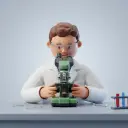 과학자 gwahakja scientist
그 과학자가 새로운 약을 발견했습니다. geu gwahakjaga saeroun yageul balgyeonhaetsseumnida The scientist discovered a new medicine.
-
 프로그래머 peurogeuraemeo programmer
프로그래머는 소프트웨어를 작성합니다. peurogeuraemeoneun sopeuteuweeoreul jakseonghamnida The programmer writes the software.
-
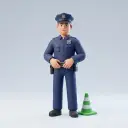 경찰관 gyeongchalgwan police officer
경찰관이 도둑을 잡았습니다. gyeongchalgwani dodugeul jabatsseumnida The police officer caught the thief.
-
 군인 gunin soldier
그 군인이 도시를 보호합니다. geu gunini dosireul bohohamnida The soldier protects the city.
-
 교수 gyosu professor
교수님은 학생들을 가르칩니다. gyosunimeun haksaengdeureul gareuchimnida The professor teaches the students.
-
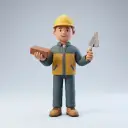 건설 노동자 geonseol nodongja builder
건설 노동자가 새 집을 짓습니다. geonseol nodongjaga sae jibeul jitsseumnida The builder constructs the new house.
-
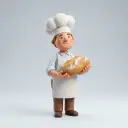 제빵사 jeppangsa baker
제빵사는 갓 구운 빵을 만듭니다. Jeppangsaneun gat guun ppangeul mandeumnida. The baker makes fresh bread.
-
 운동선수 undongseonsu athlete
그 운동선수는 매우 빠르게 달립니다. geu undongseonsuneun maeu ppareuge dallimnida The athlete runs very fast.
-
 출구 chulgu Exit
실례합니다, 출구가 어디예요? sillyehamnida, chulguga eodiyeyo? Excuse me, where is the exit?
-
 입구 ipgu Entrance
여기가 입구일 거예요. yeogiga ipguil geoyeyo This should be the entrance.
-
 밀다 milda Push
그들은 빨간 문을 밀어요. geudeureun ppalgan muneul mireoyo. They push the red door.
-
 당기다 danggida Pull
문을 당겨야 해요. muneul danggyeoya haeyo. You need to pull the door.
-
 금연 geumyeon No smoking
이 표지판에 금연이라고 쓰여 있어요. i pyojipane geumyeonirago sseuyeo isseoyo. This sign says no smoking.
-
 주차 금지 jucha geumji No parking
여기는 주차 금지예요, 죄송해요. yeogineun jucha geumjiyeyo, joesonghaeyo. No parking here, sorry.
-
 고장 나다 gojang nada Out of order
저 엘리베이터는 고장 났어요. jeo ellibeiteoneun gojang nasseoyo. That elevator is out of order.
-
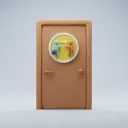 직원 전용 jikwon jeonyong Staff only
그 공간은 직원 전용이에요. geu gongganeun jikwon jeonyongieyo That space is for staff only.
-
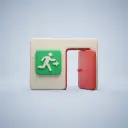 비상구 bisanggu Emergency exit
모든 건물에는 비상구가 있어요. modeun geonmureneun bisangguga isseoyo. Every building has an emergency exit.
-
 정보 jeongbo Information
저희는 정보가 더 필요해요. jeohuineun jeongboga deo piryohaeyo. We need more information.
-
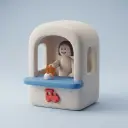 매표소 maepyoso Ticket office
저기는 매표소예요. jeogineun maepyosoyeyo That is the ticket office.
-
 잔디밭에 들어가지 않다 jandibate deureogaji anta Keep off the grass
잔디밭에 들어가지 마세요. jandibate deureogaji maseyo Please keep off the grass.
-
 현금 인출기 hyeongeum inchulgi ATM
현금 인출기가 어디에 있어요? hyeongeum inchulgiga eodie isseoyo? Where is the ATM?
-
 은행 계좌 eunhaeng gyeja bank account
그녀는 은행 계좌가 있어요. geunyeoneun eunhaeng gyejwaga isseoyo. She has a bank account.
-
 은행 카드 eunhaeng kadeu bank card
저희는 항상 은행 카드를 사용해요. Jeohwineun hangsang eunhaeng kadeureul sayonghaeyo. We always use a bank card.
-
 현금을 인출하다 hyeongeumeul inchulhada withdraw cash
저는 매주 현금을 인출해요. jeoneun maeju hyeongeumeul inchulhaeyo. I withdraw cash every week.
-
 현금을 입금하다 hyeongeumeul ipkkeumhada deposit cash
현금 인출기에서 현금을 입금해요. hyeongeum inchulgieseo hyeongeumeul ipkkeumhaeyo. You deposit cash at ATMs.
-
 송금하다 songgeumhada transfer money
그들은 매일 송금해요. geudeureun maeil songgeumhaeyo. They transfer money every day.
-
 잔액 janaek balance
그녀는 계좌 잔액을 확인해요. Geunyeoneun gyeja janaegeul hwaginhaeyo. She checks her account balance.
-
 명세서 myeongseso statement
은행 명세서가 어디에 있어요? eunhaeng myeongsesoga eodie isseoyo? Where is your bank statement?
-
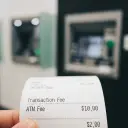 수수료 susuryo fee
이 거래는 수수료가 있어요? i georaeneun susuryoga isseoyo? Does this transaction have a fee?
-
 추가 요금 chuga yogeum surcharge
저는 이미 추가 요금을 지불했습니다. jeoneun imi chuga yogeumeul jibulhaetseumnida. I already paid the surcharge.
-
 예금 계좌 yegeum gyejwa savings account
저희는 예금 계좌를 만들었어요. Jeohuineun yegeum gyejwaleul mandeureosseoyo. We opened a savings account.
-
 금고 geumgo safe
돈이 금고에 있어요. doni geumgoe isseoyo. The money is in the safe.
-
 소파 sopa sofa
이 소파는 아주 편해요. i sopaneun aju pyeonhaeyo This sofa is very comfortable.
-
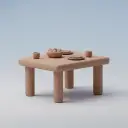 테이블 teibeul table
이게 새 테이블이에요? ige sae teibeurieyo Is this a new table?
-
 의자 uija chair
프레드는 항상 의자에 앉아요. peuredeuneun hangsang uijae anjayo. Fred always sits in the chair.
-
 옷장 otjang wardrobe
옷장에 옷이 가득해요. otjange osi gadeukaeyo. The wardrobe is full of clothes.
-
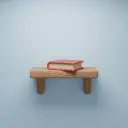 선반 seonban shelf
저는 제 선반을 청소해야 해요. Jeoneun je seonbaneul cheongsohaeya haeyo. I need to clean my shelf.
-
 냉장고 naengjanggo fridge
냉장고는 음식을 차갑게 유지해요. Naengjanggoneun eumsigeul chagapge yujihaeyo. The fridge keeps food cold.
-
 냉동실 naengdongsil freezer
냉동실이 가득 찼어요. naengdongshiri gadeuk chasseoyo The freezer is full.
-
 가스레인지 gaseureinji stove
그는 가스레인지를 자주 사용해요. Geuneun gaseureinjireul jaju sayonghaeyo. He uses the stove often.
Words 801–900
-
 오븐 obeun oven
이 오븐은 아주 뜨거워져요. i obeuneun aju tteugeowojyeoyo. This oven gets very hot.
-
 싱크대 singkeudae sink
싱크대에 접시가 가득해요. singkeudae e jeopsi ga gadeukaeyo The sink is full of plates.
-
 램프 raempeu lamp
우리 엄마는 책을 읽을 때 램프를 사용해요. uri eommaneun chaegeul ilgeul ttae raempeureul sayonghaeyo. My mom uses a lamp for reading.
-
 쓰레기통 sseuregitong trash bin
다니엘 씨는 쓰레기통을 비웠어요. Daniel ssineun sseuregitongeul biwosseoyo. Daniel emptied the trash bin.
-
 시계 sigye clock
시계가 시간을 가리킵니다. sigyega sigan-eul garikimnida The clock shows the time.
-
 컴퓨터 keompyuteo computer
저는 업무를 위해 컴퓨터를 사용합니다. jeoneun eommureul wihae keompyuteoreul sayonghamnida I use a computer for work.
-
 틀 teul frame
그는 나무 틀을 칠했습니다. geuneun namu teureul chilhaetsseumnida He painted the wooden frame.
-
 라디오 radio radio
저는 라디오를 들어요. jeoneun radioreul deureoyo I listen to the radio.
-
 카메라 kamera camera
저는 새 카메라를 샀어요. jeoneun sae kumerareul sasseoyo I bought a new camera.
-
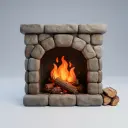 벽난로 byeongnallo fireplace
불이 벽난로에서 타고 있습니다. buri byeongnalloeseo tago itseumnida The fire burns in the fireplace.
-
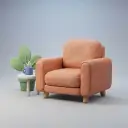 안락의자 allaguija armchair
그는 안락의자에 앉아 쉽니다. geuneun allaguijae anja swimnida He rests in the armchair.
-
 찬장 chanjang cupboard
접시들은 찬장에 있어요. jeopsideureun chanjange isseoyo The plates are in the cupboard.
-
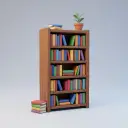 책장 chaekjang bookcase
그는 새 책장을 샀어요. geuneun sae chaekjang-eul sass-eoyo He bought a new bookcase.
-
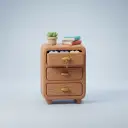 서랍 seorap drawer
열쇠는 서랍 안에 있어요. yeolsweneun seorap ane isseoyo The keys are in the drawer.
-
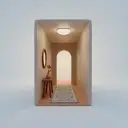 복도 bokdo hall
우리는 복도에서 기다렸습니다. urineun bokdoeseo gidaryeotseumnida We waited in the hall.
-
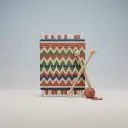 러그 reogeu rug
고양이가 러그 위에서 잠을 자요. goyangiga reogeu wieseo jameul jayo The cat sleeps on the rug.
-
 거실 geosil living room
이곳은 저희의 오래된 거실이에요. igoseun jeohui-e oraedoen geosirieyo. This is our old living room.
-
 침실 chimsil bedroom
그들은 침실을 파란색으로 칠했어요. Geudeureun chimsireul paransaegeuro chilhaesseoyo. They painted the bedroom blue.
-
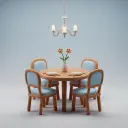 식당 sikttang dining room
우리는 식당에서 밥을 먹어요. urineun sikttangeseo babeul meogeoyo We eat in the dining room.
-
 복도 bokdo hallway
저 복도는 아주 길어요. jeo bokdoneun aju gireoyo. That hallway is very long.
-
 발코니 balkoni balcony
발코니에서 도시 전망을 볼 수 있어요. balkonieso dosi jeonmangeul bol su isseoyo. A balcony offers city views.
-
 정원 jeongwon garden
그의 정원은 정말 아름다워요. Geu-ui jeongwoneun jeongmal areumdawoyo. His garden is very beautiful.
-
 마당 madang yard
아이들이 마당에서 놀고 있어요. aideuri madangeseo nolgo isseoyo. The kids are playing in the yard.
-
 차고 chago garage
차고 문이 자동으로 닫혀요. chago muni jadong-euro dachyeoyo. The garage door closes automatically.
-
 지하실 jihasil basement
이 지하실은 아주 깨끗해요. I jihasireun aju kkaekkeutaeyo. This basement is very clean.
-
 천장 cheonjang ceiling
저희는 천장을 하얗게 칠했어요. jeohuineun cheonjangeul hayake chilhaesseoyo. We painted the ceiling white.
-
 지붕 jibung roof
저 지붕은 낡아 보여요. jeo jibungeun nalga boyeoyo. That roof looks old.
-
 벽 byeok wall
그는 벽을 파란색으로 칠했어요. geuneun byeogeul paransaeg-euro chilhaesseoyo. He painted the wall blue.
-
 깨끗하다 kkaekkeuthada clean
그녀는 깨끗한 집을 원해요. geunyeoneun kkaekkeutan jibeul wonhaeyo. She want a clean home.
-
 설거지하다 seolgeojihada wash
저는 지금 설거지할 거예요. Jeoneun jigeum seolgeojihal geoyeyo. I will wash dishes now.
-
 요리하다 yorihada cook
그들은 매일 밤 저녁을 요리해요. Geudeureun maeil bam jeonyeogeul yorihaeyo. They cook dinner every night.
-
 끓이다 kkeurida boil
차를 마시려고 물을 끓여요. Chareul masiryeogo mureul kkeuryeoyo. You boil water for tea.
-
 튀기다 twigida fry
음식을 자주 튀겨요? eumsigeul jaju twigyeoyo? Do you fry your food often?
-
 굽다 guptta bake
그녀는 오늘 빵을 구워요. geunyeoneun oneul ppangeul guwoyo She bakes bread today.
-
 쓸다 sseulda sweep
저는 바닥을 더 빨리 쓸어요. jeoneun badageul deo ppalli sseureoyo. I sweep the floor faster.
-
 대걸레 daegeolle mop
청소부가 대걸레를 사용해요. cheongsobuga daegeolleoreul sayonghaeyo The cleaner uses the mop.
-
 청소기를 돌리다 cheongsogireul dollida vacuum
저희는 거실에서 청소기를 돌려요. jeoineun geosireseo cheongsogireul dollyeoyo. We vacuum the living room.
-
 먼지 meonji dust
그녀는 먼지를 닦아내요. geunyeoneun meonjireul dakkanayo. She wipes away the dust.
-
 물을 주다 mureul juda to water
그들은 매주 정원에 물을 줘요. geudeureun maeju jeongwone mureul jwoyo. They water the garden weekly.
-
 끄다 kkeuda switch off
불을 꺼 줄래요? bureul kkeo jullaeyo? Can you turn off the lights?
-
 따르다 ttareuda pour
그녀는 컵에 물을 따라요. geunyeoneun keobe mureul ttarayo She pours water into the cup.
-
 젓다 jeotda stir
저는 뜨거운 수프를 저어요. jeoneun tteugeoun supeureul jeoeoyo I stir the hot soup.
-
 패다 paeda chop
그 남자는 장작을 팹니다. geu namjaneun jangjageul paemnida The man chops the wood.
-
 적시다 jeoksida dip
그녀는 천을 물에 적십니다. geunyeoneun cheoneul mure jeoksimnida She dips the cloth in water.
-
 까다 kkada peel
그녀는 오렌지를 까고 있어요. geunyeoneun orenjireul kkago isseoyo She peels the orange.
-
 갈다 galda grate
그녀는 채소를 갈아요. geunyeoneun chaesoreul garayo She grates the vegetables.
-
 열기 yeolgi heat
불에서 나오는 열기가 느껴져요. bureso naoneun yeolgiga neukkyeojyeoyo I feel the heat from the fire.
-
 섞다 seokda mix
저는 소금과 물을 섞어요. jeoneun sogeumgwa mureul seokgeoyo I mix the salt and water.
-
 바르다 bareuda spread
그녀는 빵에 버터를 바른다. Geunyeoneun ppange beoteoreul bareunda. She spreads butter on the bread.
-
 녹이다 nogida melt
태양이 얼음을 녹여요. taeyangi eoreumeul nogyeoyo The sun melts the ice.
-
 재다 jaeda measure
나는 긴 밧줄을 잽니다. naneun gin batjureul jaemnida I measure the long rope.
-
 채우다 chaeuda fill
저는 컵에 물을 채워요. jeoneun keobe mureul chaewoyo I fill the cup with water.
-
 세탁기 setakgi washing machine
이 세탁기는 깨끗해요. I setakgineun kkaekkeuthaeyo. This washing machine is clean.
-
 건조기 geonjogi dryer
건조기가 아주 뜨거워요. geonjogiga aju tteugeowoyo The dryer is very hot.
-
 세제 seje detergent
지금 세제가 더 필요해요. jigeum sejega deo piryohaeyo We need more detergent now.
-
 섬유 유연제 seomyu yuyeonje fabric softener
그녀는 항상 섬유 유연제를 사용해요. geunyeoneun hangsang seomyu yuyeonjereul sayonghaeyo. She uses fabric softener always.
-
 얼룩 eolluk stain
이 얼룩은 언제 묻었어요? i eollugeun eonje mudeosseoyo? When did you get this stain?
-
 얼룩 제거제 eolluk jegeoje stain remover
이 얼룩 제거제는 효과가 좋아요. i eolluk jegeoje neun hyogwa ga joayo This stain remover works well.
-
 빨래 바구니 ppallae baguni laundry basket
빨래 바구니가 필요해요. ppallae baguniga piryohaeyo. We need a laundry basket.
-
 옷걸이 otkkeori hanger
옷걸이를 못 찾겠어요. otkkeorireul mot chatkkesseoyo I can not find the coat hanger.
-
 빨래집게 ppallaejipge clothespin
빨래집게를 사용해요? ppallaejipgereul sayonghaeyo? Do you use clothespins?
-
 빨랫줄 ppallaejjul clothesline
이 빨랫줄에 젖은 빨래가 걸려 있어요. I ppallaejjure jeojeun ppallaega geollyeo isseoyo. This clothesline holds wet laundry.
-
 다리미판 darimipan ironing board
다리미판이 방해가 돼요. darimipani banghaega dwaeyo The ironing board is in the way.
-
 다리미 darimi iron
그녀는 옷에 뜨거운 다리미를 사용해요. geunyeoneun ose tteugeoun darimireul sayonghaeyo. She uses a hot iron on her clothes.
-
 고장 나다 gojang nada broken
아쉽게도 그 장난감은 고장 났어요. aswipkkedo geu jangnankkameun gojang nasseoyo. Unfortunately, that toy is broken.
-
 고치다 gochida fix
저희는 여기서 고장 난 것들을 고쳐요. jeohuineun yeogiseo gojang nan geotteureul gochyeoyo. We fix broken things here.
-
 수도꼭지 sudokkokji tap
우리 수도꼭지가 아직도 새요. uri sudokkokjiga ajikdo saeyo. Our tap is still leaking.
-
 누수 nusu leak
드디어 누수를 고치고 있어요. deudieo nusureul gochigo isseoyo. They are finally fixing the leak.
-
 파이프 paipeu pipe
파이프가 보여요. paipeuga boyeoyo. I can see the pipe.
-
 수리하다 surihada repair
그거 어떻게 수리하는지 알아요? geugeo eotteoke surihaneunji arayo? Do you know how to repair it?
-
 배관공 baegwangong plumber
그녀는 오늘 배관공을 불렀어요. Geunyeoneun oneul baegwangongeul bulleosseoyo. She called the plumber today.
-
 전기 기사 jeongi gisa electrician
그들은 전기 기사를 고용했어요. geudeureun jeongi gisareul goyonghaesseoyo. They hired an electrician.
-
 퓨즈 pyujeu fuse
이 퓨즈가 회로를 보호해요. i pyujeuga hoeroreul bohohaeyo. This fuse protects the circuit.
-
 전구 jeongu light bulb
다른 전구가 있어요? dareun jeonguga isseoyo? Do we have another light bulb?
-
 교체하다 gyochehada replace
우리는 오래된 타이어를 교체해요. urineun oraedoen taieoreul gyochehaeyo. We replace old tires.
-
 정비 jeongbi maintenance
정기적인 정비를 해요. jeonggijeogin jeongbireul haeyo. They do regular maintenance.
-
 이발 ibal haircut
곧 이발을 해야 해요. got ibareul haeya haeyo. I need a haircut soon.
-
 향수 hyangsu perfume
그녀는 그 향수를 좋아해요. geunyeoneun geu hyangsuleul joahaeyo. She likes that perfume.
-
 샴푸 syampu shampoo
다른 샴푸 있어요? dareun syampu isseoyo? Do you have another shampoo?
-
 비누 binu soap
비누로 씻어야 해요. binuro ssiseoya haeyo. You should wash with soap.
-
 칫솔 chitssol toothbrush
칫솔이 얼마나 오래됐어요? chitssori eolmana oraedwaesseoyo? How old is your toothbrush?
-
 치약 chiyak toothpaste
이게 제일 좋은 치약이에요. ige jeil joeun chiyagieyo. This is the best toothpaste.
-
 수건 sugeon towel
깨끗한 수건들이 선반 위에 있어요. Kkaekkeuthan sugeondeuri seonban wie isseoyo. Clean towels are on the shelf.
-
 면도기 myeondogi razor
저는 매번 새 면도기를 사용해요. Jeoneun maebeon sae myeondogireul sayonghaeyo. I use a new razor everytime.
-
 빗 bit comb
그녀는 매일 빗을 사용해요. geunyeoneun maeil biseul sayonghaeyo. She uses a comb daily.
-
 거울 geoul mirror
어제 거울을 닦았어요? eoje geoureul dakkasseoyo? Did you clean the mirror yesterday?
-
 데오도란트 deodoranteu deodorant
저는 매일 데오도란트가 필요해요. jeoneun maeil deodoranteuga piryohaeyo. I need deodorant every day.
-
 샤워젤 syawajeol shower gel
이 샤워젤은 냄새가 좋아요. I syawajeoreun naemsaega joayo. This shower gel smells nice.
-
 머리 meori head
머리를 보호해 주세요. meorireul bohohae juseyo Please protect your head.
-
 얼굴 eolgul face
매일 아침 얼굴을 씻어요. maeil achim eolgureul ssiseoyo. You wash your face every morning.
-
 발 bal foot
발을 만질 수 있어요? Bareul manjil su isseoyo? Can you touch your foot?
-
 눈 nun eye
눈이 정말 아름다워요. Nuni jeongmal areumdawoyo. You have beautiful eyes.
-
 팔 pal arm
그는 어제 팔이 부러졌어요. geuneun eoje pari bureojeosseoyo He broke his arm yesterday.
-
 코 ko nose
누가 코가 더 커요? nuga koga deo keoyo? Who has the bigger nose?
-
 입 ip mouth
그녀는 입에 사탕을 넣었어요. Geunyeoneun ibe satangeul neoeosseoyo. She put the candy in her mouth.
-
 이 i teeth
그들은 매일 이를 닦아요. geudeureun maeil ireul dagayo They brush their teeth daily.
-
 손 son hand
손을 씻는 것은 매우 중요해요. soneul sinneun geoseun maeu jungyohaeyo. Washing hands is very important.
-
 귀 gwi ear
이 동물은 귀가 있어요? i dongmur-eun gwi-ga isseoyo? Does this animal have ears?
-
 다리 dari leg
다리가 아파요? dariga apayo? Does you leg hurt?
-
 머리카락 meorikarak hair
머리카락을 얼마나 자주 빗어요? meorikarageul eolmana jaju biseoyo? How often do you brush your hair?
Words 901–1000
-
 몸 mom body
그 남자는 몸이 튼튼합니다. geu namjaneun momi teunteunhamnida The man has a strong body.
-
 미소 짓다 miso jitda smile
그 아이가 저를 보고 미소 짓습니다. geu aiga jeoreul bogo miso jitsseumnida The child smiles at me.
-
 등 deung back
그가 제 등을 만졌어요. geuga je deungeul manjeosseoyo He touched my back.
-
 목 mok neck
그녀는 자신의 목을 만졌습니다. geunyeoneun jasinui mogeul manjyeotseumnida She touched her neck.
-
 어깨 eokkae shoulder
의사 선생님이 제 어깨를 만지셨어요. uisa seonsaengnimi je eokkaereul manjishyeosseoyo The doctor touched my shoulder.
-
 배 bae stomach
배가 아파요. Baega apayo. My stomach hurts.
-
 가슴 gaseum chest
그는 가슴에 통증을 느꼈습니다. geuneun gaseume tongjeungeul neukkyeotseumnida He felt pain in his chest.
-
 입술 ipsul lip
그 소년은 자신의 입술을 만졌습니다. geu sonyeoneun jasinui ipsureul manjyeotseumnida The boy touched his lip.
-
 혀 hyeo tongue
뜨거운 국물에 혀를 데었어요. tteugeoun gungmure hyeoreul deeosseoyo The hot soup burned my tongue.
-
 목구멍 mokgumeong throat
목이 너무 건조해요. Mogi neomu geonjohaeyo. My throat is very dry.
-
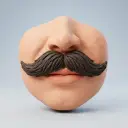 콧수염 kotsuyeom mustache
우리 아버지는 콧수염이 있으세요. uri abeojineun kotsuyeomi isseuseyo My father has a mustache.
-
 수염 suyeom beard
그 남자는 수염이 길어요. geu namjaneun suyeomi gireoyo The man has a long beard.
-
 손가락 songarak finger
아기가 제 손가락을 잡았어요. Agiga je songarageul jabasseoyo. The baby grabbed my finger.
-
 엄지손가락 eomjison-garak thumb
그는 엄지손가락으로 가리켰습니다. geuneun eomjison-garageuro garikyeotseumnida He pointed with his thumb.
-
 발가락 balgarak toe
발가락을 다쳤어요. balgarageul dachyeosseoyo I hurt my toe.
-
 무릎 mureup knee
그는 오른쪽 무릎을 굽혔다. geuneun oreunjjok mureubeul gupyyeotda He bent his right knee.
-
 팔꿈치 palkkumchi elbow
의사 선생님이 제 팔꿈치를 진찰하셨어요. uisa seonsaengnimi je palkkumchireul jinchalhasyeosseoyo The doctor examined my elbow.
-
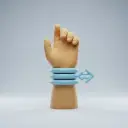 손목 sonmok wrist
저는 손목을 다쳤어요. jeoneun sonmogeul dacheosseoyo I hurt my wrist.
-
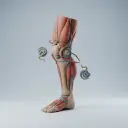 발목 balmok ankle
그녀는 발목을 다쳤어요. geunyeoneun balmogeul dacheosseoyo She hurt her ankle.
-
 손바닥 sonbadak palm
그녀는 손바닥을 폈습니다. geunyeoneun sonbadageul pyeotsseumnida She opened her palm.
-
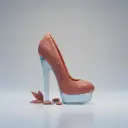 뒤꿈치 dwikkumchi heel
강아지가 제 뒤꿈치를 물었어요. Gangajiga je dwikkumchireul mureosseoyo. The dog bit my heel.
-
 고관절 gogwanjeol hip
왼쪽 고관절이 아파요. oenjjok gogwanjeori apayo My left hip hurts.
-
 허리 heori waist
그는 허리에 밧줄을 묶었습니다. geuneun heorie batjureul mukkeotseumnida He tied a rope around his waist.
-
 근육 geunyuk muscle
다리 근육이 아파요. dari geunyugi apayo My leg muscle hurts.
-
 운동 undong exercise
이것은 정말 대단한 운동이에요. Igeoseun jeongmal daedanhan undong ieyo. This is an amazing fitness exercise.
-
 헬스장 helseujang gym
헬스장에 가요? helseujange gayo? Do you go to the gym?
-
 체력 단련 cheryeok dallyeon workout
규칙적인 체력 단련은 당신을 건강하게 유지해 줍니다. gyuchikjeogin cheryeok dallyeoneun dangsineul geonganghage yujihae jumnida. Regular workout keeps you healthy.
-
 워밍업하다 woming-eopada warm up
이것은 근육을 워밍업하는 데 도움이 돼요. Igeoseun geunyugeul woming-eopaneun de doumi dwaeyo. This helps warm up muscles.
-
 스트레칭하다 seuteurechinghada stretch
저는 매일 아침 스트레칭해요. Jeoneun maeil achim seuteurechinghaeyo. I stretch every morning.
-
 달리다 dallida run
그들은 매우 빨리 달려요. Geudeureun maeu ppalli dallyeoyo. They run very fast.
-
 걷다 geottta walk
그녀는 저녁에 걷는 것을 좋아해요. Geunyeoneun jeonyeoge geonneum geoseul joahaeyo. She likes to walk in the evening.
-
 무게를 들다 mugereul deulda lift weights
무게를 드는 것은 근육을 키워요. mugereul deuneun geoseun geunyugeul kiwoyo. Lifting weights grows your muscles.
-
 요가 yoga yoga
요가는 마음을 정말 편안하게 해 줘요. yoganeun maeumeul jeongmal pyeonanage hae jwoyo. Yoga feels very calming.
-
 호흡 hoheup breathing
우리는 깊게 호흡하는 연습을 해요. urineun gipge hoheupaneun yeonseubeul haeyo. We practice breathing deeply.
-
 건강을 유지하다 geongangeul yujihada keep fit
저는 달리기로 건강을 유지해요. jeoneun dalligiro geongangeul yujihaeyo. I keep fit by running.
-
 휴식일 hyusigil rest day
그녀는 휴식일이 필요해요. Geunyeoneun hyusigiri piryohaeyo. She needs a rest day.
-
 나가다 nagada to go out
저희는 보통 금요일에 나가요. jeohuineun botong geumyoire nagayo. We usually go out on Fridays.
-
 나이트클럽 naiteukeulleop nightclub
나이트클럽은 자정 이후에 꽉 차요. naiteukeulleobeun jajeong ihue kkwak chayo. The nightclub is full after midnight.
-
 바 ba bar
나중에 바에서 만나요. najunge baeseo mannayo. Let’s meet at the bar later.
-
 담배 dambae cigarette
그는 밖에서 담배를 피우고 있어요. geuneun bakkeso dambaereul piugo isseoyo. He is outside, smoking a cigarette.
-
 재떨이 jaetteori ashtray
재떨이를 사용해 주세요. jaetteorireul sayonghae juseyo Please use the ashtray.
-
 라이터 raiteo lighter
라이터 있어요? raiteo isseoyo? Do you have a lighter?
-
 술 sul alcohol
그녀는 술을 자주 안 마셔요. geunyeoneun sureul jaju an masyeoyo. She doesn’t drink alcohol very often.
-
 병따개 byeongttagae bottle opener
이거에 병따개가 필요해요. igeoe byeongttagaega piryohaeyo. We need a bottle opener for this.
-
 춤추다 chumchuda dance
제 친구들은 항상 춤추고 싶어 해요. Je chingudeureun hangsang chumchugo sipeo haeyo. My friends always want to dance.
-
 취하다 chwihada drunk
그는 취해서 집에 걸어가요. Geuneun chwihaeseo jibe georeogayo. He is drunk, so he walks home.
-
 핸드백 haendeubaek handbag
그녀의 핸드폰은 빨간 핸드백 안에 있어요. geunyeo-ui haendeupon-eun ppalgan haendeubaek an-e isseoyo. Her phone is inside the red handbag.
-
 가수 gasu singer
오늘 가수가 정말 멋졌어요. oneul gasuga jeongmal meotjjeosseoyo. The singer was awesome tonight.
-
 재채기 jaechaegi sneeze
그 재채기 소리가 아주 컸어요. Geu jaechaegi soriga aju keosseoyo. That sneeze was very loud.
-
 근육통 geunyuktong sore muscles
훈련 때문에 근육통이 생겼어요. hullyeon ttaemune geunyuktongi saenggyeosseoyo. My training caused sore muscles.
-
 쥐 jwi cramp
다리에 쥐가 나면 최악이에요. darie jwiga namyeon choeagieyo. Leg cramps are the worst.
-
 목이 뻐근하다 mogi ppeogeunhada stiff neck
목이 뻐근한데 어떻게 고칠까요? mogi ppeogeunhande eotteoke gochilkkoyo? How do I fix this stiff neck?
-
 멍 meong bruise
저는 큰 멍이 들었어요. jeoneun keun meongi deureosseoyo. I have a big bruise.
-
 배탈 baetal stomach ache
어제 배탈이 났어요. eoje baetari nasseoyo. I got a stomach ache yesterday.
-
 치통 chitong toothache
치통이 아주 심해요. chitongi aju simaeyo. That is a bad toothache.
-
 요통 yotong back pain
할머니는 오늘 요통이 있으세요. halmeonineun oneul yotongi isseuseyo. Grandma has back pain today.
-
 귀 통증 gwi tongjeung earache
그는 지금 귀 통증이 있어요. geuneun jigeum gwi tongjeungi isseoyo. He has an earache now.
-
 탈진 taljin exhaustion
직업이 탈진을 유발할 수 있어요. jigeobi taljineul yubarhal su isseoyo. Your job can cause exhaustion.
-
 알레르기 allereugi allergy
제 알레르기는 봄에 가장 심해요. Je allereugineun bome gajang simhaeyo. My allergy is the worst in spring.
-
 여기가 아파요 yeogiga apayo It hurts here.
여기가 아파요. yeogiga apayo It hurts here.
-
 울다 ulda cry
슬픈 아이가 울고 있어요. seulpeun aiga ulgo isseoyo The sad child is crying.
-
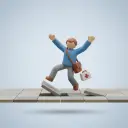 떨어지다 tteoreojida fall
과일이 나무에서 떨어집니다. gwairi namueseo tteoreojimnida The fruit falls from the tree.
-
 아프다 apeuda ill
그 아이는 아주 많이 아파요. geu aineun aju mani apayo The child is very ill.
-
 괜찮다 gwaenchanta fine
오늘은 몸 상태가 괜찮아요. oneureun mom sangtaega gwaenchanayo I feel fine today.
-
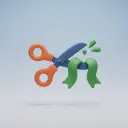 자르다 jareuda cut
그녀는 빵을 잘라요. geunyeoneun ppangeul jallayo She cuts the bread.
-
 붕대 bungdae bandage
그는 상처에 붕대를 감았어요. geuneun sangcheoe bungdaereul gamasseoyo He put a bandage on the wound.
-
 타다 tada burn
마른 나무는 빨리 탑니다. mareun namuneun ppalli tamnida The dry wood burns quickly.
-
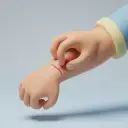 할퀴다 halkwida scratch
고양이가 제 팔을 할퀴었어요. Goyangiga je pareul halkwieosseoyo. The cat scratched my arm.
-
 부딪히다 buditchida bump
머리를 부딪혔어요. meorireul buditchyeosseoyo I bumped my head.
-
 흉터 hyungteo scar
그는 오래된 흉터를 만졌습니다. geuneun oraedoen hyungteoreul manjyeotseumnida He touched the old scar.
-
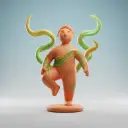 회복하다 hoebok-hada recover
그는 병에서 회복했습니다. geuneun byeong-eseo hoebok-haetseumnida He recovered from the illness.
-
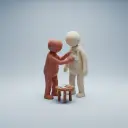 낫다 natda heal
깊은 상처가 곧 나을 거예요. gipeun sangcheoga got naeul geoyeyo The deep wound will heal.
-
 정전 jeongjeon blackout
다행히 정전이 짧았어요. Dahaenghi jeongjeoni jjalbasseoyo. Luckily, the blackout was brief.
-
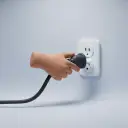 플러그 peulleogeo plug
그는 노트북 충전기 플러그를 꽂는 것을 잊어버렸어요. geuneun noteubuk chungjeongi peulleogeureul kkonneun geoseul ijeobeoryeosseoyo. He forgot to plug in the laptop charger.
-
 콘센트 konseonteu socket
그녀는 휴대폰을 벽 콘센트에 꽂았어요. geunyeoneun hyudaeponeul byeok konseonteue kkojasoseoyo She plugged her phone into the wall socket.
-
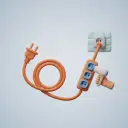 연장선 yeonjangseon extension cord
이 연장선은 길어요. I yeonjangseoneun gireoyo. This extension cord is long.
-
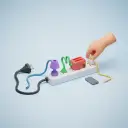 멀티탭 meoltitaep power strip
그녀는 컴퓨터를 멀티탭에 연결했어요. geunyeoneun keompyuteoreul meoltitaebe yeongyeolhaesseoyo. She connected her computer to the power strip.
-
 어댑터 플러그 eodaepteo peulleogeue adapter plug
어댑터 플러그가 필요해요. eodaepteo peulleogeuga piryohaeyo You need an adapter plug.
-
 두꺼비집 dukkeobijjip fuse box
두꺼비집이 고장 났어요. dukkeobijibi gojang nasseoyo. The fuse box is broken.
-
 차단기 chadangi circuit breaker
폭풍우 때 차단기가 내려갔어요. pokpungu ttae chadangiga naeryeogasseoyo. The circuit breaker turned off during the storm.
-
 전압 jeonnap voltage
이 전압은 아주 낮은 것 같아요. i jeonnaneun aju najeun geot kkattayo. This voltage seems very low.
-
 배터리 baeteori battery
배터리가 손전등을 작동시켜요. baeteoriga sonjeondeungeul jakttongsikyeoyo A battery powers the flashlight.
-
 방전된 배터리 bangjeondoen baeteori dead battery
방전된 배터리를 충전해야 해요. bangjeondoen baeteorireul chungjeonhaeya haeyo. We need to charge the dead battery.
-
 배터리를 교체하다 baeteorireul gyochehada replace the battery
자주 배터리를 교체해요. jaju baeteorireul gyochehaeyo. You replace the battery often.
-
 전기 jeongi electricity
빛을 위해 전기가 필요해요. bicheul wihae jeongiga piryohaeyo. We need electricity for light.
-
 가스 gaseu gas
가스 냄새가 주방을 가득 채웠어요. Gaseu naemsaega jubangeul gadeuk chaewosseoyo. The smell of gas filled the kitchen.
-
 납부 기한 napbu gihan due date
고지서에서 납부 기한을 확인해 주세요. Gojiseoeseo napbu gihaneul hwaginhae juseyo. Please check the due date on the bill.
-
 난방 nambang heating
난방을 켤 수 있어요? nambangeul kyeol su isseoyo? Can you turn the heating on?
-
 인터넷 inteonet internet
그들은 매일 인터넷을 사용해요. geudeureun maeil inteoneoseul sayonghaeyo. They use the internet daily.
-
 청구서 cheongguseo bill
수도 요금 청구서의 납부 기한이 언제예요? Sudo yogeurm cheongguseo-e napbu gihani eonjeyeyo? What’s the due date for the water bill?
-
 기술자 gisulja technician
기술자가 선을 점검하러 왔어요. gisuljaga seoneul jeomgeomhareo wasseoyo. A technician came to check the line.
-
 공급 업체 gonggeopche supplier
공급 업체가 새 계약서를 보냈어요. gonggeopchega sae gyeyakseoreul bonaesseoyo The supplier sent a new contract.
-
 계약 gyeyak contract
계약이 만료되었어요. gyeyagi mallyo doeeosseoyo The contract has expired.
-
 제공업체 jegongeopche provider
저는 인터넷 제공업체를 바꿨어요. jeoneun inteonet jegongeopchereul bakkwosseoyo. I changed my internet provider.
-
 계좌 번호 gyejwa beonho account number
제 계좌 번호가 뭐예요? je gyejwa beonoga mwoyeyo? What is my account number?
-
 고객 서비스 gogaek seobiseu customer service
저희는 훌륭한 고객 서비스를 제공해요. jeohineun hullyunghan gogaek seobiseureul jegonghaeyo. We offer great customer service.
-
 서식 seosik form
그는 인쇄된 서식이 필요해요. geuneun inswaedoen seosigi piryohaeyo. He needs a printed form.
-
 서명 seomyeong signature
제 서명이 충분할까요? Je seomyeongi chungbunhalkkayo? Is my signature going to be enough?
-
 여권 yeogwon passport
여권을 잃어버렸어요? yeogwoneul ireobeoryeosseoyo? Did you lose your passport?
-
 비자 bija visa
그 나라는 비자가 필요해요. Geu naraneun bijaga piryohaeyo. That country requires a visa.
Free for personal and classroom use.
Quick quiz
Five questions from the first 100 words.
Make these words stick
The app brings each word back right before you’d forget it. Free on iPhone and Android.
More Korean
Korean words by topic
- Numbers1–100
- Ordinal Numbers12
- Days of the week12
- Months12
- Colors19
- Family members36
- Body parts24
- Food44
- Animals36
- Clothes41
- Jewelry and Accessories12
- Weather24
- Greetings12
- Fruits16
- Vegetables12
- Kitchen36
- Restaurant & ordering food48
- Money25
- Rooms in the house48
- Jobs & professions36
- Emotions & feelings36
- School supplies & classroom48
- Transportation48
- Travel60
- Directions48
- Places in town48
- At the doctor36
- Sports & games60
- Hobbies36
- Musical instruments12
- Nature & plants36
- Planets & space24
- Time36
- Holidays & celebrations12
- Shapes12
- Please & thank you24
- Small talk36
Word lists
Alphabet
Learn these 1,000 Korean words in order.
The app teaches them 12 at a time, with pictures and audio, and brings each one back before you forget it. Free on iPhone and Android.
Scan with your phone's camera to get the app.
