











 The 100 Most Common Spanish Words
Each word with a picture, native audio and an example sentence with its English translation. Tap a speaker to hear the word or the sentence.

Learn all 100 words in the app
Pictures, native audio, and each word comes back right before you’d forget it. Free on iPhone & Android.

 Scan with your phone camera
 Your PDF is downloading
Printing is step one. Flashcardly makes the words stick: it brings each one back right before you’d forget it, with native audio.
How this list is ranked
This is the Flashcardly Spanish course in order: by frequency and everyday usefulness, with input from language teachers. It is not a raw corpus count, which is why words like “the” and “of” are not padding the top of the list, while “man” comes in at #13.
The list
Tap a picture to hear it.
-
 Hola Hello
Hola, ¿cómo estás? Hello, how are you?
-
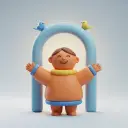 Bienvenido Welcome
Bienvenidos a nuestra casa. Welcome to our home.
-
 Buenos días Good morning
¡Buenos días! Good morning!
-
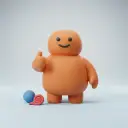 sí yes
Sí, entiendo. Yes, I understand.
-
 Buenas noches Good evening
¡Buenas noches! Good evening!
-
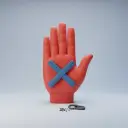 no no
no noElla dijo que no. She said no.
-
 Adiós Goodbye
¡Adiós, Anna! Goodbye, Anna!
-
 Buenas tardes Good afternoon
¡Buenas tardes! Good afternoon!
-
 Hasta pronto See you soon
¡Hasta pronto, Mia! See you soon, Mia!
-
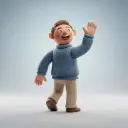 Hasta mañana See you tomorrow
¡Hasta mañana! See you tomorrow!
-
 Mucho gusto Nice to meet you
¡Mucho gusto también! Nice to meet you too!
-
 ¿Cómo estás? How are you?
¿Cómo estás hoy? How are you today?
-
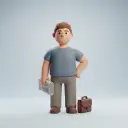 el hombre man
El hombre lee el libro. The man reads the book.
-
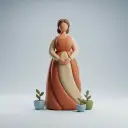 la mujer woman
La mujer lleva un sombrero. The woman wears a hat.
-
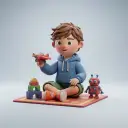 el niño boy
El niño juega con juguetes. The boy plays with toys.
-
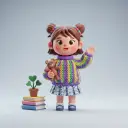 la niña girl
La niña tiene una pelota. The girl has a ball.
-
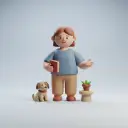 la persona person
Él es una persona agradable. He is a nice person.
-
 la gente people
La gente está muy contenta. The people are very happy.
-
 el adulto adult
Soy un adulto. I am an adult.
-
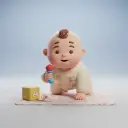 el bebé baby
El bebé necesita leche. The baby needs milk.
-
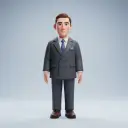 señor Mr
Al señor Smith le gusta leer libros. Mr. Smith likes to read books.
-
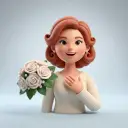 señora Mrs
La señora Smith es profesora. Mrs. Smith is a teacher.
-
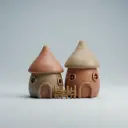 el vecino neighbor
Mi vecino es muy amable. My neighbor is very friendly.
-
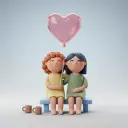 el amigo friend
A mi amigo le gusta leer libros. My friend likes to read books.
-
 hoy today
Hoy es un buen día. Today is a good day.
-
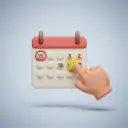 mañana tomorrow
Mañana es un nuevo día. Tomorrow is a new day.
-
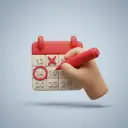 ayer yesterday
La vi ayer. I saw her yesterday.
-
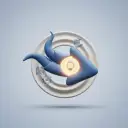 ahora now
Lo quiere ahora. He wants it now.
-
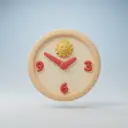 la tarde afternoon
Me gusta la tarde. I like the afternoon.
-
 la noche evening
La noche es tranquila. The evening is quiet.
-
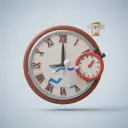 el minuto minute
Necesitamos cinco minutos. We need five minutes.
-
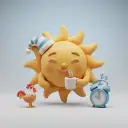 la mañana morning
Desayuno por la mañana. I eat breakfast in the morning.
-
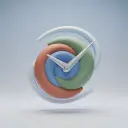 más tarde later
Lo haré más tarde. I will do it later.
-
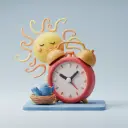 temprano early
Ella se despierta temprano. She wakes up early.
-
 tarde late
Él suele llegar tarde. He is often late.
-
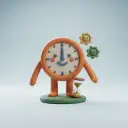 la hora hour
La clase dura una hora. The class lasts one hour.
-
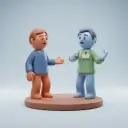 ¿Cómo te llamas? What's your name?
¿Cómo te llamas? What's your name?
-
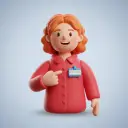 Me llamo My name is
Me llamo Emily. My name is Emily.
-
 ¿De dónde eres? Where are you from?
¿De dónde eres? Where are you from?
-
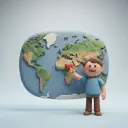 Soy de I'm from
Soy de Alemania. I'm from Germany.
-
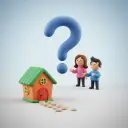 ¿Dónde vives? Where do you live?
¿Dónde vives? Where do you live?
-
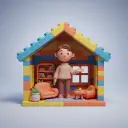 Vivo en I live in
Vivo en Japón. I live in Japan.
-
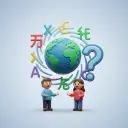 ¿Qué idiomas hablas? What languages do you speak?
¿Qué idiomas hablas? What languages do you speak?
-
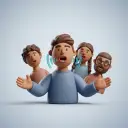 Hablo I speak
Hablo inglés bien. I speak English well.
-
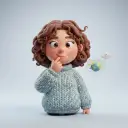 Hablo un poco de I speak a little
Hablo un poco de francés. I speak a little French.
-
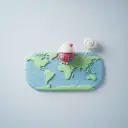 ¿Dónde naciste? Where were you born
¿Dónde naciste? Where were you born?
-
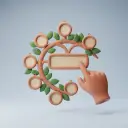 ¿Cuál es tu apellido? What's your surname?
¿Cuál es tu apellido? What's your surname?
-
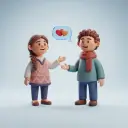 Esta es mi amiga This is my friend
Esta es mi amiga Lisa. This is my friend Lisa.
-
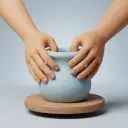 hacer make
Hago buen café. I make good coffee.
-
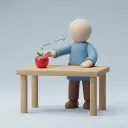 recibir get
Él recibió un regalo. He got a present.
-
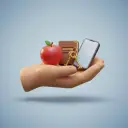 tener have
Emma tiene un carro. Emma has a car.
-
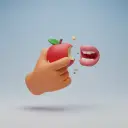 comer eat
Están comiendo manzanas. They are eating apples.
-
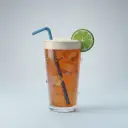 beber drink
¿Bebes café? Do you drink coffee?
-
 dormir sleep
Quiero dormir ahora. I want to sleep now.
-
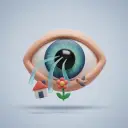 ver see
¿Puedes ver la casa? Can you see the house?
-
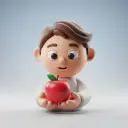 mirar look at
A Adam le gusta mirar fotos. Adam likes to look at pictures.
-
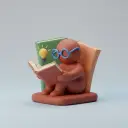 leer read
El estudiante lee libros. The student reads books.
-
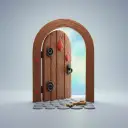 abrir open
Ella abre la ventana. She opens the window.
-
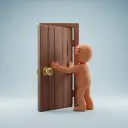 cerrar close
Cierro la puerta. I close the door.
-
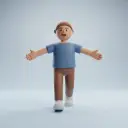 venir come
Vienes aquí todos los días. You come here every day.
-
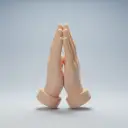 Por favor Please.
Por favor, abre la puerta. Please open the door.
-
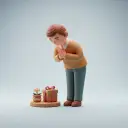 Gracias Thank you.
Gracias por tu ayuda. Thank you for your help.
-
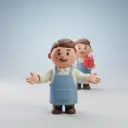 De nada You're welcome.
De nada. You're welcome.
-
 Disculpe Excuse me.
Disculpe, necesito ayuda. Excuse me, I need help.
-
 Lo siento. Sorry.
Lo siento. I am sorry.
-
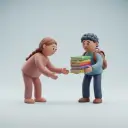 ¿Podrías ayudarme? Could you help me?
¿Podrías ayudarme? Could you help me?
-
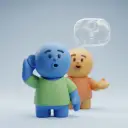 ¿Podrías repetir, por favor? Could you please repeat?
¿Podrías repetir eso, por favor? Could you please repeat that?
-
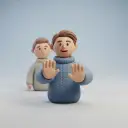 ¿Podría hablar más despacio? Could you speak more slowly?
¿Podría hablar más despacio? Could you speak more slowly?
-
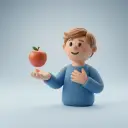 ¿Me podría dar ..., por favor? Could I have ... please?
¿Me podría dar agua, por favor? Could I have water please?
-
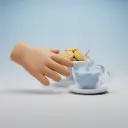 Me gustaría I'd like
Me gustaría un poco más de té. I'd like some more tea.
-
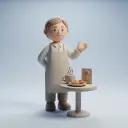 ¿Puedo...? May I...?
¿Puedo tener un poco de agua? May I have some water?
-
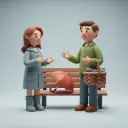 ¿Está bien si...? Is it okay if...?
¿Está bien si me siento? Is it okay if I sit?
-
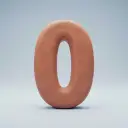 cero zero
Cero es menor que uno. Zero is less than one.
-
 uno one
Tengo una manzana. I have one apple.
-
 dos two
Hay dos gatos. There are two cats.
-
 tres three
No, tres es demasiado. No, three is too much.
-
 cuatro four
Dame cuatro, por favor. Give me four, please.
-
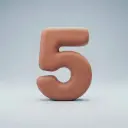 cinco five
Tengo cinco perros. I have five dogs.
-
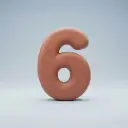 seis six
Vino con seis amigos. He came with six friends.
-
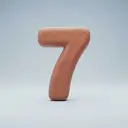 siete seven
Estoy corriendo siete kilómetros. I am running seven kilometers.
-
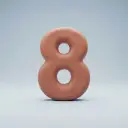 ocho eight
Una araña tiene ocho patas. A spider has eight legs.
-
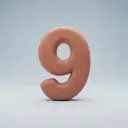 nueve nine
Nueve es mi número de la suerte. Nine is my lucky number.
-
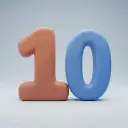 diez ten
Tenemos diez dedos. We have ten fingers.
-
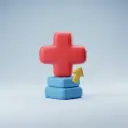 más plus
Dos más dos es cuatro. Two plus two is four.
-
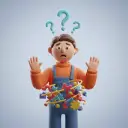 No entiendo. I don't understand.
No entiendo. I don't understand.
-
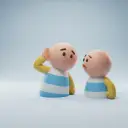 ¿Puedes repetir eso, por favor? Could you repeat that please?
¿Puedes repetir eso, por favor? Could you repeat that please?
-
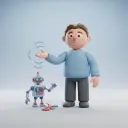 Más despacio, por favor. More slowly please.
Más despacio, por favor. More slowly please.
-
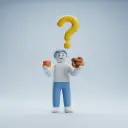 ¿Qué significa eso? What does that mean?
¿Qué significa eso? What does that mean?
-
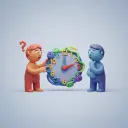 ¿Cómo se dice eso en...? How do you say that in ...?
¿Cómo se dice eso en español? How do you say that in Spanish?
-
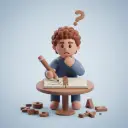 ¿Cómo se deletrea eso? How do you spell that?
¿Cómo se deletrea eso? How do you spell that?
-
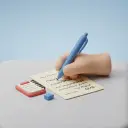 ¿Puedes anotarlo? Can you write it down?
¿Puedes anotarlo, por favor? Can you write it down, please?
-
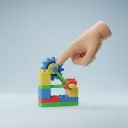 ¿Me puedes enseñar? Can you show me?
¿Me puedes enseñar la foto? Can you show me the photo?
-
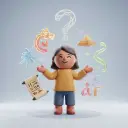 ¿Hablas...? Do you speak ...?
¿Hablas inglés? Do you speak English?
-
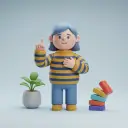 Un momento, por favor Just a moment please.
Un momento, por favor. Just a moment please.
-
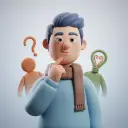 Creo que sí I think so.
Yo también creo que sí. I think so too.
-
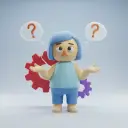 No sé I don't know.
No sé. I don't know.
-
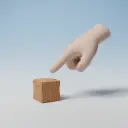 este this
Este es mi carro rojo. This is my red car.
-
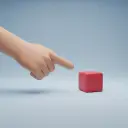 ese that
Ese perro es muy amigable. That dog is very friendly.
-
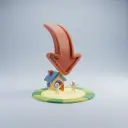 aquí here
Me gusta estar aquí. I like being here.
-
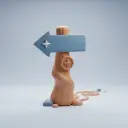 allí there
Nos encontramos allí después del trabajo. We meet there after work.
Free for personal and classroom use.
Quick quiz
Five questions from the first 100 words.
Make these words stick
The app brings each word back right before you’d forget it. Free on iPhone and Android.
More Spanish
Spanish words by topic
- Numbers1–100
- Ordinal Numbers12
- Days of the week12
- Months12
- Colors19
- Family members36
- Body parts24
- Food44
- Animals36
- Clothes41
- Jewelry and Accessories12
- Weather24
- Greetings12
- Fruits16
- Vegetables12
- Kitchen36
- Restaurant & ordering food48
- Money25
- Rooms in the house48
- Jobs & professions36
- Emotions & feelings36
- School supplies & classroom48
- Transportation48
- Travel60
- Directions48
- Prepositions18
- Places in town48
- At the doctor36
- Sports & games60
- Hobbies36
- Musical instruments12
- Nature & plants36
- Planets & space24
- Time36
- Holidays & celebrations12
- Shapes12
- Please & thank you24
- Small talk36
Word lists
Alphabet
Learn these 100 Spanish words in order.
The app teaches them 12 at a time, with pictures and audio, and brings each one back before you forget it. Free on iPhone and Android.
Scan with your phone's camera to get the app.
