



 The 1,000 Most Common Spanish Words
Each word with a picture, native audio and an example sentence with its English translation. Tap a speaker to hear the word or the sentence.

Learn all 1,000 words in the app
Pictures, native audio, and each word comes back right before you’d forget it. Free on iPhone & Android.

 Scan with your phone camera
Your PDF is downloading
Printing is step one. Flashcardly makes the words stick: it brings each one back right before you’d forget it, with native audio.
The list
In course order: the most frequent and useful words come first.
Tap a picture to hear it.
Words 1–100
-
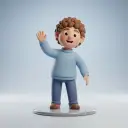 Hola Hello
Hola, ¿cómo estás? Hello, how are you?
-
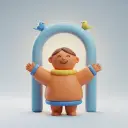 Bienvenido Welcome
Bienvenidos a nuestra casa. Welcome to our home.
-
 Buenos días Good morning
¡Buenos días! Good morning!
-
 sí yes
Sí, entiendo. Yes, I understand.
-
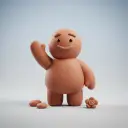 Buenas noches Good evening
¡Buenas noches! Good evening!
-
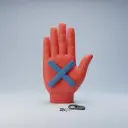 no no
Ella dijo que no. She said no.
-
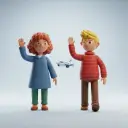 Adiós Goodbye
¡Adiós, Anna! Goodbye, Anna!
-
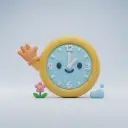 Buenas tardes Good afternoon
¡Buenas tardes! Good afternoon!
-
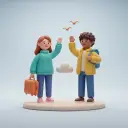 Hasta pronto See you soon
¡Hasta pronto, Mia! See you soon, Mia!
-
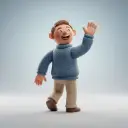 Hasta mañana See you tomorrow
¡Hasta mañana! See you tomorrow!
-
 Mucho gusto Nice to meet you
¡Mucho gusto también! Nice to meet you too!
-
 ¿Cómo estás? How are you?
¿Cómo estás hoy? How are you today?
-
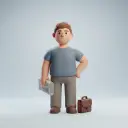 el hombre man
El hombre lee el libro. The man reads the book.
-
 la mujer woman
La mujer lleva un sombrero. The woman wears a hat.
-
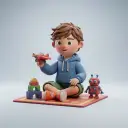 el niño boy
El niño juega con juguetes. The boy plays with toys.
-
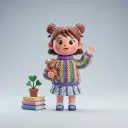 la niña girl
La niña tiene una pelota. The girl has a ball.
-
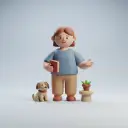 la persona person
Él es una persona agradable. He is a nice person.
-
 la gente people
La gente está muy contenta. The people are very happy.
-
 el adulto adult
Soy un adulto. I am an adult.
-
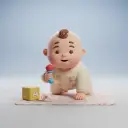 el bebé baby
El bebé necesita leche. The baby needs milk.
-
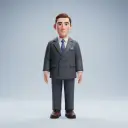 señor Mr
Al señor Smith le gusta leer libros. Mr. Smith likes to read books.
-
 señora Mrs
La señora Smith es profesora. Mrs. Smith is a teacher.
-
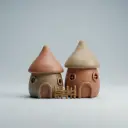 el vecino neighbor
Mi vecino es muy amable. My neighbor is very friendly.
-
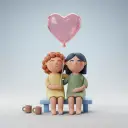 el amigo friend
A mi amigo le gusta leer libros. My friend likes to read books.
-
 hoy today
Hoy es un buen día. Today is a good day.
-
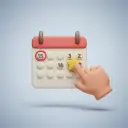 mañana tomorrow
Mañana es un nuevo día. Tomorrow is a new day.
-
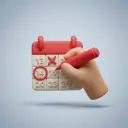 ayer yesterday
La vi ayer. I saw her yesterday.
-
 ahora now
Lo quiere ahora. He wants it now.
-
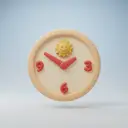 la tarde afternoon
Me gusta la tarde. I like the afternoon.
-
 la noche evening
La noche es tranquila. The evening is quiet.
-
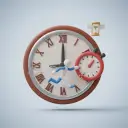 el minuto minute
Necesitamos cinco minutos. We need five minutes.
-
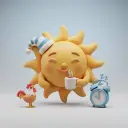 la mañana morning
Desayuno por la mañana. I eat breakfast in the morning.
-
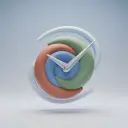 más tarde later
Lo haré más tarde. I will do it later.
-
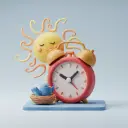 temprano early
Ella se despierta temprano. She wakes up early.
-
 tarde late
Él suele llegar tarde. He is often late.
-
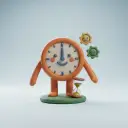 la hora hour
La clase dura una hora. The class lasts one hour.
-
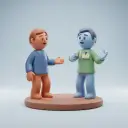 ¿Cómo te llamas? What's your name?
-
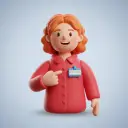 Me llamo My name is
Me llamo Emily. My name is Emily.
-
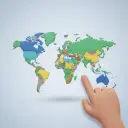 ¿De dónde eres? Where are you from?
-
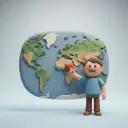 Soy de I'm from
Soy de Alemania. I'm from Germany.
-
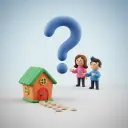 ¿Dónde vives? Where do you live?
-
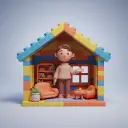 Vivo en I live in
Vivo en Japón. I live in Japan.
-
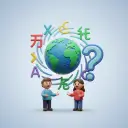 ¿Qué idiomas hablas? What languages do you speak?
-
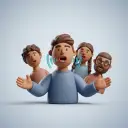 Hablo I speak
Hablo inglés bien. I speak English well.
-
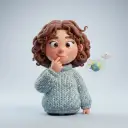 Hablo un poco de I speak a little
Hablo un poco de francés. I speak a little French.
-
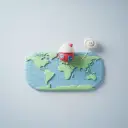 ¿Dónde naciste? Where were you born
?
-
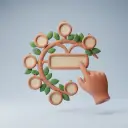 ¿Cuál es tu apellido? What's your surname?
-
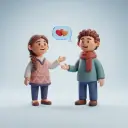 Esta es mi amiga This is my friend
Esta es mi amiga Lisa. This is my friend Lisa.
-
 hacer make
Hago buen café. I make good coffee.
-
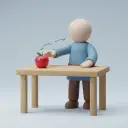 recibir get
Él recibió un regalo. He got a present.
-
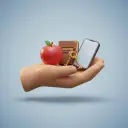 tener have
Emma tiene un carro. Emma has a car.
-
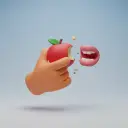 comer eat
Están comiendo manzanas. They are eating apples.
-
 beber drink
¿Bebes café? Do you drink coffee?
-
 dormir sleep
Quiero dormir ahora. I want to sleep now.
-
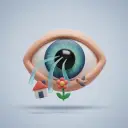 ver see
¿Puedes ver la casa? Can you see the house?
-
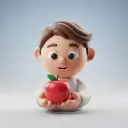 mirar look at
A Adam le gusta mirar fotos. Adam likes to look at pictures.
-
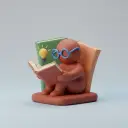 leer read
El estudiante lee libros. The student reads books.
-
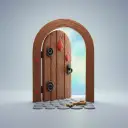 abrir open
Ella abre la ventana. She opens the window.
-
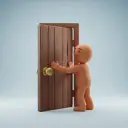 cerrar close
Cierro la puerta. I close the door.
-
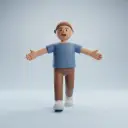 venir come
Vienes aquí todos los días. You come here every day.
-
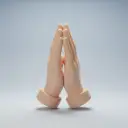 Por favor Please.
Por favor, abre la puerta. Please open the door.
-
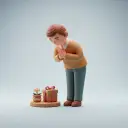 Gracias Thank you.
Gracias por tu ayuda. Thank you for your help.
-
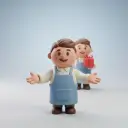 De nada You're welcome.
De nada. You're welcome.
-
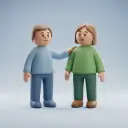 Disculpe Excuse me.
Disculpe, necesito ayuda. Excuse me, I need help.
-
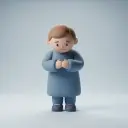 Lo siento. Sorry.
Lo siento. I am sorry.
-
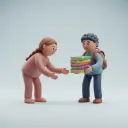 ¿Podrías ayudarme? Could you help me?
-
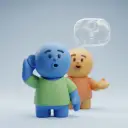 ¿Podrías repetir, por favor? Could you please repeat?
¿Podrías repetir eso, por favor? Could you please repeat that?
-
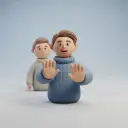 ¿Podría hablar más despacio? Could you speak more slowly?
-
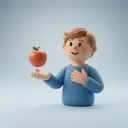 ¿Me podría dar ..., por favor? Could I have ... please?
¿Me podría dar agua, por favor? Could I have water please?
-
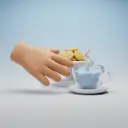 Me gustaría I'd like
Me gustaría un poco más de té. I'd like some more tea.
-
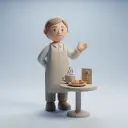 ¿Puedo...? May I...?
¿Puedo tener un poco de agua? May I have some water?
-
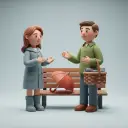 ¿Está bien si...? Is it okay if...?
¿Está bien si me siento? Is it okay if I sit?
-
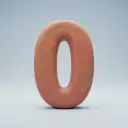 cero zero
Cero es menor que uno. Zero is less than one.
-
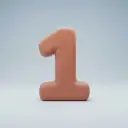 uno one
Tengo una manzana. I have one apple.
-
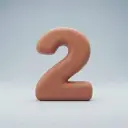 dos two
Hay dos gatos. There are two cats.
-
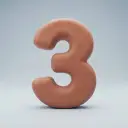 tres three
No, tres es demasiado. No, three is too much.
-
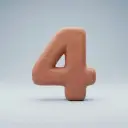 cuatro four
Dame cuatro, por favor. Give me four, please.
-
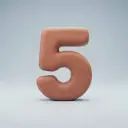 cinco five
Tengo cinco perros. I have five dogs.
-
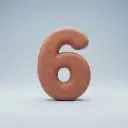 seis six
Vino con seis amigos. He came with six friends.
-
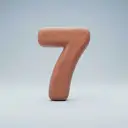 siete seven
Estoy corriendo siete kilómetros. I am running seven kilometers.
-
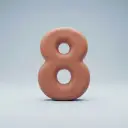 ocho eight
Una araña tiene ocho patas. A spider has eight legs.
-
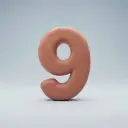 nueve nine
Nueve es mi número de la suerte. Nine is my lucky number.
-
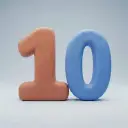 diez ten
Tenemos diez dedos. We have ten fingers.
-
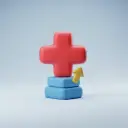 más plus
Dos más dos es cuatro. Two plus two is four.
-
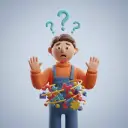 No entiendo. I don't understand.
-
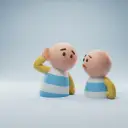 ¿Puedes repetir eso, por favor? Could you repeat that please?
-
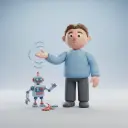 Más despacio, por favor. More slowly please.
-
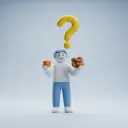 ¿Qué significa eso? What does that mean?
-
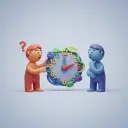 ¿Cómo se dice eso en...? How do you say that in ...?
¿Cómo se dice eso en español? How do you say that in Spanish?
-
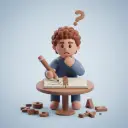 ¿Cómo se deletrea eso? How do you spell that?
-
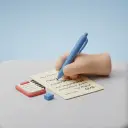 ¿Puedes anotarlo? Can you write it down?
¿Puedes anotarlo, por favor? Can you write it down, please?
-
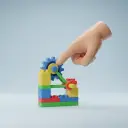 ¿Me puedes enseñar? Can you show me?
¿Me puedes enseñar la foto? Can you show me the photo?
-
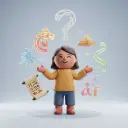 ¿Hablas...? Do you speak ...?
¿Hablas inglés? Do you speak English?
-
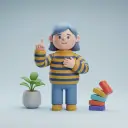 Un momento, por favor Just a moment please.
Un momento, por favor. Just a moment please.
-
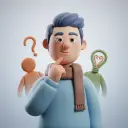 Creo que sí I think so.
Yo también creo que sí. I think so too.
-
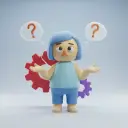 No sé I don't know.
No sé. I don't know.
-
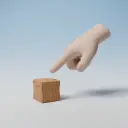 este this
Este es mi carro rojo. This is my red car.
-
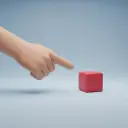 ese that
Ese perro es muy amigable. That dog is very friendly.
-
 aquí here
Me gusta estar aquí. I like being here.
-
 allí there
Nos encontramos allí después del trabajo. We meet there after work.
Words 101–200
-
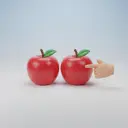 otro another
Quiere otro trozo de pastel. He wants another piece of cake.
-
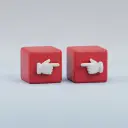 mismo same
Llevamos la misma camisa azul. We wear the same blue shirt.
-
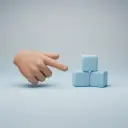 estas these
Estas manzanas están listas para comer. These apples are ready to eat.
-
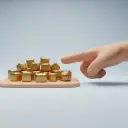 esas those
Esas galletas se ven muy bien. Those cookies look very good.
-
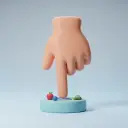 aquí mismo right here
Las llaves están aquí mismo. The keys are right here.
-
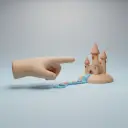 por allí over there
Mis zapatos están por allí. My shoes are over there.
-
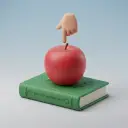 encima de on top of
El gato está encima de la mesa. The cat is on top of the table.
-
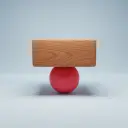 debajo de underneath
El perro está debajo de la mesa. The dog is underneath the table.
-
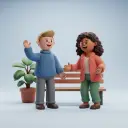 ¿Qué tal? How's it going?
-
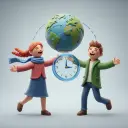 ¡Cuánto tiempo sin vernos! Long time no see.
-
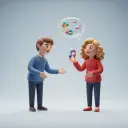 ¿Qué te gusta? What do you enjoy?
-
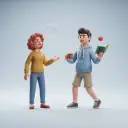 ¿Qué andas haciendo? What are you up to?
¿Qué andas haciendo ahora? What are you up to now?
-
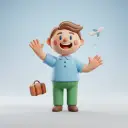 Que tengas un buen día Have a nice day.
¡Que tengas un buen día, John! Have a nice day, John!
-
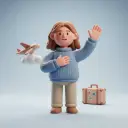 Cuídate Take care.
Cuídate. Nos vemos mañana. Take care. See you tomorrow.
-
 ¡Buena suerte! Good luck!
¡Buena suerte! ¡Creo en ti! Good luck! I believe in you!
-
 ¡Felicidades! Congratulations!
¡Felicidades! Terminaste el trabajo duro. Congratulations! You finished the hard work.
-
 ¡Salud! Cheers!
-
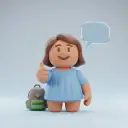 No hay problema No problem.
No hay problema, puedo ayudarte. No problem, I can help you.
-
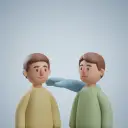 No te preocupes Don't worry.
No te preocupes, todo estará bien. Don't worry, it will be okay.
-
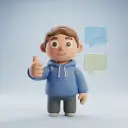 Suena bien Sounds good.
Me suena bien, ¡gracias! Sounds good to me, thanks!
-
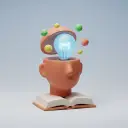 saber know
Sabes la respuesta ahora. You know the answer now.
-
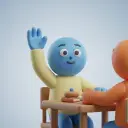 preguntar ask
Puedes preguntar a tu hermano. You can ask your brother.
-
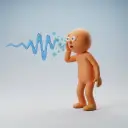 oír hear
¿Puedes oír ese sonido? Can you hear that sound?
-
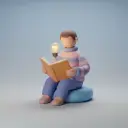 aprender learn
Aprendes algo nuevo cada día. You learn something new everyday.
-
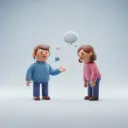 hablar con talk with
¿Te gusta hablar con tus amigos? Do you like talking with your friends?
-
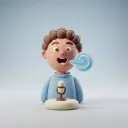 decir say
Quiero decir algo. I want to say something.
-
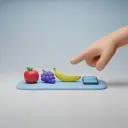 elegir choose
Tú eliges tu color favorito. You choose your favorite color.
-
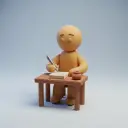 escribir write
Los estudiantes escriben una historia. The students write a story.
-
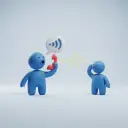 llamar call
Voy a llamarte. I am going to call you.
-
 escuchar listen to
Escucho la radio. I listen to the radio.
-
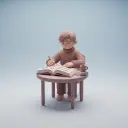 estudiar study
Estudio mucho para cada examen. I study hard for every test.
-
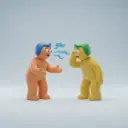 contar tell
Él me cuenta su nombre. He tells me his name.
-
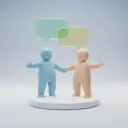 encontrarse meet
Me encontraré contigo mañana. I will meet you tomorrow.
-
 unirse join
Ella se unirá a nuestro grupo. She will join our group.
-
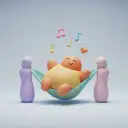 disfrutar enjoy
Nosotros disfrutamos de la música. We enjoy the music.
-
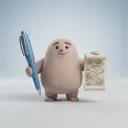 describir describe
El niño describió al animal. The boy described the animal.
-
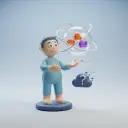 explicar explain
Ella explicará el problema. She will explain the problem.
-
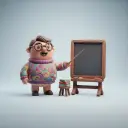 enseñar teach
Yo les enseño a los nuevos estudiantes. I teach the new students.
-
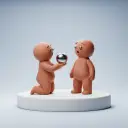 presentar introduce
Te presentaré a mi amigo. I will introduce my friend.
-
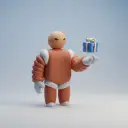 aceptar accept
Ella acepta el regalo. She accepts the gift.
-
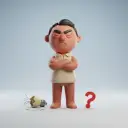 rechazar refuse
El niño rechaza la comida. The child refuses the food.
-
 prometer promise
Te prometo ayudarte. I promise to help you.
-
 discutir discuss
Ellos discuten el nuevo plan. They discuss the new plan.
-
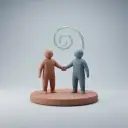 contactar contact
Contactaré con el médico. I will contact the doctor.
-
 reír laugh
Los niños se ríen a carcajadas. The children laugh loudly.
-
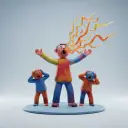 gritar shout
El niño grita pidiendo ayuda. The boy shouts for help.
-
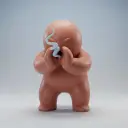 susurrar whisper
Él me susurra al oído. He whispers in my ear.
-
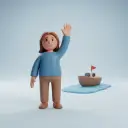 saludar wave
Ella saluda con la mano al despedirse. She waves goodbye.
-
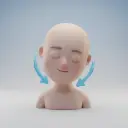 asentir nod
La mujer asiente con la cabeza. The woman nods her head.
-
 abrazar hug
La madre abraza a su hijo. The mother hugs her child.
-
 besar kiss
La madre besa a su hijo. The mother kisses her child.
-
 señalar point
El niño señala al perro. The child points at the dog.
-
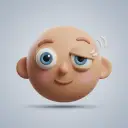 parpadear blink
Él parpadea rápidamente. He blinks his eyes quickly.
-
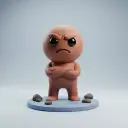 fruncir el ceño frown
El padre le frunce el ceño a su hijo. The father frowns at his son.
-
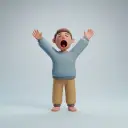 bostezar yawn
El hombre cansado bosteza. The tired man yawns.
-
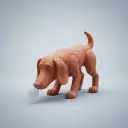 olfatear sniff
El perro olfatea la comida. The dog sniffs the food.
-
 bueno good
Ella es una buena persona. She is a good person.
-
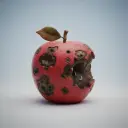 malo bad
Esa leche huele mal. That milk smells bad.
-
 grande big
El perro grande puede saltar. The big dog can jump.
-
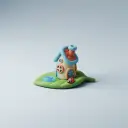 pequeño small
El bebé tiene manos pequeñas. The baby has small hands.
-
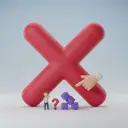 incorrecto wrong
Tu respuesta es incorrecta. Your answer is wrong.
-
 fácil easy
Este problema de matemáticas es fácil. This math problem is easy.
-
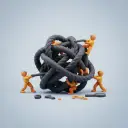 difícil difficult
Ese examen fue difícil. That test was difficult.
-
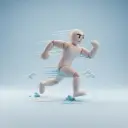 rápido fast
Los carros van muy rápido. Cars go very fast.
-
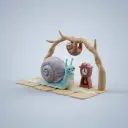 lento slow
La tortuga es muy lenta. The turtle is very slow.
-
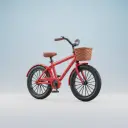 nuevo new
Este es un carro nuevo. This is a new car.
-
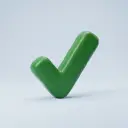 verdadero true
¿Es esta historia verdadera? Is this story true?
-
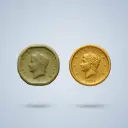 falso false
La respuesta es falsa. The answer is false.
-
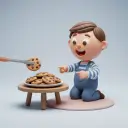 Quiero I want to
Quiero comer pizza. I want to eat pizza.
-
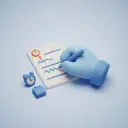 Necesito I need to
Necesito llamarla. I need to call her.
-
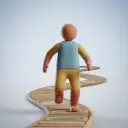 Voy a I'm going to
Voy a comer pronto. I'm going to eat soon.
-
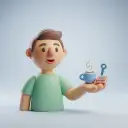 Me gustaría I'd like to
Me gustaría jugar al tenis. I'd like to play tennis.
-
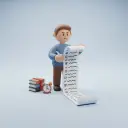 Tengo que I have to
Tengo que irme ahora. I have to go now.
-
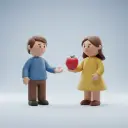 ¿Puedo...? May I ...?
¿Puedo tomar agua, por favor? May I have water, please?
-
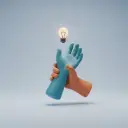 Ayúdame con Help me with
Por favor, ayúdame con esta bolsa. Please help me with this bag.
-
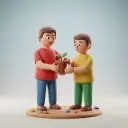 Muéstrame cómo Show me how to
Muéstrame cómo hacer esto. Show me how to do this.
-
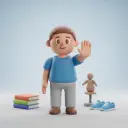 No puedo ... ahora mismo I can't ... right now.
No puedo ayudar ahora mismo. I can't help right now.
-
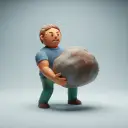 Estoy intentando I’m trying to
Estoy intentando dormir ahora. I’m trying to sleep now.
-
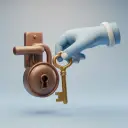 ¿Es posible...? Is it possible to ...?
¿Es posible nadar aquí? Is it possible to swim here?
-
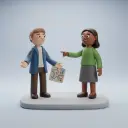 ¿Dónde puedo...? Where can I ...?
¿Dónde puedo almorzar? Where can I eat lunch?
-
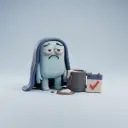 el lunes Monday
El lunes es el primer día. Monday is the first day.
-
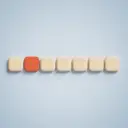 el martes Tuesday
El martes siempre es divertido. Tuesday is always fun.
-
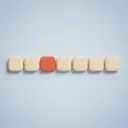 el miércoles Wednesday
Ella va a casa el miércoles. She goes home Wednesday.
-
 el jueves Thursday
Él viene el jueves. He comes on Thursday.
-
 el viernes Friday
El viernes es el mejor día. Friday is the best day.
-
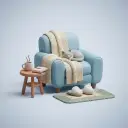 el sábado Saturday
Salgo el sábado. I leave on Saturday.
-
 el domingo Sunday
Descansaré el domingo. I will rest on Sunday.
-
 el día de semana weekday
Ella trabaja todas las mañanas de los días de semana. She works every weekday morning.
-
 el fin de semana weekend
¿A quién no le gusta el fin de semana? Who does not like the weekend?
-
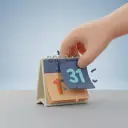 a diario daily
Leemos el periódico a diario. We read the newspaper daily .
-
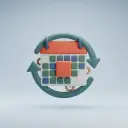 semanalmente weekly
Suelo ver las noticias semanalmente. I usually watch the news weekly.
-
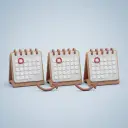 mensual monthly
Pagan el precio mensual. They pay the monthly price.
-
 el día day
Esperamos durante un día. We waited for one day.
-
 la noche night
Dormimos por la noche. We sleep at night.
-
 la semana week
Nos quedamos por una semana. We stayed for one week.
-
 el mes month
Él trabajó durante un mes. He worked for one month.
-
 el año year
Esperamos durante un año. We waited for one year.
-
 el tiempo time
Necesitamos más tiempo. We need more time.
-
 el momento moment
Él esperó un momento. He waited for a moment.
-
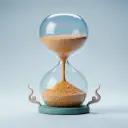 el futuro future
Pienso en el futuro. I think about the future.
Words 201–300
-
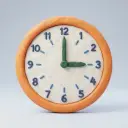 en punto o'clock
Me despierto a las siete en punto. I wake up at seven o'clock.
-
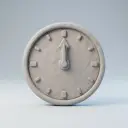 la medianoche midnight
Saldremos a medianoche. We will leave at midnight.
-
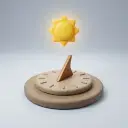 el mediodía midday
El sol calienta mucho al mediodía. The sun is hot at midday.
-
 esta noche tonight
Los invitados llegarán esta noche. The guests will arrive tonight.
-
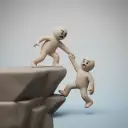 la ayuda help
¡Ayuda! Estoy en problemas. Help! I am in trouble.
-
 el peligro danger
¡Estamos en peligro! We are in danger!
-
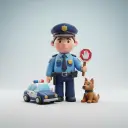 la policía police
¡Llama a la policía! Call the police!
-
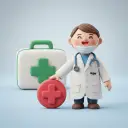 el doctor doctor
¡Necesito un doctor! I need a doctor!
-
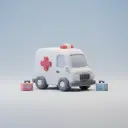 la ambulancia ambulance
¡Llama a una ambulancia! Call an ambulance!
-
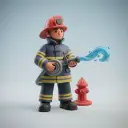 el bombero firefighter
Los bomberos son héroes. The firefighters are heroes.
-
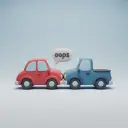 el accidente accident
Tuve un accidente. I had an accident.
-
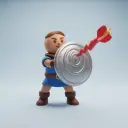 proteger protect
La policía nos protege. The police protect us.
-
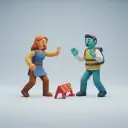 advertir warn
¡Necesito advertirles! I need to warn them!
-
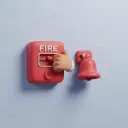 la alarma alarm
¡La alarma sonó! The alarm went off!
-
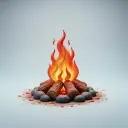 el incendio fire
¡Hay un incendio! There is a fire!
-
 el humo smoke
¡Está saliendo humo del edificio! Smoke is coming out of the building!
-
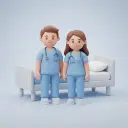 trabajar como work as
Ellas trabajan como enfermeras de hospital. They work as hospital nurses.
-
 comprar buy
Puedes comprar fruta aquí. You can buy fruit here.
-
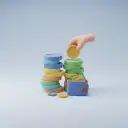 pagar pay
Debes pagar esto. You must pay for this.
-
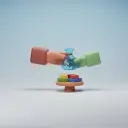 vender sell
Aquí venden fruta fresca. They sell fresh fruit here.
-
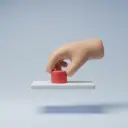 poner put
Él pone el libro sobre la mesa. He puts the book on the table.
-
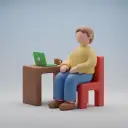 sentarse sit
Emma se sienta en esa silla. Emma sits in that chair.
-
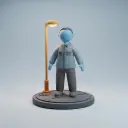 pararse stand
Me paro junto a la puerta. I stand by the door.
-
 nadar swim
Pueden nadar rápido. They can swim fast.
-
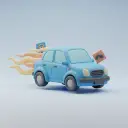 conducir drive
Necesitas conducir con cuidado. You need to drive carefully.
-
 planear plan
Ellos planean visitar pronto. They plan to visit soon.
-
 terminar finish
Él puede terminar la tarea más tarde. He can finish homework later.
-
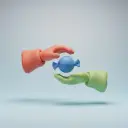 dar give
Doy regalos a mis amigos. I give presents to friends.
-
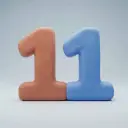 once eleven
Siempre recibo once piezas. I always get eleven pieces.
-
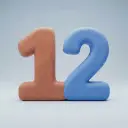 doce twelve
Hay doce huevos en una caja. There are twelve eggs in a carton.
-
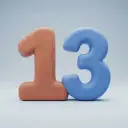 trece thirteen
El número trece trae mala suerte. The number thirteen is unlucky.
-
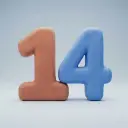 catorce fourteen
El apartamento tiene catorce pisos. The apartment has fourteen floors.
-
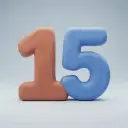 quince fifteen
Abro el libro en la página quince. I open the book at page fifteen.
-
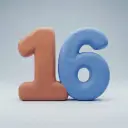 dieciséis sixteen
¡Eso es dieciséis veces más! That is sixteen times more!
-
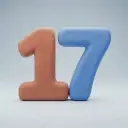 diecisiete seventeen
Tenemos diecisiete lápices. We have seventeen pencils.
-
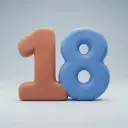 dieciocho eighteen
Mide dieciocho metros de alto. It is eighteen meters high.
-
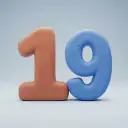 diecinueve nineteen
El diecinueve es mi número favorito. Nineteen is my favourite number.
-
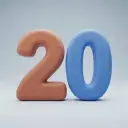 veinte twenty
Ella necesita veinte manzanas pequeñas. She needs twenty small apples.
-
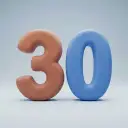 treinta thirty
Él tiene treinta años. He is thirty years old.
-
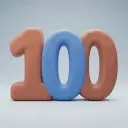 cien hundred
Él contó hasta cien. He counted to one hundred.
-
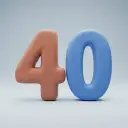 cuarenta forty
Ella tiene cuarenta lápices en total. She has forty pencils in total.
-
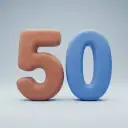 cincuenta fifty
Él tiene cincuenta dólares. He has fifty dollars.
-
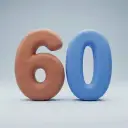 sesenta sixty
John tiene sesenta años. John is sixty years old.
-
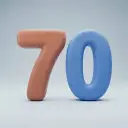 setenta seventy
Mi abuelo tiene setenta años. My grandpa is seventy years old.
-
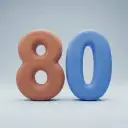 ochenta eighty
Tengo ochenta gramos de azúcar. I have eighty grams of sugar.
-
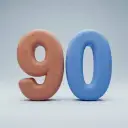 noventa ninety
Tiene noventa libros para leer. He has ninety books to read.
-
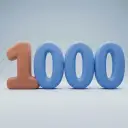 mil thousand
Mil es un número grande. A thousand is a big number.
-
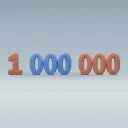 millón million
Ese carro cuesta un millón de dólares. That car costs a million dollars.
-
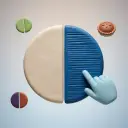 la mitad half
Se comió la mitad de la pizza. He ate half the pizza.
-
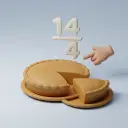 el cuarto quarter
Solo queda un cuarto de ellos. There is only a quarter of them left.
-
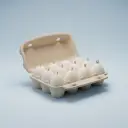 la docena dozen
Compro una docena de huevos en la tienda. I buy a dozen eggs at the store.
-
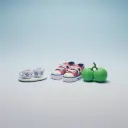 el par pair
Ese par de zapatos está limpio. That pair of shoes is clean.
-
 primero first
Ganó el primer lugar fácilmente. He won first place easily.
-
 segundo second
Esta es mi segunda vez aquí. This is my second time here.
-
 tercero third
Terminaron en tercer lugar. They finished in third place.
-
 cuarto fourth
Estoy cuarto en la fila. I am fourth in line.
-
 quinto fifth
Está en la quinta fila. She is in the fifth row.
-
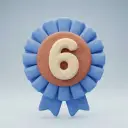 sexto sixth
Él es la sexta persona. He is the sixth person.
-
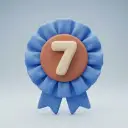 séptimo seventh
Ellos viven en el séptimo piso. They live on the seventh floor.
-
 octavo eighth
Esta es la octava manzana. This is the eighth apple.
-
 noveno ninth
El noveno día es festivo. The ninth day is a holiday.
-
 décimo tenth
Ella ocupa el décimo lugar. She is the tenth place.
-
 undécimo eleventh
Celebran su undécimo aniversario. They celebrate their eleventh anniversary.
-
 duodécimo twelfth
Ese es el duodécimo mes. That is the twelfth month.
-
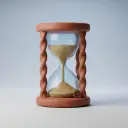 siempre always
Siempre tomo café por la mañana. I always drink coffee in the morning.
-
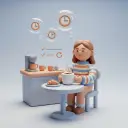 normalmente usually
Él normalmente almuerza al mediodía. He usually eats lunch at noon.
-
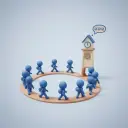 a menudo often
La gente a menudo come pizza aquí. People often eat pizza here.
-
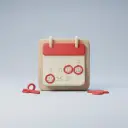 a veces sometimes
Ella a veces va a la biblioteca. She sometimes goes to the library.
-
 rara vez rarely
Rara vez como comida rápida. I rarely eat fast food.
-
 nunca never
Ellos nunca van a esa tienda. They never go to that store.
-
 todos los días every day
Comemos chocolate todos los días. We eat chocolate every day.
-
 cada semana every week
Ella nada cada semana. She swims every week.
-
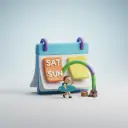 los fines de semana on weekends
Me relajo los fines de semana en casa. I relax on weekends at home.
-
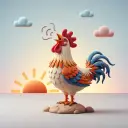 por la mañana in the morning
La gente desayuna por la mañana. People eat breakfast in the morning.
-
 por la noche at night
Ellos duermen por la noche en sus camas. They sleep at night in their beds.
-
 después del trabajo after work
Se relaja después del trabajo todos los días. He relaxes after work every day.
-
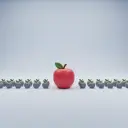 una vez a la once a
Voy una vez a la semana. I go once a week.
-
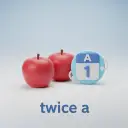 dos veces a la twice a
Mi papá visita dos veces a la semana. My dad visits twice a week.
-
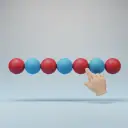 cada dos every other
Ellos visitan cada dos semanas. They visit every other week.
-
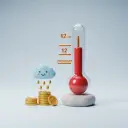 al menos at least
Come al menos una manzana cada día. He eats at least one apple daily.
-
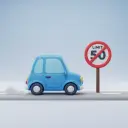 como máximo at most
Compraré dos como máximo. I will buy two at most.
-
 más que more than
Esto es más que suficiente comida. This is more than enough food.
-
 menos que less than
Sacaste menos que la vez pasada. You got less than last time.
-
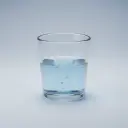 un poco a little
Él necesita un poco de ayuda. He needs a little help.
-
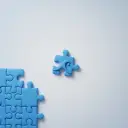 un poco a bit
Comió un poco de pastel. She ate a bit of cake.
-
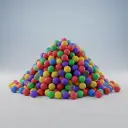 mucho a lot
Estudio mucho. I study a lot.
-
 demasiado too much
Comieron demasiado pastel. They ate too much cake.
-
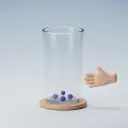 no es suficiente not enough
Esta cantidad no es suficiente. This amount is not enough.
-
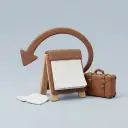 hace ago
Llegué hace dos días. I arrived two days ago.
-
 pronto soon
Mi amigo llegará pronto. My friend will arrive soon.
-
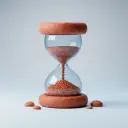 todavía still
Todavía tengo hambre. I am still hungry.
-
 alguna vez ever
¿Has visto alguna vez el océano? Have you ever seen the ocean?
-
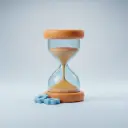 todavía yet
Mi amigo no ha llegado todavía. My friend has not arrived yet.
-
 inmediatamente immediately
Necesito ayuda inmediatamente. I need help immediately.
-
 tal vez maybe
Tal vez ella venga más tarde. Maybe she will come later.
-
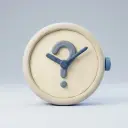 algún día sometime
Nos reuniremos algún día. We will meet sometime.
-
 en cualquier momento anytime
Puedes visitarnos en cualquier momento. You can visit us anytime.
-
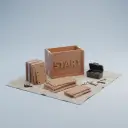 antes de before
Nos fuimos antes de la tormenta. We left before the storm.
-
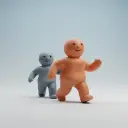 después de after
Nos iremos después de la comida. We will leave after the meal.
-
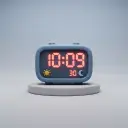 hoy en día nowadays
La gente viaja más hoy en día. People travel more nowadays.
Words 301–400
-
 enero January
Enero es el primer mes. January is the first month.
-
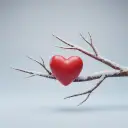 febrero February
Febrero suele ser un mes corto. February is usually a short month.
-
 marzo March
Suelo visitarlos en marzo. I usually visit them in March.
-
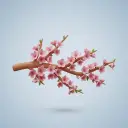 abril April
El partido de baloncesto es en abril. The basketball game is in April.
-
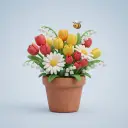 mayo May
Mi examen final es en mayo. My final exam is in May.
-
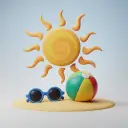 junio June
Sabré la respuesta para junio. I will know the answer by June.
-
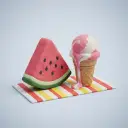 julio July
Julio es normalmente un mes muy cálido. July is usually a very warm month.
-
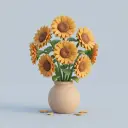 agosto August
¿Podemos vernos de nuevo en agosto? Can we meet again in August?
-
 septiembre September
Mis vacaciones son en septiembre. My vacation is in September.
-
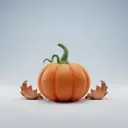 octubre October
¿Es tu cumpleaños en octubre? Is your birthday in October?
-
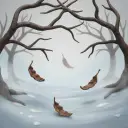 noviembre November
¿Por qué llueve en noviembre? Why does it rain in November?
-
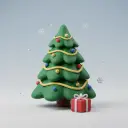 diciembre December
Diciembre es el último mes. December is the last month.
-
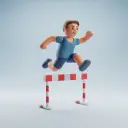 sobre over
El gato salta sobre la caja. The cat jumps over the box.
-
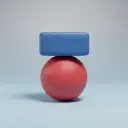 bajo under
Viven bajo un árbol grande. They live under a big tree.
-
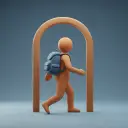 a través de through
Él camina a través de la puerta. He walks through the door.
-
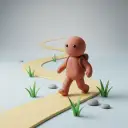 por along
Caminamos por la playa. We walk along the beach.
-
 por around
La gente camina por el parque. People walk around the park.
-
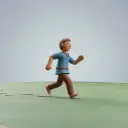 al otro lado de across
Voy al otro lado de la calle. I go across the street.
-
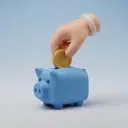 en into
Él entra lentamente en la habitación. He walks slowly into the room.
-
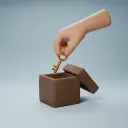 fuera de out of
El niño corre fuera de la escuela. The kid runs out of the school.
-
 arriba up
Ella mira arriba a las nubes. She looks up at the clouds.
-
 abajo down
El perro puso la pelota abajo. The dog put the ball down.
-
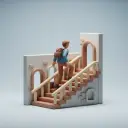 la planta alta upstairs
Voy a la planta alta a dormir. I go upstairs to bed.
-
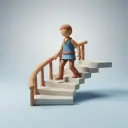 la planta baja downstairs
Escucho ruidos en la planta baja. I hear noises downstairs.
-
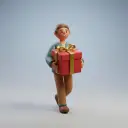 traer bring
Traen comida a la fiesta. They bring food to the party.
-
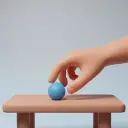 tomar take
Siempre tomas mi bolígrafo. You always take my pen.
-
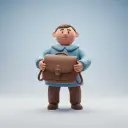 llevar carry
Él puede llevar la caja. He can carry the box.
-
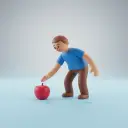 recoger pick up
¿Puedes recoger el paquete? Can you pick up the package?
-
 dejar caer drop
Si dejo caer el teléfono, se romperá. If I drop the phone, it will break.
-
 pasar pass
¿Me pasas la sal? Can you pass me the salt?
-
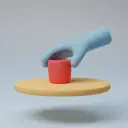 dejar put down
Dejamos nuestras mochilas. We put down our backpacks.
-
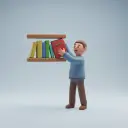 recoger put away
Recojo mis juguetes. I put away my toys.
-
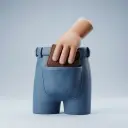 sacar take out
Ella sacará la basura. She will take out the trash.
-
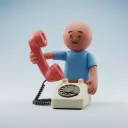 colgar hang up
Ellos cuelgan sus abrigos. They hang up their coats.
-
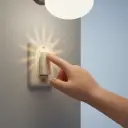 encender turn on
Enciendes la luz. You turn on the light.
-
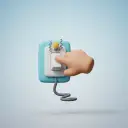 apagar turn off
¿Alguien puede apagar la radio? Can someone turn off the radio?
-
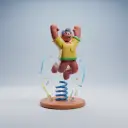 saltar jump
El gato salta sobre el muro. The cat jumps over the wall.
-
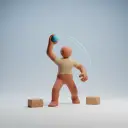 lanzar throw
El niño lanza la piedra. The boy throws the stone.
-
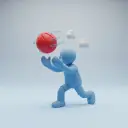 atrapar catch
Él atrapa la pelota. He catches the ball.
-
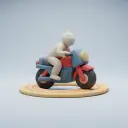 montar ride
El niño monta a caballo. The boy rides a horse.
-
 volar fly
Los pájaros vuelan en el cielo. The birds fly in the sky.
-
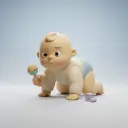 gatear crawl
El bebé gatea por el suelo. The baby crawls on the floor.
-
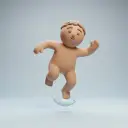 saltarse skip
Ella se saltó la primera página. She skipped the first page.
-
 patear kick
El niño patea la pelota. The child kicks the ball.
-
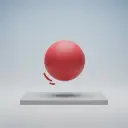 rebotar bounce
La pelota rebota en el suelo. The ball bounces on the ground.
-
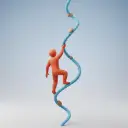 trepar climb
El gato trepa el árbol. The cat climbs the tree.
-
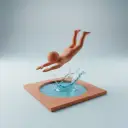 tirarse dive
El niño se tira al agua. The boy dives into the water.
-
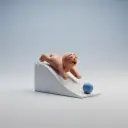 deslizarse slide
La caja se desliza por el suelo. The box slides on the floor.
-
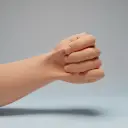 pellizcar pinch
Él me pellizcó el brazo. He pinched my arm.
-
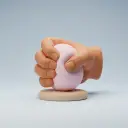 apretar squeeze
Ella me aprieta la mano. She squeezes my hand.
-
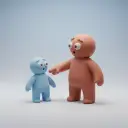 picar poke
El niño me picó el brazo. The child poked my arm.
-
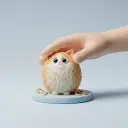 acariciar stroke
El niño acaricia al perro. The boy strokes the dog.
-
 frotar rub
Me froto los ojos cansados. I rub my tired eyes.
-
 retorcer twist
El hombre retuerce la cuerda. The man twists the rope.
-
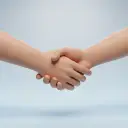 sacudir shake
El bebé sacude el juguete. The baby shakes the toy.
-
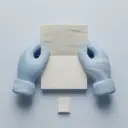 doblar fold
Yo doblo el papel. I fold the paper.
-
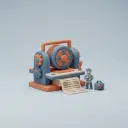 presionar press
Ella presiona el botón rojo. She presses the red button.
-
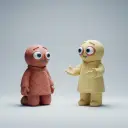 atar attach
Él atará la cuerda. He will attach the rope.
-
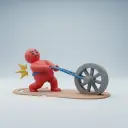 tirar pull
El hombre tira de la cuerda pesada. The man pulls the heavy rope.
-
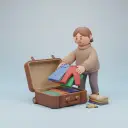 hacer la maleta pack
Yo hago la maleta. I pack my bag.
-
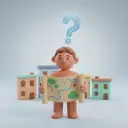 ¿Dónde está...? Where is the ...?
¿Dónde está el hotel? Where is the hotel?
-
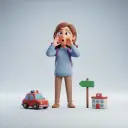 ¿Hay ... cerca? Is there a ... nearby?
¿Hay un banco cerca? Is there a bank nearby?
-
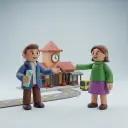 ¿Cómo llego a...? How do I get to ...?
¿Cómo llego a la escuela? How do I get to school?
-
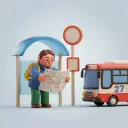 ¿Qué autobús va a...? Which bus goes to ...?
¿Qué autobús va a la ciudad? Which bus goes to town?
-
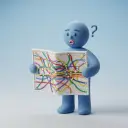 ¿Qué línea va a...? Which line goes to ...?
¿Qué línea va al museo? Which line goes to the museum?
-
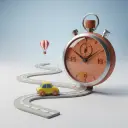 ¿Cuánto tiempo se tarda? How long does it take?
Me pregunto cuánto tiempo se tarda. I wonder how long does it take.
-
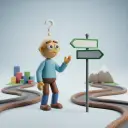 ¿A qué distancia está? How far is it?
-
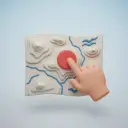 ¿Puedes mostrarme en el mapa? Can you show me on the map?
-
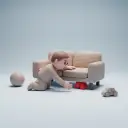 Estoy buscando I'm looking for
Están buscando un baño. They are looking for a restroom.
-
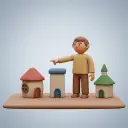 La más cercana The nearest
La más cercana está ahí abajo. The nearest store is down there.
-
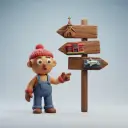 ¿Esto va a...? Does this go to ...?
¿Esto va al restaurante? Does this go to the restaurant?
-
 ¿Qué parada para...? Which stop for ...?
¿Qué parada para el centro? Which stop for downtown?
-
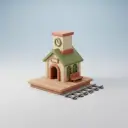 la estación station
Esperan en la estación de tren. They wait at the train station.
-
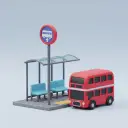 parada de autobús bus stop
La parada de autobús está cerca. The bus stop is nearby.
-
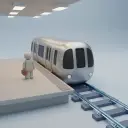 la estación de metro subway station
Esta estación de metro está muy concurrida. This subway station is very crowded.
-
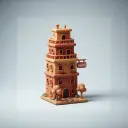 el hotel hotel
Puedes reservar un hotel en línea. You can book a hotel online.
-
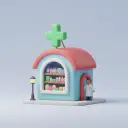 la farmacia pharmacy
Mark trabaja en la farmacia. Mark works at the pharmacy.
-
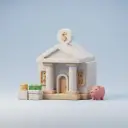 el banco bank
Él va al banco. He goes to the bank.
-
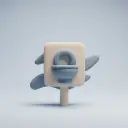 el baño restroom
Este es un baño limpio. This is a clean restroom.
-
 el supermercado supermarket
Compramos comida en el supermercado. We buy food at the supermarket.
-
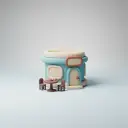 el restaurante restaurant
Les gusta mucho ese restaurante. They like that restaurant a lot.
-
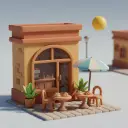 el café café
Jane trabaja en el café. Jane works at the café.
-
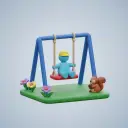 el parque park
A ella le gusta el parque verde. She likes the green park.
-
 el hospital hospital
Un hospital ayuda a las personas enfermas. A hospital helps sick people.
-
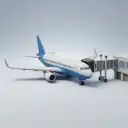 el aeropuerto airport
Llegamos al aeropuerto. We arrived at the airport.
-
 el estadio stadium
Fuimos al estadio. We went to the stadium.
-
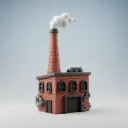 la fábrica factory
Esta fábrica fabrica ropa. This factory makes clothes.
-
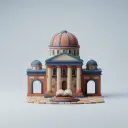 la universidad university
Ella estudia en la universidad. She studies at the university.
-
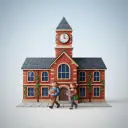 la universidad college
Ella estudia en la universidad. She studies at the college.
-
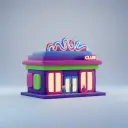 el club club
Nos unimos al club deportivo. We joined the sports club.
-
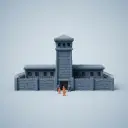 la prisión prison
El criminal escapó de la prisión. The criminal escaped from prison.
-
 la torre tower
Veo la torre alta. I see the tall tower.
-
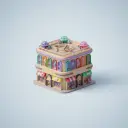 el centro comercial mall
Compré zapatos en el centro comercial. I bought shoes at the mall.
-
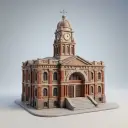 la alcaldía town hall
Nos reunimos en la alcaldía. We met at the town hall.
-
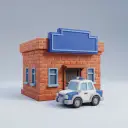 la comisaría police station
Veo la comisaría. I see the police station.
-
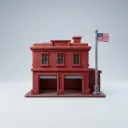 la estación de bomberos fire station
Vivo cerca de la estación de bomberos. I live near the fire station.
-
 Gira a la izquierda Turn left.
Gira a la izquierda aquí. Turn left here.
-
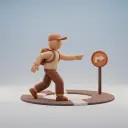 Dobla a la derecha Turn right.
Dobla a la derecha en el cruce. Turn right at the intersection.
-
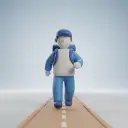 Sigue derecho Go straight ahead.
Sigue derecho hasta la escuela. Go straight ahead to school.
-
 Está cerca It's near.
Está cerca. It's near.
Words 401–500
-
 Está lejos It's far.
Está lejos. It's far.
-
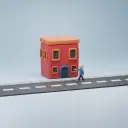 al otro lado de la calle Across the street.
Él vive al otro lado de la calle. He lives across the street.
-
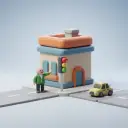 en la esquina At the corner.
Ella está esperando en la esquina. She is waiting at the corner.
-
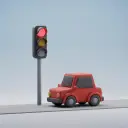 en el semáforo At the traffic light.
Paramos en el semáforo. We stopped at the traffic light.
-
 En la intersección At the intersection.
El bar está en la intersección. The bar is at the intersection.
-
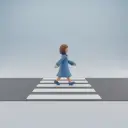 el paso peatonal Crosswalk.
Ese paso peatonal es muy seguro. That crosswalk is very safe.
-
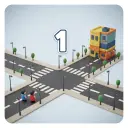 a una cuadra One block away.
El museo está a una cuadra. The museum is one block away.
-
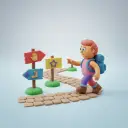 Sigue las señales Follow the signs.
Sigue las señales a la seguridad. Follow the signs to safety.
-
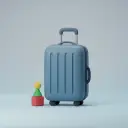 la maleta suitcase
¿Ya empacaste tu maleta? Did you pack your suitcase already?
-
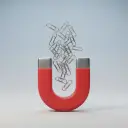 el imán magnet
El imán pequeño es un regalo. The small magnet is a present.
-
 el cepillo de pelo hairbrush
Ella no encuentra su cepillo de pelo. She can’t find her hairbrush.
-
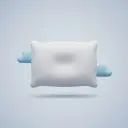 la almohada pillow
Esta almohada es suave y cálida. This pillow is soft and warm.
-
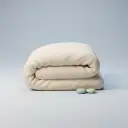 la manta blanket
Toma una manta si tienes frío. Take a blanket if you are cold.
-
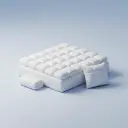 el colchón mattress
Nuestro colchón nuevo es muy cómodo. Our new mattress is really comfortable.
-
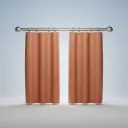 la cortina curtain
Por favor, abre la cortina, está oscuro. Please open the curtain, it's dark.
-
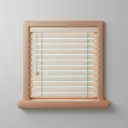 las persianas blinds
Normalmente cierro las persianas por la noche. I usually close the blinds at night.
-
 la alfombra carpet
Hay polvo debajo de la alfombra. There is dust under the carpet.
-
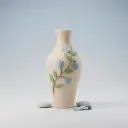 el florero vase
Este florero parece caro. This vase looks expensive.
-
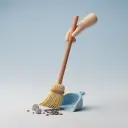 la escoba broom
¿Este apartamento tiene una escoba? Does this apartment have a broom?
-
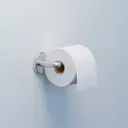 el papel higiénico toilet paper
¡Oh no, se acabó el papel higiénico! Oh no, the toilet paper’s gone!
-
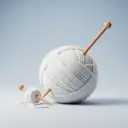 la lana wool
La oveja tiene una lana gruesa. The sheep has thick wool.
-
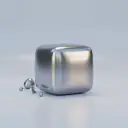 el metal metal
Necesitamos madera y metal. We need wood and metal.
-
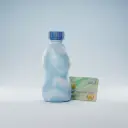 plástico plastic
Ella lava el cuenco de plástico. She washes the plastic bowl.
-
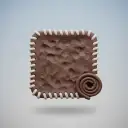 el cuero leather
Me compré un bolso de cuero nuevo. I bought a new leather bag.
-
 el algodón cotton
El agricultor cultiva algodón. The farmer grows cotton.
-
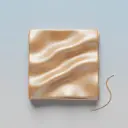 la seda silk
Esta seda es muy suave. This silk is very soft.
-
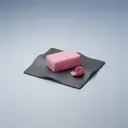 el caucho rubber
La pelota está hecha de caucho. The ball is made of rubber.
-
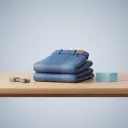 la mezclilla denim
Él compró una tela de mezclilla gruesa. He bought thick denim fabric.
-
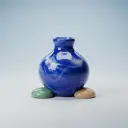 cerámico ceramic
Ella lavó el cuenco de cerámica. She washed the ceramic bowl.
-
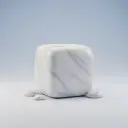 el mármol marble
Cortaron el mármol blanco. They cut the white marble.
-
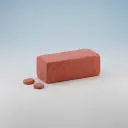 el ladrillo brick
Él sostiene un ladrillo rojo. He holds a red brick.
-
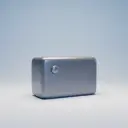 el acero steel
Fabrican las herramientas de acero. They make the tools from steel.
-
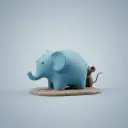 detrás de behind
Está detrás de ese edificio. It is behind that building.
-
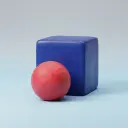 delante de in front of
Ella está delante de mí. She is in front of me.
-
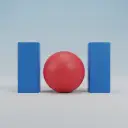 entre between
El parque está entre dos casas. The park is between two houses.
-
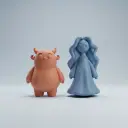 al lado de next to
Esa tienda está al lado de mi casa. That store is next to my house.
-
 opuesto opposite
Vamos en la dirección opuesta. We go the opposite direction.
-
 enfrente de across from
Vivimos enfrente de la tienda. We live across from the store.
-
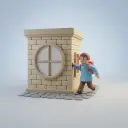 a la vuelta de la esquina around the corner
Ahora vive a la vuelta de la esquina. She lives around the corner now.
-
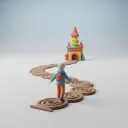 hacia towards
Los niños caminan hacia el árbol grande. The kids walk towards the big tree.
-
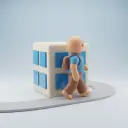 pasar past
Tienes que pasar el puente. You need to go past the bridge.
-
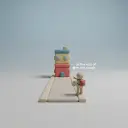 al final de la calle at the end of the street
Vivo al final de la calle. I live at the end of the street.
-
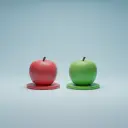 a la izquierda on the left
Ella estaciona a la izquierda. She parks on the left side.
-
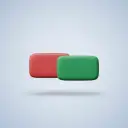 a la derecha on the right
Están a la derecha. They are on the right.
-
 sobre above
El sol está sobre la montaña. The sun is above the mountain.
-
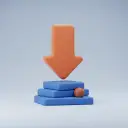 bajo below
El pueblo está bajo la montaña. The village is below the mountain.
-
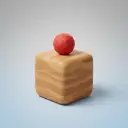 encima on top
La caja está encima. The box is on top.
-
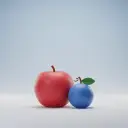 cerca de near
Vivo cerca del río. I live near the river.
-
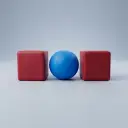 en el medio in the middle
Él está de pie en el medio. He stands in the middle.
-
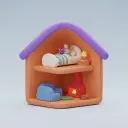 dentro de inside
El perro está dentro de la casa. The dog is inside the house.
-
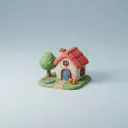 el lugar place
Encontramos un lugar seguro. We found a safe place.
-
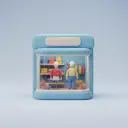 la tienda store
Compramos comida en la tienda. We buy food at the store.
-
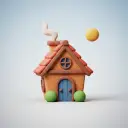 la casa house
La familia vive en esa casa. The family lives in that house.
-
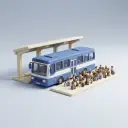 la estación de autobuses bus station
Espero en la estación de autobuses. I wait at the bus station.
-
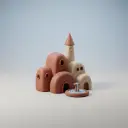 el centro city center
Vivo cerca del centro. I live near the city center.
-
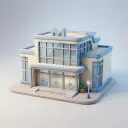 el centro comercial shopping mall
El centro comercial es muy grande. The shopping mall is very big.
-
 la fuente fountain
Esa fuente tiene agua muy clara. That fountain has very clear water.
-
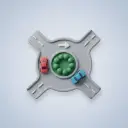 la rotonda roundabout
Esta rotonda ayuda al tráfico. This roundabout helps the traffic.
-
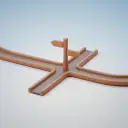 la encrucijada crossroads
Paramos en la encrucijada. We stopped at the crossroads.
-
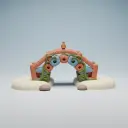 el puente bridge
La gente cruza el puente. People walk across the bridge.
-
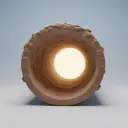 el túnel tunnel
El carro pasa por un túnel. The car drives through a tunnel.
-
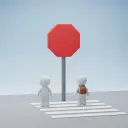 la señal de alto stop sign
Necesitas respetar la señal de alto. You need to respect the stop sign.
-
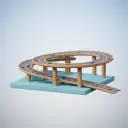 el paso elevado overpass
Construyeron un paso elevado cerca de casa. They built an overpass near home.
-
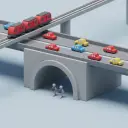 el paso subterráneo underpass
Caminaremos por el paso subterráneo. We will walk through the underpass.
-
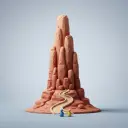 el punto de referencia landmark
El punto de referencia está cerca del río. The landmark is near the river.
-
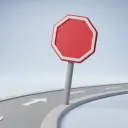 la señal de tránsito traffic sign
Esta señal de tránsito significa alto. This traffic sign means stop.
-
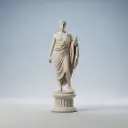 la estatua statue
Él vio la estatua hermosa. He saw the beautiful statue.
-
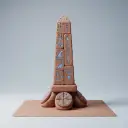 el monumento monument
Visitaron el monumento alto. They visited the tall monument.
-
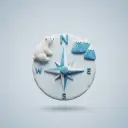 el norte north
El norte de esta ciudad es interesante. The north of this city is interesting.
-
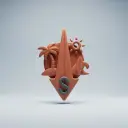 el sur south
El viento viene del sur. The wind comes from the south.
-
 el este east
El viento viene del este. The wind comes from the east.
-
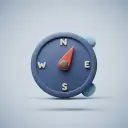 el oeste west
El sol se pone en el oeste. The sun sets in the west.
-
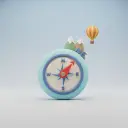 el noreste northeast
Ben vive en la zona noreste. Ben lives in the northeast area.
-
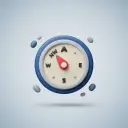 el noroeste northwest
Ese estado está en el noroeste. That state is in the northwest.
-
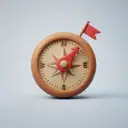 el sureste southeast
Vive en la región sureste. He lives in the southeast region.
-
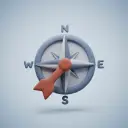 el suroeste southwest
Manejaron al suroeste. They drove to the southwest.
-
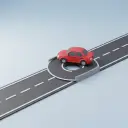 vuelta en U U-turn
Esto es una vuelta en U. This is a U-turn.
-
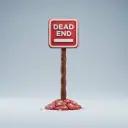 callejón sin salida dead end
Esa calle es un callejón sin salida. That street is a dead end.
-
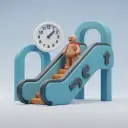 la escalera mecánica escalator
La escalera mecánica te lleva al último piso. The escalator takes you to the top floor.
-
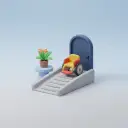 la rampa ramp
Las sillas de ruedas necesitan rampas. Wheelchairs require ramps.
-
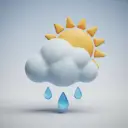 el tiempo weather
Hoy hace buen tiempo. This is nice weather today.
-
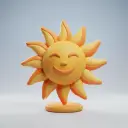 soleado sunny
A él le gusta un día soleado. He likes a sunny day.
-
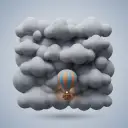 nublado cloudy
Ellos esperan una tarde nublada. They expect a cloudy afternoon.
-
 lluvioso rainy
Un día lluvioso puede ser acogedor. A rainy day can be cozy.
-
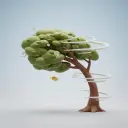 hace viento windy
Hace viento afuera. It is windy outside.
-
 caliente hot
Este té está muy caliente. This tea is very hot.
-
 frío cold
El viento frío sopla en invierno. The cold wind blows in winter.
-
 cálido warm
El día estaba cálido en la playa hoy. It was warm at the beach today.
-
 la primavera spring
Las flores aman la primavera. The flowers love the spring.
-
 el verano summer
El verano es una estación muy calurosa. Summer is a very hot season.
-
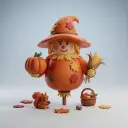 el otoño autumn
El otoño es mi estación favorita. Autumn is my favorite season.
-
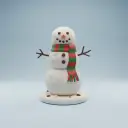 el invierno winter
El invierno puede ser muy frío aquí. Winter can be very cold here.
-
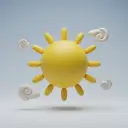 el sol sun
El sol brilla en el cielo. The sun shines in the sky.
-
 la luna Moon
Veo la luna brillante. I see the bright moon.
-
 la estrella star
Veo una estrella brillante. I see a bright star.
-
 el cielo sky
Los pájaros vuelan en el cielo. Birds fly in the sky.
-
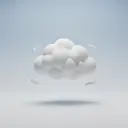 la nube cloud
Una nube oscura oculta el sol. A dark cloud hides the sun.
-
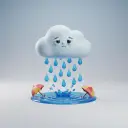 la lluvia rain
La lluvia cae del cielo. The rain falls from the sky.
-
 el viento wind
Sentimos el viento frío. We feel the cold wind.
-
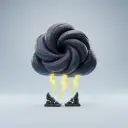 la tormenta storm
La fuerte tormenta rompió los árboles. The strong storm broke the trees.
Words 501–600
-
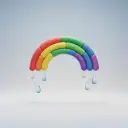 el arcoíris rainbow
Veo un arcoíris en el cielo. I see a rainbow in the sky.
-
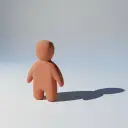 la sombra shadow
Veo una sombra oscura. I see a dark shadow.
-
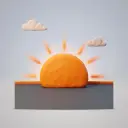 el atardecer sunset
Vimos el hermoso atardecer. We watched the beautiful sunset.
-
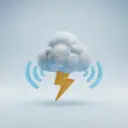 el trueno thunder
Oímos el fuerte trueno. We heard the loud thunder.
-
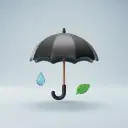 el paraguas umbrella
Ella tiene un paraguas rojo. She has a red umbrella.
-
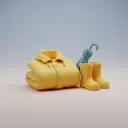 el impermeable raincoat
Este impermeable me mantiene abrigado. This raincoat keeps me warm.
-
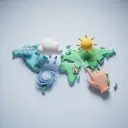 el pronóstico forecast
Veo el pronóstico del tiempo todos los días. I watch the weather forecast everyday.
-
 la sombra shade
Necesitamos sombra en un día caluroso. We need shade on a hot day.
-
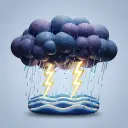 la tormenta thunderstorm
Una tormenta trae lluvia intensa. A thunderstorm brings heavy rain.
-
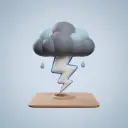 el relámpago lightning
Vio un relámpago brillante anoche. He saw bright lightning last night.
-
 la niebla fog
Condujeron a través de niebla espesa. They drove through thick fog.
-
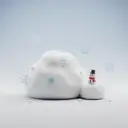 la nieve snow
Esta es nieve fresca y blanca. This is fresh, white snow.
-
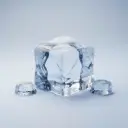 el hielo ice
Ponemos hielo en nuestras bebidas. We put ice in our drinks.
-
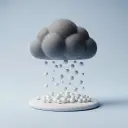 el granizo hail
Hay mucho granizo afuera. That is a lot of hail outside.
-
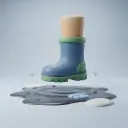 resbaladizo slippery
Ella se cayó sobre el hielo resbaladizo. She fell on the slippery ice.
-
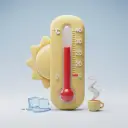 la temperatura temperature
Revisan la temperatura a diario. They check the temperature daily.
-
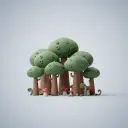 el bosque forest
Un bosque está lleno de árboles. A forest is full of trees.
-
 el río river
El río tiene agua fresca y clara. The river has cool, clear water.
-
 el lago lake
Ella nada en el lago profundo. She swims in the deep lake.
-
 la montaña mountain
Ellos escalaron la montaña alta. They climbed the tall mountain.
-
 la naturaleza nature
A Peter le encanta la naturaleza. Peter loves the nature.
-
 la costa coast
Esta es una costa hermosa. This is a beautiful coast.
-
 la isla island
Él vive en una isla pequeña. He lives on a small island.
-
 el desierto desert
Un desierto es un lugar muy seco. A desert is a very dry place.
-
 el valle valley
El valle es verde y ancho. The valley is green and wide.
-
 la cascada waterfall
Vieron una cascada hermosa. They saw a beautiful waterfall.
-
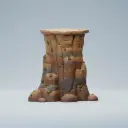 el acantilado cliff
Ese acantilado es muy alto. That cliff is very high.
-
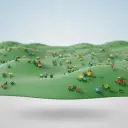 la pradera meadow
Le gusta pasear en las praderas. She likes to walk in meadows.
-
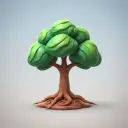 el árbol tree
El perro duerme bajo el árbol. The dog sleeps under the tree.
-
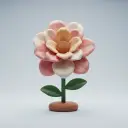 la flor flower
La flor roja es hermosa. The red flower is beautiful.
-
 la hoja leaf
Una hoja cayó del árbol. A leaf fell from the tree.
-
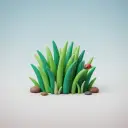 la hierba grass
La vaca come la hierba. The cow eats the grass.
-
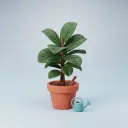 la planta plant
La planta tiene hojas verdes. The plant has green leaves.
-
 la roca rock
El hombre levantó la roca pesada. The man lifted the heavy rock.
-
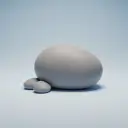 la piedra stone
Encontré una piedra pesada. I found a heavy stone.
-
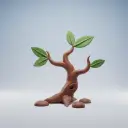 la rama branch
El pájaro está sentado en la rama. The bird sits on the branch.
-
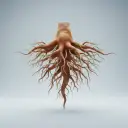 la raíz root
Esta planta tiene una raíz larga. This plant has a long root.
-
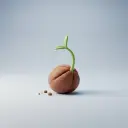 la semilla seed
El agricultor planta la semilla. The farmer plants the seed.
-
 el arbusto bush
El pájaro se esconde en el arbusto. The bird hides in the bush.
-
 la madera wood
Necesito madera para el fuego. I need wood for the fire.
-
 el mundo world
El mundo es muy grande. The world is very big.
-
 la ciudad city
Mucha gente vive en la ciudad. Many people live in the city.
-
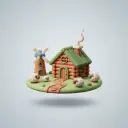 el país country
Él vive en otro país. He lives in another country.
-
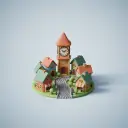 el pueblo town
Vivimos en un pueblo pequeño. We live in a small town.
-
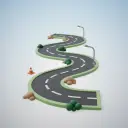 la carretera road
Esta carretera es muy larga. This road is very long.
-
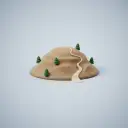 la colina hill
La casa está en la colina. The house is on the hill.
-
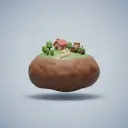 la tierra land
Los marineros divisaron la tierra. The sailors saw the land.
-
 el aire air
Respiro el aire limpio. I breathe the clean air.
-
 el océano ocean
Los peces viven en el océano. Fish live in the ocean.
-
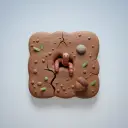 el suelo ground
El hombre se sienta en el suelo. The man sits on the ground.
-
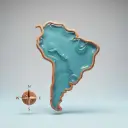 la región region
Vivimos en una región fría. We live in a cold region.
-
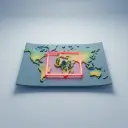 la zona area
Mucha gente vive en esta zona. Many people live in this area.
-
 la playa beach
Me gusta la playa. I like the beach.
-
 el mar sea
El mar es azul. The sea is blue.
-
 las olas waves
Ellos miran las olas del mar. They watch the ocean waves.
-
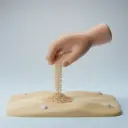 la arena sand
A ella le gusta la arena cálida y suave. She likes warm, soft sand.
-
 el protector solar sunscreen
Uso protector solar en los días soleados. I use sunscreen on sunny days.
-
 sombrilla de playa beach umbrella
Esa sombrilla de playa es colorida. That beach umbrella is colorful.
-
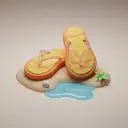 las chanclas flip-flops
Estas chanclas son cómodas. These flip-flops are comfortable.
-
 el traje de baño swimsuit
Ella tiene un nuevo traje de baño. She has a new swimsuit.
-
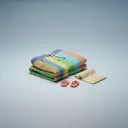 el short de baño swim trunks
No olvides tu short de baño. Don't forget your swim trunks.
-
 el salvavidas lifeguard
El salvavidas protege a los nadadores. The lifeguard keeps swimmers safe.
-
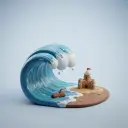 la marea alta high tide
La marea alta moja mucho. High tide is very wet.
-
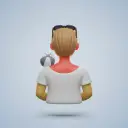 la quemadura de sol sunburn
Esa quemadura de sol se ve bastante dolorosa. That sunburn looks quite painful.
-
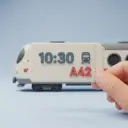 el boleto ticket
Ella tiene un boleto de tren. She has a train ticket.
-
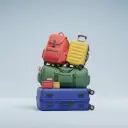 el equipaje luggage
¿Dónde ponemos nuestro equipaje? Where do we put our luggage?
-
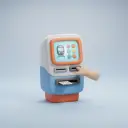 la máquina de boletos ticket machine
Lo compraré en la máquina de boletos. I will buy it at the ticket machine.
-
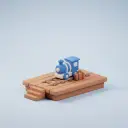 el andén platform
Ese es el andén del tren. That is the train platform.
-
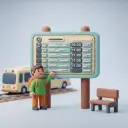 el horario timetable
Ella lee el horario. She reads the timetable.
-
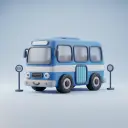 el autobús bus
¿Estamos esperando un autobús? Are we waiting for a bus?
-
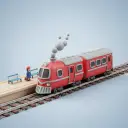 el tren train
El tren es muy moderno. The train is very modern.
-
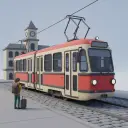 el tranvía tram
La forma más rápida es en tranvía. The fastest way is with tram.
-
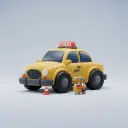 el taxi taxi
¿Cuánto cuesta el taxi? How much does the taxi cost?
-
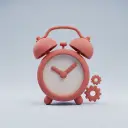 a tiempo on time
Es importante llegar a tiempo. It is important to arrive on time.
-
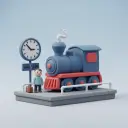 retrasado delayed
Ese vuelo estaba retrasado. That flight was delayed.
-
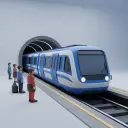 el metro metro
Un metro corre bajo tierra. A metro runs underground.
-
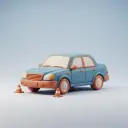 el carro car
Él se compró un carro nuevo. He bought a new car.
-
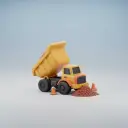 el camión truck
El hombre conduce un camión grande. The man drives a big truck.
-
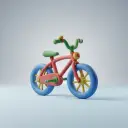 la bicicleta bike
Voy a la escuela en mi bicicleta. I ride my bike to school.
-
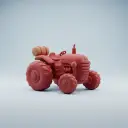 el tractor tractor
El granjero conduce un tractor grande. The farmer drives a large tractor.
-
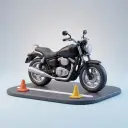 la motocicleta motorcycle
Él conduce una motocicleta rápida. He rides a fast motorcycle.
-
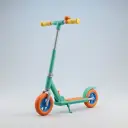 el monopatín scooter
El niño monta en monopatín. The child rides a scooter.
-
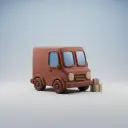 la camioneta van
Él conduce una camioneta grande. He drives a large van.
-
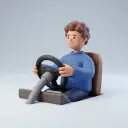 el conductor driver
El conductor detuvo el carro. The driver stopped the car.
-
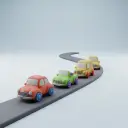 el tráfico traffic
El tráfico está muy lento hoy. The traffic is very slow today.
-
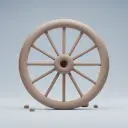 la rueda wheel
Él arregló la rueda rota. He fixed the broken wheel.
-
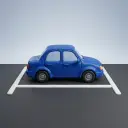 el estacionamiento parking
Encontramos un lugar de estacionamiento. We found a parking space.
-
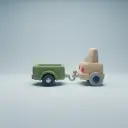 el remolque trailer
El camión arrastra el remolque. The truck pulls the trailer.
-
 el avión plane
El avión aterriza en el aeropuerto. The plane lands at the airport.
-
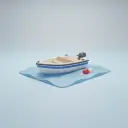 el bote boat
Veo un bote pequeño. I see a small boat.
-
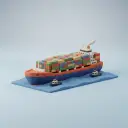 el barco ship
El gran barco cruza el océano. The large ship crosses the ocean.
-
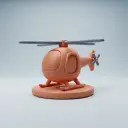 el helicóptero helicopter
El helicóptero vuela por el cielo. The helicopter flies in the sky.
-
 el cohete rocket
El cohete vuela hacia el cielo. The rocket flies into the sky.
-
 la nave espacial spaceship
La nave espacial aterrizó en la luna. The spaceship landed on the moon.
-
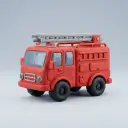 el camión de bomberos fire engine
El camión de bomberos transporta agua. The fire engine carries water.
-
 el jet jet
El jet vuela muy rápido. The jet flies very fast.
-
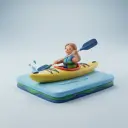 el kayak kayak
Ella está sentada en el kayak. She sits in the kayak.
-
 la balsa raft
Construimos una balsa de madera. We built a wooden raft.
-
 la canoa canoe
Él rema en la pequeña canoa. He paddles the small canoe.
-
 el velero sailboat
El viento mueve el velero. The wind moves the sailboat.
Words 601–700
-
 el precio price
¿Ves el precio? Do you see the price?
-
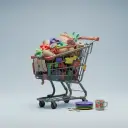 barato cheap
Compró zapatos baratos. He bought cheap shoes.
-
 caro expensive
Ese carro parece caro. That car looks expensive.
-
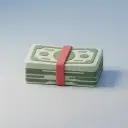 el efectivo cash
Creo que ella necesita efectivo. I think she needs some cash.
-
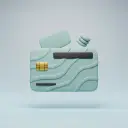 la tarjeta de crédito credit card
Puedo pagar con mi tarjeta de crédito. I can pay with my credit card.
-
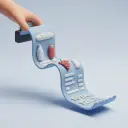 el recibo receipt
¿Me puede dar el recibo, por favor? Can I get the receipt please?
-
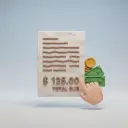 la cuenta bill
¿Quién va a pagar la cuenta? Who is going to pay the bill?
-
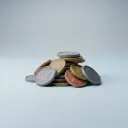 el cambio change
Pagué y recibí cambio. I paid and got some change.
-
 la moneda coin
Tengo algunas monedas. I have a few coins.
-
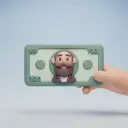 el billete banknote
¿Qué tipo de billete es ese? What kind of banknote is that?
-
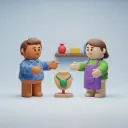 ¿Cuánto cuesta esto? How much is this?
-
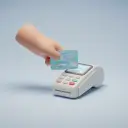 ¿Puedo pagar con tarjeta? Can I pay by card?
-
 la moneda currency
Esa moneda es muy fuerte. That currency is very strong.
-
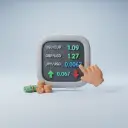 tipo de cambio exchange rate
Este tipo de cambio es horrible. This exchange rate is horrible.
-
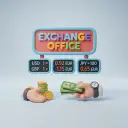 la casa de cambio exchange office
Necesitamos una casa de cambio. We need an exchange office.
-
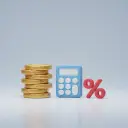 la comisión commission
¿Tienes que pagar una comisión? Do you have to pay a commission?
-
 la moneda extranjera foreign currency
Eso es moneda extranjera. That is foreign currency.
-
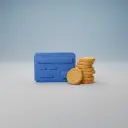 el pago con tarjeta card payment
El pago con tarjeta se procesó. The card payment went through.
-
 sin contacto contactless
Esto es un pago sin contacto. This is a contactless payment.
-
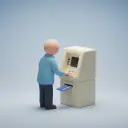 el código PIN PIN code
Se me olvidó mi código PIN. I forgot my PIN code.
-
 la comisión por retiro withdrawal fee
Pagaron la comisión por retiro. They paid the withdrawal fee.
-
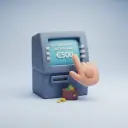 el límite diario daily limit
Ella alcanzó el límite diario. She reached the daily limit.
-
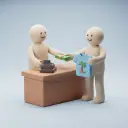 el reembolso refund
Recibirás un reembolso. You will receive a refund.
-
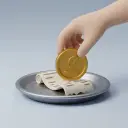 el cargo por servicio service charge
Se incluye un cargo por servicio. A service charge is included.
-
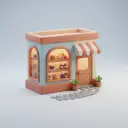 la tienda shop
Esta es mi tienda favorita. This is my favourite shop.
-
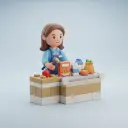 la cajera cashier
Ella es la nueva cajera. She is the new cashier.
-
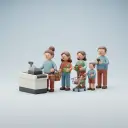 la cola queue
Esta cola es muy larga. This queue is very long.
-
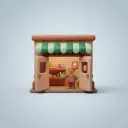 abierto open
La tienda está abierta hoy. The shop is open today.
-
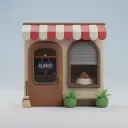 cerrado closed
Lamentablemente, la farmacia está cerrada. Sadly, the pharmacy is closed.
-
 la etiqueta de precio price tag
Ellos vieron la etiqueta de precio. They saw the price tag.
-
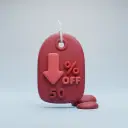 el descuento discount
¡Me encantan sus descuentos! I love their discounts.
-
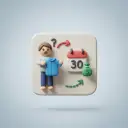 la política de devolución return policy
Esta política de devolución parece justa. This return policy seems fair.
-
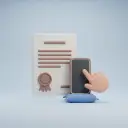 la garantía warranty
Una garantía protege tu compra. A warranty protects your purchase.
-
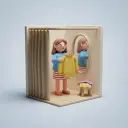 el probador fitting room
Usaron el probador. They used the fitting room.
-
 carrito de compras shopping cart
Necesitamos un carrito de compras. We need a shopping cart.
-
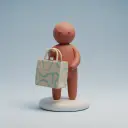 cliente customer
El cliente siempre tiene la razón. The customer is always right.
-
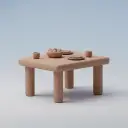 la mesa table
¿Puedes poner esta ensalada en la mesa? Can you put this salad on the table?
-
 el menú menu
Tienen un menú grande. They have a large menu.
-
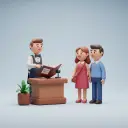 la reserva reservation
Tenemos una reserva. We have a reservation.
-
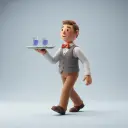 el mesero server
Los meseros están trabajando duro. The servers are working hard.
-
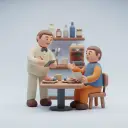 el pedido order
Hacemos nuestro pedido ahora. We place our order now.
-
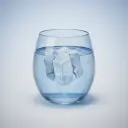 el agua water
Ella bebe agua fría. She drinks cold water.
-
 el café coffee
Beben café fuerte. They drink strong coffee.
-
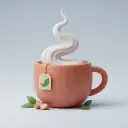 el té tea
El té caliente en invierno es lo mejor. Hot tea in the winter is the best.
-
 la cerveza beer
Me gustaría otra cerveza, por favor. I'd like another beer, please.
-
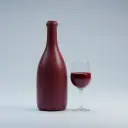 el vino wine
¿Podemos tomar este vino, por favor? Can we have this wine, please?
-
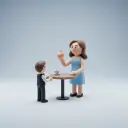 La cuenta, por favor The bill, please.
La cuenta, por favor. The bill, please.
-
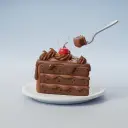 delicioso delicious
¡Esa tarta está deliciosa! That pie is delicious!
-
 el aperitivo starter
Pediremos un aperitivo primero. We will order a starter first.
-
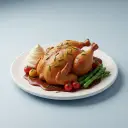 plato principal main course
Me encanta el plato principal. I love the main course.
-
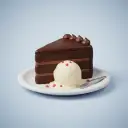 el postre dessert
Le gusta el postre. She likes the dessert.
-
 el especial del día today's special
Ese es el especial del día. That is today's special.
-
 menú del día menu of the day
Tienen el menú del día. They have the menu of the day.
-
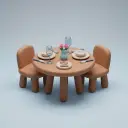 mesa para dos table for two
Necesitamos una mesa para dos. We need a table for two.
-
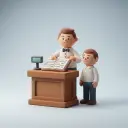 reserva a nombre de reservation under
Ella tiene una reserva a nombre de Smith. She has reservation under Smith.
-
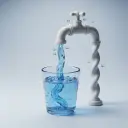 agua de la llave tap water
Normalmente bebo agua de la llave. I usually drink tap water.
-
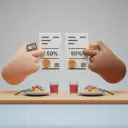 dividir la cuenta split the bill
Podemos dividir la cuenta. We can split the bill.
-
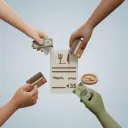 pagar juntos pay together
Pagaremos juntos. We will pay together.
-
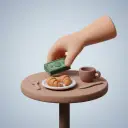 la propina tip
Siempre doy propinas grandes. I always give big tips.
-
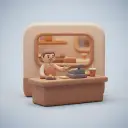 pagar en la caja pay at the counter
¿Podemos pagar en la caja? Can we pay at the counter?
-
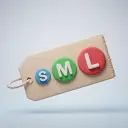 la talla size
Esta talla es demasiado pequeña. This size is too small.
-
 caber fits
Ella todavía cabe en sus jeans viejos. She still fits her old jeans.
-
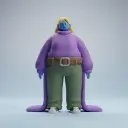 demasiado grande too big
Creo que esta camisa es demasiado grande. I think this shirt is too big.
-
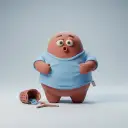 demasiado pequeño too small
Por desgracia, este zapato es demasiado pequeño. Unfortunately, this shoe is too small.
-
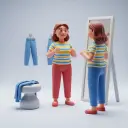 probarse try on
Nos probamos sombreros nuevos. We try on new hats.
-
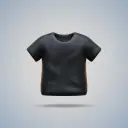 negro black
Ben lleva una camisa negra. Ben wears a black shirt.
-
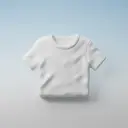 blanco white
Ella lleva pantalones blancos. She wears white pants.
-
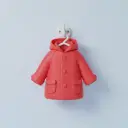 rojo red
¿No son las rosas rojas las mejores? Aren't red roses the best?
-
 azul blue
¿Es el azul tu color favorito? Is blue your favourite color?
-
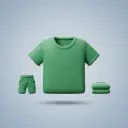 verde green
¿Podrías llevar el vestido verde? Would you take the green dress?
-
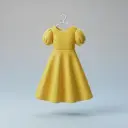 amarillo yellow
Le gustan las camisas amarillas. She likes yellow shirts.
-
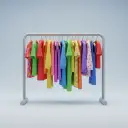 el color color
¿Qué color te gusta? What color do you like?
-
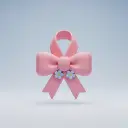 rosa pink
Veo una flor rosa. I see a pink flower.
-
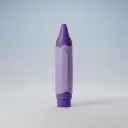 morado purple
Veo una flor morada. I see a purple flower.
-
 marrón brown
Veo un perro marrón. I see a brown dog.
-
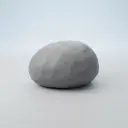 gris gray
El gato es gris. The cat is gray.
-
 dorado golden
El anillo es dorado. The ring is golden.
-
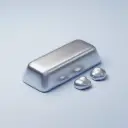 plateado silver
El carro es plateado. The car is silver.
-
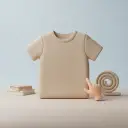 beige beige
Ella lleva una camisa beige. She wears a beige shirt.
-
 azul marino navy
Su chaqueta es azul marino. His jacket is navy.
-
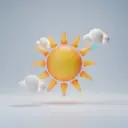 brillante bright
El sol está muy brillante. The sun is very bright.
-
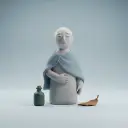 pálido pale
El niño enfermo está pálido. The sick child is pale.
-
 oscuro dark
La habitación está muy oscura. The room is very dark.
-
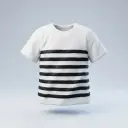 de rayas striped
Él lleva una camisa de rayas. He wears a striped shirt.
-
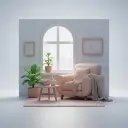 la habitación room
¿Estás contento con tu habitación? Are you happy with your room?
-
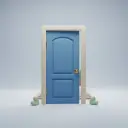 la puerta door
Esta puerta necesita ser reemplazada. This door needs to be replaced.
-
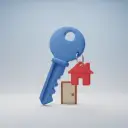 la llave key
Creo que perdí mi llave. I think I lost my key.
-
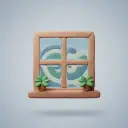 la ventana window
La ventana está muy limpia. The window is very clean.
-
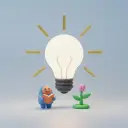 la luz light
Esta habitación recibe mucha luz. This room gets a lot of light.
-
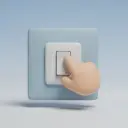 el interruptor switch
El interruptor de la luz está en la pared. The switch for the light is on the wall.
-
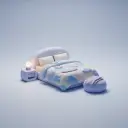 la cama bed
Todavía necesito comprar una cama. I still need to buy a bed.
-
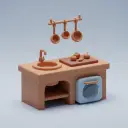 la cocina kitchen
Esta cocina está muy limpia. This kitchen is very clean.
-
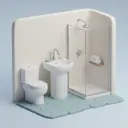 el baño bathroom
Ella usa el baño a menudo. She uses the bathroom often.
-
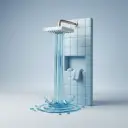 la ducha shower
Ellos toman una ducha a diario. They take a shower daily.
-
 el Wi-Fi Wi-Fi
¿Este bar tiene Wi-Fi? Does this bar have Wi-Fi?
-
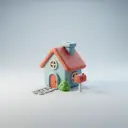 la dirección address
¿Cuál es tu dirección? What is your address?
-
 el dolor de cabeza headache
Un dolor de cabeza nunca es divertido. A headache is never fun.
-
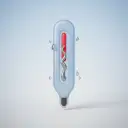 la fiebre fever
Tiene una fiebre alta. He has a bad fever.
-
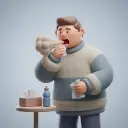 la tos cough
Mi tos no se me quita. My cough is not going away.
-
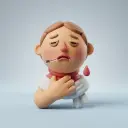 el dolor de garganta sore throat
Marry tiene dolor de garganta. Marry has a sore throat.
Words 701–800
-
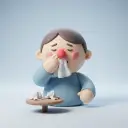 goteo nasal runny nose
Eso es goteo nasal. That is a runny nose.
-
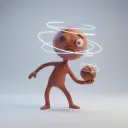 mareado dizzy
Me siento mareado después de girar. I feel dizzy after spinning.
-
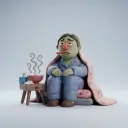 enfermo sick
Ella se siente muy enferma hoy. She feels very sick today.
-
 la medicina medicine
No olvides tomar tu medicina. Do not forget to take your medicine.
-
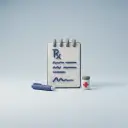 la receta prescription
¿Es esta su receta, señor? Is this your prescription, sir?
-
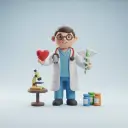 el médico doctor
Un médico ayuda a mucha gente. A doctor helps a lot of people.
-
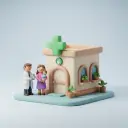 la farmacia pharmacy
A veces visitamos la farmacia. We visit the pharmacy sometimes.
-
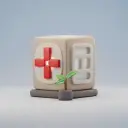 la clínica clinic
El abuelo está ahora mismo en la clínica. Grandpa is currently at the clinic.
-
 información turística tourist information
El cartel ofrece información turística. The sign provides tourist information.
-
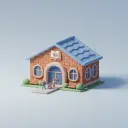 la biblioteca library
La biblioteca está llena de gente. The library is full of people.
-
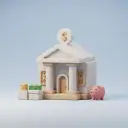 el banco bank
Papá todavía necesita ir al banco. Dad still needs to go to the bank.
-
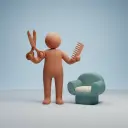 el peluquero hairdresser
A ella le gusta el peluquero. She likes the hairdresser.
-
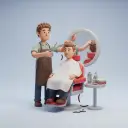 el barbero barber
Ese barbero corta el pelo todos los días. That barber cuts hair everyday.
-
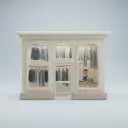 la tintorería dry cleaner
Este traje necesita una tintorería. This suit requires a dry cleaner.
-
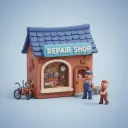 el taller repair shop
¿Está abierto el taller hoy? Is the repair shop open today?
-
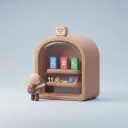 la tienda de celulares mobile phone shop
Ella trabaja en la tienda de celulares. She works at the mobile phone shop.
-
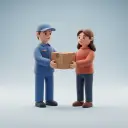 servicio de mensajería courier service
Enviamos el paquete por servicio de mensajería. We sent the parcel by courier service.
-
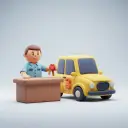 alquiler de autos car rental
Reservamos un alquiler de autos para el fin de semana. We booked a car rental for the weekend.
-
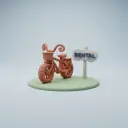 el alquiler de bicicletas bike rental
Este alquiler de bicicletas parece nuevo. This bike rental looks new.
-
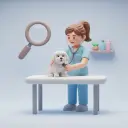 el veterinario vet
El veterinario revisa a nuestro perro cada mes. The vet checks our dog every month.
-
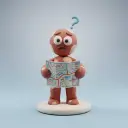 perder lost
Perdí mis llaves en el parque. I lost my keys at the park.
-
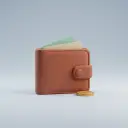 la cartera wallet
Perdió su cartera en el autobús. He lost his wallet on the bus.
-
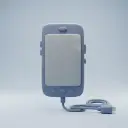 el teléfono phone
Por favor, apaga tu teléfono durante la clase. Please turn off your phone during class.
-
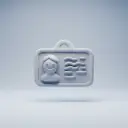 la tarjeta de identificación ID card
¿Encontraste tu tarjeta de identificación? Did you find your ID card?
-
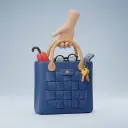 el bolso bag
Su bolso siempre está lleno. Her bag is always full.
-
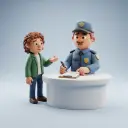 el informe report
Ella escribió un informe sobre la reunión. She wrote a report about the meeting.
-
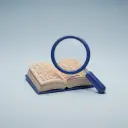 la descripción description
Esta es una descripción increíble. This is an amazing description.
-
 número de contacto contact number
Necesito tu número de contacto. I need your contact number.
-
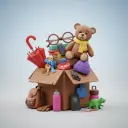 objetos perdidos lost and found
Lo encontró en objetos perdidos. She found it in lost and found.
-
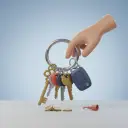 las llaves keys
Ayer perdí mis llaves. I lost my keys yesterday.
-
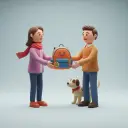 devolver return
Ella devolverá el libro mañana por la mañana. She will return the book tomorrow morning.
-
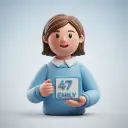 el dueño owner
¿Conoces al dueño? Do you know the owner?
-
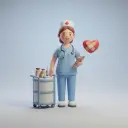 el enfermero nurse
El enfermero ayudó al paciente. The nurse helped the patient.
-
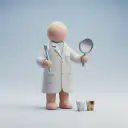 dentista dentist
El dentista me arregló el diente. The dentist fixed my tooth.
-
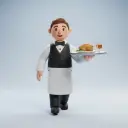 el mesero waiter
El mesero trajo nuestra comida. The waiter brought our food.
-
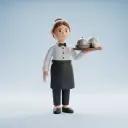 la mesera waitress
La mesera nos trajo la comida. The waitress brought our food.
-
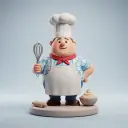 el chef chef
El chef prepara la comida. The chef cooks the meal.
-
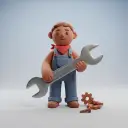 el mecánico mechanic
El mecánico arregló mi carro. The mechanic fixed my car.
-
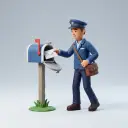 el cartero postman
El cartero trajo una carta. The postman brought a letter.
-
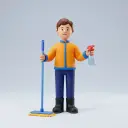 el limpiador cleaner
El limpiador lavó el suelo. The cleaner washed the floor.
-
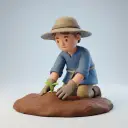 el jardinero gardener
El jardinero riega las plantas. The gardener waters the plants.
-
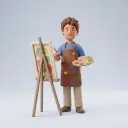 el pintor painter
El pintor pinta un cuadro hermoso. The painter paints a beautiful picture.
-
 el sastre tailor
El sastre hace ropa preciosa. The tailor makes beautiful clothes.
-
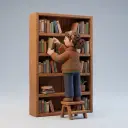 el bibliotecario librarian
El bibliotecario organiza los libros. The librarian organizes the books.
-
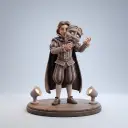 el actor actor
Vi al actor famoso. I saw the famous actor.
-
 la actriz actress
Vi a la famosa actriz. I saw the famous actress.
-
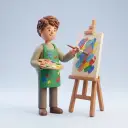 artista artist
El artista pinta un cuadro. The artist paints a picture.
-
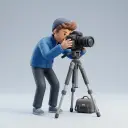 el fotógrafo photographer
El fotógrafo me tomó una foto. The photographer took my picture.
-
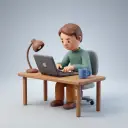 el escritor writer
El escritor terminó el libro. The writer finished the book.
-
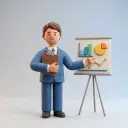 gerente manager
Conocimos al nuevo gerente. We met the new manager.
-
 el abogado lawyer
Necesito un buen abogado. I need a good lawyer.
-
 el secretario secretary
El secretario trabaja en la oficina. The secretary works in the office.
-
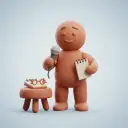 periodista journalist
El periodista escribe las noticias. The journalist writes the news.
-
 asistente assistant
Mi asistente le ayudará. My assistant will help you.
-
 el reportero reporter
El reportero escribe las noticias. The reporter writes the news.
-
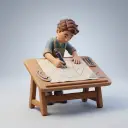 el diseñador designer
El diseñador hace ropa hermosa. The designer makes beautiful clothes.
-
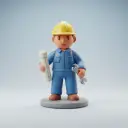 el ingeniero engineer
El ingeniero arregló la máquina. The engineer fixed the machine.
-
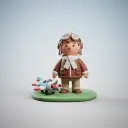 el piloto pilot
El piloto vuela el avión. The pilot flies the plane.
-
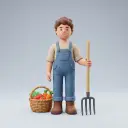 el agricultor farmer
El agricultor trabaja en el campo. The farmer works in the field.
-
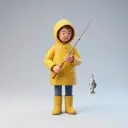 el pescador fisherman
El pescador atrapó un pez grande. The fisherman caught a big fish.
-
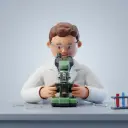 el científico scientist
El científico descubrió una nueva medicina. The scientist discovered a new medicine.
-
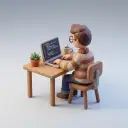 el programador programmer
El programador escribe el software. The programmer writes the software.
-
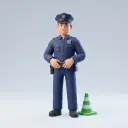 el policía police officer
El policía atrapó al ladrón. The police officer caught the thief.
-
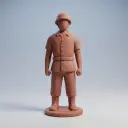 el soldado soldier
El soldado protege la ciudad. The soldier protects the city.
-
 el profesor professor
El profesor les enseña a los estudiantes. The professor teaches the students.
-
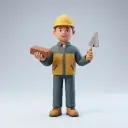 el constructor builder
El constructor construye la casa nueva. The builder constructs the new house.
-
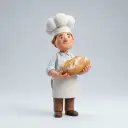 el panadero baker
El panadero hace pan fresco. The baker makes fresh bread.
-
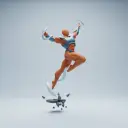 atleta athlete
El atleta corre muy rápido. The athlete runs very fast.
-
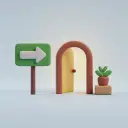 la salida Exit
¿Disculpe, dónde está la salida? Excuse me, where is the exit?
-
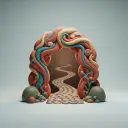 la entrada Entrance
Esta debería ser la entrada. This should be the entrance.
-
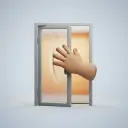 empujar Push
Empujan la puerta roja. They push the red door.
-
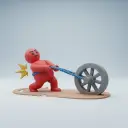 jalar Pull
Tienes que jalar la puerta. You need to pull the door.
-
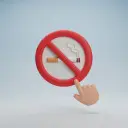 Prohibido fumar No smoking
Este cartel dice: Prohibido fumar. This sign says no smoking.
-
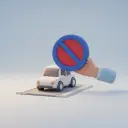 Prohibido estacionar No parking
Prohibido estacionar aquí, lo siento. No parking here, sorry.
-
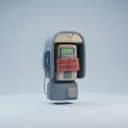 fuera de servicio Out of order
Ese ascensor está fuera de servicio. That elevator is out of order.
-
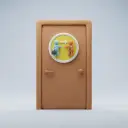 Solo para personal Staff only
Ese espacio es solo para personal. That space is for staff only.
-
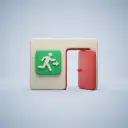 la salida de emergencia Emergency exit
Cada edificio tiene una salida de emergencia. Every building has an emergency exit.
-
 la información Information
Necesitamos más información. We need more information.
-
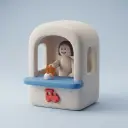 la taquilla Ticket office
Esa es la taquilla. That is the ticket office.
-
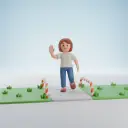 Prohibido pisar el césped Keep off the grass
Por favor, recuerde: Prohibido pisar el césped. Please keep off the grass.
-
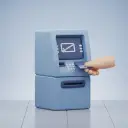 el cajero automático ATM
¿Dónde está el cajero automático? Where is the ATM?
-
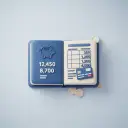 la cuenta bancaria bank account
Ella tiene una cuenta bancaria. She has a bank account.
-
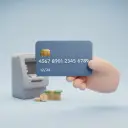 tarjeta de banco bank card
Siempre usamos una tarjeta de banco. We always use a bank card.
-
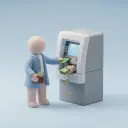 sacar dinero withdraw cash
Saco dinero cada semana. I withdraw cash every week.
-
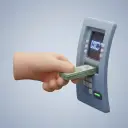 depositar efectivo deposit cash
Depositas efectivo en los cajeros automáticos. You deposit cash at ATMs.
-
 transferir dinero transfer money
Ellos transfieren dinero todos los días. They transfer money every day.
-
 el saldo balance
Ella revisa el saldo de su cuenta. She checks her account balance.
-
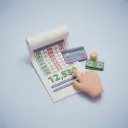 el estado de cuenta statement
¿Dónde está tu estado de cuenta? Where is your bank statement?
-
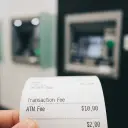 la comisión fee
¿Esta transacción tiene alguna comisión? Does this transaction have a fee?
-
 el recargo surcharge
Ya pagué el recargo. I already paid the surcharge.
-
 la cuenta de ahorros savings account
Abrimos una cuenta de ahorros. We opened a savings account.
-
 la caja fuerte safe
El dinero está en la caja fuerte. The money is in the safe.
-
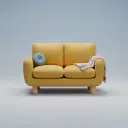 el sofá sofa
Este sofá es muy cómodo. This sofa is very comfortable.
-
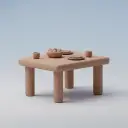 la mesa table
¿Es esta una mesa nueva? Is this a new table?
-
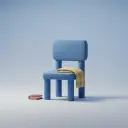 la silla chair
Fred siempre se sienta en la silla. Fred always sits in the chair.
-
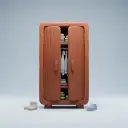 el armario wardrobe
El armario está lleno de ropa. The wardrobe is full of clothes.
-
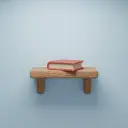 el estante shelf
Necesito limpiar mi estante. I need to clean my shelf.
-
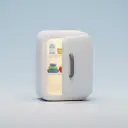 el refrigerador fridge
El refrigerador mantiene la comida fría. The fridge keeps food cold.
-
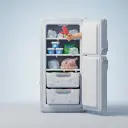 el congelador freezer
El congelador está lleno. The freezer is full.
-
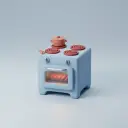 la estufa stove
Él usa la estufa a menudo. He uses the stove often.
Words 801–900
-
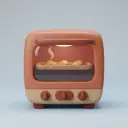 el horno oven
Este horno se calienta mucho. This oven gets very hot.
-
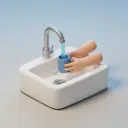 el fregadero sink
El fregadero está lleno de platos. The sink is full of plates.
-
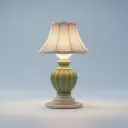 la lámpara lamp
Mi mamá usa una lámpara para leer. My mom uses a lamp for reading.
-
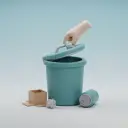 el basurero trash bin
Daniel vació el basurero. Daniel emptied the trash bin.
-
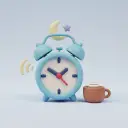 el reloj clock
El reloj marca la hora. The clock shows the time.
-
 la computadora computer
Uso una computadora para el trabajo. I use a computer for work.
-
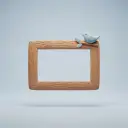 el marco frame
Él pintó el marco de madera. He painted the wooden frame.
-
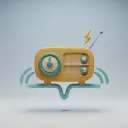 la radio radio
Escucho la radio. I listen to the radio.
-
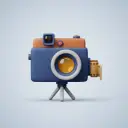 la cámara camera
Me compré una cámara nueva. I bought a new camera.
-
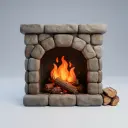 la chimenea fireplace
El fuego arde en la chimenea. The fire burns in the fireplace.
-
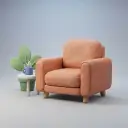 el sillón armchair
Él descansa en el sillón. He rests in the armchair.
-
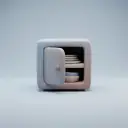 la alacena cupboard
Los platos están en la alacena. The plates are in the cupboard.
-
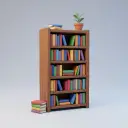 la estantería bookcase
Él compró una estantería nueva. He bought a new bookcase.
-
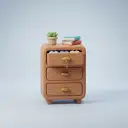 el cajón drawer
Las llaves están en el cajón. The keys are in the drawer.
-
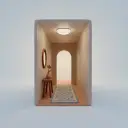 el pasillo hall
Esperamos en el pasillo. We waited in the hall.
-
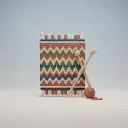 la alfombra rug
El gato duerme sobre la alfombra. The cat sleeps on the rug.
-
 la sala de estar living room
Esta es nuestra vieja sala de estar. This is our old living room.
-
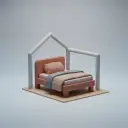 el dormitorio bedroom
Pintaron el dormitorio de azul. They painted the bedroom blue.
-
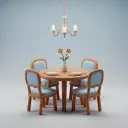 el comedor dining room
Comemos en el comedor. We eat in the dining room.
-
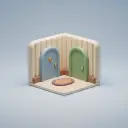 el pasillo hallway
Ese pasillo es muy largo. That hallway is very long.
-
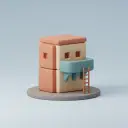 el balcón balcony
Un balcón ofrece vistas a la ciudad. A balcony offers city views.
-
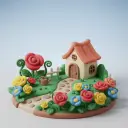 el jardín garden
Su jardín es muy bonito. His garden is very beautiful.
-
 el patio yard
Los niños están jugando en el patio. The kids are playing in the yard.
-
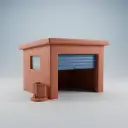 el garaje garage
La puerta del garaje se cierra automáticamente. The garage door closes automatically.
-
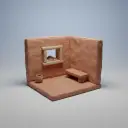 el sótano basement
Este sótano está muy limpio. This basement is very clean.
-
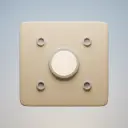 el techo ceiling
Pintamos el techo de blanco. We painted the ceiling white.
-
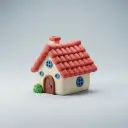 el tejado roof
Ese tejado parece viejo. That roof looks old.
-
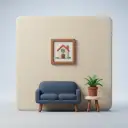 la pared wall
Él pintó la pared azul. He painted the wall blue.
-
 limpio clean
Ella quiere una casa limpia. She want a clean home.
-
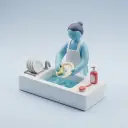 lavar wash
Voy a lavar los platos ahora. I will wash dishes now.
-
 cocinar cook
Ellos cocinan la cena todas las noches. They cook dinner every night.
-
 hervir boil
Hierves agua para el té. You boil water for tea.
-
 freír fry
¿Fríes tu comida a menudo? Do you fry your food often?
-
 hornear bake
Ella hornea pan hoy. She bakes bread today.
-
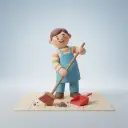 barrer sweep
Yo barro el suelo más rápido. I sweep the floor faster.
-
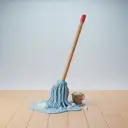 el trapeador mop
El limpiador usa el trapeador. The cleaner uses the mop.
-
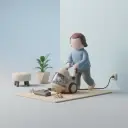 aspirar vacuum
Aspiramos el salón. We vacuum the living room.
-
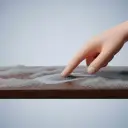 el polvo dust
Ella limpia el polvo. She wipes away the dust.
-
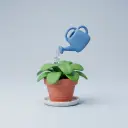 regar to water
Riegan el jardín semanalmente. They water the garden weekly.
-
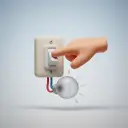 apagar switch off
¿Puedes apagar las luces? Can you turn off the lights?
-
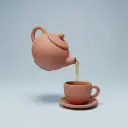 verter pour
Ella vierte agua en la taza. She pours water into the cup.
-
 revolver stir
Revuelvo la sopa caliente. I stir the hot soup.
-
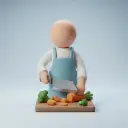 picar chop
El hombre pica la leña. The man chops the wood.
-
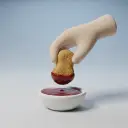 sumergir dip
Ella sumerge el trapo en el agua. She dips the cloth in water.
-
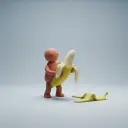 pelar peel
Ella pela la naranja. She peels the orange.
-
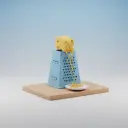 rallar grate
Ella ralla las verduras. She grates the vegetables.
-
 el calor heat
Siento el calor del fuego. I feel the heat from the fire.
-
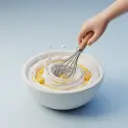 mezclar mix
Mezclo la sal y el agua. I mix the salt and water.
-
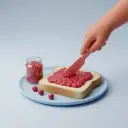 untar spread
Ella unta mantequilla en el pan. She spreads butter on the bread.
-
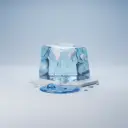 derretir melt
El sol derrite el hielo. The sun melts the ice.
-
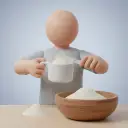 medir measure
Yo mido la cuerda larga. I measure the long rope.
-
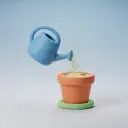 llenar fill
Lleno la taza con agua. I fill the cup with water.
-
 la lavadora washing machine
Esta lavadora está limpia. This washing machine is clean.
-
 la secadora dryer
La secadora está muy caliente. The dryer is very hot.
-
 el detergente detergent
Necesitamos más detergente ahora. We need more detergent now.
-
 el suavizante fabric softener
Ella siempre usa suavizante. She uses fabric softener always.
-
 la mancha stain
¿Cuándo te salió esta mancha? When did you get this stain?
-
 el quitamanchas stain remover
Este quitamanchas funciona bien. This stain remover works well.
-
 el cesto de ropa sucia laundry basket
Necesitamos un cesto de ropa sucia. We need a laundry basket.
-
 la percha hanger
No encuentro la percha para el abrigo. I can not find the coat hanger.
-
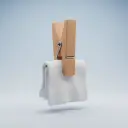 la pinza de la ropa clothespin
¿Usas pinzas de la ropa? Do you use clothespins?
-
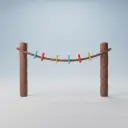 el tendedero clothesline
Este tendedero sostiene ropa mojada. This clothesline holds wet laundry.
-
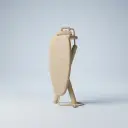 la tabla de planchar ironing board
La tabla de planchar está en medio. The ironing board is in the way.
-
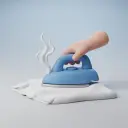 la plancha iron
Ella usa una plancha caliente en su ropa. She uses a hot iron on her clothes.
-
 roto broken
Lamentablemente, ese juguete está roto. Unfortunately, that toy is broken.
-
 arreglar fix
Nosotros arreglamos cosas rotas aquí. We fix broken things here.
-
 la llave tap
Nuestra llave sigue goteando. Our tap is still leaking.
-
 la fuga leak
Por fin están arreglando la fuga. They are finally fixing the leak.
-
 la tubería pipe
Puedo ver la tubería. I can see the pipe.
-
 reparar repair
¿Sabes cómo repararlo? Do you know how to repair it?
-
 el plomero plumber
Llamó al plomero hoy. She called the plumber today.
-
 electricista electrician
Contrataron a un electricista. They hired an electrician.
-
 el fusible fuse
Este fusible protege el circuito. This fuse protects the circuit.
-
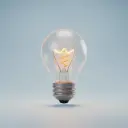 el foco light bulb
¿Tenemos otro foco? Do we have another light bulb?
-
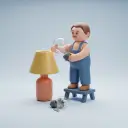 reemplazar replace
Reemplazamos los neumáticos viejos. We replace old tires.
-
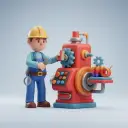 el mantenimiento maintenance
Hacen mantenimiento regular. They do regular maintenance.
-
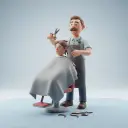 el corte de pelo haircut
Necesito un corte de pelo pronto. I need a haircut soon.
-
 el perfume perfume
Le gusta ese perfume. She likes that perfume.
-
 el champú shampoo
¿Tienes otro champú? Do you have another shampoo?
-
 el jabón soap
Deberías lavarte con jabón. You should wash with soap.
-
 el cepillo de dientes toothbrush
¿Cuántos años tiene tu cepillo de dientes? How old is your toothbrush?
-
 la pasta de dientes toothpaste
Esta es la mejor pasta de dientes. This is the best toothpaste.
-
 la toalla towel
Las toallas limpias están en el estante. Clean towels are on the shelf.
-
 la máquina de afeitar razor
Uso una máquina de afeitar nueva cada vez. I use a new razor everytime.
-
 el peine comb
Ella usa un peine a diario. She uses a comb daily.
-
 el espejo mirror
¿Limpiaste el espejo ayer? Did you clean the mirror yesterday?
-
 el desodorante deodorant
Necesito desodorante todos los días. I need deodorant every day.
-
 gel de ducha shower gel
Este gel de ducha huele bien. This shower gel smells nice.
-
 la cabeza head
Por favor, protege tu cabeza. Please protect your head.
-
 la cara face
Te lavas la cara todas las mañanas. You wash your face every morning.
-
 el pie foot
¿Puedes tocarte el pie? Can you touch your foot?
-
 el ojo eye
Tienes ojos hermosos. You have beautiful eyes.
-
 el brazo arm
Él se rompió el brazo ayer. He broke his arm yesterday.
-
 la nariz nose
¿Quién tiene la nariz más grande? Who has the bigger nose?
-
 la boca mouth
Ella puso el caramelo en su boca. She put the candy in her mouth.
-
 los dientes teeth
Se cepillan los dientes a diario. They brush their teeth daily.
-
 la mano hand
Lavarse las manos es muy importante. Washing hands is very important.
-
 la oreja ear
¿Este animal tiene orejas? Does this animal have ears?
-
 la pierna leg
¿Te duele la pierna? Does your leg hurt?
-
 el pelo hair
¿Con qué frecuencia te cepillas el pelo? How often do you brush your hair?
Words 901–1000
-
 el cuerpo body
El hombre tiene un cuerpo fuerte. The man has a strong body.
-
 sonreír smile
El niño me sonríe. The child smiles at me.
-
 la espalda back
Él me tocó la espalda. He touched my back.
-
 el cuello neck
Ella se tocó el cuello. She touched her neck.
-
 el hombro shoulder
El médico me tocó el hombro. The doctor touched my shoulder.
-
 el estómago stomach
Me duele el estómago. My stomach hurts.
-
 el pecho chest
Él sintió un dolor en el pecho. He felt pain in his chest.
-
 el labio lip
El niño se tocó el labio. The boy touched his lip.
-
 la lengua tongue
La sopa caliente me quemó la lengua. The hot soup burned my tongue.
-
 la garganta throat
Tengo la garganta muy seca. My throat is very dry.
-
 el bigote mustache
Mi padre tiene bigote. My father has a mustache.
-
 la barba beard
El hombre tiene una barba larga. The man has a long beard.
-
 el dedo finger
El bebé me agarró el dedo. The baby grabbed my finger.
-
 el pulgar thumb
Señaló con el pulgar. He pointed with his thumb.
-
 el dedo del pie toe
Me lastimé el dedo del pie. I hurt my toe.
-
 la rodilla knee
Él dobló su rodilla derecha. He bent his right knee.
-
 el codo elbow
El médico me examinó el codo. The doctor examined my elbow.
-
 la muñeca wrist
Me lastimé la muñeca. I hurt my wrist.
-
 el tobillo ankle
Ella se lastimó el tobillo. She hurt her ankle.
-
 la palma palm
Ella abrió la palma de la mano. She opened her palm.
-
 el talón heel
El perro me mordió el talón. The dog bit my heel.
-
 la cadera hip
Me duele la cadera izquierda. My left hip hurts.
-
 la cintura waist
Se ató una cuerda alrededor de la cintura. He tied a rope around his waist.
-
 el músculo muscle
Me duele el músculo de la pierna. My leg muscle hurts.
-
 el ejercicio exercise
Este es un ejercicio físico increíble. This is an amazing fitness exercise.
-
 el gimnasio gym
¿Vas al gimnasio? Do you go to the gym?
-
 el entrenamiento workout
El entrenamiento regular te mantiene saludable. Regular workout keeps you healthy.
-
 calentar warm up
Esto ayuda a calentar los músculos. This helps warm up muscles.
-
 estirar stretch
Estiro cada mañana. I stretch every morning.
-
 correr run
Corren muy rápido. They run very fast.
-
 caminar walk
Le gusta caminar por la tarde. She likes to walk in the evening.
-
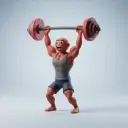 levantar pesas lift weights
Levantar pesas desarrolla tus músculos. Lifting weights grows your muscles.
-
 el yoga yoga
El yoga es muy relajante. Yoga feels very calming.
-
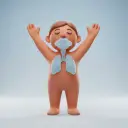 la respiración breathing
Practicamos la respiración profunda. We practice breathing deeply.
-
 mantenerse en forma keep fit
Me mantengo en forma corriendo. I keep fit by running.
-
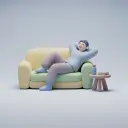 día de descanso rest day
Necesita un día de descanso. She needs a rest day.
-
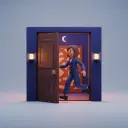 salir to go out
Normalmente salimos los viernes. We usually go out on Fridays.
-
 la discoteca nightclub
La discoteca está llena después de medianoche. The nightclub is full after midnight.
-
 el bar bar
Nos vemos en el bar más tarde. Let’s meet at the bar later.
-
 el cigarrillo cigarette
Él está afuera, fumando un cigarrillo. He is outside, smoking a cigarette.
-
 el cenicero ashtray
Por favor, usa el cenicero. Please use the ashtray.
-
 el encendedor lighter
¿Tienes un encendedor? Do you have a lighter?
-
 el alcohol alcohol
Ella no bebe alcohol muy a menudo. She doesn’t drink alcohol very often.
-
 el abridor de botellas bottle opener
Necesitamos un abridor de botellas para esto. We need a bottle opener for this.
-
 bailar dance
Mis amigos siempre quieren bailar. My friends always want to dance.
-
 borracho drunk
Él está borracho, así que vuelve a casa caminando. He is drunk, so he walks home.
-
 el bolso handbag
Su teléfono está dentro del bolso rojo. Her phone is inside the red handbag.
-
 cantante singer
La cantante estuvo increíble esta noche. The singer was awesome tonight.
-
 el estornudo sneeze
Ese estornudo fue muy ruidoso. That sneeze was very loud.
-
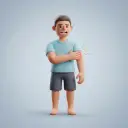 los músculos doloridos sore muscles
Mi entrenamiento me dejó los músculos doloridos. My training caused sore muscles.
-
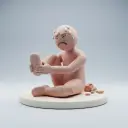 el calambre cramp
Los calambres en las piernas son lo peor. Leg cramps are the worst.
-
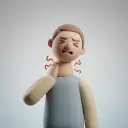 la tortícolis stiff neck
¿Cómo me quito esta tortícolis? How do I fix this stiff neck?
-
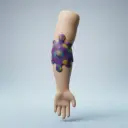 el moretón bruise
Tengo un moretón grande. I have a big bruise.
-
 el dolor de estómago stomach ache
Tuve dolor de estómago ayer. I got a stomach ache yesterday.
-
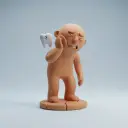 el dolor de muelas toothache
Eso es un dolor de muelas muy fuerte. That is a bad toothache.
-
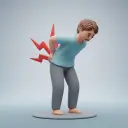 dolor de espalda back pain
La abuela tiene dolor de espalda hoy. Grandma has back pain today.
-
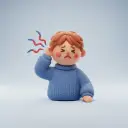 el dolor de oído earache
Tiene un dolor de oído ahora. He has an earache now.
-
 el agotamiento exhaustion
Tu trabajo puede causar agotamiento. Your job can cause exhaustion.
-
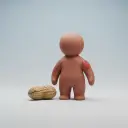 la alergia allergy
Mi alergia es la peor en primavera. My allergy is the worst in spring.
-
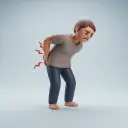 Me duele aquí. It hurts here.
-
 llorar cry
El niño triste está llorando. The sad child is crying.
-
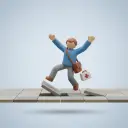 caer fall
La fruta cae del árbol. The fruit falls from the tree.
-
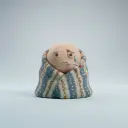 enfermo ill
El niño está muy enfermo. The child is very ill.
-
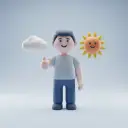 bien fine
Hoy me siento bien. I feel fine today.
-
 cortar cut
Ella corta el pan. She cuts the bread.
-
 la venda bandage
Él le puso una venda en la herida. He put a bandage on the wound.
-
 arder burn
La leña seca arde rápidamente. The dry wood burns quickly.
-
 arañar scratch
El gato me arañó el brazo. The cat scratched my arm.
-
 golpearse bump
Me golpeé la cabeza. I bumped my head.
-
 la cicatriz scar
Él se tocó la vieja cicatriz. He touched the old scar.
-
 recuperarse recover
Él se recuperó de la enfermedad. He recovered from the illness.
-
 curarse heal
La herida profunda se curará. The deep wound will heal.
-
 el apagón blackout
Por suerte, el apagón fue breve. Luckily, the blackout was brief.
-
 enchufar plug
Se le olvidó enchufar el cargador del portátil. He forgot to plug in the laptop charger.
-
 el enchufe socket
Ella enchufó su teléfono al enchufe de la pared. She plugged her phone into the wall socket.
-
 la extensión extension cord
Esta extensión es larga. This extension cord is long.
-
 la multitoma power strip
Ella conectó su computadora a la multitoma. She connected her computer to the power strip.
-
 el adaptador adapter plug
Necesitas un adaptador. You need an adapter plug.
-
 la caja de fusibles fuse box
La caja de fusibles está rota. The fuse box is broken.
-
 el disyuntor circuit breaker
El disyuntor saltó durante la tormenta. The circuit breaker turned off during the storm.
-
 el voltaje voltage
Este voltaje parece muy bajo. This voltage seems very low.
-
 la batería battery
Una batería alimenta la linterna. A battery powers the flashlight.
-
 batería descargada dead battery
Necesitamos cargar la batería descargada. We need to charge the dead battery.
-
 reemplazar la batería replace the battery
Tú reemplazas la batería a menudo. You replace the battery often.
-
 la electricidad electricity
Necesitamos electricidad para la luz. We need electricity for light.
-
 el gas gas
El olor a gas llenó la cocina. The smell of gas filled the kitchen.
-
 fecha de vencimiento due date
Por favor, revisa la fecha de vencimiento en la factura. Please check the due date on the bill.
-
 la calefacción heating
¿Puedes encender la calefacción? Can you turn the heating on?
-
 el internet internet
Usan el internet a diario. They use the internet daily.
-
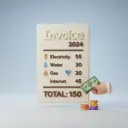 la factura bill
¿Cuál es la fecha de vencimiento de la factura del agua? What’s the due date for the water bill?
-
 el técnico technician
Un técnico vino a revisar la línea. A technician came to check the line.
-
 el proveedor supplier
El proveedor envió un nuevo contrato. The supplier sent a new contract.
-
 el contrato contract
El contrato ha vencido. The contract has expired.
-
 el proveedor provider
Cambié mi proveedor de internet. I changed my internet provider.
-
 el número de cuenta account number
¿Cuál es mi número de cuenta? What is my account number?
-
 atención al cliente customer service
Ofrecemos una excelente atención al cliente. We offer great customer service.
-
 el formulario form
Necesita un formulario impreso. He needs a printed form.
-
 la firma signature
¿Será suficiente mi firma? Is my signature going to be enough?
-
 el pasaporte passport
¿Perdiste tu pasaporte? Did you lose your passport?
-
 la visa visa
Ese país requiere una visa. That country requires a visa.
Free for personal and classroom use.
Quick quiz
Five questions from the first 100 words.
Make these words stick
The app brings each word back right before you’d forget it. Free on iPhone and Android.
More Spanish
Spanish words by topic
- Directions48
- Musical instruments12
- Numbers1–100
- Ordinal Numbers12
- Days of the week12
- Months12
- Colors19
- Family members36
- Body parts24
- Food44
- Animals36
- Clothes41
- Jewelry and Accessories12
- Weather24
- Greetings12
- Fruits16
- Vegetables12
- Kitchen36
- Restaurant & ordering food48
- Money25
- Rooms in the house48
- Jobs & professions36
- Emotions & feelings36
- School supplies & classroom48
- Transportation48
- Travel60
- Prepositions18
- Places in town48
- At the doctor36
- Sports & games60
- Hobbies36
- Nature & plants36
- Planets & space24
- Time36
- Holidays & celebrations12
- Shapes12
- Please & thank you24
- Small talk36
Word lists
Alphabet
Learn these 1,000 Spanish words in order.
The app teaches them 12 at a time, with pictures and audio, and brings each one back before you forget it. Free on iPhone and Android.
Scan with your phone's camera to get the app.