











 The 100 Most Common Dutch Words
Each word with a picture, native audio and an example sentence with its English translation. Tap a speaker to hear the word or the sentence.

Learn all 100 words in the app
Pictures, native audio, and each word comes back right before you’d forget it. Free on iPhone & Android.

 Scan with your phone camera
 Your PDF is downloading
Printing is step one. Flashcardly makes the words stick: it brings each one back right before you’d forget it, with native audio.
How this list is ranked
This is the Flashcardly Dutch course in order: by frequency and everyday usefulness, with input from language teachers. It is not a raw corpus count, which is why words like “the” and “of” are not padding the top of the list, while “man” comes in at #13.
The list
Tap a picture to hear it.
-
 Hallo Hello
Hallo, hoe gaat het? Hello, how are you?
-
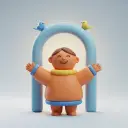 Welkom Welcome
Welkom in ons huis. Welcome to our home.
-
 Goedemorgen Good morning
Goedemorgen! Good morning!
-
 ja yes
Ja, ik begrijp het. Yes, I understand.
-
 Goedenavond Good evening
Goedenavond! Good evening!
-
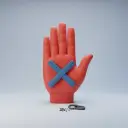 nee no
Ze zei nee. She said no.
-
 doei Goodbye
Doei, Anna! Goodbye, Anna!
-
 Goedemiddag Good afternoon
Goedemiddag! Good afternoon!
-
 Tot snel See you soon
Tot snel, Mia! See you soon, Mia!
-
 Tot morgen See you tomorrow
Tot morgen! See you tomorrow!
-
 Aangenaam Nice to meet you
Aangenaam kennis te maken! Nice to meet you too!
-
 Hoe gaat het met je How are you?
Hoe gaat het met je vandaag? How are you today?
-
 de man man
De man leest het boek. The man reads the book.
-
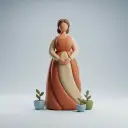 de vrouw woman
De vrouw draagt een hoed. The woman wears a hat.
-
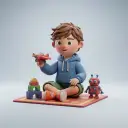 de jongen boy
De jongen speelt met speelgoed. The boy plays with toys.
-
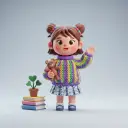 het meisje girl
Het meisje heeft een bal. The girl has a ball.
-
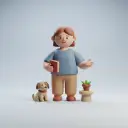 de persoon person
Hij is een aardig persoon. He is a nice person.
-
 de mensen people
De mensen zijn erg blij. The people are very happy.
-
 de volwassene adult
Ik ben een volwassene. I am an adult.
-
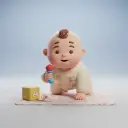 de baby baby
De baby heeft melk nodig. The baby needs milk.
-
 meneer Mr
Meneer Smith leest graag boeken. Mr. Smith likes to read books.
-
 mevrouw Mrs
Mevrouw Smith is een lerares. Mrs. Smith is a teacher.
-
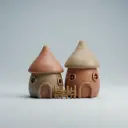 de buurman neighbor
Mijn buurman is erg vriendelijk. My neighbor is very friendly.
-
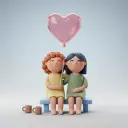 de vriend friend
Mijn vriend leest graag boeken. My friend likes to read books.
-
 vandaag today
Vandaag is een goede dag. Today is a good day.
-
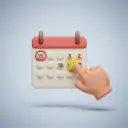 morgen tomorrow
Morgen is een nieuwe dag. Tomorrow is a new day.
-
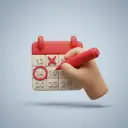 gisteren yesterday
Ik heb haar gisteren gezien. I saw her yesterday.
-
 nu now
Hij wil het nu. He wants it now.
-
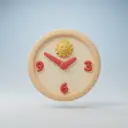 de middag afternoon
Ik vind de middag fijn. I like the afternoon.
-
 de avond evening
De avond is rustig. The evening is quiet.
-
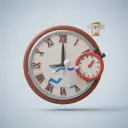 de minuut minute
We hebben vijf minuten nodig. We need five minutes.
-
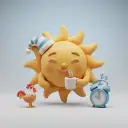 de ochtend morning
Ik eet 's ochtends mijn ontbijt. I eat breakfast in the morning.
-
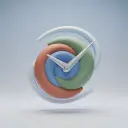 later later
Ik doe het later. I will do it later.
-
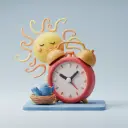 vroeg early
Zij wordt vroeg wakker. She wakes up early.
-
 te laat late
Hij is vaak te laat. He is often late.
-
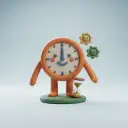 het uur hour
De les duurt één uur. The class lasts one hour.
-
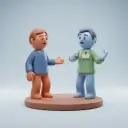 Hoe heet je? What's your name?
Hoe heet je? What's your name?
-
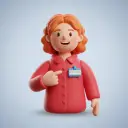 Mijn naam is My name is
Mijn naam is Emily. My name is Emily.
-
 Waar kom je vandaan? Where are you from?
Waar kom je vandaan? Where are you from?
-
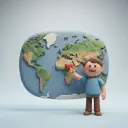 Ik kom uit ... I'm from
Ik kom uit Duitsland. I'm from Germany.
-
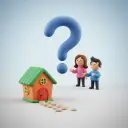 Waar woon je Where do you live?
Waar woon je? Where do you live?
-
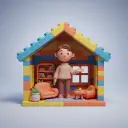 Ik woon in I live in
Ik woon in Japan. I live in Japan.
-
 Welke talen spreek je? What languages do you speak?
Welke talen spreek je? What languages do you speak?
-
 ik spreek I speak
Ik spreek goed Engels. I speak English well.
-
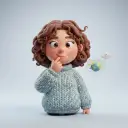 Ik spreek een beetje ... I speak a little
Ik spreek een beetje Frans. I speak a little French.
-
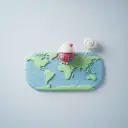 Waar ben je geboren Where were you born
Waar ben je geboren? Where were you born?
-
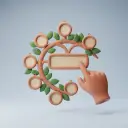 Wat is je achternaam? What's your surname?
Wat is je achternaam? What's your surname?
-
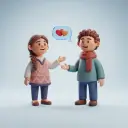 Dit is mijn vriend(in) This is my friend
Dit is mijn vriendin Lisa. This is my friend Lisa.
-
 maken make
Ik maak goede koffie. I make good coffee.
-
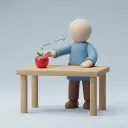 krijgen get
Hij kreeg een cadeau. He got a present.
-
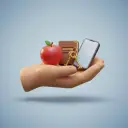 hebben have
Emma heeft een auto. Emma has a car.
-
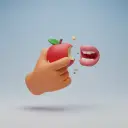 eten eat
Zij eten appels. They are eating apples.
-
 drinken drink
Drink jij koffie? Do you drink coffee?
-
 slapen sleep
Ik wil nu slapen. I want to sleep now.
-
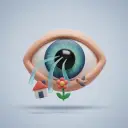 zien see
Kun je het huis zien? Can you see the house?
-
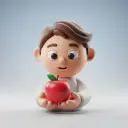 kijken naar look at
Adam vindt het leuk om naar foto's te kijken. Adam likes to look at pictures.
-
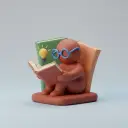 lezen read
De student leest boeken. The student reads books.
-
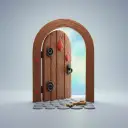 openen open
Zij opent het raam. She opens the window.
-
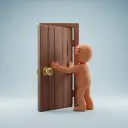 sluiten close
Ik sluit de deur. I close the door.
-
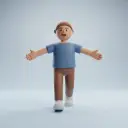 komen come
Je komt hier elke dag. You come here every day.
-
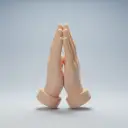 alsjeblieft Please.
Wil je alsjeblieft de deur openen? Please open the door.
-
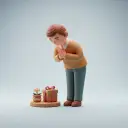 Dank je wel Thank you.
Dank je wel voor je hulp. Thank you for your help.
-
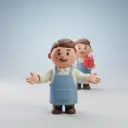 Graag gedaan. You're welcome.
Graag gedaan. You're welcome.
-
 Pardon Excuse me.
Pardon, ik heb hulp nodig. Excuse me, I need help.
-
 sorry Sorry.
Het spijt me. I am sorry.
-
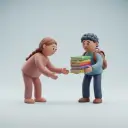 Kun je me helpen? Could you help me?
Kun je me helpen? Could you help me?
-
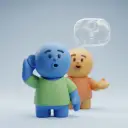 Kun je dat alsjeblieft herhalen? Could you please repeat?
Kun je dat alsjeblieft herhalen? Could you please repeat that?
-
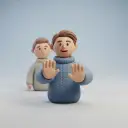 Zou je wat langzamer kunnen spreken? Could you speak more slowly?
Zou je wat langzamer kunnen spreken? Could you speak more slowly?
-
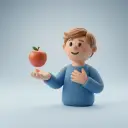 Mag ik ... alsjeblieft? Could I have ... please?
Mag ik water alsjeblieft? Could I have water please?
-
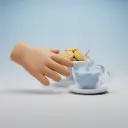 ik zou graag ... willen I'd like
Ik zou graag nog wat thee willen. I'd like some more tea.
-
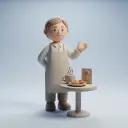 Mag ik ...? May I...?
Mag ik wat water? May I have some water?
-
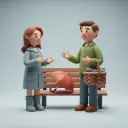 Is het goed als ...? Is it okay if...?
Is het goed als ik ga zitten? Is it okay if I sit?
-
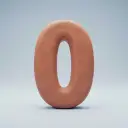 nul zero
Nul is minder dan één. Zero is less than one.
-
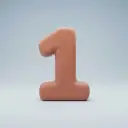 één one
Ik heb één appel. I have one apple.
-
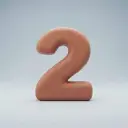 twee two
Er zijn twee katten. There are two cats.
-
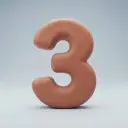 drie three
Nee, drie is te veel. No, three is too much.
-
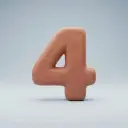 vier four
Geef me er vier, alsjeblieft. Give me four, please.
-
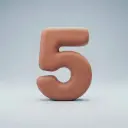 vijf five
Ik heb vijf honden. I have five dogs.
-
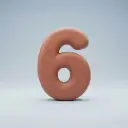 zes six
Hij kwam met zes vrienden. He came with six friends.
-
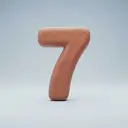 zeven seven
Ik ren zeven kilometer. I am running seven kilometers.
-
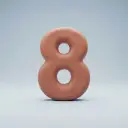 acht eight
Een spin heeft acht poten. A spider has eight legs.
-
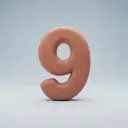 negen nine
Negen is mijn geluksgetal. Nine is my lucky number.
-
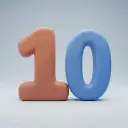 tien ten
Wij hebben tien vingers. We have ten fingers.
-
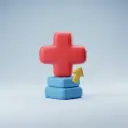 plus plus
Twee plus twee is vier. Two plus two is four.
-
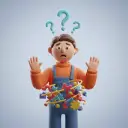 Ik begrijp het niet I don't understand.
Ik begrijp het niet. I don't understand.
-
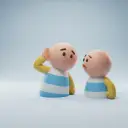 Kun je dat alsjeblieft herhalen? Could you repeat that please?
Kun je dat alsjeblieft herhalen? Could you repeat that please?
-
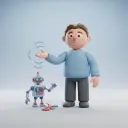 Iets langzamer, alsjeblieft. More slowly please.
Iets langzamer, alsjeblieft. More slowly please.
-
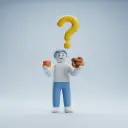 Wat betekent dat? What does that mean?
Wat betekent dat? What does that mean?
-
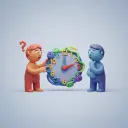 Hoe zeg je dat in ...? How do you say that in ...?
Hoe zeg je dat in het Spaans? How do you say that in Spanish?
-
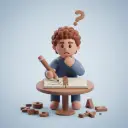 Hoe spel je dat? How do you spell that?
Hoe spel je dat? How do you spell that?
-
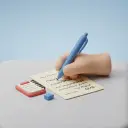 Kun je het opschrijven? Can you write it down?
Kun je het opschrijven, alsjeblieft? Can you write it down, please?
-
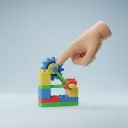 Kun je me ... laten zien Can you show me?
Kun je me de foto laten zien? Can you show me the photo?
-
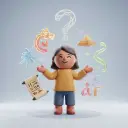 Spreek je ...? Do you speak ...?
Spreek je Engels? Do you speak English?
-
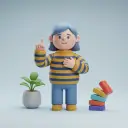 Een momentje, alsjeblieft. Just a moment please.
Een momentje, alsjeblieft. Just a moment please.
-
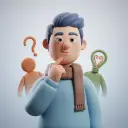 Ik denk het wel. I think so.
Ik denk het ook. I think so too.
-
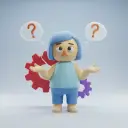 Ik weet het niet. I don't know.
Ik weet het niet. I don't know.
-
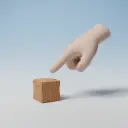 dit this
Dit is mijn rode auto. This is my red car.
-
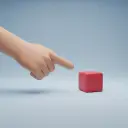 die that
Die hond is erg vriendelijk. That dog is very friendly.
-
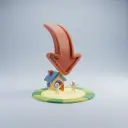 hier here
Ik vind het fijn om hier te zijn. I like being here.
-
 daar there
We spreken daar na het werk af. We meet there after work.
Free for personal and classroom use.
Quick quiz
Five questions from the first 100 words.
Make these words stick
The app brings each word back right before you’d forget it. Free on iPhone and Android.
More Dutch
Dutch words by topic
- Numbers1–100
- Ordinal Numbers12
- Days of the week12
- Months12
- Colors19
- Family members36
- Body parts24
- Food44
- Animals36
- Clothes41
- Jewelry and Accessories12
- Weather24
- Greetings12
- Fruits16
- Vegetables12
- Kitchen36
- Restaurant & ordering food48
- Money25
- Rooms in the house48
- Jobs & professions36
- Emotions & feelings36
- School supplies & classroom48
- Transportation48
- Travel60
- Directions48
- Prepositions18
- Places in town48
- At the doctor36
- Sports & games60
- Hobbies36
- Musical instruments12
- Nature & plants36
- Planets & space24
- Time36
- Holidays & celebrations12
- Shapes12
- Please & thank you24
- Small talk36
Word lists
Alphabet
Learn these 100 Dutch words in order.
The app teaches them 12 at a time, with pictures and audio, and brings each one back before you forget it. Free on iPhone and Android.
Scan with your phone's camera to get the app.
