












 The 1,000 Most Common Arabic Words
Each word with a picture, native audio and an example sentence with its English translation. Tap a speaker to hear the word or the sentence.

Learn all 1,000 words in the app
Pictures, native audio, and each word comes back right before you’d forget it. Free on iPhone & Android.

 Scan with your phone camera
 Your PDF is downloading
Printing is step one. Flashcardly makes the words stick: it brings each one back right before you’d forget it, with native audio.
How this list is ranked
This is the Flashcardly Arabic course in order: by frequency and everyday usefulness, with input from language teachers. It is not a raw corpus count, which is why words like “the” and “of” are not padding the top of the list, while “man” comes in at #13.
The list
Tap a picture to hear it.
Words 1–100
-
 مَرْحَبًا marḥaban Hello
مَرْحَبًا، كيف حالك؟ Marḥaban, kayfa ḥāluka? Hello, how are you?
-
 أَهْلًا وَسَهْلًا ahlan wa-sahlan Welcome
أهلًا وسهلًا بكم في بيتنا. ahlan wa-sahlan bikum fī baytinā. Welcome to our home.
-
 صَبَاحُ الخَيْر ṣabāḥ al-khayr Good morning
صباح الخير! ṣabāḥ al-khayr! Good morning!
-
 نَعَمْ na'am yes
نعم، أفهم. naʿam, afham. Yes, I understand.
-
 مَسَاءُ الخَيْر masa' al-khayr Good evening
مَسَاءُ الخَيْر! masā' al-khayr! Good evening!
-
 لَا lā no
قالَتْ لَا. Qaalat laa. She said no.
-
 مَعَ السَّلَامَة maʿa as-salāma Goodbye
مع السلامة يا آنا! maʿa as-salāma yā Ānā! Goodbye, Anna!
-
 نَهَارُكَ سَعِيد nahāruka saʿīd Good afternoon
نَهَارُكَ سَعِيد! nahāruka saʿīd! Good afternoon!
-
 أَرَاكَ قَرِيبًا arāka qarīban See you soon
أَرَاكِ قَرِيبًا يَا مِيَا! arāki qarīban yā miyā! See you soon, Mia!
-
 أَرَاكَ غَدًا arāka ghadan See you tomorrow
أراك غدًا! arāka ghadan! See you tomorrow!
-
 تَشَرَّفْنَا tasharrafnā Nice to meet you
تَشَرَّفْنَا بِكَ أيضاً! tasharrafna bika aydan! Nice to meet you too!
-
 كَيْفَ حَالُكَ؟ kayfa ḥāluka? How are you?
كيف حالك اليوم؟ Kayfa ḥāluka al-yawm? How are you today?
-
 رَجُل rajul man
يَقْرَأُ الرجل الكتاب. Yaqra'u ar-rajul al-kitab. The man reads the book.
-
 اِمْرَأَة imra'a woman
ترتدي المرأة قبعة. Tartadī al-mar'atu qubba'ah. The woman wears a hat.
-
 وَلَد walad boy
يلعب الولد بالألعاب. Yal'abu al-waladu bil-al'aab. The boy plays with toys.
-
 بِنْت bint girl
لدى البنت كرة. lada al-binti kura. The girl has a ball.
-
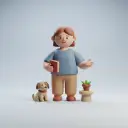 شَخْص shakhṣ person
هو شخص لطيف. Huwa shakhs lateef. He is a nice person.
-
 نَاس nās people
النَّاس سعداء جداً. an-nās suʿadāʾ jiddan. The people are very happy.
-
 بَالِغ bāligh adult
أَنَا بَالِغ. ana bāligh. I am an adult.
-
 رَضِيع raḍīʿ baby
يحتاج الرضيع إلى الحليب. Yaḥtāj ar-raḍīʿ 'ilā al-ḥalīb. The baby needs milk.
-
 سَيِّد sayyid Mr
يُحِبُّ السَّيِّد سْمِيث قِرَاءَة الكُتُب. yuḥibbu as-sayyid smīth qirā'at al-kutub. Mr. Smith likes to read books.
-
 سَيِّدَة sayyida Mrs
السيدة سميث معلمة. As-sayyidah Smith mu'allimah. Mrs. Smith is a teacher.
-
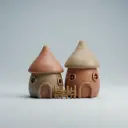 جَار jār neighbor
سَاعَدَنِي جاري. sāʿadanī jārī. My neighbor is very friendly.
-
 صَدِيق ṣadīq friend
صَدِيقِي يُحِبُّ قِرَاءَةَ الكُتُب. Ṣadīqī yuḥibbu qirā'ata l-kutub. My friend likes to read books.
-
 اليَوْم al-yawm today
اليوم يوم جميل. al-yawm yawm jameel. Today is a good day.
-
 غَدًا ghadan tomorrow
غَدًا يَوْمٌ جَدِيد. Ghadan yawmun jadid. Tomorrow is a new day.
-
 أَمْسِ amsi yesterday
رأيتُها أَمْسِ. ra'aytuha amsi. I saw her yesterday.
-
 الآنَ al-’ān now
يُريدُهُ الآن. Yurīduhu al-ān. He wants it now.
-
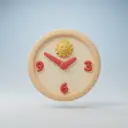 بَعْدَ الظُّهْر ba'da az-zuhr afternoon
أُحِبُّ فترة ما بَعْدَ الظُّهْر. Uḥibbu fatrata mā baʿda aẓ-ẓuhr. I like the afternoon.
-
 مَسَاء masāʾ evening
المَسَاء هادئ. al-masā' hādi'. The evening is quiet.
-
 دَقِيقَة daqīqa minute
نحتاج إلى خمس دقائق. Naḥtāju 'ilā khamsi daqā'iq. We need five minutes.
-
 صَبَاح ṣabāḥ morning
أتناول الفطور في الصباح. Atanāwalu al-fuṭūr fī aṣ-ṣabāḥ. I eat breakfast in the morning.
-
 لَاحِقاً lāḥiqan later
سأفعله لاحقاً. sa'af'aluhu lāḥiqan. I will do it later.
-
 مُبَكِّرًا mubakkiran early
تستيقظ مُبَكِّرًا. tastayqiẓu mubakkiran. She wakes up early.
-
 مُتَأَخِّر muta'akhkhir late
هو غالباً مُتَأَخِّر. Huwa ghaliban muta'akhkhir. He is often late.
-
 سَاعَة sāʿa hour
تستمر الحصة ساعة واحدة. Tastamirru al-ḥiṣṣatu sāʿa wāḥida. The class lasts one hour.
-
 مَا اسْمُكَ؟ ma ismuka? What's your name?
مَا اسْمُكَ؟ ma ismuka? What's your name?
-
 اِسْمِي ismi My name is
اِسْمِي إيميلي. ismi emili. My name is Emily.
-
 مِنْ أَيْنَ أَنْتَ؟ min ayna anta? Where are you from?
مِنْ أَيْنَ أَنْتَ؟ min ayna anta? Where are you from?
-
 أَنَا مِنْ ana min I'm from
أنا من ألمانيا. Ana min Almanya. I'm from Germany.
-
 أَيْنَ تَسْكُنُ؟ ayna taskun? Where do you live?
أَيْنَ تَسْكُنُ؟ ayna taskun? Where do you live?
-
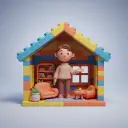 أَسْكُنُ فِي askunu fī I live in
أَسْكُنُ فِي اليابان. askunu fil-yaban. I live in Japan.
-
 أَيَّ لُغَاتٍ تَتَحَدَّثُ؟ ayya lughātin tataḥaddathu? What languages do you speak?
أيَّ لُغاتٍ تَتَحَدَّثُ؟ ayya lughātin tataḥaddath? What languages do you speak?
-
 أَتَحَدَّثُ atahaddathu I speak
أتحدث الإنجليزية جيداً. ataḥaddathu al-injilīziyyata jayyidan. I speak English well.
-
 أَتَحَدَّثُ القَلِيلَ مِن ataḥaddathu al-qalīla min I speak a little
أتحدث القليل من الفرنسية. ataḥaddathu l-qalīla mina l-faransiyyah. I speak a little French.
-
 أَيْنَ وُلِدْتَ؟ ayna wulidta? Where were you born
أَيْنَ وُلِدْتَ؟ ayna wulidta? Where were you born?
-
 مَا اسْمُ عَائِلَتِكَ؟ mā ismu ʿāʾilatika? What's your surname?
مَا اسْمُ عَائِلَتِكَ؟ mā ismu ʿāʾilatika? What's your surname?
-
 هَذِهِ صَدِيقَتِي hādhihi ṣadīqatī This is my friend
هَذِهِ صَدِيقَتِي ليزا. Hadhihi sadiqati Liza. This is my friend Lisa.
-
 صَنَعَ ṣanaʿa make
أَصْنَعُ قهوة جيدة. Aṣnaʿu qahwa jayyida. I make good coffee.
-
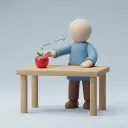 حَصَلَ عَلَى ḥaṣala ʿala get
حَصَلَ عَلَى هدية. ḥaṣala ʿalā hadiyyah. He got a present.
-
 عِنْدَ ʿinda have
عِنْدَ إيما سيارة. ʿinda Īmā sayyārah. Emma has a car.
-
 أَكَلَ akala eat
هم يأكلون التفاح. hum ya'kulūna at-tuffāḥ. They are eating apples.
-
 شَرِبَ shariba drink
هل تَشْرَب القهوة؟ Hal tashrab al-qahwa? Do you drink coffee?
-
 نَامَ nāma sleep
أريد أن أنام الآن. ureedu an anaama al-aan. I want to sleep now.
-
 رَأَى ra'ā see
هل تستطيع أن تَرَى المنزل؟ Hal tastaṭīʿu an tarā al-manzil? Can you see the house?
-
 نَظَرَ إِلَى naẓara ilā look at
يحب آدم أن ينظر إلى الصور. yuḥibbu ādam an yanẓura ilā aṣ-ṣuwar. Adam likes to look at pictures.
-
 قَرَأَ qara'a read
يَقْرَأُ الطالب كتباً. yaqra'u at-taalibu kutuban. The student reads books.
-
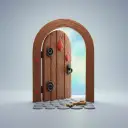 فَتَحَ fataḥa open
تفتح النافذة. Taftaḥu an-nāfidhah. She opens the window.
-
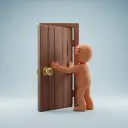 أَغْلَقَ aghlaqa close
أنا أُغْلِقُ البابَ. ana ughliqu l-baab. I close the door.
-
 جَاءَ jā'a come
أنت تَجِيءُ إلى هنا كل يوم. Anta taji'u ila huna kulla yawm. You come here every day.
-
 مِنْ فَضْلِكَ min fadlik Please.
من فضلك، افتح الباب. min faḍlika, iftaḥ al-bāb. Please open the door.
-
 شُكْرًا shukran Thank you.
شُكراً على مُساعَدَتِك. shukran 'ala musā'adatik Thank you for your help.
-
 عَفْوًا ʿafwan You're welcome.
عَفْوًا. ʿafwan. You're welcome.
-
 مَعْذِرَةً ma'dhiratan Excuse me.
مَعْذِرَةً، أَحْتَاجُ إِلَى الْمُسَاعَدَةِ. ma'dhiratan, ahtaju ila al-musa'ada. Excuse me, I need help.
-
 آسِف aasif Sorry.
أنا آسِف. ana aasif. I am sorry.
-
 هَلْ يُمْكِنُكَ مُسَاعَدَتِي؟ hal yumkinuka musāʿadatī? Could you help me?
هَلْ يُمْكِنُكَ مُسَاعَدَتِي؟ hal yumkinuka musāʿadatī? Could you help me?
-
 أَعَادَ a'āda Could you please repeat?
هَلْ يُمْكِنُكَ أَنْ تُعِيدَ ذَلِكَ مِنْ فَضْلِكَ؟ hal yumkinuka an tu'īda dhalika min fadlika? Could you please repeat that?
-
 بِبُطْءٍ bi-buṭ' Could you speak more slowly?
هَلْ يُمْكِنُكَ أَنْ تَتَحَدَّثَ بِبُطْءٍ أَكْثَرَ؟ hal yumkinuka an tataḥaddatha bi-buṭ'in akthar? Could you speak more slowly?
-
 هَلْ يُمْكِنُنِي الْحُصُولُ عَلَى...؟ hal yumkinunī al-ḥuṣūlu ʿalā...? Could I have ... please?
هل يمكنني الحصول على ماء من فضلك؟ Hal yumkinunī al-ḥuṣūl ʿalā māʾ min faḍlik? Could I have water please?
-
 أَوَدُّ awaddu I'd like
أَوَدُّ المزيد من الشاي. awaddu al-mazīda mina ash-shāy. I'd like some more tea.
-
 هَلْ يُمْكِنُنِي أَنْ...؟ hal yumkinunī an...? May I...?
هل يمكنني أن أحصل على بعض الماء؟ Hal yumkinunī an aḥṣula ʿalā baʿḍ al-māʾ? May I have some water?
-
 هَلْ يُمْكِنُ hal yumkinu Is it okay if...?
هل يمكنني أن أجلس؟ hal yumkinunī an ajlis? Is it okay if I sit?
-
 صِفْر ṣifr zero
الصفر أقل من واحد. aṣ-ṣifr aqall min wāḥid. Zero is less than one.
-
 وَاحِد wāḥid one
عندي تفاحة واحدة. ʿindī tuffāḥa wāḥida. I have one apple.
-
 اِثْنَان ithnān two
هناك قطتان اثنتان. Hunāka qiṭṭatān ithnatān. There are two cats.
-
 ثَلَاثَة thalātha three
لا، ثلاثة كثير جداً. Lā, thalātha kathīr jiddan. No, three is too much.
-
 أَرْبَعَة arbaʿa four
أعطني أربعة من فضلك. aʿṭinī arbaʿa min faḍlik. Give me four, please.
-
 خَمْسَة khamsa five
عندي خمسة كلاب. ʿindī khamsa kilāb. I have five dogs.
-
 سِتَّة sitta six
جاء مع ستة أصدقاء. Ja'a ma'a sittati asdiqa'. He came with six friends.
-
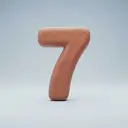 سَبْعَة sab'ah seven
أنا أَرْكُضُ سبعة كيلومترات. Ana arkudhu sab'ata kilumitrat. I am running seven kilometers.
-
 ثَمَانِيَة thamāniya eight
للعنكبوت ثماني أرجل. Lil-ʿankabūti thamānī arjul. A spider has eight legs.
-
 تِسْعَة tis'ah nine
تِسْعَة هُوَ رَقْمِي الْمَحْظُوظ. Tis'a huwa raqmī al-maḥẓūẓ. Nine is my lucky number.
-
 عَشَرَة ʿashara ten
لدينا عشرة أصابع. Ladayna ʿasharatu aṣābiʿ. We have ten fingers.
-
 زَائِد zā'id plus
اثنان زائد اثنين يساوي أربعة. ithnān zā'id ithnayn yusāwī arba'a Two plus two is four.
-
 لَا أَفْهَمُ la afham I don't understand.
لا أفهم. la afham. I don't understand.
-
 أَعَادَ a'āda Could you repeat that please?
هل يمكنك إعادة ذلك من فضلك؟ Hal yumkinuka i'ādatu dhālika min faḍlik? Could you repeat that please?
-
 بِبُطْءٍ أَكْثَر bi-buṭ'in akthar More slowly please.
ببطء أكثر، من فضلك. bibuṭʾin ʾakthar, min faḍlik. More slowly please.
-
 مَاذَا يَعْنِي ذَلِك؟ mādha yaʿnī dhālik? What does that mean?
مَاذَا يَعْنِي ذَلِك؟ لَمْ أَفْهَمْ قَصْدَك. mādha yaʿnī dhālik? lam af-ham qaṣdak. What does that mean?
-
 كَيْفَ تَقُولُ ذَلِكَ بِـ kayfa taqūlu dhālika bi-... How do you say that in ...?
كيف تَقُول ذلك بالإسبانية؟ kayfa taqūlu dhālika bil-'isbāniyya? How do you say that in Spanish?
-
 كَيْفَ تَهْجُو ذَلِكَ؟ kayfa tahju dhalik? How do you spell that?
كَيْفَ تَهْجُو ذَلِكَ؟ kayfa tahju dhalik? How do you spell that?
-
 دَوَّنَ dawwana Can you write it down?
هل يمكنك كتابته، من فضلك؟ hal yumkinuka kitābatahu, min faḍlik? Can you write it down, please?
-
 تُرِيَنِي turiyanī Can you show me?
هل يمكنك أن تريني الصورة؟ Hal yumkinuka an turīyanī aṣ-ṣūrah? Can you show me the photo?
-
 هَلْ تَتَحَدَّثُ...؟ hal tataḥaddath...? Do you speak ...?
هَلْ تَتَحَدَّثُ الإنجليزية؟ Hal tataḥaddathu al-injlīziyyah? Do you speak English?
-
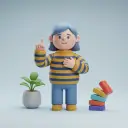 لَحْظَةً مِنْ فَضْلِك laḥẓatan min faḍlik Just a moment please.
لَحْظَة مِنْ فَضْلِك. laḥẓa min faḍlik. Just a moment please.
-
 أَعْتَقِدُ ذٰلِك aʿtaqidu dhalik I think so.
أعتقد ذلك أيضاً. a'taqidu dhalika aydan. I think so too.
-
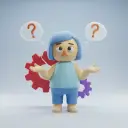 لَا أَعْرِفُ lā aʿrif I don't know.
لَا أَعْرِفُ. la a'rif. I don't know.
-
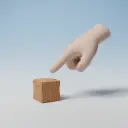 هَذَا hādhā this
هَذِهِ سيارتي الحمراء. hādhihi sayyāratī al-ḥamrā'. This is my red car.
-
 ذٰلِكَ dhālika that
ذٰلِكَ الكلب ودود جداً. Dhalika al-kalbu wadudun jiddan. That dog is very friendly.
-
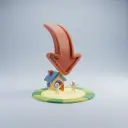 هُنَا huna here
أحب أن أكون هنا. Uḥibbu an akūna hunā. I like being here.
-
 هُنَاكَ hunāka there
نلتقي هناك بعد العمل. Naltaqī hunāka baʿda al-ʿamal. We meet there after work.
Words 101–200
-
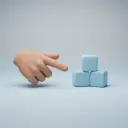
 آخَر ākhar another
يُرِيدُ قِطْعَةَ كَعْكٍ أُخْرَى. yurīdu qiṭʿata kaʿkin ukhrā. He wants another piece of cake.
-
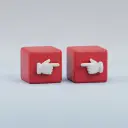 نَفْس nafs same
نرتدي نفس القميص الأزرق. Nartadī nafs al-qamīṣ al-azraq. We wear the same blue shirt.
-
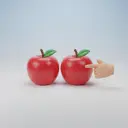
 هَٰؤُلَاءِ ha'ula'i these
هذه التفاحات جاهزة للأكل. Hadhihi at-tuffahat jahiza lil-akl. These apples are ready to eat.
-
 تِلْكَ tilka those
تبدو تلك الكوكيز لذيذة جداً. Tabdū tilka al-kūkīz ladhīdhah jiddan. Those cookies look very good.
-
 هُنَا تَمَاماً huna tamaman right here
المفاتيح هُنَا تَمَاماً. al-mafātīḥu hunā tamāman. The keys are right here.
-
 هُنَاكَ hunāka over there
حذائي هناك. ḥidhāʾī hunāk. My shoes are over there.
-
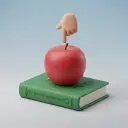 فَوْقَ fawqa on top of
القطة فَوْقَ الطاولة. al-qiṭṭatu fawqa aṭ-ṭāwilah. The cat is on top of the table.
-
 تَحْت taḥt underneath
الكلب تَحْتَ الطاولة. al-kalb taḥta aṭ-ṭāwila. The dog is underneath the table.
-
 كَيْفَ تَسِيرُ الأُمُور؟ kayfa tasīr al-umūr? How's it going?
كيف تسير الأمور؟ Kayfa tasīru al-umūr? How's it going?
-
 لَمْ نَرَكَ مُنْذُ فَتْرَةٍ طَوِيلَة lam naraka mundhu fatra tawila Long time no see.
لَمْ نَرَكَ مُنْذُ فَتْرَةٍ طَوِيلَة. Lam naraka mundhu fatratin ṭawīlah. Long time no see.
-
 تَسْتَمْتِعُ tastamtiʿu What do you enjoy?
بِمَاذَا تَسْتَمْتِعُ؟ bimādhā tastamtiʿu? What do you enjoy?
-
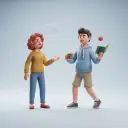 مَاذَا تَفْعَلُ؟ mādha tafʿal? What are you up to?
مَاذَا تَفْعَلُ الآن؟ mādha tafʿal al-ān? What are you up to now?
-
 أَتَمَنَّى لَكَ يَوْمًا سَعِيدًا atamannā laka yawman saʿīdan Have a nice day.
أَتَمَنَّى لَكَ يَوْمًا سَعِيدًا يا جون! atamannā laka yawman saʿīdan yā Jūn! Have a nice day, John!
-
 اِنْتَبِهْ لِنَفْسِك intabih linafsik Take care.
اِنْتَبِهْ لِنَفْسِكَ. أراك غداً. Intabih linafsik. Araka ghadan. Take care. See you tomorrow.
-
 حَظّاً سَعِيداً ḥaẓẓan saʿīdan Good luck!
حَظّاً سَعِيداً! أنا أؤمن بك! ḥaẓẓan saʿīdan! ʾanā ʾuʾminu bik! Good luck! I believe in you!
-
 مَبْرُوك mabrūk Congratulations!
مبروك! لقد أَنْهَيْتَ العمل الشاق. mabrūk! laqad anhayta al-ʿamal ash-shāqq. Congratulations! You finished the hard work.
-
 فِي صِحَّتِكَ fī ṣiḥḥatik Cheers!
فِي صِحَّتِكَ! Fi ṣiḥḥatika! Cheers!
-
 لا مُشْكِلَة la mushkila No problem.
لا مشكلة، يمكنني مساعدتك. lā mushkila, yumkinunī musāʿadatak. No problem, I can help you.
-
 لَا تَقْلَقْ la taqlaq Don't worry.
لَا تَقْلَقْ، سَيَكُونُ كُلُّ شَيْءٍ بِخَيْر. la taqlaq, sayakunu kullu shay'in bikhayr. Don't worry, it will be okay.
-
 يَبْدُو جَيِّداً yabdū jayyidan Sounds good.
يَبْدُو جَيِّداً بالنسبة لي، شكراً! Yabdū jayyidan bin-nisbati lī, shukran! Sounds good to me, thanks!
-
 عَرَفَ ʿarafa know
أنت تَعْرِف الإجابة الآن. Anta taʿrif al-ijāba al-ʾān. You know the answer now.
-
 سَأَلَ sa'ala ask
يمكنك أن تَسْأَلَ أخاك. yumkinuka an tas'ala akhaka. You can ask your brother.
-
 سَمِعَ samiʿa hear
هل تسمع ذلك الصوت؟ hal tasmaʿ dhālika ṣ-ṣawt? Can you hear that sound?
-
 تَعَلَّمَ ta'allama learn
تَتَعَلَّمُ شيئاً جديداً كل يوم. Tataʿallamu shayʾan jadīdan kulla yawm. You learn something new everyday.
-
 تَحَدَّثَ مَعَ taḥaddatha ma'a talk with
هل تحب أن تتحدث مع أصدقائك؟ hal tuḥibbu an tataḥaddatha maʿa aṣdiqā'ik? Do you like talking with your friends?
-
 قَالَ qāla say
أريد أن أقول شيئاً. ureedu an aqoola shay'an. I want to say something.
-
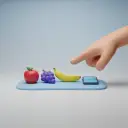 اِخْتَارَ ikhtāra choose
أنت تَخْتَارُ لونك المفضل. Anta takhtāru lawnaka al-mufaḍḍal. You choose your favorite color.
-
 كَتَبَ kataba write
يَكْتُبُ الطلاب قصة. Yaktubu at-tullabu qissatan. The students write a story.
-
 اِتَّصَلَ ittaṣala call
سأتصل بك. sa'attasilu bika. I am going to call you.
-
 اِسْتَمَعَ إِلَى istamaʿa ilā listen to
أَسْتَمِعُ إِلَى الرَّادْيُو. astamiʿu ilā r-rādyū. I listen to the radio.
-
 دَرَسَ darasa study
أدرس بجد لكل امتحان. Adrusu bijiddin likulli imtihaan. I study hard for every test.
-
 أَخْبَرَ akhbara tell
يخبرني باسمه. Yukhbirunī bismihi. He tells me his name.
-
 اِلْتَقَى iltaqā meet
سَأَلْتَقِي بكَ غداً. sa-ʾaltaqī bika ghadan I will meet you tomorrow.
-
 اِنْضَمَّ inḍamma join
سوف تَنْضَمَّ إلى مجموعتنا. sawfa tanḍamma ilā majmūʿatinā She will join our group.
-
 اِسْتَمْتَعَ istamtaʿa enjoy
نحن نَسْتَمْتِعُ بالموسيقى. naḥnu nastamtiʿu bi-l-mūsīqā. We enjoy the music.
-
 وَصَفَ waṣafa describe
وَصَفَ الوَلَدُ الحَيَوانَ. waṣafa al-waladu al-ḥayawān The boy described the animal.
-
 شَرَحَ sharaḥa explain
سوف تَشْرَحُ المُشكلة. sawfa tashraḥu al-mushkila. She will explain the problem.
-
 عَلَّمَ ʿallama teach
أُعَلِّمُ الطُّلَّابَ الجُدُدَ. uʿallimu t-tullāba l-judud. I teach the new students.
-
 قَدَّمَ qaddama introduce
سَأُقَدِّمُ صَدِيقي لَكُم. sa-uqaddimu ṣadīqī lakum I will introduce my friend.
-
 قَبِلَ qabila accept
هِيَ تَقْبَلُ الهَدِيَّةَ. hiya taqbalu al-hadiyya She accepts the gift.
-
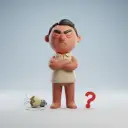 رَفَضَ rafaḍa refuse
يَرْفُضُ الطِّفْلُ الطَّعَامَ. yarfuḍu-ṭ-ṭiflu-ṭ-ṭaʿām The child refuses the food.
-
 وَعَدَ waʿada promise
أَعِدُكَ أَنْ أُسَاعِدَكَ. Aʿiduka an usāʿidaka. I promise to help you.
-
 نَاقَشَ nāqasha discuss
هُم يُنَاقِشُونَ الخُطَّةَ الجَدِيدَة. hum yunāqishūn al-khuṭṭa al-jadīda They discuss the new plan.
-
 اِتَّصَلَ ittaṣala contact
سَأَتَّصِلُ بِالطَّبِيبِ. sa-attaṣilu biṭ-ṭabīb I will contact the doctor.
-
 ضَحِكَ ḍaḥika laugh
يَضْحَكُ الأطفالُ بصوتٍ عالٍ. yaḍḥaku al-’aṭfālu bi-ṣawtin ‘ālin The children laugh loudly.
-
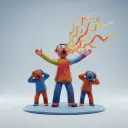 صَرَخَ ṣarakha shout
يَصْرُخُ الوَلَدُ طَلَبًا لِلْمُسَاعَدَةِ. yaṣrukhu al-waladu ṭalaban lil-musāʿada The boy shouts for help.
-
 هَمَسَ hamasa whisper
يَهْمِسُ في أُذُني. yahmisu fī udhunī He whispers in my ear.
-
 يلوّح yulawwiḥ wave
تلوّح بيدها للوداع. Tulawwiḥ bi-yadihā lil-wadāʿ. She waves goodbye.
-
 أَوْمَأَ awma'a nod
تُومِئُ المرأةُ برأسِها. Tu'mi'u al-mar'atu bi-ra'siha. The woman nods her head.
-
 عَانَقَ ʿānaqa hug
تُعَانِقُ الأُمُّ طِفْلَهَا. tuʿāniqu al-’ummu tiflaha The mother hugs her child.
-
 قَبَّلَ qabbala kiss
تُقَبِّلُ الأُمُّ طِفْلَهَا. tuqabbilu al-’ummu tiflaha The mother kisses her child.
-
 أَشَارَ ashāra point
يُشِيرُ الطِّفْلُ إِلَى الكَلْبِ. yushīru t-ṭiflu ilā l-kalb The child points at the dog.
-
 رَمَشَ ramasha blink
يَرْمُشُ بِعَيْنَيْهِ بِسُرْعَةٍ. yarmushu bi-ʿaynayhi bi-surʿa. He blinks his eyes quickly.
-
 عَبَسَ ʿabasa frown
يَعْبِسُ الأَبُ في وَجْهِ ابْنِهِ. yaʿbisu al-abu fī wajhi ibnihi The father frowns at his son.
-
 تَثَاءَبَ tathā'aba yawn
الرَّجُلُ المُتْعَبُ يَتَثَاءَبُ. ar-rajulu l-mut'abu yatathā'abu. The tired man yawns.
-
 شَمَّ shamma sniff
يشم الكلب الطعام. yashummu al-kalbu aṭ-ṭaʿām The dog sniffs the food.
-
 جَيِّد jayyid good
هي شخص جيد. Hiya shakhṣ jayyid. She is a good person.
-
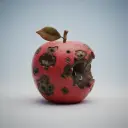 سَيِّئ sayyi' bad
رائحة ذلك الحليب سيئة. Ra'ihat dhalik al-halib sayyi'a. That milk smells bad.
-
 كَبِير kabīr big
يستطيع الكلب الكبير أن يقفز. Yastaṭīʿ al-kalb al-kabīr an yaqfiz. The big dog can jump.
-
 صَغِير ṣaghīr small
لدى الطفل يدان صغيرتان. ladā aṭ-ṭifli yadāni ṣaghīratān. The baby has small hands.
-
 خَاطِئ khāṭi' wrong
إجابتك خاطئة. Ijābatuka khāti'ah. Your answer is wrong.
-
 سَهْل sahl easy
هذه المسألة الرياضية سهلة. hadhihi l-mas'alatu r-riyadiyyatu sahlah. This math problem is easy.
-
 صَعْب ṣaʿb difficult
كان ذلك الامتحان صعباً. kāna ḏālika l-imtiḥān ṣaʿban. That test was difficult.
-
 بِسُرْعَةٍ bisur'a fast
تَسِيرُ السَّيَّارَاتُ سَرِيعاً جِدّاً. tasīru as-sayyārātu sarīʿan jiddan. Cars go very fast.
-
 بَطِيء baṭī' slow
السلحفاة بطيئة جداً. as-sulaḥfāh baṭīʾah jiddan. The turtle is very slow.
-
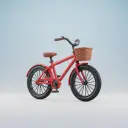 جَدِيد jadīd new
هذه سيارة جديدة. Hādhihi sayyārah jadīdah. This is a new car.
-
 حَقِيقِيّ ḥaqīqī true
هل هذه القصة حقيقية؟ Hal hadhihi al-qiṣṣa ḥaqīqiyya? Is this story true?
-
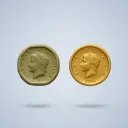 خَاطِئ khāṭiʾ false
الإجابة خاطئة. al-ijāba khāti'a. The answer is false.
-
 أُرِيدُ أَنْ urīdu an I want to
أُرِيدُ أَنْ آكُلَ البيتزا. urīdu an ākula al-bītzā. I want to eat pizza.
-
 يَحْتَاجُ إِلَى yaḥtāju ilā I need to
أحتاج أن أتصل بها. aḥtāju ʾan ʾattaṣila bihā. I need to call her.
-
 سَأَذْهَبُ sa-adhhabu I'm going to
سوف آكُل قريباً. sawfa 'ākulu qarīban. I'm going to eat soon.
-
 أَوَدُّ أَنْ awaddu an I'd like to
أود أن ألعب التنس. awaddu an alʿaba at-tinis. I'd like to play tennis.
-
 يَجِبُ عَلَيَّ أَنْ yajibu ʿalayya an I have to
يَجِبُ عَلَيَّ أَنْ أذهب الآن. yajibu ʿalayya an adh-haba al-aan. I have to go now.
-
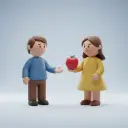 هَلْ يُمْكِنُنِي أَنْ...؟ hal yumkinunī an...? May I ...?
هل يمكنني أن أحصل على ماء، من فضلك؟ hal yumkinunī an aḥṣula ʿalā māʾ, min faḍlik? May I have water, please?
-
 سَاعَدَ sāʿada Help me with
مِن فَضْلِكَ، سَاعِدْنِي فِي هَذِهِ الحَقِيبَةِ. min faḍlika, sāʿidnī fī hādhihi al-ḥaqībah. Please help me with this bag.
-
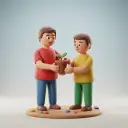 أَرِنِي كَيْفَ Arinī kayfa Show me how to
أَرِنِي كَيْفَ أَفْعَلُ هَذَا. Arinī kayfa af'alu hādhā. Show me how to do this.
-
 لَا أَسْتَطِيعُ laa astaṭeeʿu I can't ... right now.
لَا أَسْتَطِيعُ المساعدة الآن. lā astaṭīʿu l-musāʿada l-'āna. I can't help right now.
-
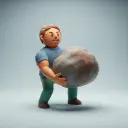 أُحَاوِلُ أَنْ uḥāwilu an I’m trying to
أُحَاوِلُ أَنْ أنام الآن. uḥāwilu an anāma al-ān. I’m trying to sleep now.
-
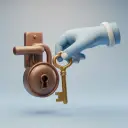 هَلْ مِنَ المُمْكِنِ أَنْ...؟ hal min al-mumkin an...? Is it possible to ...?
هل من الممكن أن تَسْبَحَ هنا؟ hal mina l-mumkini an tasbaḥa hunā? Is it possible to swim here?
-
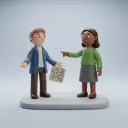 أَيْنَ يُمْكِنُنِي أَنْ...؟ Ayna yumkinunī 'an...? Where can I ...?
أين يمكنني أن أتناول الغداء؟ ayna yumkinunī an atanāwala al-ghadā'? Where can I eat lunch?
-
 الاِثْنَيْن al-ithnayn Monday
الاِثْنَيْن هو اليوم الأول. al-ithnayn huwa al-yawm al-awwal. Monday is the first day.
-
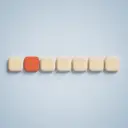 الثُّلَاثَاء ath-thulāthā’ Tuesday
الثلاثاء ممتع دائماً. ath-thulāthā' mumtiʿ dā'iman. Tuesday is always fun.
-
 الأَرْبِعَاء al-arbi'ā' Wednesday
تَذْهَبُ إلى البيت يوم الأربعاء. tadhhabu ilā l-bayt yawm al-arbiʿā'. She goes home Wednesday.
-
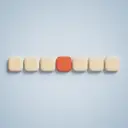 الخَمِيس al-khamīs Thursday
يأتي يوم الخميس. ya'tī yawma al-khamīs. He comes on Thursday.
-
 الجُمُعَة al-jumuʿah Friday
يوم الجمعة هو أفضل يوم. yawm al-jumʿa huwa afḍal yawm. Friday is the best day.
-
 السَّبْت as-sabt Saturday
أغادر يوم السبت. ughadiru yawma as-sabt. I leave on Saturday.
-
 الأَحَد al-aḥad Sunday
سأرتاح يوم الأحد. sa-artāḥu yawma l-aḥad. I will rest on Sunday.
-
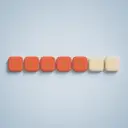 يَوْمُ عَمَل yawm 'amal weekday
تَعْمَلُ صباح كل يوم عمل. Taʿmalu ṣabāḥa kulli yawmi ʿamal. She works every weekday morning.
-
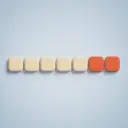 عُطْلَةُ نِهَايَةِ الأُسْبُوع ʿutlat nihāyat al-usbūʿ weekend
مَنْ لَا يُحِبُّ عُطْلَةَ نِهَايَةِ الأُسْبُوعِ؟ Man lā yuḥibbu ʿuṭlata nihāyati l-usbūʿ? Who does not like the weekend?
-
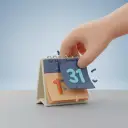 يَوْمِيّ yawmiyy daily
نقرأ الجريدة يومياً. Naqra'u al-jareedata yawmiyyan. We read the newspaper daily .
-
 أُسْبُوعِيّاً usbūʿiyyan weekly
عادةً ما أشاهد الأخبار أسبوعياً. ʿaadatan maa ushaahid al-akhbaar usbuuʿiyyan. I usually watch the news weekly.
-
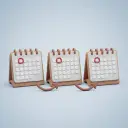 شَهْرِيّ shahriyy monthly
يدفعون السعر الشهري. yadfaʿūn as-siʿr ash-shahriyy. They pay the monthly price.
-
 يَوْم yawm day
انْتَظَرْنَا لِيَوْمٍ وَاحِدٍ. intadharnā li-yawmin wāḥid. We waited for one day.
-
 لَيْل layl night
نحن ننام في اللَّيْلِ. naḥnu nanāmu fil-layl. We sleep at night.
-
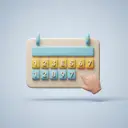 أُسْبُوع usbūʿ week
أَقَمْنَا لِمُدَّةِ أسبوعٍ وَاحِد. aqamnā li-muddati usbūʿin wāḥid. We stayed for one week.
-
 شَهْر shahr month
عَمِلَ لِمُدَّةِ شَهْرٍ وَاحِدٍ. ʿamila li-muddati shahrin wāḥid. He worked for one month.
-
 سَنَة sana year
انْتَظَرْنَا لِمُدَّةِ سَنَةً وَاحِدَة. intazharnā li-muddati sanatan wāḥida We waited for one year.
-
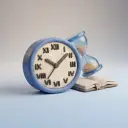 وَقْت waqt time
نَحْنُ بِحَاجَةٍ إِلَى وَقْتٍ أَطْوَل. naḥnu bi-ḥājatin ilā waqtin aṭwal We need more time.
-
 لَحْظَة laḥẓa moment
انْتَظَرَ لَحْظَةً. intadhara laḥẓatan. He waited for a moment.
-
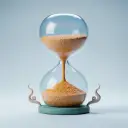 مُسْتَقْبَل mustaqbal future
أنا أُفَكِّرُ فِي الْمُسْتَقْبَلِ. ana ufakkiru fil-mustaqbal I think about the future.
Words 201–300
-
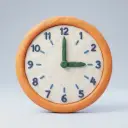 سَاعَة sā'ah o'clock
أستيقظ في السَّاعَةِ السابعة. Astayqiẓu fī as-sā'ati as-sābi'ah. I wake up at seven o'clock.
-
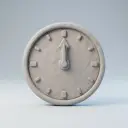 مُنْتَصَفُ اللَّيْل muntasaf al-layl midnight
سَنُغَادِرُ فِي مُنْتَصَفِ اللَّيْل. sanughādir fī muntasaf al-layl We will leave at midnight.
-
 مُنْتَصَفُ النَّهَار muntasaf an-nahār midday
الشَّمْسُ حَارَّةٌ فِي مُنْتَصَفِ النَّهَار. ash-shamsu ḥārratun fī muntasaf an-nahār The sun is hot at midday.
-
 اللَّيْلَة al-layla tonight
سَيَصِلُ الضُّيُوفُ اللَّيْلَةَ. sayasilu ad-duyoofu al-layla. The guests will arrive tonight.
-
 سَاعَدَ sāʿada help
النجدة! أنا في ورطة. an-najdah! ana fi warṭah. Help! I am in trouble.
-
 خَطَر khaṭar danger
نَحْنُ فِي خَطَر! Naḥnu fī khaṭar! We are in danger!
-
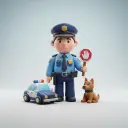 شُرْطَة shurṭa police
اِتَّصِلْ بِالشُّرْطَة! Ittaṣil bish-shurṭa! Call the police!
-
 طَبِيب ṭabīb doctor
أحتاج إلى طبيب! Aḥtāju ilā ṭabīb! I need a doctor!
-
 سَيَّارَةُ إِسْعَاف sayyārat isʿāf ambulance
اطْلُب سيارة إسعاف! Uṭlub sayyārat is'āf! Call an ambulance!
-
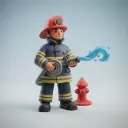 رَجُلُ إِطْفَاء rajulu itfaa' firefighter
رجال الإطفاء أبطال. Rijaal al-itfaa' abtaal. The firefighters are heroes.
-
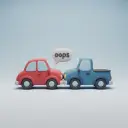 حَادِث ḥādith accident
تعرضت لحادث. Taʿarraḍtu li-ḥādith. I had an accident.
-
 حَمَى ḥamā protect
الشرطة تَحْمِينَا. ash-shurṭatu taḥmīnā. The police protect us.
-
 حَذَّرَ ḥadhdhara warn
أحتاج أن أُحَذِّرَهُم! aḥtāju an uḥadhdhirahum! I need to warn them!
-
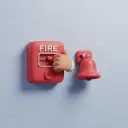 مُنَبِّه munabbih alarm
رَنَّ المُنَبِّه! Ranna al-munabbih! The alarm went off!
-
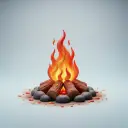 نَار nār fire
هناك حريق! hunāka ḥarīq! There is a fire!
-
 دُخَان dukhān smoke
يخرج دخان من المبنى! Yakhruju dukhān min al-mabnā! Smoke is coming out of the building!
-
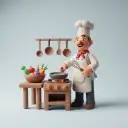 عَمِلَ كَـ ʿamila ka- work as
يعملون كممرضين في المستشفى. Ya'maluna kamumarridina fil-mustashfa. They work as hospital nurses.
-
 اِشْتَرَى ishtara buy
يمكنك أن تشتري الفاكهة هنا. Yumkinuka an tashtariya al-fākiha hunā. You can buy fruit here.
-
 دَفَعَ dafaʿa pay
يجب عليك أن تَدْفَعَ ثمن هذا. yajib ʿalayka an tadfaʿa thaman hādhā. You must pay for this.
-
 بَاعَ bāʿa sell
يَبِيعُونَ فواكه طازجة هنا. Yabī'ūna fawākih ṭāzijah hunā. They sell fresh fruit here.
-
 وَضَعَ waḍaʿa put
يَضَعُ الكتاب على الطاولة. Yaḍaʿu al-kitāba ʿalā aṭ-ṭāwilah. He puts the book on table.
-
 جَلَسَ jalasa sit
تَجْلِسُ إيما على ذلك الكرسي. Tajlisu Emma ʿala dhalika al-kursi. Emma sits in that chair.
-
 وَقَفَ waqafa stand
أَقِفُ بجانب الباب. Aqifu bijānib al-bāb. I stand by the door.
-
 سَبَحَ sabaḥa swim
يمكنهم أن يسبحوا بسرعة. Yumkinuhum an yasbahu bi-sur'a. They can swim fast.
-
 قَادَ qāda drive
تحتاج إلى أن تقود بحذر. Taḥtāju ʾilā ʾan taqūda bi-ḥaḏar. You need to drive carefully.
-
 خُطَّة khuṭṭah plan
يُخَطِّطُونَ للزيارة قريباً. yukhaṭṭiṭūna liz-ziyārati qarīban. They plan to visit soon.
-
 أَنْهَى anhā finish
يستطيع أن يُنْهِيَ الواجب لاحقاً. Yastaṭīʿu an yunhiya al-wājiba lāḥiqan. He can finish homework later.
-
 أَعْطَى aʿṭā give
أُعْطِي هدايا للأصدقاء. U'ṭī hadāyā lil-aṣdiqā'. I give presents to friends.
-
 أَحَدَ عَشَرَ aḥada 'ashar eleven
أحصل دائماً على إحدى عشرة قطعة. aḥṣulu dā'iman ʿalā iḥdā ʿashrata qiṭʿa. I always get eleven pieces.
-
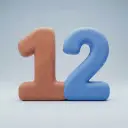 اِثْنَا عَشَر ithnā ‘ashar twelve
هناك اِثْنَتَا عَشْرَةَ بيضة في كرتونة. Hunāka ithnatā ʿashrata bayḍatan fī kartūnah. There are twelve eggs in a carton.
-
 ثَلَاثَةَ عَشَرَ thalāthata 'ashar thirteen
الرقم ثلاثة عشر مشؤوم. ar-raqam thalāthata ʿashara mash'ūm. The number thirteen is unlucky.
-
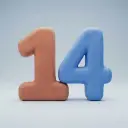 أَرْبَعَةَ عَشَرَ arbaʿata ʿashar fourteen
تحتوي العمارة على أربعة عشر طابقاً. taḥtawī al-'imāra 'alā arba'ata 'ashara ṭābiqan. The apartment has fourteen floors.
-
 خَمْسَةَ عَشَرَ khamsata 'ashar fifteen
أفتح الكتاب على صفحة رقم خمسة عشر. Aftaḥu al-kitāba ʿalā ṣafḥati raqmi khamsata ʿashara. I open the book at page fifteen.
-
 سِتَّةَ عَشَرَ sittata 'ashar sixteen
هذا أكثر بستة عشر ضعفاً! Hatha akthar bi-sittata ʿashara diʿfan! That is sixteen times more!
-
 سَبْعَةَ عَشَرَ sab'ata 'ashar seventeen
لَدَيْنَا سَبْعَةَ عَشَرَ قَلَماً. Ladayna sab'ata 'ashara qalaman. We have seventeen pencils.
-
 ثَمَانِيَةَ عَشَرَ thamāniyata 'ashar eighteen
يبلغ ارتفاعه ثمانية عشر متراً. yablughu irtifaaʿuhu thamaaniyata ʿashara matran. It is eighteen meters high.
-
 تِسْعَةَ عَشَرَ tis'ata 'ashar nineteen
تسعة عشر هو رقمي المفضل. tis'ata 'ashar huwa raqmi al-mufaddal. Nineteen is my favourite number.
-
 عِشْرُونَ ʿishrūn twenty
تحتاج إلى عشرين تفاحة صغيرة. Taḥtāju ilā ʿishrīna tuffāḥatan ṣaghīrah. She needs twenty small apples.
-
 ثَلَاثُونَ thalāthūn thirty
عمره ثلاثون سنة. ʿumruhu thalāthūna sanah. He is thirty years old.
-
 مِائَة mi'ah hundred
عَدَّ إلى مِائَة. ʿadda ilā mi'a. He counted to one hundred.
-
 أَرْبَعُونَ arbaʿūn forty
لديها أربعون قلماً في المجموع. Ladayhā arbaʿūna qalaman fī al-majmūʿ. She has forty pencils in total.
-
 خَمْسُونَ khamsūn fifty
لديه خمسون دولاراً. ladayhi khamsoona doolaaran. He has fifty dollars.
-
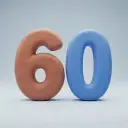 سِتُّونَ sittūn sixty
عمر جون ستون عاماً. ʿumru Jūn sittūna ʿāman. John is sixty years old.
-
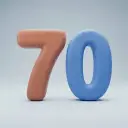 سَبْعُونَ sabʿūn seventy
جدي عمره سبعون عاماً. Jaddī ʿumruhu sabʿūna ʿāman. My grandpa is seventy years old.
-
 ثَمَانُونَ thamānūn eighty
عِنْدِي ثَمَانُونَ غِرَاماً مِنَ السُّكَّرِ. ʿindī thamānūna ghirāman mina s-sukkar. I have eighty grams of sugar.
-
 تِسْعُونَ tisʿūn ninety
لَدَيْهِ تِسْعُونَ كتاباً ليقرأها. Ladayhi tisʿūna kitāban liyaqraʾahā. He has ninety books to read.
-
 أَلْف alf thousand
الألف عدد كبير. al-alf ʿadad kabīr. A thousand is a big number.
-
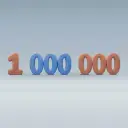 مِلْيُون milyūn million
تكلف تلك السيارة مليون دولار. Tukallifu tilka as-sayyāratu milyūna dūlār. That car costs a million dollars.
-
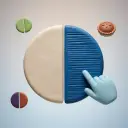 نِصْف niṣf half
أكل نصف البيتزا. Akala niṣfa al-bītzā. He ate half the pizza.
-
 رُبْع rubʿ quarter
لم يتبقَّ منهم سوى الرُّبْع. Lam yatabaqqa minhum siwa ar-rub'. There is only a quarter of them left.
-
 دَسْتَة dasta dozen
أشتري دستة بيض من المتجر. ashtarī dasta bayḍ min al-matjar. I buy a dozen eggs at the store.
-
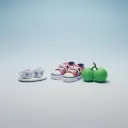 زَوْج zawj pair
ذلك الزوج من الأحذية نظيف. dhālika az-zawj min al-aḥdhiya naẓīf. That pair of shoes is clean.
-
 أَوَّل awwal first
فاز بالمركز الأول بسهولة. Faza bil-markaz al-awwal bisuhulah. He won first place easily.
-
 ثَانِي thānī second
هذه مرتي الثانية هنا. Hādhihi marratī ath-thāniyah hunā. This is my second time here.
-
 ثَالِث thālith third
أنهوا في المركز الثالث. Anhaw fil-markaz ath-thaalith. They finished in third place.
-
 رَابِع rābiʿ fourth
أنا الرابع في الطابور. Ana ar-rābiʿ fi aṭ-ṭābūr. I am fourth in line.
-
 خَامِس khāmis fifth
هي في الصف الخامس. hiya fi as-saff al-khamis. She is in the fifth row.
-
 سَادِس sādis sixth
هو الشخص السادس. Huwa ash-shakhs as-saadis. He is the sixth person.
-
 سَابِع sābiʿ seventh
يسكنون في الطابق السابع. Yaskunūna fī aṭ-ṭābiq as-sābiʿ. They live on the seventh floor.
-
 ثَامِن thāmin eighth
هذه هي التفاحة الثامنة. Hādhihi hiya at-tuffāḥa ath-thāmina. This is the eighth apple.
-
 التَّاسِع at-tāsiʿ ninth
اليوم التَّاسِع عطلة. al-yawm at-tāsiʿ ʿuṭlah. The ninth day is a holiday.
-
 عَاشِر ʿāshir tenth
هي في المركز العاشر. hiya fil-markaz al-ʿāshir. She is the tenth place.
-
 الحَادِي عَشَر al-ḥādī ʿashar eleventh
يحتفلون بذكراهم السنوية الحادية عشرة. yaḥtafilūna bi-dhikrāhum as-sanawiyyah al-ḥādiyah ʿashrah. They celebrate their eleventh anniversary.
-
 الثَّانِي عَشَر ath-thānī ʿashar twelfth
ذلك هو الشهر الثاني عشر. dhālika huwa ash-shahru ath-thānī ʿashar. That is the twelfth month.
-
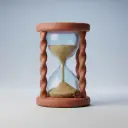 دَائِمًا dā'iman always
أشرب القهوة دَائِمًا في الصباح. ashrab al-qahwa dā'iman fi as-sabāḥ. I always drink coffee in the morning.
-
 عَادَةً ʿādatan usually
يتناول الغداء عادةً عند الظهر. yatanāwalu al-ghadā'a ʿādatan ʿinda aẓ-ẓuhr. He usually eats lunch at noon.
-
 غَالِبًا ghāliban often
يأكل الناس البيتزا هنا غَالِبًا. ya'kul an-nās al-bītzā hunā ghāliban. People often eat pizza here.
-
 أَحْيَانًا aḥyānan sometimes
تَذْهَبُ أَحْيَانًا إِلَى الْمَكْتَبَةِ. Tadhhabu aḥyānan ilā al-maktabah. She sometimes goes to the library.
-
 نَادِرًا nādiran rarely
نَادِرًا ما آكل الوجبات السريعة. nādiran mā ʾākulu l-wajabāt as-sarīʿa. I rarely eat fast food.
-
 أَبَدًا abadan never
لا يذهبون إلى ذلك المتجر أَبَدًا. La yathhabuna ila dhalika al-matjar abadan. They never go to that store.
-
 كُلَّ يَوْمٍ kulla yawm every day
نأكل الشوكولاتة كل يوم. Naʾkulu ash-shūkulātah kulla yawm. We eat chocolate every day.
-
 كُلَّ أُسْبُوعٍ kulla usbūʿ every week
تسبح كل أسبوع. tasbaḥu kulla 'usbūʿ. She swims every week.
-
 عُطْلَةُ نِهَايَةِ الأُسْبُوعِ ʿuṭlat nihāyat al-usbūʿ on weekends
أسترخي في عطلات نهاية الأسبوع في المنزل. astarkhī fī ʿuṭlāti nihāyati l-ʾusbūʿi fī l-manzil. I relax on weekends at home.
-
 فِي الصَّبَاحِ fi-ṣ-ṣabāḥ in the morning
يتناول الناس الفطور في الصباح. Yatanawalu an-nasu al-futura fi as-sabaah. People eat breakfast in the morning.
-
 لَيْلًا laylan at night
ينامون لَيْلًا في أسرتهم. Yanāmūna laylan fī asiratihim. They sleep at night in their beds.
-
 بَعْدَ العَمَلِ baʿda al-ʿamal after work
يَسْتَرْخِي بَعْدَ العَمَلِ كُلَّ يَوْم. yastarkhī baʿda al-ʿamal kulla yawm. He relaxes after work every day.
-
 مَرَّةً فِي marratan fī once a
أَذْهَبُ مَرَّةً فِي الأُسْبُوع. aḏhabu marratan fil-ʾusbūʿ. I go once a week.
-
 مَرَّتَيْنِ فِي marratayn fi twice a
يزور أبي مَرَّتَيْنِ فِي الأسبوع. Yazuru abi marratayni fi-l-usbu'. My dad visits twice a week.
-
 يَوْمٌ بَعْدَ يَوْم yawm ba'd yawm every other
يَزُورُونَ كُلَّ أُسْبُوعَيْن. yazūrūna kulla ʾusbūʿayn. They visit every other week.
-
 عَلَى الْأَقَلّ ʿala al-aqall at least
يأكل تفاحة واحدة على الأقل يومياً. Yaʾkulu tuffāḥatan wāḥidatan ʿalā al-aqalli yawmiyyan. He eats at least one apple daily.
-
 عَلَى الأَكْثَر ʿala al-akthar at most
سَأَشْتَرِي اثْنَيْنِ عَلَى الأَكْثَر. saʾashtarī ithnayn ʿalā al-ʾakthar. I will buy two at most.
-
 أَكْثَرُ مِنْ aktharu min more than
هذا طعام أكثر من كافٍ. hadha ta'am akthar min kafin. This is more than enough food.
-
 أَقَلُّ مِنْ aqallu min less than
حَصَلْتَ على أقل من المرة الماضية. Ḥaṣalta ʿalā aqalla min al-marrah al-māḍiyah. You got less than last time.
-
 قَلِيل qalīl a little
يَحتاجُ إلى قليل من المساعدة. Yaḥtāju ʾilā qalīlin min al-musāʿada. He needs a little help.
-
 قَلِيلًا qalīlan a bit
أكلت قَلِيلًا من الكعكة. Akalat qalīlan min al-ka'kah. She ate a bit of cake.
-
 كَثِيراً kathīran a lot
أدرس كَثِيراً. Adrusu kathīran. I study a lot.
-
 أَكْثَرَ مِنَ اللَّازِم akthar min al-lazim too much
أكلوا كعكاً أكثر من اللازم. akalū kaʿkan akthara mina l-lāzim. They ate too much cake.
-
 غَيْرُ كَافٍ ghayru kāfin not enough
هذا المقدار غير كافٍ. Hādhā l-miqdār ghayru kāfin. This amount is not enough.
-
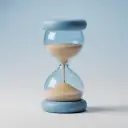 قَبْل qabl ago
وَصَلْتُ قَبْلَ يَوْمَيْنِ. waṣaltu qabla yawmayn. I arrived two days ago.
-
 قَرِيباً qarīban soon
سَيَصِلُ صَدِيقي قَرِيباً. sayasilu sadiqi qariban. My friend will arrive soon.
-
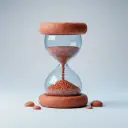 مَا زَالَ mā zāla still
أنا ما زلتُ جائعاً. ana mā ziltu jā'iʿan I am still hungry.
-
 أَبَدًا abadan ever
هَلْ رَأَيْتَ الْمُحِيطَ مِنْ قَبْلُ؟ hal ra'ayta al-muḥīṭa min qabl? Have you ever seen the ocean?
-
 بَعْدُ ba'du yet
صديقي لم يصل بعدُ. Sadeeqi lam yaSil ba'du. My friend has not arrived yet.
-
 فَوْرًا fawran immediately
أحتاجُ إلى المساعدة فَوْرًا. Aḥtāju ilā al-musāʿada fawran. I need help immediately.
-
 رُبَّمَا rubbamā maybe
رُبَّمَا ستأتي لاحقاً. rubbamā sata'tī lāḥiqan Maybe she will come later.
-
 وَقْتًا مَا waqtan mā sometime
سوف نلتقي في وقت ما. sawfa naltaqī fī waqtin mā. We will meet sometime.
-
 أَيّ وَقْت ayyi waqt anytime
يُمْكِنُكَ زِيَارَتُنَا فِي أَيِّ وَقْتٍ. yumkinuka ziyaratuna fi ayyi waqt. You can visit us anytime.
-
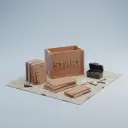 قَبْلَ qabla before
غادرنا قبل العاصفة. ghādarnā qabla l-ʿāṣifa We left before the storm.
-
 بَعْدَ baʿda after
سَنُغَادِرُ بَعْدَ الوَجْبَةِ. sanughādiru baʿda l-wajba We will leave after the meal.
-
 فِي هٰذِهِ الْأَيَّام fi hadhihi al-ayyam nowadays
يُسَافِرُ النَّاسُ أَكْثَرَ فِي هٰذِهِ الْأَيَّام. yusafiru an-nasu akthara fi hadhihi al-ayyam. People travel more nowadays.
Words 301–400
-
 يَنَايِر yanāyir January
يَنَايِر هو الشهر الأول. Yanayir huwa ash-shahr al-awwal. January is the first month.
-
 فِبْرَايِر fibrāyir February
فِبْرَايِر عَادَةً شَهْرٌ قَصِير. Fibrāyir ʿādatan shahr qaṣīr. February is usually a short month.
-
 مَارِس māris March
عادةً أزورهم في مارس. ʿādatan ʾazūruhum fī Māris. I usually visit them in March.
-
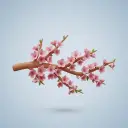 أَبْرِيل Abrīl April
مباراة كرة السلة في أبريل. Mubārat kurat as-sallah fī Abrīl. The basketball game is in April.
-
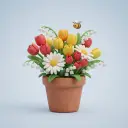 مَايُو māyū May
امتحاني النهائي في مايو. Imtiḥānī an-nihā'iyy fī Māyū. My final exam is in May.
-
 يُونِيُو yūniyū June
سأعرف الإجابة بحلول يُونِيُو. Sa'aʿrif al-'ijāba bi-ḥulūl Yūniyū. I will know the answer by June.
-
 يُولِيُو yūliyū July
يوليو عادةً شهر دافئ جداً. Yūliyū ʿādatan shahr dāfiʾ jiddan. July is usually a very warm month.
-
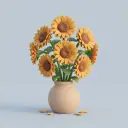 أَغُسْطُس aghusṭus August
هل يمكننا أن نلتقي مرة أخرى في أغسطس؟ Hal yumkinuna an naltaqi marratan ukhra fi Aghustus? Can we meet again in August?
-
 سِبْتَمْبِر sibtambir September
إجازتي في سبتمبر. ijāzatī fī sibtambir. My vacation is in September.
-
 أُكْتُوبَر uktūbar October
هل عيد ميلادك في أكتوبر؟ Hal ʿīd mīlādika fī Uktūbar? Is your birthday in October?
-
 نُوفَمْبِر nūfambir November
لِمَاذَا تُمْطِرُ فِي نُوفَمْبِر؟ Limādhā tumṭiru fī Nūfambir? Why does it rain in November?
-
 دِيسَمْبِر dīsambir December
دِيسَمْبِر هو الشهر الأخير. Dīsambir huwa ash-shahr al-akhīr. December is the last month.
-
 فَوْقَ fawqa over
تقفز القطة فوق الصندوق. Taqfizu al-qittatu fawqa as-sunduq. The cat jumps over the box.
-
 تَحْتَ taḥta under
يعيشون تحت شجرة كبيرة. Yaʿīshūna taḥta shajaratin kabīrah. They live under a big tree.
-
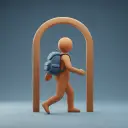 عَبْرَ ʿabra through
يَمْشِي عَبْرَ الباب. Yamshī ʿabra al-bāb. He walks through the door.
-
 بِمُحَاذَاةِ bimuḥādhāt along
نمشي بمحاذاة الشاطئ. Namshī bi-muḥādhāti ash-shāṭiʾ. We walk along the beach.
-
 حَوْلَ ḥawla around
يمشي الناس حول الحديقة. Yamshī an-nāsu ḥawla al-ḥadīqah. People walk around the park.
-
 عَبْرَ ʿabra across
أذهب عبر الشارع. adhhabu ʿabra ash-shāriʿ. I go across the street.
-
 إِلَى دَاخِلِ ila dakhil into
يمشي ببطء إلى داخل الغرفة. Yamshi bibut' ila dakhil al-ghurfa. He walks slowly into the room.
-
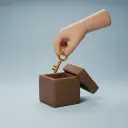 خَارِج khārij out of
يَرْكُضُ الطِّفْلُ إِلَى خَارِجِ الْمَدْرَسَةِ. yarkuḍu aṭ-ṭiflu ilā khāriji al-madrasah. The kid runs out of the school.
-
 أَعْلَى a'lā up
تنظر إلى الأعلى نحو السحب. Tanzuru ila al-a'la nahwa as-suhub. She looks up at the clouds.
-
 أَسْفَل asfal down
وَضَعَ الكَلْبُ الكُرَةَ أَرْضاً. Waḍaʿa l-kalbu l-kurata arḍan. The dog put the ball down.
-
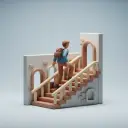 فِي الطَّابَقِ العُلْوِيّ fi-t-tabaq al-ulwi upstairs
أذهب إلى الطابق العلوي لأنام. adhhabu ilā aṭ-ṭābaq al-ʿulwiyy li-ʾanām. I go upstairs to bed.
-
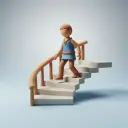 إِلَى الطَّابِقِ السُّفْلِيِّ ila al-ṭābiq as-suflī downstairs
أسمع أصواتاً في الطابق السفلي. asmaʿ aṣwātan fī ṭ-ṭābiq as-suflī. I hear noises downstairs.
-
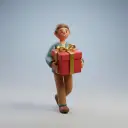 أَحْضَرَ aḥḍara bring
يُحضرون الطعام إلى الحفلة. Yuḥḍirūna aṭ-ṭaʿāma ʾilā l-ḥaflah. They bring food to the party.
-
 أَخَذَ akhadha take
أنت دائماً تأخذ قلمي. Anta dā'iman ta'khudh qalamī. You always take my pen.
-
 حَمَلَ ḥamala carry
يستطيع أن يحمل الصندوق. Yastatii'u an yahmila as-sunduuq. He can carry the box.
-
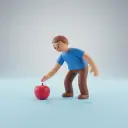 رَفَعَ rafaʿa pick up
هل يمكنك أن تَسْتَلِمَ الطرد؟ Hal yumkinuka an tastalima at-tard? Can you pick up the package?
-
 أَسْقَطَ asqaṭa drop
إذا أَسْقَطْتُ الهاتف، سينكسر. idha asqaṭtu al-hatif, sayankasir. If I drop the phone, it will break.
-
 نَاوَلَ nāwala pass
هل يمكنك أن تناولني الملح؟ Hal yumkinuka an tunāwilanī al-milḥ? Can you pass me the salt?
-
 وَضَعَ waḍaʿa put down
وَضَعْنَا حقائب ظهرنا. waḍaʿnā ḥaqā'iba ẓahrinā. We put down our backpacks.
-
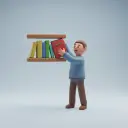 رَتَّبَ rattaba put away
رَتَّبْتُ أَلْعابِي. Rattabtu al'aabii. I put away my toys.
-
 أَخْرَجَ akhraja take out
سَتُخْرِجُ القمامة. satukhriju al-qumāma. She will take out the trash.
-
 أَغْلَقَ aghlaqa hang up
يُعَلِّقُونَ مَعَاطِفَهُمْ. yuʿalliqūna maʿāṭifahum. They hang up their coats.
-
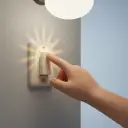 شَغَّلَ shaghghala turn on
أنت تشغل الضوء. Anta tushaghghil ad-daw'. You turn on the light.
-
 أَطْفَأَ atfa'a turn off
هل يمكن لأحد أن يُطْفِئَ الراديو؟ Hal yumkin li-'aḥad 'an yuṭfi'a ar-rādiyū? Can someone turn off the radio?
-
 قَفَزَ qafaza jump
تَقْفِزُ القِطّةُ فَوْقَ الجِدارِ. taqfizu al-qiṭṭatu fawqa al-jidār The cat jumps over the wall.
-
 رَمَى ramā throw
يَرْمِي الوَلَدُ الحَجَرَ. yarmī al-waladu al-ḥajar. The boy throws the stone.
-
 أَمْسَكَ amsaka catch
يُمْسِكُ الكُرَةَ بِيَدَيْهِ. yumsiku l-kurata bi-yadayh. He catches the ball.
-
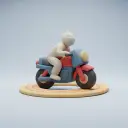 رَكِبَ rakiba ride
يَرْكَبُ الوَلَدُ حِصَانًا. yarkabu al-waladu ḥiṣānan. The boy rides a horse.
-
 طَارَ ṭāra fly
تَطِيرُ الطُّيُورُ فِي السَّمَاءِ. Taṭīru aṭ-ṭuyūru fī as-samāʾ. The birds fly in the sky.
-
 حَبَا ḥabā crawl
يَحْبُو الطِّفْلُ عَلَى الأَرْضِ. yaḥbuṭ-ṭiflu ‘alal-arḍ The baby crawls on the floor.
-
 تَجَاوَزَ tajāwaza skip
تَجَاوَزَت الصَّفْحَةَ الأولى. tajāwazat as-safḥata al-ūlā She skipped the first page.
-
 رَكَلَ rakala kick
يَرْكُلُ الطِّفْلُ الكُرَةَ. yarkulu t-tiflu l-kura The child kicks the ball.
-
 ارْتَدَّ irtadda bounce
تَرْتَدُّ الكُرَةُ عَلَى الأَرْضِ. tartaddu al-kuratu ʿala al-arḍ. The ball bounces on the ground.
-
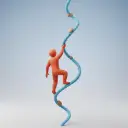 تَسَلَّقَ tasallaqa climb
تتسلّق القطة الشجرة. tatasallaqu al-qiṭṭatu ash-shajarah The cat climbs the tree.
-
 غَاصَ ghāṣa dive
يَغُوصُ الوَلَدُ فِي المَاءِ. yaghūṣu al-waladu fī al-mā'i The boy dives into the water.
-
 اِنْزَلَقَ inzalaqa slide
يَنْزَلِقُ الصندوقُ على الأرض. yanzaliqu s-sandūqu ‘ala l-arḍ The box slides on the floor.
-
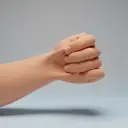 قَرَصَ qarasa pinch
قَرَصَ ذِرَاعِي. qarasa dhiraa'ee He pinched my arm.
-
 عَصَرَ ʿaṣara squeeze
تَعْصِرُ يَدِي بِقُوَّةٍ. taʿṣiru yadī bi-quwwah. She squeezes my hand.
-
 وَكَزَ wakaza poke
وَكَزَ الطِّفْلُ ذِرَاعِي. wakaza t-tiflu dhiraa'ee The child poked my arm.
-
 يُرَبِّتُ yurabbitu stroke
يُرَبِّتُ الوَلَدُ عَلَى الكَلْبِ. yurabbitu al-waladu ‘ala al-kalb The boy strokes the dog.
-
 فَرَكَ faraka rub
أفركُ عينيَّ المتعبتين. afruku 'aynayya al-mut'abatayn I rub my tired eyes.
-
 لَوَى lawā twist
يَلْوِي الرَّجُلُ الحَبْلَ. yalwī ar-rajulu al-ḥabla The man twists the rope.
-
 هَزَّ hazza shake
يَهُزُّ الرَّضيعُ اللُّعْبَةَ. yahuzzu ar-raḍīʿu al-luʿbah. The baby shakes the toy.
-
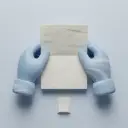 طَوَى ṭawā fold
أنا أطوي الورقة. ana aṭwī al-waraqa I fold the paper.
-
 ضَغَطَ ḍaghaṭa press
تَضْغَطُ على الزر الأحمر. taḍghaṭu ‘ala az-zirr al-’aḥmar She presses the red button.
-
 رَبَطَ rabaṭa attach
سَيَرْبُطُ الحَبْلَ. sayarbuṭu l-ḥabl He will attach the rope.
-
 سَحَبَ saḥaba pull
يَسْحَبُ الرَّجُلُ الحَبْلَ الثَّقِيلَ. yas-ḥabu ar-rajulu al-ḥabla ath-thaqīl. The man pulls the heavy rope.
-
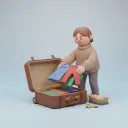 حَزَمَ ḥazama pack
أَحْزِمُ حَقِيبَتِي لِلسَّفَرِ. aḥzimu ḥaqībātī lis-safar. I pack my bag.
-
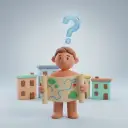 أَيْنَ...؟ ayna...? Where is the ...?
أين الفندق؟ Ayna al-funduq? Where is the hotel?
-
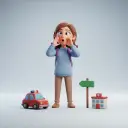 هَلْ هُنَاكَ ... قَرِيبٌ؟ hal hunāka ... qarīb? Is there a ... nearby?
هل هناك بنك قريب؟ Hal hunaka bank qarib? Is there a bank nearby?
-
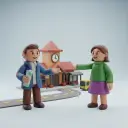 كَيْفَ أَصِلُ إِلَى...؟ Kayfa aṣilu ilā...? How do I get to ...?
كيف أَصِلُ إلى المدرسة؟ kayfa aṣilu ilā l-madrasah? How do I get to school?
-
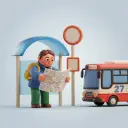 أَيُّ حَافِلَةٍ تَذْهَبُ إِلَى...؟ ayyu ḥāfilatin tadh-habu ilā...? Which bus goes to ...?
أي حافلة تذهب إلى المدينة؟ Ayyu ḥāfilatin tadhhabu ilā l-madīnah? Which bus goes to town?
-
 أَيُّ خَطٍّ يَذْهَبُ إِلَى...؟ ayyu khaṭṭin yadh-habu ilā...? Which line goes to ...?
أي خط يذهب إلى المتحف؟ ayyu khaṭṭin yadhhabu ilā l-matḥaf? Which line goes to the museum?
-
 كَمْ يَسْتَغْرِقُ؟ kam yastaghriq? How long does it take?
أتساءل كم يستغرق الأمر. atsaa'alu kam yastaghriqu al-amr. I wonder how long does it take.
-
 كَمْ يَبْعُدُ kam yabʿudu How far is it?
كَمْ يَبْعُدُ؟ kam yabʿud? How far is it?
-
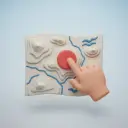 هَلْ يُمْكِنُكَ أَنْ تُرِيَنِي hal yumkinuka an turiyani Can you show me on the map?
هل يمكنك أن تريني على الخريطة؟ hal yumkinuka an turiyani 'ala al-khareeta? Can you show me on the map?
-
 أَبْحَثُ عَنْ abḥathu ʿan I'm looking for
هم يبحثون عن دورة مياه. Hum yabḥathūna ʿan dawrat miyāh. They are looking for a restroom.
-
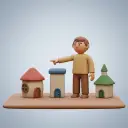 أَقْرَب aqrab The nearest
أقرب متجر هناك بالأسفل. Aqrab matjar hunak bil-asfal. The nearest store is down there.
-
 هَلْ يَذْهَبُ هَذَا إِلَى...؟ hal yadhabu hadha ila...? Does this go to ...?
هَلْ يَذْهَبُ هَذَا إِلَى المطعم؟ hal yadhhabu hādhā ilā l-maṭʿam? Does this go to the restaurant?
-
 أَيُّ مَحَطَّةٍ لِـ ayyu maḥaṭṭatin li-... Which stop for ...?
أي محطة لوسط المدينة؟ ayyu maḥaṭṭatin li-wasaṭi l-madīnah? Which stop for downtown?
-
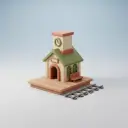 مَحَطَّة maḥaṭṭa station
ينتظرون في محطة القطار. yantaẓirūna fī maḥaṭṭat al-qiṭār. They wait at the train station.
-
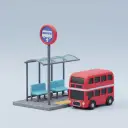 مَوْقِفُ حَافِلَات mawqif ḥāfilāt bus stop
موقف الحافلات قريب. mawqif al-ḥāfilāt qarīb. The bus stop is nearby.
-
 مَحَطَّةُ مِتْرُو maḥaṭṭat mitrū subway station
محطة المترو هذه مزدحمة جداً. maḥaṭṭat al-mitrū hadhihi muzdaḥima jiddan. This subway station is very crowded.
-
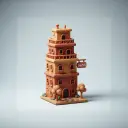 فُنْدُق funduq hotel
يمكنك حجز فندق عبر الإنترنت. Yumkinuka ḥajz funduq ʿabra al-intarnit. You can book a hotel online.
-
 صَيْدَلِيَّة ṣaydaliyya pharmacy
يعمل مارك في الصيدلية. Ya'mal Mark fi as-saydaliyya. Mark works at the pharmacy.
-
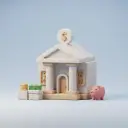 مَصْرِف maṣrif bank
يذهب إلى المصرف. yadhhabu ila al-maṣrif. He goes to the bank.
-
 دَوْرَةُ مِيَاه dawrat miyāh restroom
هذه دورة مياه نظيفة. Hādhihi dawrat miyāh naẓīfah. This is a clean restroom.
-
 سُوبَر مَارْكِت sūbar mārkit supermarket
نشتري الطعام من السوبر ماركت. nashtarī aṭ-ṭaʿāma min as-sūbar mārkit. We buy food at the supermarket.
-
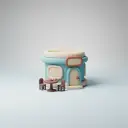 مَطْعَم maṭʿam restaurant
هم يُحِبُّون ذلك المطعم كثيراً. Hum yuḥibbūna dhālika l-maṭʿam kathīran. They like that restaurant a lot.
-
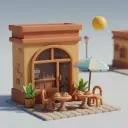 مَقْهَى maqhā café
تعمل جين في المقهى. Ta'mal Jane fi al-maqha. Jane works at the café.
-
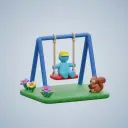 مُنْتَزَه muntazah park
تحب المنتزه الأخضر. Tuḥibbu al-muntazah al-akhḍar. She likes the green park.
-
 مُسْتَشْفَى mustashfā hospital
المستشفى يساعد المرضى. Al-mustashfa yusa'id al-marda. A hospital helps sick people.
-
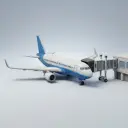 مَطَار maṭār airport
وَصَلْنَا إِلَى الْمَطَارِ. waṣalnā ilā al-maṭār We arrived at the airport.
-
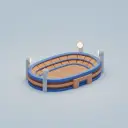 مَلْعَب malʿab stadium
ذَهَبْنَا إِلَى الْمَلْعَبِ لِمُشَاهَدَةِ الْمُبَارَاةِ. dhahabnā ilā al-malʿabi li-mushāhadati al-mubārāh. We went to the stadium.
-
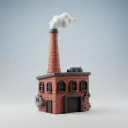 مَصْنَع maṣnaʿ factory
يُنْتِجُ هَذَا المَصْنَعُ المَلَابِسَ. yuntiju hādha al-maṣnaʿu al-malābis This factory makes clothes.
-
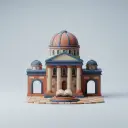 جَامِعَة jāmiʿa university
هِيَ تَدْرُسُ بِالْجَامِعَةِ. hiya tadrusu bil-jāmiʿa She studies at the university.
-
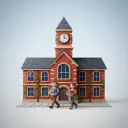 كُلِّيَّة kulliyya college
هِيَ تَدْرُسُ بِالْكُلِّيَّةِ. hiya tadrusu bil-kulliyya She studies at the college.
-
 نَادِي nādī club
انْضَمَمْنَا إِلَى النَّادِي الرِّيَاضِيِّ. inḍamamna ila an-nādi ar-riyāḍi We joined the sports club.
-
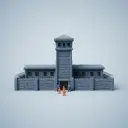 سِجْن sijn prison
هَرَبَ المُجْرِمُ مِنَ السِّجْنِ. haraba al-mujrimu mina as-sijni The criminal escaped from prison.
-
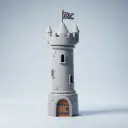 بُرْج burj tower
أَرَى الْبُرْجَ الْعَالِيَ. ara al-burja al-'ali I see the tall tower.
-
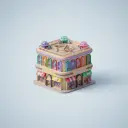 مَرْكَز تَسَوُّق markaz tasawwuq mall
اشتريتُ حذاءً من مَرْكَزِ التَّسَوُّق. Ishtaraytu ḥidāʾan min markazi at-tasawwuq. I bought shoes at the mall.
-
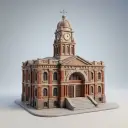 مَبْنَى البَلَدِيَّة mabnā al-baladiyya town hall
اِلْتَقَيْنَا بِمَبْنَى البَلَدِيَّة. iltaqaynā bi-mabnā al-baladiyya We met at the town hall.
-
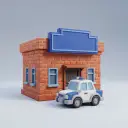 مَرْكَزُ شُرْطَة markaz shurṭa police station
أَرَى مَرْكَزَ الشُّرْطَةِ. Arā markaza ash-shurṭati. I see the police station.
-
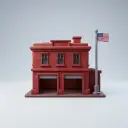 مَحَطَّةُ إِطْفَاء maḥaṭṭat iṭfā' fire station
أَسْكُنُ بِالقُرْبِ مِنْ مَحَطَّةِ الإِطْفَاءِ. askunu bil-qurbi min maḥaṭṭat il-iṭfā' I live near the fire station.
-
 اِنْعَطِف يَسَارًا in'atif yasaran Turn left.
اِنْعَطِف يَسَارًا هُنَا. in'atif yasaran huna. Turn left here.
-
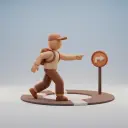 اِنْعَطِف يَمِينًا in'atif yaminan Turn right.
اِنْعَطِف يَمِينًا عِنْدَ التَّقَاطُعِ. in'atif yaminan 'inda at-taqatu'. Turn right at the intersection.
-
 اِذْهَبْ idhab Go straight ahead.
اذهب إلى الأمام مباشرة إلى المدرسة. idhhab ila l-amam mubasharatan ila l-madrasa. Go straight ahead to school.
-
 قَرِيب qarīb It's near.
إنه قريب. Innahu qarīb. It's near.
Words 401–500
-
 بَعِيد baʿīd It's far.
إنه بعيد. innahu ba'eed. It's far.
-
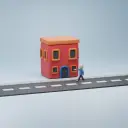 عَبْرَ الشَّارِع ʿabra ash-shāriʿ Across the street.
هو يسكن في الجهة المقابلة من الشارع. huwa yaskunu fil-jihati l-muqābilati mina sh-shāriʿ. He lives across the street.
-
 عِنْدَ الزَّاوِيَةِ ʿinda az-zāwiya At the corner.
هي تَنْتَظِرُ عند الزاوية. Hiya tantaziru 'inda az-zawiyah. She is waiting at the corner.
-
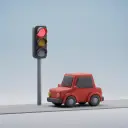 إِشَارَةُ المُرُورِ ishārat al-murūr At the traffic light.
تَوَقَّفْنَا عِنْدَ إِشَارَةِ المُرُورِ. Tawaqqafnā ʿinda ishārat al-murūr. We stopped at the traffic light.
-
 تَقَاطُع taqāṭuʿ At the intersection.
البار عِنْدَ التَّقَاطُع. Al-bār ʿinda t-taqāṭuʿ. The bar is at the intersection.
-
 مَمَرُّ مُشَاة mamarr mushāh Crosswalk.
ممر المشاة ذلك آمن جداً. mamarru l-mushāti dhālika āminun jiddan. That crosswalk is very safe.
-
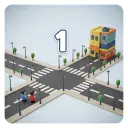 عَلَى بُعْدِ مَرْبَعٍ سَكَنِيٍّ وَاحِدٍ ʿala buʿdi marbaʿin sakaniyyin waḥid One block away.
المتحف على بعد مربع سكني واحد. al-matḥaf ʿalā buʿdi murabbaʿ sakaniyy wāḥid. The museum is one block away.
-
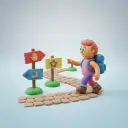 اتَّبِعْ ittabiʿ Follow the signs.
اتَّبِعِ الإشارات إلى الأمان. ittabiʿi l-ishārāt ilā l-amān. Follow the signs to safety.
-
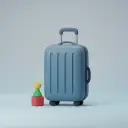 حَقِيبَة ḥaqībah suitcase
هل حَزَمْتَ حقيبتك بالفعل؟ Hal ḥazamta ḥaqībataka bil-fiʿl? Did you pack your suitcase already?
-
 مِغْنَاطِيس mighnāṭīs magnet
المِغْنَاطِيس الصغير هدية. al-mighnāṭīs aṣ-ṣaghīr hadiyyah. The small magnet is a present.
-
 فُرْشَاةُ شَعْر furshāt shaʿr hairbrush
لا تستطيع العثور على فرشاة شعرها. lā tastaṭīʿu al-ʿuthūra ʿalā furshāti shaʿrihā. She can’t find her hairbrush.
-
 وِسَادَة wisāda pillow
هذه الوسادة ناعمة ودافئة. Hādhihi al-wisāda nāʿima wa-dāfiʾa. This pillow is soft and warm.
-
 بَطَّانِيَّة baṭṭāniyya blanket
خذ بطانية إذا كنت تشعر بالبرد. Khudh baṭṭāniyya idhā kunta tashʿur bil-bard. Take a blanket if you are cold.
-
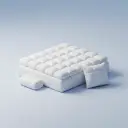 مَرْتَبَة martaba mattress
مرتبتنا الجديدة مريحة جداً. Martabatuna al-jadida muriha jiddan. Our new mattress is really comfortable.
-
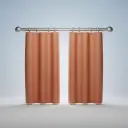 سِتَارَة sitāra curtain
من فضلك افتح الستارة، الجو مظلم. min faḍlak iftaḥ as-sitāra, al-jaww muẓlim. Please open the curtain, it's dark.
-
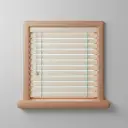 سَتَائِر شَرَائِحِيَّة sata'ir shara'ihiyya blinds
عَادَةً مَا أُغْلِقُ السَّتَائِرَ الشَّرَائِحِيَّةَ فِي اللَّيْلِ. 'adatan ma ughliqu as-sata'ir ash-shara'ihiyya fi al-layl. I usually close the blinds at night.
-
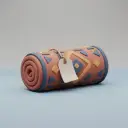 سِجَّادَة sijjāda carpet
هناك غبار تحت السِّجَّادَة. Hunāka ghubār taḥta as-sijjādah. There is dust under the carpet.
-
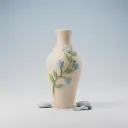 مِزْهَرِيَّة mizhariyya vase
تبدو هذه المزهرية غالية. tabdū hādhihi l-mizhariyya ghāliya. This vase looks expensive.
-
 مِكْنَسَة miknasa broom
هل في هذه الشقة مِكْنَسَة؟ Hal fī hādhihi ash-shaqqa miknasa? Does this apartment have a broom?
-
 وَرَقُ حَمَّام waraq hammām toilet paper
يا إلهي، لقد نَفِدَ ورق الحمام! Yā ilāhī, laqad nafida waraq al-ḥammām! Oh no, the toilet paper’s gone!
-
 صُوف ṣūf wool
لِلخَرُوفِ صُوفٌ كَثِيفٌ. lil-kharūfi ṣūfun kathīf. The sheep has thick wool.
-
 مَعْدِن maʿdin metal
نَحْنُ بِحَاجَةٍ إِلَى خَشَبٍ وَمَعْدِن. naḥnu bi-ḥājatin ilā khashabin wa-maʿdin. We need wood and metal.
-
 بلاستيكيّ blāstīkī plastic
تغسل الوعاء البلاستيكيّ. taghsil al-wiʿā’ al-blāstīkī She washes the plastic bowl.
-
 جِلْد jild leather
اشتريتُ حقيبةً جديدةً من الجلد. ishtaraytu ḥaqībatan jadīdatan min al-jild. I bought a new leather bag.
-
 قُطْن quṭn cotton
يَزْرَعُ الْمُزَارِعُ الْقُطْنَ. yazraʿu al-muzāriʿu al-quṭna. The farmer grows cotton.
-
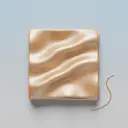 حَرِير ḥarīr silk
هذا الْحَرِيرُ ناعمٌ جداً. hādhā al-ḥarīru nāʿimun jiddan. This silk is very soft.
-
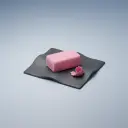 مَطَّاط maṭṭāṭ rubber
الكرة مصنوعة من المَطَّاط. al-kura maṣnūʿa min al-maṭṭāṭ. The ball is made of rubber.
-
 دَنِيم danīm denim
اشترى قماشَ دَنِيم سَمِيكًا. ishtarā qumāsha danīm samīkan. He bought thick denim fabric.
-
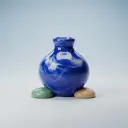 خَزَفِيّ khazafiyy ceramic
غَسَلَتِ الوِعاءَ الخَزَفِيّ. ghasalat al-wiʿāʾ al-khazafiyy She washed the ceramic bowl.
-
 رُخَام rukhām marble
قَطَعُوا الرُّخَامَ الأَبْيَضَ. qaṭaʿū ar-rukhāma al-abyaḍ. They cut the white marble.
-
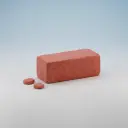 طُوبَة ṭūba brick
يُمْسِكُ طُوبَةً حَمْرَاءَ. yumsiku ṭūbatan ḥamrā’ He holds a red brick.
-
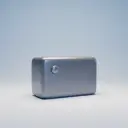 فُولاذ fūlādh steel
يَصْنَعُونَ الأدَوَاتِ مِنَ الفُولاذِ. yaṣnaʿūna al-ʾadawāti mina al-fūlādh They make the tools from steel.
-
 خَلْفَ khalfa behind
هو خَلْفَ ذلك المبنى. huwa khalfa dhalika l-mabna. It is behind that building.
-
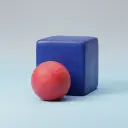 أَمَامَ amāma in front of
هي أمامي. Hiya amāmī. She is in front of me.
-
 بَيْنَ bayna between
الحديقة بَيْنَ منزلين. al-ḥadīqa bayna manzilayn. The park is between two houses.
-
 بِجَانِبِ bijānibi next to
ذلك المتجر بجانب بيتي. Dhalika l-matjaru bijanibi bayti. That store is next to my house.
-
 عَكْس ʿaks opposite
نذهب في الاتجاه المعاكس. nadhhab fi al-ittijah al-mu'akis. We go the opposite direction.
-
 مُقَابِل muqābil across from
نسكن مقابل المتجر. naskunu muqābila al-matjar. We live across from the store.
-
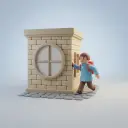 عَلَى مَقْرُبَة ʿala maqrubah around the corner
هي تسكن على مقربة الآن. Hiya taskun ʿalā maqruba al-ʾān. She lives around the corner now.
-
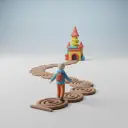 نَحْوَ naḥwa towards
يمشي الأطفال نحو الشجرة الكبيرة. yamshi al-atfal nahwa ash-shajara al-kabira. The kids walk towards the big tree.
-
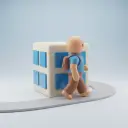 المَاضِي al-māḍī past
عليك أن تذهب بعد الجسر. 'alayka an tadhhaba ba'da al-jisr. You need to go past the bridge.
-
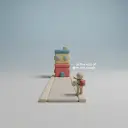 فِي نِهَايَةِ الشَّارِعِ fī nihāyat ash-shāriʿ at the end of the street
أسكن في نهاية الشارع. askun fī nihāyat ash-shāriʿ. I live at the end of the street.
-
 عَلَى اليَسَار ʿala al-yasar on the left
تَرْكُنُ سيارتها عَلَى اليَسَار. tarkunu sayyāratahā ʿalā l-yasār. She parks on the left side.
-
 عَلَى اليَمِين ʿala al-yamīn on the right
هم على اليمين. Hum ʿala al-yameen. They are on the right.
-
 فَوْقَ fawqa above
الشمس فوق الجبل. ash-shamsu fawqa al-jabal The sun is above the mountain.
-
 تَحْتَ taḥta below
القَرْيَةُ تَقَعُ تَحْتَ الجَبَلِ. al-qaryatu taqaʿu taḥta al-jabal The village is below the mountain.
-
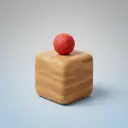 فَوْق fawq on top
الصندوق موجود في الأعلى. as-sandūq mawjūd fī al-a'lā. The box is on top.
-
 قُرْبَ qurba near
أَسْكُنُ بِالْقُرْبِ مِنَ النَّهْرِ. askunu bil-qurbi min an-nahr. I live near the river.
-
 فِي المُنْتَصَفِ fi al-muntasaf in the middle
يَقِفُ فِي المُنْتَصَفِ. yaqifu fi al-muntasaf. He stands in the middle.
-
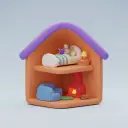 دَاخِل dākhil inside
الكَلْبُ دَاخِلَ المَنْزِلِ. al-kalbu dākhila al-manzil. The dog is inside the house.
-
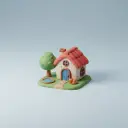 مَكَان makān place
وَجَدْنَا مَكَانًا آمِنًا. wajadnā makānan āminā We found a safe place.
-
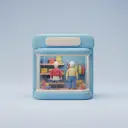 مَتْجَر matjar store
نحن نشتري الطعام من الْمَتْجَرِ. naḥnu nashtarī aṭ-ṭaʿām min al-matjar We buy food at the store.
-
 بَيْت bayt house
تعيش العائلة في ذلك البيتِ. Taʿīshu al-ʿāʾilatu fī dhālika al-bayti. The family lives in that house.
-
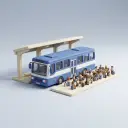 مَحَطَّةُ حَافِلَات maḥaṭṭat ḥāfilāt bus station
أَنْتَظِرُ بِمَحَطَّةِ الحَافِلَات. antaẓiru bi-maḥaṭṭat al-ḥāfilāt I wait at the bus station.
-
 وَسَطُ المَدِينَة wasat al-madina city center
أَسْكُنُ بِالقُرْبِ مِنْ وَسَطِ المَدِينَةِ. askunu bil-qurbi min wasati l-madina I live near the city center.
-
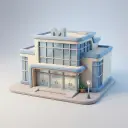 مَرْكَزُ تَسَوُّق markaz tasawwuq shopping mall
مَرْكَزُ التَّسَوُّقِ كَبِيرٌ جِدًّا. markazu at-tasawwuqi kabīrun jiddan. The shopping mall is very big.
-
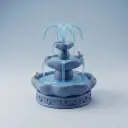 نَافُورَة nāfūra fountain
تلك النافورة بها ماء صافٍ جداً. Tilka an-nāfūra bihā mā' ṣāfin jiddan. That fountain has very clear water.
-
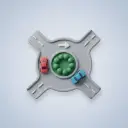 دُوَّار duwwār roundabout
هذا الدوار يسهل حركة المرور. hādhā ad-dawwār yusahhil ḥarakat al-murūr. This roundabout helps the traffic.
-
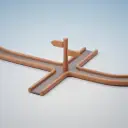 مُفْتَرَق muftaraq crossroads
توقفنا عند مفترق الطرق. Tawaqqafnā ʿinda muftaraq aṭ-ṭuruq. We stopped at the crossroads.
-
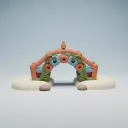 جِسْر jisr bridge
يمشي الناس عبر الجسر. yamshī an-nās ʿabra al-jisr. People walk across the bridge.
-
 نَفَق nafaq tunnel
تسير السيارة عبر نفق. tasīru as-sayyāratu ʿabra nafaq. The car drives through a tunnel.
-
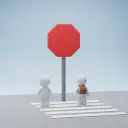 إِشَارَةُ قِف ishāratu qif stop sign
يجب عليك احترام إشارة قف. yajibu ʿalayka iḥtirām ishārat qif. You need to respect the stop sign.
-
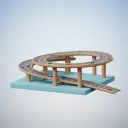 جِسْر عُلْوِيّ jisr 'ulwi overpass
بَنَوْا جِسْراً عُلْوِيّاً بالقرب من المنزل. Banaw jisran ʿulwiyyan bil-qurbi mina l-manzil. They built an overpass near home.
-
 نَفَقٌ nafaq underpass
سنمشي عبر النفق. sanamshī ʿabra an-nafaq. We will walk through the underpass.
-
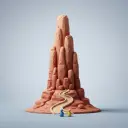 مَعْلَم maʿlam landmark
المَعْلَم قَرِيب مِن النَّهْر. al-maʿlam qarīb min an-nahr. The landmark is near the river.
-
 إِشَارَةُ مُرُور ishārat murūr traffic sign
إشارة المرور هذه تعني قف. ishārat al-murūr hādhihi taʿnī qif. This traffic sign means stop.
-
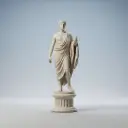 تِمْثَال timthāl statue
رأى التمثال الجميل. Ra'a at-timthal al-jamil. He saw the beautiful statue.
-
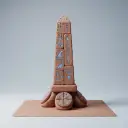 نُصُب تَذْكَارِيّ nuṣub tadhkāriyy monument
زاروا النصب التذكاري العالي. Zārū an-nuṣub at-tadhkāriyy al-ʿālī. They visited the tall monument.
-
 شَمَال shamāl north
شمال هذه المدينة مثير للاهتمام. shamālu hadhihi l-madīnati muthīrun lil-ihtimām. The north of this city is interesting.
-
 جَنُوب janūb south
الريح تأتي من الجنوب. ar-rīḥ taʾtī min al-janūb. The wind comes from the south.
-
 شَرْق sharq east
الريح تأتي من الشرق. ar-rīḥ taʾtī min ash-sharq. The wind comes from the east.
-
 غَرْب gharb west
تَغْرُبُ الشَّمْسُ فِي الْغَرْبِ. taghrubu ash-shamsu fil-gharb. The sun sets in the west.
-
 شَمَال شَرْقِيّ shamāl sharqī northeast
يسكن بن في منطقة الشمال الشرقي. Yaskun Bin fī minṭaqat ash-shamāl ash-sharqiyy. Ben lives in the northeast area.
-
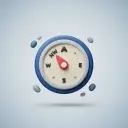 شَمَال غَرْبِيّ shamāl gharbī northwest
تلك الولاية في الشمال الغربي. tilka al-wilāya fī ash-shamāl al-gharbiyy. That state is in the northwest.
-
 جَنُوب شَرْق janūb sharq southeast
يعيش في منطقة الجنوب الشرقي. yaʿīshu fī minṭaqat al-janūb ash-sharqī. He lives in the southeast region.
-
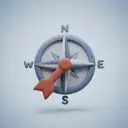 جَنُوب غَرْبِيّ janūb gharbī southwest
قادوا إلى الجنوب الغربي. Qādū ilā al-janūb al-gharbī. They drove to the southwest.
-
 دَوَرَانٌ لِلْخَلْف dawaran lil-khalf U-turn
هذا دوران للخلف. Hādhā dawarān lil-khalf. This is a U-turn.
-
 طَرِيق مَسْدُود ṭarīq masdūd dead end
ذلك الشارع طريق مسدود. dhālika ash-shāriʿu ṭarīq masdūd. That street is a dead end.
-
 سُلَّمٌ مُتَحَرِّكٌ sullam mutaḥarrik escalator
يأخذك السلم المتحرك إلى الطابق العلوي. ya'khudhuka as-sullam al-mutaḥarrik ilā aṭ-ṭābiq al-ʿulwī. The escalator takes you to the top floor.
-
 مُنْحَدَر munḥadar ramp
تحتاج الكراسي المتحركة إلى مُنْحَدَرَات. taḥtāj al-karāsī al-mutaḥarrika ilā munḥadarāt. Wheelchairs require ramps.
-
 طَقْس ṭaqs weather
الطقس لطيف اليوم. aṭ-ṭaqs laṭīf al-yawm. This is nice weather today.
-
 مُشْمِس mushmis sunny
يُحب يوماً مشمساً. yuḥibbu yawman mushmisan. He likes a sunny day.
-
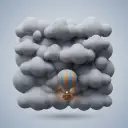 غَائِم ghā'im cloudy
يتوقعون أن يكون بعد الظهر غائماً. Yatawaqqa'ūna an yakūna ba'da aẓ-ẓuhri ghā'iman. They expect a cloudy afternoon.
-
 مُمْطِر mumṭir rainy
قد يكون اليوم الممطر مريحاً. Qad yakūn al-yawm al-mumṭir murīḥan. A rainy day can be cozy.
-
 عَاصِف ʿāṣif windy
الجو عاصف في الخارج. al-jaww ʿāṣif fil-khārij. It is windy outside.
-
 سَاخِن sākhin hot
هذا الشاي سَاخِن جداً. hādhā ash-shāy sākhin jiddan. This tea is very hot.
-
 بَارِد bārid cold
تَهُبّ الرياح الباردة في الشتاء. Tahubbu ar-riyāḥ al-bāridah fī ash-shitā'. The cold wind blows in winter.
-
 دَافِئ dāfiʾ warm
كان الجو دَافِئاً على الشاطئ اليوم. Kāna al-jawwu dāfiʾan ʿalā ash-shāṭiʾ al-yawm. It was warm at the beach today.
-
 رَبِيع rabīʿ spring
تحب الأزهار الربيع. Tuḥibb al-ʾazhār ar-rabīʿ. The flowers love the spring.
-
 صَيْف ṣayf summer
الصَّيْف فصل حار جداً. aṣ-ṣayf faṣl ḥārr jiddan. Summer is a very hot season.
-
 خَرِيف kharīf autumn
الخريف هو فصلي المفضل. al-kharīf huwa faṣlī al-mufaḍḍal. Autumn is my favorite season.
-
 شِتَاء shitaa' winter
قد يكون الشتاء بارداً جداً هنا. Qad yakūn ash-shitā' bāridan jiddan hunā. Winter can be very cold here.
-
 شَمْس shams sun
تُشْرِقُ الشَّمْسُ فِي السَّمَاءِ. tushriqu ash-shamsu fis-samāʾ The sun shines in the sky.
-
 قَمَر qamar Moon
أَرَى الْقَمَرَ الْمُنِيرَ. ara al-qamara al-muneer I see the bright moon.
-
 نَجْم najm star
أرى نَجْمًا ساطعًا. Arā najman sāṭiʿan. I see a bright star.
-
 سَمَاء samāʾ sky
تُحَلِّقُ الطُّيُورُ فِي السَّمَاءِ. tuḥalliquṭ-ṭuyūru fis-samāʾi Birds fly in the sky.
-
 سَحَابَة saḥāba cloud
سَحَابَةٌ مُظْلِمَةٌ تُخْفِي الشَّمْسَ. saḥābatun muẓlima tukhfī ash-shams A dark cloud hides the sun.
-
 مَطَر maṭar rain
يَنْزِلُ الْمَطَرُ مِنَ السَّمَاءِ. yanzilu al-maṭaru min as-samā' The rain falls from the sky.
-
 رِيح rīḥ wind
نَشْعُرُ بالرِّيحِ البَارِدَةِ. nashʿuru bir-rīḥi l-bāridah We feel the cold wind.
-
 عَاصِفَة ʿāṣifa storm
كَسَرَتِ الْعَاصِفَةُ الْقَوِيَّةُ الْأَشْجَارَ. kasarat al-ʿāṣifatu al-qawiyyatu al-ashjār The strong storm broke the trees.
Words 501–600
-
 قَوْسُ قُزَح qaws quzaḥ rainbow
أرى قوس قزح في السماء. Arā qaws quzaḥ fis-samā’. I see a rainbow in the sky.
-
 ظِلّ ẓill shadow
أَرى ظِلًّا مُظلِمًا. Arā ẓillan muẓliman. I see a dark shadow.
-
 غُرُوب ghurūb sunset
شاهدنا الغروب الجميل. shāhadnā al-ghurūb al-jamīl We watched the beautiful sunset.
-
 رَعْد raʿd thunder
سَمِعْنَا الرَّعْدَ القَوِيَّ. samiʿnā ar-raʿda al-qawī We heard the loud thunder.
-
 مِظَلَّة miẓalla umbrella
لديها مِظَلَّة حمراء. Ladayhā miẓallah ḥamrā'. She has a red umbrella.
-
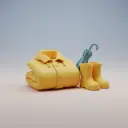 مِعْطَفُ مَطَر miʿṭaf maṭar raincoat
معطف المطر هذا يبقيني دافئاً. Miʿṭafu l-maṭari hādhā yubqīnī dāfiʾan. This raincoat keeps me warm.
-
 تَنَبُّؤ tanabbu' forecast
أُشَاهِدُ تنبؤات الطقس كل يوم. ushaahidu tanabbu'aati t-taqsi kulla yawm. I watch the weather forecast everyday.
-
 ظِلّ ẓill shade
نحتاج إلى الظل في يوم حار. naḥtāju ilā aẓ-ẓill fī yawm ḥārr. We need shade on a hot day.
-
 عَاصِفَة رَعْدِيَّة ʿāṣifa raʿdiyya thunderstorm
تجلب عاصفة رعدية أمطاراً غزيرة. Tajlib ʿāṣifah raʿdiyyah amṭāran ghazīrah. A thunderstorm brings heavy rain.
-
 بَرْق barq lightning
رأى برقاً ساطعاً الليلة الماضية. Ra'a barqan satiʿan al-laylata al-madiya. He saw bright lightning last night.
-
 ضَبَاب ḍabāb fog
قادوا عبر ضباب كثيف. Qādū ʿabra ḍabāb kathīf. They drove through thick fog.
-
 ثَلْج thalj snow
هذا ثلج أبيض جديد. Hadha thalj abyad jadid. This is fresh, white snow.
-
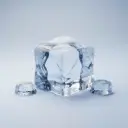 ثَلْج thalj ice
نضع الثلج في مشروباتنا. Naḍaʿu ath-thalja fī mashrūbātinā. We put ice in our drinks.
-
 بَرَد barad hail
هناك الكثير من البَرَد في الخارج. Hunaak al-kathiir min al-barad fil-khaarij. That is a lot of hail outside.
-
 زَلِق zaliq slippery
سَقَطَتْ على الجليد الزَّلِق. Saqaṭat ʿalā al-jalīd az-zaliq. She fell on the slippery ice.
-
 دَرَجَةُ الحَرَارَة darajat al-ḥarāra temperature
يَقيسون درجة الحرارة يومياً. Yaqīsūna darajat al-ḥarāra yawmiyyan. They check the temperature daily.
-
 غَابَة ghāba forest
الغابة مليئة بالأشجار. al-ghāba malī'a bil-ashjār. A forest is full of trees.
-
 نَهْر nahr river
مياه النهر باردة وصافية. miyah an-nahr barida wa-safiya. The river has cool, clear water.
-
 بُحَيْرَة buḥayrah lake
تَسْبَحُ في البُحَيْرَة العَمِيقَة. Tasbaḥu fi al-buḥayrati al-ʿamīqa. She swims in the deep lake.
-
 جَبَل jabal mountain
تَسَلَّقوا الجبل العالي. Tasallaqu al-jabal al-ʿali. They climbed the tall mountain.
-
 طَبِيعَة ṭabīʿa nature
يُحِبُّ بيتر الطبيعة. Yuḥibbu Bītar aṭ-ṭabīʿa. Peter loves the nature.
-
 شَاطِئ shāṭiʾ coast
هذا ساحل جميل. hādhā sāḥil jamīl. This is a beautiful coast.
-
 جَزِيرَة jazīrah island
يعيش على جزيرة صغيرة. yaʿīshu ʿalā jazīrah ṣaghīrah. He lives on a small island.
-
 صَحْرَاء ṣaḥrā' desert
الصحراء مكان جاف جداً. aṣ-ṣaḥrāʾ makān jāff jiddan. A desert is a very dry place.
-
 وَادِي wādī valley
الوادي أخضر وواسع. al-wādī 'akhḍar wa-wāsi'. The valley is green and wide.
-
 شَلَّال shallāl waterfall
رأوا شلالاً جميلاً. Ra'aw shallālan jamīlan. They saw a beautiful waterfall.
-
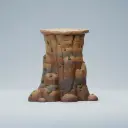 جُرُف juruf cliff
ذلك الجرف مرتفع جداً. thalika al-jurfu murtafi'un jiddan. That cliff is very high.
-
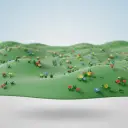 مَرْج marj meadow
تحب المشي في المروج. Tuḥibbu al-mashya fī al-murūj. She likes to walk in meadows.
-
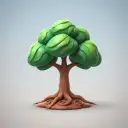 شَجَرَة shajara tree
يَنَامُ الكَلْبُ تَحْتَ الشَّجَرَةِ. yanāmu al-kalbu taḥta ash-shajara. The dog sleeps under the tree.
-
 زَهْرَة zahra flower
الزهرة الحمراء جميلة. az-zahra al-ḥamrā' jamīla. The red flower is beautiful.
-
 وَرَقَة waraqah leaf
سَقَطَتْ وَرَقَةٌ مِنَ الشَّجَرَةِ. saqaṭat waraqatun min ash-shajarah A leaf fell from the tree.
-
 عُشْب ʿushb grass
تَأْكُلُ الْبَقَرَةُ الْعُشْبَ. ta'kulu l-baqaratu l-ʿushba. The cow eats the grass.
-
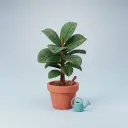 نَبَات nabāt plant
النَّبَاتُ لَهُ أَوْرَاقٌ خَضْرَاءُ. an-nabātu lahu awrāqun khaḍrā’ The plant has green leaves.
-
 صَخْرَة ṣakhra rock
رَفَعَ الرَّجُلُ الصَّخْرَةَ الثَّقِيلَةَ. rafaʿa ar-rajulu aṣ-ṣakhrata ath-thaqīla. The man lifted the heavy rock.
-
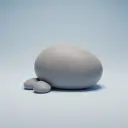 حَجَر ḥajar stone
وَجَدْتُ حَجَرًا ثَقِيلًا. wajadtu ḥajaran thaqīlan. I found a heavy stone.
-
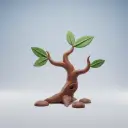 غُصْن ghuṣn branch
يَجْلِسُ الطَّائِرُ عَلَى الْغُصْنِ. yajlisu aṭ-ṭā'iru ‘ala l-ghuṣni The bird sits on the branch.
-
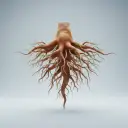 جِذْر jidhr root
لِهَذِهِ النَّبْتَةِ جِذْرٌ طَوِيلٌ. li-hadhihi an-nabtati jidhrun tawil. This plant has a long root.
-
 بِذْرَة bidhrah seed
يَزرَعُ الفَلّاحُ البِذْرَةَ في التُّربة. yazraʿu al-fallāḥu al-bidhrata fi-t-turbah The farmer plants the seed.
-
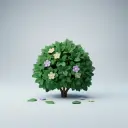 شُجَيْرَة shujayrah bush
الطائر يختبئ في الشُجَيْرَة. at-ta'ir yakhtabi' fi ash-shujayrah The bird hides in the bush.
-
 خَشَب khashab wood
أحتاجُ إلى خشبًا من أجلِ النار. aḥtāju ilā khashaban min ajli an-nār. I need wood for the fire.
-
 عَالَم ʿālam world
الْعَالَمُ كَبِيرٌ جِدًّا. al-ʿālamu kabīrun jiddan. The world is very big.
-
 مَدِينَة madīnah city
يَعِيشُ كَثِيرٌ مِنَ النَّاسِ فِي الْمَدِينَةِ. yaʿīshu kathīrun min an-nāsi fī al-madīnah. Many people live in the city.
-
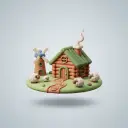 بَلَد balad country
هو يعيش في بَلَدٍ آخَر. huwa yaʿīsh fī baladin ākhar He lives in another country.
-
 بَلْدَة balda town
نَحْنُ نَعِيشُ فِي بَلْدَةٍ صَغِيرَةٍ. naḥnu naʿīshu fī baldatin ṣaghīra. We live in a small town.
-
 طَرِيق ṭarīq road
هذا الطَّرِيقُ طَوِيلٌ جِدًّا. Hādha aṭ-ṭarīqu ṭawīlun jiddan. This road is very long.
-
 تَلّ tall hill
يَقَعُ المَنْزِلُ عَلَى التَّلِّ. yaqaʿu al-manzilu ʿala at-talli. The house is on the hill.
-
 أَرْض arḍ land
رأى البحارة الأرض. Ra'ā al-baḥḥāratu al-arḍ. The sailors saw the land.
-
 هَوَاء hawā' air
أَتَنَفَّسُ الْهَوَاءَ النَّقِيَّ. atanaffasu l-hawā’a n-naqiyy. I breathe the clean air.
-
 مُحِيط muḥīṭ ocean
تَعِيشُ الْأَسْمَاكُ فِي الْمُحِيطِ. taʿīshu al-asmāku fī al-muḥīṭ. Fish live in the ocean.
-
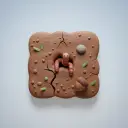 أَرْض arḍ ground
يَجْلِسُ الرَّجُلُ عَلَى الْأَرْضِ. yajlisu ar-rajulu ‘ala al-arḍ The man sits on the ground.
-
 إِقْلِيم iqlim region
نَحْنُ نَعِيشُ فِي إِقْلِيمٍ بَارِدٍ. nahnu na'ishu fi iqlimin barid. We live in a cold region.
-
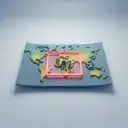 مِنْطَقَة minṭaqa area
يَعِيشُ كَثِيرٌ مِنَ النَّاسِ فِي هَذِهِ الْمِنْطَقَةِ. yaʿīshu kathīrun min an-nās fī hādhihi al-minṭaqa. Many people live in this area.
-
 شَاطِئ shāṭiʾ beach
أحب الشاطئ. uḥibbu ash-shāṭiʾ. I like the beach.
-
 بَحْر baḥr sea
البحر أزرق. al-baḥr azraq. The sea is blue.
-
 مَوْجَة mawja waves
يشاهدون أمواج المحيط. Yushāhidūna amwāja al-muḥīṭ. They watch the ocean waves.
-
 رَمْل raml sand
تُحِبُّ الرمل الدافئ الناعم. tuḥibbu ar-ramla ad-dāfi'a an-nā'im. She likes warm, soft sand.
-
 وَاقِي شَمْس wāqī shams sunscreen
أستخدم واقي الشمس في الأيام المشمسة. astakhdim waaqi ash-shams fil-ayyaam al-mushmisa. I use sunscreen on sunny days.
-
 مِظَلَّةُ شَاطِئ miẓallat shāṭiʾ beach umbrella
مِظَلَّةُ الشَّاطِئِ تِلْكَ مُلَوَّنَةٌ. miẓallatu ash-shāṭiʾi tilka mulawwanah. That beach umbrella is colorful.
-
 شِبْشِب shibshib flip-flops
هذا الشِّبْشِب مريح. hādha ash-shibshib murīḥ. These flip-flops are comfortable.
-
 مَايُوه māyūh swimsuit
لَدَيْهَا مَايُوه جَدِيد. ladayha mayoh jadid. She has a new swimsuit.
-
 سِرْوَالُ سِبَاحَة sirwāl sibāḥa swim trunks
لا تنسَ سروال السباحة. Lā tansa sirwāla s-sibāḥa. Don't forget your swim trunks.
-
 مُنْقِذ munqidh lifeguard
يُحافِظ المُنْقِذ على سلامة السباحين. yuḥāfiẓ al-munqidh ʿalā salāmat as-sabbāḥīn. The lifeguard keeps swimmers safe.
-
 مَدّ madd high tide
المَدّ رطب جداً. al-maddu ratbun jiddan. High tide is very wet.
-
 حَرْقُ شَمْس ḥarqu shams sunburn
يبدو حرق الشمس ذاك مؤلماً جداً. yabdu ḥarqu sh-shamsi dhāka mu'liman jiddan. That sunburn looks quite painful.
-
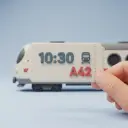 تَذْكِرَة tadhkira ticket
لديها تذكرة قطار. Ladayhā tadhkirat qiṭār. She has a train ticket.
-
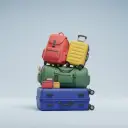 أَمْتِعَة amti'a luggage
أين نضع أمتعتنا؟ Ayna naḍaʿu amtiʿatanaa? Where do we put our luggage?
-
 آلَةُ تَذَاكِر aalat tadhaakir ticket machine
سأشتريها من آلة التذاكر. sa'ashtarīhā min ālat at-tadhākir. I will buy it at the ticket machine.
-
 رَصِيف raṣīf platform
ذلك رصيف القطار. dhalika raṣīf al-qiṭār. That is the train platform.
-
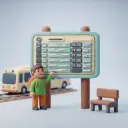 جَدْوَل مَوَاعِيد jadwal mawāʿīd timetable
تَقْرَأ جَدْوَل الْمَوَاعِيد. Taqra' jadwal al-mawaa'eed. She reads the timetable.
-
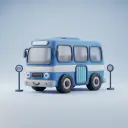 حَافِلَة ḥāfila bus
هل ننتظر حافلة؟ Hal nantaẓir ḥāfila? Are we waiting for a bus?
-
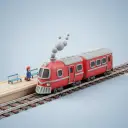 قِطَار qiṭār train
القطار حديث جداً. Al-qiṭār ḥadīth jiddan. The train is very modern.
-
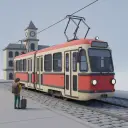 تِرَام Tirām tram
أسرع طريقة هي بالترام. asraʿ ṭarīqa hiya bi-t-tirām. The fastest way is with tram.
-
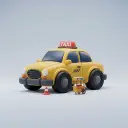 تَاكْسِي tāksī taxi
كم أجرة التاكسي؟ Kam ujrat at-tāksī? How much does the taxi cost?
-
 في الوَقْتِ المُحَدَّد fi al-waqt al-muḥaddad on time
من المهم الوصول في الوقت المحدد. Min al-muhimm al-wuṣūl fil-waqt al-muḥaddad. It is important to arrive on time.
-
 أَخَّرَ akh-khara delayed
كانت تلك الرحلة متأخرة. Kānat tilka ar-riḥla muta'akhkhira. That flight was delayed.
-
 مِتْرُو mitrū metro
يسير المترو تحت الأرض. Yasīru al-mitrū taḥta al-arḍ. A metro runs underground.
-
 سَيَّارَة sayyāra car
اشْتَرَى سَيَّارَةً جَدِيدَةً. ishtara sayyāratan jadīda. He bought a new car.
-
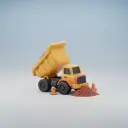 شَاحِنَة shāḥina truck
يَقودُ الرَّجُلُ شاحنةً كَبيرةً. yaqūdu ar-rajulu shāḥinatan kabīra The man drives a big truck.
-
 دَرَّاجَة darraaja bike
أَرْكَبُ دَرَّاجَتِي إِلَى المَدْرَسَةِ. arkabu darraajatii ilal-madrasa. I ride my bike to school.
-
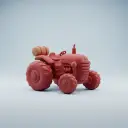 جَرَّار jarrār tractor
يَقودُ المزارعُ جَرَّارًا كَبيرًا. yaqūdu al-muzāriʿu jarrāran kabīran. The farmer drives a large tractor.
-
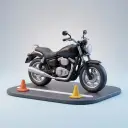 دَرَّاجَة نَارِيَّة darraaja naariyya motorcycle
يَرْكَبُ دَرَّاجَةً نَارِيَّةً سَرِيعَةً. yarkabu darraajatan naariyyatan sarii'atan He rides a fast motorcycle.
-
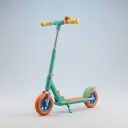 سْكُوتَر skūtar scooter
يَرْكَبُ الطِّفْلُ سْكُوتَر. yarkabu t-ṭiflu skūtar. The child rides a scooter.
-
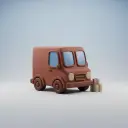 فَان fān van
هُوَ يَقُودُ فَانًا كَبِيرًا. huwa yaqūdu fānan kabīran He drives a large van.
-
 سَائِق sā'iq driver
أوقف السَّائِقُ السيارة. awqafa as-sā'iqu as-sayyārah The driver stopped the car.
-
 حَرَكَةُ المُرُور ḥarakat al-murūr traffic
حركة المرور بطيئة جداً اليوم. ḥarakat al-murūr baṭī'a jiddan al-yawm The traffic is very slow today.
-
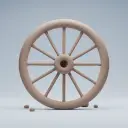 عَجَلَة ʿajala wheel
أصلحَ الْعَجَلَةَ المكسورة. Aṣlaḥa al-ʿajala al-maksūra. He fixed the broken wheel.
-
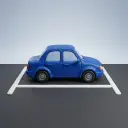 مَوْقِف mawqif parking
وَجَدْنَا مَوْقِفًا لِلسَّيَّارَةِ. wajadna mawqifan lis-sayyarah. We found a parking space.
-
 مَقْطُورَة maqṭūra trailer
تَسْحَبُ الشَّاحِنَةُ الْمَقْطُورَةَ. tasḥabu ash-shāḥinatu al-maqṭūra. The truck pulls the trailer.
-
 طَائِرَة ṭāʾirah plane
تهبط الطائرة في المطار. Tahbiṭu aṭ-ṭāʾirah fil-maṭār. The plane lands at the airport.
-
 قَارِب qārib boat
أَرَى قَارِبًا صَغِيرًا. arā qāriban ṣaghīran. I see a small boat.
-
 سَفِينَة safīnah ship
تَعْبُرُ السَّفِينَةُ الكَبِيرَةُ المُحِيطَ. taʿburu as-safīnatu al-kabīratu al-muḥīṭ. The large ship crosses the ocean.
-
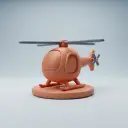 مِرْوَحِيَّة mirwaḥiyya helicopter
تُحَلِّقُ الْمِرْوَحِيَّةُ فِي السَّمَاءِ. tuḥalliqu l-mirwaḥiyyatu fis-samā’ The helicopter flies in the sky.
-
 صَارُوخ ṣārūkh rocket
يَنْطَلِقُ الصَّارُوخُ إِلَى السَّمَاءِ. yanṭaliqu ṣ-ṣārūkhu 'ila s-samā' The rocket flies into the sky.
-
 مَرْكَبَةُ فَضَاء markabat faḍāʾ spaceship
هَبَطَتِ الْمَرْكَبَةُ الْفَضَائِيَّةُ عَلَى سَطْحِ الْقَمَرِ. habaṭat al-markaba al-faḍāʾiyya ʿalā saṭḥ al-qamar. The spaceship landed on the moon.
-
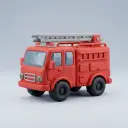 سَيَّارَةُ إِطْفَاء sayyārat iṭfāʾ fire engine
تَحْمِلُ سَيَّارَةُ الإِطْفَاءِ المَاءَ. taḥmilu sayyāratu l-iṭfāʾi l-māʾ. The fire engine carries water.
-
 طَائِرَة نَفَّاثَة ṭā'ira naffātha jet
تُحَلِّقُ الطائرةُ النفاثةُ بسرعةٍ كبيرةٍ جداً. tuḥalliqu aṭ-ṭā'iratu an-naffāthatu bi-surʿatin kabīratin jiddan The jet flies very fast.
-
 قَارِبُ الكَايَاك qārib al-kāyāk kayak
تَجْلِسُ هِيَ بِقَارِبِ الكَايَاك. tajlisu hiya bi-qārib al-kāyāk. She sits in the kayak.
-
 طَوْف ṭawf raft
بَنَيْنَا طَوْفاً خَشَبِيّاً. banaynā ṭawfan khashabiyyan We built a wooden raft.
-
 زَوْرَق zawraq canoe
يُجَدِّفُ بِالزَّوْرَقِ الصَّغِيرِ. yujaddifu biz-zawraqi s-saghir He paddles the small canoe.
-
 قَارِبٌ شِرَاعِيّ qarib shira'i sailboat
الرِيحُ تُحَرِّكُ القارب الشراعي. ar-rihu tuharriku al-qarib ash-shira'i The wind moves the sailboat.
Words 601–700
-
 سِعْر siʿr price
هل ترى السعر؟ Hal tarā as-siʿr? Do you see the price?
-
 رَخِيص rakhīṣ cheap
اشترى أحذية رخيصة. ishtarā aḥdhiya rakhīṣa. He bought cheap shoes.
-
 غَالٍ ghālin expensive
تبدو تلك السيارة غالية. Tabdū tilka as-sayyāratu ghāliyah. That car looks expensive.
-
 نَقْد naqd cash
أعتقد أنها بحاجة إلى بعض النقد. aʿtaqidu annahā bi-ḥājatin ilā baʿḍ an-naqd. I think she needs some cash.
-
 بِطَاقَةُ اِئْتِمَان biṭāqat i'timān credit card
يمكنني الدفع ببطاقة الائتمان الخاصة بي. yumkinunī ad-dafʿu bi-biṭāqati al-iʾtimāni al-khāṣṣati bī. I can pay with my credit card.
-
 إِيصَال īṣāl receipt
هل يمكنني الحصول على الإيصال من فضلك؟ hal yumkinunī al-ḥuṣūl ʿalā al-iyṣāl min faḍlik? Can I get the receipt please?
-
 فَاتُورَة fātūra bill
مَنْ سَيَدْفَعُ الفاتورة؟ man sayadfaʿu al-fātūra? Who is going to pay the bill?
-
 غَيَّرَ ghayyara change
دَفَعْتُ وَأَخَذْتُ البَاقِي. dafaʿtu wa-'akhadhtu al-bāqī. I paid and got some change.
-
 عُمْلَة مَعْدَنِيَّة ʿumla maʿdaniyya coin
لَدَيَّ بِضْعُ عُمُلات مَعْدَنِيَّة. Ladayya biḍʿu ʿumlātin maʿdaniyyah. I have a few coins.
-
 وَرَقَة نَقْدِيَّة waraqa naqdiyya banknote
ما نوع هذه الورقة النقدية؟ Ma nawʿu hadhihi al-waraqa an-naqdiyya? What kind of banknote is that?
-
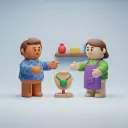 بِكَمْ هَذَا؟ bikam hādha? How much is this?
بِكَمْ هَذَا؟ bikam hādha? How much is this?
-
 بِالْبِطَاقَةِ bil-biṭāqa Can I pay by card?
هَلْ يُمْكِنُنِي الدَّفْعُ بِالْبِطَاقَةِ؟ hal yumkinunī ad-dafʿu bil-biṭāqa? Can I pay by card?
-
 عُمْلَة ʿumla currency
تلك العملة قوية جداً. Tilka al-ʿumla qawiyya jiddan. That currency is very strong.
-
 سِعْرُ الصَّرْف siʿr as-sarf exchange rate
سعر الصرف هذا فظيع. siʿr aṣ-ṣarf hādhā faẓīʿ. This exchange rate is horrible.
-
 مَكْتَبُ صَيْرَفَة maktab ṣayrafa exchange office
نَحْتَاجُ إِلَى مَكْتَب صَيْرَفَة. Naḥtāju 'ilā maktab ṣayrafa. We need an exchange office.
-
 لَجْنَة lajnah commission
هل يجب عليك دفع عمولة؟ Hal yajibu 'alayka daf' 'umūla? Do you have to pay a commission?
-
 عُمْلَةٌ أَجْنَبِيَّة ʿumla ajnabiyya foreign currency
تلك عملة أجنبية. tilka ʿumla ajnabiyya. That is foreign currency.
-
 الدَّفْعُ بِالْبِطَاقَةِ ad-dafʿu bi-l-biṭāqah card payment
تم الدفع بالبطاقة بنجاح. tamma ad-dafʿu bil-biṭāqati bi-najāḥ. The card payment went through.
-
 لَاتَلَامُسِيّ lā-talāmusī contactless
هذا دفع لاتلامسي. Hādhā dafʿ lā-talāmusiyy. This is a contactless payment.
-
 رَمْزُ التَّعْرِيفِ الشَّخْصِيّ ramz at-taʿrīf ash-shakhṣī PIN code
نَسِيتُ رَمْزَ التَّعْرِيفِ الشَّخْصِيّ الخاصَّ بِي. Nasītu ramza at-taʿrīf ash-shakhṣī al-khāṣṣa bī. I forgot my PIN code.
-
 رُسُومُ السَّحْبِ rusūm as-saḥb withdrawal fee
دفعوا رسوم السحب. Dafaʿū rusūm as-saḥb. They paid the withdrawal fee.
-
 حَدٌّ يَوْمِيّ ḥadd yawmī daily limit
وصلت إلى الحد اليومي. Waṣalat ilā al-ḥadd al-yawmī. She reached the daily limit.
-
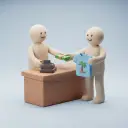 اِسْتِرْدَاد istirdād refund
ستحصل على استرداد. sataḥṣulu ʿalā istirdād. You will receive a refund.
-
 رَسْمُ خِدْمَة rasm khidma service charge
رَسْمُ الخِدْمَةِ مَشْمُولٌ. rasmu l-khidmati mashmūl. A service charge is included.
-
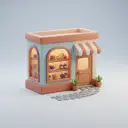 مَحَلّ maḥall shop
هذا مَحَلّي المفضل. Hādhā maḥallī al-mufaḍḍal. This is my favourite shop.
-
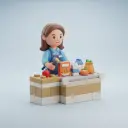 أَمِين صُنْدُوق amīn ṣundūq cashier
هي أمينة الصندوق الجديدة. Hiya aminat as-sunduq al-jadida. She is the new cashier.
-
 طَابُور ṭābūr queue
هذا الطابور طويل جداً. hādhā aṭ-ṭābūr ṭawīl jiddan. This queue is very long.
-
 فَتَحَ fataḥa open
المحل مفتوح اليوم. al-maḥall maftūḥ al-yawm. The shop is open today.
-
 أَغْلَقَ aghlaqa closed
للأسف، الصيدلية مُغْلَقَة. lil-asaf, aṣ-ṣaydaliyya mughlaqa. Sadly, the pharmacy is closed.
-
 بِطَاقَةُ سِعْر biṭāqat siʿr price tag
رَأَوْا بِطَاقَةَ السِّعْرِ. Ra'aw biṭāqat as-siʿr. They saw the price tag.
-
 خَصْم khaṣm discount
أُحِبُّ خصوماتهم. Uḥibbu khuṣūmātihim. I love their discounts.
-
 سِيَاسَةُ الِاسْتِرْجَاعِ siyāsat al-istirjāʿ return policy
تبدو سياسة الاسترجاع هذه عادلة. Tabdū siyāsat al-istirjāʿ hādhihi ʿādila. This return policy seems fair.
-
 ضَمَان ḍamān warranty
الضمان يحمي مشترياتك. aḍ-ḍamān yaḥmī mushtarayātak. A warranty protects your purchase.
-
 غُرْفَةُ قِيَاس ghurfat qiyās fitting room
اسْتَخْدَمُوا غُرْفَةَ الْقِيَاسِ. Istakhdamū ghurfat al-qiyās. They used the fitting room.
-
 عَرَبَةُ تَسَوُّق ʿarabat tasawwuq shopping cart
نَحْتَاجُ إلى عربة تسوق. Naḥtāju ʾilā ʿarabati tasawwuq. We need a shopping cart.
-
 زَبُون zabūn customer
الزبون دائماً على حق. az-zabūn dā'iman ʿalā ḥaqq. The customer is always right.
-
 طَاوِلَة ṭāwila table
هل يمكنك أن تضع هذه السلطة على الطاولة؟ Hal yumkinuka an taḍaʿa hādhihi as-salaṭa ʿalā aṭ-ṭāwila? Can you put this salad on the table?
-
 قَائِمَةُ الطَّعَام qā'imat aṭ-ṭa'ām menu
لديهم قائمة طعام كبيرة. Ladayhim qā'imat ṭaʿām kabīrah. They have a large menu.
-
 حَجْز ḥajz reservation
لدينا حجز. Ladaynā ḥajz. We have a reservation.
-
 خَادِم khādim server
الخوادم تعمل بجهد. al-khawādim taʿmal bijuhd. The servers are working hard.
-
 أَمْر amr order
نُقَدِّمُ طَلَبَنَا الآن. nuqaddimu ṭalabana l-ʾān. We place our order now.
-
 مَاء mā' water
تشرب ماءً بارداً. Tashrabu mā'an bāridan. She drinks cold water.
-
 قَهْوَة qahwa coffee
يشربون قهوة قوية. Yashrabūn qahwa qawiyya. They drink strong coffee.
-
 شَاي shāy tea
الشاي الساخن في الشتاء هو الأفضل. ash-shāy as-sākhin fī ash-shitā' huwa al-afḍal. Hot tea in the winter is the best.
-
 بِيرَة bīra beer
أريد بيرة أخرى من فضلك. Urīdu bīra ukhrā min faḍlik. I'd like another beer, please.
-
 نَبِيذ nabīdh wine
هل يمكننا الحصول على هذا النبيذ، من فضلك؟ Hal yumkinunā al-ḥuṣūl ʿalā hādhā an-nabīdh, min faḍlik? Can we have this wine, please?
-
 الفَاتُورَة al-fātūra The bill, please.
الفَاتُورَة، لَوْ سَمَحْت. al-fātūra, law samaḥt. The bill, please.
-
 لَذِيذ ladhīdh delicious
تلك الفطيرة لذيذة! Tilka al-faTeeratu ladheedha! That pie is delicious!
-
 مُقَبِّلَات muqabbilāt starter
سنطلب مقبلات أولاً. Sanatlub muqabbilāt awwalan. We will order a starter first.
-
 طَبَقٌ رَئِيسِيّ ṭabaq ra'īsī main course
أحب الطبق الرئيسي. Uḥibbu aṭ-ṭabaq ar-ra'īsiyy. I love the main course.
-
 حَلْوَى ḥalwā dessert
هِيَ تُحِبُّ الحَلْوَى. Hiya tuḥibbu l-ḥalwā. She likes the dessert.
-
 طَبَقُ اليَوْم ṭabaq al-yawm today's special
هذا طبق اليوم. Hādhā ṭabaq al-yawm. That is today's special.
-
 قَائِمَةُ اليَوْم qa'imat al-yawm menu of the day
لَدَيْهِم قَائِمَةُ اليَوْمِ. ladayhim qā'imatu l-yawm. They have the menu of the day.
-
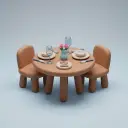 طَاوِلَة لِشَخْصَيْن tawila li-shakhsayn table for two
نحتاج طاولة لشخصين، من فضلك. naḥtāj tawila li-shakhsayn, min fadlak. We need a table for two.
-
 حَجْزٌ بِاسْمِ ḥajz bi-ism reservation under
لديها حجز باسم سميث. ladayhā ḥajz bi-ism smīth. She has reservation under Smith.
-
 مَاءُ الصُّنْبُور ma'u as-sunbur tap water
عادةً أشرب ماء الصنبور. ʿādatan ashrabu mā' aṣ-ṣunbūr. I usually drink tap water.
-
 تَقَاسَمَ الحِسَاب taqāsama al-ḥisāb split the bill
يمكننا أن نتقاسم الحساب. Yumkinunā an nataqāsama al-ḥisāb. We can split the bill.
-
 تَقَاسَمَ taqāsama pay together
سَنَدْفَعُ مَعاً. sanadfaʿu maʿan. We will pay together.
-
 طَرَف ṭaraf tip
أنا دائماً أعطي إكراميات كبيرة. ana dā'iman uʿṭī ikrāmīyāt kabīra. I always give big tips.
-
 دَفَعَ عِنْدَ الصُّنْدُوق dafa'a 'inda as-sunduq pay at the counter
هل يمكننا أن ندفع عند الصندوق؟ Hal yumkinuna an nadfa'a 'inda as-sunduuq? Can we pay at the counter?
-
 حَجْم ḥajm size
هذا الحجم صغير جداً. hādha al-ḥajm ṣaghīr jiddan. This size is too small.
-
 يُنَاسِبُ yunāsibu fits
ما زال بنطالها الجينز القديم يناسبها. Mā zāla binṭāluhā al-jīnz al-qadīmu yunāsibuhā. She still fits her old jeans.
-
 كَبِيرٌ جِدًّا kabīrun jiddan too big
أَظُنُّ أن هذا القميص كَبِيرٌ جِدًّا. Aẓunnu anna hādha-l-qamīṣa kabīrun jiddan. I think this shirt is too big.
-
 صَغِيرٌ جِدًّا ṣaghīrun jiddan too small
لِلْأَسَف، هَذَا الحِذَاء صَغِيرٌ جِدًّا. lil-asaf, hādhā al-ḥidhā' ṣaghīrun jiddan. Unfortunately, this shoe is too small.
-
 قَاسَ qāsa try on
نقيس قبعات جديدة. Naqeesu qubba'aatin jadeedah. We try on new hats.
-
 أَسْوَد aswad black
يَرْتَدِي بِن قَمِيصًا أَسْوَدَ. Yartadī Bin qamīṣan aswada. Ben wears a black shirt.
-
 أَبْيَض abyaḍ white
تَرْتَدِي بِنْطَالاً أَبْيَضَ. Tartadī binṭālan abyaḍa. She wears white pants.
-
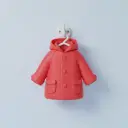 أَحْمَر aḥmar red
أليست الورود الحمراء هي الأفضل؟ A-laysat al-wurūd al-ḥamrā' hiya al-afḍal? Aren't red roses the best?
-
 أَزْرَق azraq blue
هل الأَزْرَق هو لونك المفضل؟ Hal al-azraq huwa lawnuka al-mufaḍḍal? Is blue your favourite color?
-
 أَخْضَر akhḍar green
هل تأخذ الفستان الأخضر؟ Hal ta'khudh al-fustān al-akhḍar? Would you take the green dress?
-
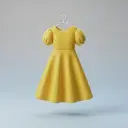 أَصْفَر aṣfar yellow
هي تحب القمصان الصفراء. hiya tuḥibbu l-qumṣān aṣ-ṣafrā'. She likes yellow shirts.
-
 لَوْن lawn color
أي لون تحب؟ Ayy lawn tuhibb? What color do you like?
-
 وَرْدِيّ wardiyy pink
أَرَى زَهْرَةً وَرْدِيَّةً. Arā zahratan wardiyyah. I see a pink flower.
-
 بَنَفْسَجِيّ banafsajī purple
أَرَى زَهْرَةً بَنَفْسَجِيَّةً. Arā zahratan banafsajiyyah. I see a purple flower.
-
 بُنِّيّ bunniyy brown
أرى كَلباً بُنِّيّاً. Arā kalban bunniyyan. I see a brown dog.
-
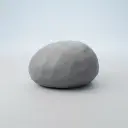 رَمَادِيّ ramādiyy gray
القطة رمادية. al-qiṭṭatu ramādiyya The cat is gray.
-
 ذهبي dhahab golden
الخاتم ذهبي. al-khātam dhahabī. The ring is golden.
-
 فضي fiḍḍī silver
السيارة فضية. As-sayyāra fiḍḍiyya. The car is silver.
-
 بِيج bīj beige
هِيَ تَرْتَدِي قَمِيصاً بِيج. hiya tartadī qamīṣan bīj She wears a beige shirt.
-
 كحلي baḥriyya navy
سترته كحلية. sutratuhu kuḥliyya. His jacket is navy.
-
 سَاطِع sāṭiʿ bright
الشَّمْسُ سَاطِعَةٌ جِدًّا. ash-shamsu sāṭiʿatun jiddan. The sun is very bright.
-
 شَاحِب shāḥib pale
الطِّفلُ المريضُ شاحبٌ. aṭ-ṭiflu l-marīḍu shāḥib. The sick child is pale.
-
 مُظْلِم muẓlim dark
الغُرْفَةُ مُظْلِمَةٌ جِدًّا. al-ghurfatu muẓlimatun jiddan. The room is very dark.
-
 مُخَطَّط mukhaṭṭaṭ striped
يَرْتَدِي قَمِيصاً مُخَطَّطاً. yartadī qamīṣan mukhaṭṭaṭan He wears a striped shirt.
-
 غُرْفَة ghurfah room
هل أنت سعيد بغرفتك؟ Hal anta sa'eed bi-ghurfatik? Are you happy with your room?
-
 بَاب bāb door
هذا الباب يحتاج إلى استبدال. Hādhā al-bāb yaḥtāju ilā istibdāl. This door needs to be replaced.
-
 مِفْتَاح miftāḥ key
أعتقد أنني أضعت مفتاحي. aʿtaqidu annī aḍaʿtu miftāḥī. I think I lost my key.
-
 نَافِذَة nāfidha window
النافذة نظيفة جداً. an-nāfidha naẓīfa jiddan. The window is very clean.
-
 ضَوْء ḍaw' light
هذه الغرفة يدخلها الكثير من الضوء. Hādhihi al-ghurfah yadkhuluhā al-kathīr min aḍ-ḍawʾ. This room gets a lot of light.
-
 مفتاح miftāḥ switch
مفتاح النور على الحائط. Miftāḥ an-nūr ʿalā al-ḥāʾiṭ. The switch for the light is on the wall.
-
 سَرِير sarīr bed
ما زلت أحتاج إلى شراء سرير. Mā ziltu aḥtāju ilā shirā'i sarīr. I still need to buy a bed.
-
 مَطْبَخ maṭbakh kitchen
هذا المطبخ نظيف جداً. hādhā al-maṭbakh naẓīf jiddan. This kitchen is very clean.
-
 حَمَّام ḥammām bathroom
تستخدم الحمام كثيراً. tastakhdim al-ḥammām kathīran. She uses the bathroom often.
-
 دُوش dūsh shower
يأخذون دوشاً يومياً. Ya'khudhūna dūshan yawmiyyan. They take a shower daily.
-
 واي فاي way-fay Wi-Fi
هل يتوفر واي فاي في هذا البار؟ Hal yatawaffaru wāy fāy fī hādhā al-bār? Does this bar have Wi-Fi?
-
 عُنْوَان ʿunwān address
ما عنوانك؟ Mā ʿunwānuka? What is your address?
-
 صُدَاع ṣudāʿ headache
الصداع ليس ممتعاً أبداً. aṣ-ṣudāʿ laysa mumtiʿan abadan. A headache is never fun.
-
 حُمَّى ḥummā fever
لديه حمى شديدة. Ladayhi ḥummā shadīdah. He has a bad fever.
-
 سَعَلَ saʿala cough
سُعالي لا يزول. su'aalee laa yazool. My cough is not going away.
-
 اِحْتِقَانُ الحَلْق iḥtiqān al-ḥalq sore throat
تعاني ماري من احتقان الحلق. tuʿānī mārī min iḥtiqāni l-ḥalq. Marry has a sore throat.
Words 701–800
-
 سَيَلَانُ الأَنْف sayalān al-anf runny nose
ذلك سيلان الأنف. Dhalika sayalaanu l-anf. That is a runny nose.
-
 دَائِخ dā'ikh dizzy
أشعر أنني دَائِخ بعد الدوران. ash'uru annani da'ikh ba'da ad-dawaran. I feel dizzy after spinning.
-
 مَرِيض marīḍ sick
تشعر بأنها مريضة جداً اليوم. tashʿur bi-annahā marīḍa jiddan al-yawm. She feels very sick today.
-
 دَوَاء dawāʾ medicine
لا تنس أن تأخذ دواءك. La tansa an ta'khudha dawaa'ak. Do not forget to take your medicine.
-
 وَصْفَة طِبِّيَّة waṣfa ṭibbiyya prescription
هل هذه وصفتك الطبية يا سيدي؟ Hal hādhihi waṣfatuka aṭ-ṭibbiyya, yā sayyidī? Is this your prescription, sir?
-
 طَبِيب ṭabīb doctor
يُساعِد الطبيب الكثير من الناس. yusāʿid aṭ-ṭabīb al-kathīr min an-nās. A doctor helps a lot of people.
-
 صَيْدَلِيَّة ṣaydaliyya pharmacy
نزور الصيدلية أحياناً. nazuru as-saydaliyya ahyanan. We visit the pharmacy sometimes.
-
 عِيَادَة ʿiyādah clinic
جدي حالياً في العيادة. Jaddī ḥāliyan fī al-ʿiyāda. Grandpa is currently at the clinic.
-
 مَعْلُومَات سِيَاحِيَّة maʿlūmāt siyāḥiyya tourist information
تُوَفِّر اللافتة معلومات سياحية. Tuwaffir al-lāfita maʿlūmāt siyāḥiyya. The sign provides tourist information.
-
 مَكْتَبَة maktaba library
المكتبة مليئة بالناس. al-maktaba mali'a bin-nas. The library is full of people.
-
 مَصْرِف maṣrif bank
ما زال أبي يحتاج إلى الذهاب إلى المصرف. ma zala abi yahtaju ila adh-dhahab ila al-masrif. Dad still needs to go to the bank.
-
 حَلَّاق ḥallāq hairdresser
هي تحب مصفف الشعر. hiya tuḥibbu muṣaffifa ash-shaʿr. She likes the hairdresser.
-
 حَلَّاق ḥallāq barber
ذلك الحلاق يقص الشعر كل يوم. dhālika al-ḥallāq yaquṣṣ ash-shaʿr kulla yawm. That barber cuts hair everyday.
-
 مَصْبَغَة maṣbagha dry cleaner
تحتاج هذه البدلة إلى مُنَظِّف جاف. taḥtāju hadhihi al-badlatu ilā munaẓẓif jāff. This suit requires a dry cleaner.
-
 وَرْشَةُ إِصْلَاح warshat iṣlāḥ repair shop
هل ورشة الإصلاح مفتوحة اليوم؟ Hal warshat al-'iSlaaH maftuuHa al-yawm? Is the repair shop open today?
-
 مَحَلُّ هَوَاتِفَ نَقَّالَة maḥall hawātif naqqāla mobile phone shop
هي تعمل في محل الهواتف النقالة. Hiya taʿmal fī maḥall al-hawātif an-naqqāla. She works at the mobile phone shop.
-
 خِدْمَةُ بَرِيدٍ سَرِيعٍ khidmatu barīdin sarīʿ courier service
أرسلنا الطرد عبر خدمة بريد سريع. arsalnā aṭ-ṭard ʿabra khidmat barīd sarīʿ. We sent the parcel by courier service.
-
 تَأْجِيرُ سَيَّارَات ta'jeer sayyārāt car rental
حجزنا خدمة تأجير سيارات لعطلة نهاية الأسبوع. ḥajaznā khidmata ta'jīri sayyārāt liʿuṭlati nihāyati l-usbūʿ. We booked a car rental for the weekend.
-
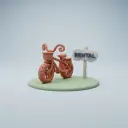 مَحَلُّ تَأْجِيرِ دَرَّاجَاتٍ maḥallu ta'jīri darrājāt bike rental
محل تأجير الدراجات هذا يبدو جديداً. maḥall taʾjīr ad-darrājāt hādhā yabdu jadīdan. This bike rental looks new.
-
 طَبِيبٌ بَيْطَرِيّ tabīb bayṭarī vet
يَفْحَصُ الطبيب البيطري كلبنا كل شهر. yafḥaṣu aṭ-ṭabību al-bayṭariyyu kalbanā kulla shahr. The vet checks our dog every month.
-
 أَضَاعَ aḍāʿa lost
أَضَعْتُ مفاتيحي في الحديقة. aḍaʿtu mafātīḥī fil-ḥadīqah. I lost my keys at the park.
-
 مِحْفَظَة miḥfaẓah wallet
فَقَدَ محفظته في الحافلة. Faqada miḥfaẓatahu fī al-ḥāfila. He lost his wallet on the bus.
-
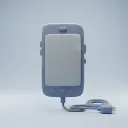 هَاتِف hātif phone
من فضلك أغلِق هاتفك أثناء الحصة. Min faḍlika aghliq hātifaka athnā'a al-ḥiṣṣah. Please turn off your phone during class.
-
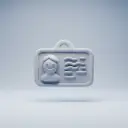 بِطَاقَةُ هُوِيَّة biṭāqat huwiyya ID card
هل وجدت بطاقة هويتك؟ Hal wajadta biṭāqata huwiyyatik? Did you find your ID card?
-
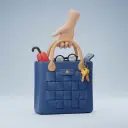 حَقِيبَة ḥaqībah bag
حقيبتها دائماً ممتلئة. Ḥaqībatuhā dā'iman mumtali'a. Her bag is always full.
-
 تَقْرِير taqrīr report
كتبت تقريراً عن الاجتماع. Katabat taqrīran ʿan al-ijtimāʿ. She wrote a report about the meeting.
-
 وَصْف waṣf description
هذا وصف مذهل. Hādhā waṣf mudhhil. This is an amazing description.
-
 رَقْمُ التَّوَاصُلِ raqm at-tawāṣul contact number
أحتاج إلى رقم التواصل الخاص بك. Aḥtāju ilā raqm at-tawāṣul al-khāṣṣ bik. I need your contact number.
-
 مَكْتَبُ المَفْقُودَات maktab al-mafqūdāt lost and found
وَجَدَتْهُ فِي مَكْتَبِ المَفْقُودَاتِ. wajadathu fī maktab al-mafqūdāt. She found it in lost and found.
-
 مفاتيح mafātīḥ keys
أضعت مفاتيحي أمس. Aḍaʿtu mafātīḥī ams. I lost my keys yesterday.
-
 عَادَ ʿāda return
ستعيد الكتاب غداً صباحاً. satuʿīdu al-kitāba ghadan ṣabāḥan. She will return the book tomorrow morning.
-
 صَاحِب ṣāḥib owner
هل تعرف المالك؟ Hal taʿrif al-mālik? Do you know the owner?
-
 مُمَرِّض mumarriḍ nurse
ساعَدَ المُمَرِّضُ المَرِيضَ. sāʿada al-mumarriḍu al-marīḍa The nurse helped the patient.
-
 طَبِيبُ أَسْنَان tabeeb asnan dentist
أَصْلَحَ طَبِيبُ الأَسْنَانِ سِنِّي. aslaha tabeeb al-asnan sinni. The dentist fixed my tooth.
-
 نَادِل nādil waiter
أَحْضَرَ النَّادِلُ طَعَامَنَا. aḥḍara an-nādilu ṭaʿāmanā. The waiter brought our food.
-
 نَادِلَة nādila waitress
أَحْضَرَتِ النَّادِلَةُ طَعَامَنَا. aḥḍarati n-nādilatu ṭaʿāmanā. The waitress brought our food.
-
 طَبَّاخ ṭabbākh chef
يَطْبُخُ الطَّبَّاخُ الوَجْبَةَ. yaṭbukhu aṭ-ṭabbākhu al-wajba The chef cooks the meal.
-
 مِيكَانِيكِيّ mīkānīkī mechanic
أَصْلَحَ الْمِيكَانِيكِيُّ سَيَّارَتِي. aṣlaḥa al-mīkānīkīyu sayyāratī The mechanic fixed my car.
-
 سَاعِي بَرِيد sāʿī barīd postman
أحضر ساعي البريد رسالة. ʾaḥḍara sāʿī al-barīd risālah The postman brought a letter.
-
 عَامِل نَظَافَة ʿāmil naḍāfa cleaner
غَسَلَ عَامِلُ النَّظَافَةِ الأَرْضِيَّةَ. Ghasala ʿāmilu an-naḍāfati al-arḍiyya. The cleaner washed the floor.
-
 بُسْتَانِيّ bustāniyy gardener
يَسْقِي البُسْتَانِيُّ النَّبَاتَاتِ. yasqī al-bustāniyyu an-nabātāt. The gardener waters the plants.
-
 رَسَّام rassām painter
يَرْسُمُ الرَّسَّامُ لَوْحَةً جَمِيلَةً. yarsumu ar-rassāmu lawḥatan jamīlah. The painter paints a beautiful picture.
-
 خَيَّاط khayyāṭ tailor
يَصْنَعُ الخَيَّاطُ مَلَابِسَ جَمِيلَةً. yaṣnaʿu l-khayyāṭu malābisa jamīla. The tailor makes beautiful clothes.
-
 أَمِينُ مَكْتَبَة ameen maktaba librarian
يُنظمُ أمينُ المكتبة الكتبَ على الرفوف. yunazzimu ameenul-maktabati al-kutuba 'ala ar-rufoof The librarian organizes the books.
-
 مُمَثِّل mumaththil actor
رأيتُ المُمَثِّلَ المشهور. Ra'aytu al-mumaththila al-mash-hūr. I saw the famous actor.
-
 مُمَثِّلَة mumaththila actress
رأيتُ الْمُمَثِّلَةَ المشهورة. Ra'aytu l-mumaththilata l-mashhūra. I saw the famous actress.
-
 فَنَّان fannān artist
يَرْسُمُ الفَنَّانُ لَوْحَةً. yarsumu al-fannānu lawḥa The artist paints a picture.
-
 مُصَوِّر muṣawwir photographer
التقط المُصَوِّرُ صورتي. iltaqaṭa al-muṣawwiru ṣūratī. The photographer took my picture.
-
 كَاتِب kātib writer
أنهى الكاتبُ الكتابَ. Anha al-kātibu al-kitāb. The writer finished the book.
-
 مُدِير mudīr manager
قَابَلْنَا الْمُدِيرَ الْجَدِيدَ. qābalnā al-mudīra al-jadīd. We met the new manager.
-
 مُحَامٍ muḥāmin lawyer
أنا بحاجة إلى مُحَامٍ جَيّد. ana biḥāja ilā muḥāmin jayyid I need a good lawyer.
-
 سِكْرِتِير sikritīr secretary
يَعْمَلُ السِّكْرِتِيرُ فِي المَكْتَبِ. yaʿmalu as-sikritīru fī al-maktab. The secretary works in the office.
-
 صُحُفِيّ ṣuḥufiyy journalist
يَكْتُبُ الصُّحُفِيُّ الأخبارَ. yaktubu ṣ-ṣuḥufiyyu l-akhbār. The journalist writes the news.
-
 مُسَاعِد musāʿid assistant
سَيُسَاعِدُكَ مُسَاعِدِي. sayusāʿiduka musāʿidī My assistant will help you.
-
 مُرَاسِل murāsil reporter
يَكْتُبُ المُرَاسِلُ الأَخْبَارَ. yaktubu l-murāsilu l-akhbār. The reporter writes the news.
-
 مُصَمِّم muṣammim designer
يَصْنَعُ الْمُصَمِّمُ مَلَابِسَ جَمِيلَةً. yaṣnaʿu l-muṣammimu malābisa jamīla. The designer makes beautiful clothes.
-
 مُهَنْدِس muhandis engineer
أَصْلَحَ الْمُهَنْدِسُ الآلَةَ. aṣlaḥa al-muhandisu al-ālah The engineer fixed the machine.
-
 طَيَّار ṭayyār pilot
يَقُودُ الطَّيَّارُ الطَّائِرَةَ. yaqūdu aṭ-ṭayyāru aṭ-ṭā'irah. The pilot flies the plane.
-
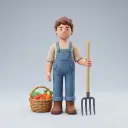 فَلَّاح fallāḥ farmer
يَعْمَلُ الفَلَّاحُ في الحَقْلِ. yaʿmalu al-fallāḥu fī al-ḥaqli The farmer works in the field.
-
 صَيَّاد ṣayyād fisherman
أَمْسَكَ الصَّيَّادُ سَمَكَةً كَبِيرَةً. amsaka ṣ-ṣayyādu samakatan kabīrah. The fisherman caught a big fish.
-
 عَالِم ʿālim scientist
اكْتَشَفَ الْعَالِمُ دَوَاءً جَدِيدًا. iktashafa al-ʿālimu dawāʾan jadīdan. The scientist discovered a new medicine.
-
 مُبَرْمِج mubarmíj programmer
المُبَرْمِجُ يَكْتُبُ البَرْمَجِيَّات. al-mubarmíju yaktubu al-barmajiyyāt The programmer writes the software.
-
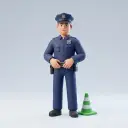 ضَابِطُ شُرْطَة ḍābiṭ shurṭa police officer
أمسك ضابط الشرطة باللص. amsaka ḍābiṭ ash-shurṭa bil-liṣṣ The police officer caught the thief.
-
 جُنْدِيّ jundiyy soldier
الْجُنْدِيُّ يَحْمِي الْمَدِينَةَ. al-jundiyyu yaḥmī al-madīnah The soldier protects the city.
-
 أُسْتَاذ ustādh professor
يُدَرِّسُ الأستاذُ الطلابَ. yudarrisu al-ustādhu aṭ-ṭullāb. The professor teaches the students.
-
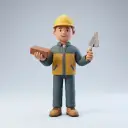 بَنَّاء bannā' builder
يَبْنِي الْبَنَّاءُ الْمَنْزِلَ الْجَدِيدَ. yabnī al-bannā'u al-manzila al-jadīda. The builder constructs the new house.
-
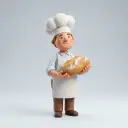 خَبَّاز khabbāz baker
الخَبَّازُ يَصْنَعُ خُبْزاً طَازَجاً كُلَّ يَوْمٍ. al-khabbāzu yaṣnaʿu khubzan ṭāzajan kulla yawm. The baker makes fresh bread.
-
 رِيَاضِيّ riyāḍiyy athlete
يَجْرِي الرِيَاضِيُّ بِسُرْعَةٍ كَبِيرَةٍ جِدًّا. yajrī ar-riyāḍiyyu bi-surʿatin kabīratin jiddan. The athlete runs very fast.
-
 مَخْرَج makhraj Exit
عفواً، أين المخرج؟ ʿafwan, ayna al-makhraj? Excuse me, where is the exit?
-
 مَدْخَل madkhal Entrance
يُفترض أن يكون هذا هو المدخل. yuftaraḍ an yakūna hādhā huwa al-madkhal. This should be the entrance.
-
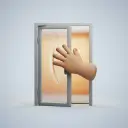 دَفَعَ dafaʿa Push
يدفعون الباب الأحمر. yadfaʿūna al-bāb al-aḥmar. They push the red door.
-
 سَحَبَ saḥaba Pull
عليك أن تسحب الباب. ʿalayka an tasḥaba al-bāb. You need to pull the door.
-
 مَمْنُوعُ التَّدْخِين mamnūʿ at-tadkhīn No smoking
مكتوب على هذه اللافتة ممنوع التدخين. Maktūbun ʿalā hādhihi l-lāfitati mamnūʿu t-tadkhīn. This sign says no smoking.
-
 مَمْنُوعُ الوُقُوف mamnūʿ al-wuqūf No parking
عذراً، مَمْنُوعُ الوُقُوفِ هنا. ʿUdhran, mamnūʿ al-wuqūf hunā. No parking here, sorry.
-
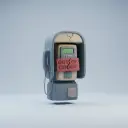 عَاطِلٌ عَنِ العَمَل ʿāṭil ʿan al-ʿamal Out of order
ذلك المصعد مُعَطَّل. Thalika al-mis'adu mu'attal. That elevator is out of order.
-
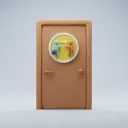 لِلْمُوَظَّفِينَ فَقَط lil-muwaḍḍafīn faqaṭ Staff only
تلك المساحة للموظفين فقط. Tilka al-misāḥa lil-muwaẓẓafīn faqaṭ. That space is for staff only.
-
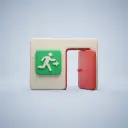 مَخْرَجُ طَوَارِئ makhraj tawāri' Emergency exit
يوجد في كل مبنى مخرج طوارئ. Yūjad fī kull mabnā makhraj ṭawāriʾ. Every building has an emergency exit.
-
 مَعْلُومَة maʿlūma Information
نحتاج إلى المزيد من المعلومات. naḥtāj ilā al-mazīd min al-maʿlūmāt. We need more information.
-
 شُبَّاكُ التَّذَاكِرِ shubbāk at-tadhākir Ticket office
ذلك شباك التذاكر. dhalika shubbaak at-tadhaakir. That is the ticket office.
-
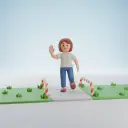 اِبْتَعِدْ عَن ibtaʿid ʿan Keep off the grass
مِن فَضْلِكُمْ اِبْتَعِدُوا عَنِ العُشْبِ. min faḍlikum ibtaʿidū ʿani l-ʿushb. Please keep off the grass.
-
 صَرَّافٌ آلِيّ ṣarrāf ālī ATM
أين الصراف الآلي؟ ayna aṣ-ṣarrāf al-ʾālī? Where is the ATM?
-
 حِسَاب مَصْرِفِيّ ḥisāb maṣrifī bank account
لديها حساب مصرفي. Ladayhā ḥisāb maṣrifiyy. She has a bank account.
-
 بِطَاقَة مَصْرِفِيَّة biṭāqa maṣrifiyya bank card
نستخدم دائماً بطاقة مصرفية. Nastakhdimu dā'iman biṭāqa maṣrifiyya. We always use a bank card.
-
 سَحَبَ نُقُوداً saḥaba nuqūdan withdraw cash
أسحب نقوداً كل أسبوع. asḥabu nuqūdan kulla usbūʿ. I withdraw cash every week.
-
 أَوْدَعَ awdaʿa deposit cash
تودع نقداً في أجهزة الصراف الآلي. tudi'u naqdan fi ajhizat as-sarraf al-ali. You deposit cash at ATMs.
-
 حَوَّلَ ḥawwala transfer money
يُحَوِّلُونَ أَمْوَالًا كُلَّ يَوْمٍ. yuḥawwilūna amwālan kulla yawm. They transfer money every day.
-
 تَوَازُن tawāzun balance
هي تتحقق من رصيد حسابها. Hiya tataḥaqqaq min raṣīd ḥisābihā. She checks her account balance.
-
 بَيَان bayān statement
أين كشف حسابك البنكي؟ Ayna kashfu ḥisābika l-bankī? Where is your bank statement?
-
 رَسْم rasm fee
هل تُوجَد رسوم على هذه المعاملة؟ Hal tūjad rusūm ʿalā hādhihi al-muʿāmalah? Does this transaction have a fee?
-
 رَسْمٌ إِضَافِيٌّ rasm iḍāfī surcharge
دفعت الرسم الإضافي بالفعل. Dafa'tu ar-rasm al-iḍāfī bil-fi'l. I already paid the surcharge.
-
 حِسَابُ تَوْفِير ḥisāb tawfīr savings account
فَتَحْنَا حساب توفير. Fataḥnā ḥisāba tawfīr. We opened a savings account.
-
 آمِن āmin safe
المال في الخزنة. al-maal fil-khaznah. The money is in the safe.
-
 أَرِيكَة arīka sofa
هذه الأريكة مريحة جداً. hāthihi l-arīkatu murīḥatun jiddan. This sofa is very comfortable.
-
 طَاوِلَة ṭāwila table
هل هذه طاولة جديدة؟ Hal hādhihi ṭāwila jadīda? Is this a new table?
-
 كُرْسِيّ kursī chair
يجلس فريد دائماً على الكرسي. yajlisu farīd dā'iman ʿalā al-kursiyy. Fred always sits in the chair.
-
 خِزَانَةُ مَلَابِس khizānat malābis wardrobe
خزانة الملابس مليئة بالملابس. Khizānat al-malābis malī'a bil-malābis. The wardrobe is full of clothes.
-
 رَفّ raff shelf
أحتاج إلى تنظيف رَفّي. aḥtāju ilā tanẓīfi raffī. I need to clean my shelf.
-
 ثَلَّاجَة thallāja fridge
الثلاجة تَحْفَظ الطعام باردًا. ath-thallāja taḥfaẓ aṭ-ṭaʿām bāridan. The fridge keeps food cold.
-
 مُجَمِّدَة mujammi-da freezer
المُجَمِّدَة ممتلئة. Al-mujammida mumtali'a. The freezer is full.
-
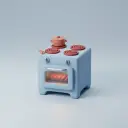 مَوْقِد mawqid stove
يستخدم الموقد غالباً. yastakhdim al-mawqid ghaliban. He uses the stove often.
Words 801–900
-
 فُرْن furn oven
هذا الفرن يصبح ساخناً جداً. Hadha al-furn yusbih sakhinan jiddan. This oven gets very hot.
-
 غَرِقَ ghariqa sink
الحوض مليء بالأطباق. al-ḥawḍ malīʾ bil-ʾaṭbāq. The sink is full of plates.
-
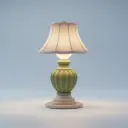 مِصْبَاح miṣbāḥ lamp
تستخدم أمي مصباحاً للقراءة. tastakhdimu ummī miṣbāḥan lil-qirā'ah. My mom uses a lamp for reading.
-
 سَلَّةُ نِفَايَات sallat nifāyāt trash bin
أَفْرَغَ دانيال سلة النفايات. Afragha Dānyāl sallata an-nifāyāt. Daniel emptied the trash bin.
-
 سَاعَة sāʿah clock
تُظْهِرُ السَّاعَةُ الوَقْتَ. tuẓhiru as-sāʿatu al-waqt. The clock shows the time.
-
 حَاسُوب ḥāsūb computer
أَسْتَخْدِمُ حَاسُوبًا لِلْعَمَلِ. astakhdimu ḥāsūban lil-ʿamal I use a computer for work.
-
 إِطَار iṭār frame
دَهَنَ الإِطَارَ الخَشَبِيَّ. dahana al-iṭāra al-khashabī He painted the wooden frame.
-
 مِذْيَاع midhyāʿ radio
أَنَا أَسْتَمِعُ بِالْمِذْيَاعِ. ana astamiʿu bil-midhyāʿ I listen to the radio.
-
 كَامِيرَا kāmīrā camera
اشْتَرَيْتُ كَامِيرَا جَدِيدَةً. ishtaraytu kāmīrā jadīdah. I bought a new camera.
-
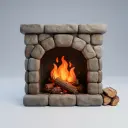 مِدْفَأَة midfa'a fireplace
تَشْتَعِلُ النَّارُ فِي الْمِدْفَأَةِ. tashta'ilu an-nāru fil-midfa'a The fire burns in the fireplace.
-
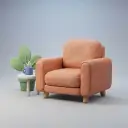 كُرْسِيّ مُرِيح kursī murīḥ armchair
يَسْتَرِيحُ هُوَ بِالْكُرْسِيِّ الْمُرِيحِ. yastarīḥu huwa bil-kursī al-murīḥ. He rests in the armchair.
-
 خِزَانَة khizāna cupboard
الأطباقُ في الخِزَانَةِ. al-’aṭbāqu fil-khizāna. The plates are in the cupboard.
-
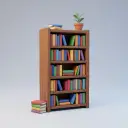 خِزَانَةُ كُتُب khizānat kutub bookcase
اشْتَرَى خِزَانَةَ كُتُبٍ جَدِيدَة. ishtara khizānata kutubin jadīdah He bought a new bookcase.
-
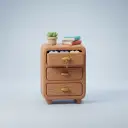 دُرْج durj drawer
المفاتيح في الدُّرْجِ. al-mafātīḥ fid-durj The keys are in the drawer.
-
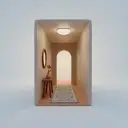 رُوَاق ruwāq hall
انْتَظَرْنَا فِي الرُّوَاقِ. intadharnā fir-ruwāq. We waited in the hall.
-
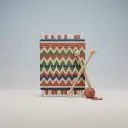 سِجَّادَة sijjāda rug
تَنَامُ القِطَّةُ عَلَى السِّجَّادَةِ. tanāmu al-qiṭṭatu ‘ala as-sijjāda. The cat sleeps on the rug.
-
 غُرْفَةُ الجُلُوس ghurfat al-juloos living room
هذه غرفة جلوسنا القديمة. Hādhihi ghurfatu julūsinā al-qadīmah. This is our old living room.
-
 غُرْفَةُ نَوْم ghurfat nawm bedroom
دهنوا غرفة النوم باللون الأزرق. Dahanū ghurfat an-nawm bil-lawn al-azraq. They painted the bedroom blue.
-
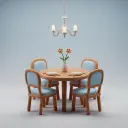 غُرْفَةُ الطَّعَام ghurfat aṭ-ṭaʿām dining room
نَحْنُ نَأْكُلُ بِغُرْفَةِ الطَّعَام. naḥnu na'kulu bighurfat aṭ-ṭaʿām We eat in the dining room.
-
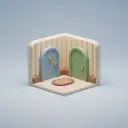 رُوَاق ruwāq hallway
ذلك الرواق طويل جداً. Dhalika ar-ruwaq tawil jiddan. That hallway is very long.
-
 شُرْفَة shurfa balcony
تُوَفِّر شُرْفَة إطلالات على المدينة. Tuwaffir shurfa iṭlālāt ʿalā al-madīna. A balcony offers city views.
-
 حَدِيقَة ḥadīqah garden
حديقته جميلة جداً. ḥadīqatuhu jamīla jiddan. His garden is very beautiful.
-
 سَاحَة sāḥah yard
يلعب الأطفال في الساحة. yalʿabu al-ʾaṭfālu fī as-sāḥa. The kids are playing in the yard.
-
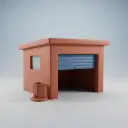 مِرْآب mir’āb garage
باب المِرْآب يُغْلَق تلقائياً. bāb al-mir'āb yughlaq tilqā'iyyan. The garage door closes automatically.
-
 قَبْو qabw basement
هذا القبو نظيف جداً. hadha al-qabw nadhif jiddan. This basement is very clean.
-
 سَقْف saqf ceiling
طلينا السقف باللون الأبيض. Talayna as-saqf bil-lawn al-abyad. We painted the ceiling white.
-
 سَطْح saṭḥ roof
ذلك السطح يبدو قديماً. dhālika s-saṭḥ yabdū qadīman. That roof looks old.
-
 جِدَار jidār wall
دَهَنَ الجِدَارَ بِاللَّوْنِ الأَزْرَقِ. Dahana al-jidāra bil-lawni al-azraq. He painted the wall blue.
-
 نَظِيف naẓīf clean
هي تريد بيتاً نظيفاً. Hiya turīdu baytan naẓīfan. She want a clean home.
-
 غَسَلَ ghasala wash
سأغسل الأطباق الآن. sa'aghsil al-'atbaq al-'an. I will wash dishes now.
-
 طَبَخَ tabakha cook
يَطْبُخُونَ العشاء كل ليلة. yaṭbukhūna al-ʿashā' kulla layla. They cook dinner every night.
-
 غَلَى ghalā boil
أنت تَغْلِي الماء للشاي. Anta taghlī al-mā'a lish-shāy. You boil water for tea.
-
 قَلَى qalā fry
هل تقلي طعامك غالباً؟ Hal taqlee ta'aamaka ghaaliban? Do you fry your food often?
-
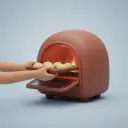 خَبَزَ khabaza bake
تَخْبِزُ الخبز اليوم. Takhbizu al-khubza al-yawm. She bakes bread today.
-
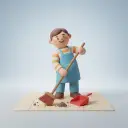 كَنَسَ kanasa sweep
أَكْنِسُ الأرض بشكل أسرع. aknusu l-arḍa bishaklin asraʿa. I sweep the floor faster.
-
 مِمْسَحَة mimsāḥa mop
يَسْتَخْدِمُ عَامِلُ النَّظَافَةِ المِمْسَحَةَ. Yastakhdimu ʿāmilu n-naẓāfati l-mimsaḥa. The cleaner uses the mop.
-
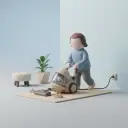 فَرَاغ farāgh vacuum
نَكْنِسُ غُرْفَةَ الْمَعِيشَةِ بِالْمِكْنَسَةِ الْكَهْرَبَائِيَّةِ. Naknisu ghurfat al-maʿīshah bil-miknasah al-kahrabā'iyyah. We vacuum the living room.
-
 غُبَار ghubār dust
تمسح الغبار. tamsaḥ al-ghubār. She wipes away the dust.
-
 سَقَى saqā to water
يَسْقُونَ الحديقة أسبوعياً. yasqūna al-ḥadīqata usbūʿiyyan. They water the garden weekly.
-
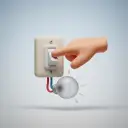 أَطْفَأَ atfa'a switch off
هل يمكنك أن تطفئ الأنوار؟ Hal yumkinuka an tuṭfi'a al-anwār? Can you turn off the lights?
-
 صَبَّ ṣabba pour
تَصُبُّ الماءَ في الكوبِ. taṣubbu al-mā'a fī al-kūb She pours water into the cup.
-
 حَرَّكَ ḥarraka stir
أُحَرِّكُ الحَساءَ الساخِن. uḥarriku al-ḥasā’a as-sākhin I stir the hot soup.
-
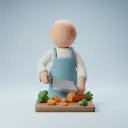 قَطَّعَ qaṭṭaʿa chop
يُقَطِّعُ الرَّجُلُ الخَشَبَ. yuqaṭṭiʿu ar-rajulu al-khashaba. The man chops the wood.
-
 غَمَسَ ghamasa dip
تَغْمِسُ القِطْعَةَ مِنَ القُمَاشِ فِي المَاءِ. taghmisu al-qit'ata minal-qumashi fil-ma'. She dips the cloth in water.
-
 قَشَّرَ qashshara peel
تُقَشِّرُ البُرْتُقَالَةَ. tuqashshiru l-burtuqālah She peels the orange.
-
 بَشَرَ bashara grate
تَبْشُرُ الخُضْرَاوَاتِ لِتَحْضِيرِ السَّلَطَةِ. tabshuru al-khudrawāti litahḍīri as-salaṭah. She grates the vegetables.
-
 حَرَارَة ḥarāra heat
أَشْعُرُ بِالْحَرَارَةَ النَّاتِجَةِ عَنِ النَّارِ. ash'uru bil-ḥarārati an-nātijati 'an an-nār. I feel the heat from the fire.
-
 خَلَطَ khalaṭa mix
أخلطُ الملحَ والماءَ. akhluṭu al-milḥa wal-mā'. I mix the salt and water.
-
 يدهن yadhun spread
تدهن الزبدة على الخبز. Tadhun az-zubda ʿalā al-khubz. She spreads butter on the bread.
-
 أَذَابَ adhāba melt
الشمس تُذِيبُ الجليد. ash-shamsu tudhību al-jalīd The sun melts the ice.
-
 قَاسَ qāsa measure
أَقِيسُ الْحَبْلَ الطَّوِيلَ. aqīsu l-ḥabla t-ṭawīl I measure the long rope.
-
 مَلَأَ mala'a fill
أَمْلَأُ الكُوبَ بِالمَاءِ. amla'u al-kūba bil-mā'. I fill the cup with water.
-
 غَسَّالَة ghassāla washing machine
هذه الغسالة نظيفة. hadhihi l-ghassālatu naẓīfa. This washing machine is clean.
-
 مُجَفِّف mujaffif dryer
المُجَفِّف ساخن جداً. al-mujaffif saakhin jiddan. The dryer is very hot.
-
 مُنَظِّف munazzif detergent
نحتاج إلى المزيد من المنظف الآن. Naḥtāj ilā l-mazīd min al-munaẓẓif al-ān. We need more detergent now.
-
 مُنَعِّمُ الأَقْمِشَة munaʿʿim al-aqmisha fabric softener
هي تستخدم مُنَعِّم الأَقْمِشَة دائماً. hiya tastakhdimu munaʿʿim al-aqmisha dā'iman. She uses fabric softener always.
-
 بُقْعَة buq'ah stain
متى تلطخت بهذه البقعة؟ Mata talattaxta bi-hadhihi l-buqʿa? When did you get this stain?
-
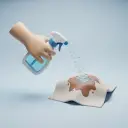 مُزِيلُ بُقَع muzeel buqaʿ stain remover
مُزِيل البقع هذا يعمل بشكل جيد. muzīl al-buqaʿ hādhā yaʿmal bi-shakl jayyid. This stain remover works well.
-
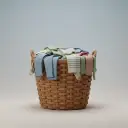 سَلَّة غَسِيل sallat ghasīl laundry basket
نحتاج إلى سلة غسيل. naḥtāj ilā sallat ghasīl. We need a laundry basket.
-
 عَلَّاقَة ʿallāqa hanger
لا أستطيع العثور على علاقة المعطف. lā astaṭīʿ al-ʿuthūr ʿalā ʿallāqat al-miʿṭaf. I can not find the coat hanger.
-
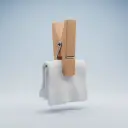 مِشْبَكُ غَسِيل mishbak ghasīl clothespin
هل تستخدم مشابك الغسيل؟ Hal tastakhdim mashaabik al-ghaseel? Do you use clothespins?
-
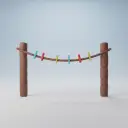 حَبْلُ غَسِيل ḥabl ghasīl clothesline
يحمل حبل الغسيل هذا الملابس المبللة. yaḥmil ḥabl al-ġasīl hādhā al-malābis al-muballala. This clothesline holds wet laundry.
-
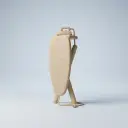 طَاوِلَةُ مِكْوَاة ṭāwilat mikwāh ironing board
طاولة المكواة تعترض الطريق. ṭāwilat al-mikwāh taʿtariḍ aṭ-ṭarīq. The ironing board is in the way.
-
 حَدِيد ḥadīd iron
تَسْتَخْدِمُ مكواة ساخنة على ملابسها. Tastakhdimu mikwātan sākhinatan ʿalā malābisihā. She uses a hot iron on her clothes.
-
 مَكْسُور maksūr broken
للأسف، تلك اللعبة مكسورة. Lil'asaf, tilka al-lu'ba maksūra. Unfortunately, that toy is broken.
-
 أَصْلَحَ aṣlaḥa fix
نُصْلِحُ الأشياء المكسورة هنا. Nuṣliḥu al-ashyā' al-maksūrah hunā. We fix broken things here.
-
 نَقَرَ naqara tap
لا يزال صنبورنا يسرب. Lā yazālu ṣunbūrunā yusarrib. Our tap is still leaking.
-
 تَسَرَّبَ tasarraba leak
إنهم يصلحون التسرب أخيراً. Innahum yuṣliḥūna at-tasarrub akhīran. They are finally fixing the leak.
-
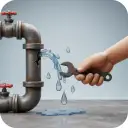 أُنْبُوب unbūb pipe
أستطيع أن أرى الأنبوب. Astaṭīʿu an arā al-unbūb. I can see the pipe.
-
 أَصْلَحَ aṣlaḥa repair
هل تعرف كيف تُصْلِحَهُ؟ Hal taʿrif kayfa tuṣliḥahu? Do you know how to repair it?
-
 سَبَّاك sabbāk plumber
اتَّصَلَت بِالسَّبَّاك اليَوْم. Ittaṣalat bis-sabbāk al-yawm. She called the plumber today.
-
 كَهْرَبَائِيّ kahrabāʾī electrician
وظفوا كهربائياً. Waẓẓafū kahrabā'iyyan. They hired an electrician.
-
 صَهَرَ ṣahara fuse
هذا المنصهر يحمي الدائرة الكهربائية. Hādhā al-munṣahir yaḥmī ad-dā'ira al-kahrabā'iyya. This fuse protects the circuit.
-
 مِصْبَاحٌ كَهْرَبَائِيّ miṣbāḥ kahrabā'ī light bulb
هل لدينا مصباح كهربائي آخر؟ Hal ladaynā miṣbāḥ kahrabā'iyy ākhar? Do we have another light bulb?
-
 اِسْتَبْدَلَ istabdala replace
نَسْتَبْدِل الإطارات القديمة. nastabdil al-iṭārāt al-qadīmah. We replace old tires.
-
 صِيَانَة ṣiyānah maintenance
يقومون بصيانة دورية. Yaqūmūna bi-ṣiyāna dawriyya. They do regular maintenance.
-
 قَصَّةُ شَعْر qaṣṣat shaʿr haircut
أحتاج إلى قصة شعر قريباً. aḥtāju ilā qaṣṣati shaʿr qarīban. I need a haircut soon.
-
 عِطْر ʿiṭr perfume
تُحِبّ ذلك العطر. Tuḥibbu dhālika l-ʿiṭr. She likes that perfume.
-
 شامْبُو shāmbū shampoo
هل عندك شامبو آخر؟ Hal ʿindaka shāmbū ākhar? Do you have another shampoo?
-
 صَابُون ṣābūn soap
يجب أن تغتسل بالصابون. yajibu an taghtasila bi-ṣ-ṣābūn. You should wash with soap.
-
 فُرْشَاةُ أَسْنَان furshāt asnān toothbrush
كم عمر فرشاة أسنانك؟ Kam ʿumru furshāti ʾasnānik? How old is your toothbrush?
-
 مَعْجُونُ أَسْنَان maʿjūn asnān toothpaste
هذا أفضل معجون أسنان. Hādhā afḍal maʿjūn asnān. This is the best toothpaste.
-
 مِنْشَفَة minshafa towel
تُوجد مناشف نظيفة على الرف. tūjad manāshif naẓīfa ʿalā ar-raff. Clean towels are on the shelf.
-
 شَفْرَة shafrah razor
أستخدم شفرة جديدة في كل مرة. astakhdimu shafrah jadīdah fī kulli marrah. I use a new razor everytime.
-
 مُشْط musht comb
تستخدم مشطاً يومياً. Tastakhdimu mushṭan yawmiyyan. She uses a comb daily.
-
 مِرْآة mir'āh mirror
هل نظّفت المرآة أمس؟ Hal naẓẓafta al-mir'āh ams? Did you clean the mirror yesterday?
-
 مُزِيلُ عَرَقٍ muzīl ʿaraq deodorant
أحتاج إلى مزيل عرق كل يوم. aḥtāju ʾilā muzīl ʿaraq kulla yawm. I need deodorant every day.
-
 جِل الِاسْتِحْمَام jil al-istiḥmām shower gel
جل الاستحمام هذا رائحته جميلة. jil al-istiḥmām hādhā rā'iḥatuhu jamīlah. This shower gel smells nice.
-
 رَأْس ra's head
من فضلك احمِ رأسك. Min fadlak ihmi ra'sak. Please protect your head.
-
 وَجْه wajh face
تغسل وجهك كل صباح. taghsilu wajhaka kulla ṣabāḥ. You wash your face every morning.
-
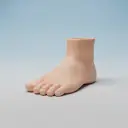 قَدَم qadam foot
هل تستطيع أن تلمس قدمك؟ hal tastaṭīʿu an talmisa qadamak? Can you touch your foot?
-
 عَيْن ʿayn eye
لَدَيْكَ عَيْنَانِ جَمِيلَتَان. Ladayka ʿaynāni jamīlatān. You have beautiful eyes.
-
 ذِرَاع dhiraaʿ arm
كَسَرَ ذراعه أمس. Kasara dhiraa'ahu ams. He broke his arm yesterday.
-
 أَنْف anf nose
من لديه الأنف الأكبر؟ Man ladayhi al-anfu al-akbar? Who has the bigger nose?
-
 فَم fam mouth
وضعت الحلوى في فمها. Waḍaʿat al-ḥalwā fī famihā. She put the candy in her mouth.
-
 أَسْنَان asnān teeth
يُنَظِّفُونَ أَسْنَانَهُمْ يَوْمِيًّا. yunaẓẓifūna asnānahum yawmiyyan. They brush their teeth daily.
-
 يَد yad hand
غسل اليدين مهم جداً. ghasl al-yadayn muhimm jiddan. Washing hands is very important.
-
 أُذُن udhun ear
هل لهذا الحيوان آذان؟ Hal li-hādhā l-ḥayawān ādhān? Does this animal have ears?
-
 رِجْل rijl leg
هل تؤلمك رِجْلُكَ؟ Hal tu'limuka rijluka? Does you leg hurt?
-
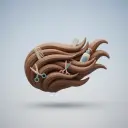 شَعْر shaʿr hair
كم مرة تُمَشِّط شعرك؟ Kam marra tumashshiṭ sha'rak? How often do you brush your hair?
Words 901–1000
-
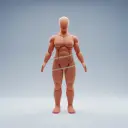 جِسْم jism body
لَدَى الرَّجُلِ جِسْمٌ قَوِيٌّ. Lada ar-rajuli jismun qawiyy. The man has a strong body.
-
 اِبْتَسَمَ ibtasama smile
الطِّفْلُ يَبْتَسِمُ لِي. aṭ-ṭiflu yabtasimu lī. The child smiles at me.
-
 ظَهْر ẓahr back
لَمَسَ ظَهْرِي. lamasa ẓahrī. He touched my back.
-
 رَقَبَة raqabah neck
لَمَسَتْ رَقَبَتَهَا. lamasat raqabataha. She touched her neck.
-
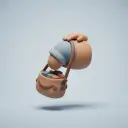 كَتِف katif shoulder
لَمَسَ الطَّبِيبُ كَتِفِي. lamasa aṭ-ṭabību katifī. The doctor touched my shoulder.
-
 مَعِدَة maʿida stomach
مَعِدَتِي تُؤْلِمُنِي. maʿidatī tuʾlimunī. My stomach hurts.
-
 صَدْر ṣadr chest
شعر بألم في صدره. sha‘ara bi-’alam fī ṣadrihi He felt pain in his chest.
-
 شَفَة shafah lip
لَمَسَ الوَلَدُ شَفَتَهُ. lamasa al-waladu shafatahu. The boy touched his lip.
-
 لِسَان lisān tongue
أَحْرَقَ الحَسَاءُ السَّاخِنُ لِسَانِي. aḥraqa al-ḥasā’u as-sākhinu lisānī The hot soup burned my tongue.
-
 حَلْق ḥalq throat
حَلْقي جافٌّ جِدّاً. ḥalqī jāffun jiddan. My throat is very dry.
-
 شَارِب shārib mustache
أبي لديه شَارِبٌ كثيف. Abī ladayhi shāribun kathīf. My father has a mustache.
-
 لِحْيَة liḥya beard
لِلرَّجُلِ لِحْيَةٌ طَوِيلَةٌ. lir-rajuli liḥyatun ṭawīla. The man has a long beard.
-
 إِصْبَع iṣbaʿ finger
أَمْسَكَ الطِّفْلُ بِإِصْبَعِي. amsaka aṭ-ṭiflu bi-iṣbaʿī The baby grabbed my finger.
-
 إِبْهَام ibhām thumb
أشارَ بِإِبْهَامِهِ. ashāra bi-ibhāmihi He pointed with his thumb.
-
 إِصْبَعُ القَدَم iṣbaʿ al-qadam toe
أصبتُ بإصبع قدمي. aṣabtu bi-iṣbaʿ qadamī I hurt my toe.
-
 رُكْبَة rukbah knee
ثَنَى رُكْبَتَهُ اليُمْنَى. thana rukbatahu al-yumna. He bent his right knee.
-
 مِرْفَق mirfaq elbow
فحص الطبيب مِرْفَقِي. faḥaṣa aṭ-ṭabību mirfaqī The doctor examined my elbow.
-
 مِعْصَم miʿṣam wrist
أصبتُ بِمِعْصَمِي. aṣabtu bi-miʿṣamī I hurt my wrist.
-
 كاحِل kāḥil ankle
أَصَابَتْ كاحِلَها في الحادث. aṣābat kāḥilaha fil-ḥādith. She hurt her ankle.
-
 كَفّ kaff palm
فَتَحَتْ كَفَّها. fataḥat kaffahā She opened her palm.
-
 عَقِب ʿaqib heel
عَضَّ الكَلْبُ عَقِبِي. ʿaḍḍa al-kalbu ʿaqibī. The dog bit my heel.
-
 وَرِك warik hip
يُؤْلِمُنِي وَرِكِي الأَيْسَر. yu'limunī warikī al-aysar My left hip hurts.
-
 خَصْر khaṣr waist
رَبَطَ حَبْلًا حَوْلَ خَصْرِهِ. rabaṭa ḥablan ḥawla khaṣrihi. He tied a rope around his waist.
-
 عَضَلَة ʿaḍala muscle
عَضَلَةُ سَاقِي تُؤْلِمُنِي. ʿaḍalatu sāqī tuʾlimunī. My leg muscle hurts.
-
 تَمَرَّنَ tamarrana exercise
هذا تمرين لياقة بدنية رائع. hādhā tamrīn liyāqa badaniyya rā'iʿ. This is an amazing fitness exercise.
-
 صَالَةُ أَلْعَابٍ رِيَاضِيَّة ṣālat 'alʿāb riyāḍiyya gym
هل تَذْهَب إلى صالة الألعاب الرياضية؟ Hal tadhhab ilā ṣālat al-alʿāb ar-riyāḍiyyah? Do you go to the gym?
-
 تَمْرِين tamrīn workout
التمرين المنتظم يُحافِظ على صحتك. at-tamrīn al-muntaẓam yuḥāfiẓ ʿalā ṣiḥḥatik. Regular workout keeps you healthy.
-
 أَحْمَى aḥmā warm up
هذا يساعد على إحماء العضلات. Hādhā yusāʿidu ʿalā iḥmāʾ al-ʿaḍalāt. This helps warm up muscles.
-
 تَمَدَّدَ tamaddada stretch
أَتَمَدَّدُ كل صباح. atamaddadu kull ṣabāḥ. I stretch every morning.
-
 رَكَضَ rakaḍa run
يركضون بسرعة كبيرة. yarkuḍūna bi-surʿatin kabīrah. They run very fast.
-
 مَشَى masha walk
تحب أن تمشي في المساء. Tuḥibbu an tamshiya fī al-masā'. She likes to walk in the evening.
-
 رَفَعَ الأَثْقَالَ rafaʿa al-athqāl lift weights
رَفْعُ الأَثْقَالِ يُنَمِّي عَضَلَاتِكَ. Raf'u al-athqaali yunammi 'adalaatik. Lifting weights grows your muscles.
-
 اليُوغَا al-yūghā yoga
اليُوغَا مُهَدِّئَةٌ جِدّاً. al-yūghā muhaddi'ah jiddan. Yoga feels very calming.
-
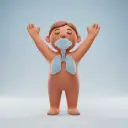 تَنَفَّسَ tanaffasa breathing
نُمَارِسُ التَّنَفُّسَ بِعُمْق. Numārisu at-tanaffusa bi-ʿumq. We practice breathing deeply.
-
 حَافَظَ عَلَى لِيَاقَتِهِ ḥāfaẓa ʿala liyāqatihi keep fit
أُحَافِظُ على لياقتي بالجري. Uḥāfiẓu ʿalā liyāqatī bil-jary. I keep fit by running.
-
 يَوْمُ رَاحَة yawm rāḥa rest day
تحتاج إلى يوم راحة. Taḥtāj 'ilā yawm rāḥah. She needs a rest day.
-
 خَرَجَ kharaja to go out
نخرج عادةً أيام الجمعة. nakhruju ʿādatan ayyām al-jumuʿa. We usually go out on Fridays.
-
 مَلْهَىً لَيْلِيٌّ malhā laylī nightclub
المَلْهَى اللَّيْلِيّ مُمْتَلِئ بَعْدَ مُنْتَصَف اللَّيْل. al-malha al-layliyy mumtali' ba'da muntasaf al-layl. The nightclub is full after midnight.
-
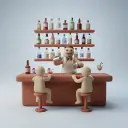 قَضِيب qaḍīb bar
لِنَلْتَقِ فِي الحَانَةِ لاحقاً. Linaltaqi fī al-ḥānati lāḥiqan. Let’s meet at the bar later.
-
 سِيجَارَة sījāra cigarette
هو في الخارج، يدخن سيجارة. Huwa fil-khārij, yudakhkhin sījāra. He is outside, smoking a cigarette.
-
 مِنْفَضَة minfaḍa ashtray
من فضلك استخدم المنفضة. Min faḍlika stakhdim al-minfaḍah. Please use the ashtray.
-
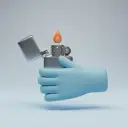 أَخَفّ akhaff lighter
هل عندك ولاعة؟ Hal ʿindaka wallāʿa? Do you have a lighter?
-
 كُحُول kuḥūl alcohol
هي لا تشرب الكحول كثيراً. hiya lā tashrab al-kuḥūl kathīran. She doesn’t drink alcohol very often.
-
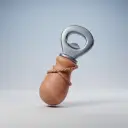 فَتَّاحَةُ زُجَاجَات fattaahat zujaajaat bottle opener
نَحْتَاج إلى فتاحة زجاجات لهذا. Naḥtāju 'ilā fattāḥat zujājāt li-hādhā. We need a bottle opener for this.
-
 رَقَصَ raqasa dance
أصدقائي يريدون دائماً أن يرقصوا. asdiqa'i yuriduna da'iman an yarqusu. My friends always want to dance.
-
 سَكْرَان sakrān drunk
هو سَكْرَان، لذلك يمشي إلى البيت. Huwa sakrān, lidhālika yamshī ilā al-bayt. He is drunk, so he walks home.
-
 حَقِيبَةُ يَد ḥaqībat yad handbag
هاتفها داخل حقيبة اليد الحمراء. Hātifuhā dākhila ḥaqībat al-yad al-ḥamrā'. Her phone is inside the red handbag.
-
 مُغَنٍّ mughannin singer
كان المغني رائعاً الليلة. kāna al-mughannī rā'iʿan al-layla. The singer was awesome tonight.
-
 عَطْسَة ʿaṭsah sneeze
كانت تلك العطسة عالية جداً. kānat tilka l-ʿaṭsa ʿāliya jiddan. That sneeze was very loud.
-
 عَضَلَاتٌ مُتَأَلِّمَة ʿaḍalāt mutaʾallima sore muscles
سَبَّبَ تدريبي عضلات متألمة. sabbaba tadrībī ʿaḍalāt mutaʾallimah. My training caused sore muscles.
-
 تَشَنُّج tashannuj cramp
تشنجات الساق هي الأسوأ. tashannujāt as-sāq hiya al-aswa'. Leg cramps are the worst.
-
 تَصَلُّبُ الرَّقَبَة taṣallub ar-raqaba stiff neck
كيف أعالج تصلب الرقبة هذا؟ kayfa uʿālij taṣallub ar-raqaba hādhā? How do I fix this stiff neck?
-
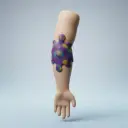 كَدْمَة kadma bruise
عندي كدمة كبيرة. ʿindī kadma kabīra. I have a big bruise.
-
 أَلَمٌ فِي المَعِدَة alam fi al-ma'ida stomach ache
أَصَابَنِي ألم في المعدة أمس. aṣābanī alamun fī al-maʿidah ams. I got a stomach ache yesterday.
-
 أَلَمُ أَسْنَان alam asnan toothache
ذلك ألم أسنان شديد. Dhalika alam asnan shadid. That is a bad toothache.
-
 أَلَمُ الظَّهْرِ alam az-zahr back pain
تعاني جدتي من أَلَمِ الظَّهْرِ اليوم. tuʿānī jaddatī min alami ẓ-ẓahri al-yawm. Grandma has back pain today.
-
 أَلَمُ أُذُن alam udhun earache
لديه ألم أذن الآن. Ladayhi alamu udhunin al-aan. He has an earache now.
-
 إِرْهَاق irhāq exhaustion
يمكن أن يسبب عملك الإرهاق. yumkin an yusabbiba ʿamaluka al-irhāq. Your job can cause exhaustion.
-
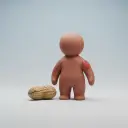 حَسَاسِيَّة ḥasāsiyya allergy
تكون حساسيتي في أسوأ حالاتها في الربيع. takūn ḥasāsiyatī fī aswa' ḥālātihā fi r-rabīʿ. My allergy is the worst in spring.
-
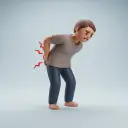 يُؤْلِمُ yu'limu It hurts here.
يُؤْلِمُنِي هُنَا. yu'limunī hunā. It hurts here.
-
 بَكَى bakā cry
الطِّفْلُ الحَزِينُ يَبْكِي. aṭ-ṭiflu l-ḥazīnu yabkī. The sad child is crying.
-
 سَقَطَ saqaṭa fall
تَسْقُطُ الفاكهةُ من الشجرة. tasquṭu al-fākihatu min ash-shajarah The fruit falls from the tree.
-
 مَرِيض marīḍ ill
الطِّفْلُ مَرِيضٌ جِدّاً. aṭ-ṭiflu marīḍun jiddan The child is very ill.
-
 بِخَيْر bikhayr fine
أَشْعُرُ أَنَّنِي بِخَيْر اليَوْم. ash'uru annani bikhayr al-yawm. I feel fine today.
-
 قَطَعَ qaṭaʿa cut
هِيَ تَقْطَعُ الخُبْزَ. hiya taqṭaʿu l-khubz She cuts the bread.
-
 ضِمَادَة ḍimādah bandage
وَضَعَ ضِمَادَةً عَلَى الجُرْحِ. waḍaʿa ḍimādatan ʿala-l-jurḥ He put a bandage on the wound.
-
 يَحْتَرِقُ yaḥtariqu burn
الخشب الجاف يَحْتَرِقُ بسرعة. al-khashab al-jāf yaḥtariqu bi-sur'a. The dry wood burns quickly.
-
 خَدَشَ khadasha scratch
خَدَشَتِ القِطَّةُ ذِراعي. khadashat il-qiṭṭatu dhiraa'ee The cat scratched my arm.
-
 صَدَمَ ṣadama bump
صَدَمْتُ رَأْسِي بِالْبَابِ. ṣadamtu ra'sī bil-bāb. I bumped my head.
-
 نُدْبَة nudba scar
لَمَسَ النُّدْبَةَ القَدِيمَةَ. lamasa an-nudbata al-qadeemah He touched the old scar.
-
 تَعَافَى ta'āfā recover
تَعَافَى مِنَ المَرَضِ تَمَاماً. ta'āfā minal-maraḍi tamāman. He recovered from the illness.
-
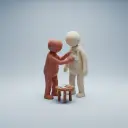 يَلْتَئِمُ yalta'im heal
الجُرْحُ العَميقُ سَيَلْتَئِمُ. al-jurḥu al-ʿamīqu sayalta'im. The deep wound will heal.
-
 انْقِطَاعُ التَّيَّارِ الكَهْرَبَائِيِّ inqiṭāʿ at-tayyār al-kahrabāʾī blackout
لحسن الحظ، كان انقطاع التيار الكهربائي قصيراً. li-ḥusn al-ḥaẓ, kāna inqiṭāʿ at-tayyār al-kahrabā'iyy qaṣīran. Luckily, the blackout was brief.
-
 قَابِس qābis plug
نسي أن يُوَصِّلَ شاحن الحاسوب المحمول. Nasiya an yuwaṣṣila shāḥina al-ḥāsūbi al-maḥmūl. He forgot to plug in the laptop charger.
-
 مَقْبِس maqbis socket
وصلت هاتفها بمقبس الحائط. waṣṣalat hātifahā bi-maqbis al-ḥā'iṭ. She plugged her phone into the wall socket.
-
 وُصْلَةُ كَهْرَبَاء wuṣlat kahrabā' extension cord
وصلة الكهرباء هذه طويلة. Wuṣlat al-kahrabāʾ hādhihi ṭawīlah. This extension cord is long.
-
 وُصْلَةُ كَهْرَبَاء wuṣlat kahrabā' power strip
وَصَّلَتْ حاسوبها بوصلة الكهرباء. Waṣṣalat ḥāsūbahā bi-wuṣlat al-kahrabāʾ. She connected her computer to the power strip.
-
 مُحَوِّلُ قَابِس muḥawwil qābis adapter plug
تحتاج إلى محول قابس. taḥtāju 'ilā muḥawwil qābis. You need an adapter plug.
-
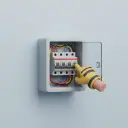 صُنْدُوقُ المَصَاهِر ṣundūq al-maṣāhir fuse box
صندوق المصاهر معطل. ṣundūq al-maṣāhir muʿaṭṭal. The fuse box is broken.
-
 قَاطِعُ التَّيَّارِ qāṭiʿ at-tayyār circuit breaker
فَصَلَ قاطع التيار أثناء العاصفة. faṣala qāṭiʿu t-tayyāri athnā'a l-ʿāṣifati. The circuit breaker turned off during the storm.
-
 جُهْد juhd voltage
يبدو هذا الجهد منخفضاً جداً. Yabdu hadha al-juhdu munkhafidan jiddan. This voltage seems very low.
-
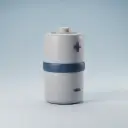 بَطَّارِيَّة baṭṭāriyya battery
تُشغِّل بطارية المصباح اليدوي. Tushaghghil baṭṭāriyya al-miṣbāḥ al-yadawī. A battery powers the flashlight.
-
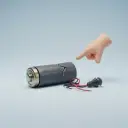 بَطَّارِيَّة فَارِغَة baṭṭāriyya fārigha dead battery
نحتاج إلى شحن البطارية الفارغة. naḥtāj ʾilā shaḥn al-baṭṭāriyya al-fārigha. We need to charge the dead battery.
-
 اسْتَبْدَلَ istabdala replace the battery
أنت تستبدل البطارية كثيراً. Anta tastabdilu al-baṭṭāriyyata kathīran. You replace the battery often.
-
 كَهْرَبَاء kahrabaa' electricity
نحتاج إلى الكهرباء للإضاءة. naḥtāju ilā al-kahrabā' li-l-iḍā'a. We need electricity for light.
-
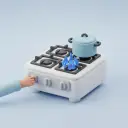 غَاز ghāz gas
مَلَأَت رائحة الغاز المطبخ. Mala'at rā'iḥat al-ghāz al-maṭbakh. The smell of gas filled the kitchen.
-
 مَوْعِدٌ نِهَائِيّ mawʿid nihāʾī due date
يرجى التحقق من تاريخ الاستحقاق على الفاتورة. yurja at-tahaqquq min ta'rikh al-istiḥqaq 'ala al-fatura. Please check the due date on the bill.
-
 تَسْخِين taskhīn heating
هل يمكنك تشغيل التدفئة؟ Hal yumkinuka tashghīl at-tadfi'ah? Can you turn the heating on?
-
 إِنْتِرْنِت intirnit internet
يستخدمون الإنترنت يومياً. yastakhdimūna al-intarnit yawmiyyan. They use the internet daily.
-
 فَاتُورَة fātūra bill
ما هو تاريخ استحقاق فاتورة المياه؟ Mā huwa tārīkh istiḥqāq fātūrat al-miyāh? What’s the due date for the water bill?
-
 فَنِّيّ fanniyy technician
جاء فني لفحص الخط. Jā'a fanniyy li-faḥṣ al-khaṭṭ. A technician came to check the line.
-
 مُوَوِّد muwarrid supplier
أرسل المُوَرِّد عقداً جديداً. arsala al-muwarrid ʿaqdan jadīdan. The supplier sent a new contract.
-
 عَقْد ʿaqd contract
انتهى العقد. Intaha al-ʿaqd. The contract has expired.
-
 مُزَوِّد muzawwid provider
غَيَّرْتُ مُزَوِّدَ الإنترنت الخاص بي. Ghayyartu muzawwida al-intarnit al-khass bi. I changed my internet provider.
-
 رَقْمُ الحِسَاب raqm al-ḥisāb account number
ما هو رقم حسابي؟ Mā huwa raqmu ḥisābī? What is my account number?
-
 خِدْمَةُ العُمَلَاءِ khidmatu l-ʿumala' customer service
نُقَدِّمُ خدمة عملاء ممتازة. Nuqaddimu khidmat ʿumalāʾ mumtāza. We offer great customer service.
-
 نَمُوذَج namūdhaj form
يَحْتَاجُ إلى نموذج مطبوع. Yaḥtāju ʾilā namūdhaj maṭbūʿ. He needs a printed form.
-
 تَوْقِيع tawqīʿ signature
هل سيكون توقيعي كافياً؟ Hal sayakūnu tawqīʿī kāfiyan? Is my signature going to be enough?
-
 جَوَاز سَفَر jawāz safar passport
هل فقدت جواز سفرك؟ Hal faqadta jawāza safarik? Did you lose your passport?
-
 تَأْشِيرَة ta'shīra visa
تلك الدولة تتطلب تأشيرة. Tilka ad-dawla tatatallab ta'shīra. That country requires a visa.
Free for personal and classroom use.
Quick quiz
Five questions from the first 100 words.
Make these words stick
The app brings each word back right before you’d forget it. Free on iPhone and Android.
More Arabic
Arabic words by topic
- Numbers1–100
- Ordinal Numbers12
- Days of the week12
- Months12
- Colors19
- Family members36
- Body parts24
- Food44
- Animals36
- Clothes41
- Weather24
- Greetings12
- Fruits16
- Vegetables12
- Kitchen36
- Restaurant & ordering food48
- Money25
- Rooms in the house48
- Jobs & professions36
- Emotions & feelings36
- School supplies & classroom48
- Transportation48
- Travel60
- Directions48
- Prepositions18
- Places in town48
- At the doctor36
- Sports & games60
- Hobbies36
- Musical instruments12
- Nature & plants36
- Planets & space24
- Time36
- Holidays & celebrations12
- Shapes12
- Please & thank you24
- Small talk36
Word lists
Alphabet
Learn these 1,000 Arabic words in order.
The app teaches them 12 at a time, with pictures and audio, and brings each one back before you forget it. Free on iPhone and Android.
Scan with your phone's camera to get the app.
