












 The 100 Most Common Arabic Words
Each word with a picture, native audio and an example sentence with its English translation. Tap a speaker to hear the word or the sentence.

Learn all 100 words in the app
Pictures, native audio, and each word comes back right before you’d forget it. Free on iPhone & Android.

 Scan with your phone camera
 Your PDF is downloading
Printing is step one. Flashcardly makes the words stick: it brings each one back right before you’d forget it, with native audio.
How this list is ranked
This is the Flashcardly Arabic course in order: by frequency and everyday usefulness, with input from language teachers. It is not a raw corpus count, which is why words like “the” and “of” are not padding the top of the list, while “man” comes in at #13.
The list
Tap a picture to hear it.
-
 مَرْحَبًا marḥaban Hello
مَرْحَبًا، كيف حالك؟ Marḥaban, kayfa ḥāluka? Hello, how are you?
-
 أَهْلًا وَسَهْلًا ahlan wa-sahlan Welcome
أهلًا وسهلًا بكم في بيتنا. ahlan wa-sahlan bikum fī baytinā. Welcome to our home.
-
 صَبَاحُ الخَيْر ṣabāḥ al-khayr Good morning
صباح الخير! ṣabāḥ al-khayr! Good morning!
-
 نَعَمْ na'am yes
نعم، أفهم. naʿam, afham. Yes, I understand.
-
 مَسَاءُ الخَيْر masa' al-khayr Good evening
مَسَاءُ الخَيْر! masā' al-khayr! Good evening!
-
 لَا lā no
قالَتْ لَا. Qaalat laa. She said no.
-
 مَعَ السَّلَامَة maʿa as-salāma Goodbye
مع السلامة يا آنا! maʿa as-salāma yā Ānā! Goodbye, Anna!
-
 نَهَارُكَ سَعِيد nahāruka saʿīd Good afternoon
نَهَارُكَ سَعِيد! nahāruka saʿīd! Good afternoon!
-
 أَرَاكَ قَرِيبًا arāka qarīban See you soon
أَرَاكِ قَرِيبًا يَا مِيَا! arāki qarīban yā miyā! See you soon, Mia!
-
 أَرَاكَ غَدًا arāka ghadan See you tomorrow
أراك غدًا! arāka ghadan! See you tomorrow!
-
 تَشَرَّفْنَا tasharrafnā Nice to meet you
تَشَرَّفْنَا بِكَ أيضاً! tasharrafna bika aydan! Nice to meet you too!
-
 كَيْفَ حَالُكَ؟ kayfa ḥāluka? How are you?
كيف حالك اليوم؟ Kayfa ḥāluka al-yawm? How are you today?
-
 رَجُل rajul man
يَقْرَأُ الرجل الكتاب. Yaqra'u ar-rajul al-kitab. The man reads the book.
-
 اِمْرَأَة imra'a woman
ترتدي المرأة قبعة. Tartadī al-mar'atu qubba'ah. The woman wears a hat.
-
 وَلَد walad boy
يلعب الولد بالألعاب. Yal'abu al-waladu bil-al'aab. The boy plays with toys.
-
 بِنْت bint girl
لدى البنت كرة. lada al-binti kura. The girl has a ball.
-
 شَخْص shakhṣ person
هو شخص لطيف. Huwa shakhs lateef. He is a nice person.
-
 نَاس nās people
النَّاس سعداء جداً. an-nās suʿadāʾ jiddan. The people are very happy.
-
 بَالِغ bāligh adult
أَنَا بَالِغ. ana bāligh. I am an adult.
-
 رَضِيع raḍīʿ baby
يحتاج الرضيع إلى الحليب. Yaḥtāj ar-raḍīʿ 'ilā al-ḥalīb. The baby needs milk.
-
 سَيِّد sayyid Mr
يُحِبُّ السَّيِّد سْمِيث قِرَاءَة الكُتُب. yuḥibbu as-sayyid smīth qirā'at al-kutub. Mr. Smith likes to read books.
-
 سَيِّدَة sayyida Mrs
السيدة سميث معلمة. As-sayyidah Smith mu'allimah. Mrs. Smith is a teacher.
-
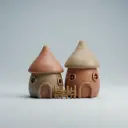 جَار jār neighbor
سَاعَدَنِي جاري. sāʿadanī jārī. My neighbor is very friendly.
-
 صَدِيق ṣadīq friend
صَدِيقِي يُحِبُّ قِرَاءَةَ الكُتُب. Ṣadīqī yuḥibbu qirā'ata l-kutub. My friend likes to read books.
-
 اليَوْم al-yawm today
اليوم يوم جميل. al-yawm yawm jameel. Today is a good day.
-
 غَدًا ghadan tomorrow
غَدًا يَوْمٌ جَدِيد. Ghadan yawmun jadid. Tomorrow is a new day.
-
 أَمْسِ amsi yesterday
رأيتُها أَمْسِ. ra'aytuha amsi. I saw her yesterday.
-
 الآنَ al-’ān now
يُريدُهُ الآن. Yurīduhu al-ān. He wants it now.
-
 بَعْدَ الظُّهْر ba'da az-zuhr afternoon
أُحِبُّ فترة ما بَعْدَ الظُّهْر. Uḥibbu fatrata mā baʿda aẓ-ẓuhr. I like the afternoon.
-
 مَسَاء masāʾ evening
المَسَاء هادئ. al-masā' hādi'. The evening is quiet.
-
 دَقِيقَة daqīqa minute
نحتاج إلى خمس دقائق. Naḥtāju 'ilā khamsi daqā'iq. We need five minutes.
-
 صَبَاح ṣabāḥ morning
أتناول الفطور في الصباح. Atanāwalu al-fuṭūr fī aṣ-ṣabāḥ. I eat breakfast in the morning.
-
 لَاحِقاً lāḥiqan later
سأفعله لاحقاً. sa'af'aluhu lāḥiqan. I will do it later.
-
 مُبَكِّرًا mubakkiran early
تستيقظ مُبَكِّرًا. tastayqiẓu mubakkiran. She wakes up early.
-
 مُتَأَخِّر muta'akhkhir late
هو غالباً مُتَأَخِّر. Huwa ghaliban muta'akhkhir. He is often late.
-
 سَاعَة sāʿa hour
تستمر الحصة ساعة واحدة. Tastamirru al-ḥiṣṣatu sāʿa wāḥida. The class lasts one hour.
-
 مَا اسْمُكَ؟ ma ismuka? What's your name?
مَا اسْمُكَ؟ ma ismuka? What's your name?
-
 اِسْمِي ismi My name is
اِسْمِي إيميلي. ismi emili. My name is Emily.
-
 مِنْ أَيْنَ أَنْتَ؟ min ayna anta? Where are you from?
مِنْ أَيْنَ أَنْتَ؟ min ayna anta? Where are you from?
-
 أَنَا مِنْ ana min I'm from
أنا من ألمانيا. Ana min Almanya. I'm from Germany.
-
 أَيْنَ تَسْكُنُ؟ ayna taskun? Where do you live?
أَيْنَ تَسْكُنُ؟ ayna taskun? Where do you live?
-
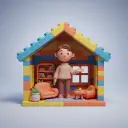 أَسْكُنُ فِي askunu fī I live in
أَسْكُنُ فِي اليابان. askunu fil-yaban. I live in Japan.
-
 أَيَّ لُغَاتٍ تَتَحَدَّثُ؟ ayya lughātin tataḥaddathu? What languages do you speak?
أيَّ لُغاتٍ تَتَحَدَّثُ؟ ayya lughātin tataḥaddath? What languages do you speak?
-
 أَتَحَدَّثُ atahaddathu I speak
أتحدث الإنجليزية جيداً. ataḥaddathu al-injilīziyyata jayyidan. I speak English well.
-
 أَتَحَدَّثُ القَلِيلَ مِن ataḥaddathu al-qalīla min I speak a little
أتحدث القليل من الفرنسية. ataḥaddathu l-qalīla mina l-faransiyyah. I speak a little French.
-
 أَيْنَ وُلِدْتَ؟ ayna wulidta? Where were you born
أَيْنَ وُلِدْتَ؟ ayna wulidta? Where were you born?
-
 مَا اسْمُ عَائِلَتِكَ؟ mā ismu ʿāʾilatika? What's your surname?
مَا اسْمُ عَائِلَتِكَ؟ mā ismu ʿāʾilatika? What's your surname?
-
 هَذِهِ صَدِيقَتِي hādhihi ṣadīqatī This is my friend
هَذِهِ صَدِيقَتِي ليزا. Hadhihi sadiqati Liza. This is my friend Lisa.
-
 صَنَعَ ṣanaʿa make
أَصْنَعُ قهوة جيدة. Aṣnaʿu qahwa jayyida. I make good coffee.
-
 حَصَلَ عَلَى ḥaṣala ʿala get
حَصَلَ عَلَى هدية. ḥaṣala ʿalā hadiyyah. He got a present.
-
 عِنْدَ ʿinda have
عِنْدَ إيما سيارة. ʿinda Īmā sayyārah. Emma has a car.
-
 أَكَلَ akala eat
هم يأكلون التفاح. hum ya'kulūna at-tuffāḥ. They are eating apples.
-
 شَرِبَ shariba drink
هل تَشْرَب القهوة؟ Hal tashrab al-qahwa? Do you drink coffee?
-
 نَامَ nāma sleep
أريد أن أنام الآن. ureedu an anaama al-aan. I want to sleep now.
-
 رَأَى ra'ā see
هل تستطيع أن تَرَى المنزل؟ Hal tastaṭīʿu an tarā al-manzil? Can you see the house?
-
 نَظَرَ إِلَى naẓara ilā look at
يحب آدم أن ينظر إلى الصور. yuḥibbu ādam an yanẓura ilā aṣ-ṣuwar. Adam likes to look at pictures.
-
 قَرَأَ qara'a read
يَقْرَأُ الطالب كتباً. yaqra'u at-taalibu kutuban. The student reads books.
-
 فَتَحَ fataḥa open
تفتح النافذة. Taftaḥu an-nāfidhah. She opens the window.
-
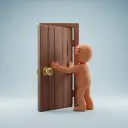 أَغْلَقَ aghlaqa close
أنا أُغْلِقُ البابَ. ana ughliqu l-baab. I close the door.
-
 جَاءَ jā'a come
أنت تَجِيءُ إلى هنا كل يوم. Anta taji'u ila huna kulla yawm. You come here every day.
-
 مِنْ فَضْلِكَ min fadlik Please.
من فضلك، افتح الباب. min faḍlika, iftaḥ al-bāb. Please open the door.
-
 شُكْرًا shukran Thank you.
شُكراً على مُساعَدَتِك. shukran 'ala musā'adatik Thank you for your help.
-
 عَفْوًا ʿafwan You're welcome.
عَفْوًا. ʿafwan. You're welcome.
-
 مَعْذِرَةً ma'dhiratan Excuse me.
مَعْذِرَةً، أَحْتَاجُ إِلَى الْمُسَاعَدَةِ. ma'dhiratan, ahtaju ila al-musa'ada. Excuse me, I need help.
-
 آسِف aasif Sorry.
أنا آسِف. ana aasif. I am sorry.
-
 هَلْ يُمْكِنُكَ مُسَاعَدَتِي؟ hal yumkinuka musāʿadatī? Could you help me?
هَلْ يُمْكِنُكَ مُسَاعَدَتِي؟ hal yumkinuka musāʿadatī? Could you help me?
-
 أَعَادَ a'āda Could you please repeat?
هَلْ يُمْكِنُكَ أَنْ تُعِيدَ ذَلِكَ مِنْ فَضْلِكَ؟ hal yumkinuka an tu'īda dhalika min fadlika? Could you please repeat that?
-
 بِبُطْءٍ bi-buṭ' Could you speak more slowly?
هَلْ يُمْكِنُكَ أَنْ تَتَحَدَّثَ بِبُطْءٍ أَكْثَرَ؟ hal yumkinuka an tataḥaddatha bi-buṭ'in akthar? Could you speak more slowly?
-
 هَلْ يُمْكِنُنِي الْحُصُولُ عَلَى...؟ hal yumkinunī al-ḥuṣūlu ʿalā...? Could I have ... please?
هل يمكنني الحصول على ماء من فضلك؟ Hal yumkinunī al-ḥuṣūl ʿalā māʾ min faḍlik? Could I have water please?
-
 أَوَدُّ awaddu I'd like
أَوَدُّ المزيد من الشاي. awaddu al-mazīda mina ash-shāy. I'd like some more tea.
-
 هَلْ يُمْكِنُنِي أَنْ...؟ hal yumkinunī an...? May I...?
هل يمكنني أن أحصل على بعض الماء؟ Hal yumkinunī an aḥṣula ʿalā baʿḍ al-māʾ? May I have some water?
-
 هَلْ يُمْكِنُ hal yumkinu Is it okay if...?
هل يمكنني أن أجلس؟ hal yumkinunī an ajlis? Is it okay if I sit?
-
 صِفْر ṣifr zero
الصفر أقل من واحد. aṣ-ṣifr aqall min wāḥid. Zero is less than one.
-
 وَاحِد wāḥid one
عندي تفاحة واحدة. ʿindī tuffāḥa wāḥida. I have one apple.
-
 اِثْنَان ithnān two
هناك قطتان اثنتان. Hunāka qiṭṭatān ithnatān. There are two cats.
-
 ثَلَاثَة thalātha three
لا، ثلاثة كثير جداً. Lā, thalātha kathīr jiddan. No, three is too much.
-
 أَرْبَعَة arbaʿa four
أعطني أربعة من فضلك. aʿṭinī arbaʿa min faḍlik. Give me four, please.
-
 خَمْسَة khamsa five
عندي خمسة كلاب. ʿindī khamsa kilāb. I have five dogs.
-
 سِتَّة sitta six
جاء مع ستة أصدقاء. Ja'a ma'a sittati asdiqa'. He came with six friends.
-
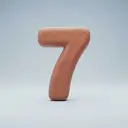 سَبْعَة sab'ah seven
أنا أَرْكُضُ سبعة كيلومترات. Ana arkudhu sab'ata kilumitrat. I am running seven kilometers.
-
 ثَمَانِيَة thamāniya eight
للعنكبوت ثماني أرجل. Lil-ʿankabūti thamānī arjul. A spider has eight legs.
-
 تِسْعَة tis'ah nine
تِسْعَة هُوَ رَقْمِي الْمَحْظُوظ. Tis'a huwa raqmī al-maḥẓūẓ. Nine is my lucky number.
-
 عَشَرَة ʿashara ten
لدينا عشرة أصابع. Ladayna ʿasharatu aṣābiʿ. We have ten fingers.
-
 زَائِد zā'id plus
اثنان زائد اثنين يساوي أربعة. ithnān zā'id ithnayn yusāwī arba'a Two plus two is four.
-
 لَا أَفْهَمُ la afham I don't understand.
لا أفهم. la afham. I don't understand.
-
 أَعَادَ a'āda Could you repeat that please?
هل يمكنك إعادة ذلك من فضلك؟ Hal yumkinuka i'ādatu dhālika min faḍlik? Could you repeat that please?
-
 بِبُطْءٍ أَكْثَر bi-buṭ'in akthar More slowly please.
ببطء أكثر، من فضلك. bibuṭʾin ʾakthar, min faḍlik. More slowly please.
-
 مَاذَا يَعْنِي ذَلِك؟ mādha yaʿnī dhālik? What does that mean?
مَاذَا يَعْنِي ذَلِك؟ لَمْ أَفْهَمْ قَصْدَك. mādha yaʿnī dhālik? lam af-ham qaṣdak. What does that mean?
-
 كَيْفَ تَقُولُ ذَلِكَ بِـ kayfa taqūlu dhālika bi-... How do you say that in ...?
كيف تَقُول ذلك بالإسبانية؟ kayfa taqūlu dhālika bil-'isbāniyya? How do you say that in Spanish?
-
 كَيْفَ تَهْجُو ذَلِكَ؟ kayfa tahju dhalik? How do you spell that?
كَيْفَ تَهْجُو ذَلِكَ؟ kayfa tahju dhalik? How do you spell that?
-
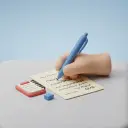 دَوَّنَ dawwana Can you write it down?
هل يمكنك كتابته، من فضلك؟ hal yumkinuka kitābatahu, min faḍlik? Can you write it down, please?
-
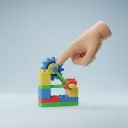 تُرِيَنِي turiyanī Can you show me?
هل يمكنك أن تريني الصورة؟ Hal yumkinuka an turīyanī aṣ-ṣūrah? Can you show me the photo?
-
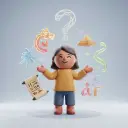 هَلْ تَتَحَدَّثُ...؟ hal tataḥaddath...? Do you speak ...?
هَلْ تَتَحَدَّثُ الإنجليزية؟ Hal tataḥaddathu al-injlīziyyah? Do you speak English?
-
 لَحْظَةً مِنْ فَضْلِك laḥẓatan min faḍlik Just a moment please.
لَحْظَة مِنْ فَضْلِك. laḥẓa min faḍlik. Just a moment please.
-
 أَعْتَقِدُ ذٰلِك aʿtaqidu dhalik I think so.
أعتقد ذلك أيضاً. a'taqidu dhalika aydan. I think so too.
-
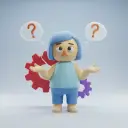 لَا أَعْرِفُ lā aʿrif I don't know.
لَا أَعْرِفُ. la a'rif. I don't know.
-
 هَذَا hādhā this
هَذِهِ سيارتي الحمراء. hādhihi sayyāratī al-ḥamrā'. This is my red car.
-
 ذٰلِكَ dhālika that
ذٰلِكَ الكلب ودود جداً. Dhalika al-kalbu wadudun jiddan. That dog is very friendly.
-
 هُنَا huna here
أحب أن أكون هنا. Uḥibbu an akūna hunā. I like being here.
-
 هُنَاكَ hunāka there
نلتقي هناك بعد العمل. Naltaqī hunāka baʿda al-ʿamal. We meet there after work.
Free for personal and classroom use.
Quick quiz
Five questions from the first 100 words.
Make these words stick
The app brings each word back right before you’d forget it. Free on iPhone and Android.
More Arabic
Arabic words by topic
- Numbers1–100
- Ordinal Numbers12
- Days of the week12
- Months12
- Colors19
- Family members36
- Body parts24
- Food44
- Animals36
- Clothes41
- Weather24
- Greetings12
- Fruits16
- Vegetables12
- Kitchen36
- Restaurant & ordering food48
- Money25
- Rooms in the house48
- Jobs & professions36
- Emotions & feelings36
- School supplies & classroom48
- Transportation48
- Travel60
- Directions48
- Prepositions18
- Places in town48
- At the doctor36
- Sports & games60
- Hobbies36
- Musical instruments12
- Nature & plants36
- Planets & space24
- Time36
- Holidays & celebrations12
- Shapes12
- Please & thank you24
- Small talk36
Word lists
Alphabet
Learn these 100 Arabic words in order.
The app teaches them 12 at a time, with pictures and audio, and brings each one back before you forget it. Free on iPhone and Android.
Scan with your phone's camera to get the app.
