












 The 500 Most Common Arabic Words
Each word with a picture, native audio and an example sentence with its English translation. Tap a speaker to hear the word or the sentence.

Learn all 500 words in the app
Pictures, native audio, and each word comes back right before you’d forget it. Free on iPhone & Android.

 Scan with your phone camera
 Your PDF is downloading
Printing is step one. Flashcardly makes the words stick: it brings each one back right before you’d forget it, with native audio.
How this list is ranked
This is the Flashcardly Arabic course in order: by frequency and everyday usefulness, with input from language teachers. It is not a raw corpus count, which is why words like “the” and “of” are not padding the top of the list, while “man” comes in at #13.
The list
Tap a picture to hear it.
Words 1–100
-
 مَرْحَبًا marḥaban Hello
مَرْحَبًا، كيف حالك؟ Marḥaban, kayfa ḥāluka? Hello, how are you?
-
 أَهْلًا وَسَهْلًا ahlan wa-sahlan Welcome
أهلًا وسهلًا بكم في بيتنا. ahlan wa-sahlan bikum fī baytinā. Welcome to our home.
-
 صَبَاحُ الخَيْر ṣabāḥ al-khayr Good morning
صباح الخير! ṣabāḥ al-khayr! Good morning!
-
 نَعَمْ na'am yes
نعم، أفهم. naʿam, afham. Yes, I understand.
-
 مَسَاءُ الخَيْر masa' al-khayr Good evening
مَسَاءُ الخَيْر! masā' al-khayr! Good evening!
-
 لَا lā no
قالَتْ لَا. Qaalat laa. She said no.
-
 مَعَ السَّلَامَة maʿa as-salāma Goodbye
مع السلامة يا آنا! maʿa as-salāma yā Ānā! Goodbye, Anna!
-
 نَهَارُكَ سَعِيد nahāruka saʿīd Good afternoon
نَهَارُكَ سَعِيد! nahāruka saʿīd! Good afternoon!
-
 أَرَاكَ قَرِيبًا arāka qarīban See you soon
أَرَاكِ قَرِيبًا يَا مِيَا! arāki qarīban yā miyā! See you soon, Mia!
-
 أَرَاكَ غَدًا arāka ghadan See you tomorrow
أراك غدًا! arāka ghadan! See you tomorrow!
-
 تَشَرَّفْنَا tasharrafnā Nice to meet you
تَشَرَّفْنَا بِكَ أيضاً! tasharrafna bika aydan! Nice to meet you too!
-
 كَيْفَ حَالُكَ؟ kayfa ḥāluka? How are you?
كيف حالك اليوم؟ Kayfa ḥāluka al-yawm? How are you today?
-
 رَجُل rajul man
يَقْرَأُ الرجل الكتاب. Yaqra'u ar-rajul al-kitab. The man reads the book.
-
 اِمْرَأَة imra'a woman
ترتدي المرأة قبعة. Tartadī al-mar'atu qubba'ah. The woman wears a hat.
-
 وَلَد walad boy
يلعب الولد بالألعاب. Yal'abu al-waladu bil-al'aab. The boy plays with toys.
-
 بِنْت bint girl
لدى البنت كرة. lada al-binti kura. The girl has a ball.
-
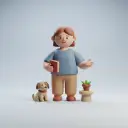 شَخْص shakhṣ person
هو شخص لطيف. Huwa shakhs lateef. He is a nice person.
-
 نَاس nās people
النَّاس سعداء جداً. an-nās suʿadāʾ jiddan. The people are very happy.
-
 بَالِغ bāligh adult
أَنَا بَالِغ. ana bāligh. I am an adult.
-
 رَضِيع raḍīʿ baby
يحتاج الرضيع إلى الحليب. Yaḥtāj ar-raḍīʿ 'ilā al-ḥalīb. The baby needs milk.
-
 سَيِّد sayyid Mr
يُحِبُّ السَّيِّد سْمِيث قِرَاءَة الكُتُب. yuḥibbu as-sayyid smīth qirā'at al-kutub. Mr. Smith likes to read books.
-
 سَيِّدَة sayyida Mrs
السيدة سميث معلمة. As-sayyidah Smith mu'allimah. Mrs. Smith is a teacher.
-
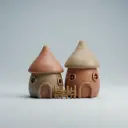 جَار jār neighbor
سَاعَدَنِي جاري. sāʿadanī jārī. My neighbor is very friendly.
-
 صَدِيق ṣadīq friend
صَدِيقِي يُحِبُّ قِرَاءَةَ الكُتُب. Ṣadīqī yuḥibbu qirā'ata l-kutub. My friend likes to read books.
-
 اليَوْم al-yawm today
اليوم يوم جميل. al-yawm yawm jameel. Today is a good day.
-
 غَدًا ghadan tomorrow
غَدًا يَوْمٌ جَدِيد. Ghadan yawmun jadid. Tomorrow is a new day.
-
 أَمْسِ amsi yesterday
رأيتُها أَمْسِ. ra'aytuha amsi. I saw her yesterday.
-
 الآنَ al-’ān now
يُريدُهُ الآن. Yurīduhu al-ān. He wants it now.
-
 بَعْدَ الظُّهْر ba'da az-zuhr afternoon
أُحِبُّ فترة ما بَعْدَ الظُّهْر. Uḥibbu fatrata mā baʿda aẓ-ẓuhr. I like the afternoon.
-
 مَسَاء masāʾ evening
المَسَاء هادئ. al-masā' hādi'. The evening is quiet.
-
 دَقِيقَة daqīqa minute
نحتاج إلى خمس دقائق. Naḥtāju 'ilā khamsi daqā'iq. We need five minutes.
-
 صَبَاح ṣabāḥ morning
أتناول الفطور في الصباح. Atanāwalu al-fuṭūr fī aṣ-ṣabāḥ. I eat breakfast in the morning.
-
 لَاحِقاً lāḥiqan later
سأفعله لاحقاً. sa'af'aluhu lāḥiqan. I will do it later.
-
 مُبَكِّرًا mubakkiran early
تستيقظ مُبَكِّرًا. tastayqiẓu mubakkiran. She wakes up early.
-
 مُتَأَخِّر muta'akhkhir late
هو غالباً مُتَأَخِّر. Huwa ghaliban muta'akhkhir. He is often late.
-
 سَاعَة sāʿa hour
تستمر الحصة ساعة واحدة. Tastamirru al-ḥiṣṣatu sāʿa wāḥida. The class lasts one hour.
-
 مَا اسْمُكَ؟ ma ismuka? What's your name?
مَا اسْمُكَ؟ ma ismuka? What's your name?
-
 اِسْمِي ismi My name is
اِسْمِي إيميلي. ismi emili. My name is Emily.
-
 مِنْ أَيْنَ أَنْتَ؟ min ayna anta? Where are you from?
مِنْ أَيْنَ أَنْتَ؟ min ayna anta? Where are you from?
-
 أَنَا مِنْ ana min I'm from
أنا من ألمانيا. Ana min Almanya. I'm from Germany.
-
 أَيْنَ تَسْكُنُ؟ ayna taskun? Where do you live?
أَيْنَ تَسْكُنُ؟ ayna taskun? Where do you live?
-
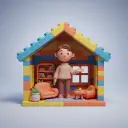 أَسْكُنُ فِي askunu fī I live in
أَسْكُنُ فِي اليابان. askunu fil-yaban. I live in Japan.
-
 أَيَّ لُغَاتٍ تَتَحَدَّثُ؟ ayya lughātin tataḥaddathu? What languages do you speak?
أيَّ لُغاتٍ تَتَحَدَّثُ؟ ayya lughātin tataḥaddath? What languages do you speak?
-
 أَتَحَدَّثُ atahaddathu I speak
أتحدث الإنجليزية جيداً. ataḥaddathu al-injilīziyyata jayyidan. I speak English well.
-
 أَتَحَدَّثُ القَلِيلَ مِن ataḥaddathu al-qalīla min I speak a little
أتحدث القليل من الفرنسية. ataḥaddathu l-qalīla mina l-faransiyyah. I speak a little French.
-
 أَيْنَ وُلِدْتَ؟ ayna wulidta? Where were you born
أَيْنَ وُلِدْتَ؟ ayna wulidta? Where were you born?
-
 مَا اسْمُ عَائِلَتِكَ؟ mā ismu ʿāʾilatika? What's your surname?
مَا اسْمُ عَائِلَتِكَ؟ mā ismu ʿāʾilatika? What's your surname?
-
 هَذِهِ صَدِيقَتِي hādhihi ṣadīqatī This is my friend
هَذِهِ صَدِيقَتِي ليزا. Hadhihi sadiqati Liza. This is my friend Lisa.
-
 صَنَعَ ṣanaʿa make
أَصْنَعُ قهوة جيدة. Aṣnaʿu qahwa jayyida. I make good coffee.
-
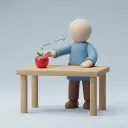 حَصَلَ عَلَى ḥaṣala ʿala get
حَصَلَ عَلَى هدية. ḥaṣala ʿalā hadiyyah. He got a present.
-
 عِنْدَ ʿinda have
عِنْدَ إيما سيارة. ʿinda Īmā sayyārah. Emma has a car.
-
 أَكَلَ akala eat
هم يأكلون التفاح. hum ya'kulūna at-tuffāḥ. They are eating apples.
-
 شَرِبَ shariba drink
هل تَشْرَب القهوة؟ Hal tashrab al-qahwa? Do you drink coffee?
-
 نَامَ nāma sleep
أريد أن أنام الآن. ureedu an anaama al-aan. I want to sleep now.
-
 رَأَى ra'ā see
هل تستطيع أن تَرَى المنزل؟ Hal tastaṭīʿu an tarā al-manzil? Can you see the house?
-
 نَظَرَ إِلَى naẓara ilā look at
يحب آدم أن ينظر إلى الصور. yuḥibbu ādam an yanẓura ilā aṣ-ṣuwar. Adam likes to look at pictures.
-
 قَرَأَ qara'a read
يَقْرَأُ الطالب كتباً. yaqra'u at-taalibu kutuban. The student reads books.
-
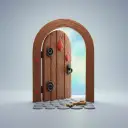 فَتَحَ fataḥa open
تفتح النافذة. Taftaḥu an-nāfidhah. She opens the window.
-
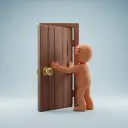 أَغْلَقَ aghlaqa close
أنا أُغْلِقُ البابَ. ana ughliqu l-baab. I close the door.
-
 جَاءَ jā'a come
أنت تَجِيءُ إلى هنا كل يوم. Anta taji'u ila huna kulla yawm. You come here every day.
-
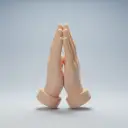 مِنْ فَضْلِكَ min fadlik Please.
من فضلك، افتح الباب. min faḍlika, iftaḥ al-bāb. Please open the door.
-
 شُكْرًا shukran Thank you.
شُكراً على مُساعَدَتِك. shukran 'ala musā'adatik Thank you for your help.
-
 عَفْوًا ʿafwan You're welcome.
عَفْوًا. ʿafwan. You're welcome.
-
 مَعْذِرَةً ma'dhiratan Excuse me.
مَعْذِرَةً، أَحْتَاجُ إِلَى الْمُسَاعَدَةِ. ma'dhiratan, ahtaju ila al-musa'ada. Excuse me, I need help.
-
 آسِف aasif Sorry.
أنا آسِف. ana aasif. I am sorry.
-
 هَلْ يُمْكِنُكَ مُسَاعَدَتِي؟ hal yumkinuka musāʿadatī? Could you help me?
هَلْ يُمْكِنُكَ مُسَاعَدَتِي؟ hal yumkinuka musāʿadatī? Could you help me?
-
 أَعَادَ a'āda Could you please repeat?
هَلْ يُمْكِنُكَ أَنْ تُعِيدَ ذَلِكَ مِنْ فَضْلِكَ؟ hal yumkinuka an tu'īda dhalika min fadlika? Could you please repeat that?
-
 بِبُطْءٍ bi-buṭ' Could you speak more slowly?
هَلْ يُمْكِنُكَ أَنْ تَتَحَدَّثَ بِبُطْءٍ أَكْثَرَ؟ hal yumkinuka an tataḥaddatha bi-buṭ'in akthar? Could you speak more slowly?
-
 هَلْ يُمْكِنُنِي الْحُصُولُ عَلَى...؟ hal yumkinunī al-ḥuṣūlu ʿalā...? Could I have ... please?
هل يمكنني الحصول على ماء من فضلك؟ Hal yumkinunī al-ḥuṣūl ʿalā māʾ min faḍlik? Could I have water please?
-
 أَوَدُّ awaddu I'd like
أَوَدُّ المزيد من الشاي. awaddu al-mazīda mina ash-shāy. I'd like some more tea.
-
 هَلْ يُمْكِنُنِي أَنْ...؟ hal yumkinunī an...? May I...?
هل يمكنني أن أحصل على بعض الماء؟ Hal yumkinunī an aḥṣula ʿalā baʿḍ al-māʾ? May I have some water?
-
 هَلْ يُمْكِنُ hal yumkinu Is it okay if...?
هل يمكنني أن أجلس؟ hal yumkinunī an ajlis? Is it okay if I sit?
-
 صِفْر ṣifr zero
الصفر أقل من واحد. aṣ-ṣifr aqall min wāḥid. Zero is less than one.
-
 وَاحِد wāḥid one
عندي تفاحة واحدة. ʿindī tuffāḥa wāḥida. I have one apple.
-
 اِثْنَان ithnān two
هناك قطتان اثنتان. Hunāka qiṭṭatān ithnatān. There are two cats.
-
 ثَلَاثَة thalātha three
لا، ثلاثة كثير جداً. Lā, thalātha kathīr jiddan. No, three is too much.
-
 أَرْبَعَة arbaʿa four
أعطني أربعة من فضلك. aʿṭinī arbaʿa min faḍlik. Give me four, please.
-
 خَمْسَة khamsa five
عندي خمسة كلاب. ʿindī khamsa kilāb. I have five dogs.
-
 سِتَّة sitta six
جاء مع ستة أصدقاء. Ja'a ma'a sittati asdiqa'. He came with six friends.
-
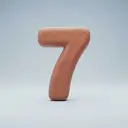 سَبْعَة sab'ah seven
أنا أَرْكُضُ سبعة كيلومترات. Ana arkudhu sab'ata kilumitrat. I am running seven kilometers.
-
 ثَمَانِيَة thamāniya eight
للعنكبوت ثماني أرجل. Lil-ʿankabūti thamānī arjul. A spider has eight legs.
-
 تِسْعَة tis'ah nine
تِسْعَة هُوَ رَقْمِي الْمَحْظُوظ. Tis'a huwa raqmī al-maḥẓūẓ. Nine is my lucky number.
-
 عَشَرَة ʿashara ten
لدينا عشرة أصابع. Ladayna ʿasharatu aṣābiʿ. We have ten fingers.
-
 زَائِد zā'id plus
اثنان زائد اثنين يساوي أربعة. ithnān zā'id ithnayn yusāwī arba'a Two plus two is four.
-
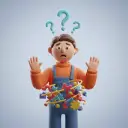 لَا أَفْهَمُ la afham I don't understand.
لا أفهم. la afham. I don't understand.
-
 أَعَادَ a'āda Could you repeat that please?
هل يمكنك إعادة ذلك من فضلك؟ Hal yumkinuka i'ādatu dhālika min faḍlik? Could you repeat that please?
-
 بِبُطْءٍ أَكْثَر bi-buṭ'in akthar More slowly please.
ببطء أكثر، من فضلك. bibuṭʾin ʾakthar, min faḍlik. More slowly please.
-
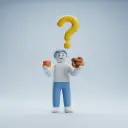 مَاذَا يَعْنِي ذَلِك؟ mādha yaʿnī dhālik? What does that mean?
مَاذَا يَعْنِي ذَلِك؟ لَمْ أَفْهَمْ قَصْدَك. mādha yaʿnī dhālik? lam af-ham qaṣdak. What does that mean?
-
 كَيْفَ تَقُولُ ذَلِكَ بِـ kayfa taqūlu dhālika bi-... How do you say that in ...?
كيف تَقُول ذلك بالإسبانية؟ kayfa taqūlu dhālika bil-'isbāniyya? How do you say that in Spanish?
-
 كَيْفَ تَهْجُو ذَلِكَ؟ kayfa tahju dhalik? How do you spell that?
كَيْفَ تَهْجُو ذَلِكَ؟ kayfa tahju dhalik? How do you spell that?
-
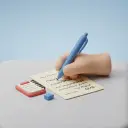 دَوَّنَ dawwana Can you write it down?
هل يمكنك كتابته، من فضلك؟ hal yumkinuka kitābatahu, min faḍlik? Can you write it down, please?
-
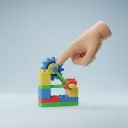 تُرِيَنِي turiyanī Can you show me?
هل يمكنك أن تريني الصورة؟ Hal yumkinuka an turīyanī aṣ-ṣūrah? Can you show me the photo?
-
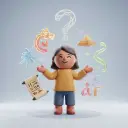 هَلْ تَتَحَدَّثُ...؟ hal tataḥaddath...? Do you speak ...?
هَلْ تَتَحَدَّثُ الإنجليزية؟ Hal tataḥaddathu al-injlīziyyah? Do you speak English?
-
 لَحْظَةً مِنْ فَضْلِك laḥẓatan min faḍlik Just a moment please.
لَحْظَة مِنْ فَضْلِك. laḥẓa min faḍlik. Just a moment please.
-
 أَعْتَقِدُ ذٰلِك aʿtaqidu dhalik I think so.
أعتقد ذلك أيضاً. a'taqidu dhalika aydan. I think so too.
-
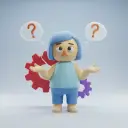 لَا أَعْرِفُ lā aʿrif I don't know.
لَا أَعْرِفُ. la a'rif. I don't know.
-
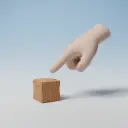 هَذَا hādhā this
هَذِهِ سيارتي الحمراء. hādhihi sayyāratī al-ḥamrā'. This is my red car.
-
 ذٰلِكَ dhālika that
ذٰلِكَ الكلب ودود جداً. Dhalika al-kalbu wadudun jiddan. That dog is very friendly.
-
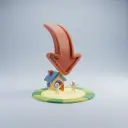 هُنَا huna here
أحب أن أكون هنا. Uḥibbu an akūna hunā. I like being here.
-
 هُنَاكَ hunāka there
نلتقي هناك بعد العمل. Naltaqī hunāka baʿda al-ʿamal. We meet there after work.
Words 101–200
-
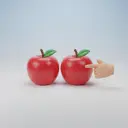 آخَر ākhar another
يُرِيدُ قِطْعَةَ كَعْكٍ أُخْرَى. yurīdu qiṭʿata kaʿkin ukhrā. He wants another piece of cake.
-
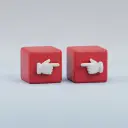 نَفْس nafs same
نرتدي نفس القميص الأزرق. Nartadī nafs al-qamīṣ al-azraq. We wear the same blue shirt.
-
 هَٰؤُلَاءِ ha'ula'i these
هذه التفاحات جاهزة للأكل. Hadhihi at-tuffahat jahiza lil-akl. These apples are ready to eat.
-
 تِلْكَ tilka those
تبدو تلك الكوكيز لذيذة جداً. Tabdū tilka al-kūkīz ladhīdhah jiddan. Those cookies look very good.
-
 هُنَا تَمَاماً huna tamaman right here
المفاتيح هُنَا تَمَاماً. al-mafātīḥu hunā tamāman. The keys are right here.
-
 هُنَاكَ hunāka over there
حذائي هناك. ḥidhāʾī hunāk. My shoes are over there.
-
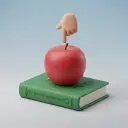 فَوْقَ fawqa on top of
القطة فَوْقَ الطاولة. al-qiṭṭatu fawqa aṭ-ṭāwilah. The cat is on top of the table.
-
 تَحْت taḥt underneath
الكلب تَحْتَ الطاولة. al-kalb taḥta aṭ-ṭāwila. The dog is underneath the table.
-
 كَيْفَ تَسِيرُ الأُمُور؟ kayfa tasīr al-umūr? How's it going?
كيف تسير الأمور؟ Kayfa tasīru al-umūr? How's it going?
-
 لَمْ نَرَكَ مُنْذُ فَتْرَةٍ طَوِيلَة lam naraka mundhu fatra tawila Long time no see.
لَمْ نَرَكَ مُنْذُ فَتْرَةٍ طَوِيلَة. Lam naraka mundhu fatratin ṭawīlah. Long time no see.
-
 تَسْتَمْتِعُ tastamtiʿu What do you enjoy?
بِمَاذَا تَسْتَمْتِعُ؟ bimādhā tastamtiʿu? What do you enjoy?
-
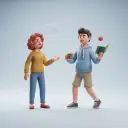 مَاذَا تَفْعَلُ؟ mādha tafʿal? What are you up to?
مَاذَا تَفْعَلُ الآن؟ mādha tafʿal al-ān? What are you up to now?
-
 أَتَمَنَّى لَكَ يَوْمًا سَعِيدًا atamannā laka yawman saʿīdan Have a nice day.
أَتَمَنَّى لَكَ يَوْمًا سَعِيدًا يا جون! atamannā laka yawman saʿīdan yā Jūn! Have a nice day, John!
-
 اِنْتَبِهْ لِنَفْسِك intabih linafsik Take care.
اِنْتَبِهْ لِنَفْسِكَ. أراك غداً. Intabih linafsik. Araka ghadan. Take care. See you tomorrow.
-
 حَظّاً سَعِيداً ḥaẓẓan saʿīdan Good luck!
حَظّاً سَعِيداً! أنا أؤمن بك! ḥaẓẓan saʿīdan! ʾanā ʾuʾminu bik! Good luck! I believe in you!
-
 مَبْرُوك mabrūk Congratulations!
مبروك! لقد أَنْهَيْتَ العمل الشاق. mabrūk! laqad anhayta al-ʿamal ash-shāqq. Congratulations! You finished the hard work.
-
 فِي صِحَّتِكَ fī ṣiḥḥatik Cheers!
فِي صِحَّتِكَ! Fi ṣiḥḥatika! Cheers!
-
 لا مُشْكِلَة la mushkila No problem.
لا مشكلة، يمكنني مساعدتك. lā mushkila, yumkinunī musāʿadatak. No problem, I can help you.
-
 لَا تَقْلَقْ la taqlaq Don't worry.
لَا تَقْلَقْ، سَيَكُونُ كُلُّ شَيْءٍ بِخَيْر. la taqlaq, sayakunu kullu shay'in bikhayr. Don't worry, it will be okay.
-
 يَبْدُو جَيِّداً yabdū jayyidan Sounds good.
يَبْدُو جَيِّداً بالنسبة لي، شكراً! Yabdū jayyidan bin-nisbati lī, shukran! Sounds good to me, thanks!
-
 عَرَفَ ʿarafa know
أنت تَعْرِف الإجابة الآن. Anta taʿrif al-ijāba al-ʾān. You know the answer now.
-
 سَأَلَ sa'ala ask
يمكنك أن تَسْأَلَ أخاك. yumkinuka an tas'ala akhaka. You can ask your brother.
-
 سَمِعَ samiʿa hear
هل تسمع ذلك الصوت؟ hal tasmaʿ dhālika ṣ-ṣawt? Can you hear that sound?
-
 تَعَلَّمَ ta'allama learn
تَتَعَلَّمُ شيئاً جديداً كل يوم. Tataʿallamu shayʾan jadīdan kulla yawm. You learn something new everyday.
-
 تَحَدَّثَ مَعَ taḥaddatha ma'a talk with
هل تحب أن تتحدث مع أصدقائك؟ hal tuḥibbu an tataḥaddatha maʿa aṣdiqā'ik? Do you like talking with your friends?
-
 قَالَ qāla say
أريد أن أقول شيئاً. ureedu an aqoola shay'an. I want to say something.
-
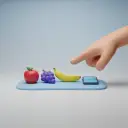 اِخْتَارَ ikhtāra choose
أنت تَخْتَارُ لونك المفضل. Anta takhtāru lawnaka al-mufaḍḍal. You choose your favorite color.
-
 كَتَبَ kataba write
يَكْتُبُ الطلاب قصة. Yaktubu at-tullabu qissatan. The students write a story.
-
 اِتَّصَلَ ittaṣala call
سأتصل بك. sa'attasilu bika. I am going to call you.
-
 اِسْتَمَعَ إِلَى istamaʿa ilā listen to
أَسْتَمِعُ إِلَى الرَّادْيُو. astamiʿu ilā r-rādyū. I listen to the radio.
-
 دَرَسَ darasa study
أدرس بجد لكل امتحان. Adrusu bijiddin likulli imtihaan. I study hard for every test.
-
 أَخْبَرَ akhbara tell
يخبرني باسمه. Yukhbirunī bismihi. He tells me his name.
-
 اِلْتَقَى iltaqā meet
سَأَلْتَقِي بكَ غداً. sa-ʾaltaqī bika ghadan I will meet you tomorrow.
-
 اِنْضَمَّ inḍamma join
سوف تَنْضَمَّ إلى مجموعتنا. sawfa tanḍamma ilā majmūʿatinā She will join our group.
-
 اِسْتَمْتَعَ istamtaʿa enjoy
نحن نَسْتَمْتِعُ بالموسيقى. naḥnu nastamtiʿu bi-l-mūsīqā. We enjoy the music.
-
 وَصَفَ waṣafa describe
وَصَفَ الوَلَدُ الحَيَوانَ. waṣafa al-waladu al-ḥayawān The boy described the animal.
-
 شَرَحَ sharaḥa explain
سوف تَشْرَحُ المُشكلة. sawfa tashraḥu al-mushkila. She will explain the problem.
-
 عَلَّمَ ʿallama teach
أُعَلِّمُ الطُّلَّابَ الجُدُدَ. uʿallimu t-tullāba l-judud. I teach the new students.
-
 قَدَّمَ qaddama introduce
سَأُقَدِّمُ صَدِيقي لَكُم. sa-uqaddimu ṣadīqī lakum I will introduce my friend.
-
 قَبِلَ qabila accept
هِيَ تَقْبَلُ الهَدِيَّةَ. hiya taqbalu al-hadiyya She accepts the gift.
-
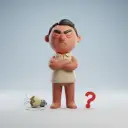 رَفَضَ rafaḍa refuse
يَرْفُضُ الطِّفْلُ الطَّعَامَ. yarfuḍu-ṭ-ṭiflu-ṭ-ṭaʿām The child refuses the food.
-
 وَعَدَ waʿada promise
أَعِدُكَ أَنْ أُسَاعِدَكَ. Aʿiduka an usāʿidaka. I promise to help you.
-
 نَاقَشَ nāqasha discuss
هُم يُنَاقِشُونَ الخُطَّةَ الجَدِيدَة. hum yunāqishūn al-khuṭṭa al-jadīda They discuss the new plan.
-
 اِتَّصَلَ ittaṣala contact
سَأَتَّصِلُ بِالطَّبِيبِ. sa-attaṣilu biṭ-ṭabīb I will contact the doctor.
-
 ضَحِكَ ḍaḥika laugh
يَضْحَكُ الأطفالُ بصوتٍ عالٍ. yaḍḥaku al-’aṭfālu bi-ṣawtin ‘ālin The children laugh loudly.
-
 صَرَخَ ṣarakha shout
يَصْرُخُ الوَلَدُ طَلَبًا لِلْمُسَاعَدَةِ. yaṣrukhu al-waladu ṭalaban lil-musāʿada The boy shouts for help.
-
 هَمَسَ hamasa whisper
يَهْمِسُ في أُذُني. yahmisu fī udhunī He whispers in my ear.
-
 يلوّح yulawwiḥ wave
تلوّح بيدها للوداع. Tulawwiḥ bi-yadihā lil-wadāʿ. She waves goodbye.
-
 أَوْمَأَ awma'a nod
تُومِئُ المرأةُ برأسِها. Tu'mi'u al-mar'atu bi-ra'siha. The woman nods her head.
-
 عَانَقَ ʿānaqa hug
تُعَانِقُ الأُمُّ طِفْلَهَا. tuʿāniqu al-’ummu tiflaha The mother hugs her child.
-
 قَبَّلَ qabbala kiss
تُقَبِّلُ الأُمُّ طِفْلَهَا. tuqabbilu al-’ummu tiflaha The mother kisses her child.
-
 أَشَارَ ashāra point
يُشِيرُ الطِّفْلُ إِلَى الكَلْبِ. yushīru t-ṭiflu ilā l-kalb The child points at the dog.
-
 رَمَشَ ramasha blink
يَرْمُشُ بِعَيْنَيْهِ بِسُرْعَةٍ. yarmushu bi-ʿaynayhi bi-surʿa. He blinks his eyes quickly.
-
 عَبَسَ ʿabasa frown
يَعْبِسُ الأَبُ في وَجْهِ ابْنِهِ. yaʿbisu al-abu fī wajhi ibnihi The father frowns at his son.
-
 تَثَاءَبَ tathā'aba yawn
الرَّجُلُ المُتْعَبُ يَتَثَاءَبُ. ar-rajulu l-mut'abu yatathā'abu. The tired man yawns.
-
 شَمَّ shamma sniff
يشم الكلب الطعام. yashummu al-kalbu aṭ-ṭaʿām The dog sniffs the food.
-
 جَيِّد jayyid good
هي شخص جيد. Hiya shakhṣ jayyid. She is a good person.
-
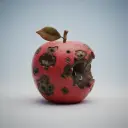 سَيِّئ sayyi' bad
رائحة ذلك الحليب سيئة. Ra'ihat dhalik al-halib sayyi'a. That milk smells bad.
-
 كَبِير kabīr big
يستطيع الكلب الكبير أن يقفز. Yastaṭīʿ al-kalb al-kabīr an yaqfiz. The big dog can jump.
-
 صَغِير ṣaghīr small
لدى الطفل يدان صغيرتان. ladā aṭ-ṭifli yadāni ṣaghīratān. The baby has small hands.
-
 خَاطِئ khāṭi' wrong
إجابتك خاطئة. Ijābatuka khāti'ah. Your answer is wrong.
-
 سَهْل sahl easy
هذه المسألة الرياضية سهلة. hadhihi l-mas'alatu r-riyadiyyatu sahlah. This math problem is easy.
-
 صَعْب ṣaʿb difficult
كان ذلك الامتحان صعباً. kāna ḏālika l-imtiḥān ṣaʿban. That test was difficult.
-
 بِسُرْعَةٍ bisur'a fast
تَسِيرُ السَّيَّارَاتُ سَرِيعاً جِدّاً. tasīru as-sayyārātu sarīʿan jiddan. Cars go very fast.
-
 بَطِيء baṭī' slow
السلحفاة بطيئة جداً. as-sulaḥfāh baṭīʾah jiddan. The turtle is very slow.
-
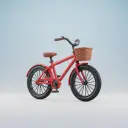 جَدِيد jadīd new
هذه سيارة جديدة. Hādhihi sayyārah jadīdah. This is a new car.
-
 حَقِيقِيّ ḥaqīqī true
هل هذه القصة حقيقية؟ Hal hadhihi al-qiṣṣa ḥaqīqiyya? Is this story true?
-
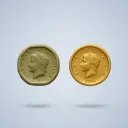 خَاطِئ khāṭiʾ false
الإجابة خاطئة. al-ijāba khāti'a. The answer is false.
-
 أُرِيدُ أَنْ urīdu an I want to
أُرِيدُ أَنْ آكُلَ البيتزا. urīdu an ākula al-bītzā. I want to eat pizza.
-
 يَحْتَاجُ إِلَى yaḥtāju ilā I need to
أحتاج أن أتصل بها. aḥtāju ʾan ʾattaṣila bihā. I need to call her.
-
 سَأَذْهَبُ sa-adhhabu I'm going to
سوف آكُل قريباً. sawfa 'ākulu qarīban. I'm going to eat soon.
-
 أَوَدُّ أَنْ awaddu an I'd like to
أود أن ألعب التنس. awaddu an alʿaba at-tinis. I'd like to play tennis.
-
 يَجِبُ عَلَيَّ أَنْ yajibu ʿalayya an I have to
يَجِبُ عَلَيَّ أَنْ أذهب الآن. yajibu ʿalayya an adh-haba al-aan. I have to go now.
-
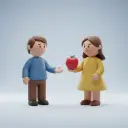 هَلْ يُمْكِنُنِي أَنْ...؟ hal yumkinunī an...? May I ...?
هل يمكنني أن أحصل على ماء، من فضلك؟ hal yumkinunī an aḥṣula ʿalā māʾ, min faḍlik? May I have water, please?
-
 سَاعَدَ sāʿada Help me with
مِن فَضْلِكَ، سَاعِدْنِي فِي هَذِهِ الحَقِيبَةِ. min faḍlika, sāʿidnī fī hādhihi al-ḥaqībah. Please help me with this bag.
-
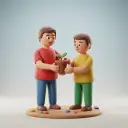 أَرِنِي كَيْفَ Arinī kayfa Show me how to
أَرِنِي كَيْفَ أَفْعَلُ هَذَا. Arinī kayfa af'alu hādhā. Show me how to do this.
-
 لَا أَسْتَطِيعُ laa astaṭeeʿu I can't ... right now.
لَا أَسْتَطِيعُ المساعدة الآن. lā astaṭīʿu l-musāʿada l-'āna. I can't help right now.
-
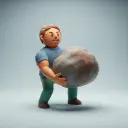 أُحَاوِلُ أَنْ uḥāwilu an I’m trying to
أُحَاوِلُ أَنْ أنام الآن. uḥāwilu an anāma al-ān. I’m trying to sleep now.
-
 هَلْ مِنَ المُمْكِنِ أَنْ...؟ hal min al-mumkin an...? Is it possible to ...?
هل من الممكن أن تَسْبَحَ هنا؟ hal mina l-mumkini an tasbaḥa hunā? Is it possible to swim here?
-
 أَيْنَ يُمْكِنُنِي أَنْ...؟ Ayna yumkinunī 'an...? Where can I ...?
أين يمكنني أن أتناول الغداء؟ ayna yumkinunī an atanāwala al-ghadā'? Where can I eat lunch?
-
 الاِثْنَيْن al-ithnayn Monday
الاِثْنَيْن هو اليوم الأول. al-ithnayn huwa al-yawm al-awwal. Monday is the first day.
-
 الثُّلَاثَاء ath-thulāthā’ Tuesday
الثلاثاء ممتع دائماً. ath-thulāthā' mumtiʿ dā'iman. Tuesday is always fun.
-
 الأَرْبِعَاء al-arbi'ā' Wednesday
تَذْهَبُ إلى البيت يوم الأربعاء. tadhhabu ilā l-bayt yawm al-arbiʿā'. She goes home Wednesday.
-
 الخَمِيس al-khamīs Thursday
يأتي يوم الخميس. ya'tī yawma al-khamīs. He comes on Thursday.
-
 الجُمُعَة al-jumuʿah Friday
يوم الجمعة هو أفضل يوم. yawm al-jumʿa huwa afḍal yawm. Friday is the best day.
-
 السَّبْت as-sabt Saturday
أغادر يوم السبت. ughadiru yawma as-sabt. I leave on Saturday.
-
 الأَحَد al-aḥad Sunday
سأرتاح يوم الأحد. sa-artāḥu yawma l-aḥad. I will rest on Sunday.
-
 يَوْمُ عَمَل yawm 'amal weekday
تَعْمَلُ صباح كل يوم عمل. Taʿmalu ṣabāḥa kulli yawmi ʿamal. She works every weekday morning.
-
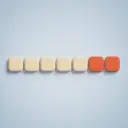 عُطْلَةُ نِهَايَةِ الأُسْبُوع ʿutlat nihāyat al-usbūʿ weekend
مَنْ لَا يُحِبُّ عُطْلَةَ نِهَايَةِ الأُسْبُوعِ؟ Man lā yuḥibbu ʿuṭlata nihāyati l-usbūʿ? Who does not like the weekend?
-
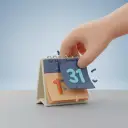 يَوْمِيّ yawmiyy daily
نقرأ الجريدة يومياً. Naqra'u al-jareedata yawmiyyan. We read the newspaper daily .
-
 أُسْبُوعِيّاً usbūʿiyyan weekly
عادةً ما أشاهد الأخبار أسبوعياً. ʿaadatan maa ushaahid al-akhbaar usbuuʿiyyan. I usually watch the news weekly.
-
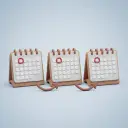 شَهْرِيّ shahriyy monthly
يدفعون السعر الشهري. yadfaʿūn as-siʿr ash-shahriyy. They pay the monthly price.
-
 يَوْم yawm day
انْتَظَرْنَا لِيَوْمٍ وَاحِدٍ. intadharnā li-yawmin wāḥid. We waited for one day.
-
 لَيْل layl night
نحن ننام في اللَّيْلِ. naḥnu nanāmu fil-layl. We sleep at night.
-
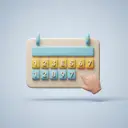 أُسْبُوع usbūʿ week
أَقَمْنَا لِمُدَّةِ أسبوعٍ وَاحِد. aqamnā li-muddati usbūʿin wāḥid. We stayed for one week.
-
 شَهْر shahr month
عَمِلَ لِمُدَّةِ شَهْرٍ وَاحِدٍ. ʿamila li-muddati shahrin wāḥid. He worked for one month.
-
 سَنَة sana year
انْتَظَرْنَا لِمُدَّةِ سَنَةً وَاحِدَة. intazharnā li-muddati sanatan wāḥida We waited for one year.
-
 وَقْت waqt time
نَحْنُ بِحَاجَةٍ إِلَى وَقْتٍ أَطْوَل. naḥnu bi-ḥājatin ilā waqtin aṭwal We need more time.
-
 لَحْظَة laḥẓa moment
انْتَظَرَ لَحْظَةً. intadhara laḥẓatan. He waited for a moment.
-
 مُسْتَقْبَل mustaqbal future
أنا أُفَكِّرُ فِي الْمُسْتَقْبَلِ. ana ufakkiru fil-mustaqbal I think about the future.
Words 201–300
-
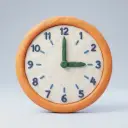 سَاعَة sā'ah o'clock
أستيقظ في السَّاعَةِ السابعة. Astayqiẓu fī as-sā'ati as-sābi'ah. I wake up at seven o'clock.
-
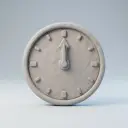 مُنْتَصَفُ اللَّيْل muntasaf al-layl midnight
سَنُغَادِرُ فِي مُنْتَصَفِ اللَّيْل. sanughādir fī muntasaf al-layl We will leave at midnight.
-
 مُنْتَصَفُ النَّهَار muntasaf an-nahār midday
الشَّمْسُ حَارَّةٌ فِي مُنْتَصَفِ النَّهَار. ash-shamsu ḥārratun fī muntasaf an-nahār The sun is hot at midday.
-
 اللَّيْلَة al-layla tonight
سَيَصِلُ الضُّيُوفُ اللَّيْلَةَ. sayasilu ad-duyoofu al-layla. The guests will arrive tonight.
-
 سَاعَدَ sāʿada help
النجدة! أنا في ورطة. an-najdah! ana fi warṭah. Help! I am in trouble.
-
 خَطَر khaṭar danger
نَحْنُ فِي خَطَر! Naḥnu fī khaṭar! We are in danger!
-
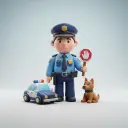 شُرْطَة shurṭa police
اِتَّصِلْ بِالشُّرْطَة! Ittaṣil bish-shurṭa! Call the police!
-
 طَبِيب ṭabīb doctor
أحتاج إلى طبيب! Aḥtāju ilā ṭabīb! I need a doctor!
-
 سَيَّارَةُ إِسْعَاف sayyārat isʿāf ambulance
اطْلُب سيارة إسعاف! Uṭlub sayyārat is'āf! Call an ambulance!
-
 رَجُلُ إِطْفَاء rajulu itfaa' firefighter
رجال الإطفاء أبطال. Rijaal al-itfaa' abtaal. The firefighters are heroes.
-
 حَادِث ḥādith accident
تعرضت لحادث. Taʿarraḍtu li-ḥādith. I had an accident.
-
 حَمَى ḥamā protect
الشرطة تَحْمِينَا. ash-shurṭatu taḥmīnā. The police protect us.
-
 حَذَّرَ ḥadhdhara warn
أحتاج أن أُحَذِّرَهُم! aḥtāju an uḥadhdhirahum! I need to warn them!
-
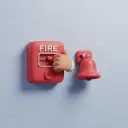 مُنَبِّه munabbih alarm
رَنَّ المُنَبِّه! Ranna al-munabbih! The alarm went off!
-
 نَار nār fire
هناك حريق! hunāka ḥarīq! There is a fire!
-
 دُخَان dukhān smoke
يخرج دخان من المبنى! Yakhruju dukhān min al-mabnā! Smoke is coming out of the building!
-
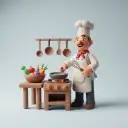 عَمِلَ كَـ ʿamila ka- work as
يعملون كممرضين في المستشفى. Ya'maluna kamumarridina fil-mustashfa. They work as hospital nurses.
-
 اِشْتَرَى ishtara buy
يمكنك أن تشتري الفاكهة هنا. Yumkinuka an tashtariya al-fākiha hunā. You can buy fruit here.
-
 دَفَعَ dafaʿa pay
يجب عليك أن تَدْفَعَ ثمن هذا. yajib ʿalayka an tadfaʿa thaman hādhā. You must pay for this.
-
 بَاعَ bāʿa sell
يَبِيعُونَ فواكه طازجة هنا. Yabī'ūna fawākih ṭāzijah hunā. They sell fresh fruit here.
-
 وَضَعَ waḍaʿa put
يَضَعُ الكتاب على الطاولة. Yaḍaʿu al-kitāba ʿalā aṭ-ṭāwilah. He puts the book on table.
-
 جَلَسَ jalasa sit
تَجْلِسُ إيما على ذلك الكرسي. Tajlisu Emma ʿala dhalika al-kursi. Emma sits in that chair.
-
 وَقَفَ waqafa stand
أَقِفُ بجانب الباب. Aqifu bijānib al-bāb. I stand by the door.
-
 سَبَحَ sabaḥa swim
يمكنهم أن يسبحوا بسرعة. Yumkinuhum an yasbahu bi-sur'a. They can swim fast.
-
 قَادَ qāda drive
تحتاج إلى أن تقود بحذر. Taḥtāju ʾilā ʾan taqūda bi-ḥaḏar. You need to drive carefully.
-
 خُطَّة khuṭṭah plan
يُخَطِّطُونَ للزيارة قريباً. yukhaṭṭiṭūna liz-ziyārati qarīban. They plan to visit soon.
-
 أَنْهَى anhā finish
يستطيع أن يُنْهِيَ الواجب لاحقاً. Yastaṭīʿu an yunhiya al-wājiba lāḥiqan. He can finish homework later.
-
 أَعْطَى aʿṭā give
أُعْطِي هدايا للأصدقاء. U'ṭī hadāyā lil-aṣdiqā'. I give presents to friends.
-
 أَحَدَ عَشَرَ aḥada 'ashar eleven
أحصل دائماً على إحدى عشرة قطعة. aḥṣulu dā'iman ʿalā iḥdā ʿashrata qiṭʿa. I always get eleven pieces.
-
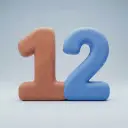 اِثْنَا عَشَر ithnā ‘ashar twelve
هناك اِثْنَتَا عَشْرَةَ بيضة في كرتونة. Hunāka ithnatā ʿashrata bayḍatan fī kartūnah. There are twelve eggs in a carton.
-
 ثَلَاثَةَ عَشَرَ thalāthata 'ashar thirteen
الرقم ثلاثة عشر مشؤوم. ar-raqam thalāthata ʿashara mash'ūm. The number thirteen is unlucky.
-
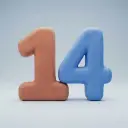 أَرْبَعَةَ عَشَرَ arbaʿata ʿashar fourteen
تحتوي العمارة على أربعة عشر طابقاً. taḥtawī al-'imāra 'alā arba'ata 'ashara ṭābiqan. The apartment has fourteen floors.
-
 خَمْسَةَ عَشَرَ khamsata 'ashar fifteen
أفتح الكتاب على صفحة رقم خمسة عشر. Aftaḥu al-kitāba ʿalā ṣafḥati raqmi khamsata ʿashara. I open the book at page fifteen.
-
 سِتَّةَ عَشَرَ sittata 'ashar sixteen
هذا أكثر بستة عشر ضعفاً! Hatha akthar bi-sittata ʿashara diʿfan! That is sixteen times more!
-
 سَبْعَةَ عَشَرَ sab'ata 'ashar seventeen
لَدَيْنَا سَبْعَةَ عَشَرَ قَلَماً. Ladayna sab'ata 'ashara qalaman. We have seventeen pencils.
-
 ثَمَانِيَةَ عَشَرَ thamāniyata 'ashar eighteen
يبلغ ارتفاعه ثمانية عشر متراً. yablughu irtifaaʿuhu thamaaniyata ʿashara matran. It is eighteen meters high.
-
 تِسْعَةَ عَشَرَ tis'ata 'ashar nineteen
تسعة عشر هو رقمي المفضل. tis'ata 'ashar huwa raqmi al-mufaddal. Nineteen is my favourite number.
-
 عِشْرُونَ ʿishrūn twenty
تحتاج إلى عشرين تفاحة صغيرة. Taḥtāju ilā ʿishrīna tuffāḥatan ṣaghīrah. She needs twenty small apples.
-
 ثَلَاثُونَ thalāthūn thirty
عمره ثلاثون سنة. ʿumruhu thalāthūna sanah. He is thirty years old.
-
 مِائَة mi'ah hundred
عَدَّ إلى مِائَة. ʿadda ilā mi'a. He counted to one hundred.
-
 أَرْبَعُونَ arbaʿūn forty
لديها أربعون قلماً في المجموع. Ladayhā arbaʿūna qalaman fī al-majmūʿ. She has forty pencils in total.
-
 خَمْسُونَ khamsūn fifty
لديه خمسون دولاراً. ladayhi khamsoona doolaaran. He has fifty dollars.
-
 سِتُّونَ sittūn sixty
عمر جون ستون عاماً. ʿumru Jūn sittūna ʿāman. John is sixty years old.
-
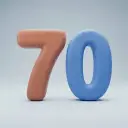 سَبْعُونَ sabʿūn seventy
جدي عمره سبعون عاماً. Jaddī ʿumruhu sabʿūna ʿāman. My grandpa is seventy years old.
-
 ثَمَانُونَ thamānūn eighty
عِنْدِي ثَمَانُونَ غِرَاماً مِنَ السُّكَّرِ. ʿindī thamānūna ghirāman mina s-sukkar. I have eighty grams of sugar.
-
 تِسْعُونَ tisʿūn ninety
لَدَيْهِ تِسْعُونَ كتاباً ليقرأها. Ladayhi tisʿūna kitāban liyaqraʾahā. He has ninety books to read.
-
 أَلْف alf thousand
الألف عدد كبير. al-alf ʿadad kabīr. A thousand is a big number.
-
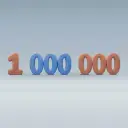 مِلْيُون milyūn million
تكلف تلك السيارة مليون دولار. Tukallifu tilka as-sayyāratu milyūna dūlār. That car costs a million dollars.
-
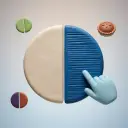 نِصْف niṣf half
أكل نصف البيتزا. Akala niṣfa al-bītzā. He ate half the pizza.
-
 رُبْع rubʿ quarter
لم يتبقَّ منهم سوى الرُّبْع. Lam yatabaqqa minhum siwa ar-rub'. There is only a quarter of them left.
-
 دَسْتَة dasta dozen
أشتري دستة بيض من المتجر. ashtarī dasta bayḍ min al-matjar. I buy a dozen eggs at the store.
-
 زَوْج zawj pair
ذلك الزوج من الأحذية نظيف. dhālika az-zawj min al-aḥdhiya naẓīf. That pair of shoes is clean.
-
 أَوَّل awwal first
فاز بالمركز الأول بسهولة. Faza bil-markaz al-awwal bisuhulah. He won first place easily.
-
 ثَانِي thānī second
هذه مرتي الثانية هنا. Hādhihi marratī ath-thāniyah hunā. This is my second time here.
-
 ثَالِث thālith third
أنهوا في المركز الثالث. Anhaw fil-markaz ath-thaalith. They finished in third place.
-
 رَابِع rābiʿ fourth
أنا الرابع في الطابور. Ana ar-rābiʿ fi aṭ-ṭābūr. I am fourth in line.
-
 خَامِس khāmis fifth
هي في الصف الخامس. hiya fi as-saff al-khamis. She is in the fifth row.
-
 سَادِس sādis sixth
هو الشخص السادس. Huwa ash-shakhs as-saadis. He is the sixth person.
-
 سَابِع sābiʿ seventh
يسكنون في الطابق السابع. Yaskunūna fī aṭ-ṭābiq as-sābiʿ. They live on the seventh floor.
-
 ثَامِن thāmin eighth
هذه هي التفاحة الثامنة. Hādhihi hiya at-tuffāḥa ath-thāmina. This is the eighth apple.
-
 التَّاسِع at-tāsiʿ ninth
اليوم التَّاسِع عطلة. al-yawm at-tāsiʿ ʿuṭlah. The ninth day is a holiday.
-
 عَاشِر ʿāshir tenth
هي في المركز العاشر. hiya fil-markaz al-ʿāshir. She is the tenth place.
-
 الحَادِي عَشَر al-ḥādī ʿashar eleventh
يحتفلون بذكراهم السنوية الحادية عشرة. yaḥtafilūna bi-dhikrāhum as-sanawiyyah al-ḥādiyah ʿashrah. They celebrate their eleventh anniversary.
-
 الثَّانِي عَشَر ath-thānī ʿashar twelfth
ذلك هو الشهر الثاني عشر. dhālika huwa ash-shahru ath-thānī ʿashar. That is the twelfth month.
-
 دَائِمًا dā'iman always
أشرب القهوة دَائِمًا في الصباح. ashrab al-qahwa dā'iman fi as-sabāḥ. I always drink coffee in the morning.
-
 عَادَةً ʿādatan usually
يتناول الغداء عادةً عند الظهر. yatanāwalu al-ghadā'a ʿādatan ʿinda aẓ-ẓuhr. He usually eats lunch at noon.
-
 غَالِبًا ghāliban often
يأكل الناس البيتزا هنا غَالِبًا. ya'kul an-nās al-bītzā hunā ghāliban. People often eat pizza here.
-
 أَحْيَانًا aḥyānan sometimes
تَذْهَبُ أَحْيَانًا إِلَى الْمَكْتَبَةِ. Tadhhabu aḥyānan ilā al-maktabah. She sometimes goes to the library.
-
 نَادِرًا nādiran rarely
نَادِرًا ما آكل الوجبات السريعة. nādiran mā ʾākulu l-wajabāt as-sarīʿa. I rarely eat fast food.
-
 أَبَدًا abadan never
لا يذهبون إلى ذلك المتجر أَبَدًا. La yathhabuna ila dhalika al-matjar abadan. They never go to that store.
-
 كُلَّ يَوْمٍ kulla yawm every day
نأكل الشوكولاتة كل يوم. Naʾkulu ash-shūkulātah kulla yawm. We eat chocolate every day.
-
 كُلَّ أُسْبُوعٍ kulla usbūʿ every week
تسبح كل أسبوع. tasbaḥu kulla 'usbūʿ. She swims every week.
-
 عُطْلَةُ نِهَايَةِ الأُسْبُوعِ ʿuṭlat nihāyat al-usbūʿ on weekends
أسترخي في عطلات نهاية الأسبوع في المنزل. astarkhī fī ʿuṭlāti nihāyati l-ʾusbūʿi fī l-manzil. I relax on weekends at home.
-
 فِي الصَّبَاحِ fi-ṣ-ṣabāḥ in the morning
يتناول الناس الفطور في الصباح. Yatanawalu an-nasu al-futura fi as-sabaah. People eat breakfast in the morning.
-
 لَيْلًا laylan at night
ينامون لَيْلًا في أسرتهم. Yanāmūna laylan fī asiratihim. They sleep at night in their beds.
-
 بَعْدَ العَمَلِ baʿda al-ʿamal after work
يَسْتَرْخِي بَعْدَ العَمَلِ كُلَّ يَوْم. yastarkhī baʿda al-ʿamal kulla yawm. He relaxes after work every day.
-
 مَرَّةً فِي marratan fī once a
أَذْهَبُ مَرَّةً فِي الأُسْبُوع. aḏhabu marratan fil-ʾusbūʿ. I go once a week.
-
 مَرَّتَيْنِ فِي marratayn fi twice a
يزور أبي مَرَّتَيْنِ فِي الأسبوع. Yazuru abi marratayni fi-l-usbu'. My dad visits twice a week.
-
 يَوْمٌ بَعْدَ يَوْم yawm ba'd yawm every other
يَزُورُونَ كُلَّ أُسْبُوعَيْن. yazūrūna kulla ʾusbūʿayn. They visit every other week.
-
 عَلَى الْأَقَلّ ʿala al-aqall at least
يأكل تفاحة واحدة على الأقل يومياً. Yaʾkulu tuffāḥatan wāḥidatan ʿalā al-aqalli yawmiyyan. He eats at least one apple daily.
-
 عَلَى الأَكْثَر ʿala al-akthar at most
سَأَشْتَرِي اثْنَيْنِ عَلَى الأَكْثَر. saʾashtarī ithnayn ʿalā al-ʾakthar. I will buy two at most.
-
 أَكْثَرُ مِنْ aktharu min more than
هذا طعام أكثر من كافٍ. hadha ta'am akthar min kafin. This is more than enough food.
-
 أَقَلُّ مِنْ aqallu min less than
حَصَلْتَ على أقل من المرة الماضية. Ḥaṣalta ʿalā aqalla min al-marrah al-māḍiyah. You got less than last time.
-
 قَلِيل qalīl a little
يَحتاجُ إلى قليل من المساعدة. Yaḥtāju ʾilā qalīlin min al-musāʿada. He needs a little help.
-
 قَلِيلًا qalīlan a bit
أكلت قَلِيلًا من الكعكة. Akalat qalīlan min al-ka'kah. She ate a bit of cake.
-
 كَثِيراً kathīran a lot
أدرس كَثِيراً. Adrusu kathīran. I study a lot.
-
 أَكْثَرَ مِنَ اللَّازِم akthar min al-lazim too much
أكلوا كعكاً أكثر من اللازم. akalū kaʿkan akthara mina l-lāzim. They ate too much cake.
-
 غَيْرُ كَافٍ ghayru kāfin not enough
هذا المقدار غير كافٍ. Hādhā l-miqdār ghayru kāfin. This amount is not enough.
-
 قَبْل qabl ago
وَصَلْتُ قَبْلَ يَوْمَيْنِ. waṣaltu qabla yawmayn. I arrived two days ago.
-
 قَرِيباً qarīban soon
سَيَصِلُ صَدِيقي قَرِيباً. sayasilu sadiqi qariban. My friend will arrive soon.
-
 مَا زَالَ mā zāla still
أنا ما زلتُ جائعاً. ana mā ziltu jā'iʿan I am still hungry.
-
 أَبَدًا abadan ever
هَلْ رَأَيْتَ الْمُحِيطَ مِنْ قَبْلُ؟ hal ra'ayta al-muḥīṭa min qabl? Have you ever seen the ocean?
-
 بَعْدُ ba'du yet
صديقي لم يصل بعدُ. Sadeeqi lam yaSil ba'du. My friend has not arrived yet.
-
 فَوْرًا fawran immediately
أحتاجُ إلى المساعدة فَوْرًا. Aḥtāju ilā al-musāʿada fawran. I need help immediately.
-
 رُبَّمَا rubbamā maybe
رُبَّمَا ستأتي لاحقاً. rubbamā sata'tī lāḥiqan Maybe she will come later.
-
 وَقْتًا مَا waqtan mā sometime
سوف نلتقي في وقت ما. sawfa naltaqī fī waqtin mā. We will meet sometime.
-
 أَيّ وَقْت ayyi waqt anytime
يُمْكِنُكَ زِيَارَتُنَا فِي أَيِّ وَقْتٍ. yumkinuka ziyaratuna fi ayyi waqt. You can visit us anytime.
-
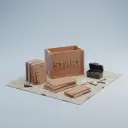 قَبْلَ qabla before
غادرنا قبل العاصفة. ghādarnā qabla l-ʿāṣifa We left before the storm.
-
 بَعْدَ baʿda after
سَنُغَادِرُ بَعْدَ الوَجْبَةِ. sanughādiru baʿda l-wajba We will leave after the meal.
-
 فِي هٰذِهِ الْأَيَّام fi hadhihi al-ayyam nowadays
يُسَافِرُ النَّاسُ أَكْثَرَ فِي هٰذِهِ الْأَيَّام. yusafiru an-nasu akthara fi hadhihi al-ayyam. People travel more nowadays.
Words 301–400
-
 يَنَايِر yanāyir January
يَنَايِر هو الشهر الأول. Yanayir huwa ash-shahr al-awwal. January is the first month.
-
 فِبْرَايِر fibrāyir February
فِبْرَايِر عَادَةً شَهْرٌ قَصِير. Fibrāyir ʿādatan shahr qaṣīr. February is usually a short month.
-
 مَارِس māris March
عادةً أزورهم في مارس. ʿādatan ʾazūruhum fī Māris. I usually visit them in March.
-
 أَبْرِيل Abrīl April
مباراة كرة السلة في أبريل. Mubārat kurat as-sallah fī Abrīl. The basketball game is in April.
-
 مَايُو māyū May
امتحاني النهائي في مايو. Imtiḥānī an-nihā'iyy fī Māyū. My final exam is in May.
-
 يُونِيُو yūniyū June
سأعرف الإجابة بحلول يُونِيُو. Sa'aʿrif al-'ijāba bi-ḥulūl Yūniyū. I will know the answer by June.
-
 يُولِيُو yūliyū July
يوليو عادةً شهر دافئ جداً. Yūliyū ʿādatan shahr dāfiʾ jiddan. July is usually a very warm month.
-
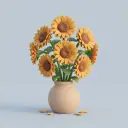 أَغُسْطُس aghusṭus August
هل يمكننا أن نلتقي مرة أخرى في أغسطس؟ Hal yumkinuna an naltaqi marratan ukhra fi Aghustus? Can we meet again in August?
-
 سِبْتَمْبِر sibtambir September
إجازتي في سبتمبر. ijāzatī fī sibtambir. My vacation is in September.
-
 أُكْتُوبَر uktūbar October
هل عيد ميلادك في أكتوبر؟ Hal ʿīd mīlādika fī Uktūbar? Is your birthday in October?
-
 نُوفَمْبِر nūfambir November
لِمَاذَا تُمْطِرُ فِي نُوفَمْبِر؟ Limādhā tumṭiru fī Nūfambir? Why does it rain in November?
-
 دِيسَمْبِر dīsambir December
دِيسَمْبِر هو الشهر الأخير. Dīsambir huwa ash-shahr al-akhīr. December is the last month.
-
 فَوْقَ fawqa over
تقفز القطة فوق الصندوق. Taqfizu al-qittatu fawqa as-sunduq. The cat jumps over the box.
-
 تَحْتَ taḥta under
يعيشون تحت شجرة كبيرة. Yaʿīshūna taḥta shajaratin kabīrah. They live under a big tree.
-
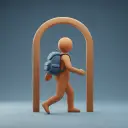 عَبْرَ ʿabra through
يَمْشِي عَبْرَ الباب. Yamshī ʿabra al-bāb. He walks through the door.
-
 بِمُحَاذَاةِ bimuḥādhāt along
نمشي بمحاذاة الشاطئ. Namshī bi-muḥādhāti ash-shāṭiʾ. We walk along the beach.
-
 حَوْلَ ḥawla around
يمشي الناس حول الحديقة. Yamshī an-nāsu ḥawla al-ḥadīqah. People walk around the park.
-
 عَبْرَ ʿabra across
أذهب عبر الشارع. adhhabu ʿabra ash-shāriʿ. I go across the street.
-
 إِلَى دَاخِلِ ila dakhil into
يمشي ببطء إلى داخل الغرفة. Yamshi bibut' ila dakhil al-ghurfa. He walks slowly into the room.
-
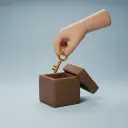 خَارِج khārij out of
يَرْكُضُ الطِّفْلُ إِلَى خَارِجِ الْمَدْرَسَةِ. yarkuḍu aṭ-ṭiflu ilā khāriji al-madrasah. The kid runs out of the school.
-
 أَعْلَى a'lā up
تنظر إلى الأعلى نحو السحب. Tanzuru ila al-a'la nahwa as-suhub. She looks up at the clouds.
-
 أَسْفَل asfal down
وَضَعَ الكَلْبُ الكُرَةَ أَرْضاً. Waḍaʿa l-kalbu l-kurata arḍan. The dog put the ball down.
-
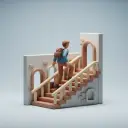 فِي الطَّابَقِ العُلْوِيّ fi-t-tabaq al-ulwi upstairs
أذهب إلى الطابق العلوي لأنام. adhhabu ilā aṭ-ṭābaq al-ʿulwiyy li-ʾanām. I go upstairs to bed.
-
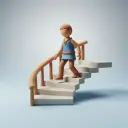 إِلَى الطَّابِقِ السُّفْلِيِّ ila al-ṭābiq as-suflī downstairs
أسمع أصواتاً في الطابق السفلي. asmaʿ aṣwātan fī ṭ-ṭābiq as-suflī. I hear noises downstairs.
-
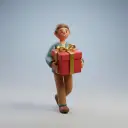 أَحْضَرَ aḥḍara bring
يُحضرون الطعام إلى الحفلة. Yuḥḍirūna aṭ-ṭaʿāma ʾilā l-ḥaflah. They bring food to the party.
-
 أَخَذَ akhadha take
أنت دائماً تأخذ قلمي. Anta dā'iman ta'khudh qalamī. You always take my pen.
-
 حَمَلَ ḥamala carry
يستطيع أن يحمل الصندوق. Yastatii'u an yahmila as-sunduuq. He can carry the box.
-
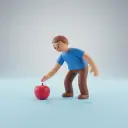 رَفَعَ rafaʿa pick up
هل يمكنك أن تَسْتَلِمَ الطرد؟ Hal yumkinuka an tastalima at-tard? Can you pick up the package?
-
 أَسْقَطَ asqaṭa drop
إذا أَسْقَطْتُ الهاتف، سينكسر. idha asqaṭtu al-hatif, sayankasir. If I drop the phone, it will break.
-
 نَاوَلَ nāwala pass
هل يمكنك أن تناولني الملح؟ Hal yumkinuka an tunāwilanī al-milḥ? Can you pass me the salt?
-
 وَضَعَ waḍaʿa put down
وَضَعْنَا حقائب ظهرنا. waḍaʿnā ḥaqā'iba ẓahrinā. We put down our backpacks.
-
 رَتَّبَ rattaba put away
رَتَّبْتُ أَلْعابِي. Rattabtu al'aabii. I put away my toys.
-
 أَخْرَجَ akhraja take out
سَتُخْرِجُ القمامة. satukhriju al-qumāma. She will take out the trash.
-
 أَغْلَقَ aghlaqa hang up
يُعَلِّقُونَ مَعَاطِفَهُمْ. yuʿalliqūna maʿāṭifahum. They hang up their coats.
-
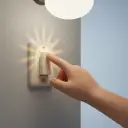 شَغَّلَ shaghghala turn on
أنت تشغل الضوء. Anta tushaghghil ad-daw'. You turn on the light.
-
 أَطْفَأَ atfa'a turn off
هل يمكن لأحد أن يُطْفِئَ الراديو؟ Hal yumkin li-'aḥad 'an yuṭfi'a ar-rādiyū? Can someone turn off the radio?
-
 قَفَزَ qafaza jump
تَقْفِزُ القِطّةُ فَوْقَ الجِدارِ. taqfizu al-qiṭṭatu fawqa al-jidār The cat jumps over the wall.
-
 رَمَى ramā throw
يَرْمِي الوَلَدُ الحَجَرَ. yarmī al-waladu al-ḥajar. The boy throws the stone.
-
 أَمْسَكَ amsaka catch
يُمْسِكُ الكُرَةَ بِيَدَيْهِ. yumsiku l-kurata bi-yadayh. He catches the ball.
-
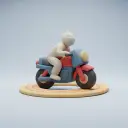 رَكِبَ rakiba ride
يَرْكَبُ الوَلَدُ حِصَانًا. yarkabu al-waladu ḥiṣānan. The boy rides a horse.
-
 طَارَ ṭāra fly
تَطِيرُ الطُّيُورُ فِي السَّمَاءِ. Taṭīru aṭ-ṭuyūru fī as-samāʾ. The birds fly in the sky.
-
 حَبَا ḥabā crawl
يَحْبُو الطِّفْلُ عَلَى الأَرْضِ. yaḥbuṭ-ṭiflu ‘alal-arḍ The baby crawls on the floor.
-
 تَجَاوَزَ tajāwaza skip
تَجَاوَزَت الصَّفْحَةَ الأولى. tajāwazat as-safḥata al-ūlā She skipped the first page.
-
 رَكَلَ rakala kick
يَرْكُلُ الطِّفْلُ الكُرَةَ. yarkulu t-tiflu l-kura The child kicks the ball.
-
 ارْتَدَّ irtadda bounce
تَرْتَدُّ الكُرَةُ عَلَى الأَرْضِ. tartaddu al-kuratu ʿala al-arḍ. The ball bounces on the ground.
-
 تَسَلَّقَ tasallaqa climb
تتسلّق القطة الشجرة. tatasallaqu al-qiṭṭatu ash-shajarah The cat climbs the tree.
-
 غَاصَ ghāṣa dive
يَغُوصُ الوَلَدُ فِي المَاءِ. yaghūṣu al-waladu fī al-mā'i The boy dives into the water.
-
 اِنْزَلَقَ inzalaqa slide
يَنْزَلِقُ الصندوقُ على الأرض. yanzaliqu s-sandūqu ‘ala l-arḍ The box slides on the floor.
-
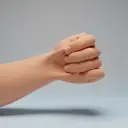 قَرَصَ qarasa pinch
قَرَصَ ذِرَاعِي. qarasa dhiraa'ee He pinched my arm.
-
 عَصَرَ ʿaṣara squeeze
تَعْصِرُ يَدِي بِقُوَّةٍ. taʿṣiru yadī bi-quwwah. She squeezes my hand.
-
 وَكَزَ wakaza poke
وَكَزَ الطِّفْلُ ذِرَاعِي. wakaza t-tiflu dhiraa'ee The child poked my arm.
-
 يُرَبِّتُ yurabbitu stroke
يُرَبِّتُ الوَلَدُ عَلَى الكَلْبِ. yurabbitu al-waladu ‘ala al-kalb The boy strokes the dog.
-
 فَرَكَ faraka rub
أفركُ عينيَّ المتعبتين. afruku 'aynayya al-mut'abatayn I rub my tired eyes.
-
 لَوَى lawā twist
يَلْوِي الرَّجُلُ الحَبْلَ. yalwī ar-rajulu al-ḥabla The man twists the rope.
-
 هَزَّ hazza shake
يَهُزُّ الرَّضيعُ اللُّعْبَةَ. yahuzzu ar-raḍīʿu al-luʿbah. The baby shakes the toy.
-
 طَوَى ṭawā fold
أنا أطوي الورقة. ana aṭwī al-waraqa I fold the paper.
-
 ضَغَطَ ḍaghaṭa press
تَضْغَطُ على الزر الأحمر. taḍghaṭu ‘ala az-zirr al-’aḥmar She presses the red button.
-
 رَبَطَ rabaṭa attach
سَيَرْبُطُ الحَبْلَ. sayarbuṭu l-ḥabl He will attach the rope.
-
 سَحَبَ saḥaba pull
يَسْحَبُ الرَّجُلُ الحَبْلَ الثَّقِيلَ. yas-ḥabu ar-rajulu al-ḥabla ath-thaqīl. The man pulls the heavy rope.
-
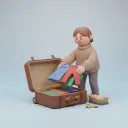 حَزَمَ ḥazama pack
أَحْزِمُ حَقِيبَتِي لِلسَّفَرِ. aḥzimu ḥaqībātī lis-safar. I pack my bag.
-
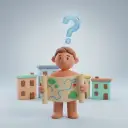 أَيْنَ...؟ ayna...? Where is the ...?
أين الفندق؟ Ayna al-funduq? Where is the hotel?
-
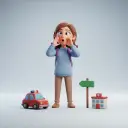 هَلْ هُنَاكَ ... قَرِيبٌ؟ hal hunāka ... qarīb? Is there a ... nearby?
هل هناك بنك قريب؟ Hal hunaka bank qarib? Is there a bank nearby?
-
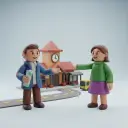 كَيْفَ أَصِلُ إِلَى...؟ Kayfa aṣilu ilā...? How do I get to ...?
كيف أَصِلُ إلى المدرسة؟ kayfa aṣilu ilā l-madrasah? How do I get to school?
-
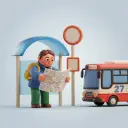 أَيُّ حَافِلَةٍ تَذْهَبُ إِلَى...؟ ayyu ḥāfilatin tadh-habu ilā...? Which bus goes to ...?
أي حافلة تذهب إلى المدينة؟ Ayyu ḥāfilatin tadhhabu ilā l-madīnah? Which bus goes to town?
-
 أَيُّ خَطٍّ يَذْهَبُ إِلَى...؟ ayyu khaṭṭin yadh-habu ilā...? Which line goes to ...?
أي خط يذهب إلى المتحف؟ ayyu khaṭṭin yadhhabu ilā l-matḥaf? Which line goes to the museum?
-
 كَمْ يَسْتَغْرِقُ؟ kam yastaghriq? How long does it take?
أتساءل كم يستغرق الأمر. atsaa'alu kam yastaghriqu al-amr. I wonder how long does it take.
-
 كَمْ يَبْعُدُ kam yabʿudu How far is it?
كَمْ يَبْعُدُ؟ kam yabʿud? How far is it?
-
 هَلْ يُمْكِنُكَ أَنْ تُرِيَنِي hal yumkinuka an turiyani Can you show me on the map?
هل يمكنك أن تريني على الخريطة؟ hal yumkinuka an turiyani 'ala al-khareeta? Can you show me on the map?
-
 أَبْحَثُ عَنْ abḥathu ʿan I'm looking for
هم يبحثون عن دورة مياه. Hum yabḥathūna ʿan dawrat miyāh. They are looking for a restroom.
-
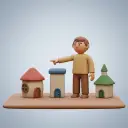 أَقْرَب aqrab The nearest
أقرب متجر هناك بالأسفل. Aqrab matjar hunak bil-asfal. The nearest store is down there.
-
 هَلْ يَذْهَبُ هَذَا إِلَى...؟ hal yadhabu hadha ila...? Does this go to ...?
هَلْ يَذْهَبُ هَذَا إِلَى المطعم؟ hal yadhhabu hādhā ilā l-maṭʿam? Does this go to the restaurant?
-
 أَيُّ مَحَطَّةٍ لِـ ayyu maḥaṭṭatin li-... Which stop for ...?
أي محطة لوسط المدينة؟ ayyu maḥaṭṭatin li-wasaṭi l-madīnah? Which stop for downtown?
-
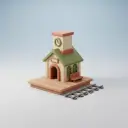 مَحَطَّة maḥaṭṭa station
ينتظرون في محطة القطار. yantaẓirūna fī maḥaṭṭat al-qiṭār. They wait at the train station.
-
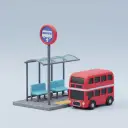 مَوْقِفُ حَافِلَات mawqif ḥāfilāt bus stop
موقف الحافلات قريب. mawqif al-ḥāfilāt qarīb. The bus stop is nearby.
-
 مَحَطَّةُ مِتْرُو maḥaṭṭat mitrū subway station
محطة المترو هذه مزدحمة جداً. maḥaṭṭat al-mitrū hadhihi muzdaḥima jiddan. This subway station is very crowded.
-
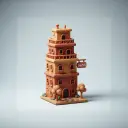 فُنْدُق funduq hotel
يمكنك حجز فندق عبر الإنترنت. Yumkinuka ḥajz funduq ʿabra al-intarnit. You can book a hotel online.
-
 صَيْدَلِيَّة ṣaydaliyya pharmacy
يعمل مارك في الصيدلية. Ya'mal Mark fi as-saydaliyya. Mark works at the pharmacy.
-
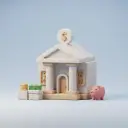 مَصْرِف maṣrif bank
يذهب إلى المصرف. yadhhabu ila al-maṣrif. He goes to the bank.
-
 دَوْرَةُ مِيَاه dawrat miyāh restroom
هذه دورة مياه نظيفة. Hādhihi dawrat miyāh naẓīfah. This is a clean restroom.
-
 سُوبَر مَارْكِت sūbar mārkit supermarket
نشتري الطعام من السوبر ماركت. nashtarī aṭ-ṭaʿāma min as-sūbar mārkit. We buy food at the supermarket.
-
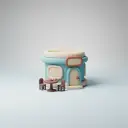 مَطْعَم maṭʿam restaurant
هم يُحِبُّون ذلك المطعم كثيراً. Hum yuḥibbūna dhālika l-maṭʿam kathīran. They like that restaurant a lot.
-
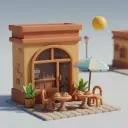 مَقْهَى maqhā café
تعمل جين في المقهى. Ta'mal Jane fi al-maqha. Jane works at the café.
-
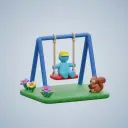 مُنْتَزَه muntazah park
تحب المنتزه الأخضر. Tuḥibbu al-muntazah al-akhḍar. She likes the green park.
-
 مُسْتَشْفَى mustashfā hospital
المستشفى يساعد المرضى. Al-mustashfa yusa'id al-marda. A hospital helps sick people.
-
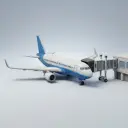 مَطَار maṭār airport
وَصَلْنَا إِلَى الْمَطَارِ. waṣalnā ilā al-maṭār We arrived at the airport.
-
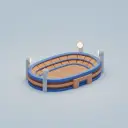 مَلْعَب malʿab stadium
ذَهَبْنَا إِلَى الْمَلْعَبِ لِمُشَاهَدَةِ الْمُبَارَاةِ. dhahabnā ilā al-malʿabi li-mushāhadati al-mubārāh. We went to the stadium.
-
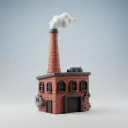 مَصْنَع maṣnaʿ factory
يُنْتِجُ هَذَا المَصْنَعُ المَلَابِسَ. yuntiju hādha al-maṣnaʿu al-malābis This factory makes clothes.
-
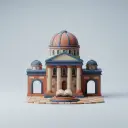 جَامِعَة jāmiʿa university
هِيَ تَدْرُسُ بِالْجَامِعَةِ. hiya tadrusu bil-jāmiʿa She studies at the university.
-
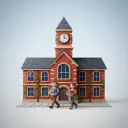 كُلِّيَّة kulliyya college
هِيَ تَدْرُسُ بِالْكُلِّيَّةِ. hiya tadrusu bil-kulliyya She studies at the college.
-
 نَادِي nādī club
انْضَمَمْنَا إِلَى النَّادِي الرِّيَاضِيِّ. inḍamamna ila an-nādi ar-riyāḍi We joined the sports club.
-
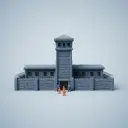 سِجْن sijn prison
هَرَبَ المُجْرِمُ مِنَ السِّجْنِ. haraba al-mujrimu mina as-sijni The criminal escaped from prison.
-
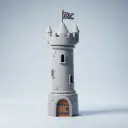 بُرْج burj tower
أَرَى الْبُرْجَ الْعَالِيَ. ara al-burja al-'ali I see the tall tower.
-
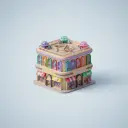 مَرْكَز تَسَوُّق markaz tasawwuq mall
اشتريتُ حذاءً من مَرْكَزِ التَّسَوُّق. Ishtaraytu ḥidāʾan min markazi at-tasawwuq. I bought shoes at the mall.
-
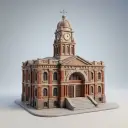 مَبْنَى البَلَدِيَّة mabnā al-baladiyya town hall
اِلْتَقَيْنَا بِمَبْنَى البَلَدِيَّة. iltaqaynā bi-mabnā al-baladiyya We met at the town hall.
-
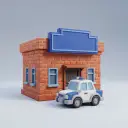 مَرْكَزُ شُرْطَة markaz shurṭa police station
أَرَى مَرْكَزَ الشُّرْطَةِ. Arā markaza ash-shurṭati. I see the police station.
-
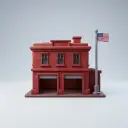 مَحَطَّةُ إِطْفَاء maḥaṭṭat iṭfā' fire station
أَسْكُنُ بِالقُرْبِ مِنْ مَحَطَّةِ الإِطْفَاءِ. askunu bil-qurbi min maḥaṭṭat il-iṭfā' I live near the fire station.
-
 اِنْعَطِف يَسَارًا in'atif yasaran Turn left.
اِنْعَطِف يَسَارًا هُنَا. in'atif yasaran huna. Turn left here.
-
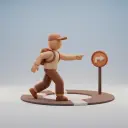 اِنْعَطِف يَمِينًا in'atif yaminan Turn right.
اِنْعَطِف يَمِينًا عِنْدَ التَّقَاطُعِ. in'atif yaminan 'inda at-taqatu'. Turn right at the intersection.
-
 اِذْهَبْ idhab Go straight ahead.
اذهب إلى الأمام مباشرة إلى المدرسة. idhhab ila l-amam mubasharatan ila l-madrasa. Go straight ahead to school.
-
 قَرِيب qarīb It's near.
إنه قريب. Innahu qarīb. It's near.
Words 401–500
-
 بَعِيد baʿīd It's far.
إنه بعيد. innahu ba'eed. It's far.
-
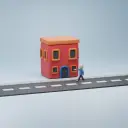 عَبْرَ الشَّارِع ʿabra ash-shāriʿ Across the street.
هو يسكن في الجهة المقابلة من الشارع. huwa yaskunu fil-jihati l-muqābilati mina sh-shāriʿ. He lives across the street.
-
 عِنْدَ الزَّاوِيَةِ ʿinda az-zāwiya At the corner.
هي تَنْتَظِرُ عند الزاوية. Hiya tantaziru 'inda az-zawiyah. She is waiting at the corner.
-
 إِشَارَةُ المُرُورِ ishārat al-murūr At the traffic light.
تَوَقَّفْنَا عِنْدَ إِشَارَةِ المُرُورِ. Tawaqqafnā ʿinda ishārat al-murūr. We stopped at the traffic light.
-
 تَقَاطُع taqāṭuʿ At the intersection.
البار عِنْدَ التَّقَاطُع. Al-bār ʿinda t-taqāṭuʿ. The bar is at the intersection.
-
 مَمَرُّ مُشَاة mamarr mushāh Crosswalk.
ممر المشاة ذلك آمن جداً. mamarru l-mushāti dhālika āminun jiddan. That crosswalk is very safe.
-
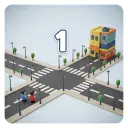 عَلَى بُعْدِ مَرْبَعٍ سَكَنِيٍّ وَاحِدٍ ʿala buʿdi marbaʿin sakaniyyin waḥid One block away.
المتحف على بعد مربع سكني واحد. al-matḥaf ʿalā buʿdi murabbaʿ sakaniyy wāḥid. The museum is one block away.
-
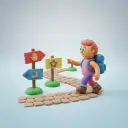 اتَّبِعْ ittabiʿ Follow the signs.
اتَّبِعِ الإشارات إلى الأمان. ittabiʿi l-ishārāt ilā l-amān. Follow the signs to safety.
-
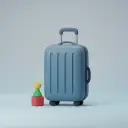 حَقِيبَة ḥaqībah suitcase
هل حَزَمْتَ حقيبتك بالفعل؟ Hal ḥazamta ḥaqībataka bil-fiʿl? Did you pack your suitcase already?
-
 مِغْنَاطِيس mighnāṭīs magnet
المِغْنَاطِيس الصغير هدية. al-mighnāṭīs aṣ-ṣaghīr hadiyyah. The small magnet is a present.
-
 فُرْشَاةُ شَعْر furshāt shaʿr hairbrush
لا تستطيع العثور على فرشاة شعرها. lā tastaṭīʿu al-ʿuthūra ʿalā furshāti shaʿrihā. She can’t find her hairbrush.
-
 وِسَادَة wisāda pillow
هذه الوسادة ناعمة ودافئة. Hādhihi al-wisāda nāʿima wa-dāfiʾa. This pillow is soft and warm.
-
 بَطَّانِيَّة baṭṭāniyya blanket
خذ بطانية إذا كنت تشعر بالبرد. Khudh baṭṭāniyya idhā kunta tashʿur bil-bard. Take a blanket if you are cold.
-
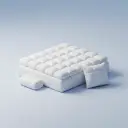 مَرْتَبَة martaba mattress
مرتبتنا الجديدة مريحة جداً. Martabatuna al-jadida muriha jiddan. Our new mattress is really comfortable.
-
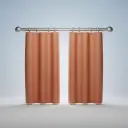 سِتَارَة sitāra curtain
من فضلك افتح الستارة، الجو مظلم. min faḍlak iftaḥ as-sitāra, al-jaww muẓlim. Please open the curtain, it's dark.
-
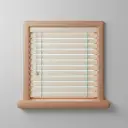 سَتَائِر شَرَائِحِيَّة sata'ir shara'ihiyya blinds
عَادَةً مَا أُغْلِقُ السَّتَائِرَ الشَّرَائِحِيَّةَ فِي اللَّيْلِ. 'adatan ma ughliqu as-sata'ir ash-shara'ihiyya fi al-layl. I usually close the blinds at night.
-
 سِجَّادَة sijjāda carpet
هناك غبار تحت السِّجَّادَة. Hunāka ghubār taḥta as-sijjādah. There is dust under the carpet.
-
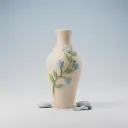 مِزْهَرِيَّة mizhariyya vase
تبدو هذه المزهرية غالية. tabdū hādhihi l-mizhariyya ghāliya. This vase looks expensive.
-
 مِكْنَسَة miknasa broom
هل في هذه الشقة مِكْنَسَة؟ Hal fī hādhihi ash-shaqqa miknasa? Does this apartment have a broom?
-
 وَرَقُ حَمَّام waraq hammām toilet paper
يا إلهي، لقد نَفِدَ ورق الحمام! Yā ilāhī, laqad nafida waraq al-ḥammām! Oh no, the toilet paper’s gone!
-
 صُوف ṣūf wool
لِلخَرُوفِ صُوفٌ كَثِيفٌ. lil-kharūfi ṣūfun kathīf. The sheep has thick wool.
-
 مَعْدِن maʿdin metal
نَحْنُ بِحَاجَةٍ إِلَى خَشَبٍ وَمَعْدِن. naḥnu bi-ḥājatin ilā khashabin wa-maʿdin. We need wood and metal.
-
 بلاستيكيّ blāstīkī plastic
تغسل الوعاء البلاستيكيّ. taghsil al-wiʿā’ al-blāstīkī She washes the plastic bowl.
-
 جِلْد jild leather
اشتريتُ حقيبةً جديدةً من الجلد. ishtaraytu ḥaqībatan jadīdatan min al-jild. I bought a new leather bag.
-
 قُطْن quṭn cotton
يَزْرَعُ الْمُزَارِعُ الْقُطْنَ. yazraʿu al-muzāriʿu al-quṭna. The farmer grows cotton.
-
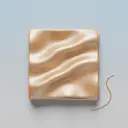 حَرِير ḥarīr silk
هذا الْحَرِيرُ ناعمٌ جداً. hādhā al-ḥarīru nāʿimun jiddan. This silk is very soft.
-
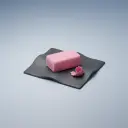 مَطَّاط maṭṭāṭ rubber
الكرة مصنوعة من المَطَّاط. al-kura maṣnūʿa min al-maṭṭāṭ. The ball is made of rubber.
-
 دَنِيم danīm denim
اشترى قماشَ دَنِيم سَمِيكًا. ishtarā qumāsha danīm samīkan. He bought thick denim fabric.
-
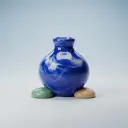 خَزَفِيّ khazafiyy ceramic
غَسَلَتِ الوِعاءَ الخَزَفِيّ. ghasalat al-wiʿāʾ al-khazafiyy She washed the ceramic bowl.
-
 رُخَام rukhām marble
قَطَعُوا الرُّخَامَ الأَبْيَضَ. qaṭaʿū ar-rukhāma al-abyaḍ. They cut the white marble.
-
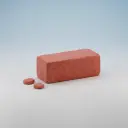 طُوبَة ṭūba brick
يُمْسِكُ طُوبَةً حَمْرَاءَ. yumsiku ṭūbatan ḥamrā’ He holds a red brick.
-
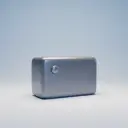 فُولاذ fūlādh steel
يَصْنَعُونَ الأدَوَاتِ مِنَ الفُولاذِ. yaṣnaʿūna al-ʾadawāti mina al-fūlādh They make the tools from steel.
-
 خَلْفَ khalfa behind
هو خَلْفَ ذلك المبنى. huwa khalfa dhalika l-mabna. It is behind that building.
-
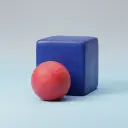 أَمَامَ amāma in front of
هي أمامي. Hiya amāmī. She is in front of me.
-
 بَيْنَ bayna between
الحديقة بَيْنَ منزلين. al-ḥadīqa bayna manzilayn. The park is between two houses.
-
 بِجَانِبِ bijānibi next to
ذلك المتجر بجانب بيتي. Dhalika l-matjaru bijanibi bayti. That store is next to my house.
-
 عَكْس ʿaks opposite
نذهب في الاتجاه المعاكس. nadhhab fi al-ittijah al-mu'akis. We go the opposite direction.
-
 مُقَابِل muqābil across from
نسكن مقابل المتجر. naskunu muqābila al-matjar. We live across from the store.
-
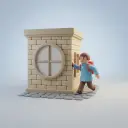 عَلَى مَقْرُبَة ʿala maqrubah around the corner
هي تسكن على مقربة الآن. Hiya taskun ʿalā maqruba al-ʾān. She lives around the corner now.
-
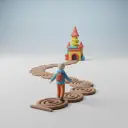 نَحْوَ naḥwa towards
يمشي الأطفال نحو الشجرة الكبيرة. yamshi al-atfal nahwa ash-shajara al-kabira. The kids walk towards the big tree.
-
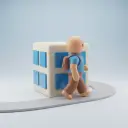 المَاضِي al-māḍī past
عليك أن تذهب بعد الجسر. 'alayka an tadhhaba ba'da al-jisr. You need to go past the bridge.
-
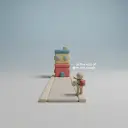 فِي نِهَايَةِ الشَّارِعِ fī nihāyat ash-shāriʿ at the end of the street
أسكن في نهاية الشارع. askun fī nihāyat ash-shāriʿ. I live at the end of the street.
-
 عَلَى اليَسَار ʿala al-yasar on the left
تَرْكُنُ سيارتها عَلَى اليَسَار. tarkunu sayyāratahā ʿalā l-yasār. She parks on the left side.
-
 عَلَى اليَمِين ʿala al-yamīn on the right
هم على اليمين. Hum ʿala al-yameen. They are on the right.
-
 فَوْقَ fawqa above
الشمس فوق الجبل. ash-shamsu fawqa al-jabal The sun is above the mountain.
-
 تَحْتَ taḥta below
القَرْيَةُ تَقَعُ تَحْتَ الجَبَلِ. al-qaryatu taqaʿu taḥta al-jabal The village is below the mountain.
-
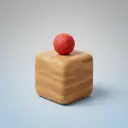 فَوْق fawq on top
الصندوق موجود في الأعلى. as-sandūq mawjūd fī al-a'lā. The box is on top.
-
 قُرْبَ qurba near
أَسْكُنُ بِالْقُرْبِ مِنَ النَّهْرِ. askunu bil-qurbi min an-nahr. I live near the river.
-
 فِي المُنْتَصَفِ fi al-muntasaf in the middle
يَقِفُ فِي المُنْتَصَفِ. yaqifu fi al-muntasaf. He stands in the middle.
-
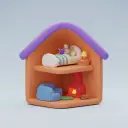 دَاخِل dākhil inside
الكَلْبُ دَاخِلَ المَنْزِلِ. al-kalbu dākhila al-manzil. The dog is inside the house.
-
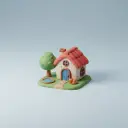 مَكَان makān place
وَجَدْنَا مَكَانًا آمِنًا. wajadnā makānan āminā We found a safe place.
-
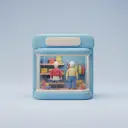 مَتْجَر matjar store
نحن نشتري الطعام من الْمَتْجَرِ. naḥnu nashtarī aṭ-ṭaʿām min al-matjar We buy food at the store.
-
 بَيْت bayt house
تعيش العائلة في ذلك البيتِ. Taʿīshu al-ʿāʾilatu fī dhālika al-bayti. The family lives in that house.
-
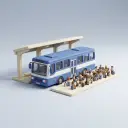 مَحَطَّةُ حَافِلَات maḥaṭṭat ḥāfilāt bus station
أَنْتَظِرُ بِمَحَطَّةِ الحَافِلَات. antaẓiru bi-maḥaṭṭat al-ḥāfilāt I wait at the bus station.
-
 وَسَطُ المَدِينَة wasat al-madina city center
أَسْكُنُ بِالقُرْبِ مِنْ وَسَطِ المَدِينَةِ. askunu bil-qurbi min wasati l-madina I live near the city center.
-
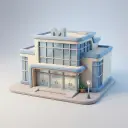 مَرْكَزُ تَسَوُّق markaz tasawwuq shopping mall
مَرْكَزُ التَّسَوُّقِ كَبِيرٌ جِدًّا. markazu at-tasawwuqi kabīrun jiddan. The shopping mall is very big.
-
 نَافُورَة nāfūra fountain
تلك النافورة بها ماء صافٍ جداً. Tilka an-nāfūra bihā mā' ṣāfin jiddan. That fountain has very clear water.
-
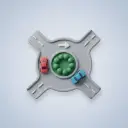 دُوَّار duwwār roundabout
هذا الدوار يسهل حركة المرور. hādhā ad-dawwār yusahhil ḥarakat al-murūr. This roundabout helps the traffic.
-
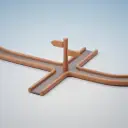 مُفْتَرَق muftaraq crossroads
توقفنا عند مفترق الطرق. Tawaqqafnā ʿinda muftaraq aṭ-ṭuruq. We stopped at the crossroads.
-
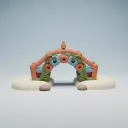 جِسْر jisr bridge
يمشي الناس عبر الجسر. yamshī an-nās ʿabra al-jisr. People walk across the bridge.
-
 نَفَق nafaq tunnel
تسير السيارة عبر نفق. tasīru as-sayyāratu ʿabra nafaq. The car drives through a tunnel.
-
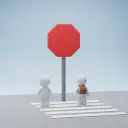 إِشَارَةُ قِف ishāratu qif stop sign
يجب عليك احترام إشارة قف. yajibu ʿalayka iḥtirām ishārat qif. You need to respect the stop sign.
-
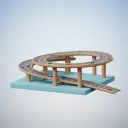 جِسْر عُلْوِيّ jisr 'ulwi overpass
بَنَوْا جِسْراً عُلْوِيّاً بالقرب من المنزل. Banaw jisran ʿulwiyyan bil-qurbi mina l-manzil. They built an overpass near home.
-
 نَفَقٌ nafaq underpass
سنمشي عبر النفق. sanamshī ʿabra an-nafaq. We will walk through the underpass.
-
 مَعْلَم maʿlam landmark
المَعْلَم قَرِيب مِن النَّهْر. al-maʿlam qarīb min an-nahr. The landmark is near the river.
-
 إِشَارَةُ مُرُور ishārat murūr traffic sign
إشارة المرور هذه تعني قف. ishārat al-murūr hādhihi taʿnī qif. This traffic sign means stop.
-
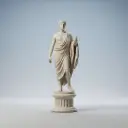 تِمْثَال timthāl statue
رأى التمثال الجميل. Ra'a at-timthal al-jamil. He saw the beautiful statue.
-
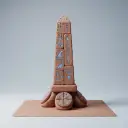 نُصُب تَذْكَارِيّ nuṣub tadhkāriyy monument
زاروا النصب التذكاري العالي. Zārū an-nuṣub at-tadhkāriyy al-ʿālī. They visited the tall monument.
-
 شَمَال shamāl north
شمال هذه المدينة مثير للاهتمام. shamālu hadhihi l-madīnati muthīrun lil-ihtimām. The north of this city is interesting.
-
 جَنُوب janūb south
الريح تأتي من الجنوب. ar-rīḥ taʾtī min al-janūb. The wind comes from the south.
-
 شَرْق sharq east
الريح تأتي من الشرق. ar-rīḥ taʾtī min ash-sharq. The wind comes from the east.
-
 غَرْب gharb west
تَغْرُبُ الشَّمْسُ فِي الْغَرْبِ. taghrubu ash-shamsu fil-gharb. The sun sets in the west.
-
 شَمَال شَرْقِيّ shamāl sharqī northeast
يسكن بن في منطقة الشمال الشرقي. Yaskun Bin fī minṭaqat ash-shamāl ash-sharqiyy. Ben lives in the northeast area.
-
 شَمَال غَرْبِيّ shamāl gharbī northwest
تلك الولاية في الشمال الغربي. tilka al-wilāya fī ash-shamāl al-gharbiyy. That state is in the northwest.
-
 جَنُوب شَرْق janūb sharq southeast
يعيش في منطقة الجنوب الشرقي. yaʿīshu fī minṭaqat al-janūb ash-sharqī. He lives in the southeast region.
-
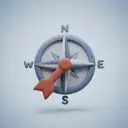 جَنُوب غَرْبِيّ janūb gharbī southwest
قادوا إلى الجنوب الغربي. Qādū ilā al-janūb al-gharbī. They drove to the southwest.
-
 دَوَرَانٌ لِلْخَلْف dawaran lil-khalf U-turn
هذا دوران للخلف. Hādhā dawarān lil-khalf. This is a U-turn.
-
 طَرِيق مَسْدُود ṭarīq masdūd dead end
ذلك الشارع طريق مسدود. dhālika ash-shāriʿu ṭarīq masdūd. That street is a dead end.
-
 سُلَّمٌ مُتَحَرِّكٌ sullam mutaḥarrik escalator
يأخذك السلم المتحرك إلى الطابق العلوي. ya'khudhuka as-sullam al-mutaḥarrik ilā aṭ-ṭābiq al-ʿulwī. The escalator takes you to the top floor.
-
 مُنْحَدَر munḥadar ramp
تحتاج الكراسي المتحركة إلى مُنْحَدَرَات. taḥtāj al-karāsī al-mutaḥarrika ilā munḥadarāt. Wheelchairs require ramps.
-
 طَقْس ṭaqs weather
الطقس لطيف اليوم. aṭ-ṭaqs laṭīf al-yawm. This is nice weather today.
-
 مُشْمِس mushmis sunny
يُحب يوماً مشمساً. yuḥibbu yawman mushmisan. He likes a sunny day.
-
 غَائِم ghā'im cloudy
يتوقعون أن يكون بعد الظهر غائماً. Yatawaqqa'ūna an yakūna ba'da aẓ-ẓuhri ghā'iman. They expect a cloudy afternoon.
-
 مُمْطِر mumṭir rainy
قد يكون اليوم الممطر مريحاً. Qad yakūn al-yawm al-mumṭir murīḥan. A rainy day can be cozy.
-
 عَاصِف ʿāṣif windy
الجو عاصف في الخارج. al-jaww ʿāṣif fil-khārij. It is windy outside.
-
 سَاخِن sākhin hot
هذا الشاي سَاخِن جداً. hādhā ash-shāy sākhin jiddan. This tea is very hot.
-
 بَارِد bārid cold
تَهُبّ الرياح الباردة في الشتاء. Tahubbu ar-riyāḥ al-bāridah fī ash-shitā'. The cold wind blows in winter.
-
 دَافِئ dāfiʾ warm
كان الجو دَافِئاً على الشاطئ اليوم. Kāna al-jawwu dāfiʾan ʿalā ash-shāṭiʾ al-yawm. It was warm at the beach today.
-
 رَبِيع rabīʿ spring
تحب الأزهار الربيع. Tuḥibb al-ʾazhār ar-rabīʿ. The flowers love the spring.
-
 صَيْف ṣayf summer
الصَّيْف فصل حار جداً. aṣ-ṣayf faṣl ḥārr jiddan. Summer is a very hot season.
-
 خَرِيف kharīf autumn
الخريف هو فصلي المفضل. al-kharīf huwa faṣlī al-mufaḍḍal. Autumn is my favorite season.
-
 شِتَاء shitaa' winter
قد يكون الشتاء بارداً جداً هنا. Qad yakūn ash-shitā' bāridan jiddan hunā. Winter can be very cold here.
-
 شَمْس shams sun
تُشْرِقُ الشَّمْسُ فِي السَّمَاءِ. tushriqu ash-shamsu fis-samāʾ The sun shines in the sky.
-
 قَمَر qamar Moon
أَرَى الْقَمَرَ الْمُنِيرَ. ara al-qamara al-muneer I see the bright moon.
-
 نَجْم najm star
أرى نَجْمًا ساطعًا. Arā najman sāṭiʿan. I see a bright star.
-
 سَمَاء samāʾ sky
تُحَلِّقُ الطُّيُورُ فِي السَّمَاءِ. tuḥalliquṭ-ṭuyūru fis-samāʾi Birds fly in the sky.
-
 سَحَابَة saḥāba cloud
سَحَابَةٌ مُظْلِمَةٌ تُخْفِي الشَّمْسَ. saḥābatun muẓlima tukhfī ash-shams A dark cloud hides the sun.
-
 مَطَر maṭar rain
يَنْزِلُ الْمَطَرُ مِنَ السَّمَاءِ. yanzilu al-maṭaru min as-samā' The rain falls from the sky.
-
 رِيح rīḥ wind
نَشْعُرُ بالرِّيحِ البَارِدَةِ. nashʿuru bir-rīḥi l-bāridah We feel the cold wind.
-
 عَاصِفَة ʿāṣifa storm
كَسَرَتِ الْعَاصِفَةُ الْقَوِيَّةُ الْأَشْجَارَ. kasarat al-ʿāṣifatu al-qawiyyatu al-ashjār The strong storm broke the trees.
Free for personal and classroom use.
Quick quiz
Five questions from the first 100 words.
Make these words stick
The app brings each word back right before you’d forget it. Free on iPhone and Android.
More Arabic
Arabic words by topic
- Numbers1–100
- Ordinal Numbers12
- Days of the week12
- Months12
- Colors19
- Family members36
- Body parts24
- Food44
- Animals36
- Clothes41
- Weather24
- Greetings12
- Fruits16
- Vegetables12
- Kitchen36
- Restaurant & ordering food48
- Money25
- Rooms in the house48
- Jobs & professions36
- Emotions & feelings36
- School supplies & classroom48
- Transportation48
- Travel60
- Directions48
- Prepositions18
- Places in town48
- At the doctor36
- Sports & games60
- Hobbies36
- Musical instruments12
- Nature & plants36
- Planets & space24
- Time36
- Holidays & celebrations12
- Shapes12
- Please & thank you24
- Small talk36
Word lists
Alphabet
Learn these 500 Arabic words in order.
The app teaches them 12 at a time, with pictures and audio, and brings each one back before you forget it. Free on iPhone and Android.
Scan with your phone's camera to get the app.
