











 Le 100 parole più usate in inglese
Ogni parola con immagine, pronuncia nativa e una frase di esempio con la traduzione in italiano. Tocca un altoparlante per sentire la parola o la frase.

Impara tutte le 100 parole con l’app
Con immagini, pronuncia nativa e ogni parola che torna poco prima che tu la dimentichi. Gratis su iPhone e Android.

 Inquadra con la fotocamera del telefono
 Il tuo PDF si sta scaricando
Stampare è il primo passo. Flashcardly fa restare le parole in mente: ognuna torna poco prima che tu la dimentichi, con la pronuncia nativa.
Come è stata ordinata questa lista
È il corso di inglese di Flashcardly, nel suo ordine: per frequenza e utilità nella vita di tutti i giorni, con il contributo di insegnanti di lingue. Non è un semplice conteggio da un corpus, ed è per questo che parole come «il» e «di» non riempiono l’inizio della lista, mentre «uomo» arriva al numero 13.
La lista
Tocca un’immagine per ascoltarla.
-
 Hello Ciao
Hello, how are you? Ciao, come stai?
-
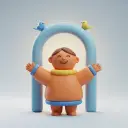 Welcome benvenuto
Welcome to our home. Benvenuti a casa nostra.
-
 Good morning Buongiorno
Good morning! Buongiorno!
-
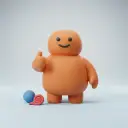 yes sì
Yes, I understand. Sì, capisco.
-
 Good evening Buonasera
Good evening! Buonasera!
-
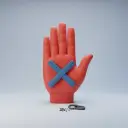 no no
no noShe said no. Ha detto di no.
-
 Goodbye Arrivederci
Goodbye, Anna! Arrivederci, Anna!
-
 Good afternoon Buon pomeriggio
Good afternoon! Buon pomeriggio!
-
 See you soon A presto
See you soon, Mia! A presto, Mia!
-
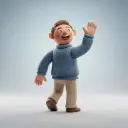 See you tomorrow Ci vediamo domani
See you tomorrow! Ci vediamo domani!
-
 Nice to meet you Piacere
Nice to meet you too! Piacere, anche a te!
-
 How are you? Come stai?
How are you today? Come stai oggi?
-
 man un uomo
The man reads the book. L'uomo legge il libro.
-
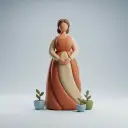 woman una donna
The woman wears a hat. La donna indossa un cappello.
-
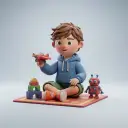 boy un ragazzo
The boy plays with toys. Il ragazzo gioca con i giocattoli.
-
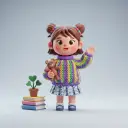 girl una ragazza
The girl has a ball. La ragazza ha una palla.
-
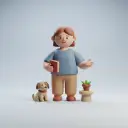 person una persona
He is a nice person. È una persona brava.
-
 people la gente
The people are very happy. La gente è molto felice.
-
 adult un adulto
I am an adult. Sono un adulto.
-
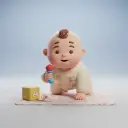 baby un bambino
The baby needs milk. Il bambino ha bisogno di latte.
-
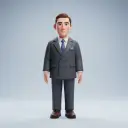 Mr signore
Mr. Smith likes to read books. Al signor Smith piace leggere libri.
-
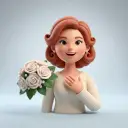 Mrs Signora
Mrs. Smith is a teacher. La signora Smith è un'insegnante.
-
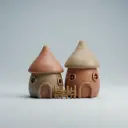 neighbor un vicino
My neighbor is very friendly. Il mio vicino è molto amichevole.
-
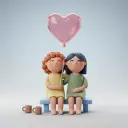 friend un amico
My friend likes to read books. Al mio amico piace leggere libri.
-
 today oggi
Today is a good day. Oggi è una bella giornata.
-
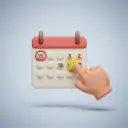 tomorrow domani
Tomorrow is a new day. Domani è un nuovo giorno.
-
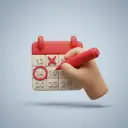 yesterday ieri
I saw her yesterday. L'ho vista ieri.
-
 now adesso
He wants it now. Lo vuole adesso.
-
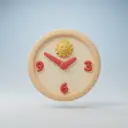 afternoon un pomeriggio
I like the afternoon. Mi piace il pomeriggio.
-
 evening una sera
The evening is quiet. La sera è tranquilla.
-
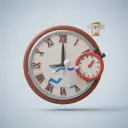 minute un minuto
We need five minutes. Ci servono cinque minuti.
-
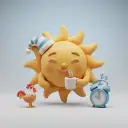 morning una mattina
I eat breakfast in the morning. Faccio colazione la mattina.
-
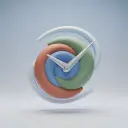 later più tardi
I will do it later. Lo farò più tardi.
-
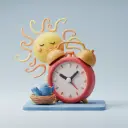 early presto
She wakes up early. Si sveglia presto.
-
 late in ritardo
He is often late. È spesso in ritardo.
-
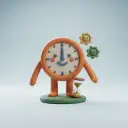 hour un'ora
The class lasts one hour. La lezione dura un'ora.
-
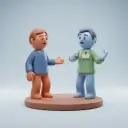 What's your name? Come ti chiami?
What's your name? Come ti chiami?
-
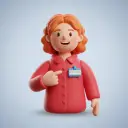 My name is Mi chiamo
My name is Emily. Mi chiamo Emily.
-
 Where are you from? Di dove sei?
Where are you from? Di dove sei?
-
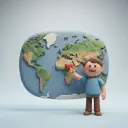 I'm from Sono di
I'm from Germany. Sono della Germania.
-
 Where do you live? Dove abiti?
Where do you live? Dove abiti?
-
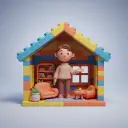 I live in Vivo in
I live in Japan. Vivo in Giappone.
-
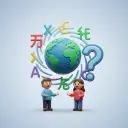 What languages do you speak? Che lingue parli?
What languages do you speak? Che lingue parli?
-
 I speak parlo
I speak English well. Parlo inglese bene.
-
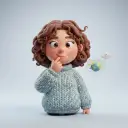 I speak a little parlo un po'
I speak a little French. Parlo un po' di francese.
-
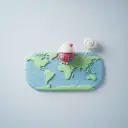 Where were you born Dove sei nato
Where were you born? Dove sei nato?
-
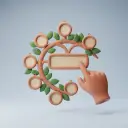 What's your surname? Qual è il tuo cognome?
What's your surname? Qual è il tuo cognome?
-
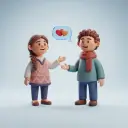 This is my friend Questa è la mia amica
This is my friend Lisa. Questa è la mia amica Lisa.
-
 make fare
I make good coffee. Faccio un buon caffè.
-
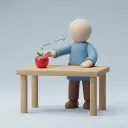 get ricevere
He got a present. Lui ha ricevuto un regalo.
-
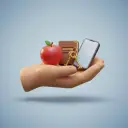 have avere
Emma has a car. Emma ha una macchina.
-
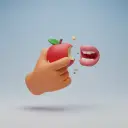 eat mangiare
They are eating apples. Stanno mangiando le mele.
-
 drink bere
Do you drink coffee? Bevi caffè?
-
 sleep dormire
I want to sleep now. Voglio dormire adesso.
-
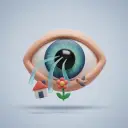 see vedere
Can you see the house? Vedi la casa?
-
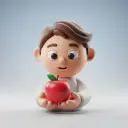 look at guardare
Adam likes to look at pictures. A Adamo piace guardare le foto.
-
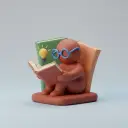 read leggere
The student reads books. Lo studente legge libri.
-
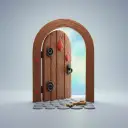 open aprire
She opens the window. Lei apre la finestra.
-
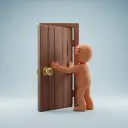 close chiudere
I close the door. Chiudo la porta.
-
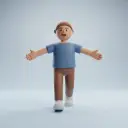 come venire
You come here every day. Vieni qui ogni giorno.
-
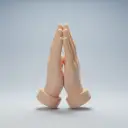 Please. Per favore
Please open the door. Per favore, apri la porta.
-
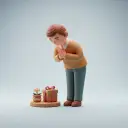 Thank you. Grazie
Thank you for your help. Grazie per il tuo aiuto.
-
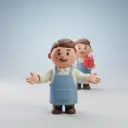 You're welcome. Prego
You're welcome. Prego.
-
 Excuse me. Scusi
Excuse me, I need help. Scusi, ho bisogno di aiuto.
-
 Sorry. Mi dispiace
I am sorry. Mi dispiace.
-
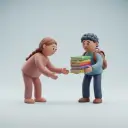 Could you help me? Potresti aiutarmi?
Could you help me? Potresti aiutarmi?
-
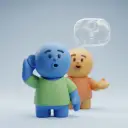 Could you please repeat? Potresti ripetere, per favore?
Could you please repeat that? Potresti ripetere quello, per favore?
-
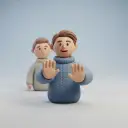 Could you speak more slowly? Potresti parlare più lentamente?
Could you speak more slowly? Potresti parlare più lentamente?
-
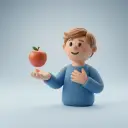 Could I have ... please? Potrei avere... per favore?
Could I have water please? Potrei avere dell'acqua, per favore?
-
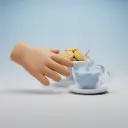 I'd like vorrei
I'd like some more tea. Vorrei ancora un po' di tè.
-
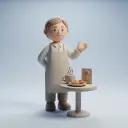 May I...? Posso...?
May I have some water? Posso avere dell'acqua?
-
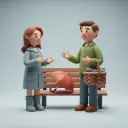 Is it okay if...? Va bene se...?
Is it okay if I sit? Va bene se mi siedo?
-
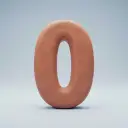 zero zero
Zero is less than one. Zero è meno di uno.
-
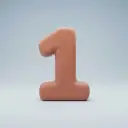 one uno
I have one apple. Ho una mela.
-
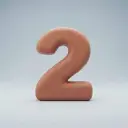 two due
There are two cats. Ci sono due gatti.
-
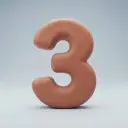 three tre
No, three is too much. No, tre è troppo.
-
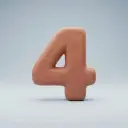 four quattro
Give me four, please. Dammi quattro, per favore.
-
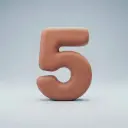 five cinque
I have five dogs. Ho cinque cani.
-
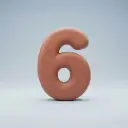 six sei
He came with six friends. È venuto con sei amici.
-
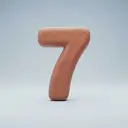 seven sette
I am running seven kilometers. Corro sette chilometri.
-
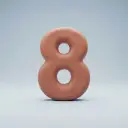 eight otto
A spider has eight legs. Un ragno ha otto zampe.
-
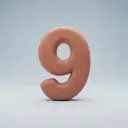 nine nove
Nine is my lucky number. Nove è il mio numero fortunato.
-
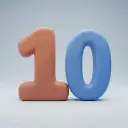 ten dieci
We have ten fingers. Abbiamo dieci dita.
-
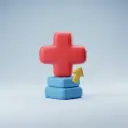 plus più
Two plus two is four. Due più due fa quattro.
-
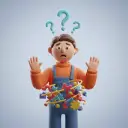 I don't understand. Non capisco
I don't understand. Non capisco.
-
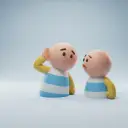 Could you repeat that please? Potresti ripetere, per favore?
Could you repeat that please? Potresti ripetere, per favore?
-
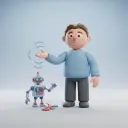 More slowly please. Più lentamente per favore
More slowly please. Più lentamente per favore.
-
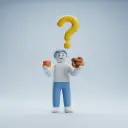 What does that mean? Cosa significa?
What does that mean? Cosa significa?
-
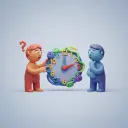 How do you say that in ...? Come si dice... in
How do you say that in Spanish? Come si dice questo in spagnolo?
-
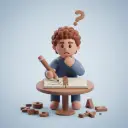 How do you spell that? Come si scrive?
How do you spell that? Come si scrive?
-
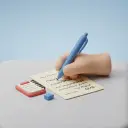 Can you write it down? Puoi scriverlo?
Can you write it down, please? Puoi scriverlo, per favore?
-
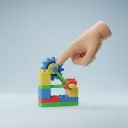 Can you show me? Puoi mostrarmi?
Can you show me the photo? Puoi mostrarmi la foto?
-
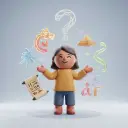 Do you speak ...? parli...?
Do you speak English? Parli inglese?
-
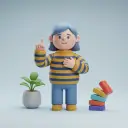 Just a moment please. Un attimo, per favore.
Just a moment please. Un attimo, per favore.
-
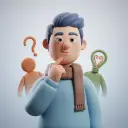 I think so. Credo di sì
I think so too. Credo di sì anch'io.
-
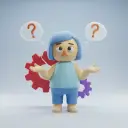 I don't know. Non lo so
I don't know. Non lo so.
-
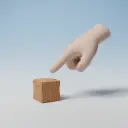 this questo
This is my red car. Questa è la mia macchina rossa.
-
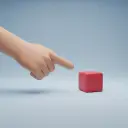 that quello
That dog is very friendly. Quel cane è molto amichevole.
-
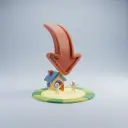 here qui
I like being here. Mi piace stare qui.
-
 there lì
We meet there after work. Ci incontriamo lì dopo il lavoro.
Gratis per uso personale e scolastico.
Quiz veloce
Cinque domande sulle prime 100 parole.
Fissa queste parole
L’app ti ripropone ogni parola poco prima che tu la dimentichi. Gratis su iPhone e Android.
Altre risorse di inglese
Vocabolario di inglese per argomento
- Numeri1–100
- Numeri ordinali12
- Giorni della settimana12
- Mesi12
- Colori19
- Famiglia36
- Parti del corpo24
- Cibo44
- Animali36
- Vestiti41
- Gioielli e accessori12
- Tempo atmosferico24
- Saluti12
- Frutta16
- Verdura12
- Cucina36
- Al ristorante48
- Soldi25
- Stanze della casa48
- Professioni e mestieri36
- Emozioni e sentimenti36
- Materiale scolastico48
- Mezzi di trasporto48
- Viaggi60
- Indicazioni stradali48
- Preposizioni18
- Luoghi della città48
- Dal medico36
- Sport60
- Hobby e passatempi36
- Strumenti musicali12
- Natura e piante36
- Pianeti e spazio24
- Espressioni di tempo36
- Feste e ricorrenze12
- Forme geometriche12
- Per favore e grazie24
- Conversazione di base36
Liste di parole
Alfabeto
Impara queste 100 parole in inglese, in ordine.
L’app te le insegna 12 alla volta, con immagini e audio, e te le ripropone prima che tu le dimentichi. Gratis su iPhone e Android.
Inquadra il codice con la fotocamera del telefono per scaricare l’app.
